Trail Maps and Towns of Airedales
Quiz Complete!
Trail Maps and Towns of Airedales: The Places Behind the Breed
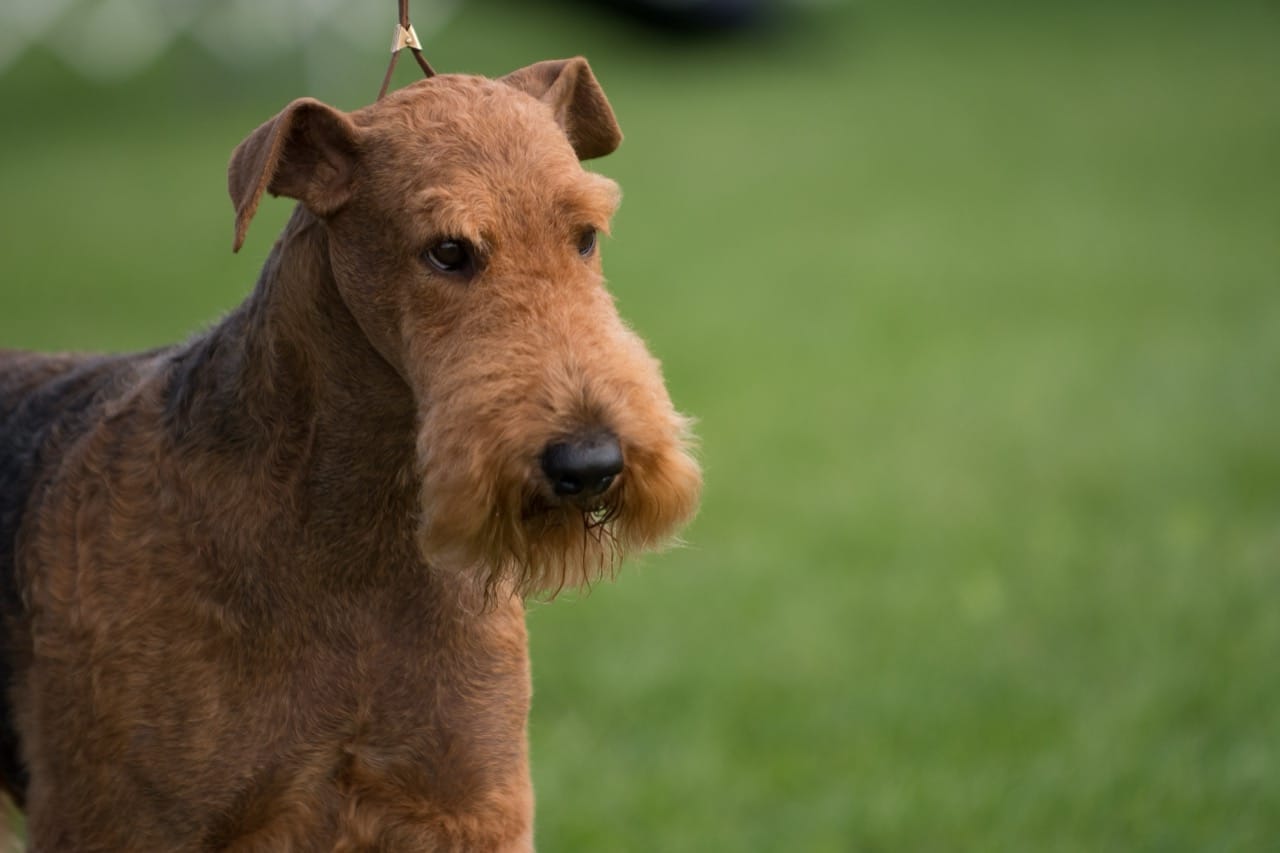
The Airedale Terrier carries its birthplace in its name, and that makes it one of the easiest breeds to place on a map. The name points to the River Aire and the valley it cuts through in West Yorkshire, England. In the nineteenth century, this was a working landscape of mills, canals, farms, and tightly packed towns. Dogs were expected to earn their keep, and the Airedale’s story is closely tied to the practical needs of people living along that river corridor.
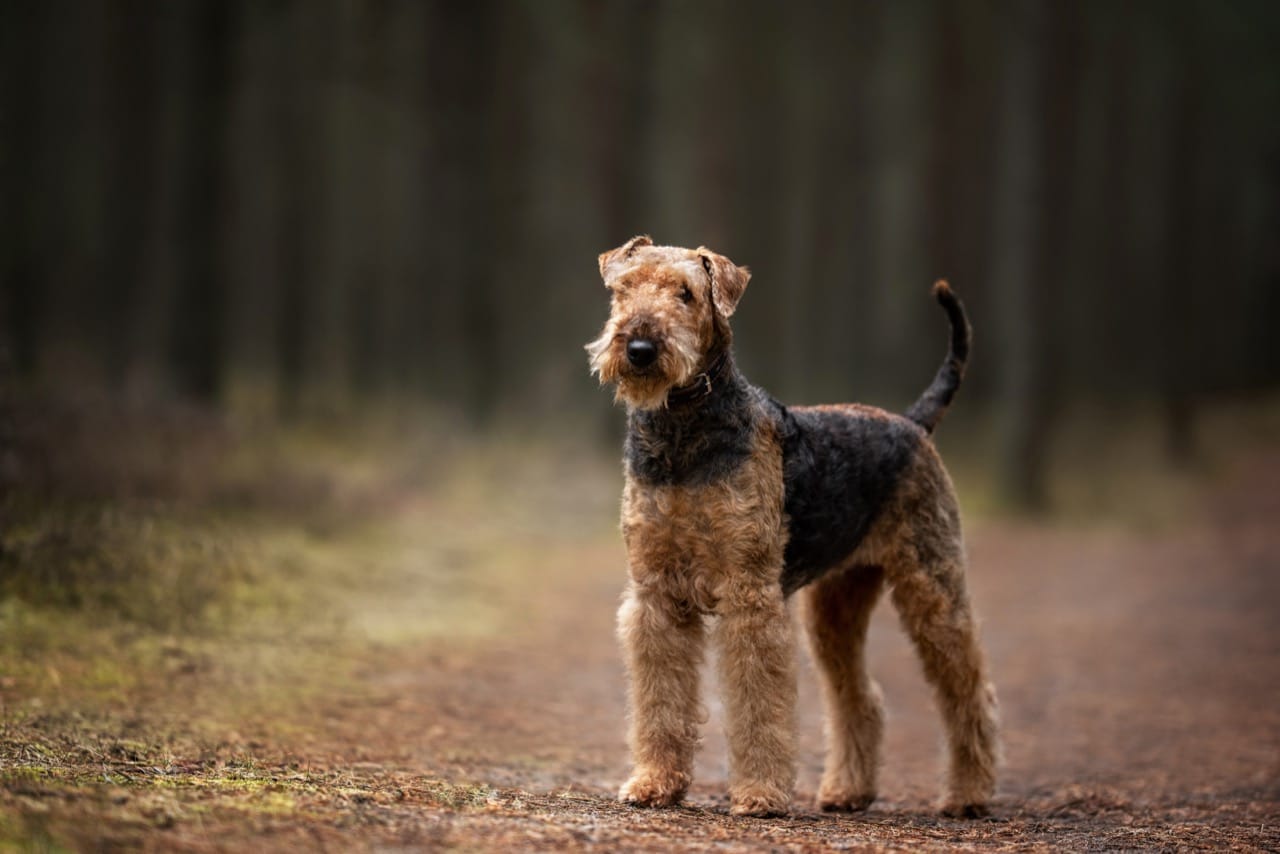
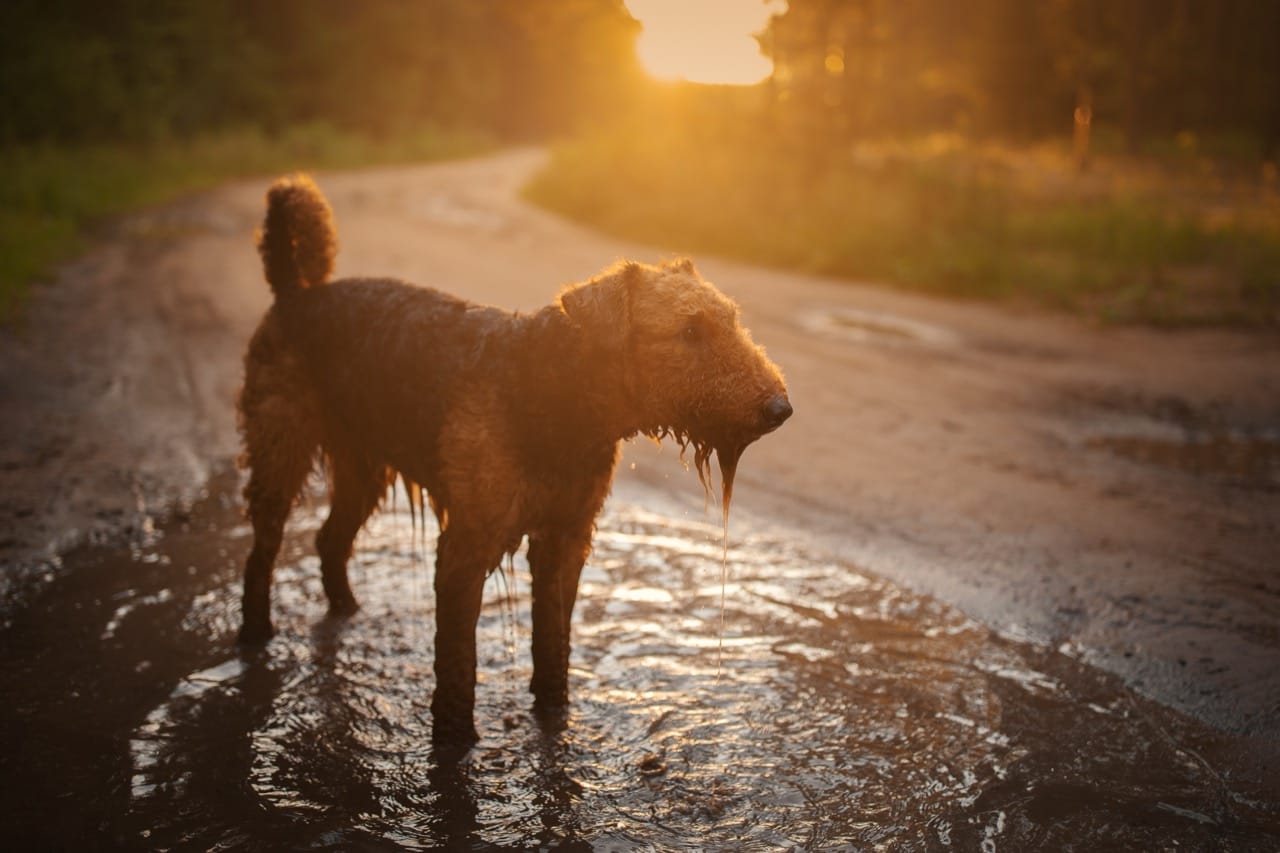
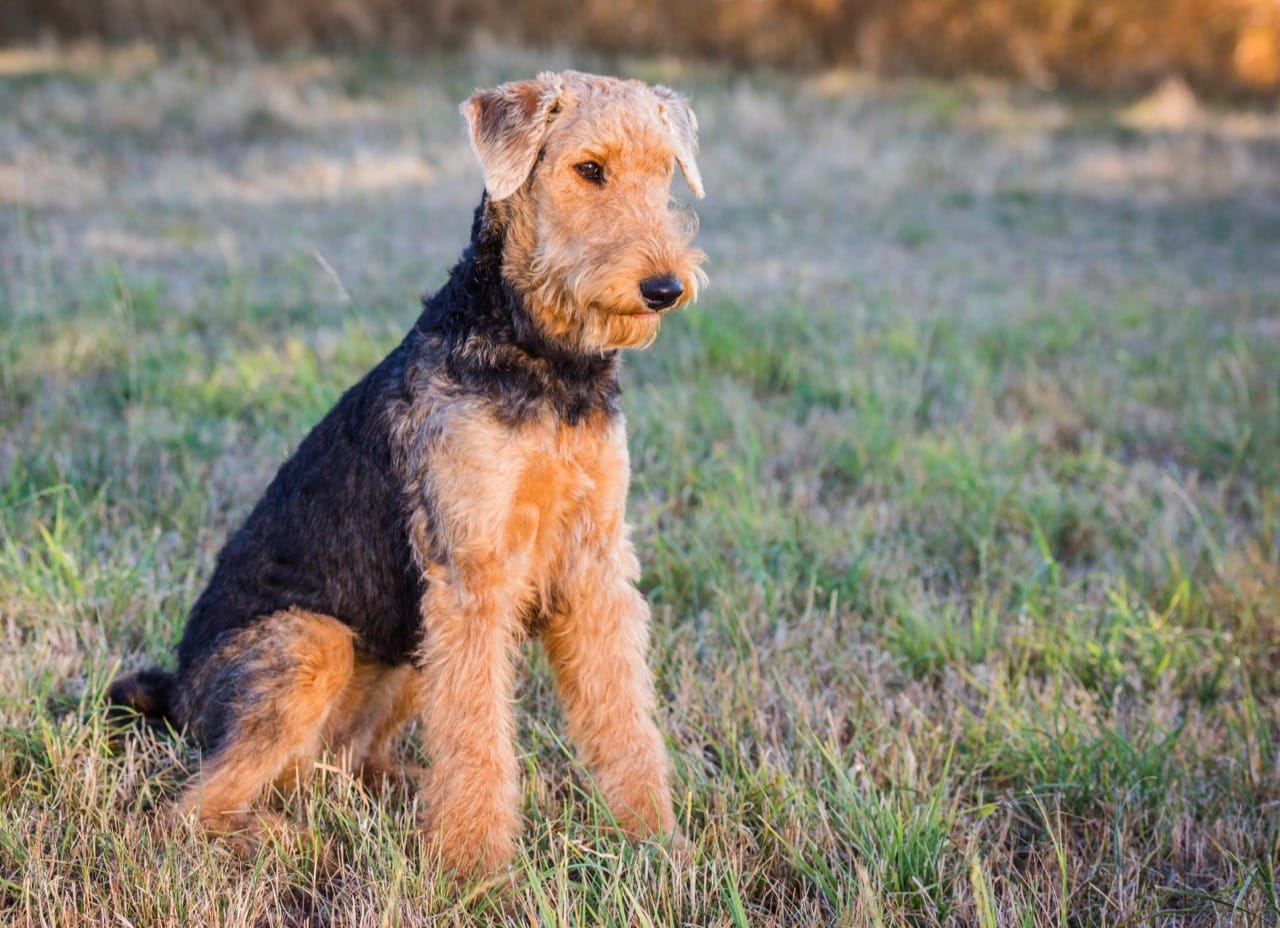
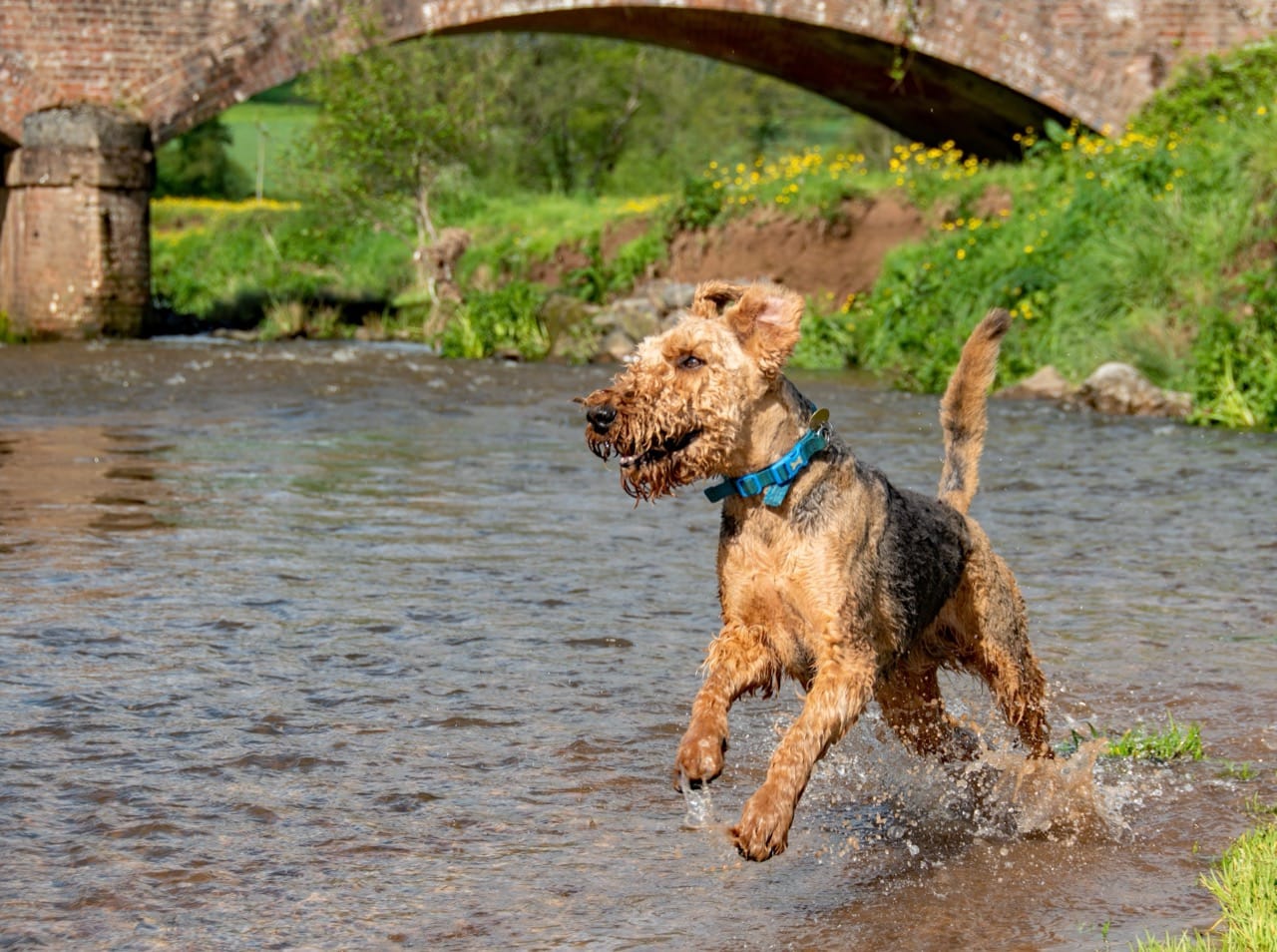
The breed developed in the Aire Valley around towns such as Otley, Bingley, and Keighley, with Bradford and Leeds nearby as major industrial centers. Local hunters wanted a dog that could handle water, rough banks, and stubborn quarry. Early “waterside” terriers were crossed with larger hound types to add size, stamina, and a better nose. The result was a tough, versatile terrier that could work the river for rats and otters, then turn around and serve as a general farm and guard dog. Even today, the Airedale’s build and weather-resistant coat make more sense when you picture damp Yorkshire air and muddy riverside paths.
Place names mattered in another way: they helped standardize a developing type. As dog shows and field trials gained popularity, naming a dog after its home valley gave it a clear identity that could travel beyond the region. The “Airedale” label became a kind of geographic brand, linking a consistent look and working ability to a specific part of England.
From Yorkshire, the Airedale’s reputation spread quickly across Britain. The breed became associated with police and military work because it combined terrier courage with enough size to be physically persuasive. In the era when organized policing was expanding, dogs that could track, patrol, and deter were valuable. Airedales were also used as messenger and sentry dogs in wartime, and their assignments often followed the map of British postings and European battlefronts. These were not just show dogs; they were working animals sent wherever people needed reliable canine help.
Across the Atlantic, the Airedale found an enthusiastic audience in the United States. American dog fanciers were drawn to breeds with a clear origin story, and the Airedale’s “King of Terriers” image fit the mood of the early twentieth century. The breed became popular with hunters and families alike, and it also gained a foothold in public life. One of the most frequently mentioned historical connections is to American presidential history, where Airedales appear in the broader tradition of White House dogs and high-profile ownership. Whether as a symbol of sturdy character or simply as a beloved companion, the breed’s presence in prominent households helped it spread geographically and socially.
If you trace the Airedale’s journey on a map, you can almost see the routes: from the Aire Valley’s mills and footbridges to rail lines that carried dogs to shows, then to ports and new countries where the breed adapted to different climates and jobs. Yet the original place still echoes in the name. Knowing the valley adds texture to familiar traits. The Airedale’s alertness feels like a riverside watchdog’s habit. Its independence makes sense for a dog expected to problem-solve in the field. Even its confident posture seems shaped by a region where a dog had to stand its ground.
For anyone taking a quiz on Airedale geography, the fun lies in linking the breed to real landscapes and institutions: a Yorkshire river, towns built on industry, estates and kennels that promoted the type, and wartime and police contexts that demanded intelligence and nerve. The Airedale’s story is not just about a dog; it is about how a specific place can produce an animal so distinctive that its hometown becomes part of its identity everywhere it goes.