Busting Jack Russell Myths in 12 Questions











Quiz Complete!
Busting Jack Russell Myths: What These Little Terriers Really Need
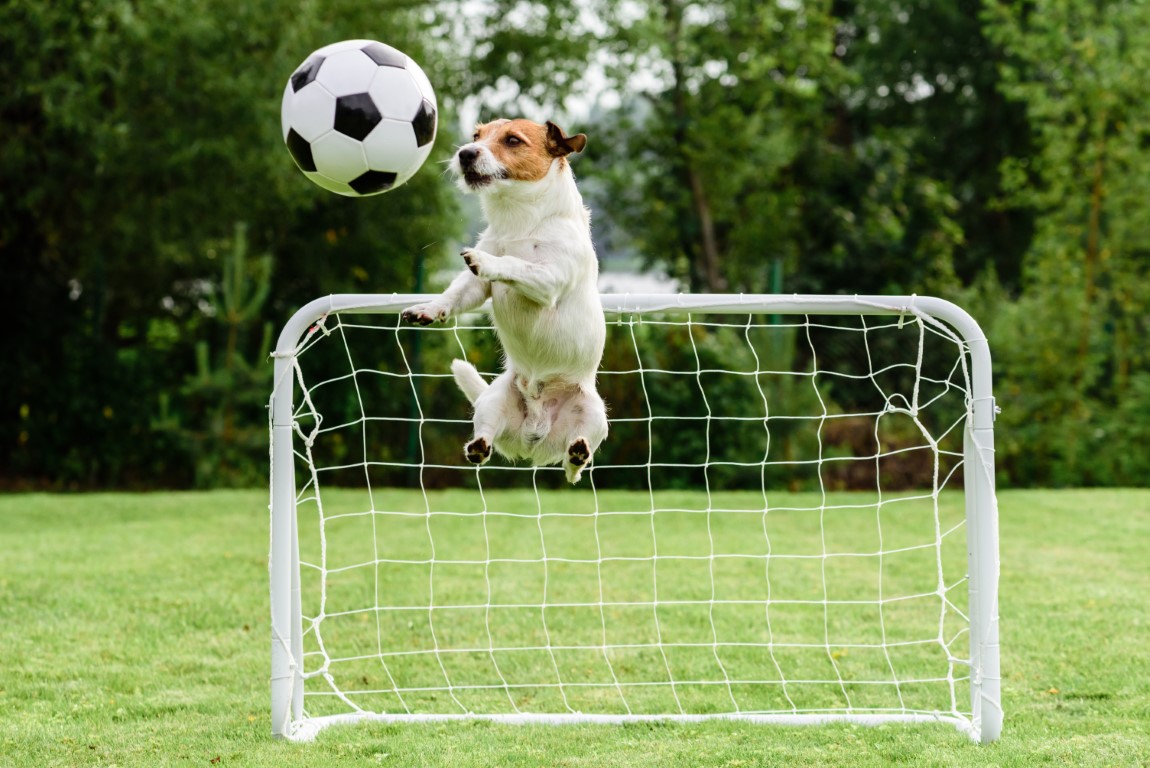
Jack Russell Terriers often get described as tiny tornadoes, and while their energy is real, many popular claims about them are either exaggerated or missing important context. One common myth is that Jack Russells are untrainable. In reality, they are highly trainable, but not in the passive, eager to please way some people expect. They were developed to work independently, make quick decisions, and persist at a task. That means they learn fast, including learning habits you did not intend. Training succeeds when it is consistent, rewarding, and mentally engaging, with clear boundaries from day one.
Another stereotype is that they are automatically aggressive or not safe around children. Temperament varies widely by breeding, early socialization, and day to day handling. A well bred, well socialized Jack Russell can be friendly and affectionate, but these dogs are also quick, intense, and easily overaroused. Families do best when they teach kids how to interact respectfully, supervise play, and provide the dog with quiet time. Many bite incidents blamed on breed are really mismatches: a busy dog with no outlet, or rough play that escalates.
Barking and digging are often treated like unavoidable flaws. They are common behaviors, but they are also forms of communication and occupation. A Jack Russell left bored will invent a job, and that job might be excavating your garden or sounding the alarm at every noise. The more accurate statement is that they are prone to these behaviors if their needs are unmet. Adequate exercise helps, but so does mental work: scent games, trick training, puzzle feeders, and structured play. Teaching a quiet cue and rewarding calm can reduce nuisance barking, but expecting silence from a watchful terrier is unrealistic.
Prey drive is another area where myths swing between extremes. Some people assume a Jack Russell can never live with cats or small pets, while others assume love and training will erase instincts. The truth sits in the middle. Many have strong chase instincts and may not be safe with rabbits, rodents, or free roaming birds. Some can coexist with confident cats when introduced carefully and managed thoughtfully, but it depends on the individual dog, the cat, and the household setup. Reliable recall around wildlife is difficult for many terriers, so secure fencing, leashes, and long lines are often part of responsible ownership.
People also mix up Jack Russells with other small terriers or with similar looking mixes, then attribute one dog’s behavior to the whole breed. Even within Jack Russells, there are variations in size, coat type, and intensity. Ethical breeders select for stable temperament and health, and they match puppies to homes, which can make a huge difference. At the same time, genetics are not destiny. Environment matters: predictable routines, positive training, and outlets for natural behaviors shape the adult dog you live with.
The biggest myth may be that a Jack Russell simply needs more running. Physical exercise is important, but endless high intensity activity can build an athlete who still cannot settle. Teaching calm, rewarding relaxation, and providing appropriate chews and enrichment are just as critical. When their brains and bodies are satisfied, many Jack Russells are not chaos machines at all, but bright, funny companions with a talent for turning everyday life into a game.