Myth or Merit Mini Aussie Trivia
.JPG)
Quiz Complete!
Myth or Merit: What a “Mini Aussie” Really Is
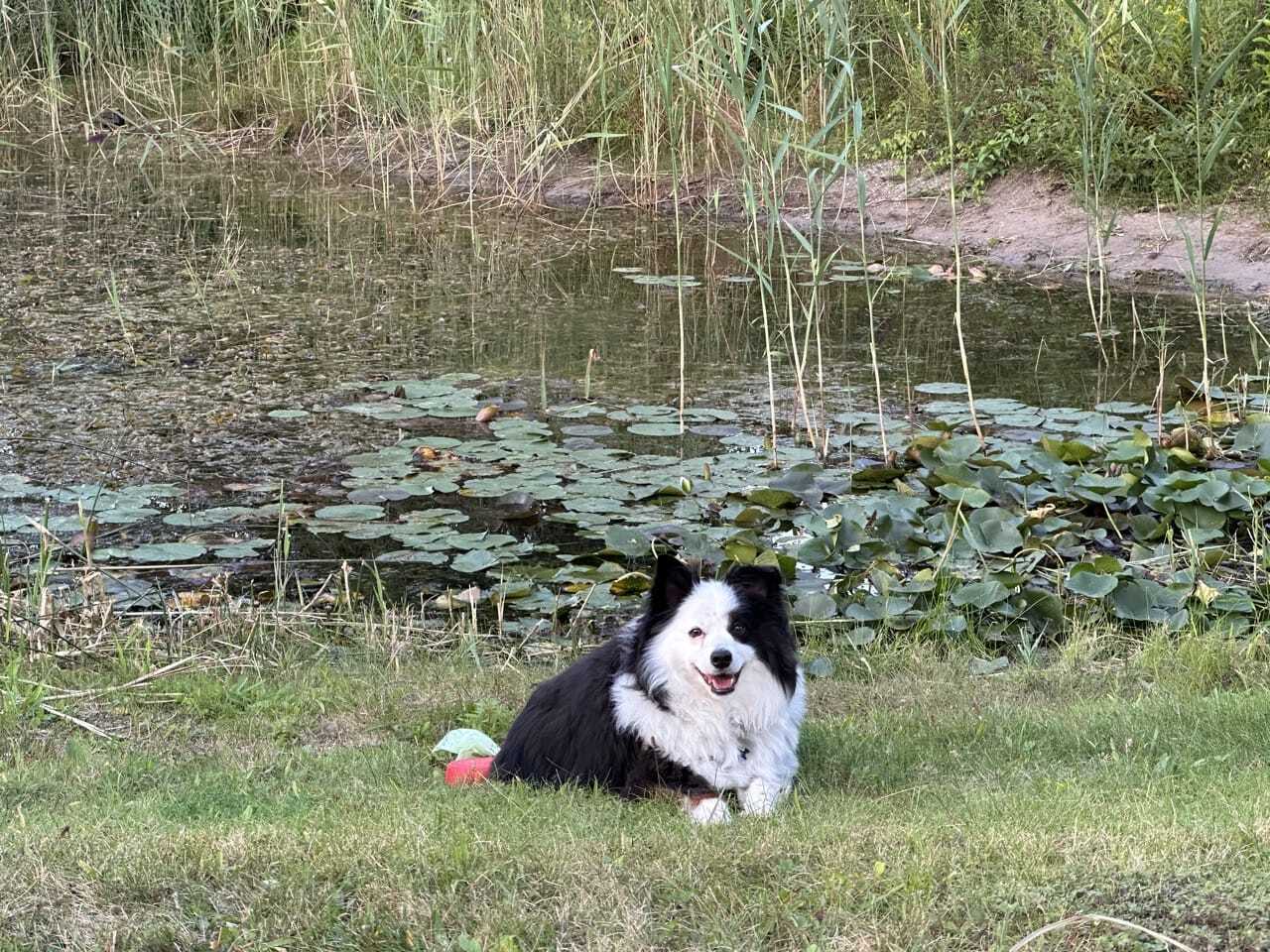
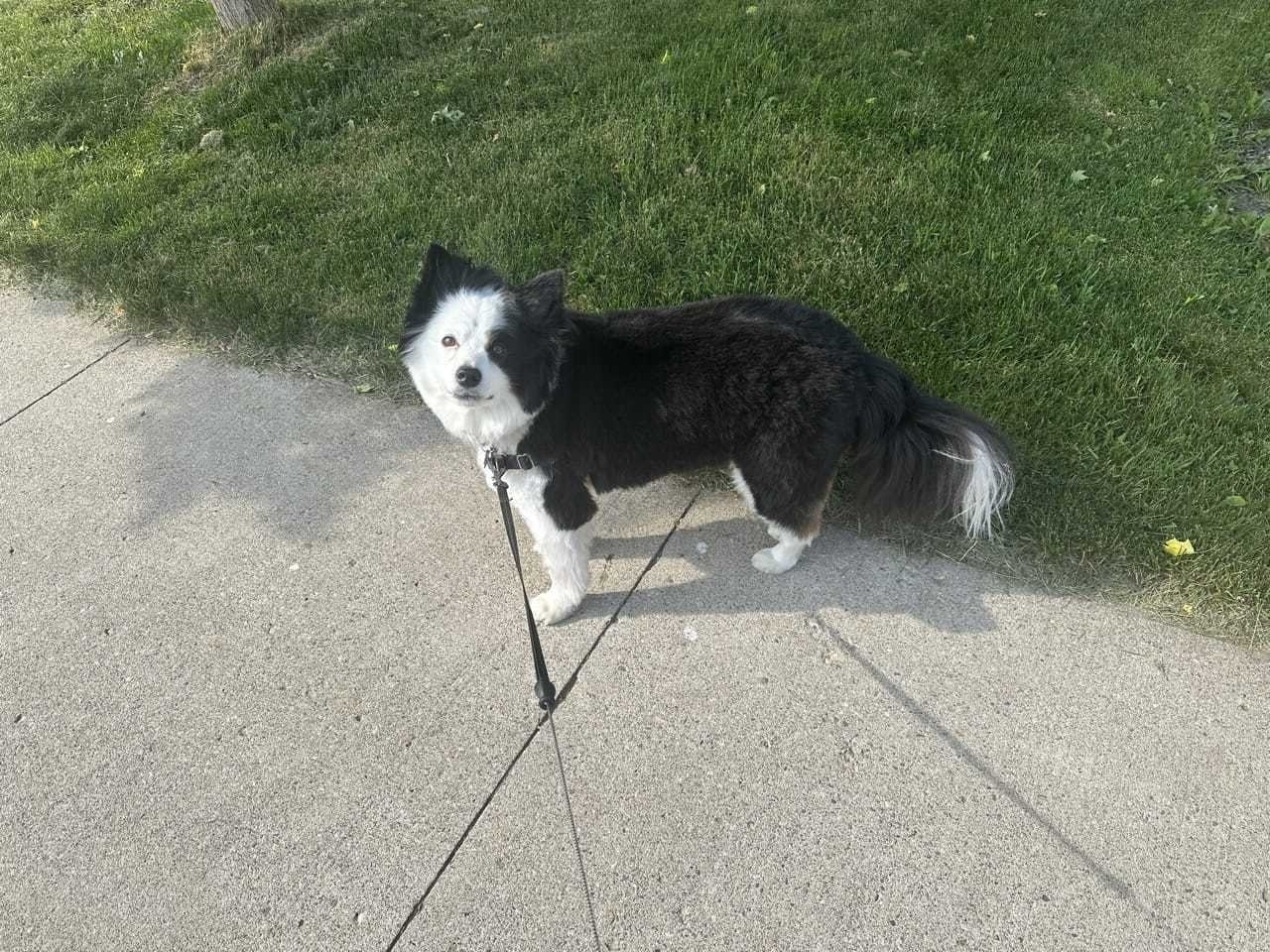
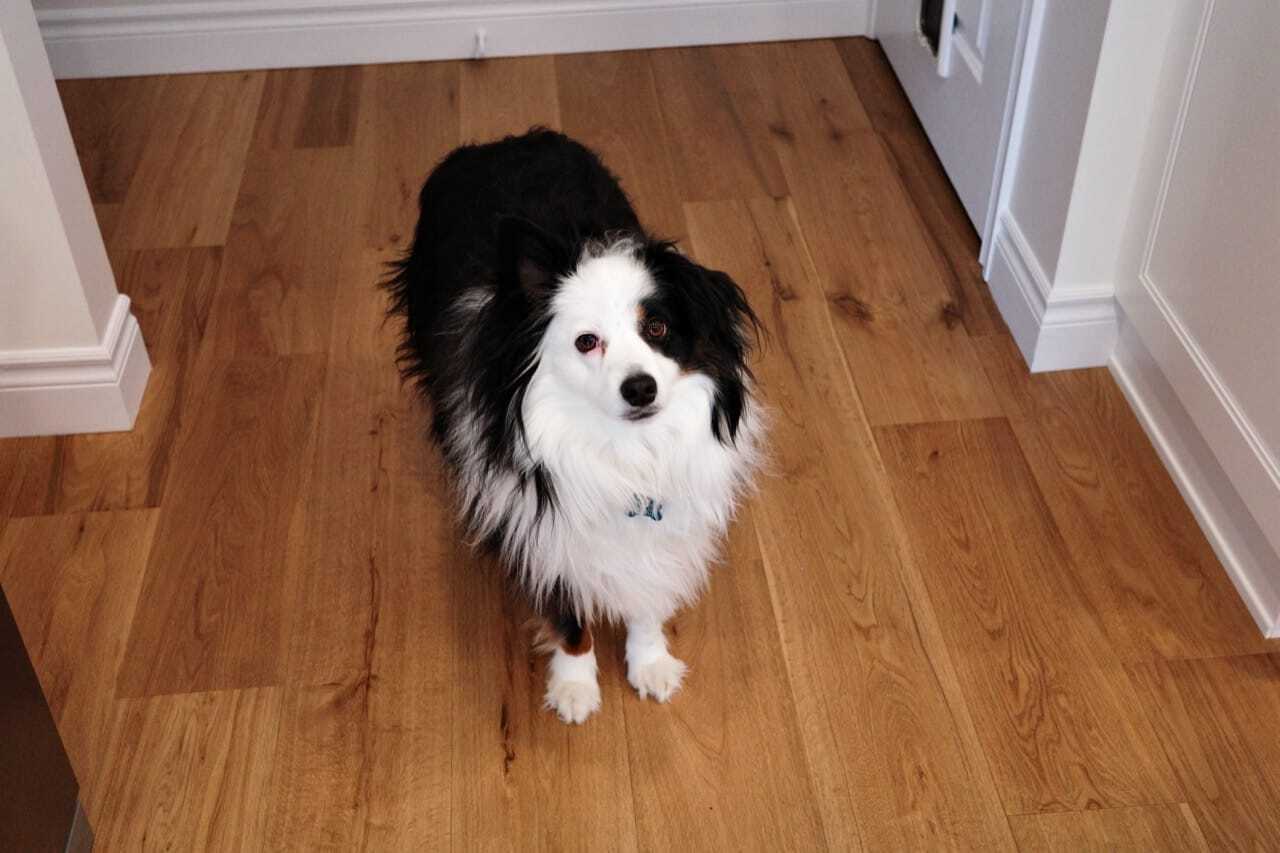
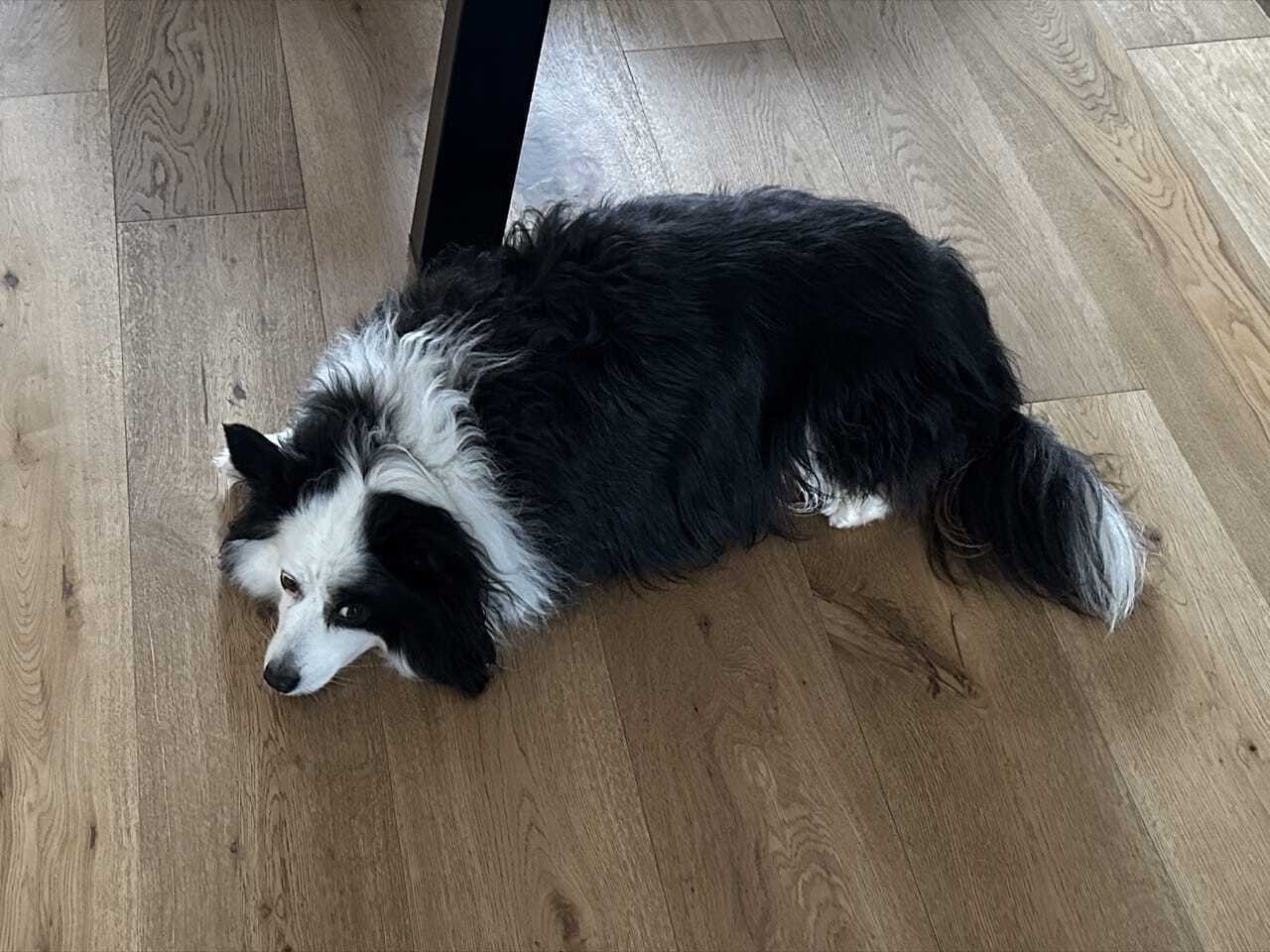
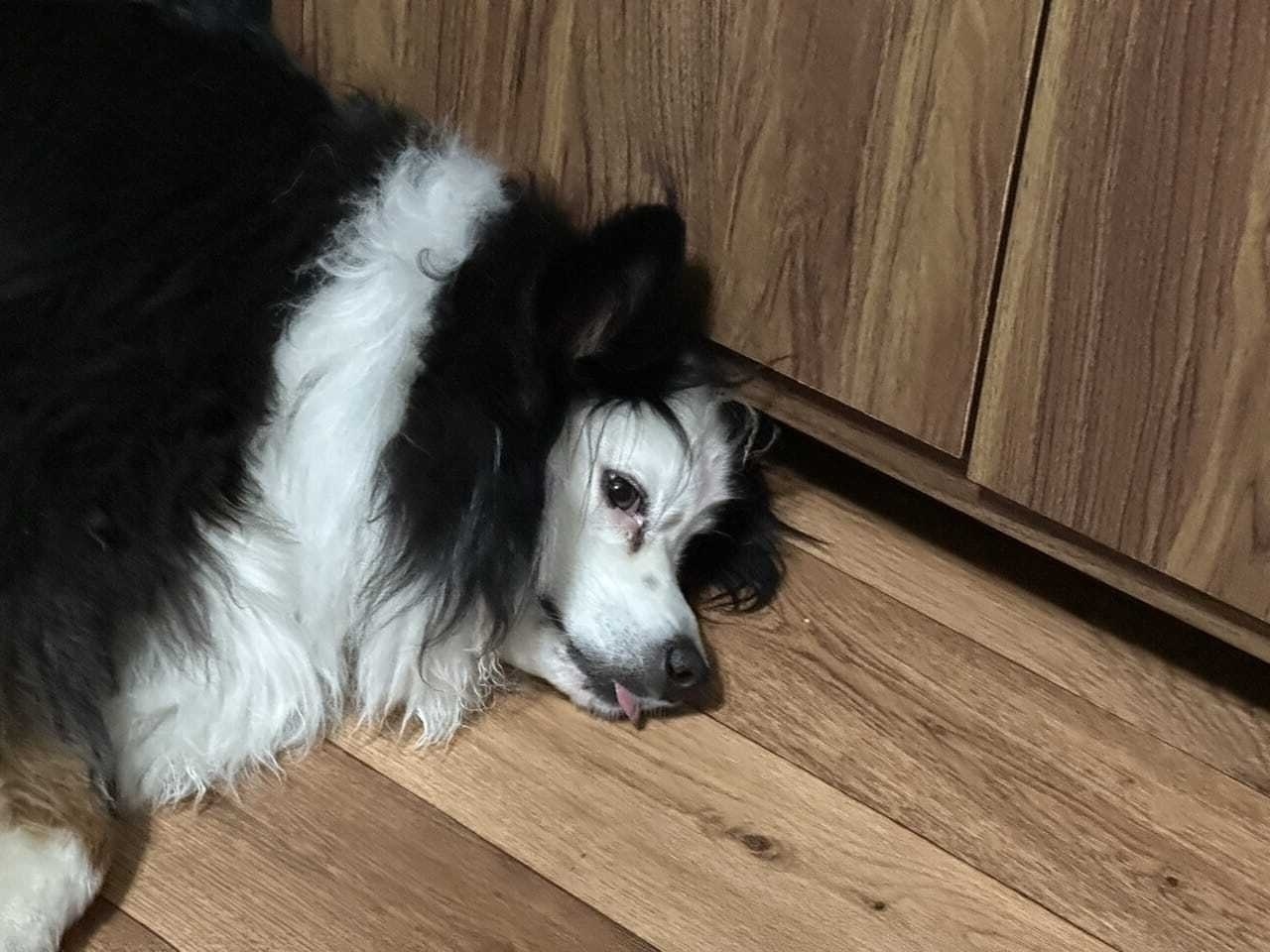
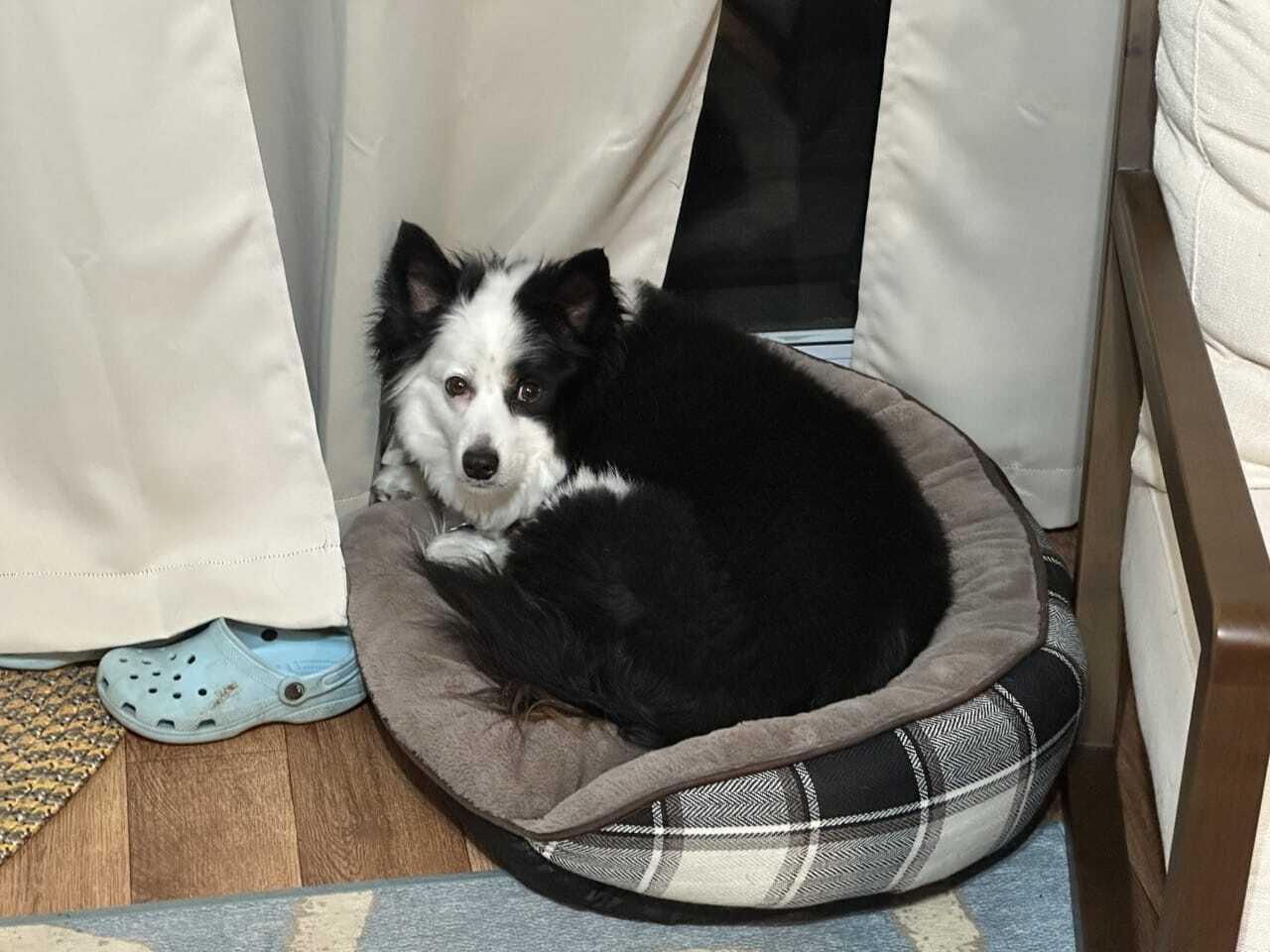
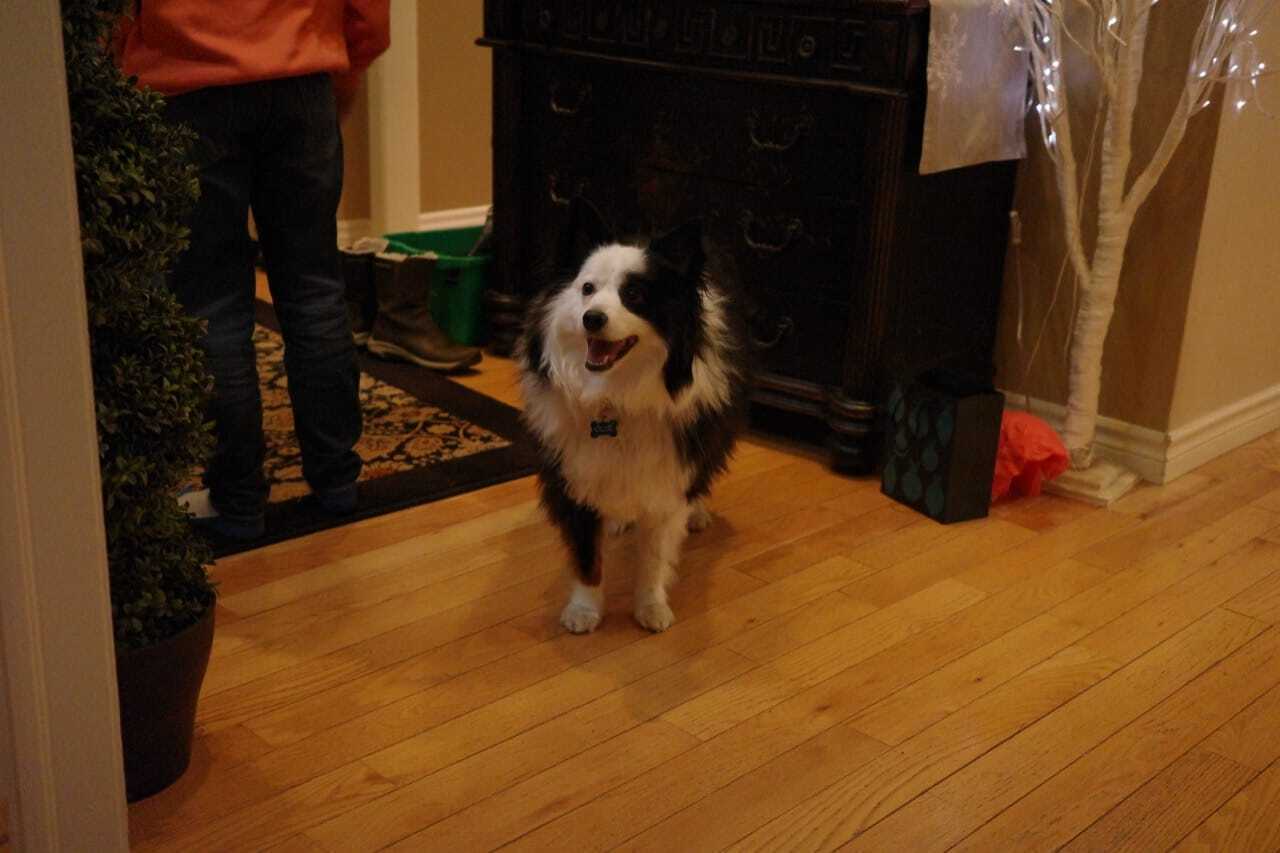
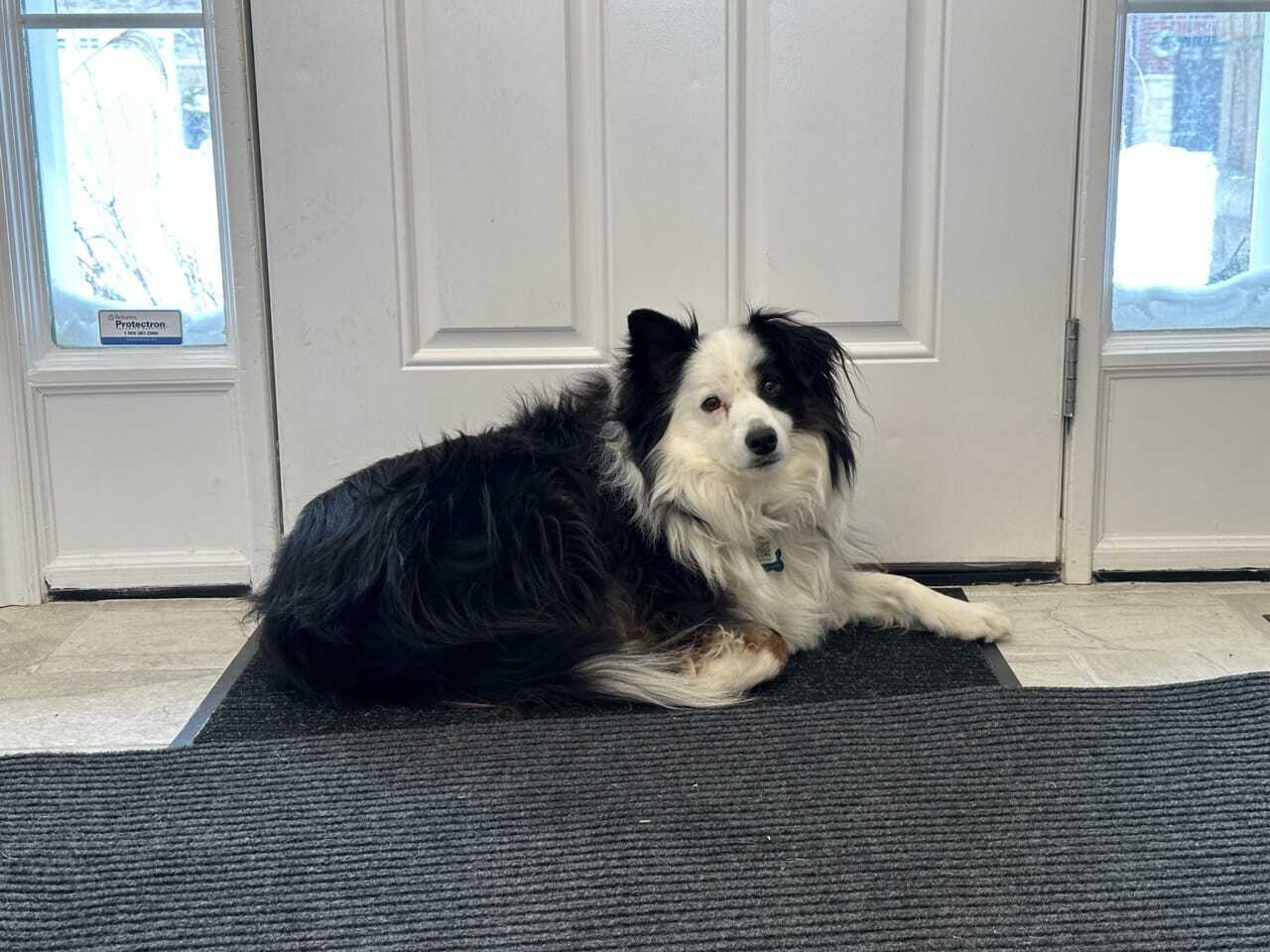
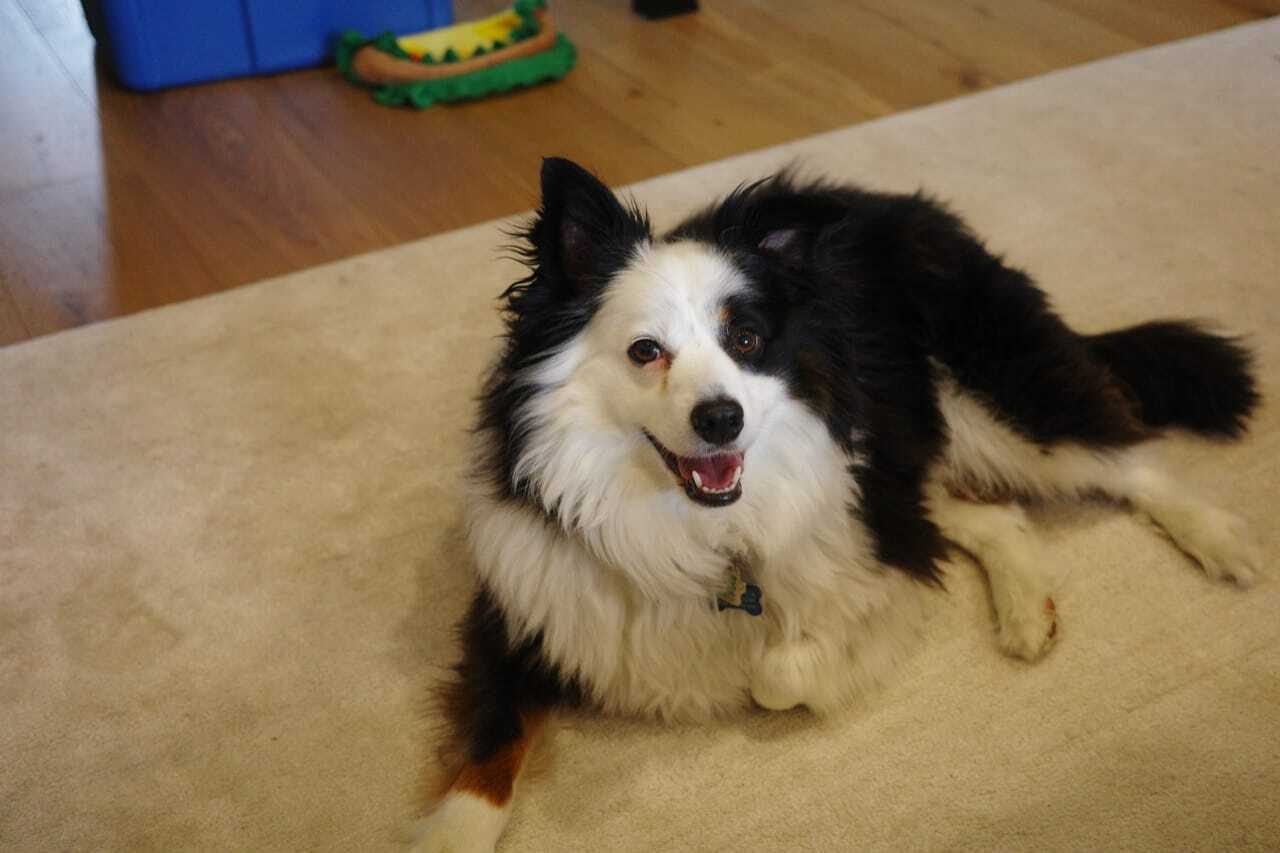
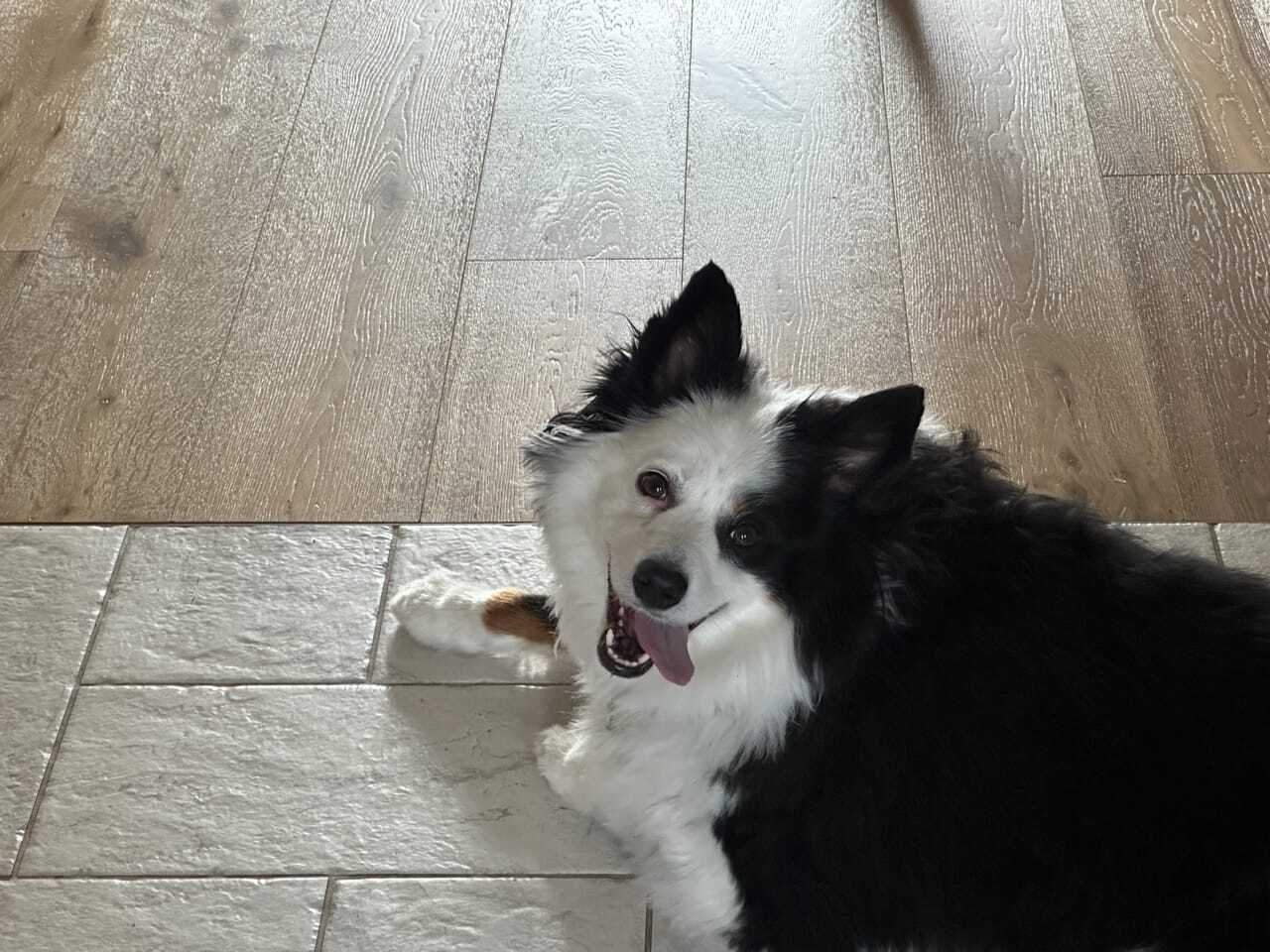
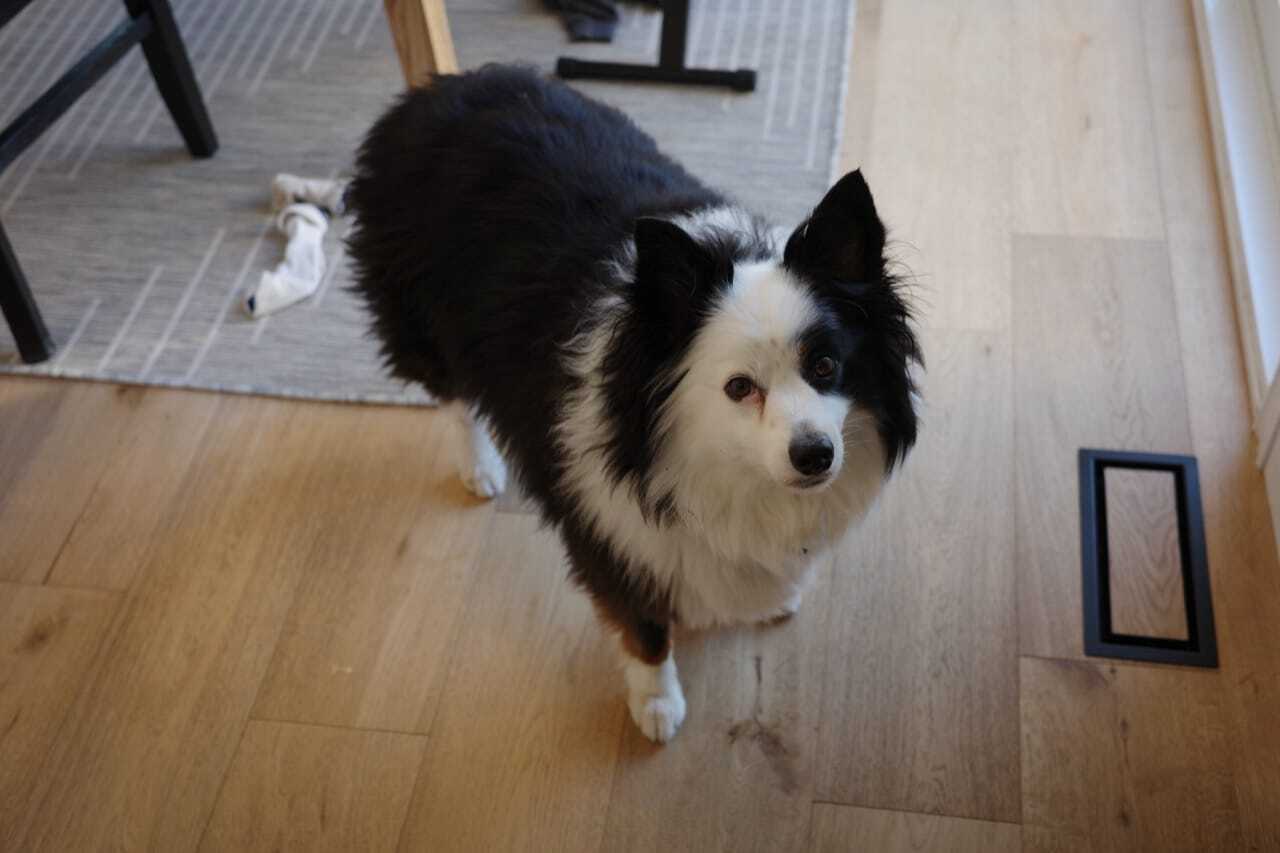
People love tidy labels, and “Mini Aussie” sounds like one: take an Australian Shepherd, shrink it, and you get the same dog in a smaller box. The reality is more interesting. The dog many people call the Mini Aussie is officially the Miniature American Shepherd, a distinct breed with its own path to recognition. It shares roots with Australian Shepherd-type dogs, but it is not simply a size variety of the Australian Shepherd within major kennel club systems.
The story begins in the United States, not Australia. Australian Shepherds were developed largely in America, and in the late 20th century some breeders focused on consistently producing smaller herding dogs with the same general look and working style. Over time, those lines were developed with clearer size goals and a separate identity. To avoid confusion with the Australian Shepherd in registries, the name Miniature American Shepherd was adopted and eventually recognized by major organizations, including the American Kennel Club. Meanwhile, the term “Mini Aussie” stuck in everyday speech, and it still appears in ads and casual conversation, even though it can be misleading.
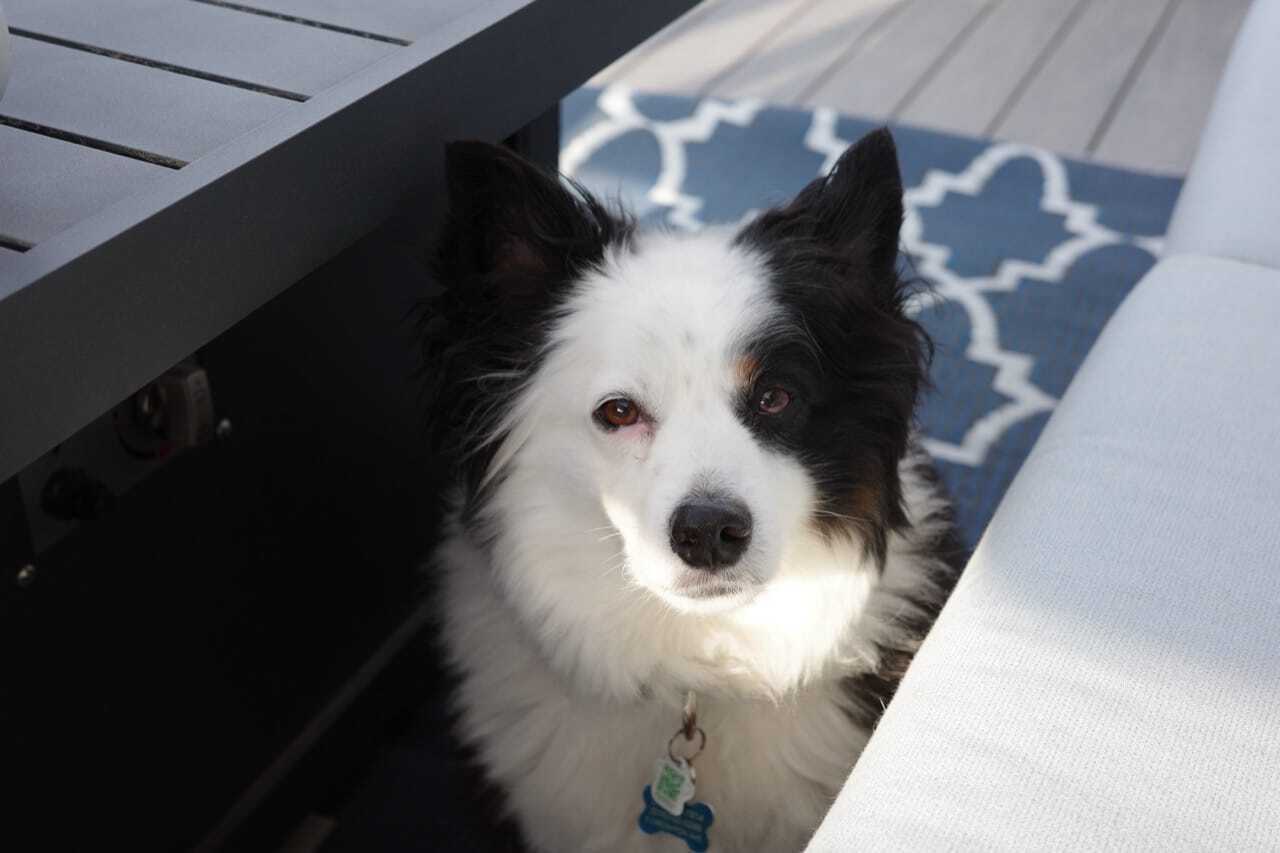
One common myth is that they are always blue merle. Blue merle is popular and eye-catching, but it is only one of several accepted coat patterns and colors. You can also see black, red, and red merle, typically with or without white markings and tan points depending on the standard used. Coat and eye color myths tend to travel together. Some people assume every merle has blue eyes, or that blue eyes are required. In truth, eye color can vary widely, including brown, blue, amber, or even two different colors. Merle can increase the chance of lighter eyes, but it is not a guarantee and it is not the only look.
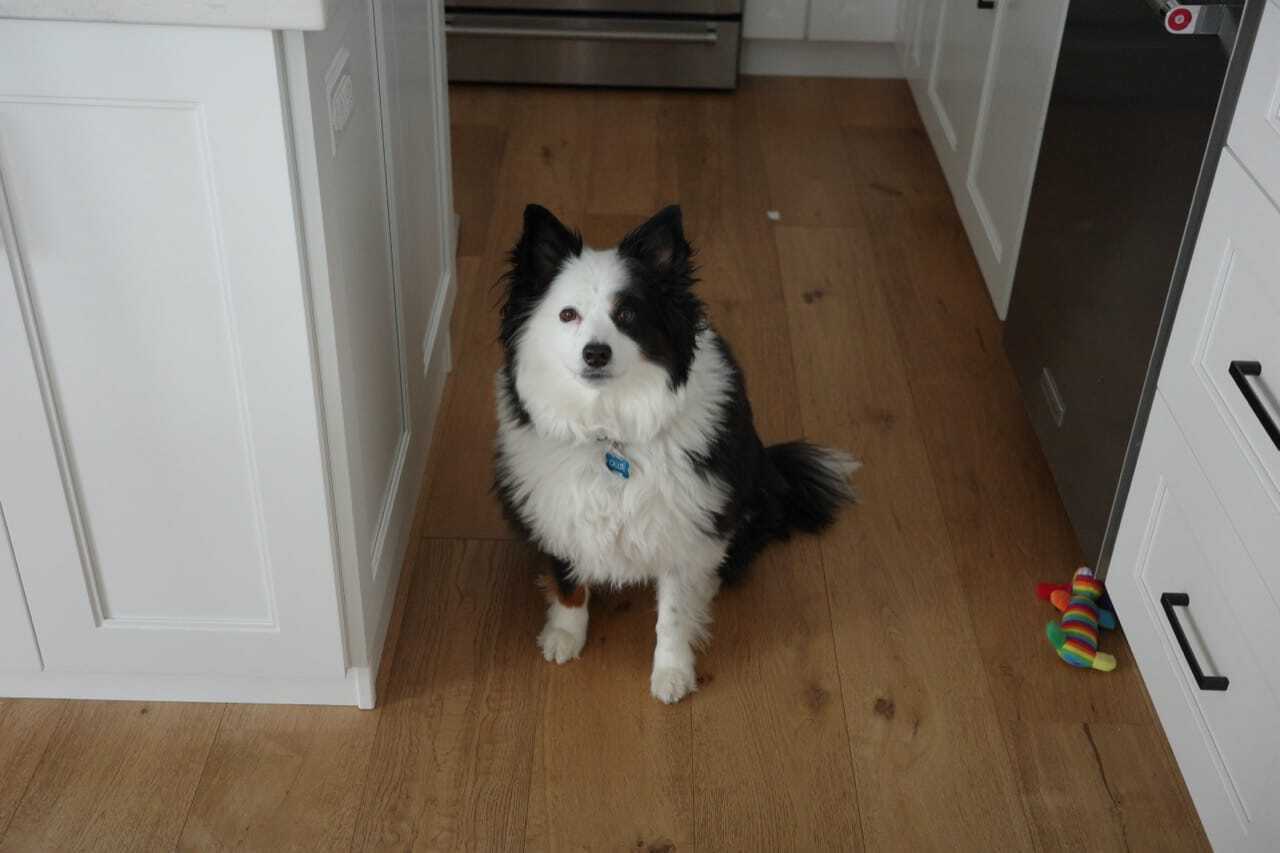
Size is another area where internet shortcuts cause confusion. “Mini” does not mean tiny. Miniature American Shepherds are smaller than many Australian Shepherds, but they are still athletic, sturdy herding dogs. Breed standards define a height range rather than a single number, and reputable breeders aim for healthy structure, not extreme smallness. If you see dogs marketed as “toy” or “teacup Mini Aussies,” you are often looking at a marketing term rather than a widely recognized, responsibly standardized category.
Temperament surprises first-time owners more than color or height ever will. These dogs are smart, people-oriented, and often intensely driven. Many were bred to work, and that heritage shows up as energy, quick learning, and a desire for a job. They can be wonderful companions, but they are rarely effortless apartment dogs. A smaller body does not automatically mean lower exercise needs. Without daily physical outlets and mental work, they may invent their own activities, such as herding children, shadowing you from room to room, barking at movement outside a window, or turning training sessions into negotiations.
Tails are another frequent misunderstanding. Some are born with naturally short tails, some have full tails, and some have historically been docked depending on region, laws, and breeder choices. Tail length is not a reliable way to identify the breed, and it should never be used as a shortcut for quality.
If you want the “big dog brain” in a smaller package, the Miniature American Shepherd can be a thrilling match. The key is to respect what mini does and does not change: the dog may take up less space on the couch, but it still needs training, socialization, and purposeful activity. When those needs are met, the confident claims become less myth and more merit.