Silky or Steel Blue Yorkie Type Trivia

Quiz Complete!
Silky or Steel Blue: Understanding Yorkie Types, Colors, and Lookalikes
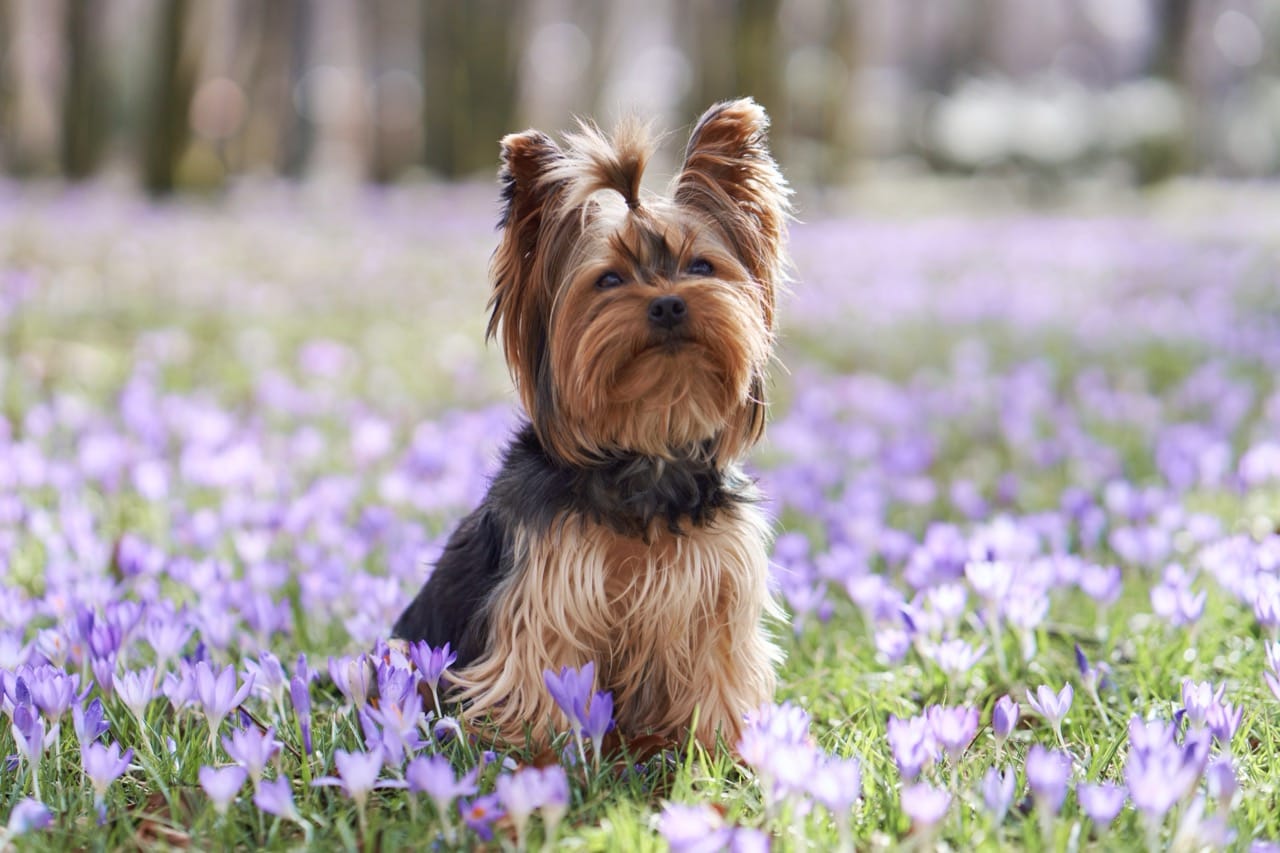
Yorkshire Terriers are famous for packing a lot of personality into a tiny body, but the real confusion often starts when people talk about “types.” Some of these labels are rooted in history and kennel club standards, while others are marketing terms or casual shorthand. Knowing the difference helps you understand what you are seeing, what is officially recognized, and what is simply popular talk among owners.
A traditional Yorkshire Terrier is defined more by structure and coat quality than by size hype. Many people hear “teacup Yorkie” and assume it is an official category. It is not. Major kennel clubs do not recognize “teacup” as a separate type, and responsible breeders are cautious about intentionally breeding extremely small dogs because very tiny size can increase health risks. When someone advertises a teacup Yorkie, it usually means a dog that is smaller than typical, not a distinct variety with its own standard.
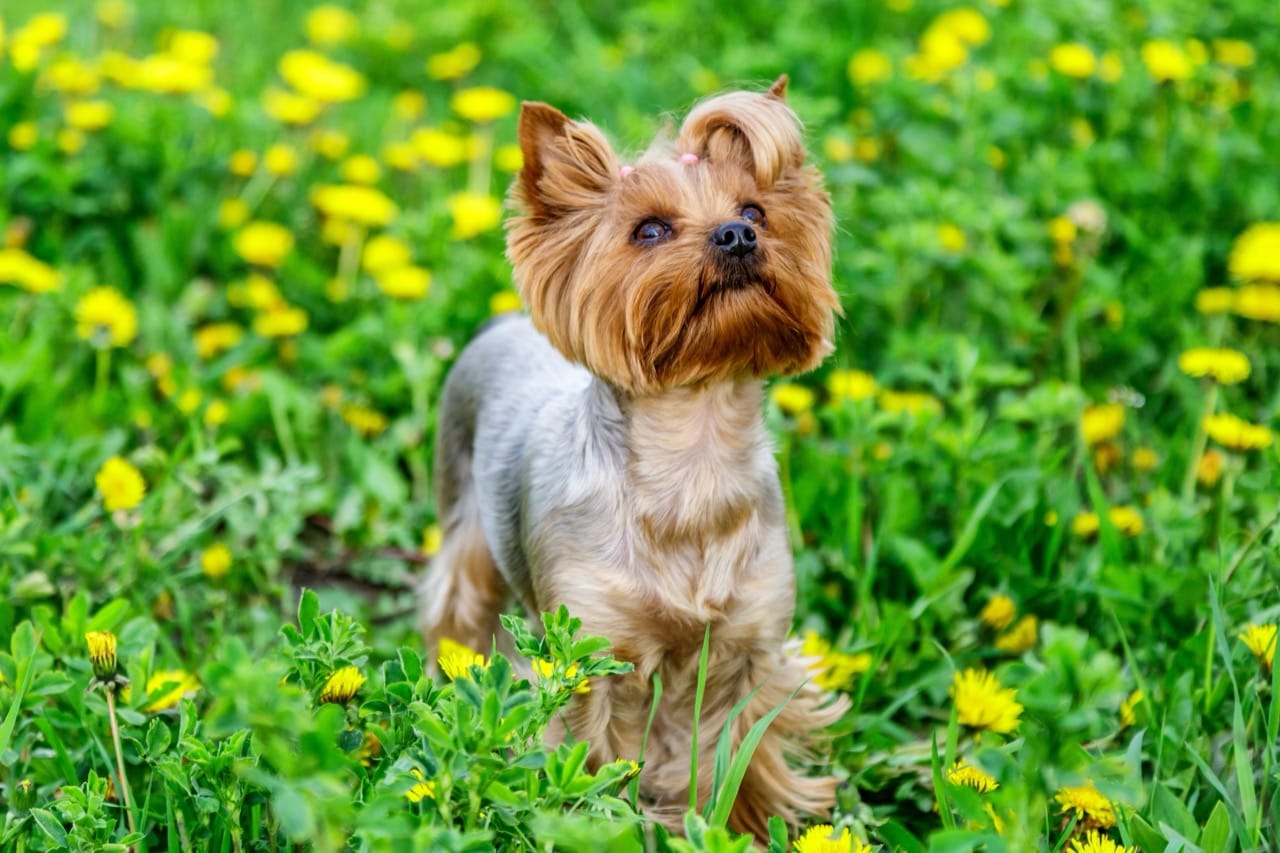
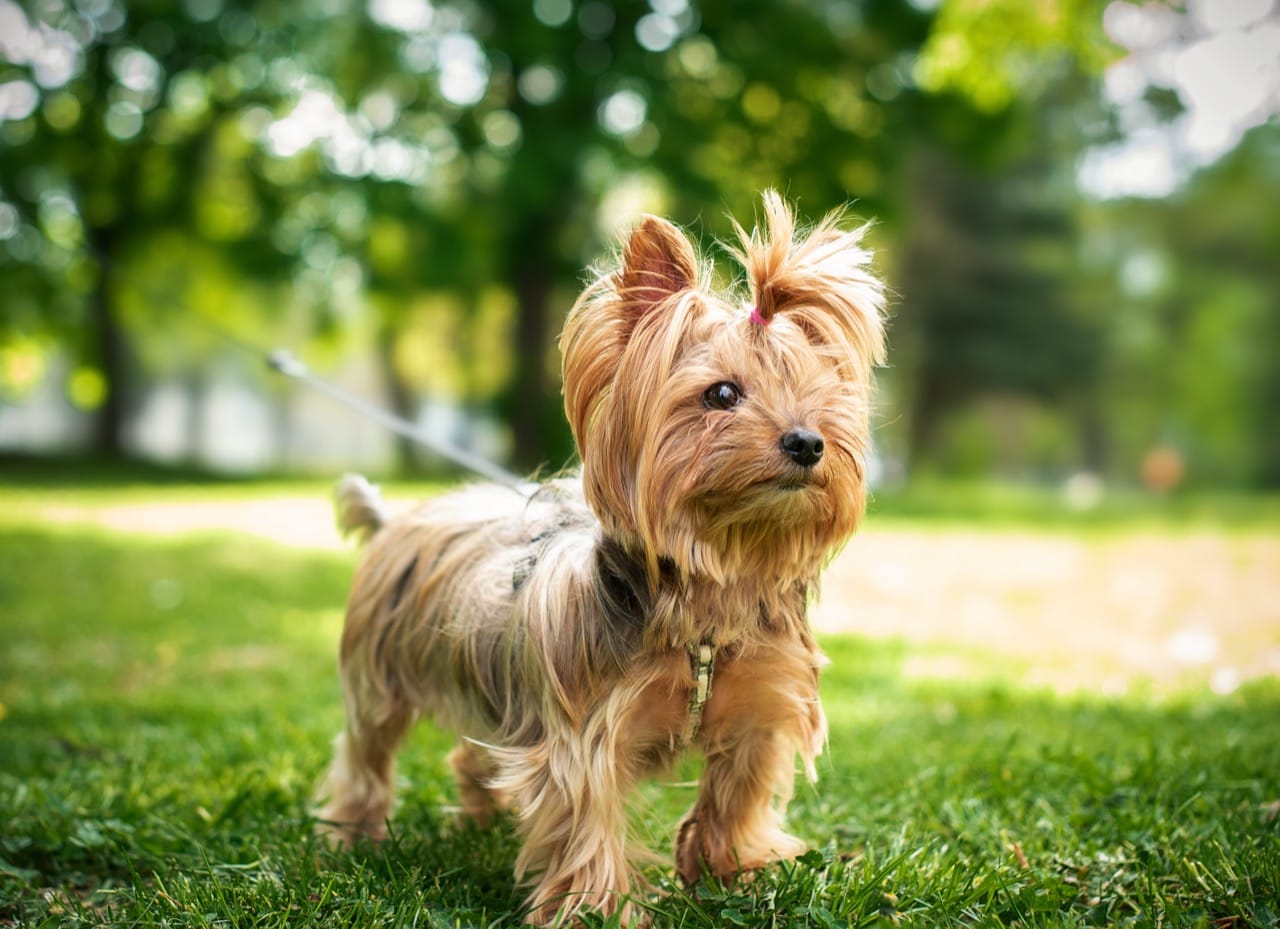
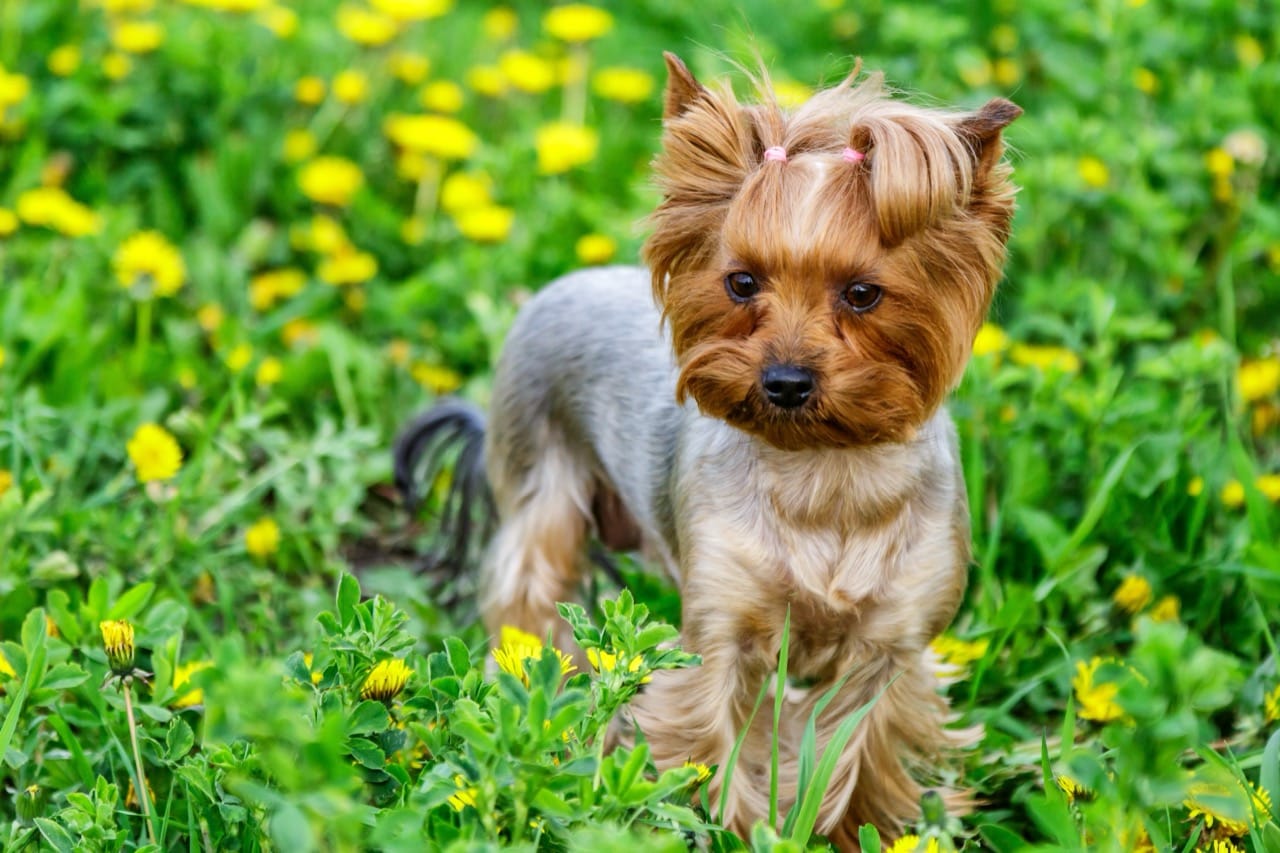
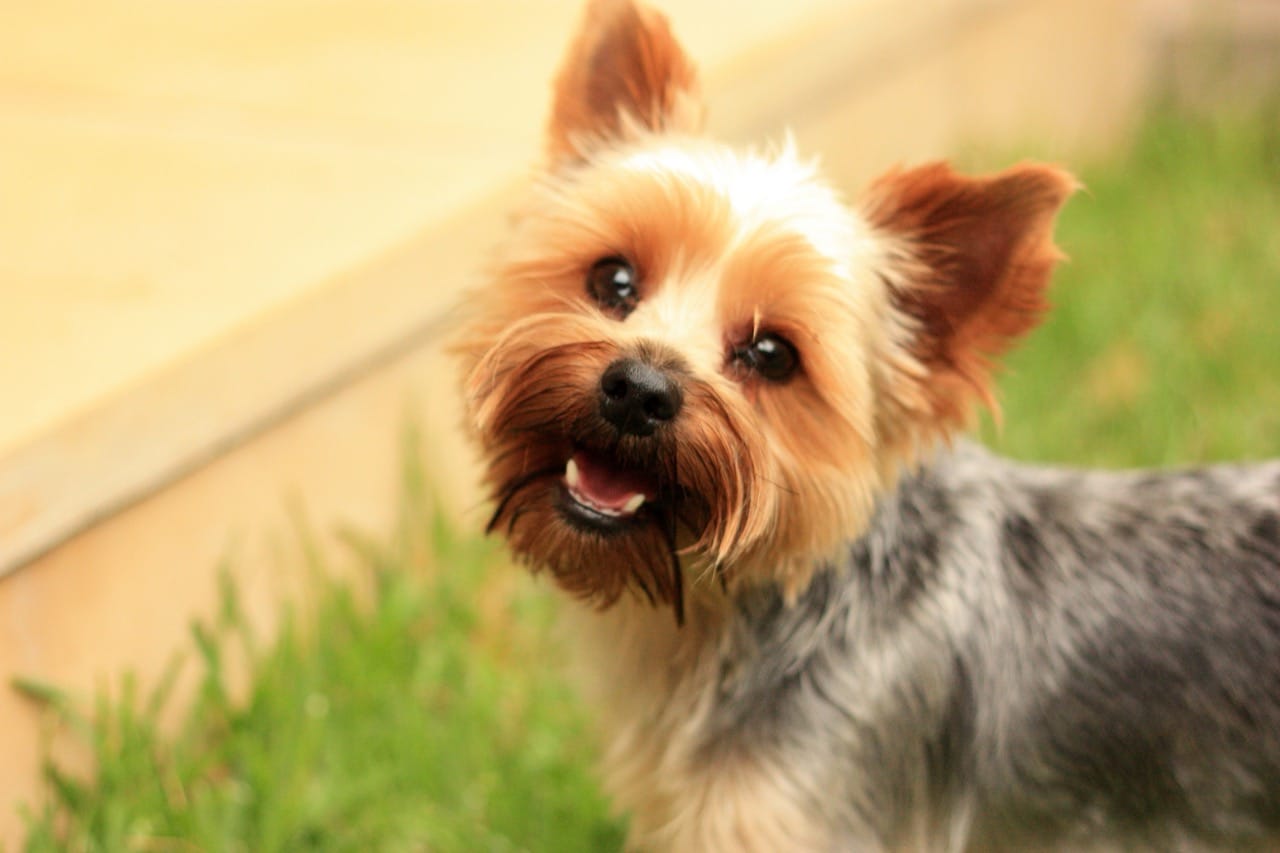
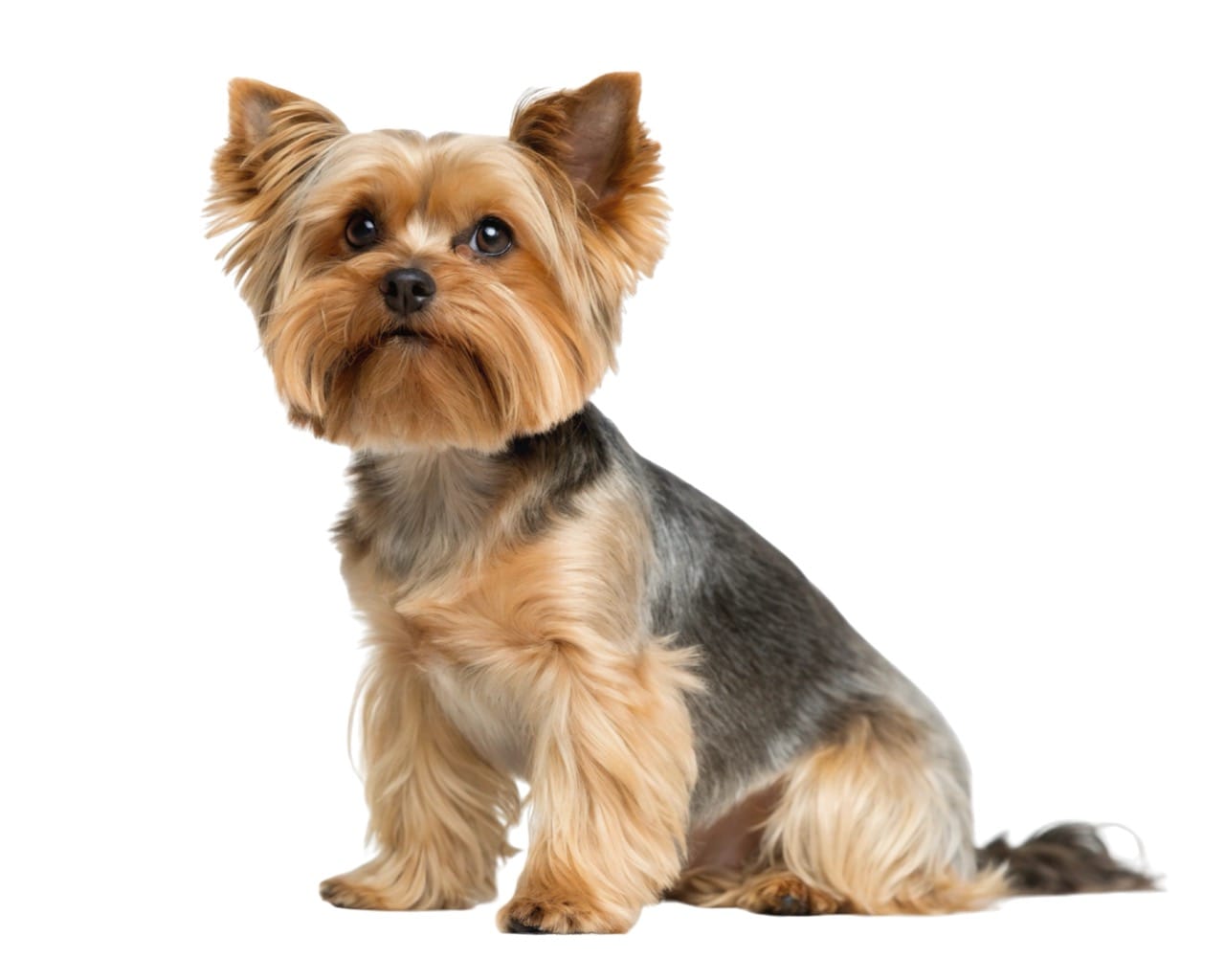
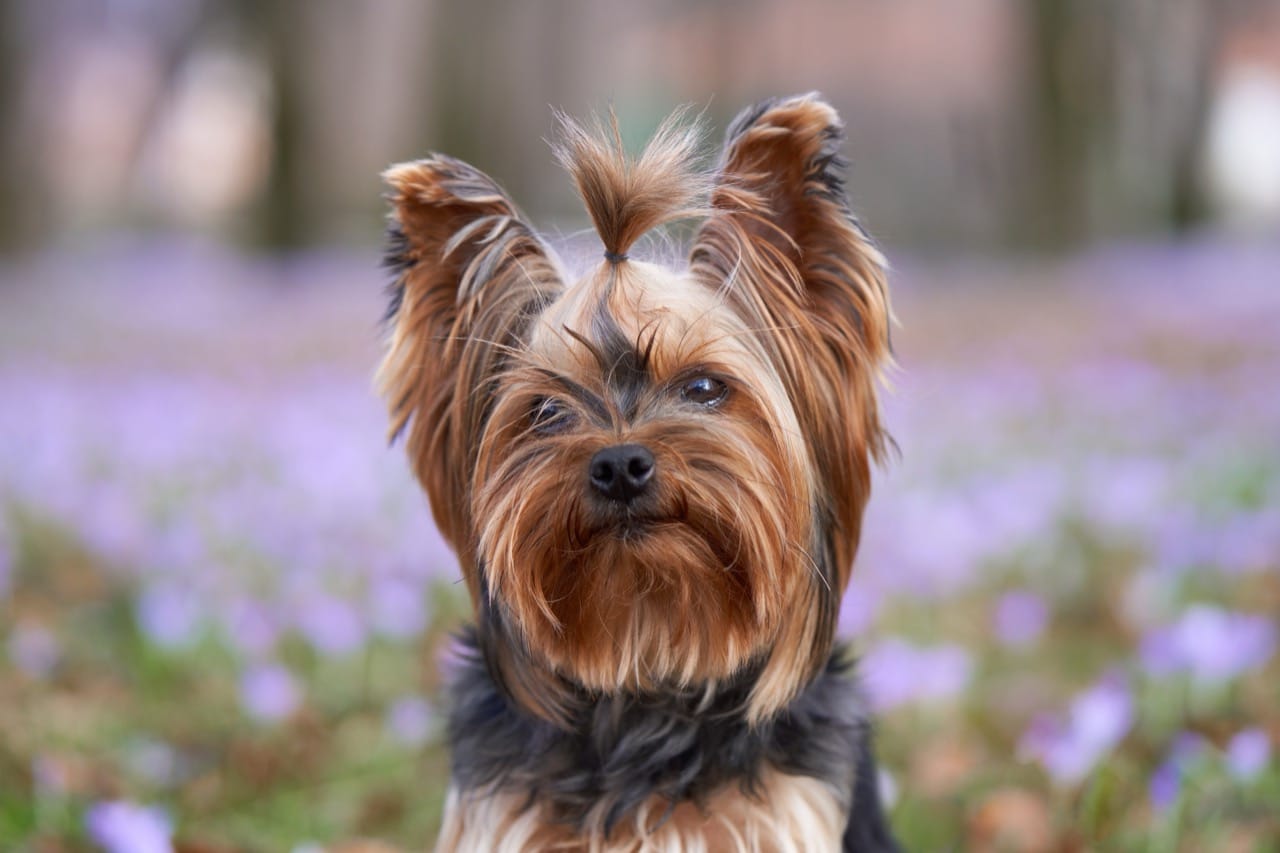
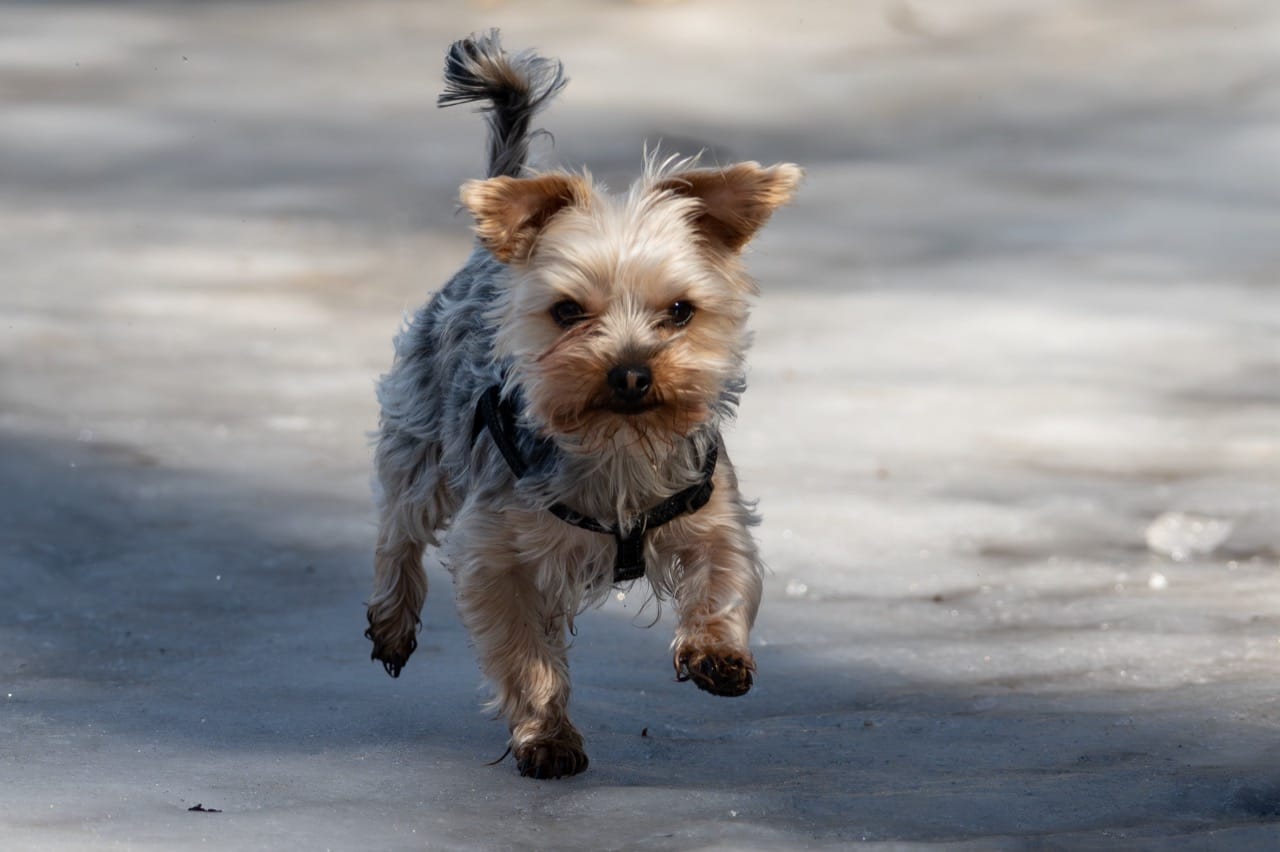
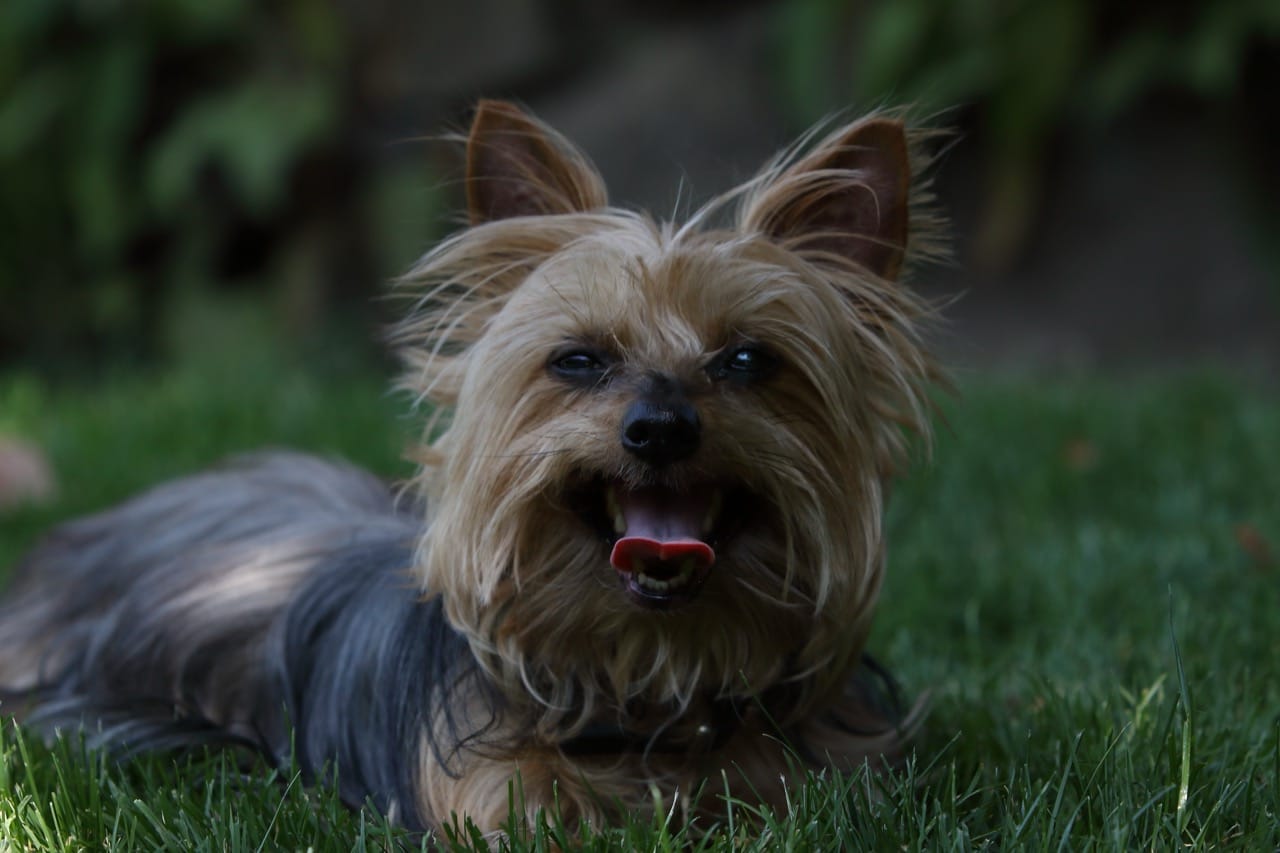
Coat is where Yorkies inspire the most debate. The classic adult color is a combination of blue and tan, but “blue” in Yorkie terms does not mean bright blue. It refers to a steel blue or dark gray-blue shade that develops as the puppy matures. Yorkie puppies are usually born black and tan, and many lighten over time. This change is not random; it is part of the breed’s normal progression. Some dogs “clear” earlier, some later, and some keep darker shading. That is why two puppies from the same litter can look similar at eight weeks and quite different a year later.
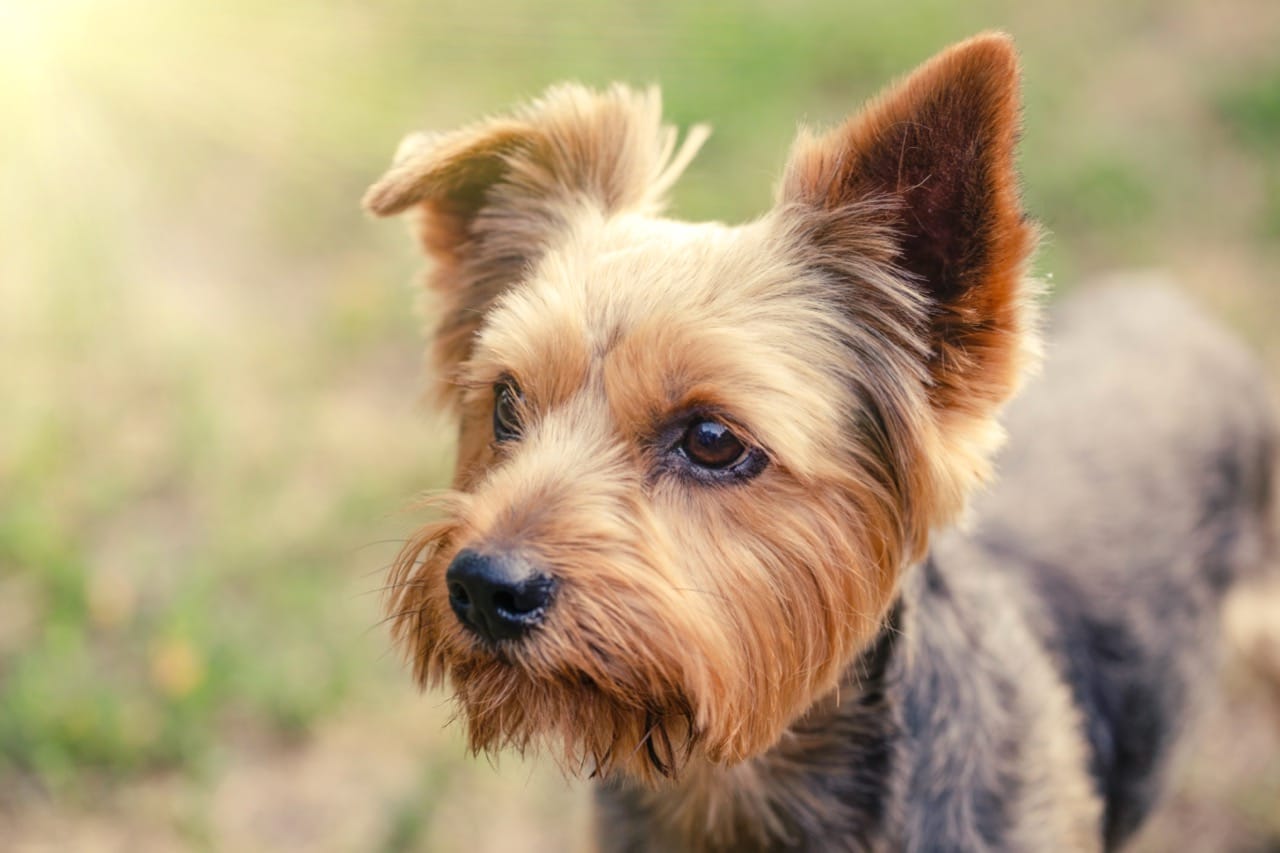
People also use the word silky to describe the ideal Yorkie coat texture: fine, glossy, and straight, hanging like hair rather than fluffy fur. A cottony or woolly coat can happen, especially in pet lines, and it may be softer and thicker but tends to tangle more easily and may not fall in the same smooth curtain. This is one reason show breeders talk about coat quality so much; it affects both appearance and grooming.
Color patterns create another layer of terminology. Parti Yorkies have large patches of white along with black and tan or blue and tan. Whether this is accepted depends on the registry and the specific rules. In some registries, parti coloration can be registered if the dog’s lineage is documented as Yorkshire Terrier, even if it is not eligible for conformation showing under certain standards. In everyday life, parti is simply a pattern, not a separate breed, but it can change what people expect a “real Yorkie” to look like.
Biewer Terriers are often mentioned in the same breath because they share ancestry with Yorkshire Terriers and are known for a tri-colored coat that includes white. The key point is that Biewers are generally treated as a distinct breed by some kennel clubs, with their own standard and breeding programs, rather than being described as just a color variation of a Yorkie. If you are trying to tell them apart, paperwork and pedigree matter, but so does the overall look specified by the breed standard and the consistency of breeding for that type.
Finally, it helps to recognize close lookalikes. A Silky Terrier, for example, resembles a Yorkie but is typically larger with a different head and body outline, reflecting its separate development. Mixes like “Morkies” can also resemble Yorkies while having different coat density, face shape, or adult size. When someone claims a dog is a rare Yorkie type, the most reliable tools are honest pedigree records, an understanding of what kennel clubs actually recognize, and a clear-eyed look at structure, coat texture, and mature coloring.
In the end, Yorkie talk can be half history and half neighborhood legend. The fun is learning which terms describe real standards and which are simply catchy labels, so you can enjoy the breed for what it is: small, stylish, and far more complicated than it first appears.