Globe Trotting German Shepherds Name That Variant
Quiz Complete!
Globe Trotting German Shepherds: How One Iconic Dog Becomes Many Around the World
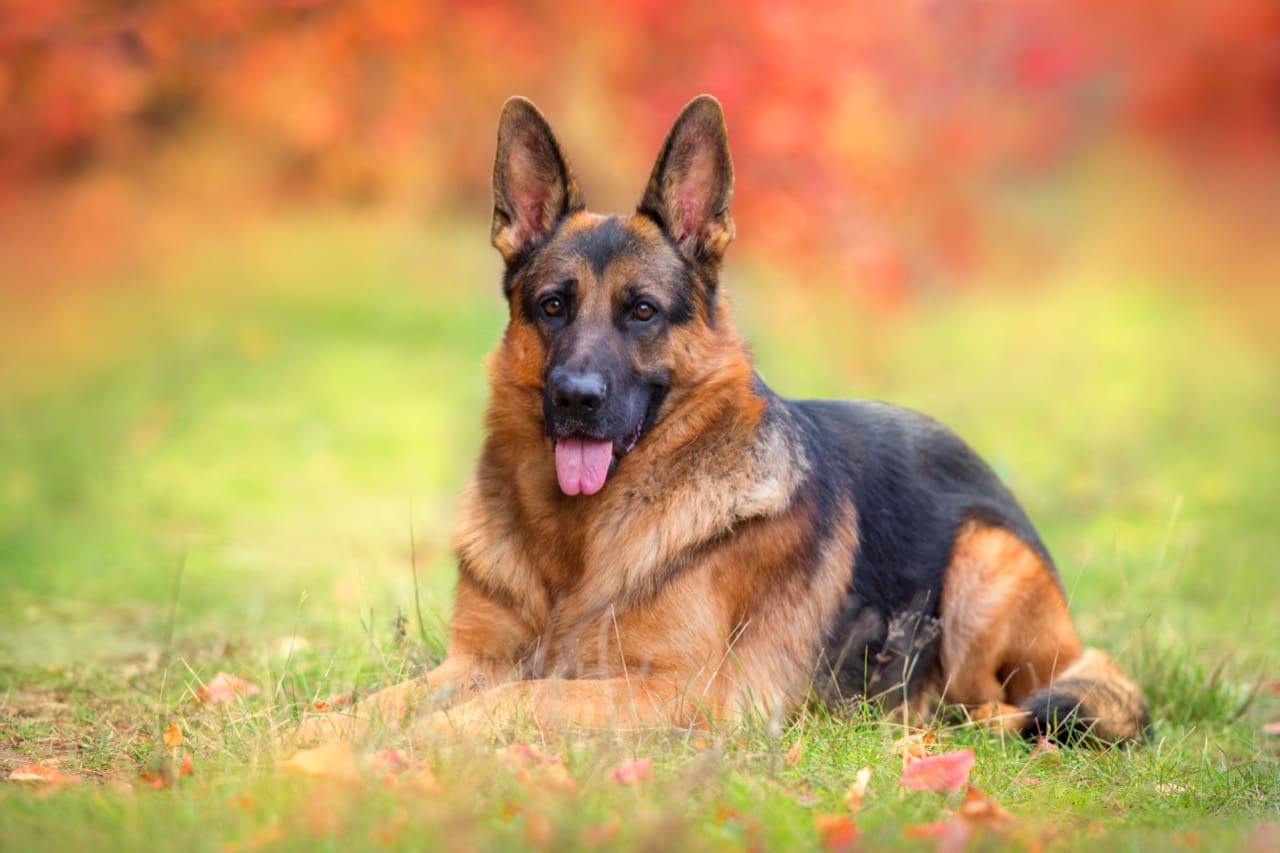
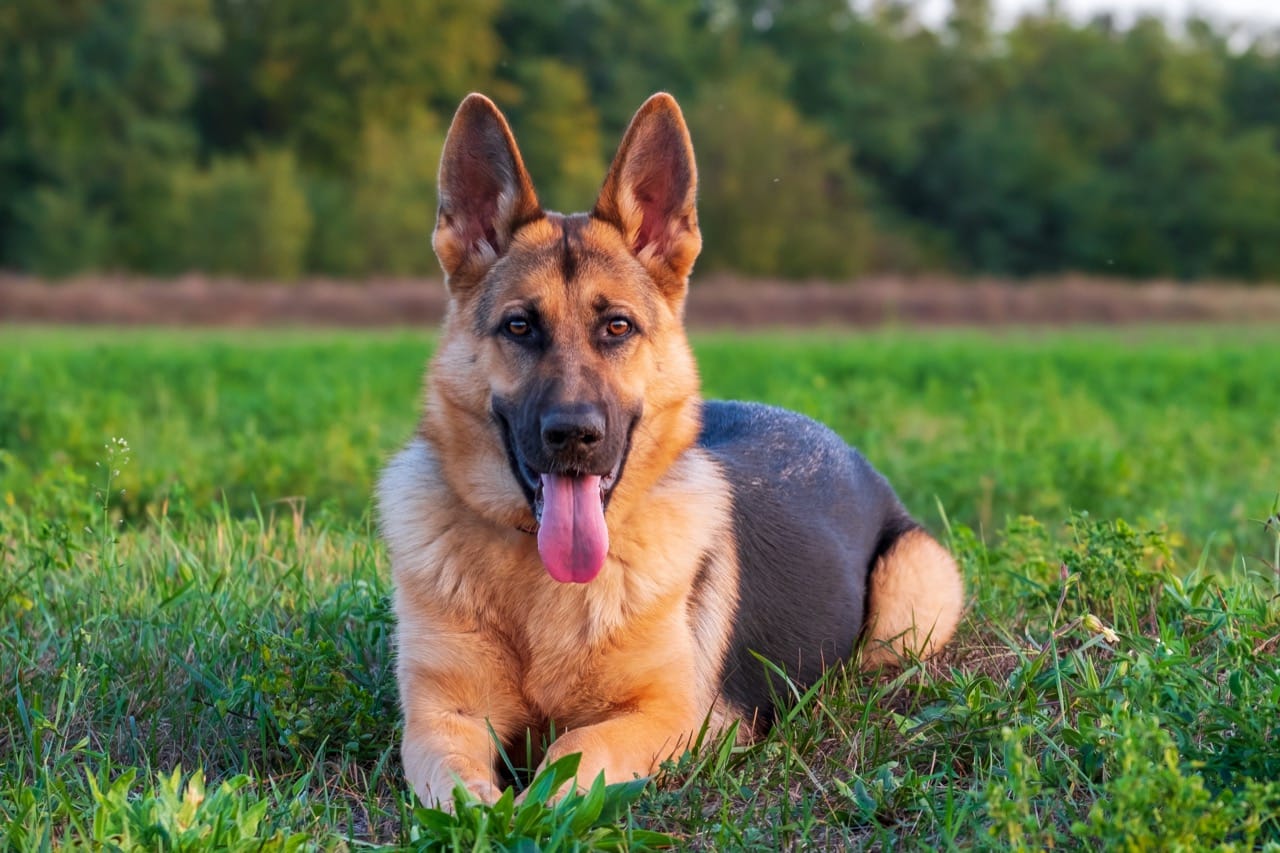
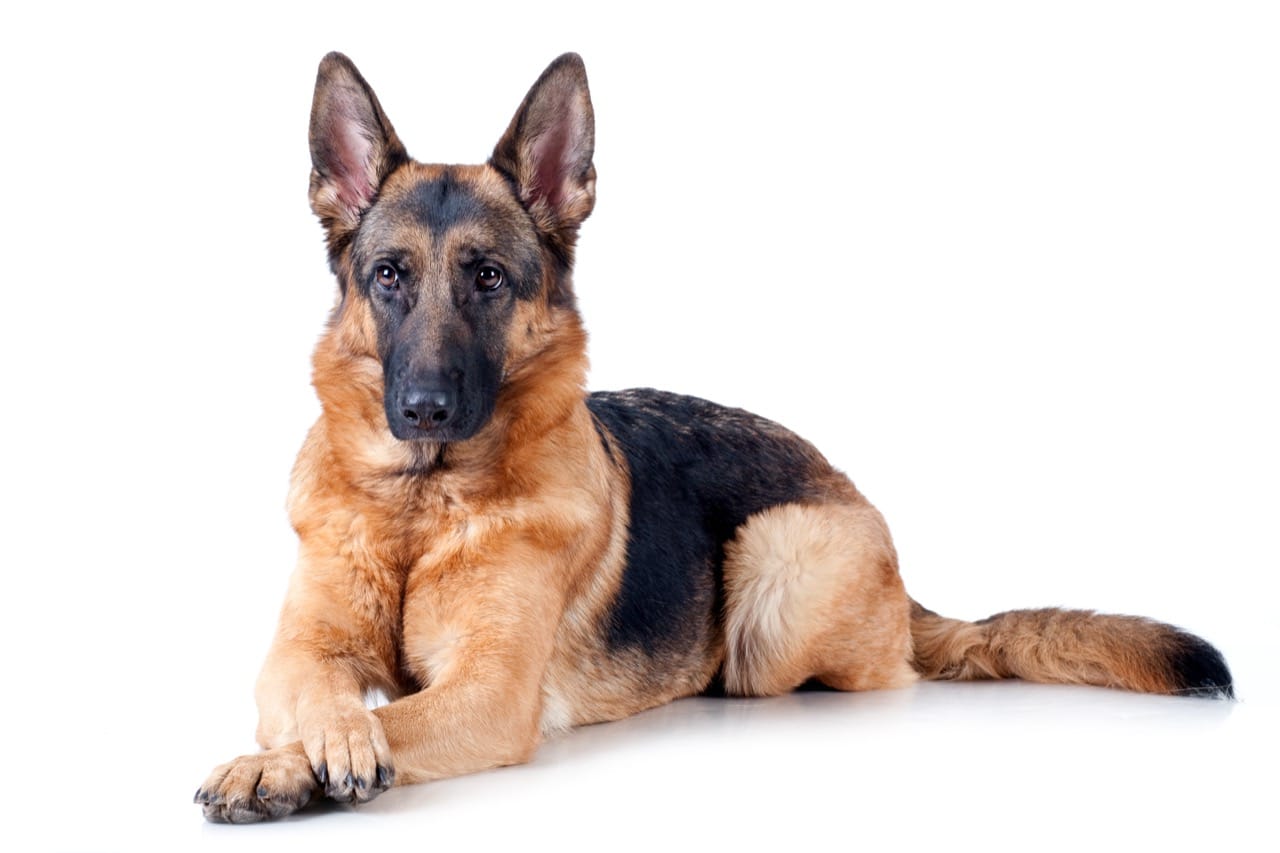
The German Shepherd is one of the most recognizable dogs on the planet, yet the meaning of the name can shift depending on where you are standing. The breed began in Germany at the end of the 1800s, shaped by a goal that sounds simple but is hard to achieve: a smart, athletic herding dog with stable nerves and strong working drive. As the breed spread, different countries and kennel clubs kept the familiar outline but made their own choices about temperament, structure, and purpose. Over time, those choices created distinct lines, alternate names, and even closely related breeds that are often mistaken for German Shepherds.
Even the name changes with geography. In much of Europe and in international dog sport, you will hear the German name Deutscher Schaferhund, often shortened to Schaferhund. In the United Kingdom, the breed was famously called the Alsatian for decades, a name adopted after World War I to reduce anti German sentiment. Many people still use Alsatian today, even though kennel clubs generally recognize German Shepherd Dog as the official name. In the United States and Canada, German Shepherd Dog is standard, but within the breed community you will often hear shorthand like GSD, along with labels that point to lineage rather than nationality.
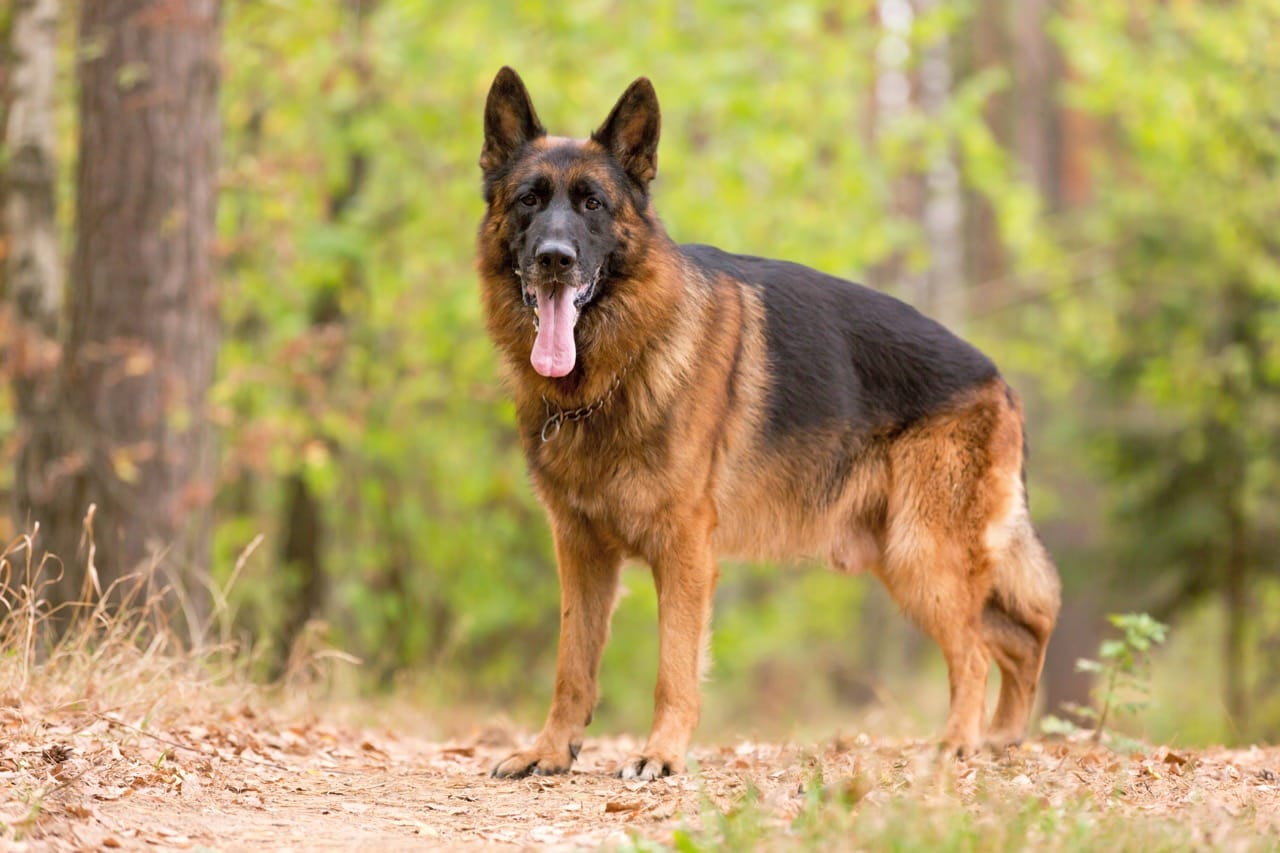
Kennel club rules also influence what a German Shepherd looks and acts like. Under the international federation that governs many countries, the breed standard places heavy emphasis on working ability alongside physical type. In Germany, breeding is closely tied to performance testing, and dogs commonly earn titles in tracking, obedience, and protection sports before being approved for breeding. In contrast, some regions have developed strong show focused traditions, selecting for a dramatic outline and a specific style of movement. This is why people sometimes talk about West German show lines, West German working lines, and East German or DDR lines, each associated with different historical breeding priorities. Working line dogs are often prized for intensity, endurance, and trainability, while show line dogs may be selected more heavily for appearance and ring presentation, though excellent working dogs can come from many backgrounds.
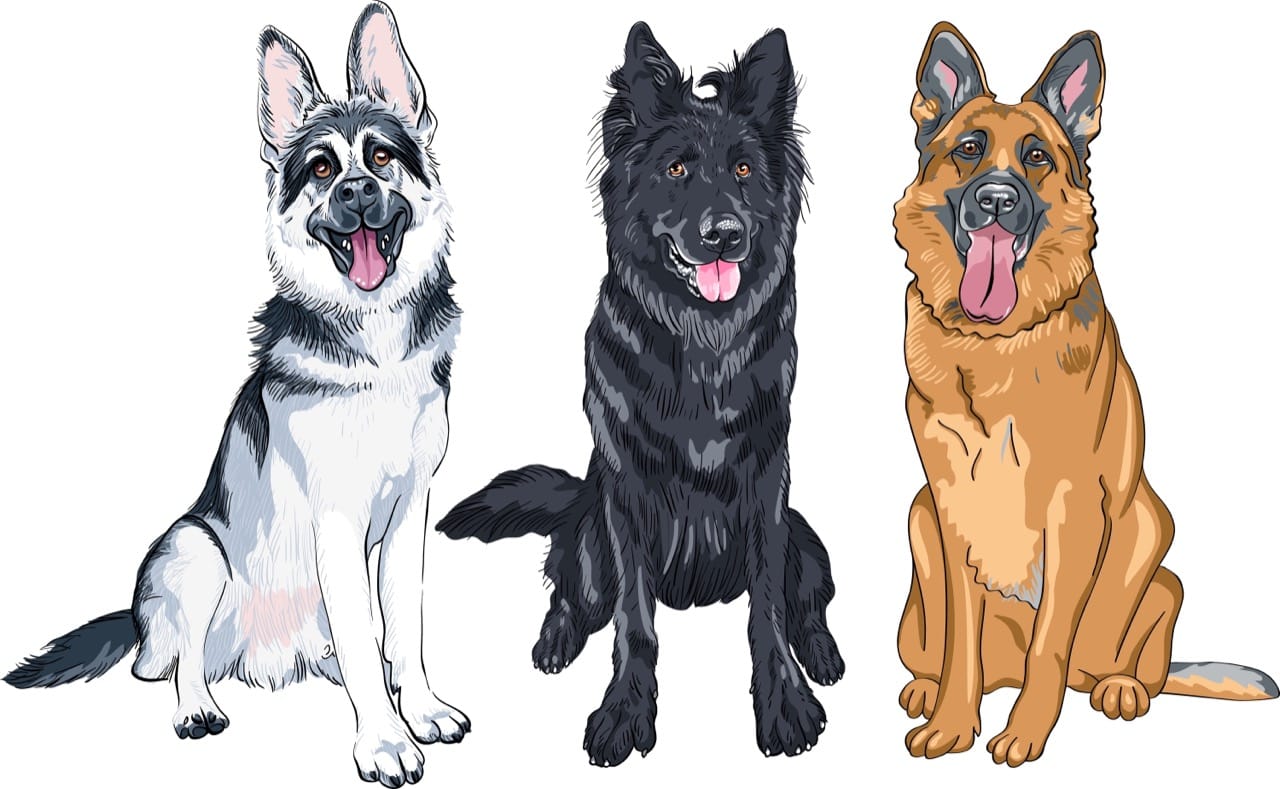
Coat type adds another layer of variety. The classic image is the medium length double coat, but long coated German Shepherds exist and are accepted by some organizations while treated differently by others. A long coat can be striking and plush, yet it may be less practical for certain working conditions depending on climate and the density of the undercoat. Color preferences also vary. The familiar black and tan is common worldwide, but sable, solid black, and bi color dogs are widespread in working circles. In some places, white shepherd like dogs are not considered part of the German Shepherd breed standard, which leads directly to one of the most common cases of confusion.
Several close cousins look like German Shepherds but follow separate standards. The White Swiss Shepherd is a prime example, developed from white coated shepherd dogs and recognized as its own breed in many countries. Another is the Shiloh Shepherd, created in the United States with an emphasis on larger size and a calmer temperament, though it is not recognized by all major kennel clubs. The King Shepherd is a similar American development, often bred for size and a companion oriented nature. Meanwhile, the Belgian Malinois is not a German Shepherd variant at all, yet it is frequently mistaken for one because of its similar build and widespread use in police and military work.
Working roles can differ by region as well. In some countries, German Shepherds are strongly associated with herding and farm utility. In others, they are best known as service dogs, search and rescue partners, or sport competitors. Breeding goals follow those roles: protection oriented programs may prioritize courage and drive, while family oriented programs may emphasize steadiness, sociability, and easy handling. The result is that two dogs called German Shepherds can share a silhouette yet feel very different in energy level, sensitivity, and daily needs.
Understanding these global variations makes the breed more interesting and helps potential owners make better choices. When someone says German Shepherd, it can mean a specific kennel club definition, a particular working tradition, or even a different but related breed. The more you learn about names, standards, and regional lines, the easier it becomes to recognize what you are really looking at and what kind of dog you are likely to get.