Pug Facts on Trial True or False

Quiz Complete!
Pug Facts on Trial Separating Cute Myths from Solid Truths
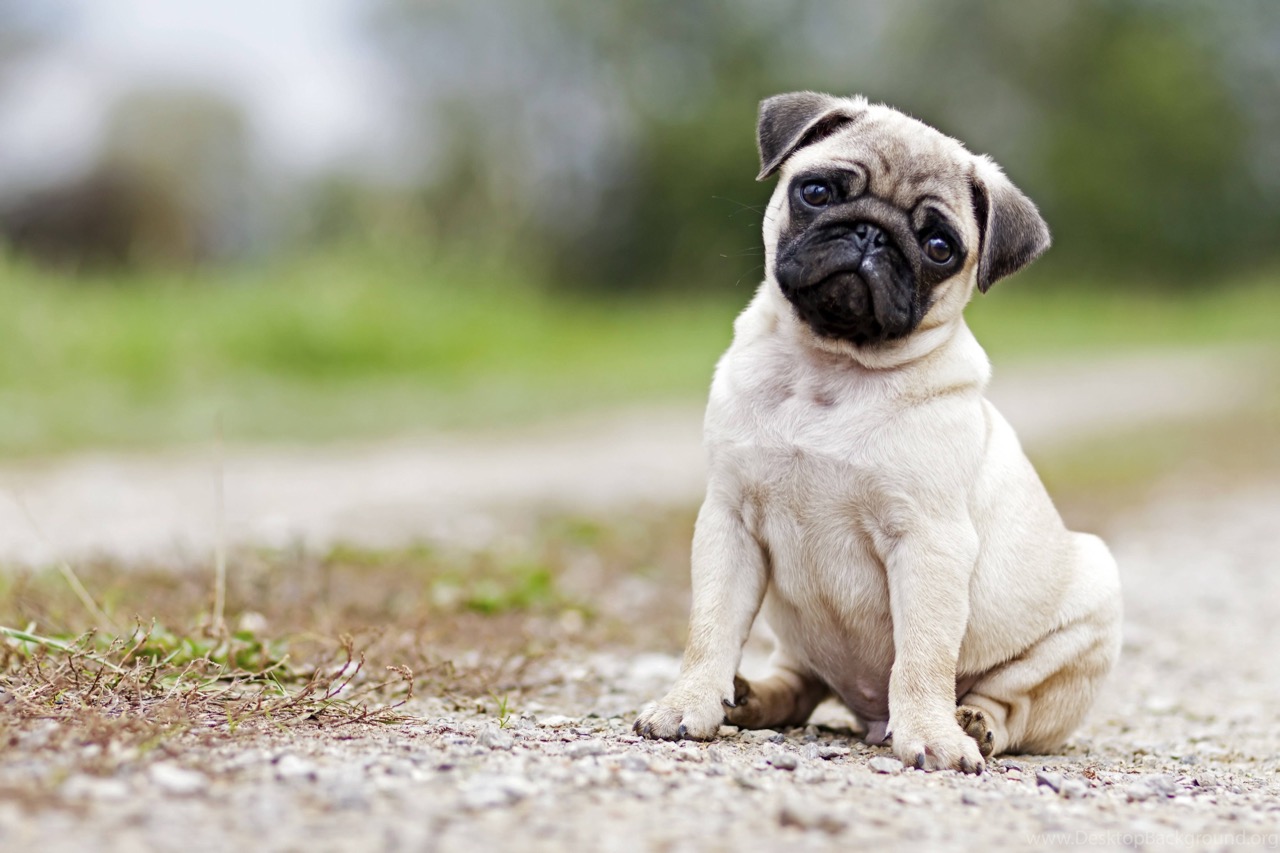
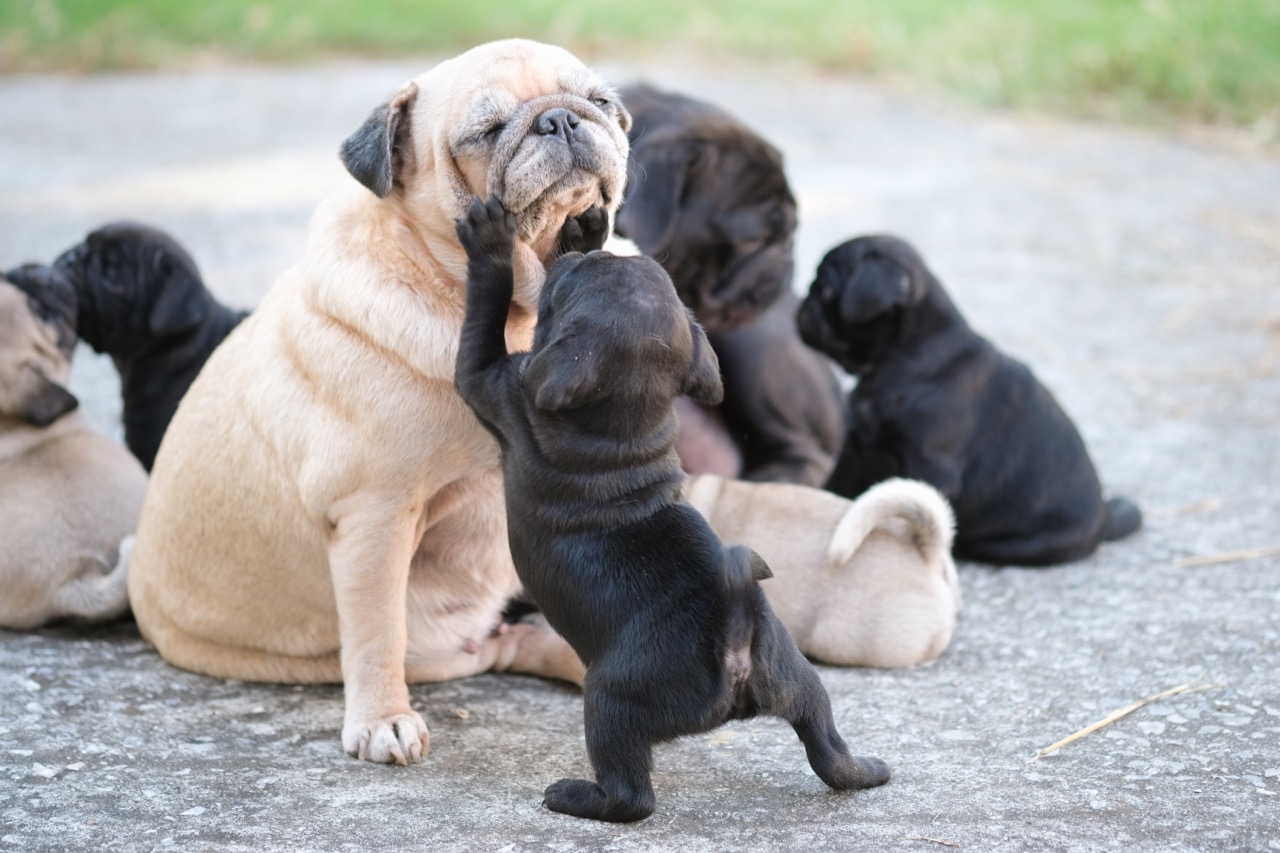
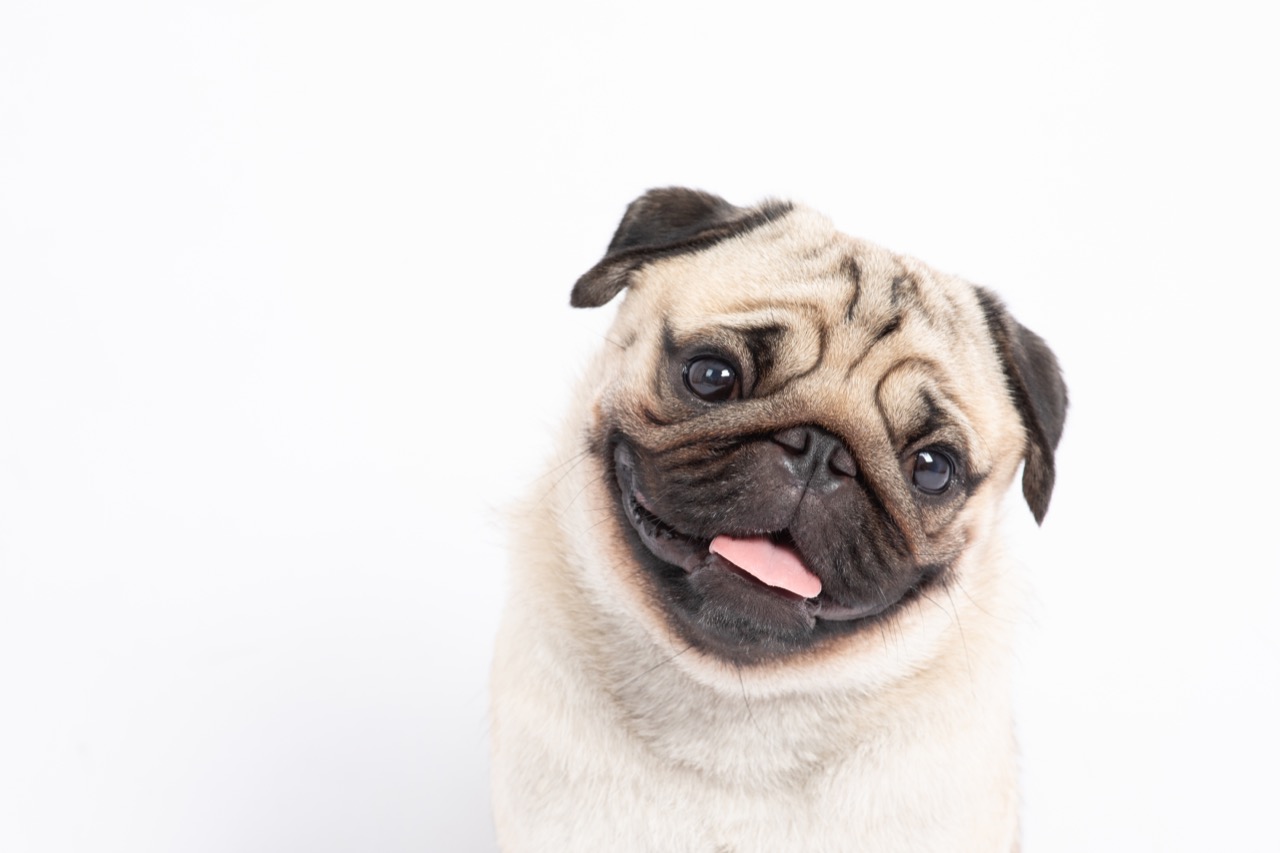
Pugs have a way of looking like they are telling a joke even when they are sitting still, but behind the squishy face is a breed with a long paper trail and some very real care needs. Many people assume pugs were designed as modern lapdogs, yet their story goes back centuries. They are widely linked to ancient China, where small companion dogs were favored in royal courts. Over time, pugs traveled through trade and diplomacy into Europe, where they became fashionable among nobles. That long history helps explain why the breed has such a consistent look across the world: the round head, compact body, and unmistakable expression were preserved intentionally.
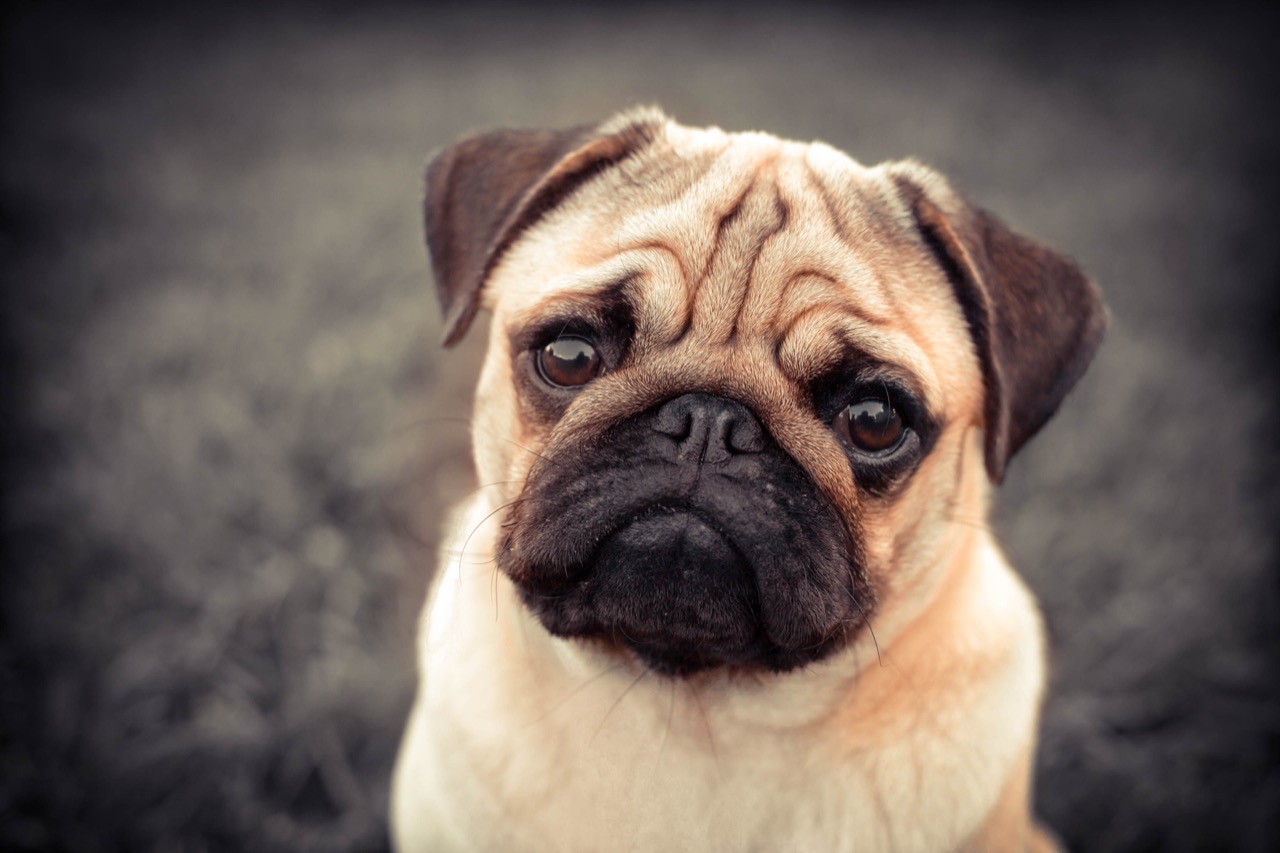
One of the most repeated claims is that a pug’s facial wrinkles are purely decorative. They are certainly part of the charm, but they also require attention. The folds can trap moisture, food, and skin oils, which may lead to irritation or infection if not kept clean and dry. Some pug fans also mention that wrinkles were historically admired because certain patterns were thought to resemble lucky symbols. Whether or not that legend is accurate, the practical truth is that folds are skin, and skin needs maintenance.
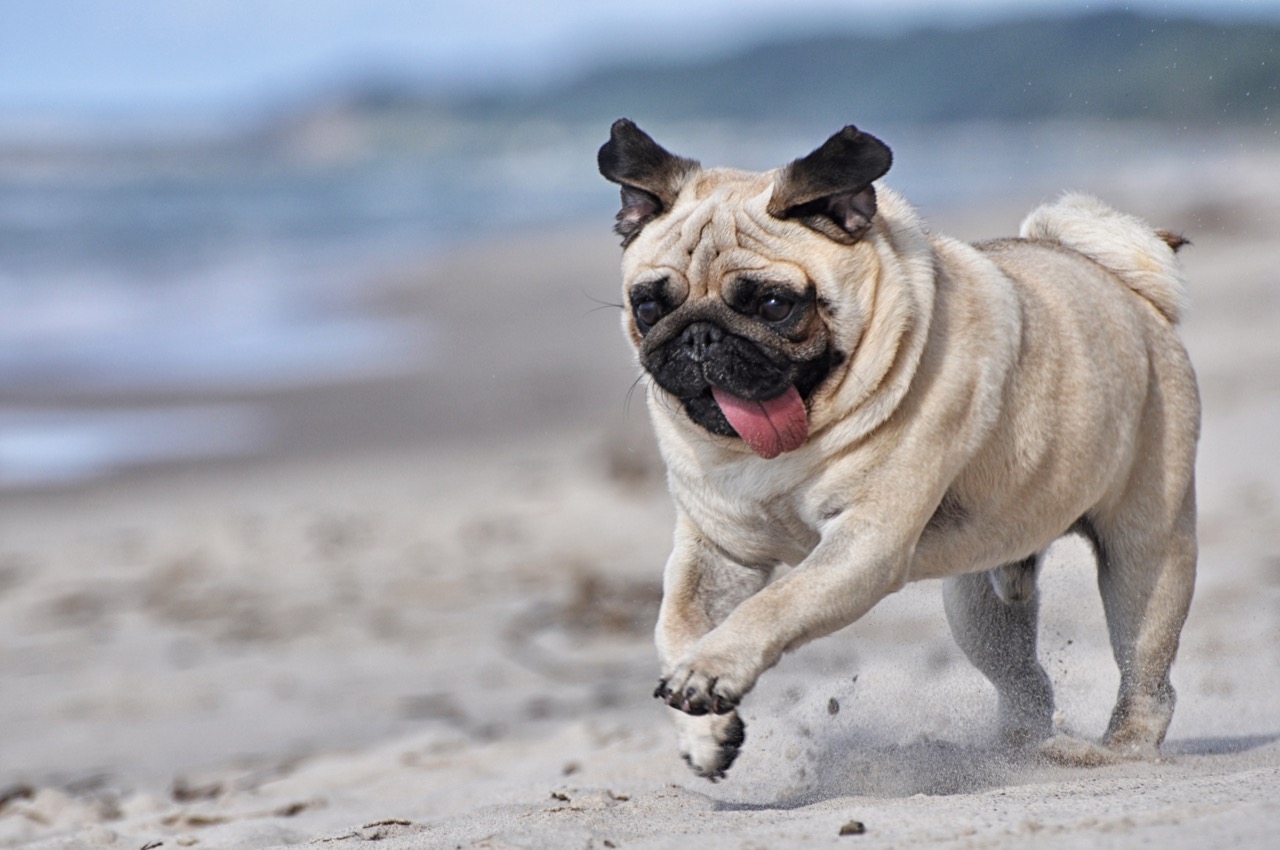
Breathing is where myths can become risky. People sometimes say pugs snort because they are excited, or that noisy breathing is normal and harmless. Pugs are a brachycephalic breed, meaning they have a shortened skull shape that can narrow the airways. Many do breathe loudly, but it is not something to dismiss automatically. Heat, humidity, stress, and intense exercise can overwhelm a pug faster than many other small dogs. A pug that struggles to recover after mild activity, coughs frequently, collapses, or cannot tolerate warm weather may need veterinary evaluation. Responsible owners learn to plan walks for cooler times of day, keep water available, and avoid pushing a pug to keep up with longer-legged dogs.
Their bodies also surprise people. Pugs are small, but they are not delicate. They are sturdy, muscular, and often heavier than they look, which is why weight gain can sneak up quickly. Because extra pounds make breathing and joint strain worse, keeping a pug lean is not just about appearance. It is about comfort and longevity. Treats add up fast for a compact dog, so measuring food and using low-calorie rewards can make a big difference.
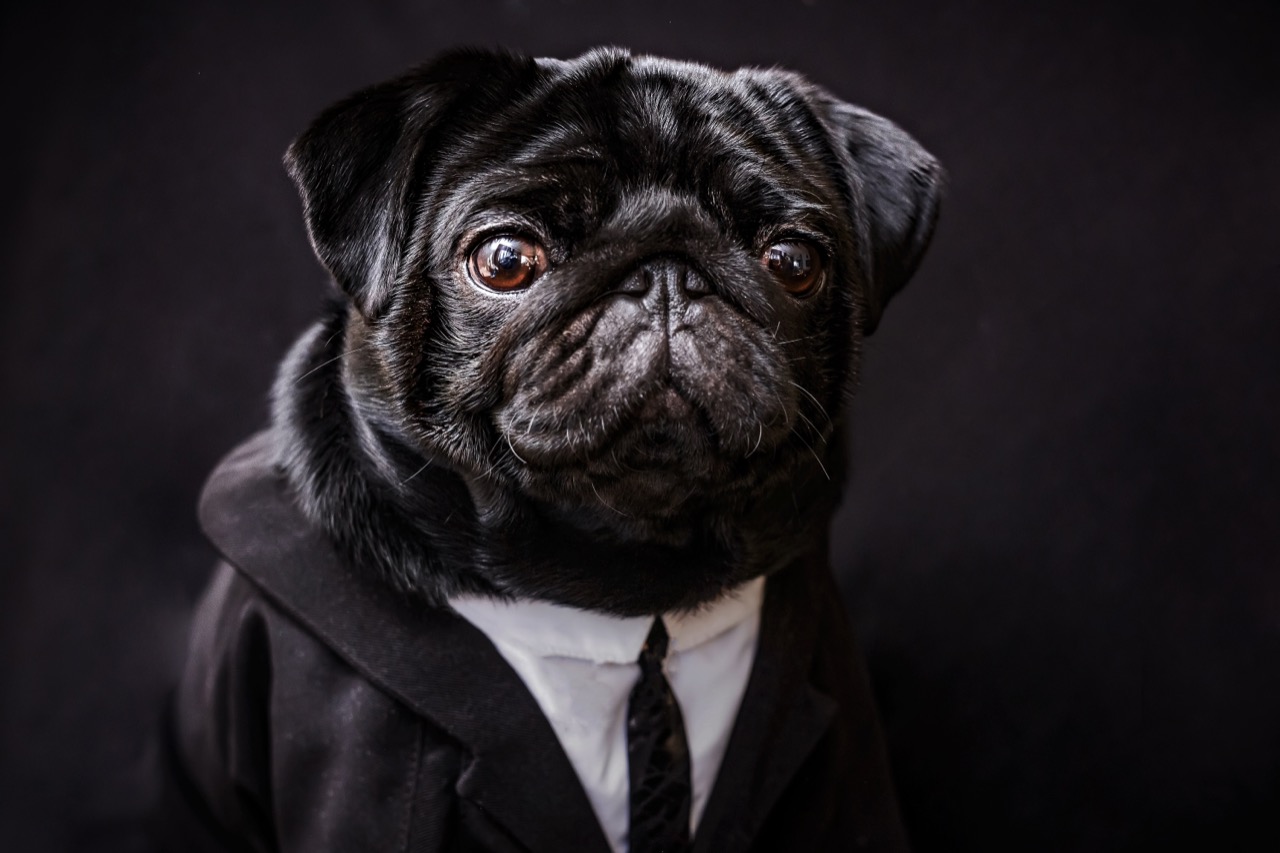
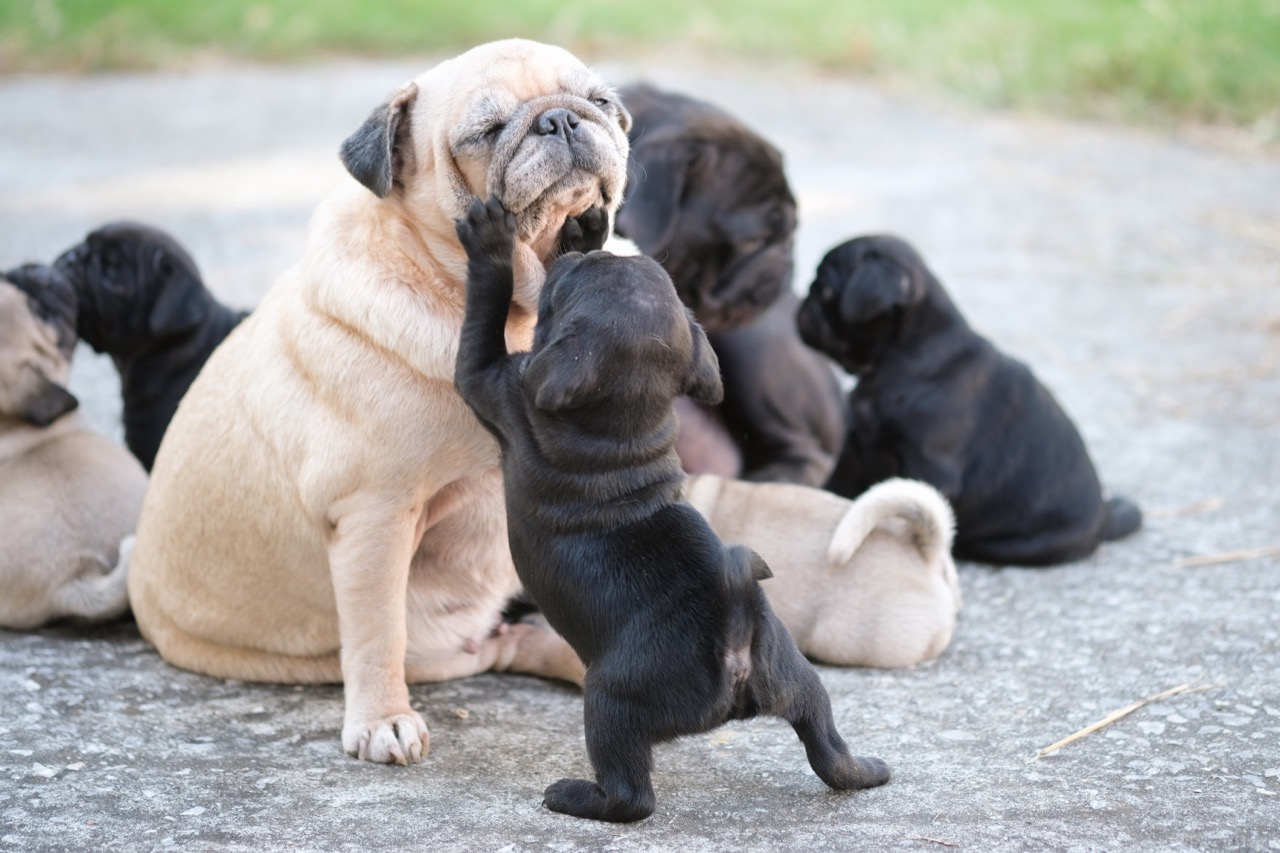
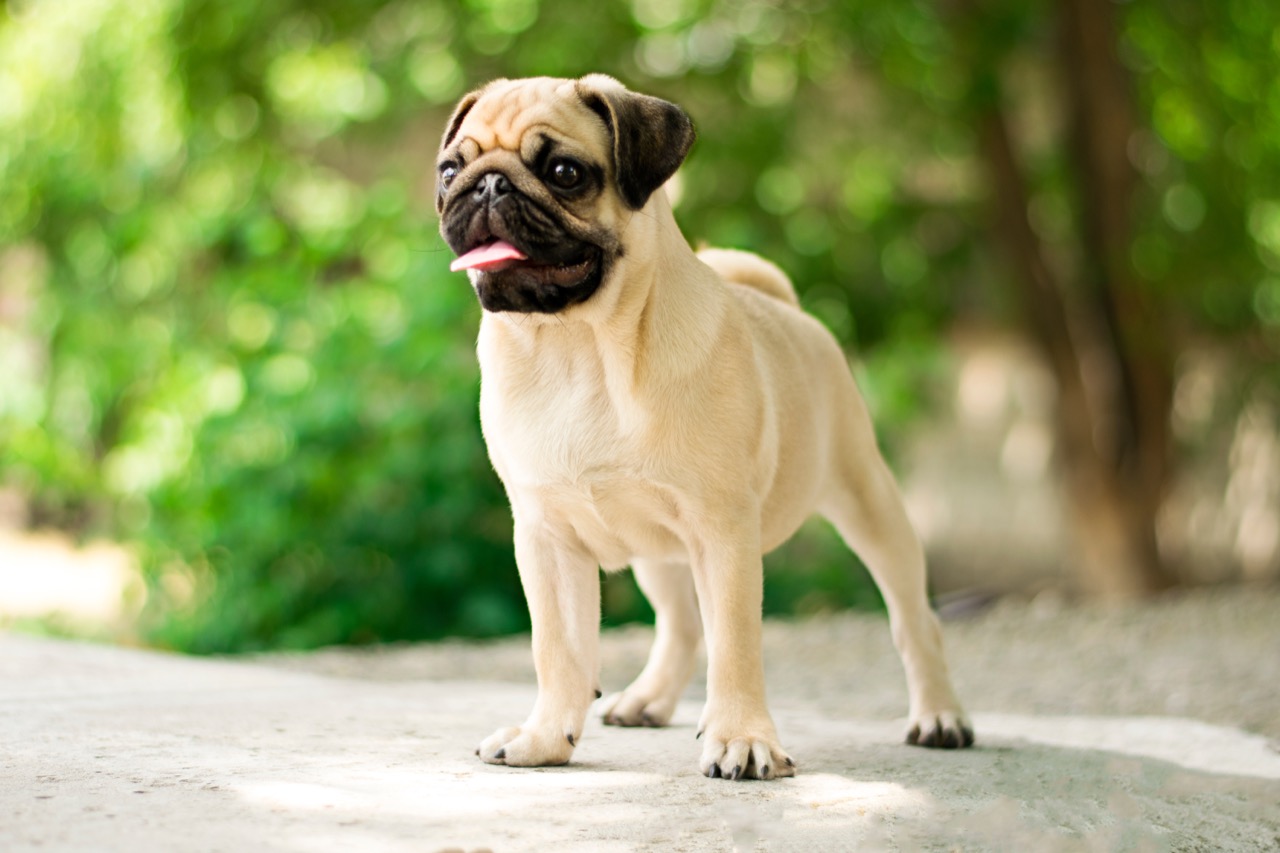
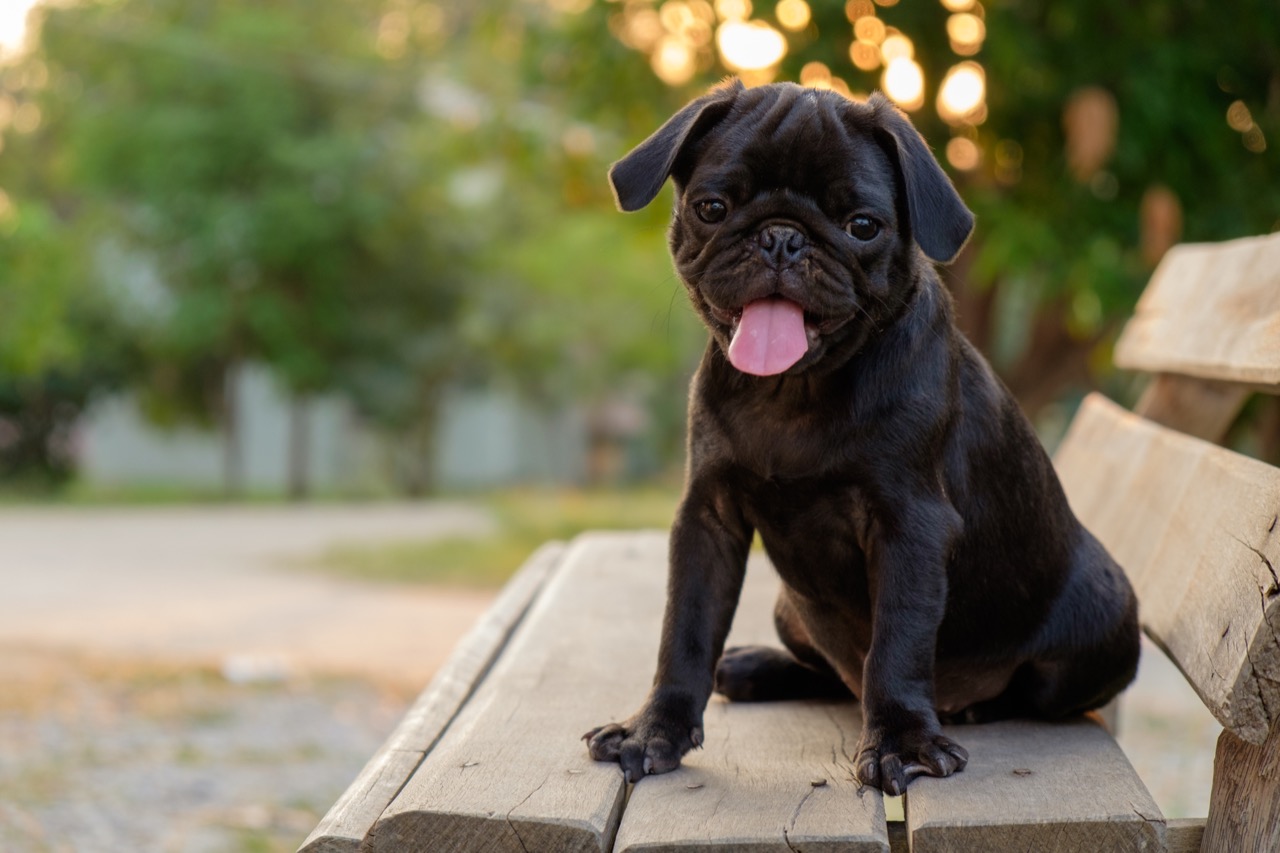
Coat facts can trip up even experienced dog lovers. Pugs have short hair, yet many shed heavily, especially fawn pugs with a dense double coat. The idea that short-haired dogs do not shed is one of the biggest falsehoods in pet culture. Regular brushing helps manage loose hair and keeps the coat healthier. Black pugs may have a slightly different coat texture, but they still shed and still benefit from routine grooming.
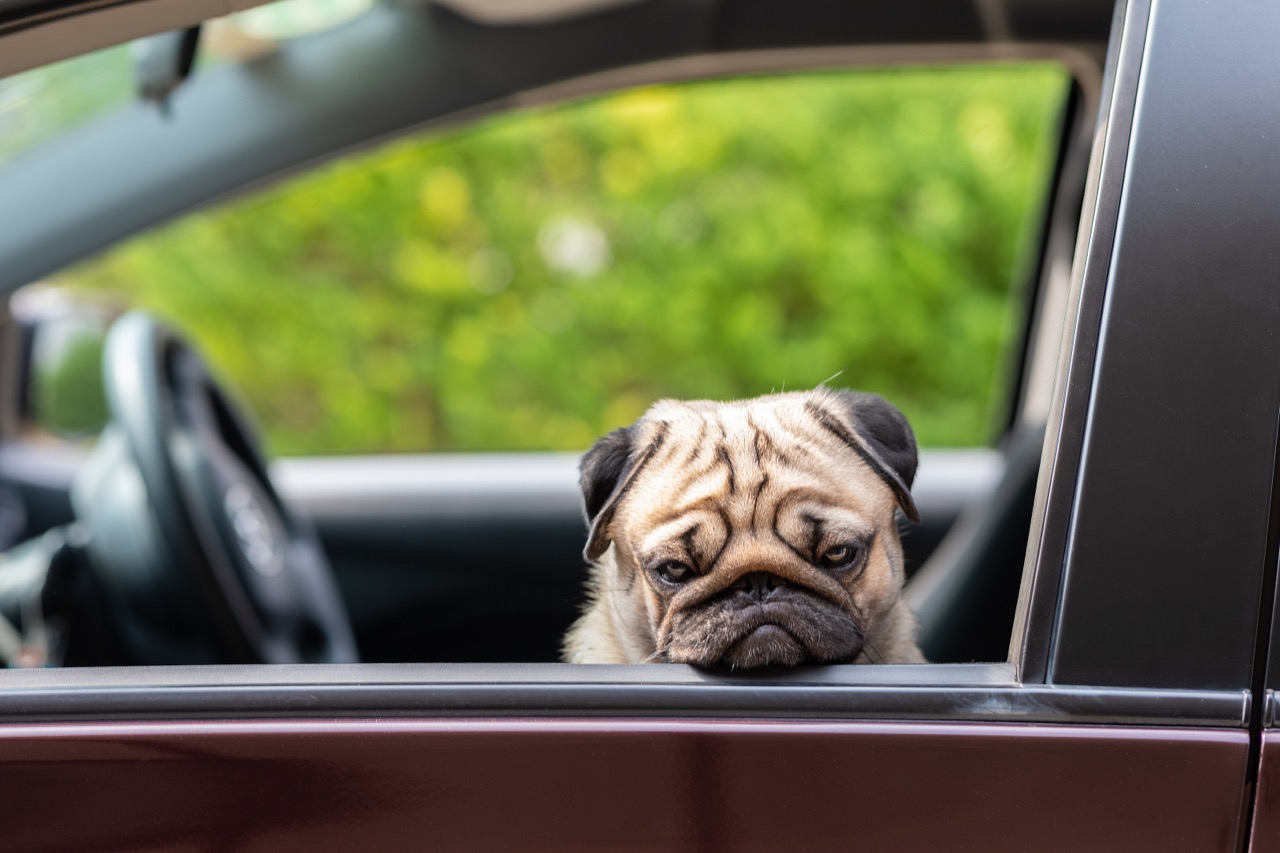
Temperament myths are common too. Pugs are often described as lazy couch ornaments, but many are playful, stubborn, and surprisingly athletic in short bursts. They usually thrive on human attention and can be prone to separation stress if left alone too long. Training works best with patience and consistency, because pugs tend to be food-motivated and clever, but not always eager to obey just to impress you.
When you take a true or false quiz about pugs, the most useful mindset is to treat every cute claim as something to verify. Pugs are funny-looking on the outside, but the real story is a mix of ancient companionship, modern health awareness, and a personality that keeps people laughing while also keeping them on their toes.