Backstage Pug Secrets You Probably Missed
Quiz Complete!
Backstage Pug Secrets: The Details That Shape That Famous Little Face
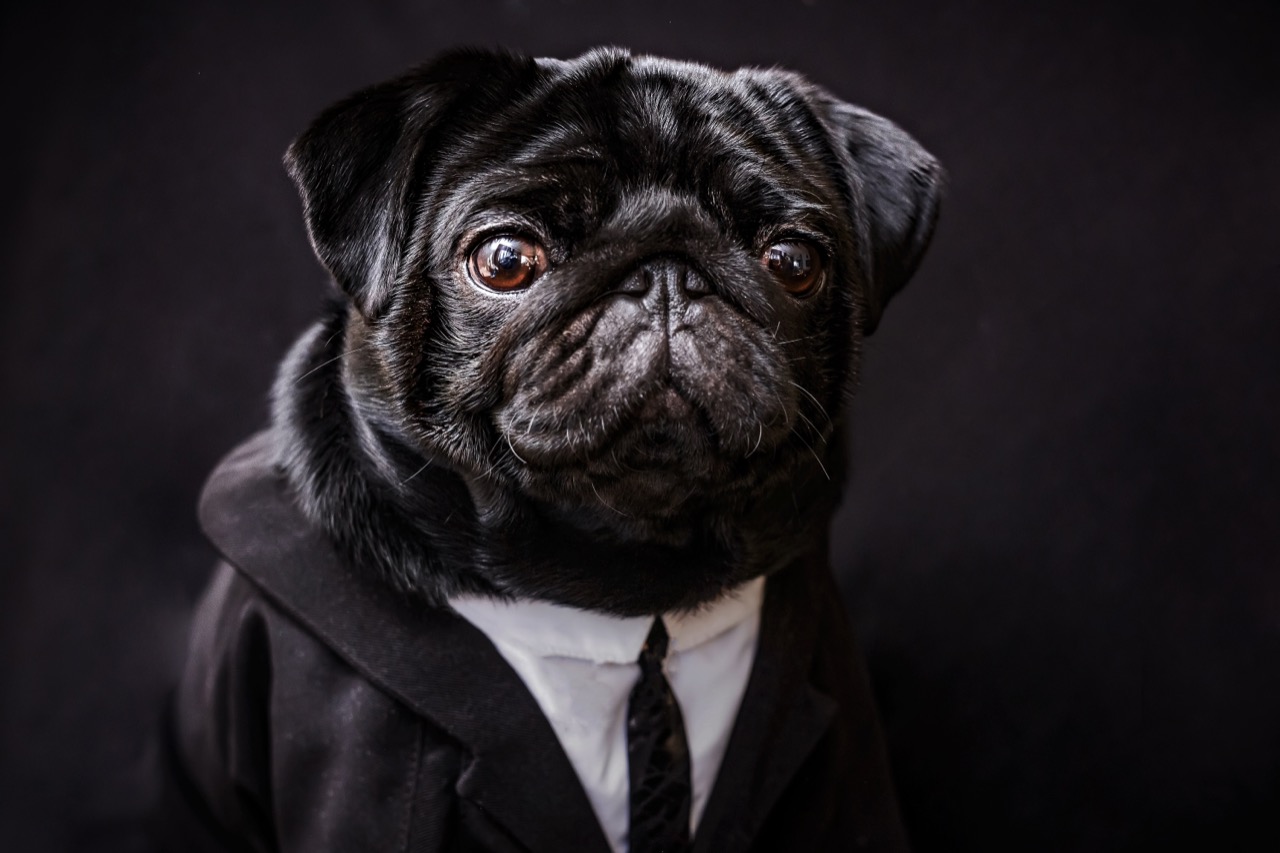
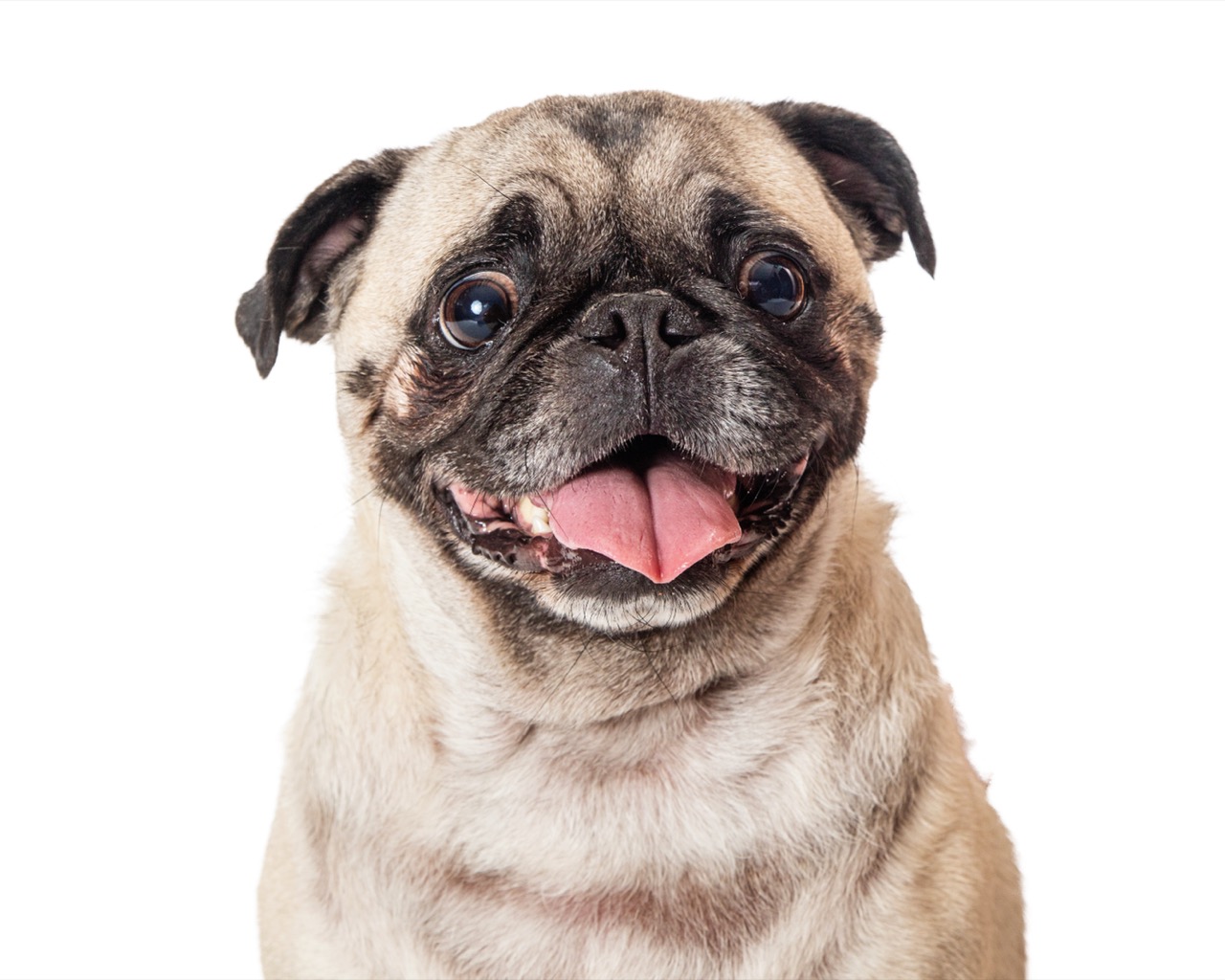
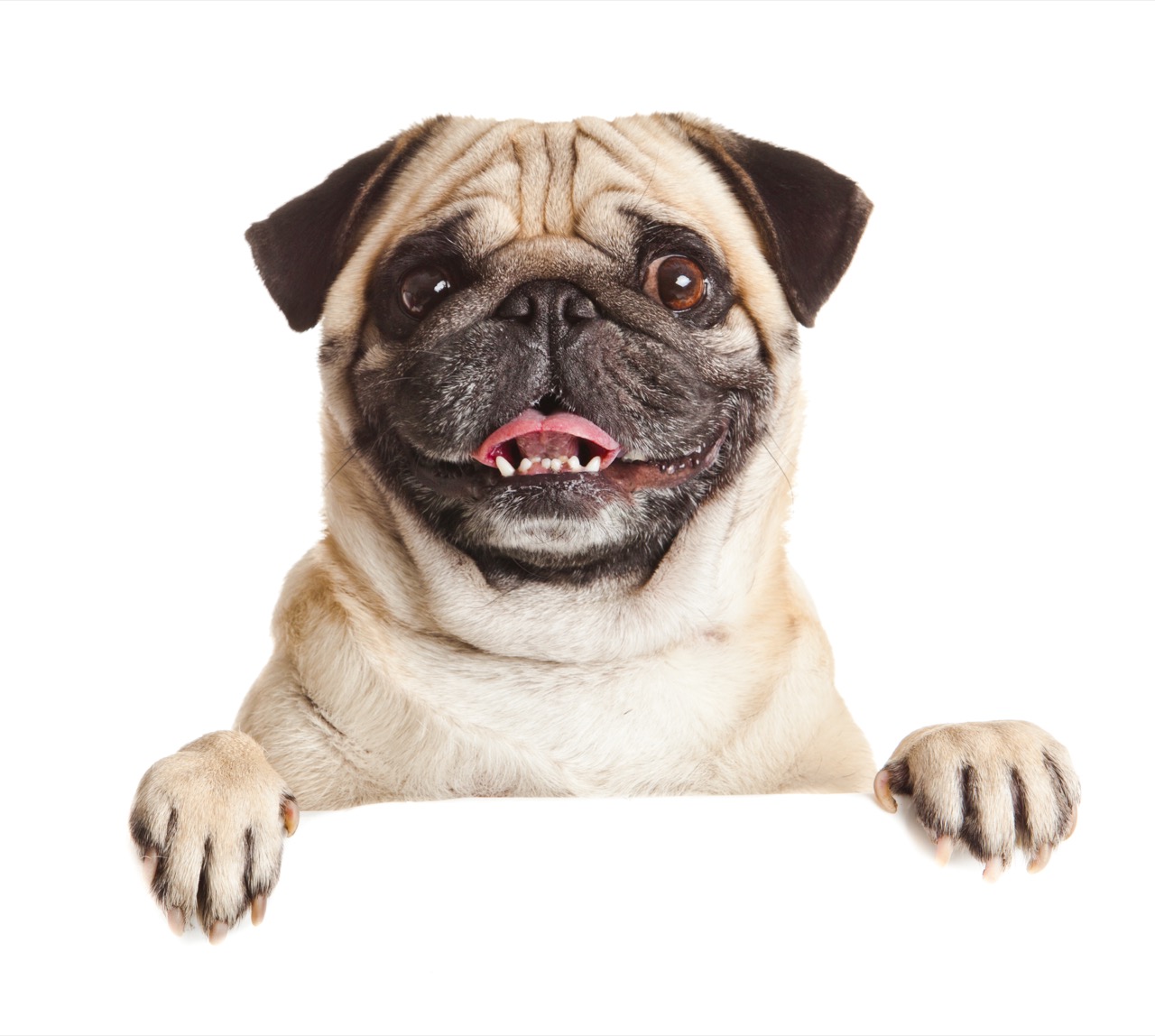
Pugs look like they were designed by committee: a compact body, a tightly curled tail, and a face that seems to hold an entire range of human expressions. A lot of that is not an accident. Breed standards describe the pug in surprisingly specific language, and those words influence what breeders aim for and what judges reward. Terms like “wrinkle,” “mask,” and even the idea of a “double curl” tail are not just cute descriptors. They are shorthand for a set of traits that can affect comfort, movement, and health. When you know what those terms mean, you start seeing pugs differently, not as a generic squishy dog but as a carefully defined type with real-world needs.
The famous face is built around a shortened muzzle, and that comes with behind-the-scenes realities. Many pugs are brachycephalic, meaning their skull shape can narrow airways. That is why some pugs snort, reverse sneeze, or struggle in heat. A key secret longtime owners learn is that breathing is not only about the nose. The soft palate, the size of the nostrils, and the structure of the throat all matter. A pug that seems fine indoors may have trouble on a humid walk or when excited. Keeping a pug lean, using a harness instead of a collar, and learning to recognize early signs of overheating can make a huge difference. The goal is not to treat every noise as an emergency, but to understand what “normal for this dog” looks like and what changes require a vet’s attention.
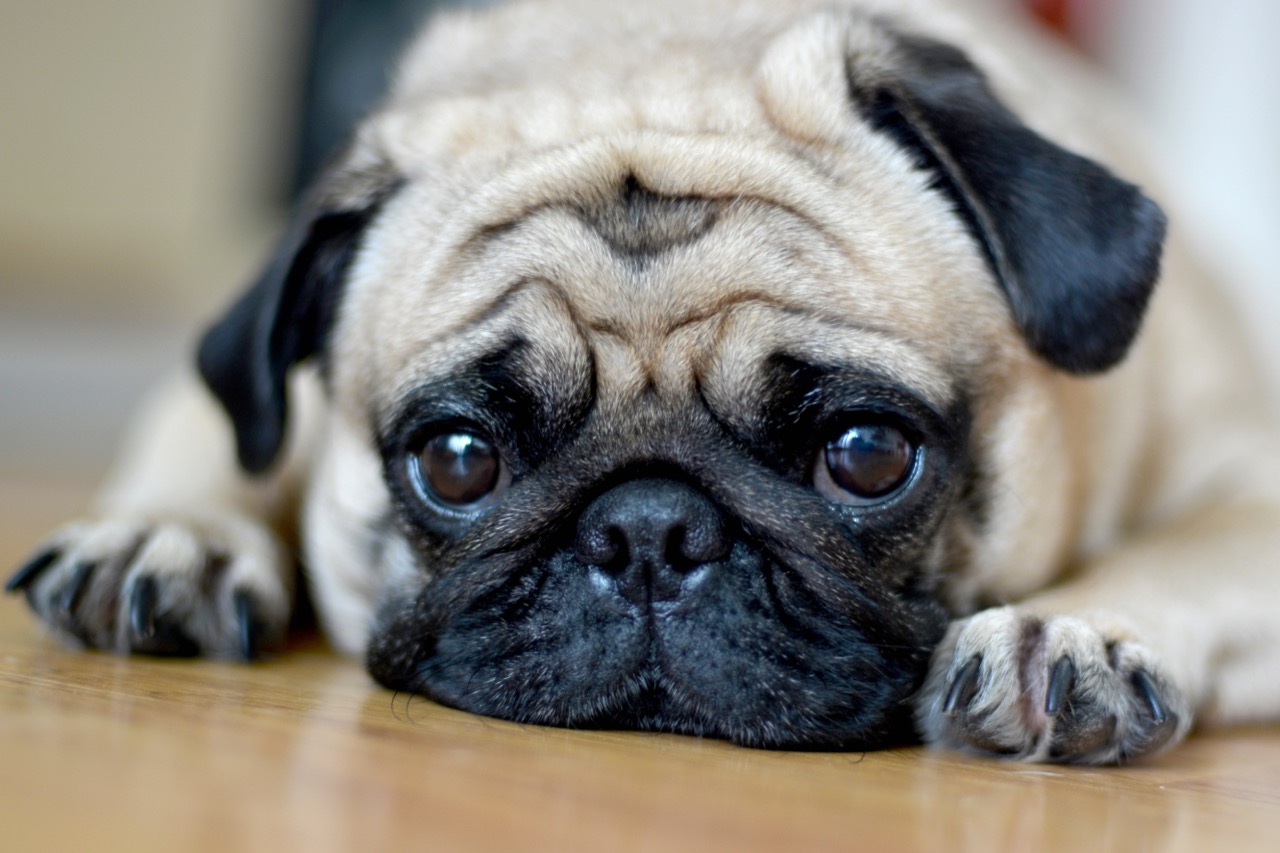
Wrinkles are another iconic feature with practical consequences. Those folds can trap moisture and debris, which may lead to irritation or infection. The backstage routine is simple but consistent: gently clean and fully dry the facial folds, especially after meals or outdoor play. Owners often miss that “clean” is only half of it; dampness is what creates problems. Ears also deserve quiet attention. Pug ears may be described in types, and regardless of shape they can collect wax and stay warm, so regular checks help catch issues early.
Coat care surprises many people because pugs shed more than their small size suggests. They have a short coat, but it can be dense, and seasonal shedding can be dramatic. Frequent brushing is less about beauty and more about comfort and skin health. Nails are another small detail that affects everything. Overgrown nails can change how a pug stands and walks, which can stress joints and make them less willing to exercise. Because pugs are sturdy but compact, even small changes in posture can matter.
Pug body language has its own subtle tells. A pug may use a hard stare, a stiffened posture, or a sudden stillness before reacting, and the wrinkled face can sometimes hide tension. Watch the whole dog: breathing rhythm, tail position, weight shift, and how quickly they take treats. A tightly curled tail is typical, but a tail that suddenly drops or stays low can signal discomfort, fear, or pain. The same goes for a pug that becomes unusually quiet or refuses to jump onto a favorite spot.
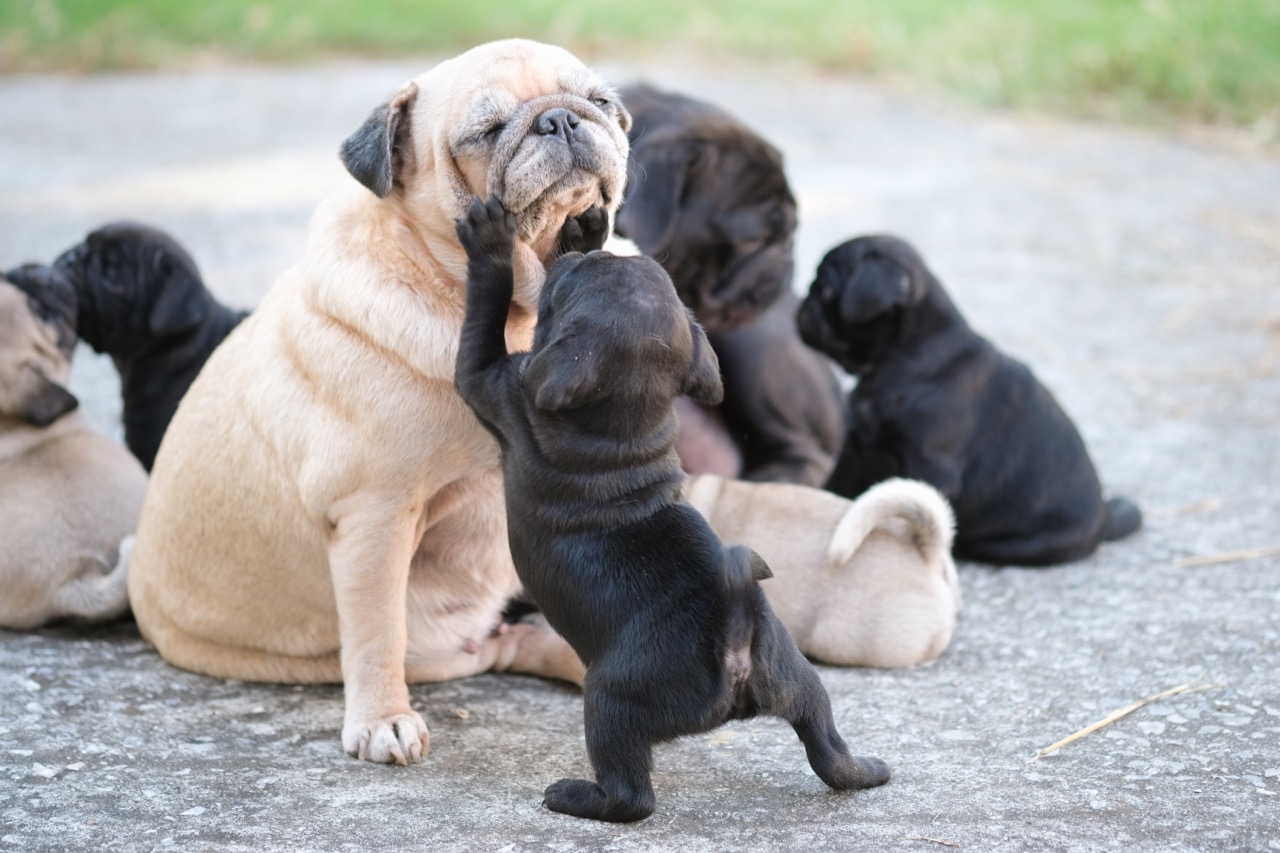
History adds a fun layer to all this. Pugs have been companions for centuries, favored in royal courts and bred for their charming presence. That companion role is still visible today. Many pugs are happiest when they are near their people, and they can be sensitive to being left alone too long. The best behind-the-scenes choice you can make is to treat daily care as a set of small, predictable rituals: moderate exercise, careful heat management, fold and ear checks, dental care, and weight control. Those details may not be as instantly adorable as the squishy face, but they are what keep the personality shining through.