Yorkshire Terrier Basics Without the Fluff


Quiz Complete!
Yorkshire Terrier Basics Without the Fluff
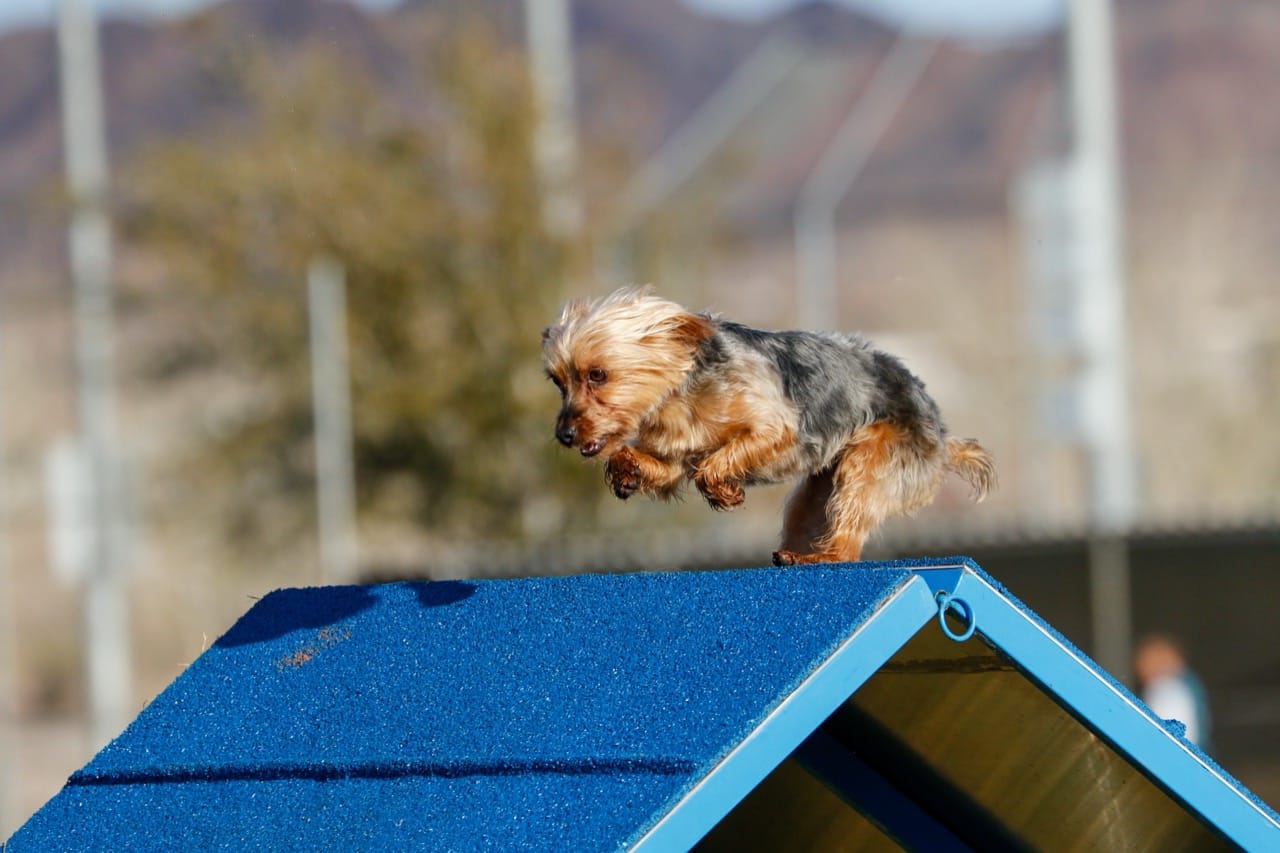
The Yorkshire Terrier may be small enough to tuck under your arm, but it was not designed to be delicate. The breed developed in 19th century northern England, especially Yorkshire and Lancashire, where workers wanted a compact, fearless ratter for mills and crowded streets. Early Yorkies likely came from crosses of several small terriers, and their job was to chase rodents in tight spaces. That working background still shows up today in their alertness, quick reactions, and the way many of them confidently challenge dogs many times their size.
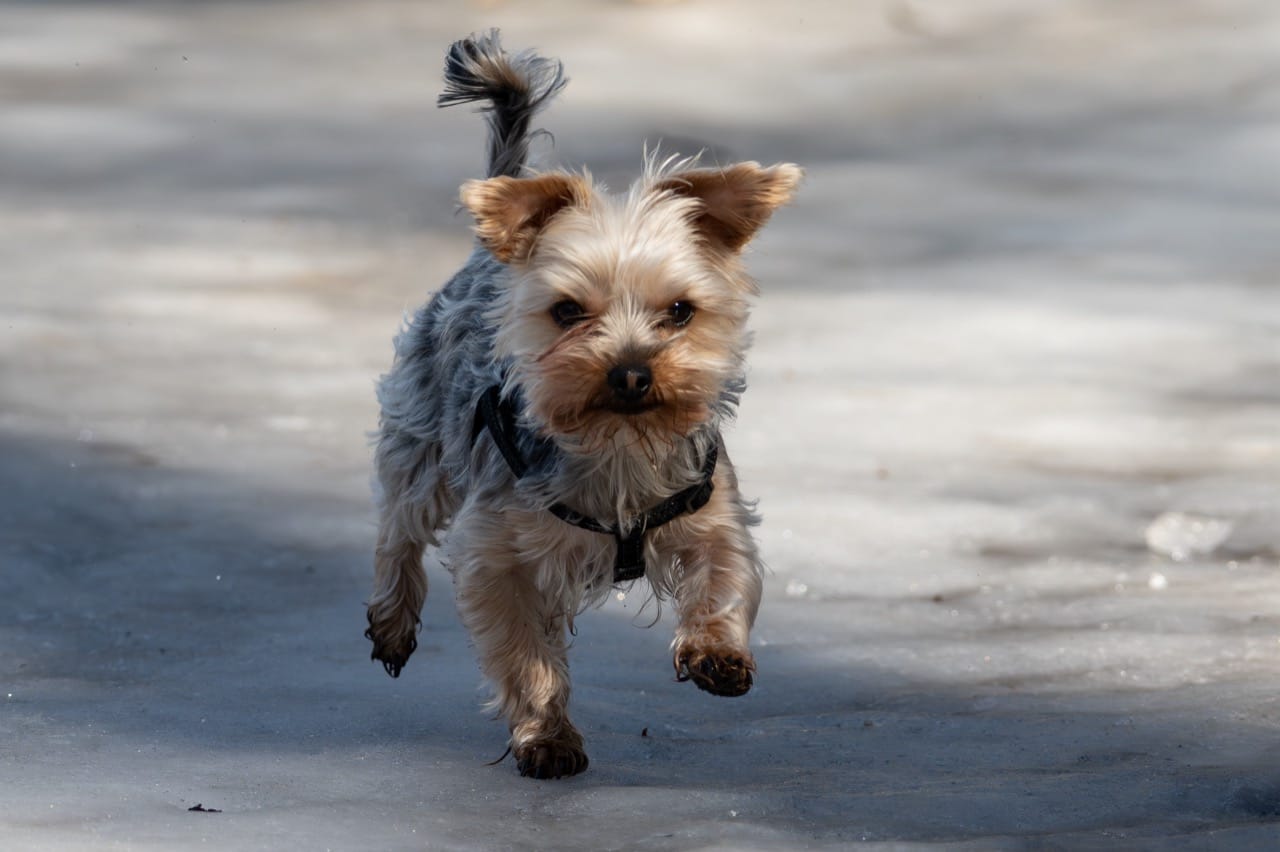
A typical Yorkshire Terrier is a toy breed, usually around 4 to 7 pounds as an adult, though you will see larger individuals and also very tiny ones marketed as teacups. It is worth knowing that extremely small size can come with increased health risks, so a healthy, sturdy Yorkie in the standard range is often a better goal than the smallest possible puppy. Despite their compact build, they are athletic and surprisingly fast, and they often enjoy games that let them chase, pounce, and investigate.
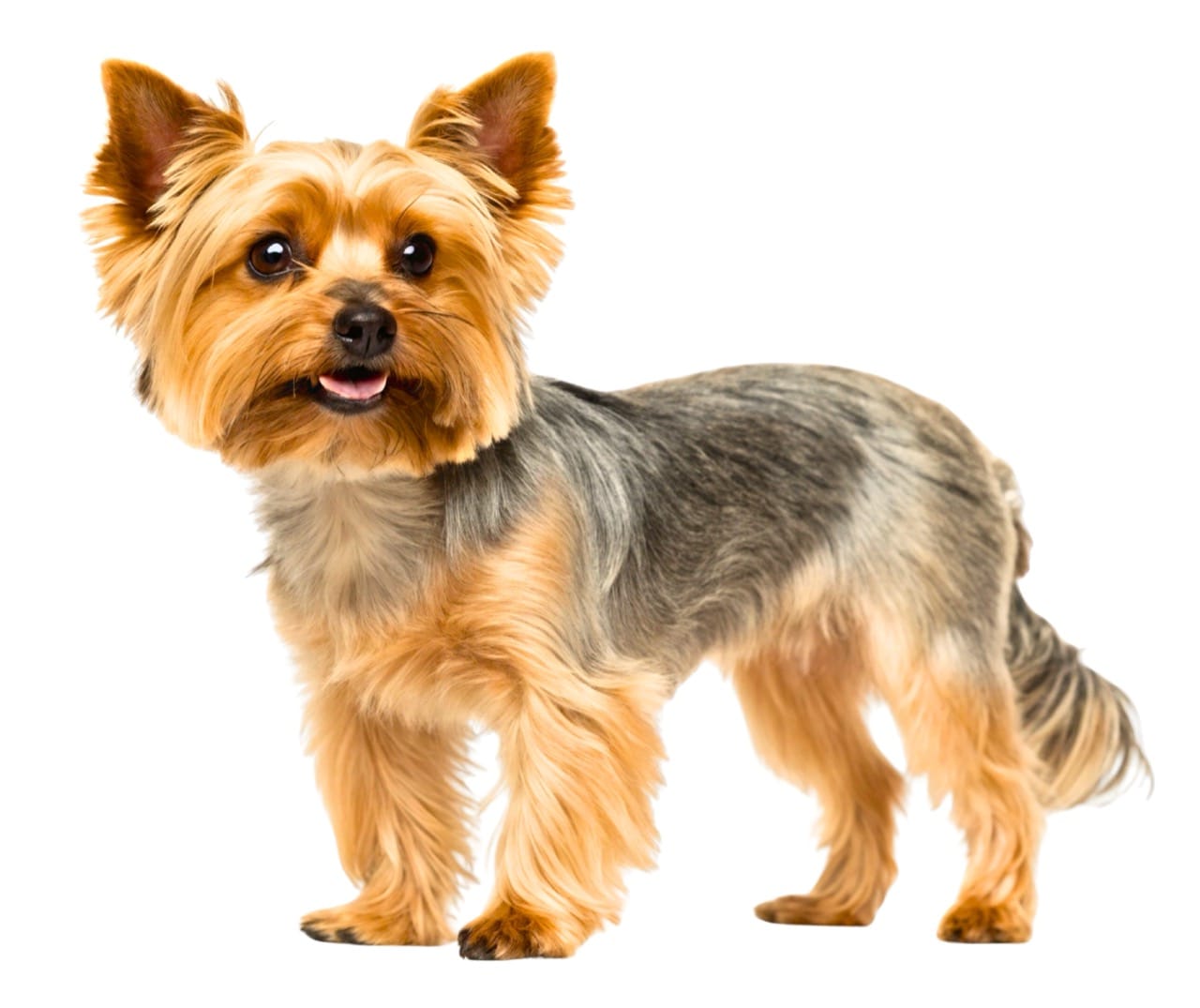
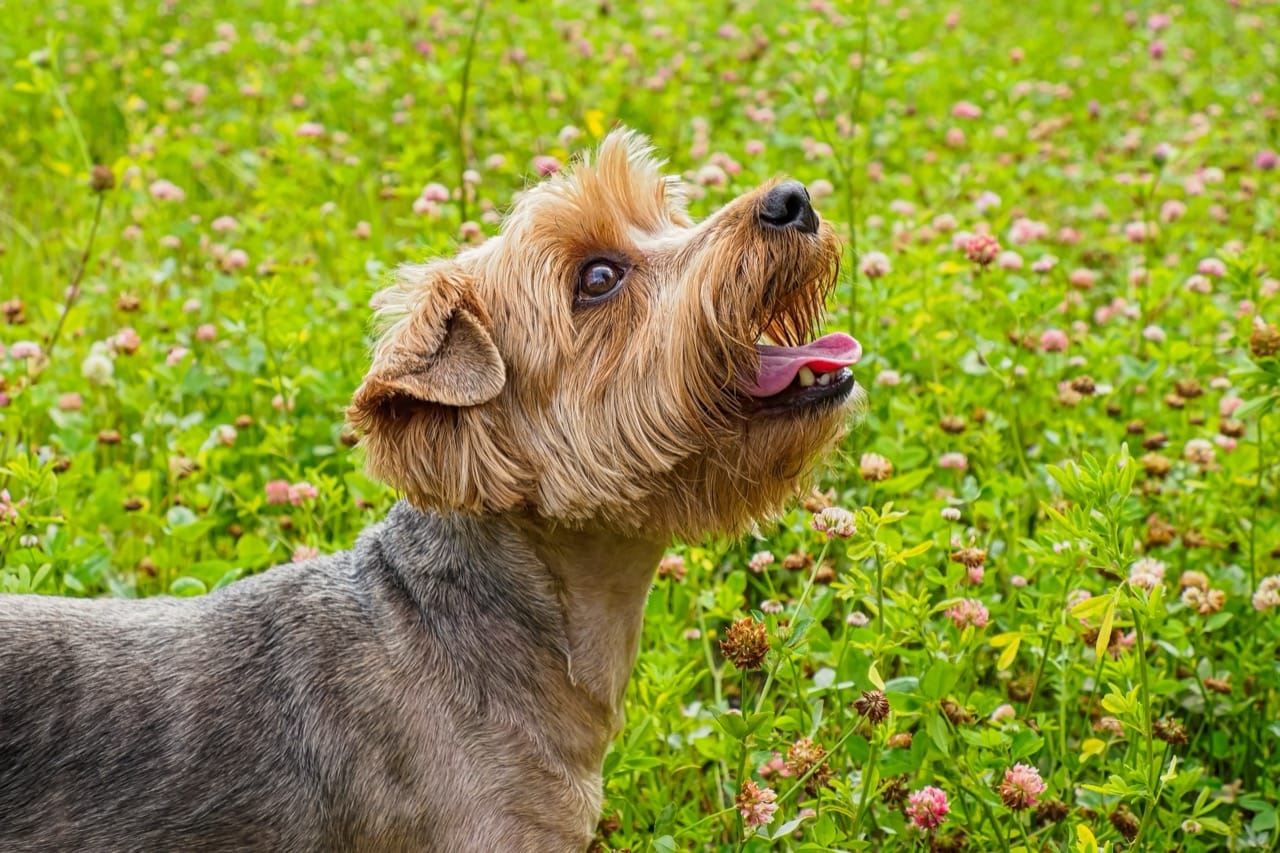
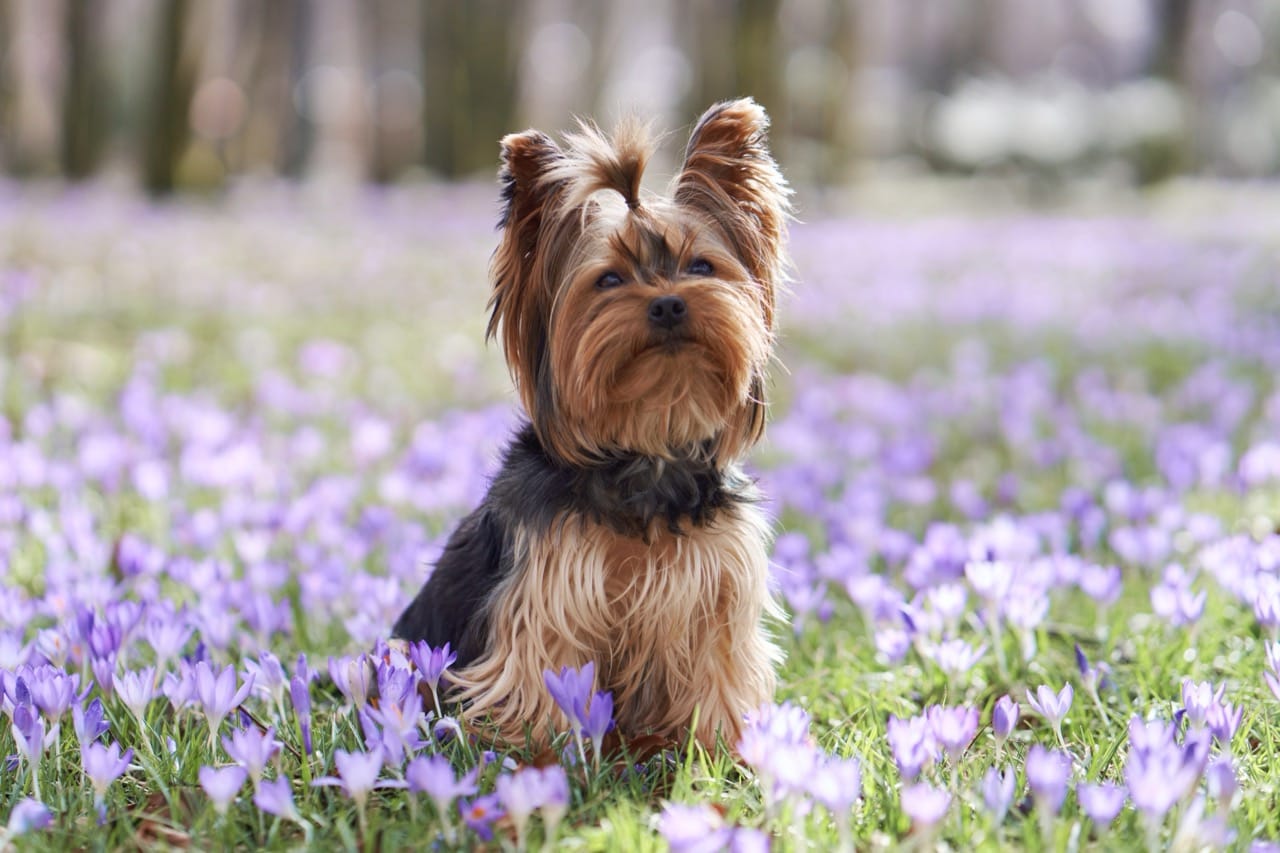
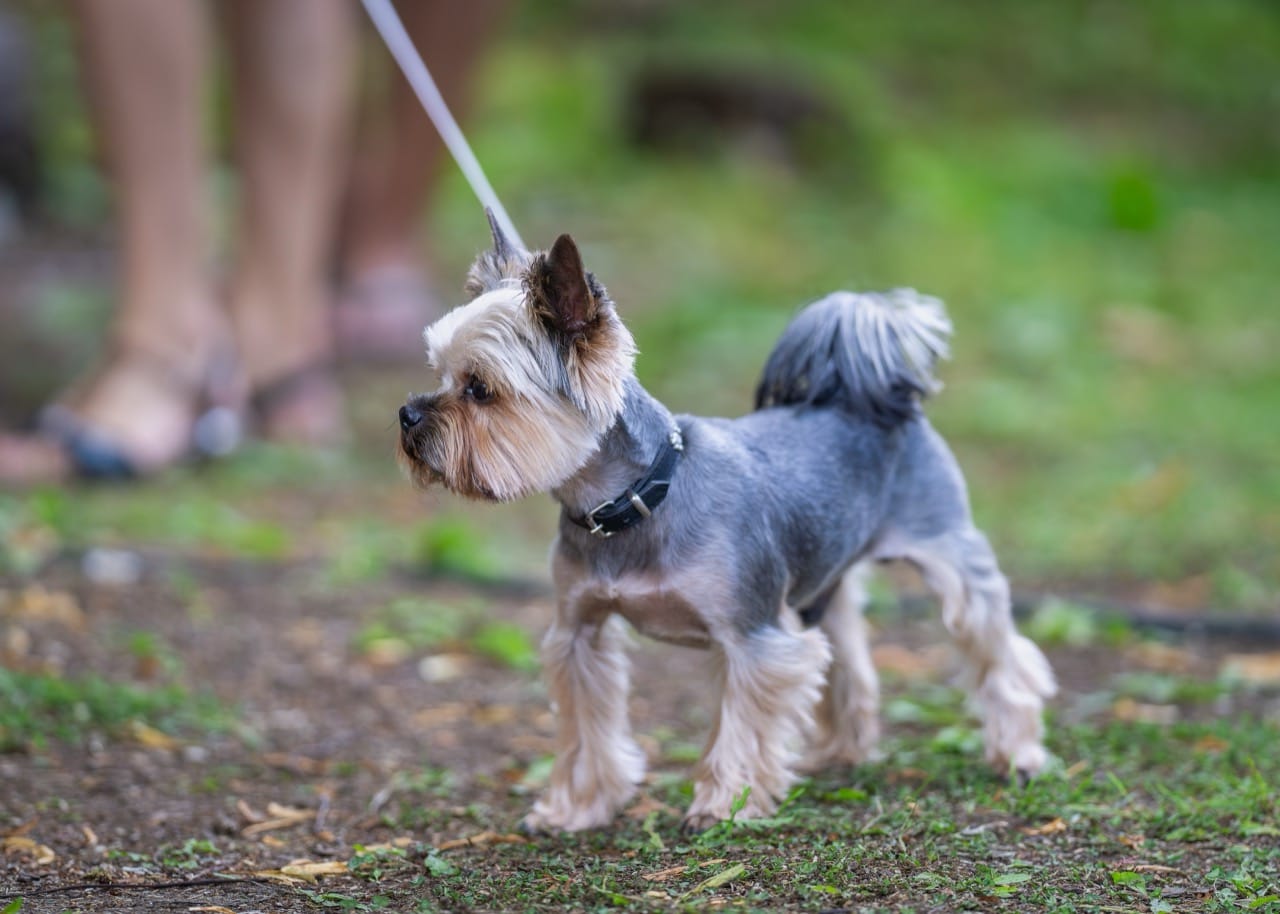
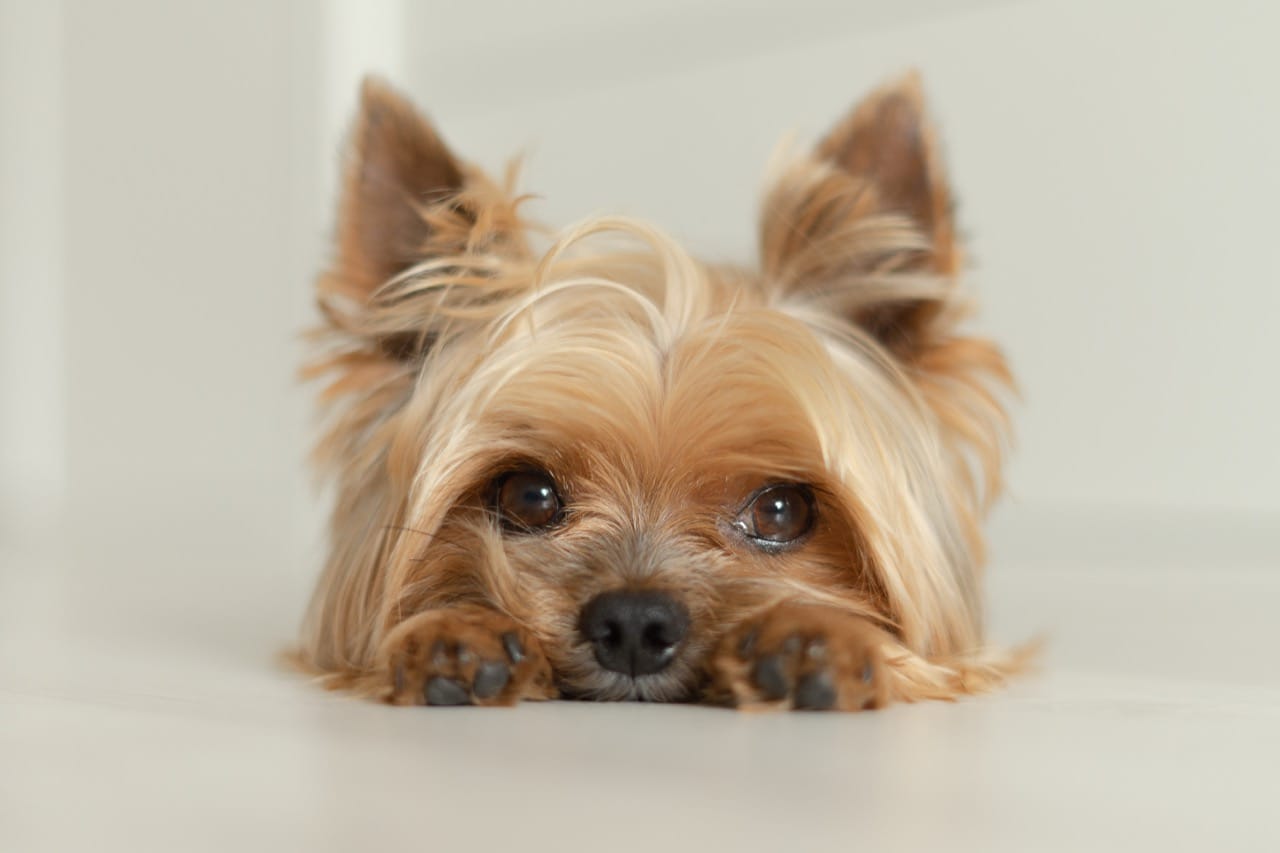
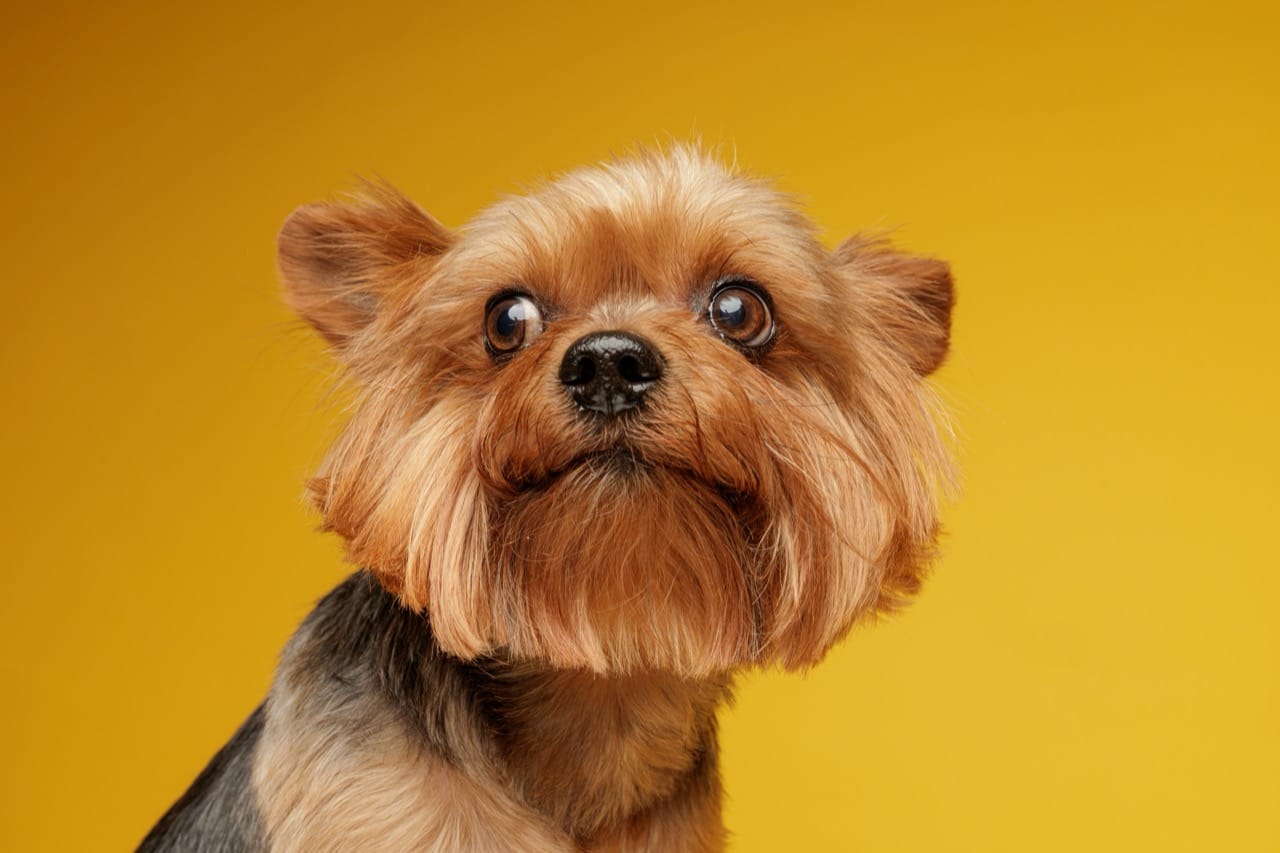
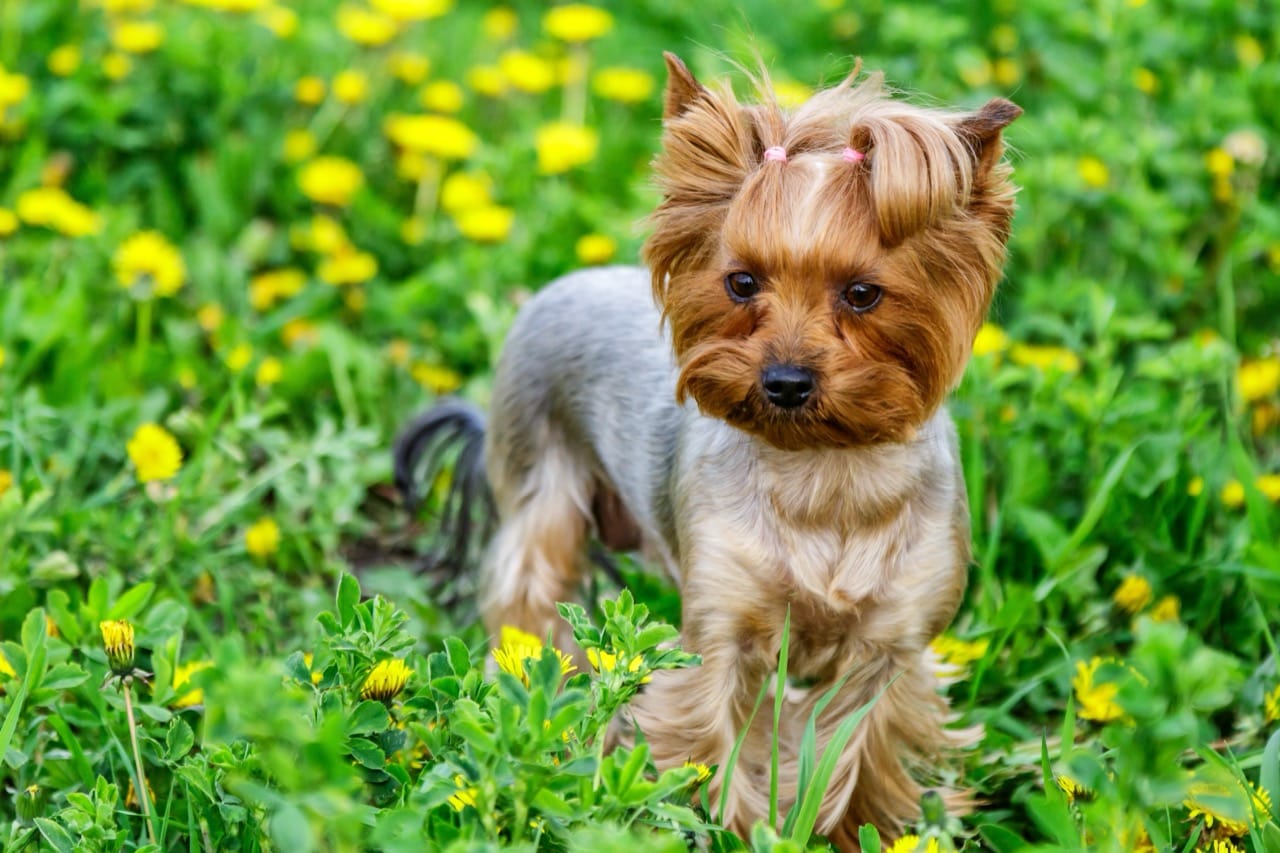
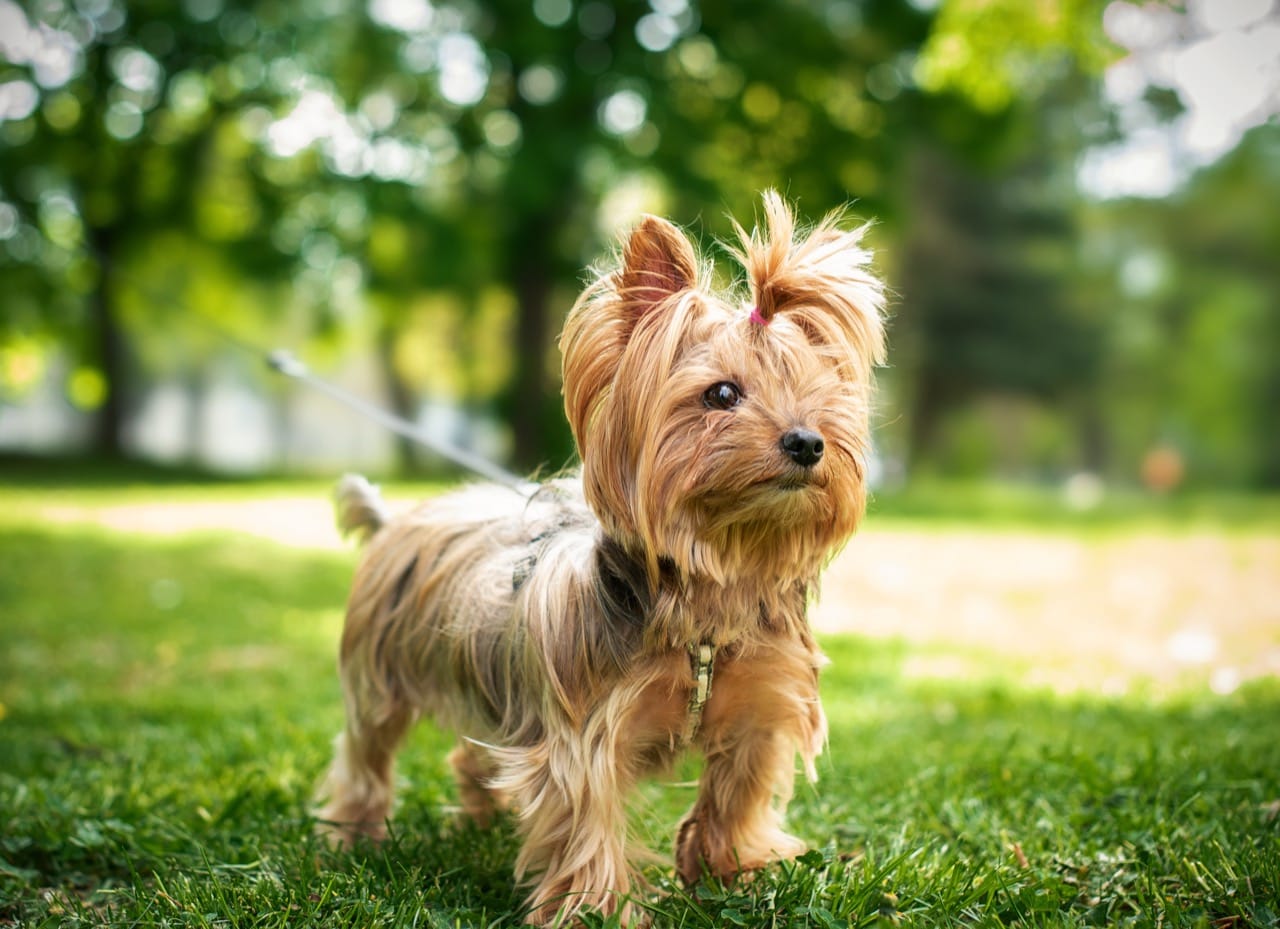
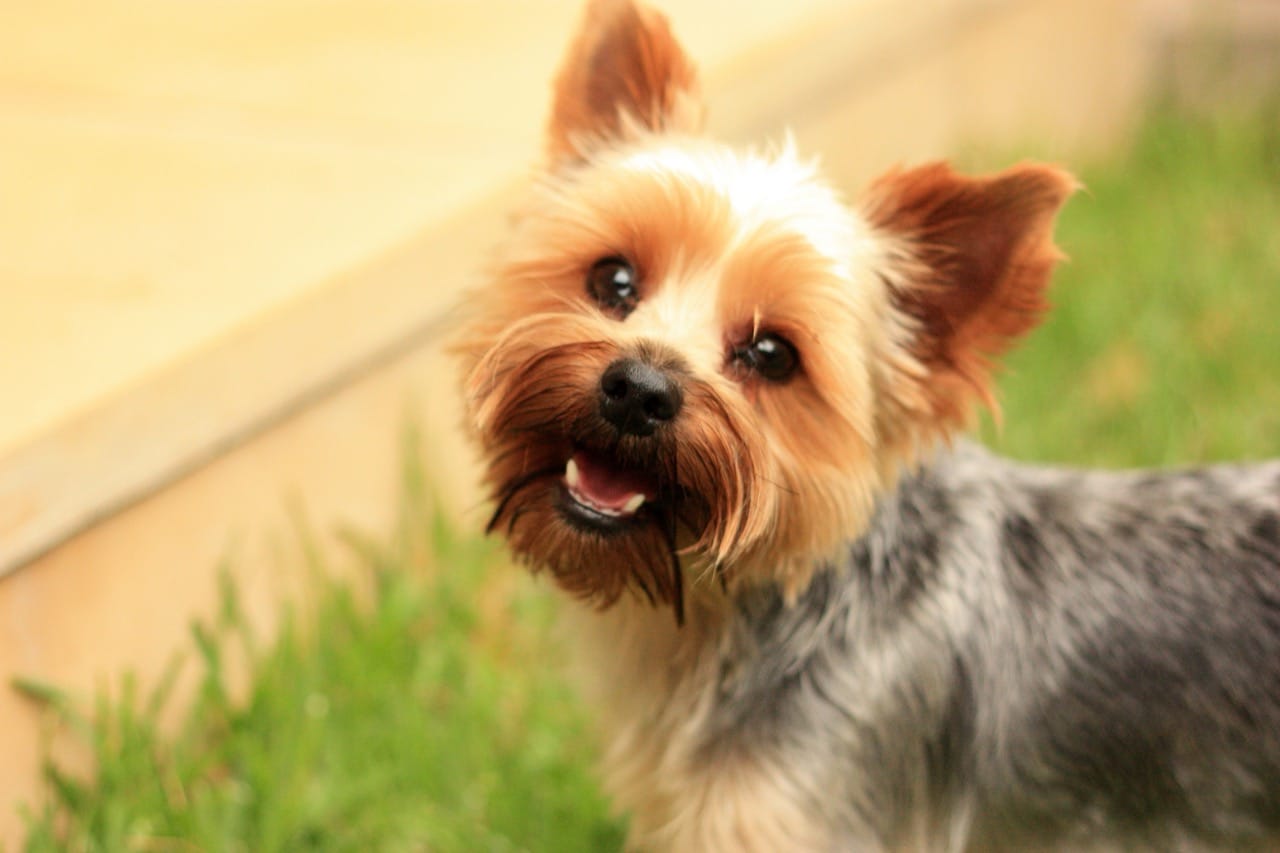
One of the most distinctive Yorkie traits is the coat. Unlike many dogs with a double coat that sheds seasonally, the Yorkshire Terrier has a single coat that behaves more like human hair. It tends to grow continuously and may shed less, which is one reason some people find Yorkies easier to live with. Less shedding does not mean low maintenance, though. That fine, silky hair tangles easily and can mat close to the skin, especially behind the ears, under the collar, and in the armpits. Many pet Yorkies are kept in a shorter puppy cut for convenience, while show coats are long, straight, and require frequent brushing, careful bathing, and gentle drying. Regular trimming around the eyes, feet, and sanitary areas helps keep them comfortable and clean.
In temperament, Yorkies are bold, curious, and often comically self-assured. They bond closely with their people and can be affectionate lap dogs, but they are still terriers at heart. That can mean a strong prey drive toward squirrels, birds, and sometimes even household pets like hamsters. Early socialization helps them become confident rather than yappy or suspicious, and basic training is important even if they are tiny. Small dogs are often accidentally taught bad manners because people pick them up instead of teaching them, but Yorkies respond well to positive reinforcement and clear routines. House training can take patience, partly because small bladders mean they need more frequent trips outside.
Because of their size, everyday safety matters. A fall from a couch, a child grabbing too tightly, or rough play with a large dog can cause serious injury. Using ramps, supervising interactions, and choosing a secure harness instead of a collar for walks can reduce strain on the throat.
Common health concerns are another essential part of Yorkie basics. Dental disease is very common in toy breeds, so daily tooth brushing and regular veterinary cleanings can make a major difference. Many Yorkies are prone to patellar luxation, where the kneecap slips out of place, and collapsing trachea, which can cause a honking cough and makes gentle leash handling important. Some also experience low blood sugar as young puppies, especially if they are very small or skip meals, so consistent feeding and watching for weakness or tremors is wise. Liver shunts and pancreatitis are also seen in the breed, making routine checkups and thoughtful diet choices valuable.
For all their glamour, Yorkies are not just purse dogs. They are lively companions with a working-dog attitude, a hair-like coat that demands real grooming commitment, and a big personality that thrives on attention, training, and safe adventures. Understand those basics, and the little terrier who thinks he runs the house can be a joyful, long-lived sidekick.