Wrinkles, Roots, and Bulldog Coincidences
Quiz Complete!
Wrinkles, Roots, and Bulldog Coincidences: How One Dog Became a Global Symbol
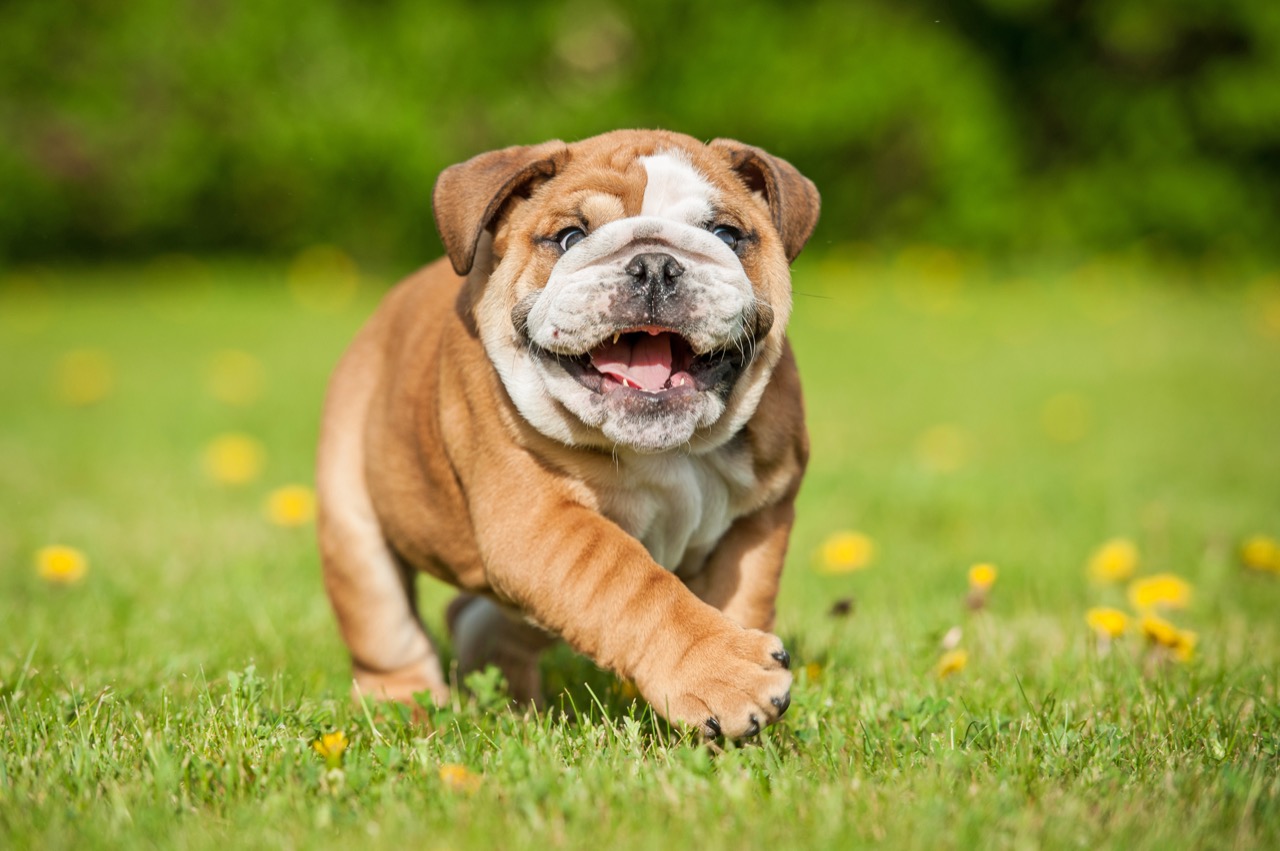
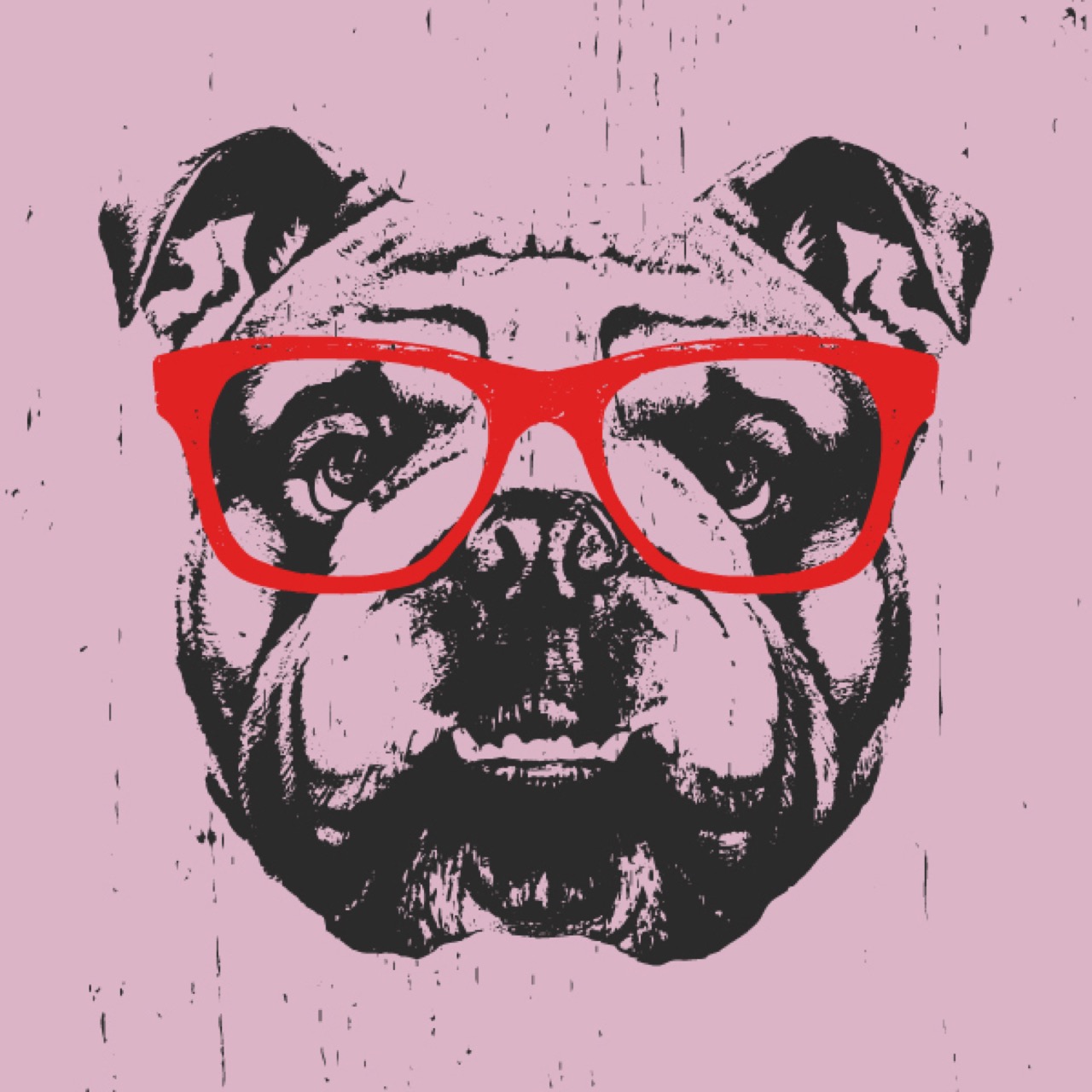
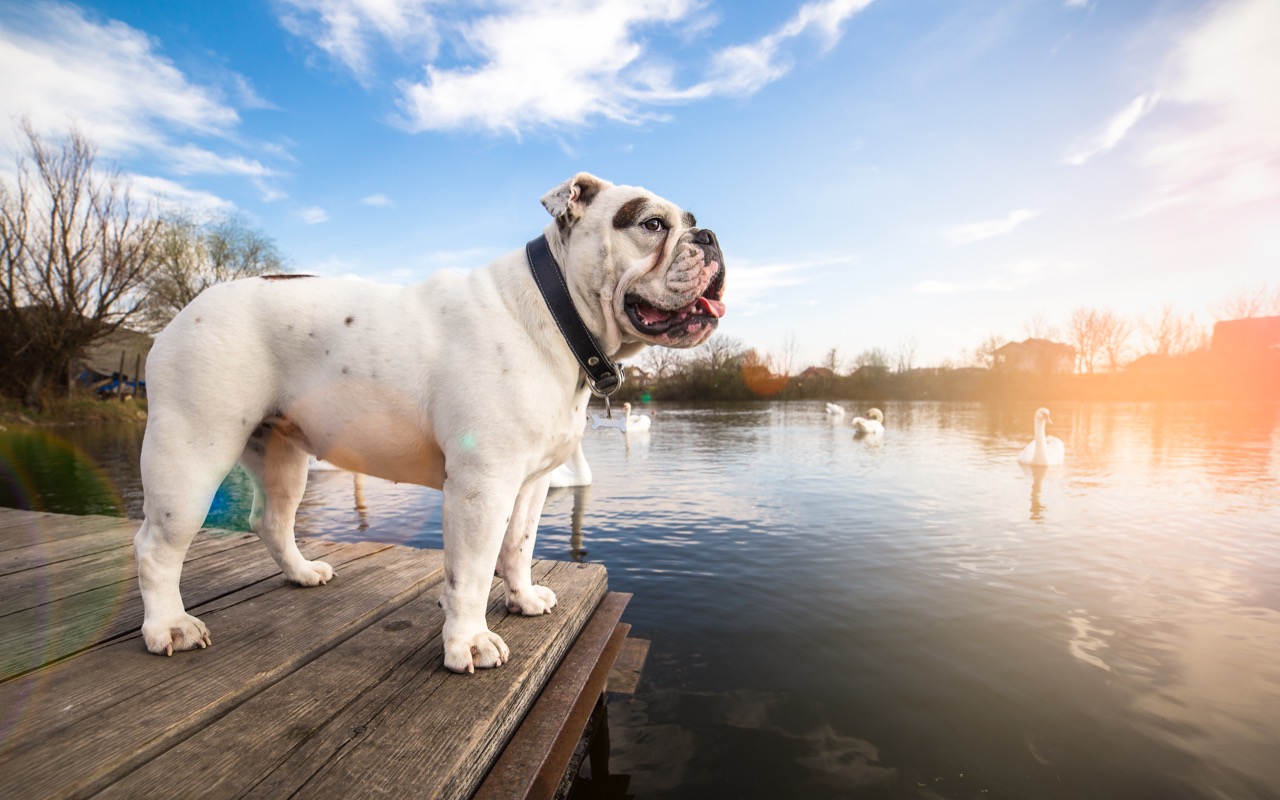
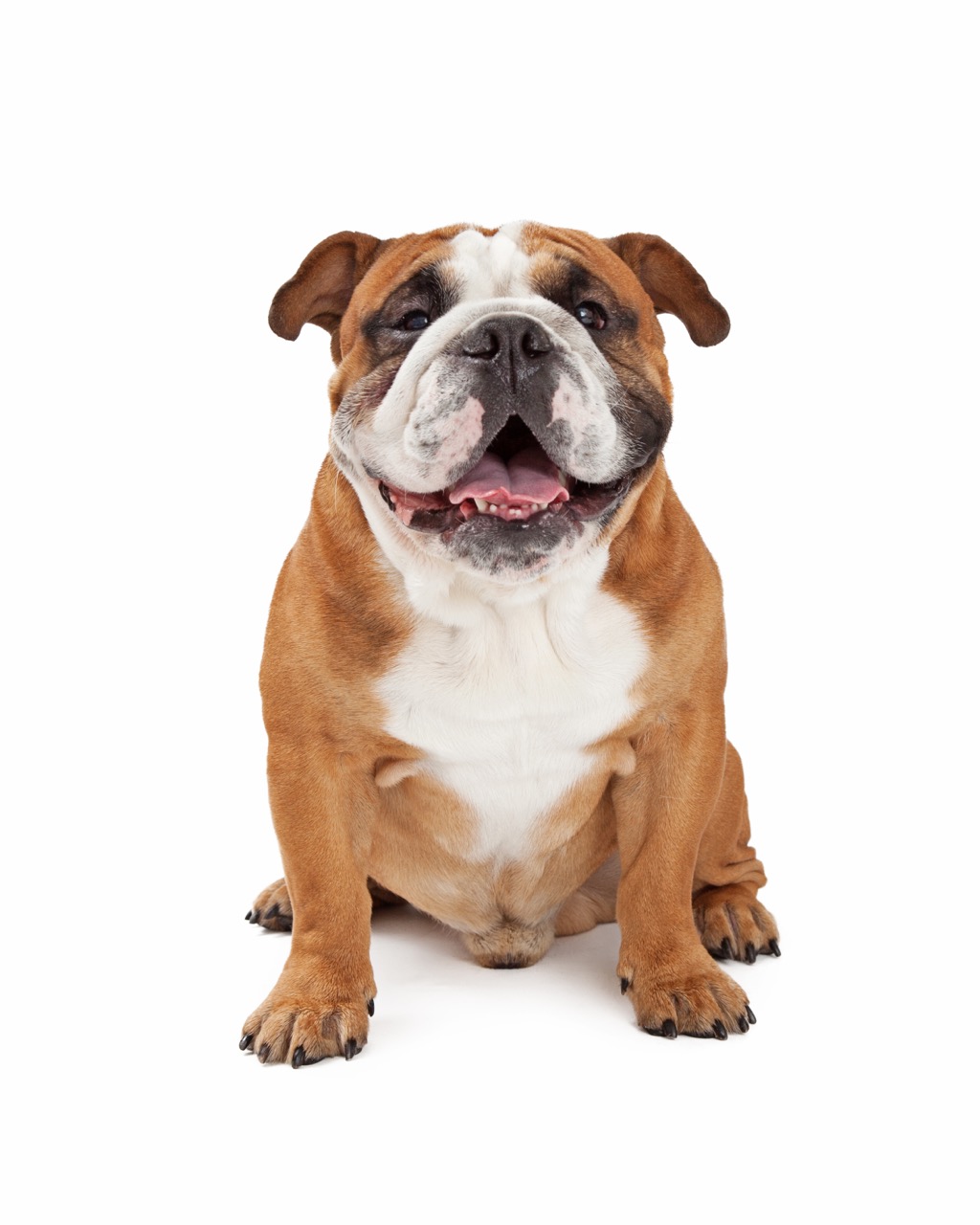
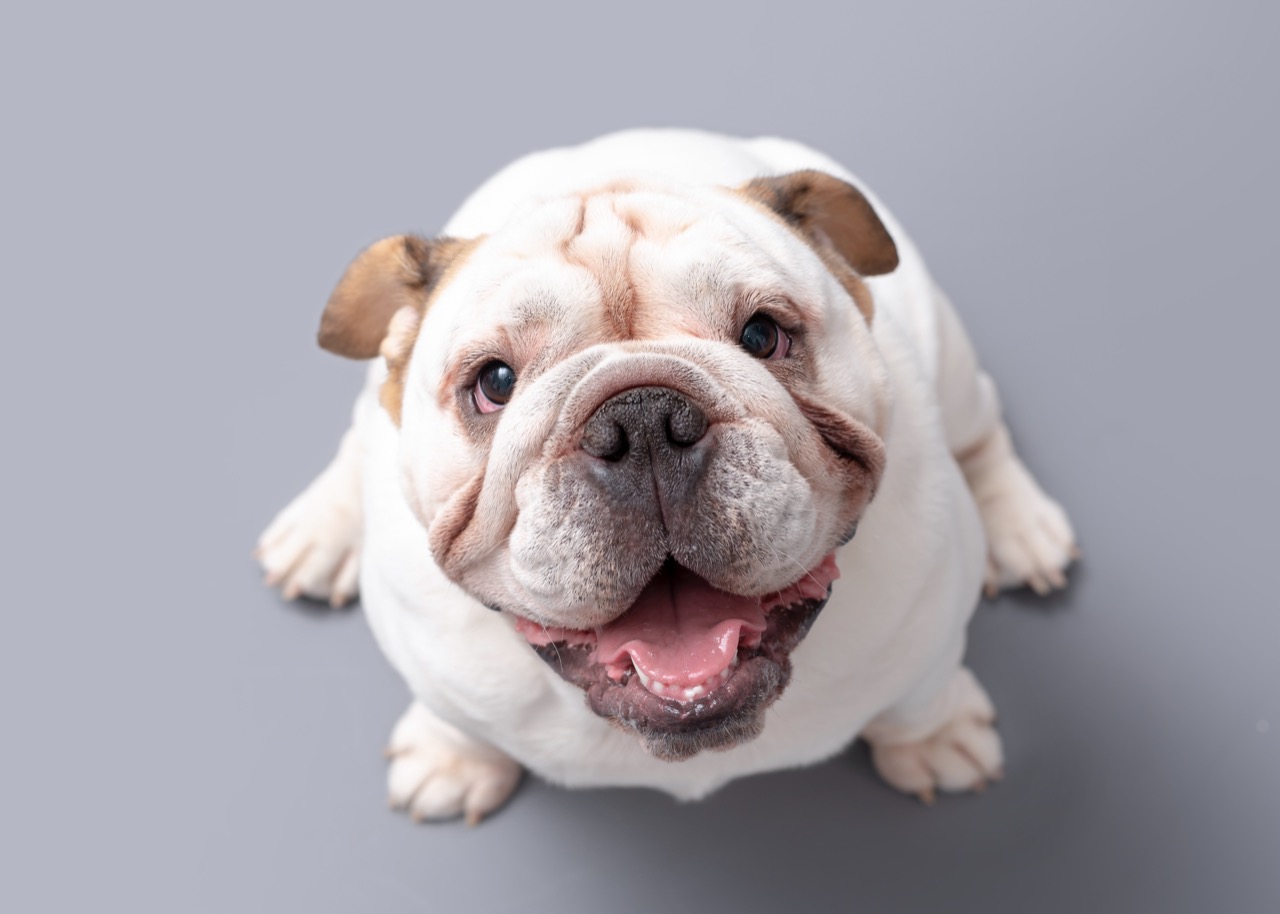
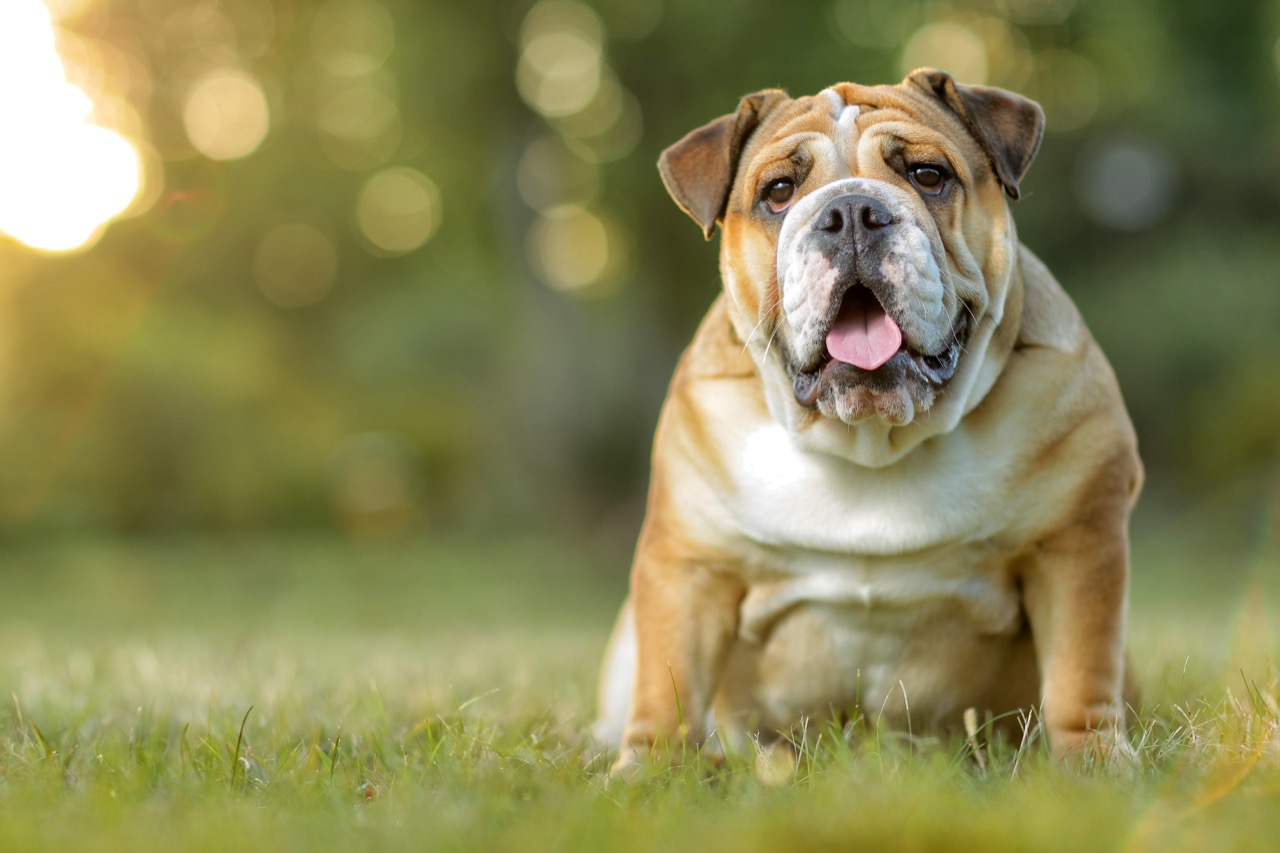
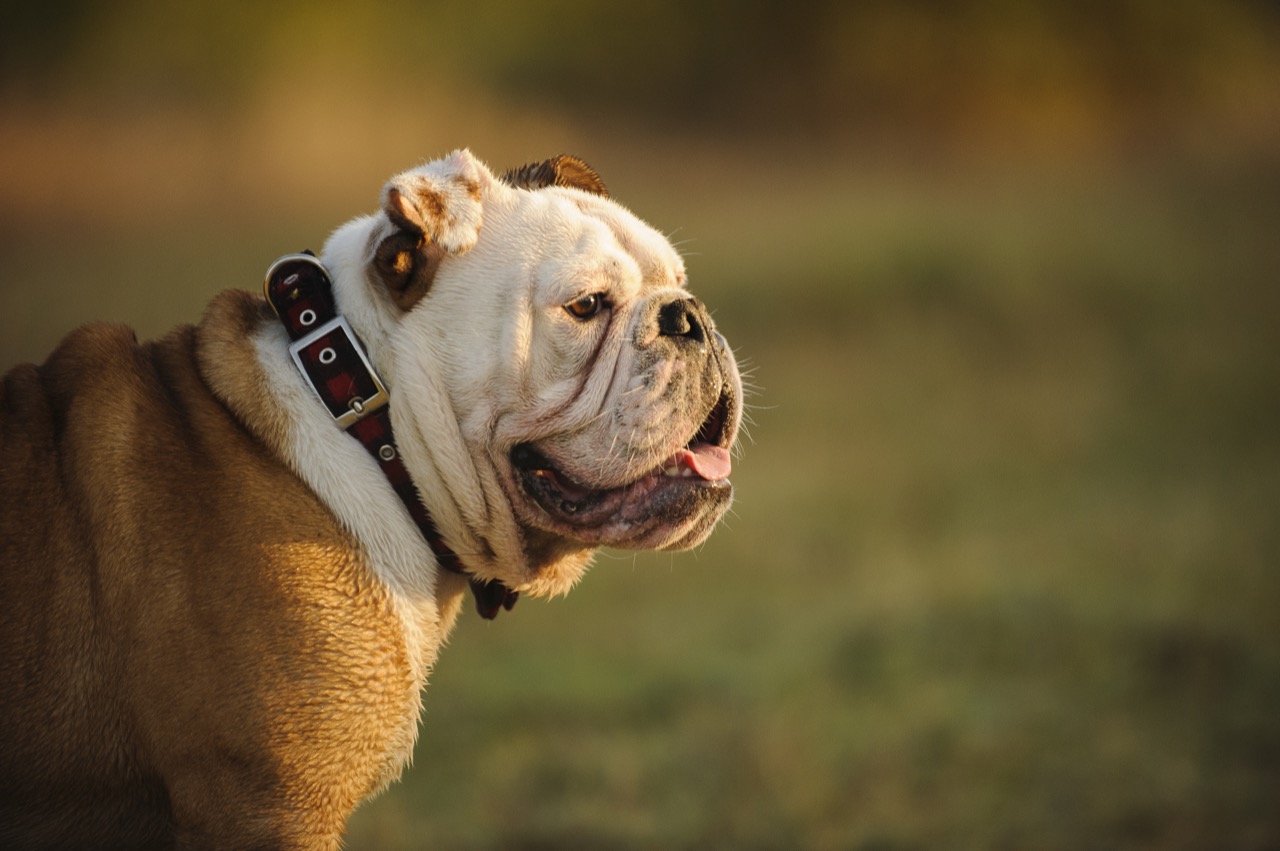
Bulldogs feel familiar even to people who have never owned one. Their compact build, undershot jaw, and deep facial wrinkles are instantly recognizable, and that unmistakable face has traveled far beyond the living room. Over time, bulldogs have become a kind of cultural shorthand, showing up in sports, advertising, wartime imagery, and debates about how humans have shaped animals through selective breeding.
The English Bulldog’s story begins with a job that is uncomfortable to think about today. Early bulldog types were associated with bull baiting, a blood sport that rewarded dogs that could grip and hold. When bull baiting was outlawed in Britain in 1835, the dog’s original purpose vanished, but the image remained. In a twist of history, a dog once linked to brutality gradually became a symbol of determination and grit. That shift helped the bulldog move from working animal to emblem. During the Second World War, British propaganda and popular media often leaned on the bulldog as a visual metaphor for national stubbornness and resilience. Winston Churchill was frequently compared to a bulldog, not because he owned one, but because his jowly look and reputation for defiance matched the public’s idea of what a bulldog represented.
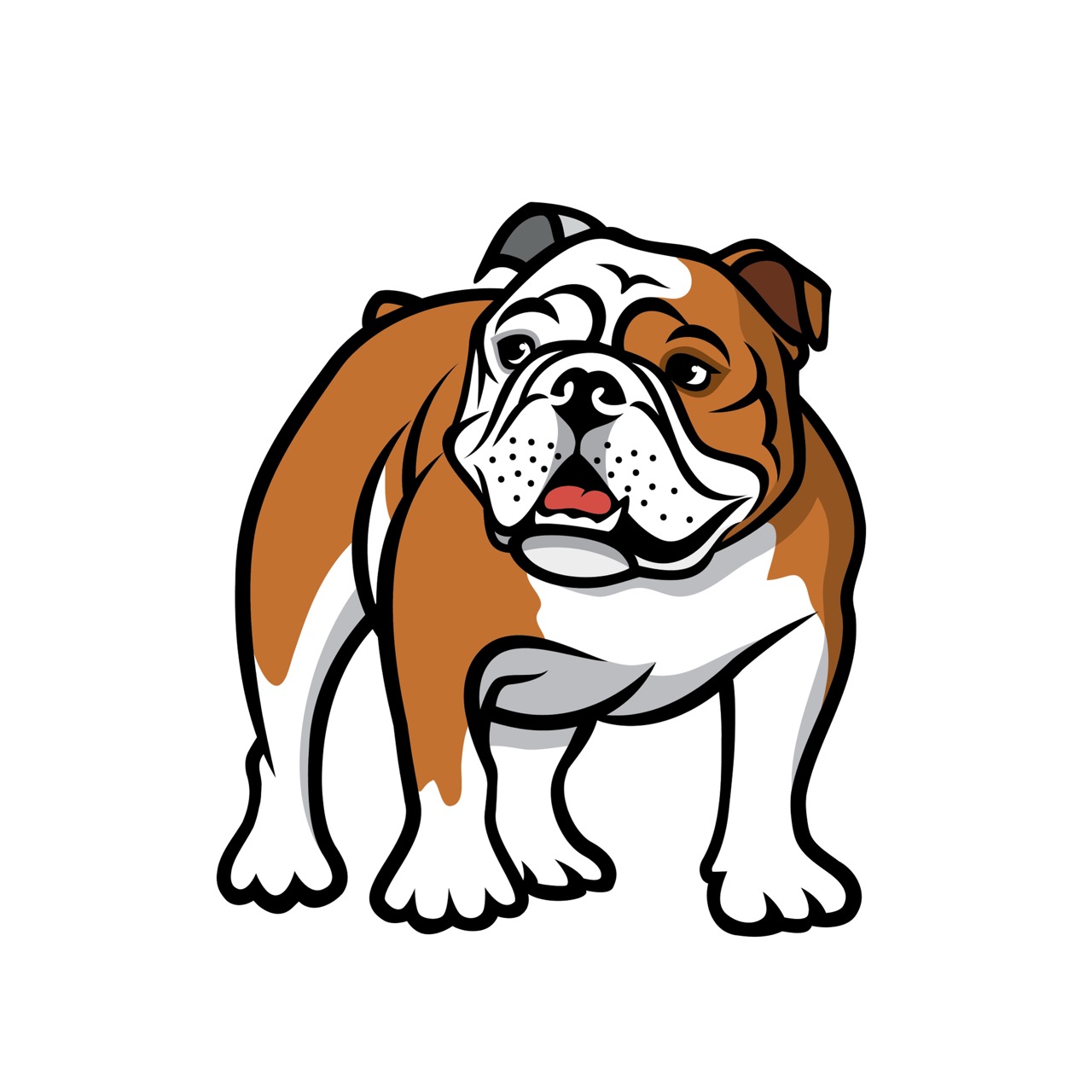
Sports teams later embraced the bulldog for similar reasons. A mascot needs to communicate attitude quickly from a logo or costume, and the bulldog’s face does that instantly: tough, unyielding, and a little comical. Universities and schools around the world adopted bulldogs as mascots, sometimes due to local traditions, sometimes because a coach or student group liked the symbolism, and sometimes simply because the dog was already popular in advertising and cartoons. The result is that many people meet the bulldog first as an icon on a helmet, banner, or sweatshirt rather than as a real animal.
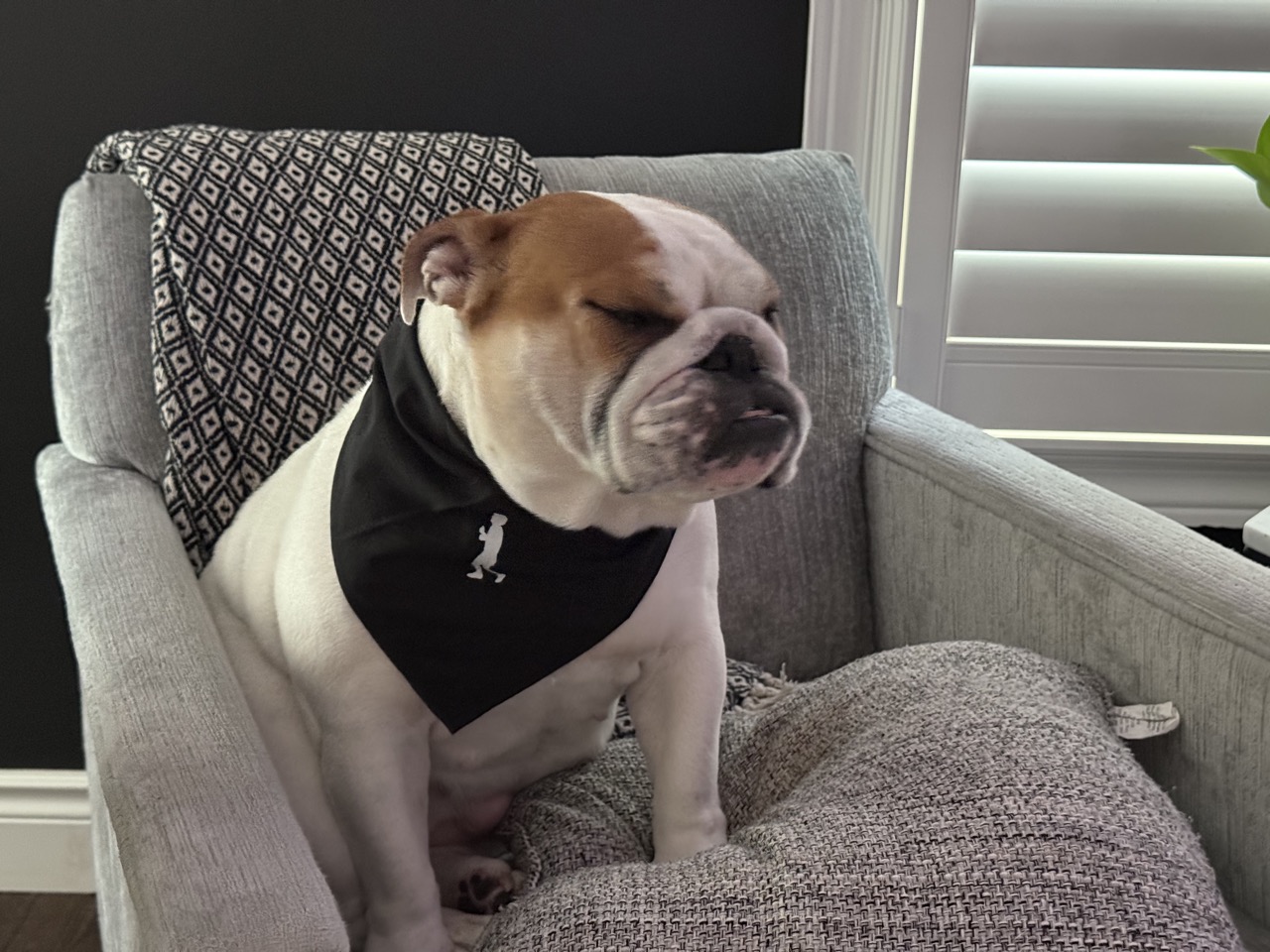
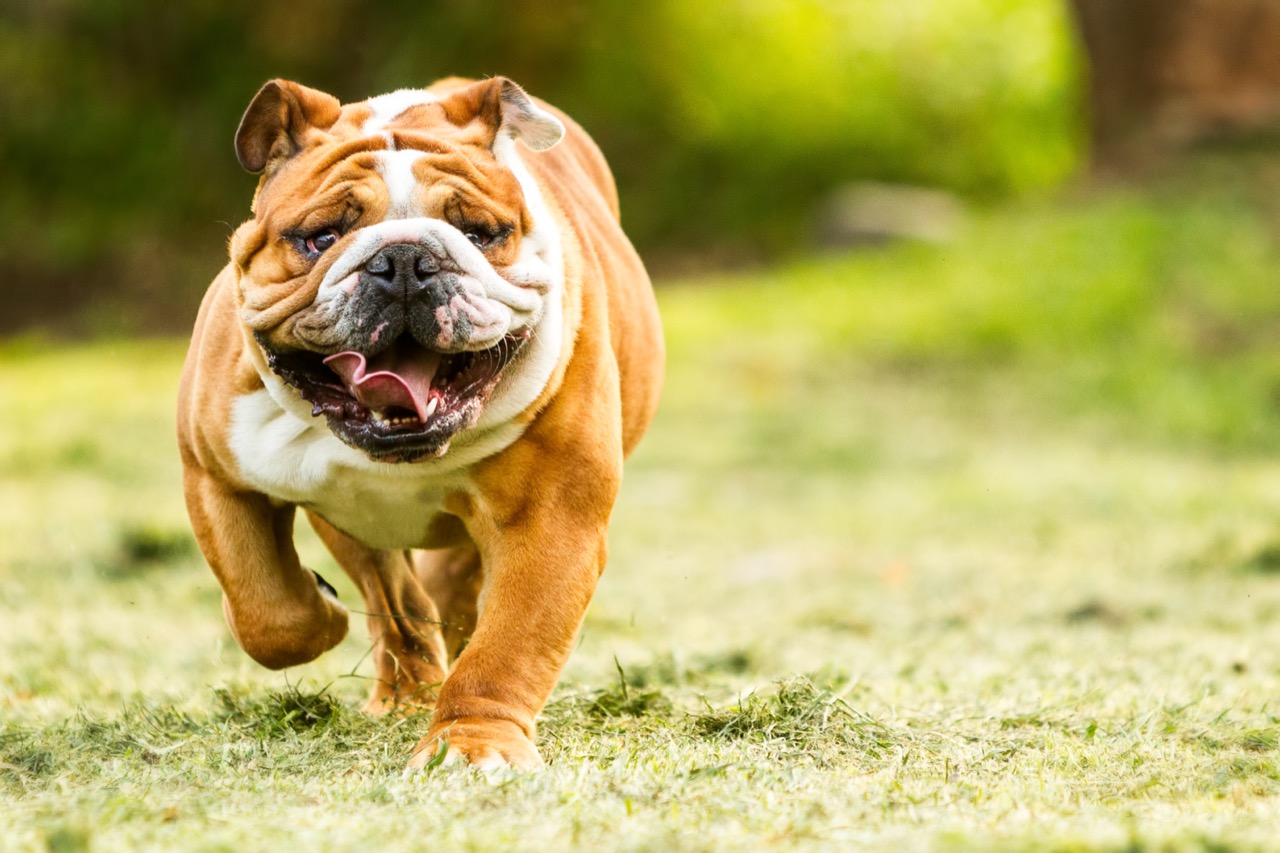
That iconic look, however, is not just nature. It is the product of generations of selective breeding. Over time, breeders emphasized a shorter muzzle, broader head, heavier wrinkles, and a low-slung stance. These features created a distinctive silhouette, but they also brought health questions into the spotlight. Bulldogs are a classic example in discussions about brachycephalic dogs, breeds with shortened skulls that can be prone to breathing difficulties. The very traits many people find cute, like a flat face and snorting sounds, can be signs of airway challenges. This has made bulldogs central to modern debates about responsible breeding, veterinary ethics, and how to balance tradition with animal welfare.
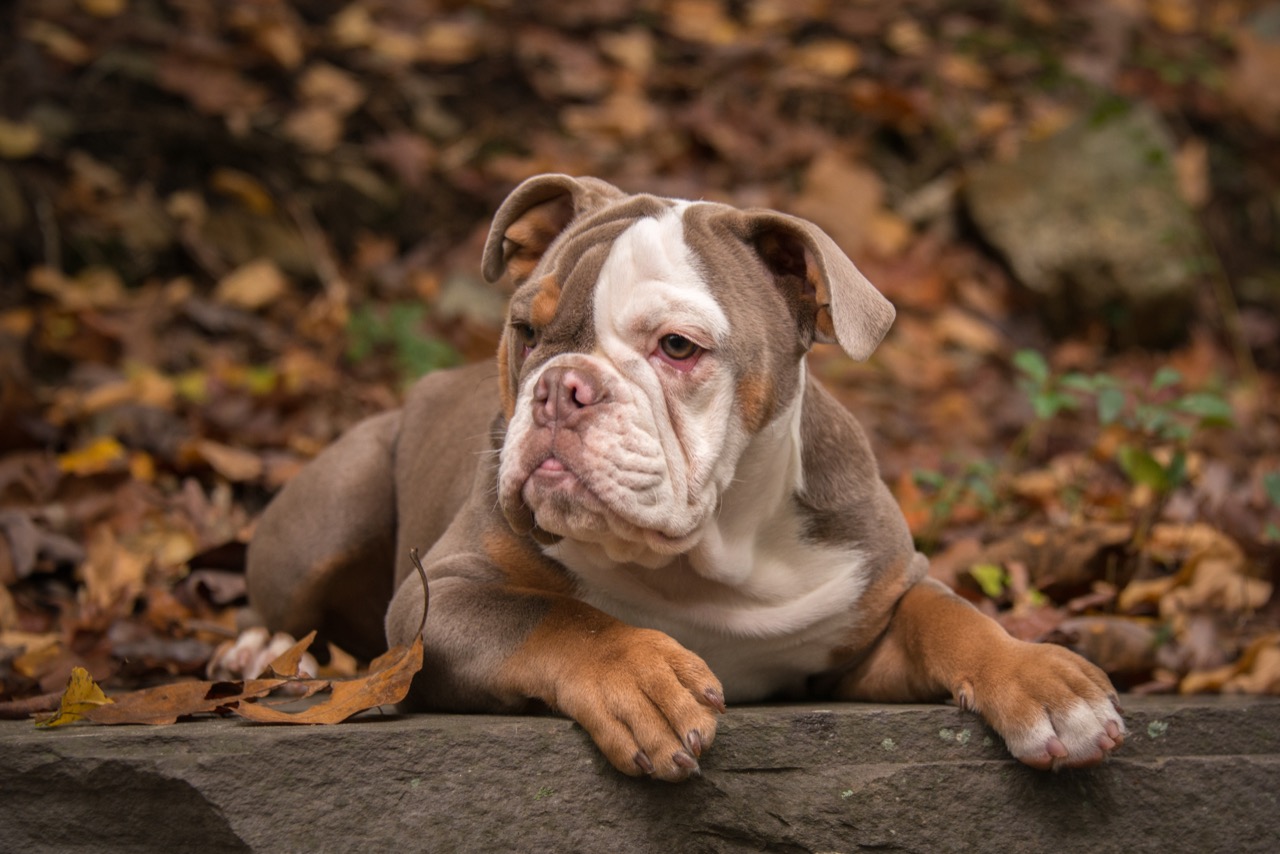
Bulldogs also have close relatives and lookalikes that add to the confusion and the fun. The French Bulldog, despite its name, has roots tied to small bulldog types that traveled with workers from England to France, where the breed developed its own personality and the signature bat-like ears. Meanwhile, the Olde English Bulldogge is a modern recreation effort aimed at producing a dog with a bulldog appearance but fewer extreme features, though standards and outcomes vary by breeder and registry. These cousins show how a shared idea of a bulldog can branch into different forms depending on fashion, function, and local preferences.
Even language carries bulldog echoes. People use bulldog to describe someone tenacious, and bulldog spirit is a phrase that appears in speeches and headlines. Advertisers lean on the face to sell everything from insurance to hardware, because the dog suggests reliability and toughness with a wink. The coincidences add up: a breed shaped by history becomes a symbol, the symbol becomes a mascot, and the mascot reinforces the symbol.
If bulldogs seem like sleepy couch potatoes today, that is only one layer of the story. Behind the wrinkles is a long chain of cultural meanings, breeding choices, and global reinventions that keep the bulldog popping up where you least expect it.