Whispers and Wig Bows Yorkie Scandals


Quiz Complete!
Whispers and Wig Bows: The Yorkie Scandals Behind the Glamour
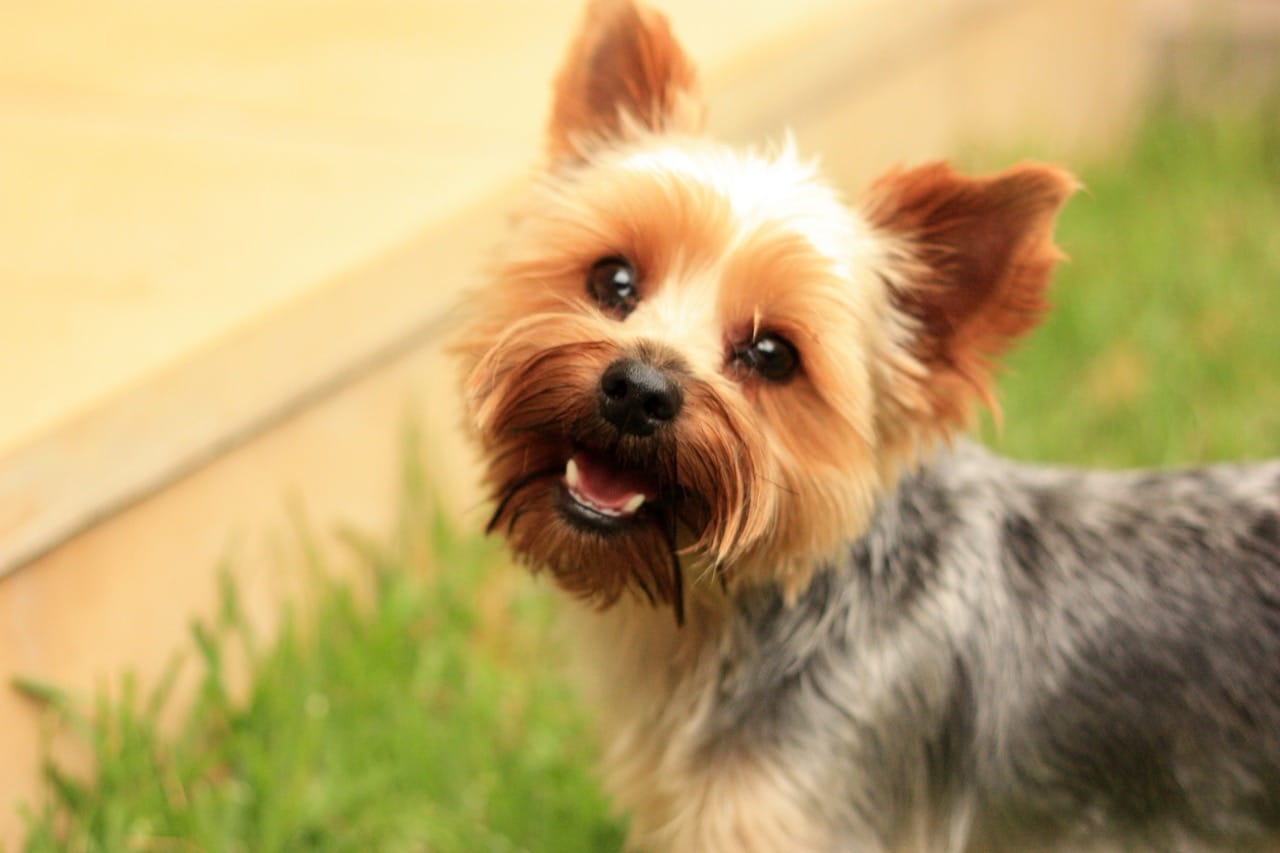
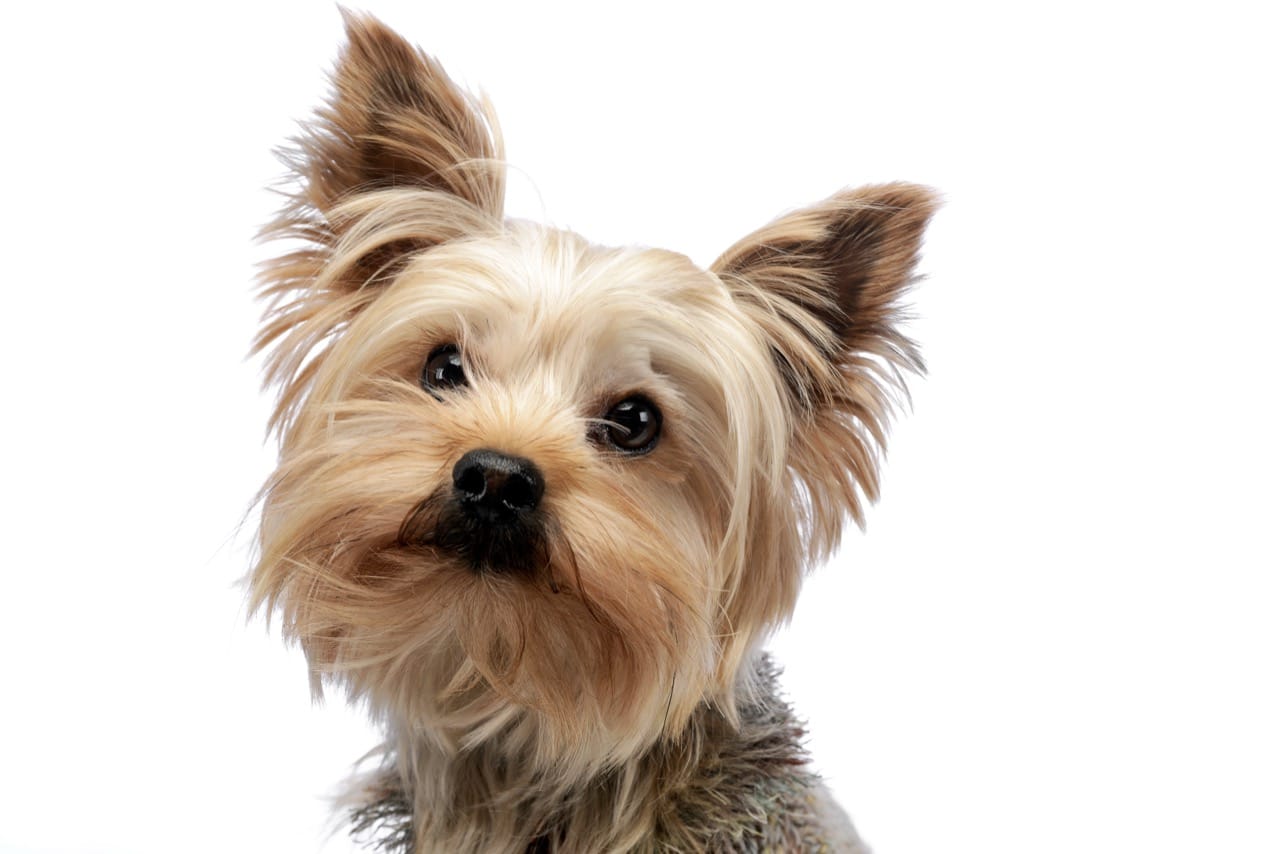
Yorkshire Terriers are small enough to fit in a tote bag, yet they carry a reputation that can fill an arena. Their silky coats and confident attitude have made them favorites in the show ring and on social media, but wherever there is fame, there is also friction. Many Yorkie controversies are not about the dogs themselves, but about the human ambitions wrapped around them: prizes, prestige, money, and the desire to own something rare.
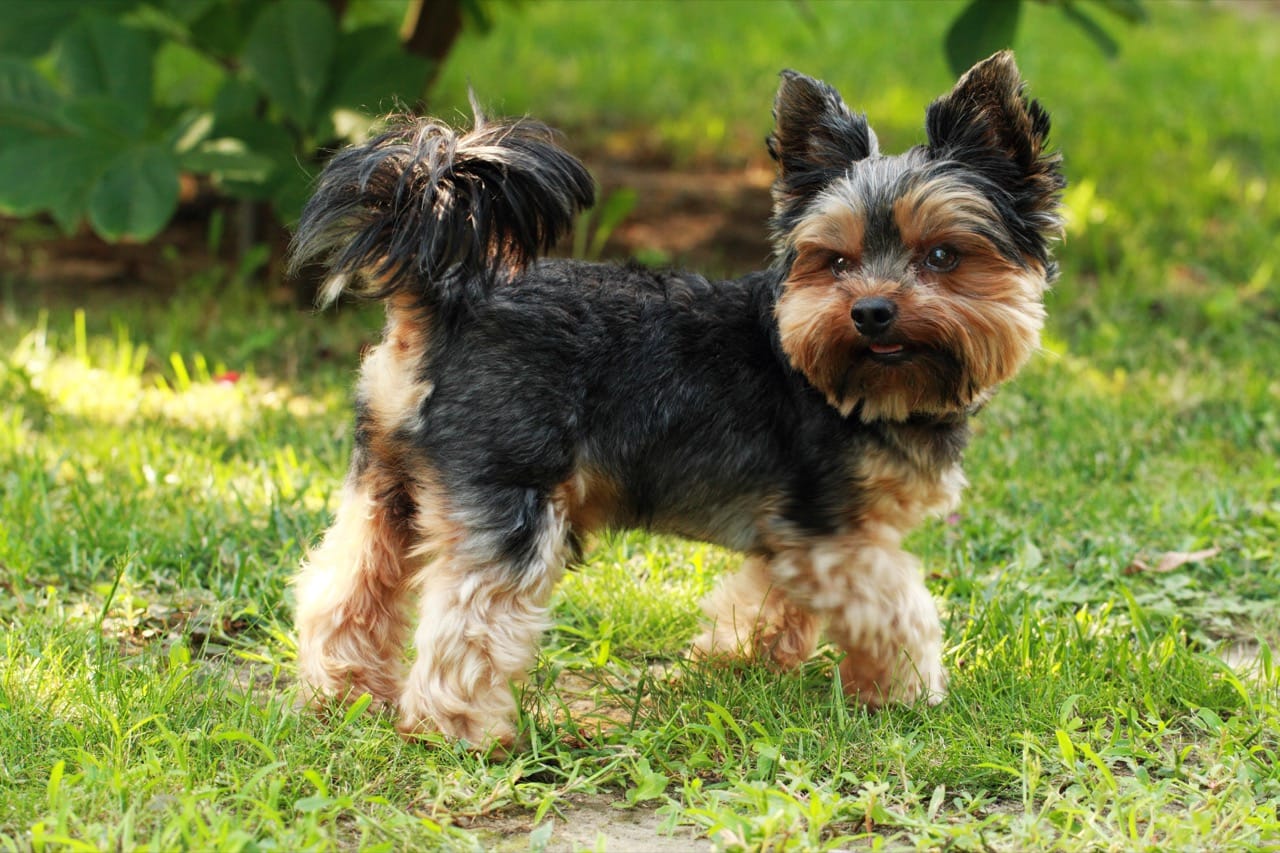
In the show world, grooming is both an art and a rulebook. Yorkies are expected to have a long, straight, glossy coat, and that creates temptation. Most kennel clubs restrict artificial alterations, but debates flare over what counts as acceptable preparation. Coat products, wrapping hair to prevent breakage, and careful trimming are common, yet accusations can arise when a dog’s coat looks too perfect. Some disputes center on whether hairpieces, extensions, or excessive cosmetic manipulation are being used to create an illusion of length or volume. Even when outright cheating is rare, the suspicion alone can spark rivalries and formal complaints.
Paperwork can be an even bigger battleground than grooming. Pedigree fraud is a real issue across purebred dogs, and Yorkies are not immune. A falsified sire, an unreported cross, or a litter registered under the wrong dam can turn a “champion line” claim into a fiction. Because buyers often pay more for certain bloodlines, there is financial incentive to bend the truth. Kennel clubs periodically investigate and may impose penalties, but enforcement is challenging without widespread DNA verification. For buyers, the safest approach is to request health records, registration details, and, when possible, DNA parentage confirmation.
The modern “teacup Yorkie” market is a controversy all its own. “Teacup” is not an official size category in major breed standards, yet it is heavily marketed. Extremely tiny puppies can be the result of selective breeding, runts, or simply creative advertising. The ethical concern is that breeding for ever-smaller size can increase risks like fragile bones, dental crowding, low blood sugar episodes, and complications during anesthesia. A reputable breeder may produce small dogs naturally, but will be honest about expected adult weight and health risks rather than selling a fantasy label.
Social media adds fuel to nearly every rumor. A Yorkie with a designer bow and a million followers can become a brand, and brand deals can distort priorities. Online blowups often revolve around questionable claims, such as “hypoallergenic” guarantees, miracle supplements, or unsafe grooming hacks presented as harmless. Even travel content can trigger debate: airline policies for in-cabin pets vary, and pressure to make a dog fit under a seat has led to criticism of cramped carriers or stressful itineraries. When influencers normalize constant travel, heavy styling, or frequent photo shoots, viewers may question whether the dog’s comfort is being sacrificed for engagement.
Breeding for extreme looks is another recurring point of tension. Yorkies are meant to be compact and balanced, but trends can push toward exaggerated features, very short muzzles, or ultra-fine coats that are beautiful yet difficult to maintain. Ethical breeders aim for sound structure, stable temperament, and long-term health, while critics argue that fashion-driven breeding can undermine well-being.
For anyone who loves Yorkies, the most interesting lesson in all this drama is that scandals usually reveal the same underlying truth: the dog is rarely the problem. The better we understand the pressures of competition, marketing, and status, the easier it is to support responsible breeders, transparent practices, and a culture where the smallest celebrities are treated like dogs first and icons second.