Where Dachshunds Made History Around the World





Quiz Complete!
Where Dachshunds Made History Around the World
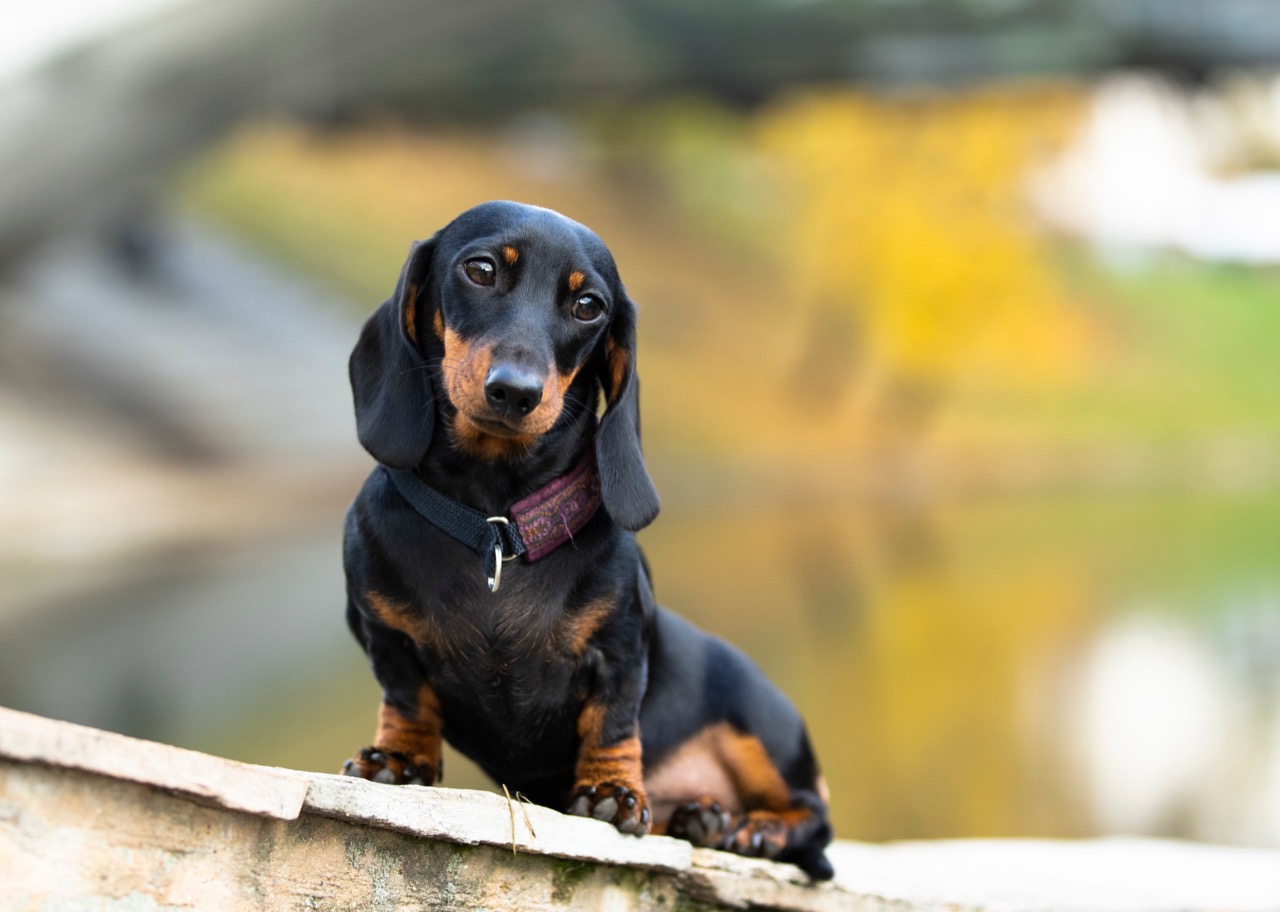
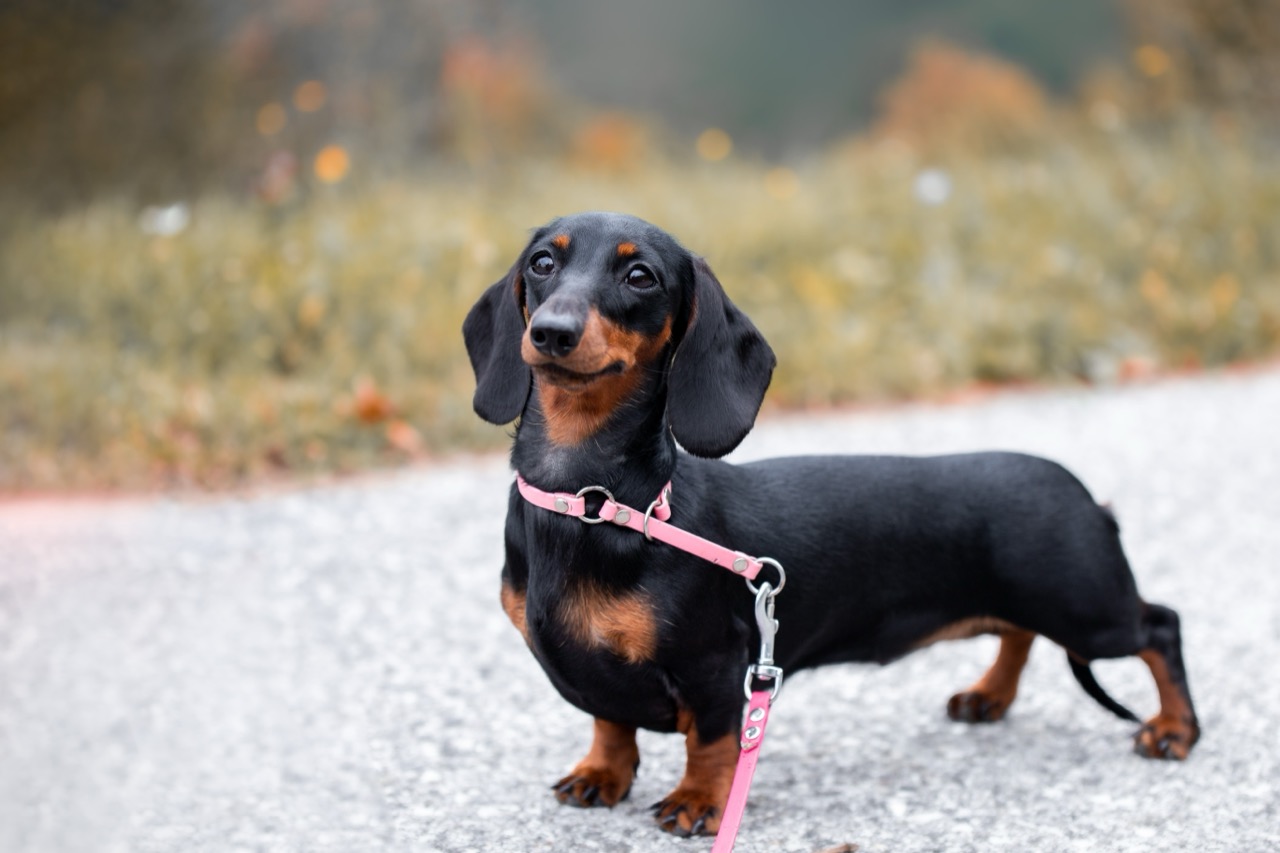
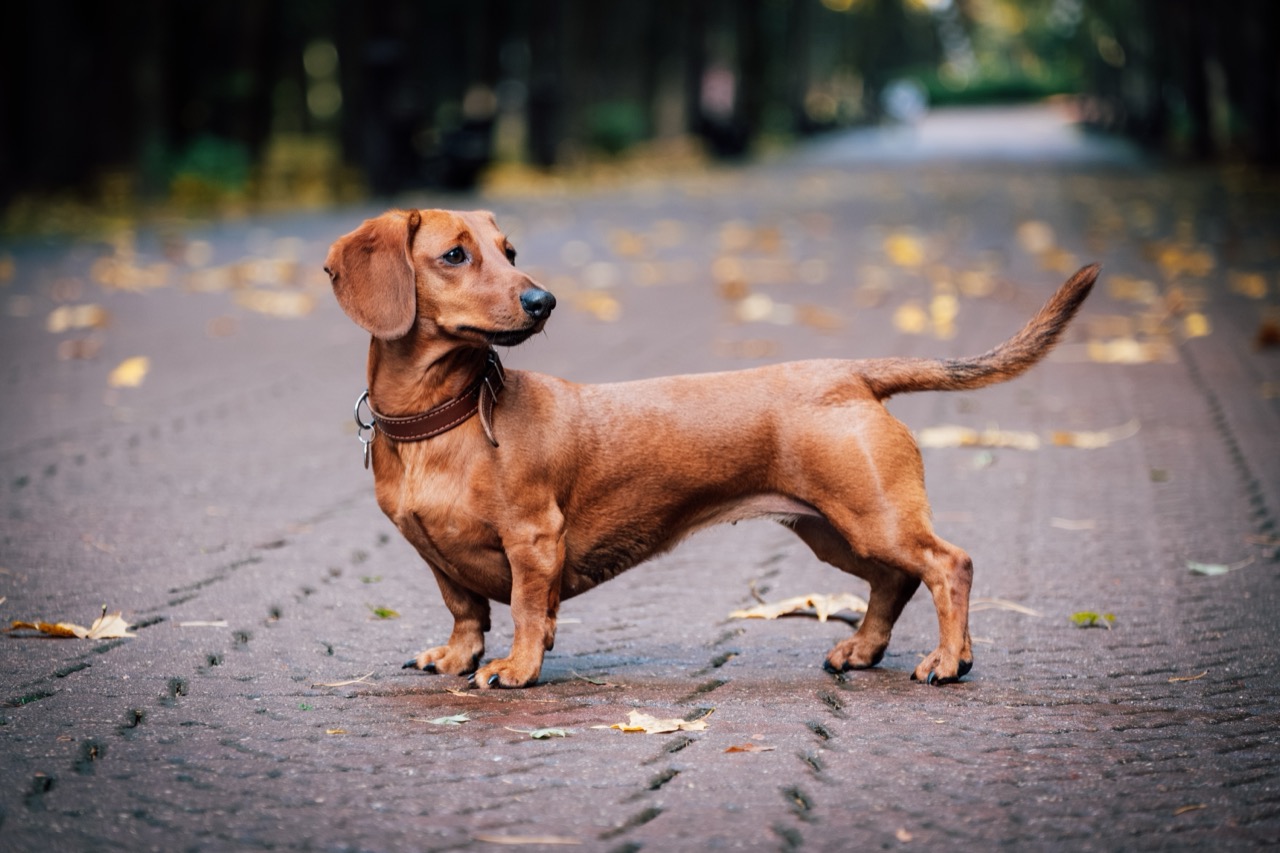
Dachshunds may be small, but their story stretches across centuries and continents. Bred in Germany for hunting badgers, their long, low shape was practical engineering: a dog that could follow quarry into tight burrows while staying tough enough to work independently. Even the name carries the origin in plain sight, with Dachs meaning badger and Hund meaning dog. In Germany, the breed is often called Dackel or Teckel, and it has long been tied to regional pride, especially in areas where hunting traditions shaped rural life. Visitors can still find museums, hunting displays, and breed clubs that preserve this heritage, along with local events where dachshunds are celebrated as more than pets. These gatherings reflect a wider Dackel culture, where the dogs show up in folk art, postcards, and souvenirs that treat them as a familiar national character.
The dachshund’s public image took an unexpected leap in the 1970s when it became an Olympic symbol. The 1972 Summer Games in Munich featured Waldi, a colorful dachshund mascot that helped define the modern idea of Olympic branding. Waldi was chosen partly because the breed was strongly associated with Germany and partly because its qualities, endurance and determination, fit the spirit organizers wanted to project. The mascot’s legacy still echoes in collections of Olympic memorabilia and in the way cities use friendly animal icons to make big events feel approachable.
Across Europe, dachshunds found a second career as cultural shorthand. Artists and advertisers have used them to communicate humor, loyalty, and a kind of stubborn charm. You can spot dachshund imagery in posters, shop signs, and public art, especially in places that embrace playful design. Some cities have leaned into the wiener dog silhouette for festivals or charity events, turning the breed into a recognizable local motif. These appearances matter because they show how a working dog became a symbol that people instantly understand, even if they have never met one.
In the United States, the dachshund became a star of community spectacle through wiener dog races. These events, often held at fairs, ballparks, and seasonal festivals, are more about laughter and participation than serious competition. They also reveal how public traditions form: a simple novelty becomes annual ritual, drawing crowds, raising money for rescues, and giving families a reason to travel. In some towns, race day is paired with costume parades, photo booths, and vendor markets, creating a mini tourism economy around a breed that fits neatly into a stroller or a lap.
Public life has also embraced dachshunds through statues and landmarks that invite visitors to pose for photos. Some are official civic artworks, while others are quirky installations outside shops or parks that gained fame through word of mouth and social media. These physical markers turn a breed into a destination, the same way people seek out famous murals or unusual street sculptures. For travelers, they offer a lighthearted scavenger hunt: a chance to connect geography with a story.
What makes dachshunds such enduring mascots is the contrast they embody. They look comedic at first glance, yet their history is serious and purposeful. They are small, but they project confidence. That mix makes them perfect for public celebration, whether in a German club honoring tradition, an American race that turns a sprint into theater, or a city corner where a dachshund statue quietly becomes a beloved landmark. Following their trail is a way of seeing how animals shape culture, and how culture, in turn, turns a dog into a symbol you can visit in the real world.