Unmasking Australian Shepherd Secret Connections Quiz
Quiz Complete!
Unmasking the Secret Connections Behind the Australian Shepherd
The Australian Shepherd feels like a dog full of contradictions: a ranch hand that thrives in suburbia, a glamorous coat paired with an all-business work ethic, and a name that points one way while the history points another. One of the most surprising connections is right there in the breed’s name. Despite sounding like a dog from Australia, the modern Australian Shepherd was shaped largely in the United States. The “Australian” part likely stuck because of links to sheep and shepherds that traveled through Australia, and to imported herding dogs associated with Australian flocks. Ranchers in the American West valued the dogs that came with those sheep, and over time a distinct type was refined for the wide-open work of cattle and sheep country.
That ranch culture explains much of the Aussie’s mind. These dogs were selected to notice tiny shifts in livestock and rider movement, then react instantly. What owners often describe as an uncanny ability to anticipate your next move is really a working skill: reading body language, patterns, and routine. An Aussie that seems to “know” you are about to grab the leash may be picking up on a dozen small cues, from where your eyes glance to the sound of a drawer opening. This sensitivity is a gift, but it also means the breed can become bored or stressed without enough meaningful activity.
Another hidden connection is how closely the Aussie’s style relates to other herding breeds. While every herder has its own rhythm, Australian Shepherds share the quick, responsive, handler-focused approach that makes dogs successful in modern sports like agility, obedience, rally, and disc. Those sports mimic ranch demands in a new setting: speed, precision, and sustained attention. The same instincts that help a dog hold a line of sheep can help it nail a weave pole entry or stick a tight heel pattern.
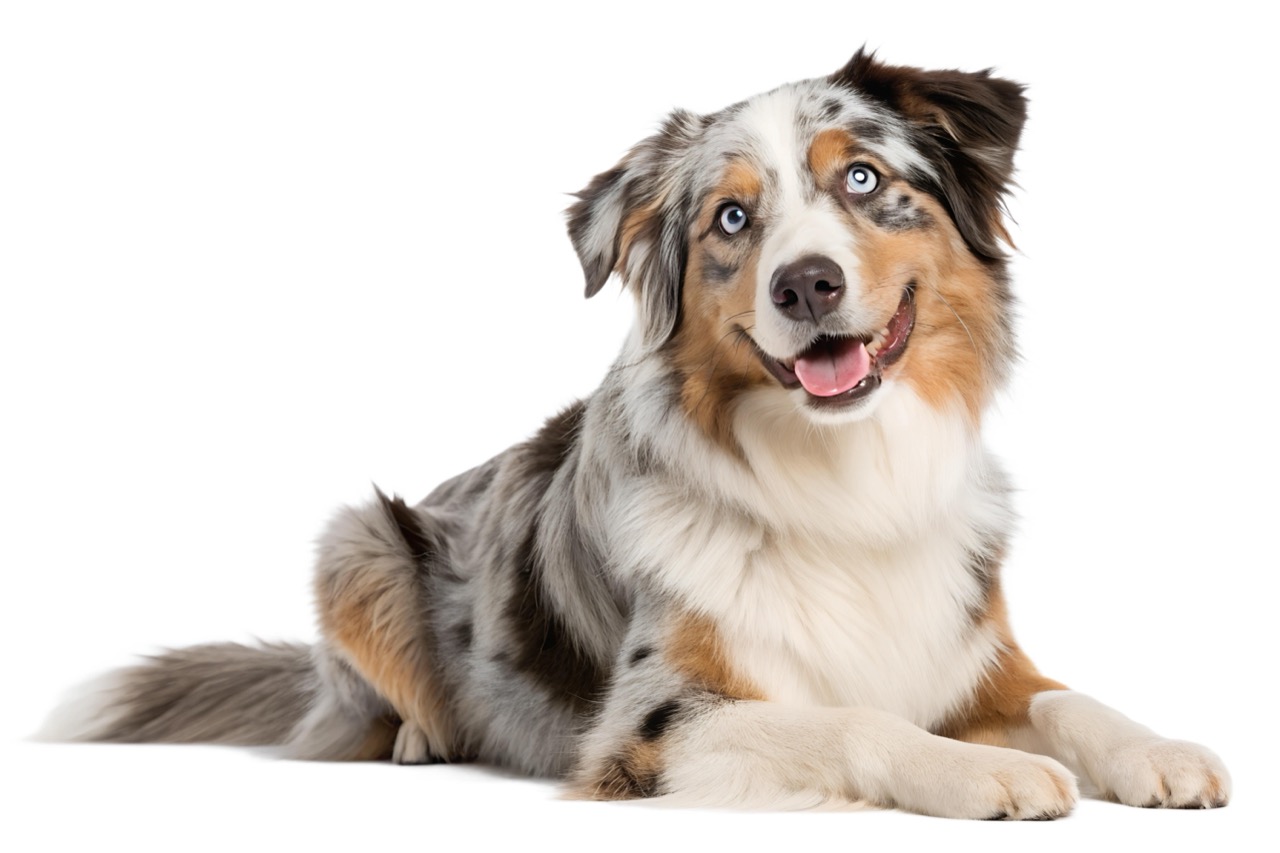
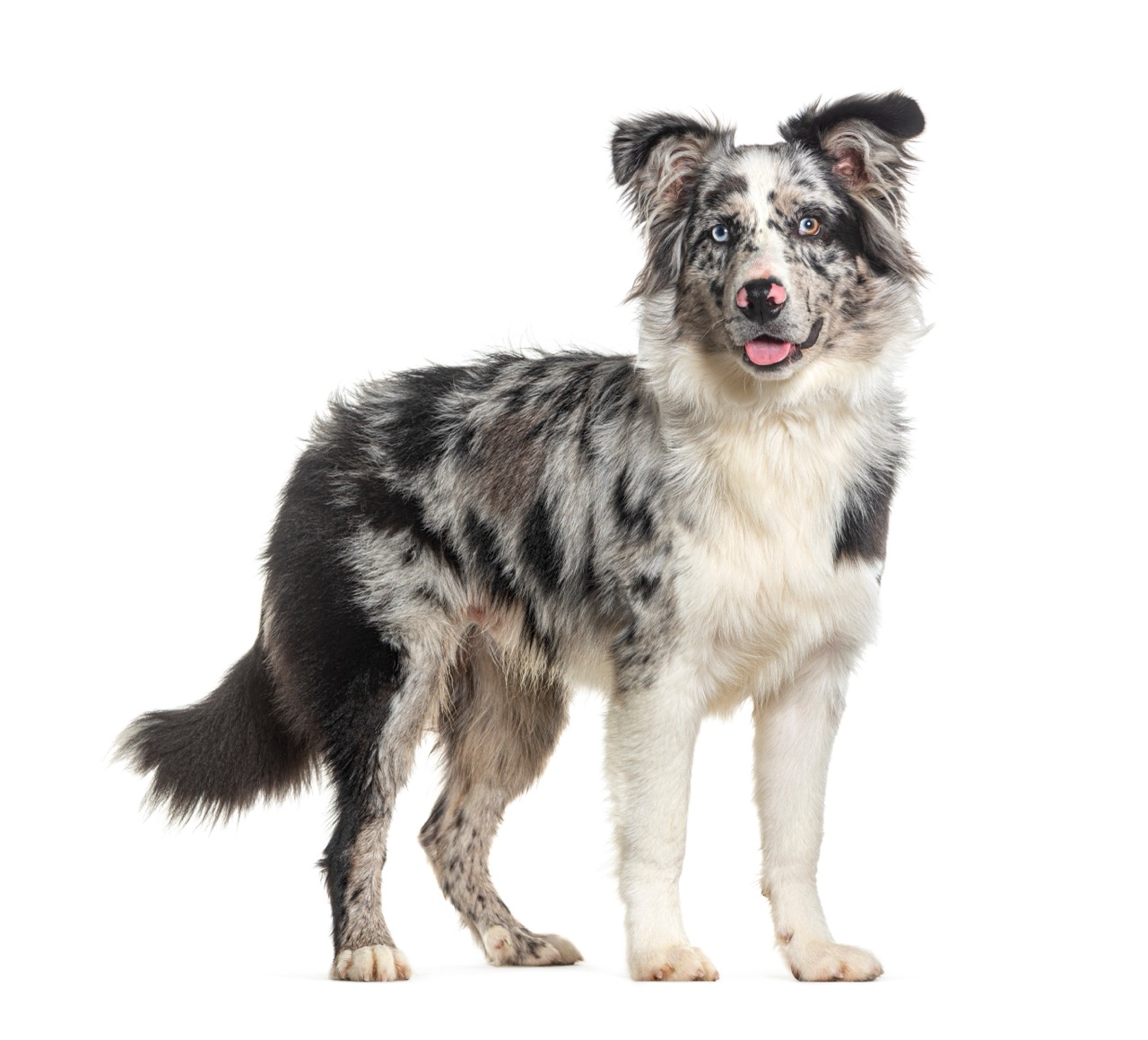
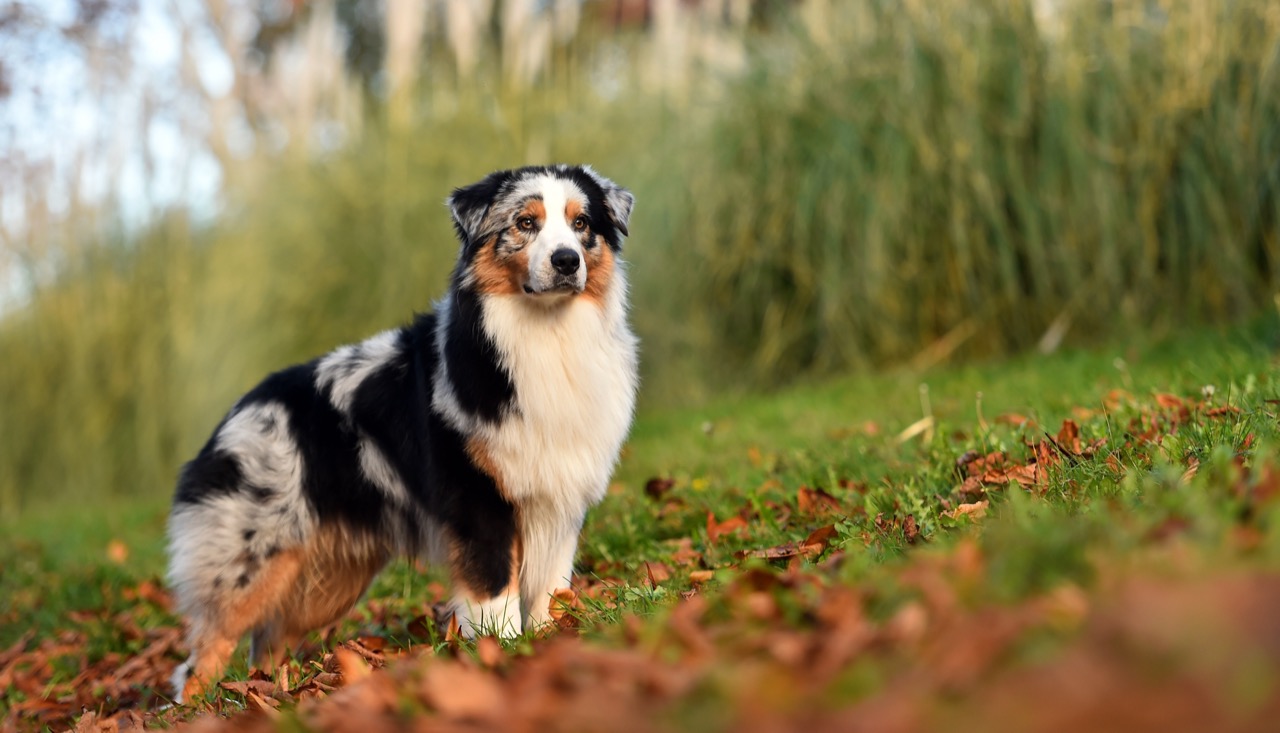
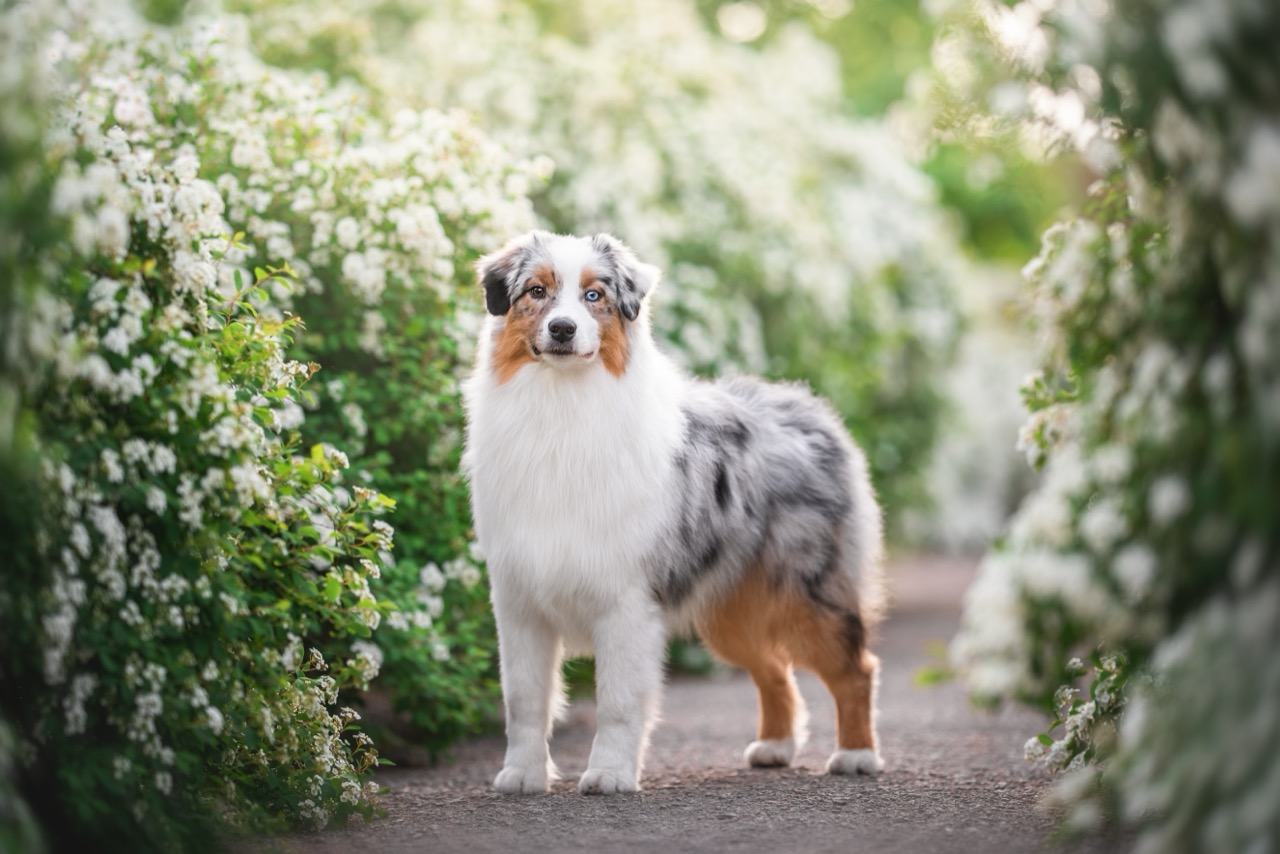
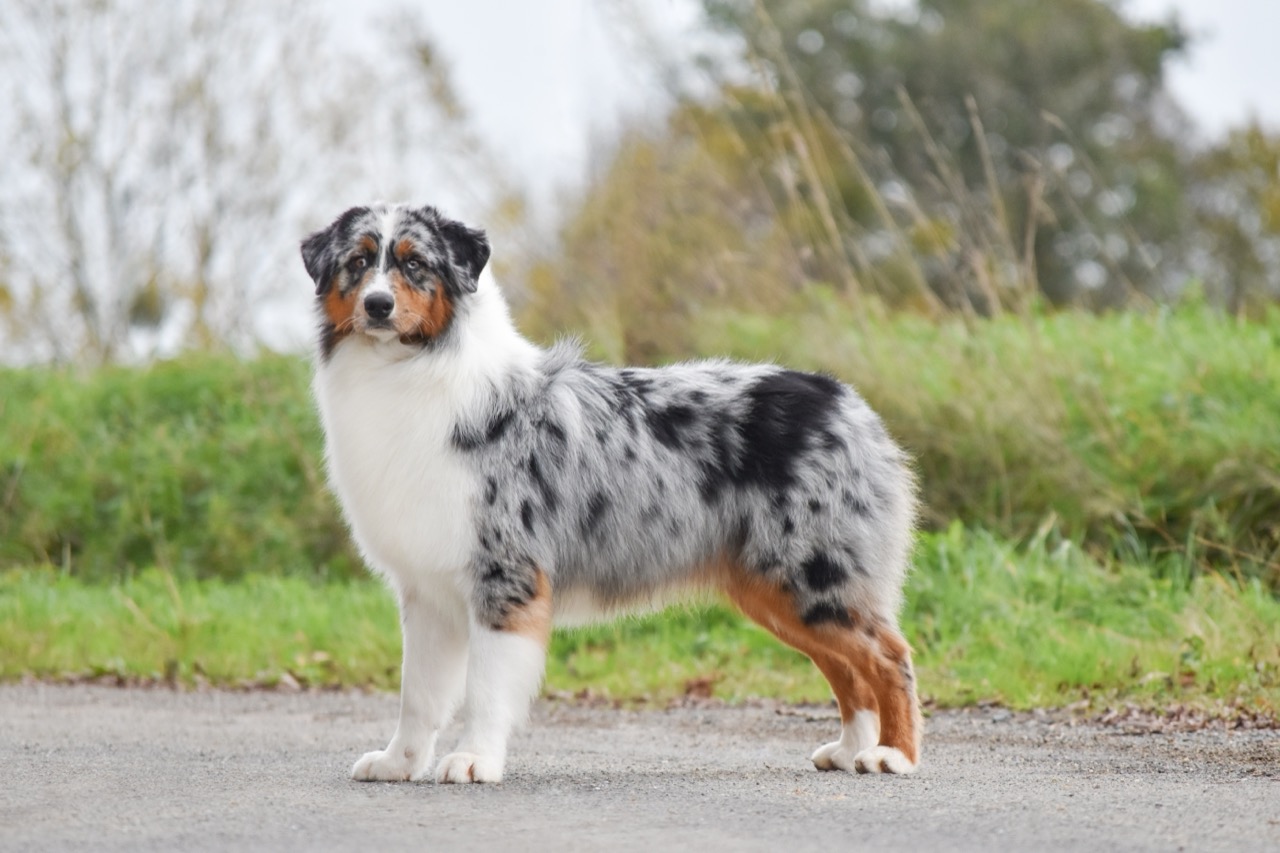
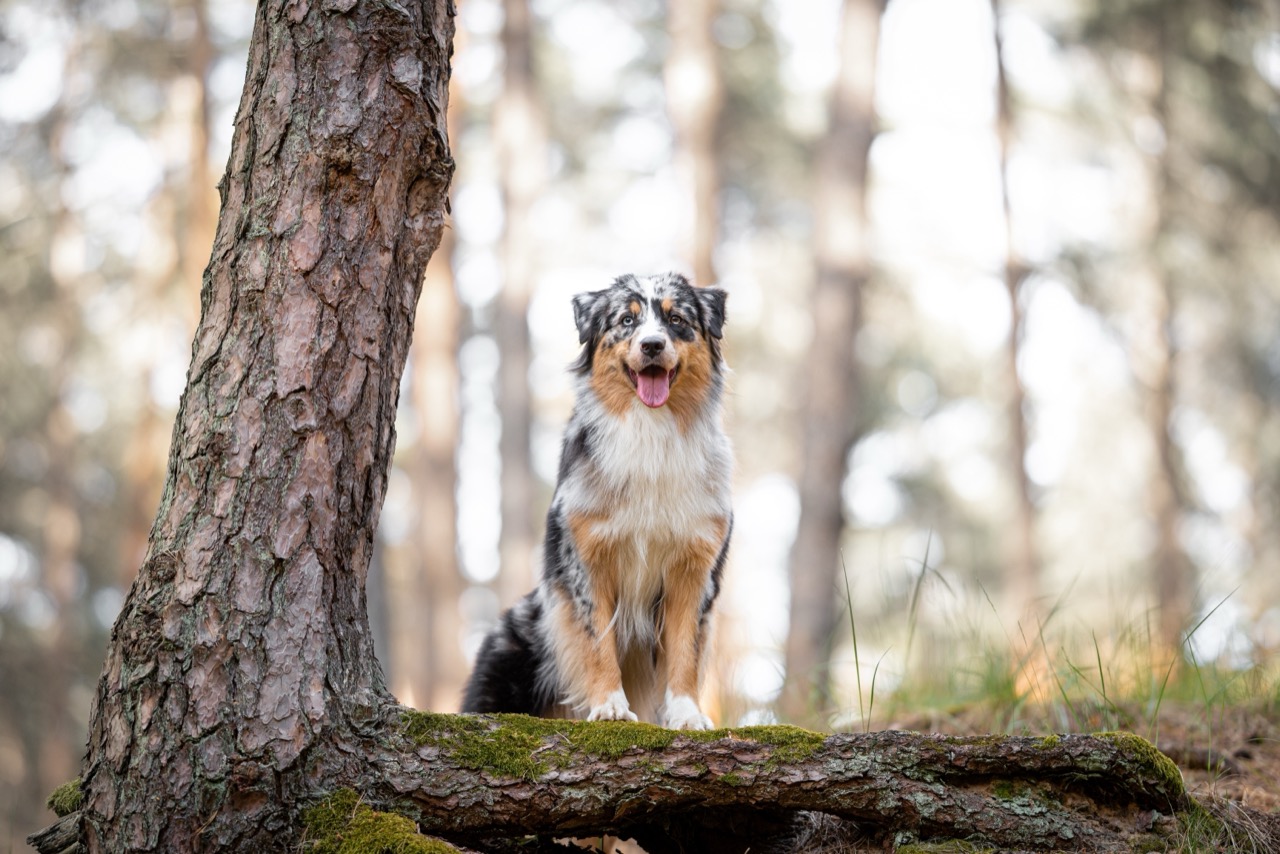
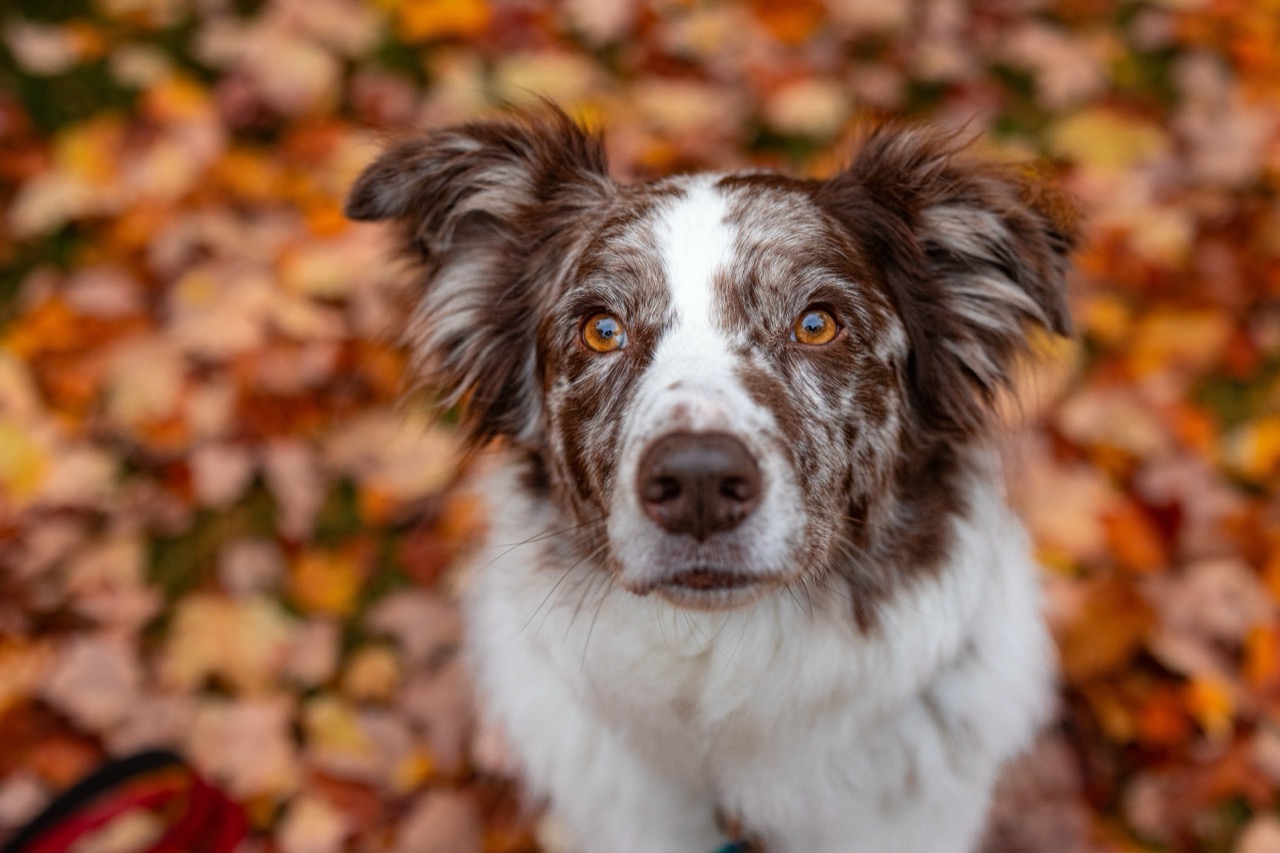
Coat color and eye color are another area where genetics creates surprising links. Many people associate Aussies with merle patterns and striking blue eyes, but those traits come with important context. Merle is a pattern gene that can create marbling in the coat and can also influence pigment in the eyes. It is beautiful, but breeding decisions matter because pairing two merle dogs increases the risk of serious hearing and vision problems in puppies. The famous “glass eye” look is not a superpower, just a pigment effect, and responsible breeding focuses on health as much as appearance.
Even the breed’s tail can hint at its working past. Some Aussies are born with naturally short tails, and historically shorter tails were also favored on ranches for practical reasons. Today, tail length varies, but the underlying point remains: this is a dog built for movement, quick turns, and long days.
The biggest secret connection may be between the Aussie’s energy and its happiness. People sometimes think high energy simply means lots of exercise, but for this breed, mental work is just as important. Training games, scent work, herding lessons, or structured sport practice often satisfy an Aussie more than a long, repetitive walk. When you understand the breed’s hidden links to ranch work, genetics, and handler partnership, the Australian Shepherd stops being mysterious and starts making perfect sense: a brilliant teammate designed to notice everything and do something about it.