Unlearning Cane Corso Rumors in 12 Questions Rapid Fire









Quiz Complete!
Unlearning Cane Corso Rumors: What Really Makes This Guardian Tick

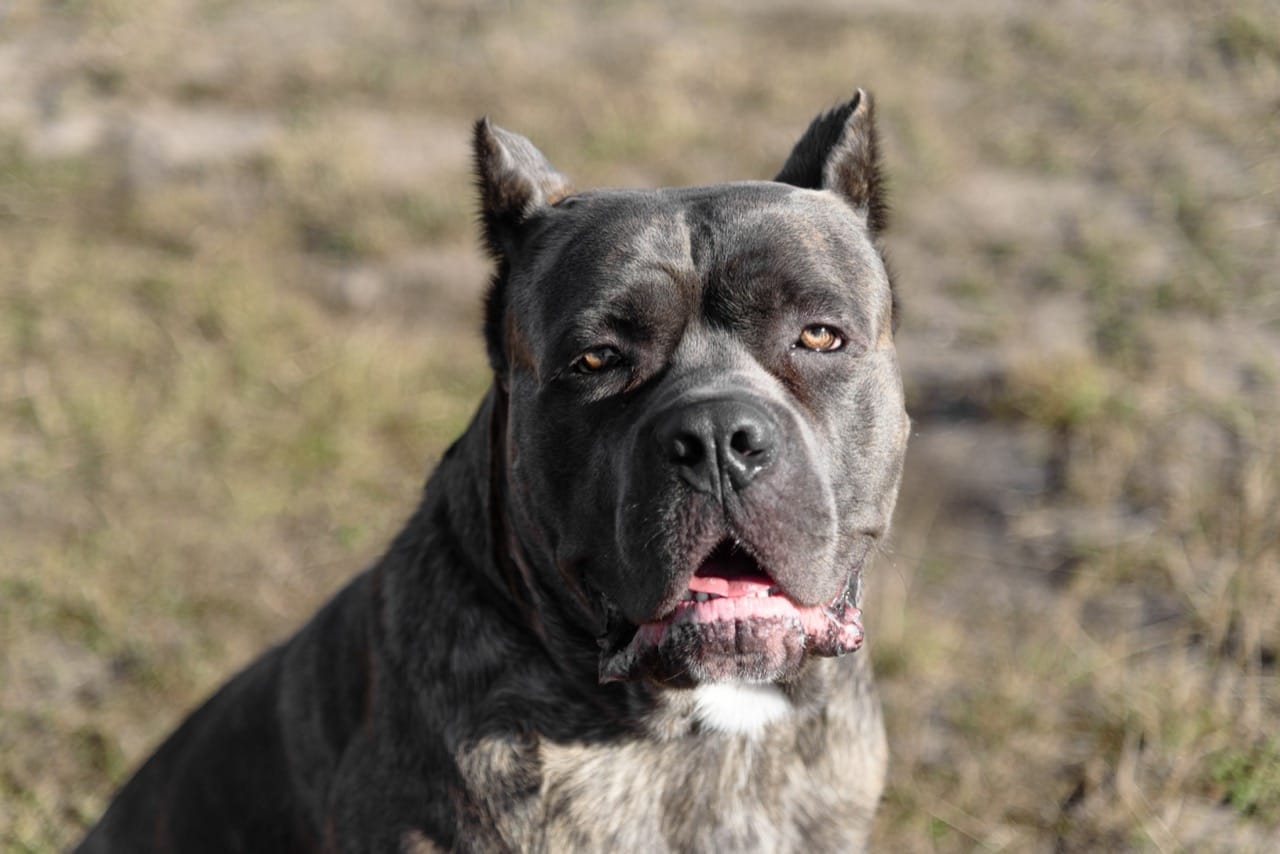
The Cane Corso has a look that invites extreme opinions. To some, it is a born villain; to others, a ready made security system; to still others, a calm statue who only needs a couch. None of those shortcuts help when you are dealing with a large, athletic Italian mastiff that was developed for serious work. The most useful way to think about the breed is not as a stereotype, but as a powerful, trainable dog whose behavior is shaped by genetics, early experiences, and day to day handling.
One of the biggest rumors is that Cane Corsos are naturally aggressive. A well bred Corso is typically confident, steady, and reserved with strangers, not looking for trouble. Protective behavior is part of the breed heritage, but protection is not the same as indiscriminate aggression. Many bite incidents across breeds trace back to fear, poor socialization, pain, or owners who unintentionally reward alarming behavior. A Corso that learns the world is predictable and that its human will handle situations has far less reason to escalate.
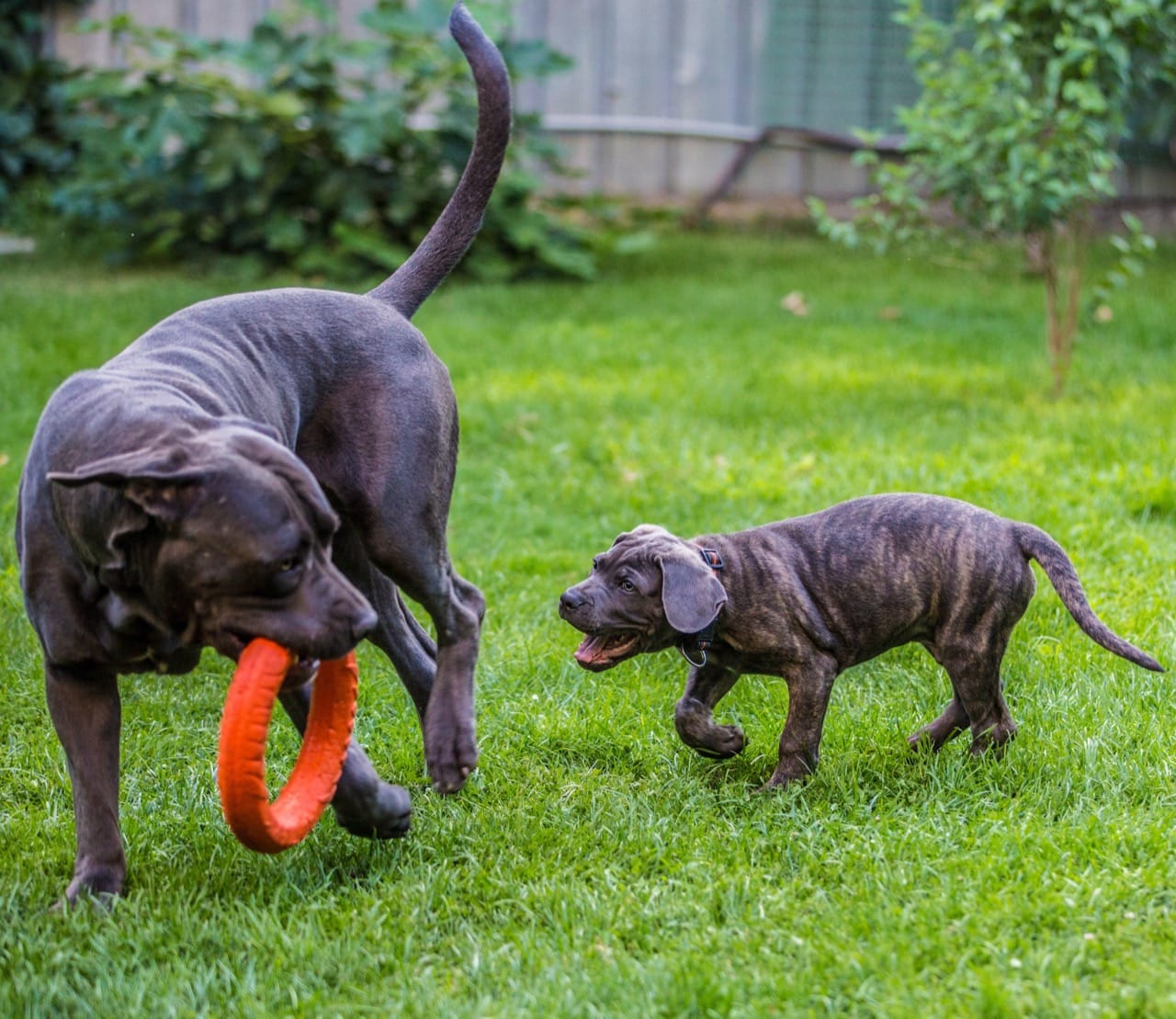
Another myth is that they are not family dogs. In reality, many Corsos are deeply attached to their household and can be gentle with respectful children, but they are not a set it and forget it pet. Their size and strength mean supervision is nonnegotiable, especially around kids and visiting friends. They also tend to be selective about unfamiliar people entering the home, which is why early, ongoing socialization matters. Socialization is not forcing greetings; it is teaching calm neutrality around new sights, sounds, people, and dogs.
People also assume a Corso will automatically become a guard dog without training. The opposite can happen: an untrained protective dog can become a liability, reacting at the wrong time or failing to respond to the owner. Reliable protection is built on obedience, impulse control, and clear routines. If someone wants a true personal protection dog, that is a specialized path involving professional evaluation, structured training, and a temperament suited for the work. For most owners, the goal is a stable companion who can deter trouble simply by presence and good manners.
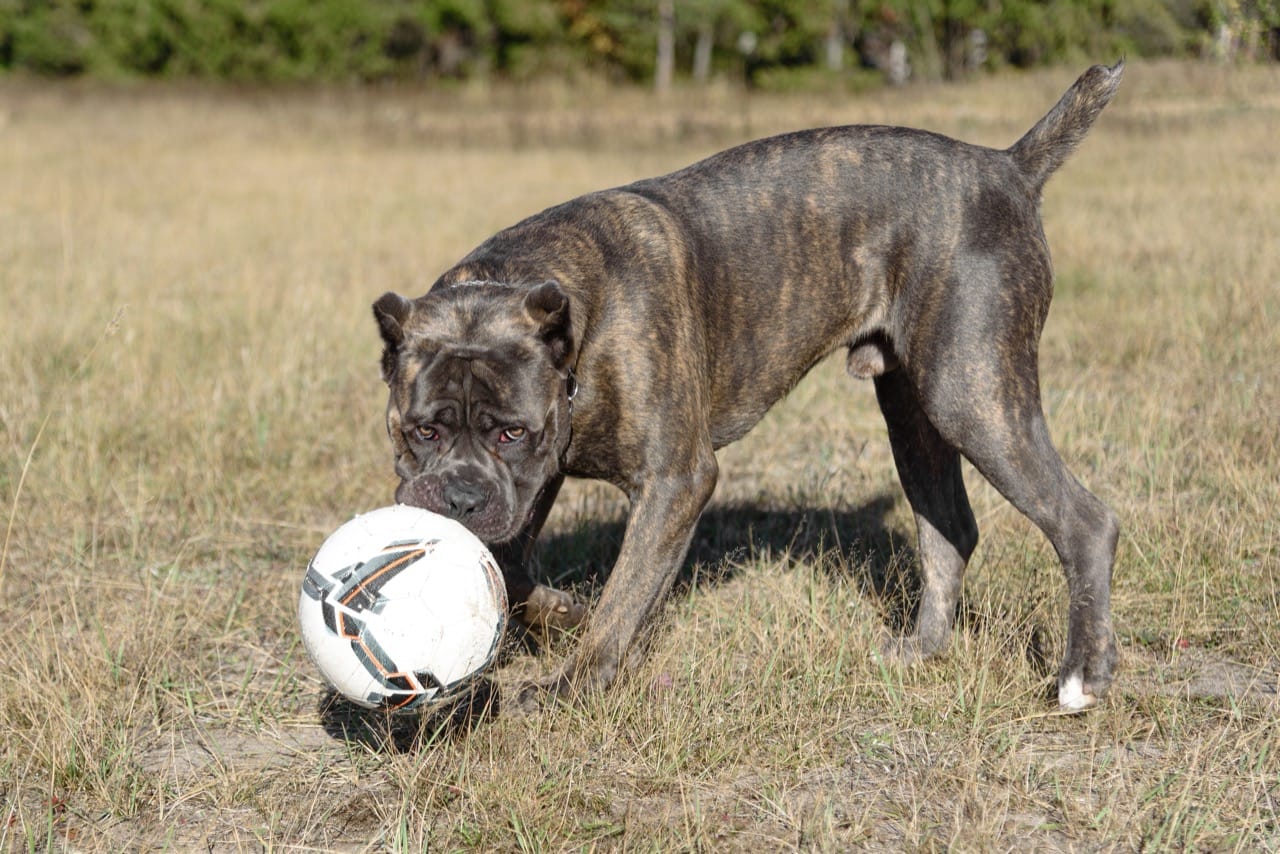
Then there is the couch potato rumor. Corsos can be calm indoors when their needs are met, but they are not low energy by default. Expect daily exercise and mental work, especially during adolescence. Boredom plus strength can equal shredded furniture, fence fighting, or constant alert barking. Short training sessions, scent games, structured walks, and opportunities to practice calm around distractions often do more than endless running.
Bite force claims are another magnet for exaggeration. Numbers get repeated online as if they are a superpower ranking, but bite force is hard to measure consistently and does not predict temperament. What matters more is the dog’s stability, the owner’s management, and whether the dog is placed in situations it cannot handle.
Legal restrictions and insurance issues are real considerations. Some areas and landlords restrict mastiff type breeds or require special coverage. Responsible ownership includes checking local rules, using secure fencing, keeping the dog leashed where required, and making sure identification and training are solid.
Health and history add a few surprises. The breed descends from traditional Italian farm and guardian dogs, and modern lines can vary. Look for breeders who prioritize stable temperament and health testing, because large breeds can face issues such as hip and elbow dysplasia, certain heart conditions, and eyelid problems. The best predictor of a stable adult Corso is not a tough sounding pedigree or a scary look, but careful breeding, extensive early socialization, consistent training, and an owner who understands that power without guidance is just risk. When those pieces come together, the Cane Corso is less myth and more what it was always meant to be: a capable, clear headed partner.