Sunlit Fetch Secrets of Golden Retrievers












Quiz Complete!
Sunlit Fetch Secrets of Golden Retrievers

Golden Retrievers have a reputation for being the friendly face of the dog world, but behind that sunny expression is a breed shaped by history, hard work, and a few quirky biological details. The modern Golden traces back to Scotland in the late 1800s, where hunters wanted a dog that could retrieve game from both water and land while staying calm and cooperative around people. One key figure, Dudley Marjoribanks (later Lord Tweedmouth), carefully bred a yellow retriever with other sporting dogs, helping establish the foundation for the Golden we recognize today. Their popularity later spread widely because they fit a rare combination: athletic enough for demanding tasks, gentle enough for family life.
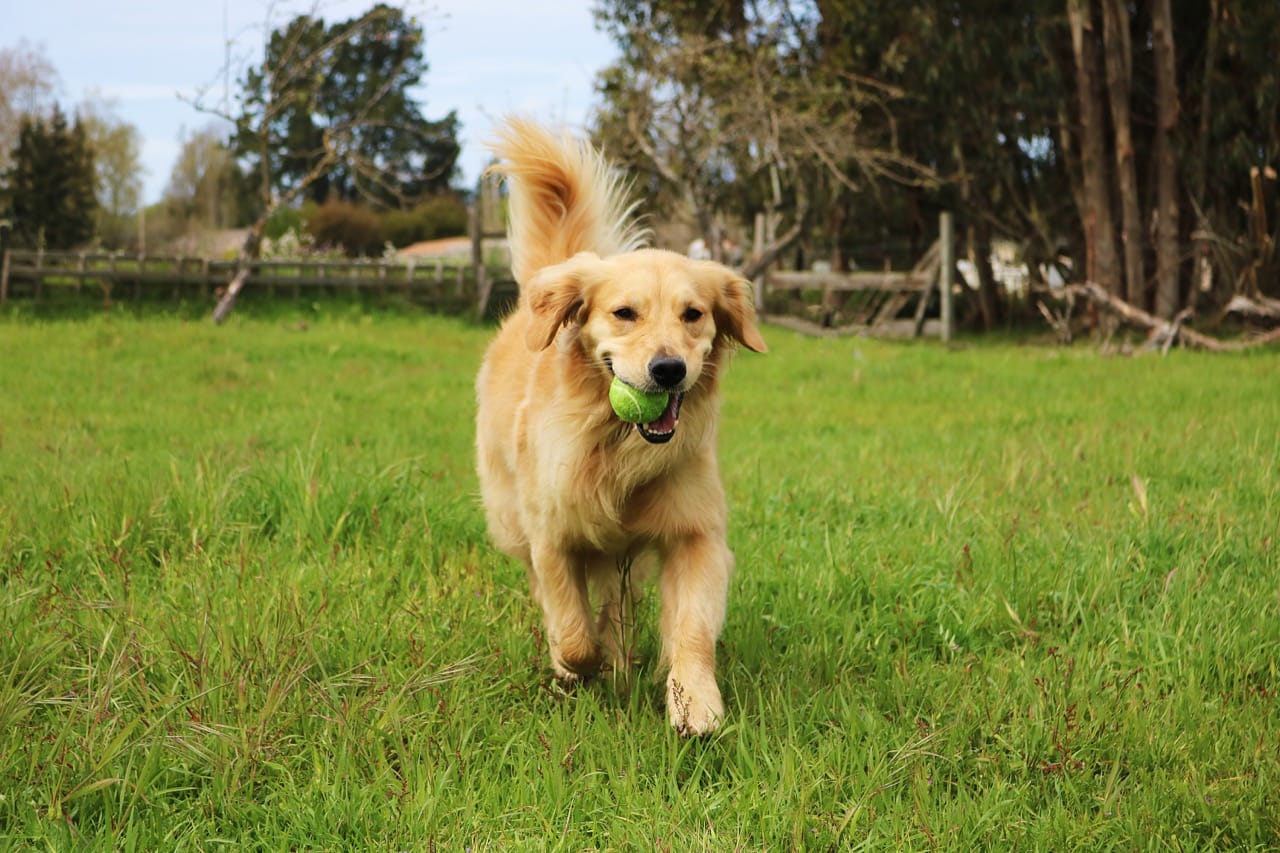
A classic Golden trait is the so called soft mouth. Retrievers were selected to carry birds without crushing or puncturing them, and many Goldens still show this natural delicacy. Owners notice it when a dog carries toys, socks, or even eggs with surprising care. It is not that they never chew, especially as puppies, but their instinctive way of holding objects tends to be gentler than in many other breeds. That same cooperative temperament is why Goldens often excel as service dogs, therapy dogs, and search and rescue partners. They are typically motivated by praise, play, and food, and they often enjoy working closely with a human rather than making independent decisions.
Their coat is another source of fascination and constant housekeeping. Golden Retrievers have a double coat: a soft, insulating undercoat and a water resistant outer coat. This design helped them work in cold, wet conditions, but it also means seasonal shedding can be intense. Regular brushing is less about making them look pretty and more about preventing mats, reducing loose hair, and keeping skin healthy. Many owners are surprised to learn that shaving a Golden is usually a bad idea. The double coat helps regulate temperature and protects the skin from sun and irritation, so trimming should focus on tidying feathering and keeping paws and ears clean rather than removing the coat entirely.
Color changes are real, too. Puppies may start out very pale or quite dark and shift as they mature. The shade on the ears often hints at the adult coat color, and sun exposure can lighten the fur over time. Age can bring its own changes as well, including graying around the muzzle. While people talk about English cream, red, or classic gold, reputable breed standards typically recognize a range of gold shades, and the most important measure is health and temperament, not a trendy color label.
Science helps explain some everyday Golden behavior. Their friendliness is partly a product of selection for low aggression and high sociability, but it also means many Goldens are not natural guard dogs. They may alert bark, yet they are often more likely to greet a stranger than challenge one. Their love of carrying things, splashing in water, and retrieving again and again reflects both instinct and reinforcement: the activity itself is rewarding. They also tend to be sensitive to human emotions and routines, which can make them wonderful companions but also prone to separation stress if they lack training and enrichment.
Like all breeds, Goldens come with health considerations. They are prone to certain joint issues such as hip and elbow dysplasia, and they can be enthusiastic eaters, so weight management matters. They also have a higher than average risk of some cancers, which is one reason responsible breeding, regular veterinary care, and attention to early warning signs are so important. With good care, training, and plenty of exercise, the Golden Retriever is more than a cheerful pet. It is a purpose built partner with a history of real work, a body designed for water and field, and a personality that keeps earning its place beside people.