Street Legends and Family Tales of Pit Bulls




Quiz Complete!
Street Legends and Family Tales of Pit Bulls

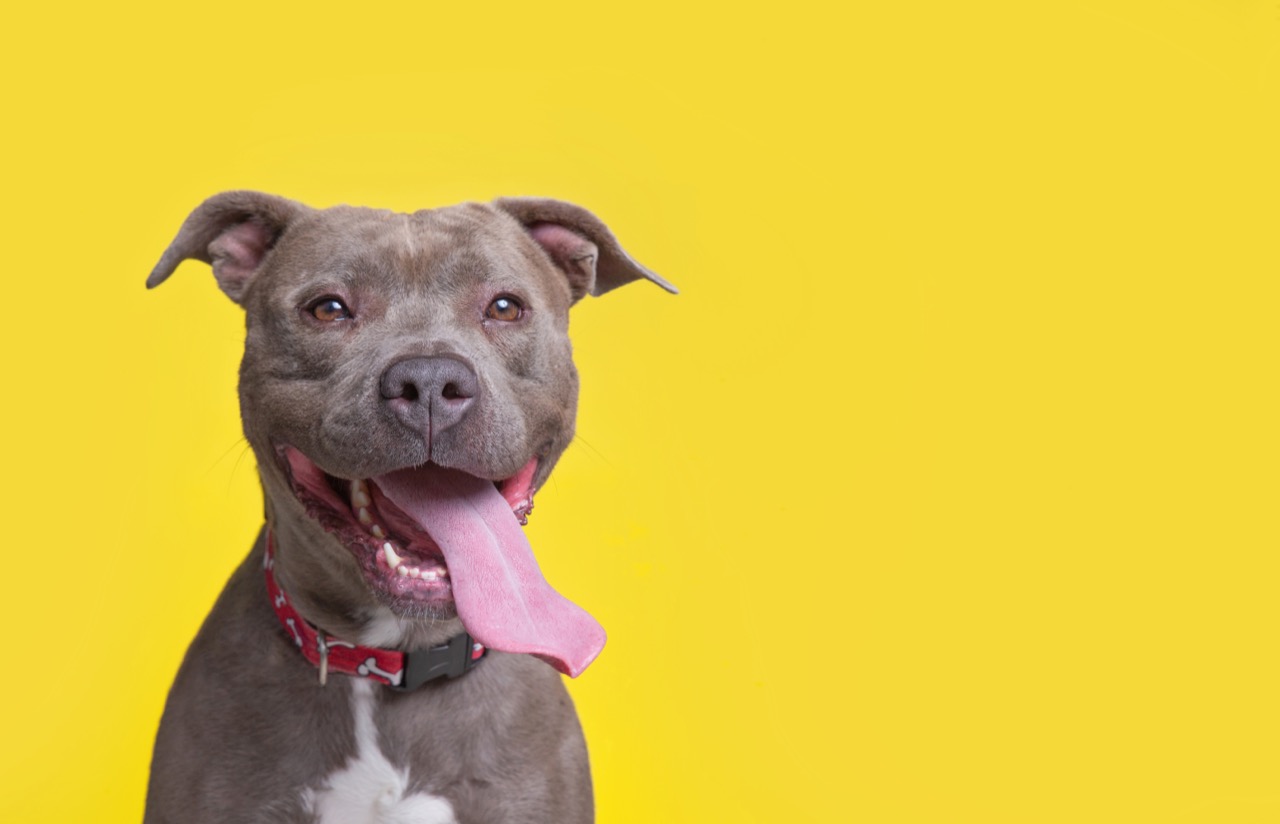
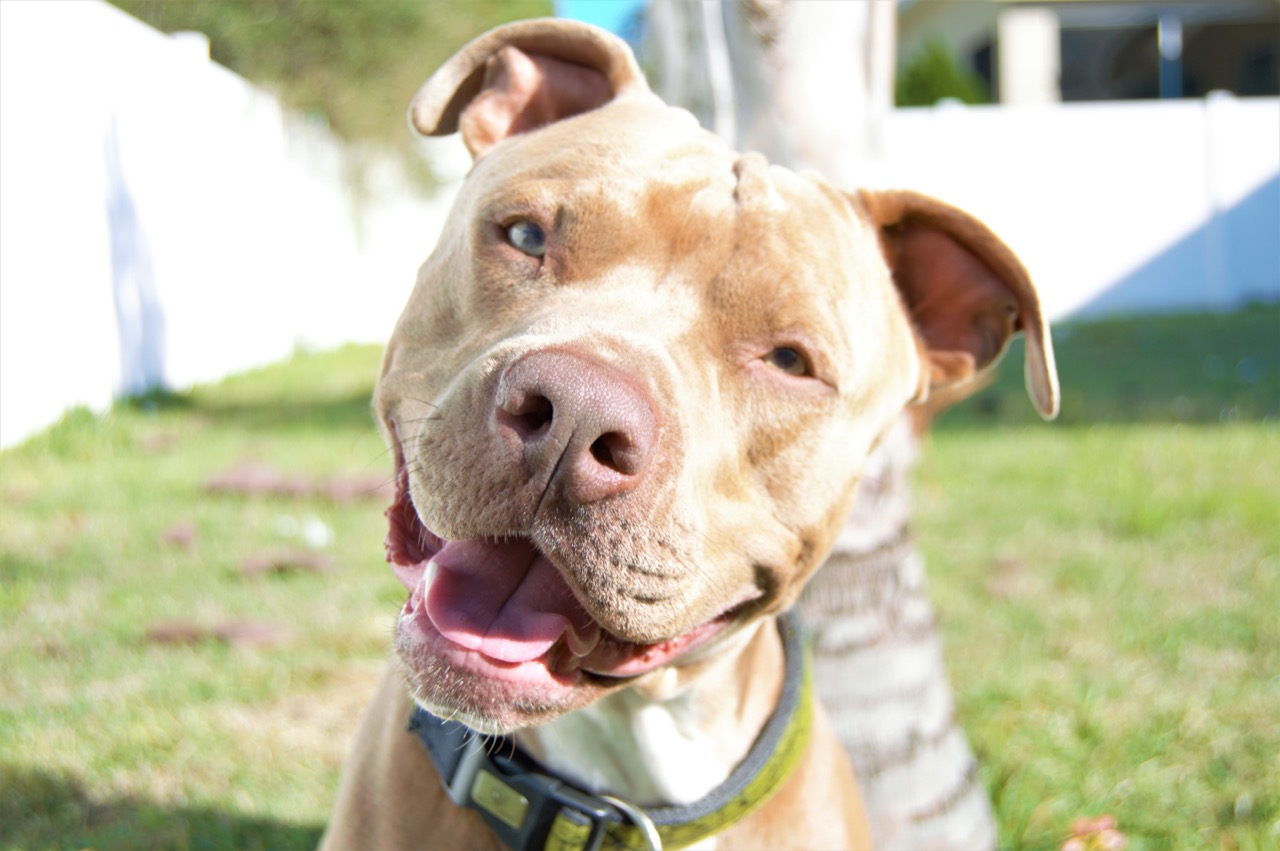
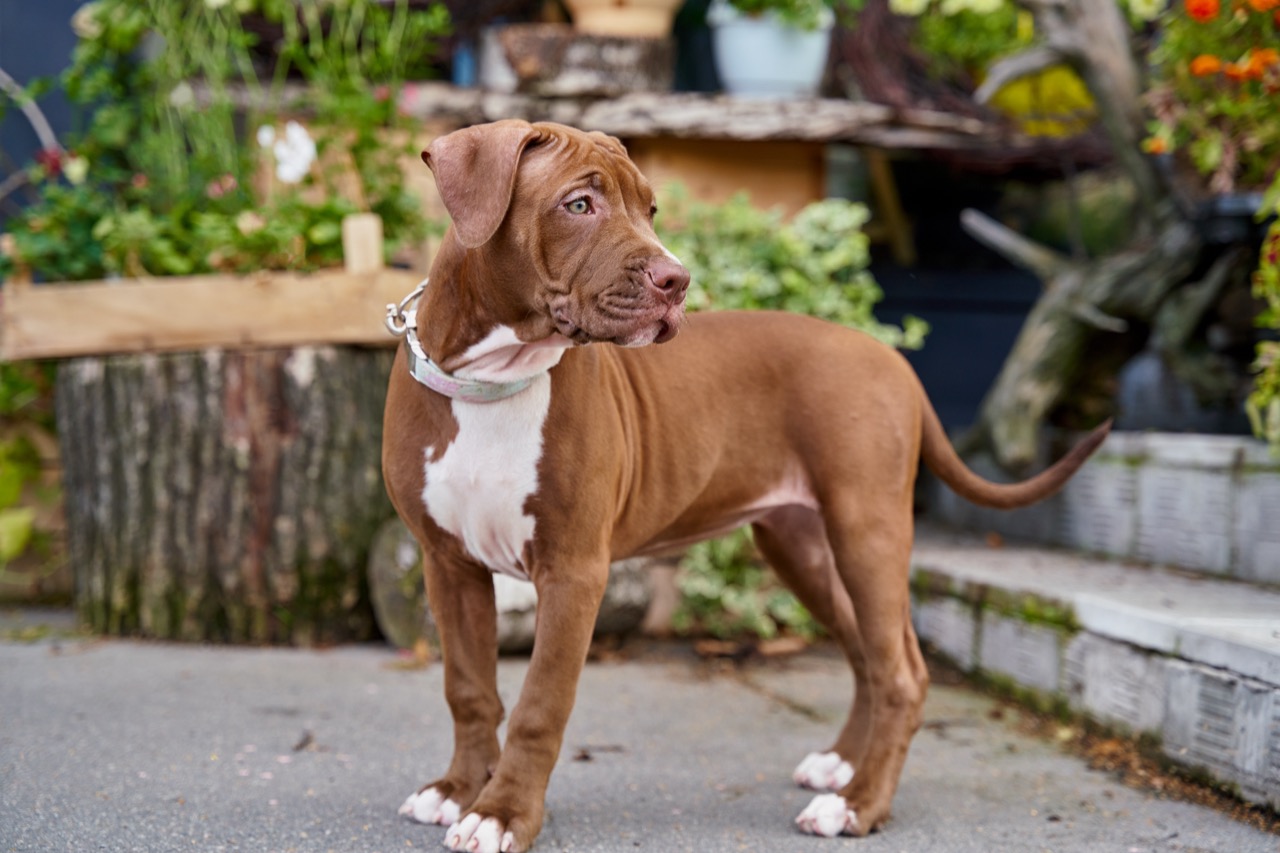
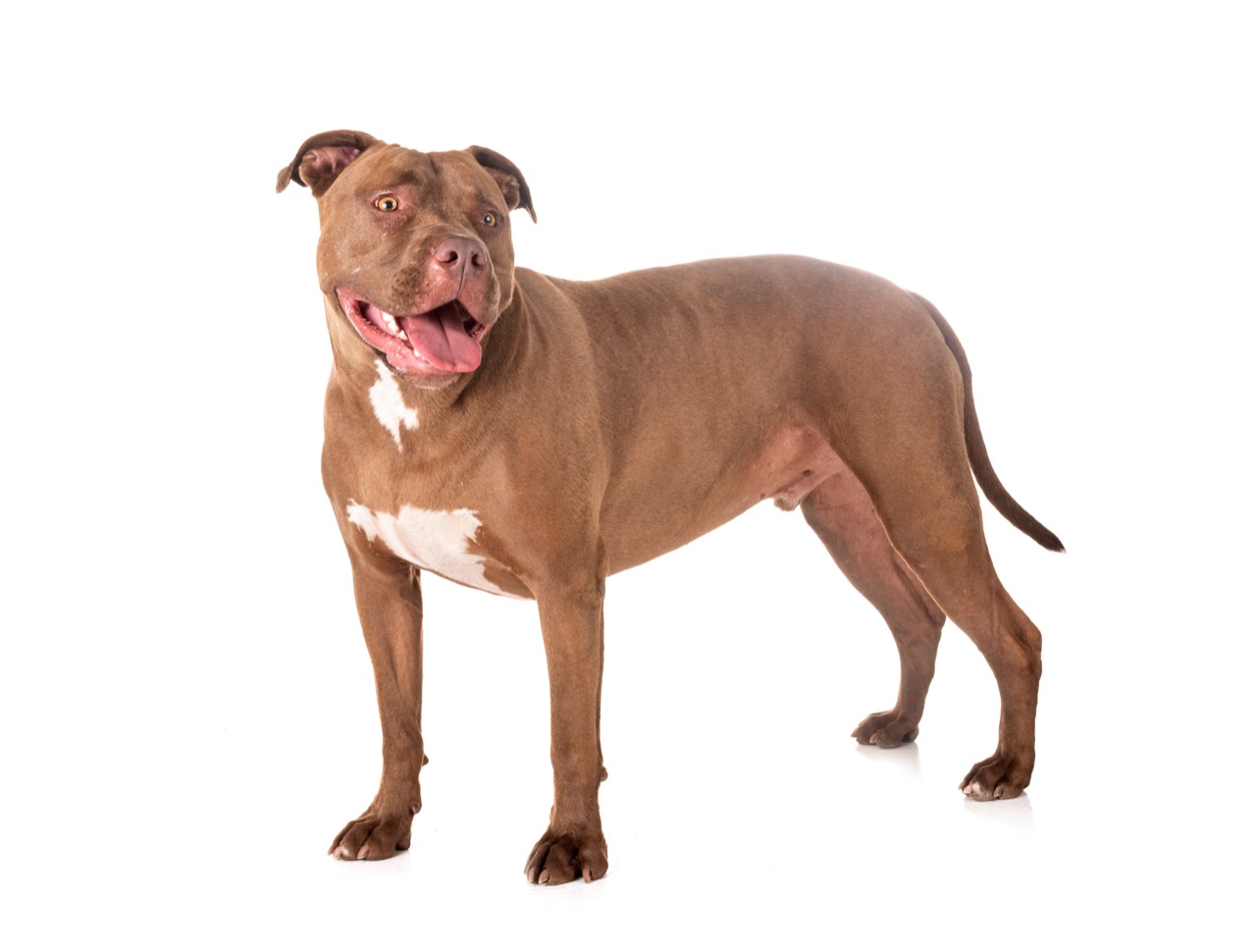
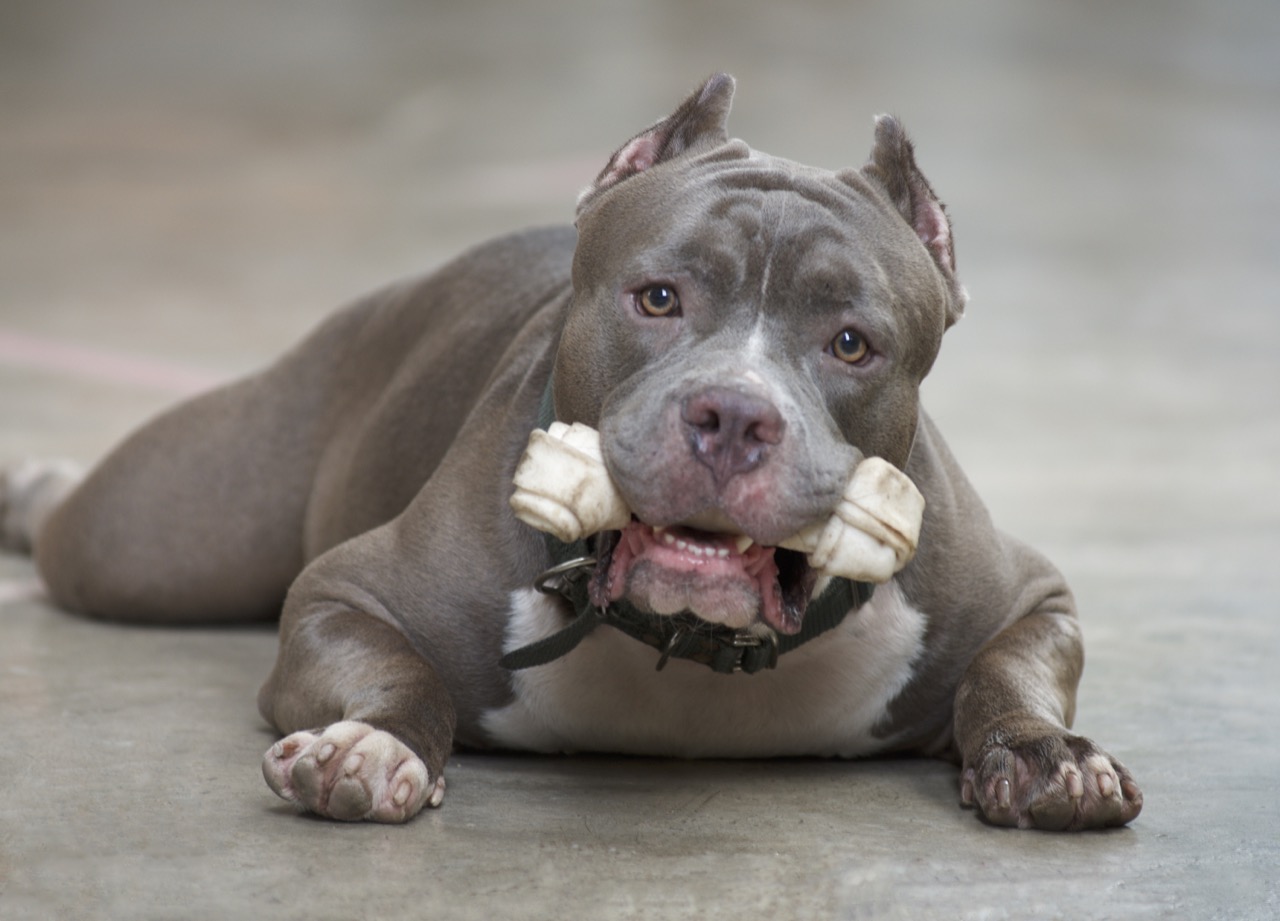
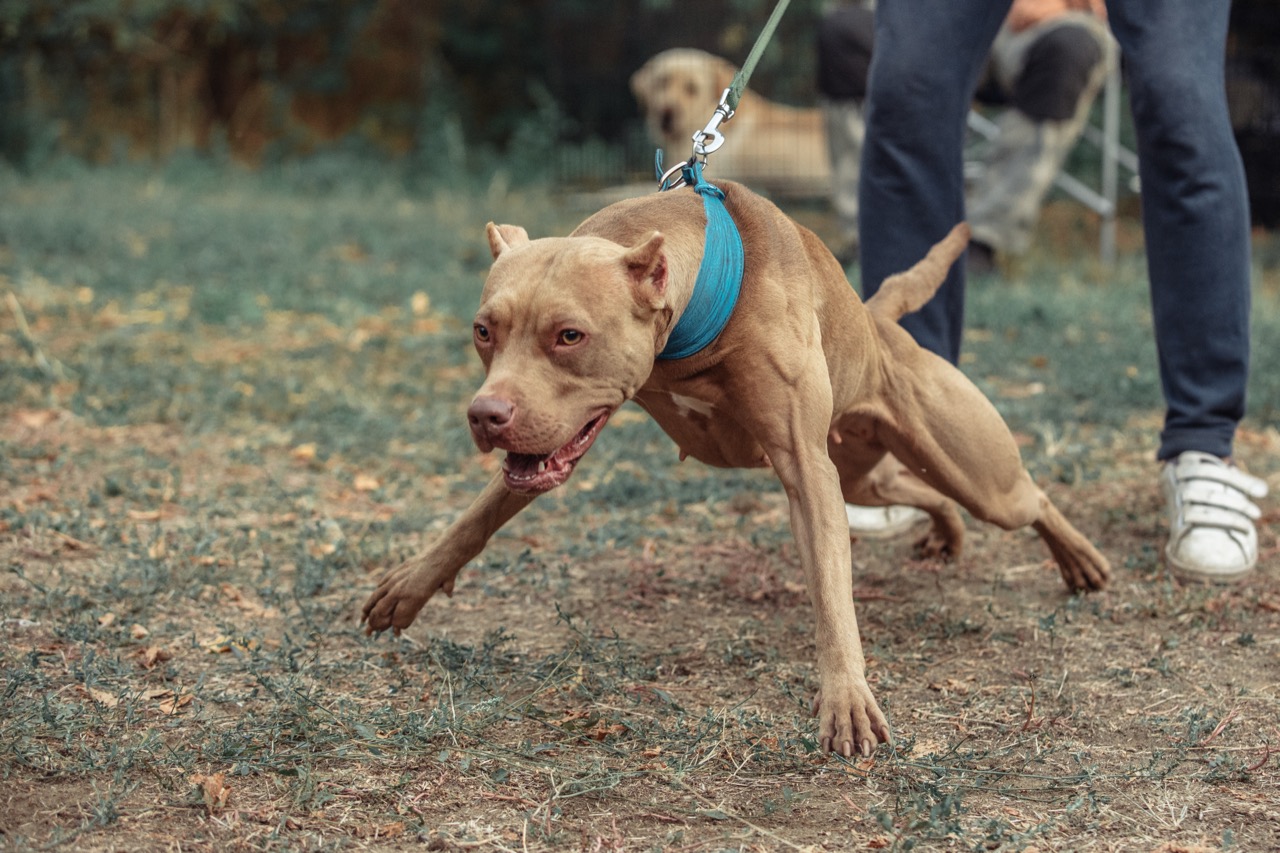
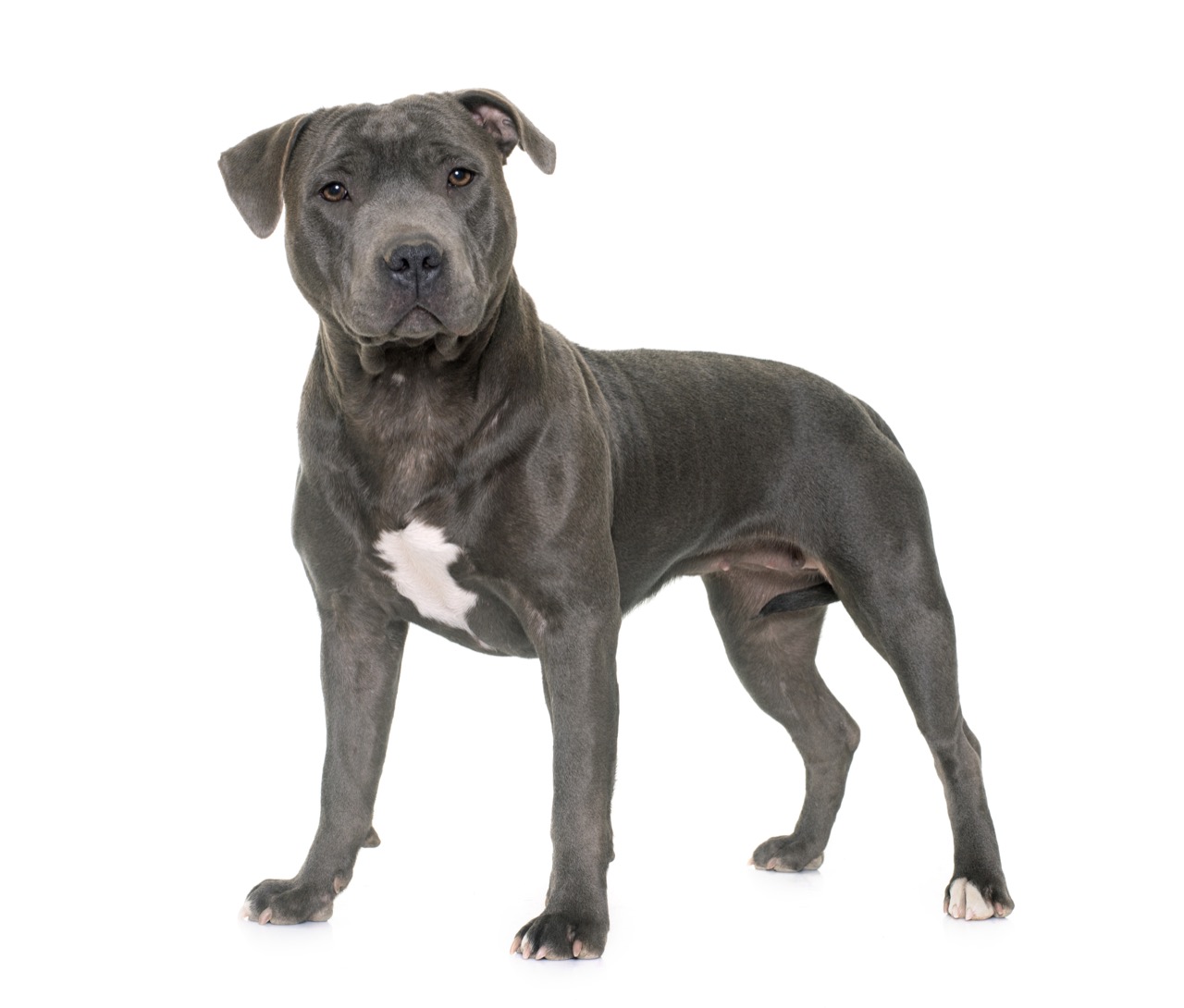
Few dogs have traveled such a complicated cultural road as the pit bull type. The term itself is more of a social label than a single breed name, often applied to several muscular, short coated dogs such as the American Pit Bull Terrier, American Staffordshire Terrier, Staffordshire Bull Terrier, and many mixed dogs that simply look similar. That fuzziness matters, because stories about pit bulls often spread faster than careful definitions, and public opinion has been shaped as much by imagery and language as by dogs.
Early roots reach back to 19th century Britain, where bulldog and terrier types were mixed to create tough, energetic dogs used for farm work and, in darker corners of history, blood sports. When immigrants brought these dogs to the United States, many families valued them for practical jobs: catching livestock, guarding property, and serving as all purpose companions. In rural and working class neighborhoods, they could be seen as dependable, game, and people oriented. That last trait is one reason they show up so often in family tales, the dog that tolerated children climbing over it, followed a kid to school, or slept by the door like a living lock.
The early 1900s added a surprising twist: pit bull type dogs became symbols of American friendliness and grit. One of the most famous was Sergeant Stubby, a mixed breed dog associated with World War I who became a mascot and morale booster and was credited in popular retellings with warning troops of gas attacks. Another was Petey from the Little Rascals films, remembered for the ring around his eye and his goofy loyalty. Advertisers and illustrators also leaned on the image. The Buster Brown shoe brand used a pit bull named Tige, and wartime posters sometimes used a sturdy, determined dog to represent national courage. In these moments, the pit bull was not a villain. It was a shorthand for bravery, loyalty, and a scrappy kind of optimism.
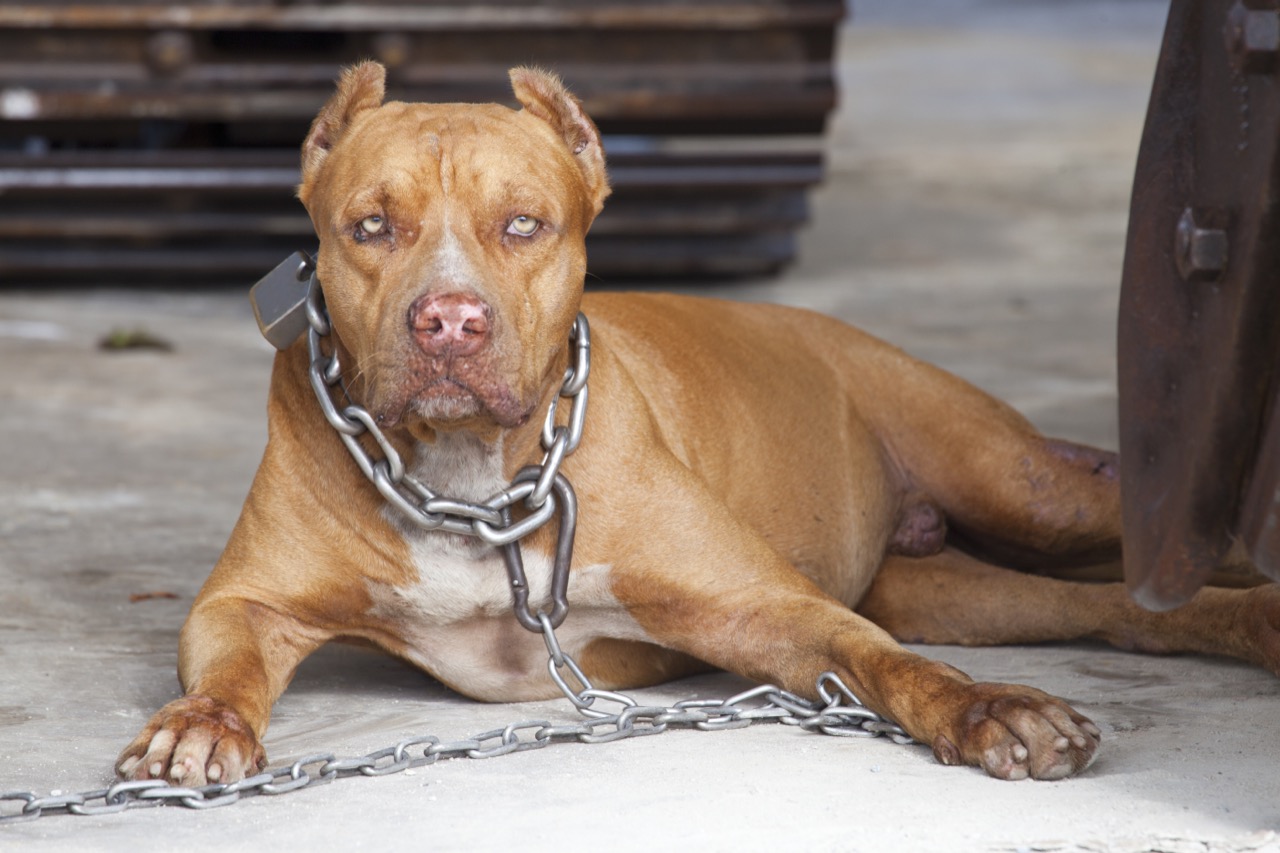
As cities grew and media changed, the symbolism shifted. Dogfighting never disappeared, and when it appeared in crime reporting it helped attach the dogs to fear and urban disorder. Starting in the late 20th century, certain high profile attacks were covered with intense repetition and dramatic framing. Headlines often used the word pit bull even when identification was uncertain, and a single event could echo for years. This is where media literacy becomes essential: many bite statistics rely on visual identification by witnesses or officials, yet even experts can misidentify pit bull type dogs from photos, and mixed breeds complicate everything. Meanwhile, the vast majority of these dogs live ordinary lives that never become news.
Public policy followed the anxiety. Breed specific legislation, which restricts or bans certain dogs based on appearance, spread through many towns and housing rules. Supporters argue it is a direct way to prevent severe bites, while critics point out that behavior is shaped by factors like training, socialization, containment, and owner responsibility, and that bans can punish well behaved dogs while missing genuinely dangerous ones of other types. Enforcement also raises practical problems: measuring a dogs head shape is not the same as measuring risk. In response, many places have moved toward breed neutral dangerous dog laws that focus on individual behavior and responsible ownership.
Art and community identity kept evolving too. In some neighborhoods, pit bulls became part of street legend, the tough looking dog that signaled protection or status. In other spaces, they became rescue icons, featured in shelter campaigns and therapy programs to challenge assumptions. The same dog could be cast as a threat or a testament to second chances, depending on the storyteller.
The most useful way to think about pit bulls in culture is as a mirror. They reflect how societies talk about fear, loyalty, class, and responsibility. The dogs themselves are powerful, athletic, and often intensely people focused, traits that can be wonderful in the right hands and risky in the wrong ones. The legends, family tales, and laws surrounding them reveal as much about human choices and narratives as they do about any particular dog.