Spotlight Cockapoos From Screens to Socials

Quiz Complete!
Spotlight Cockapoos From Screens to Socials
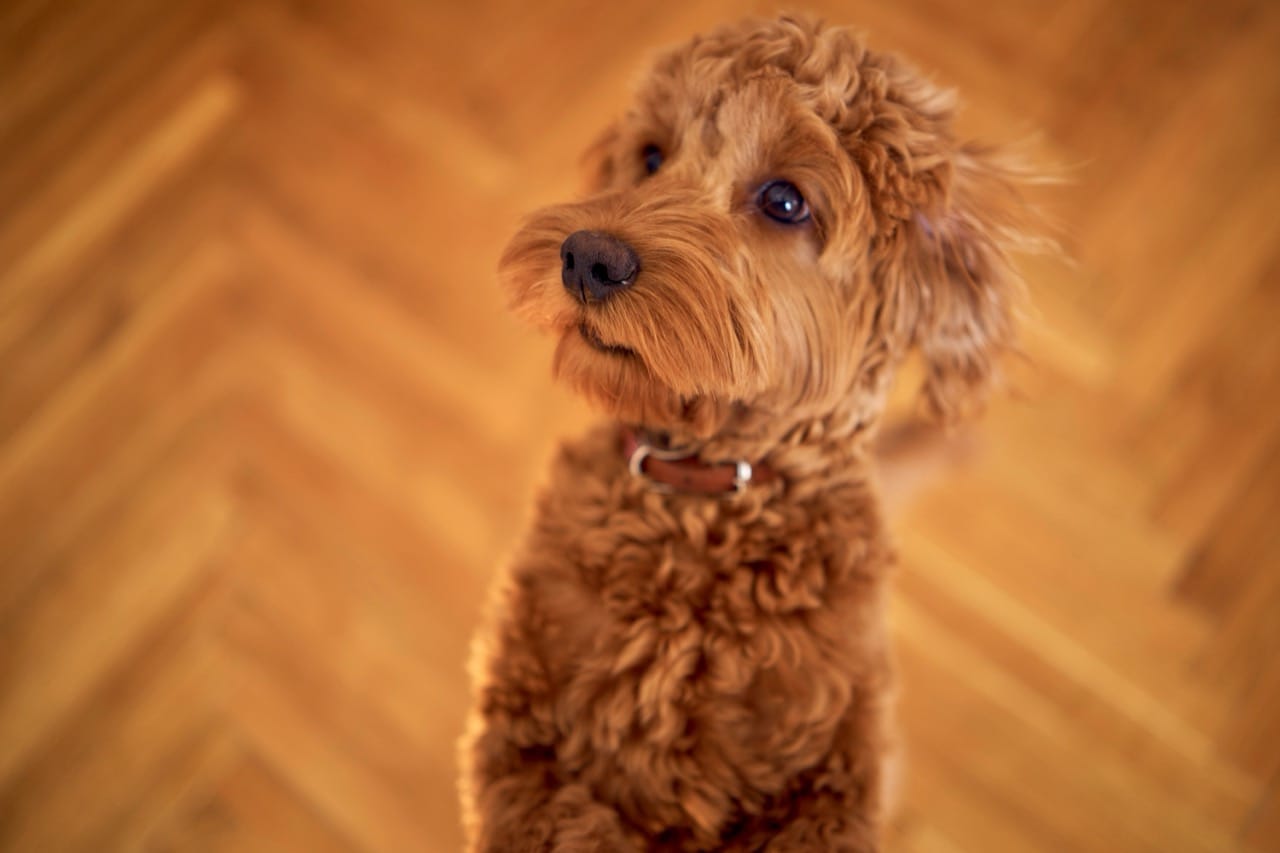
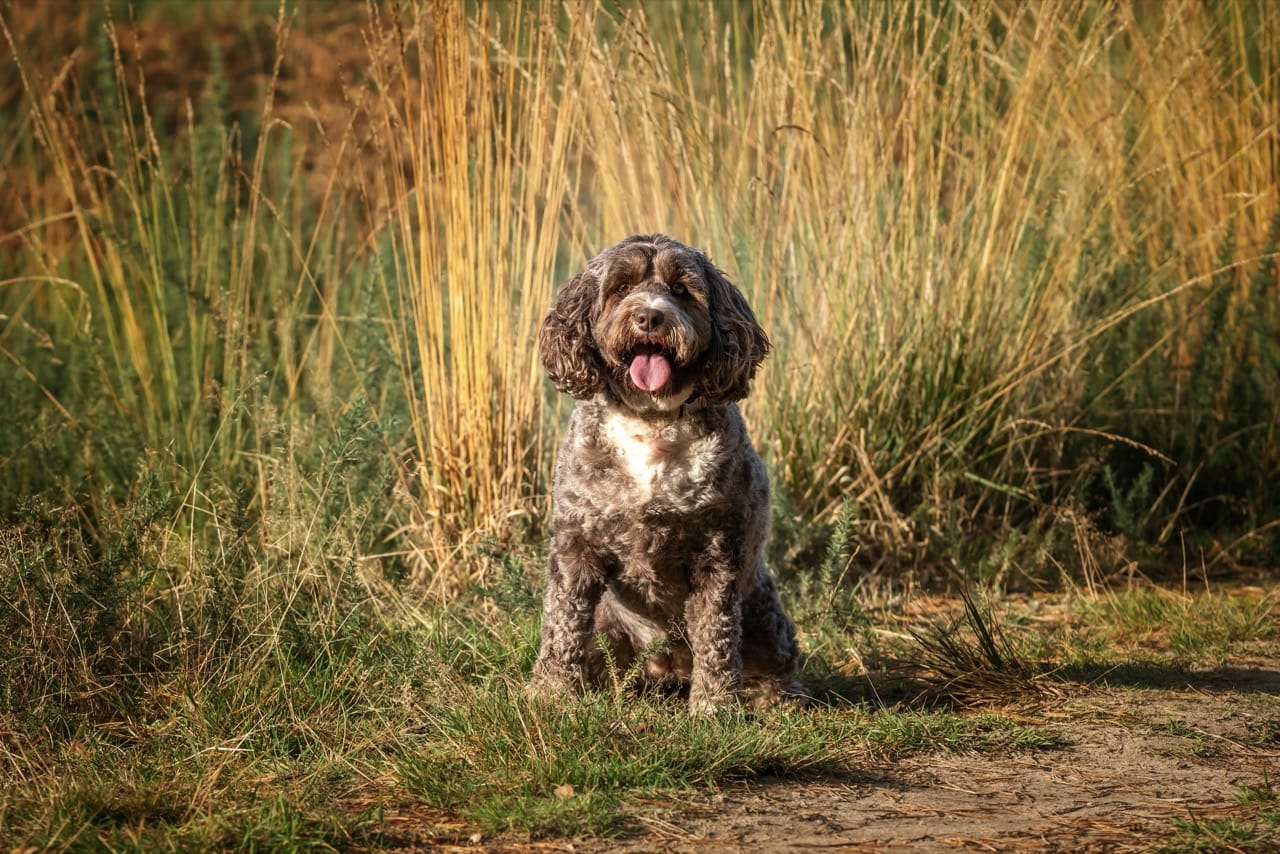
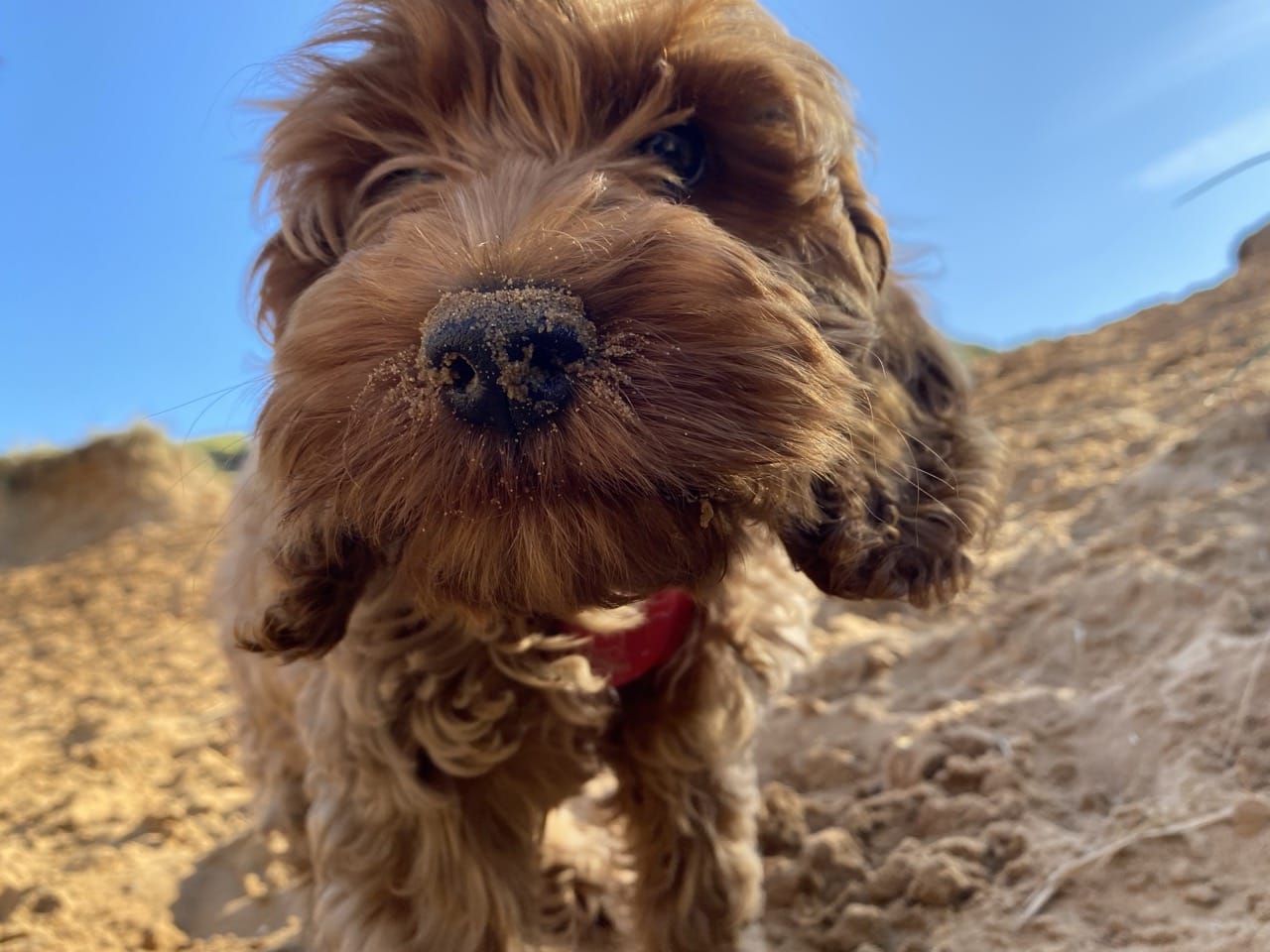
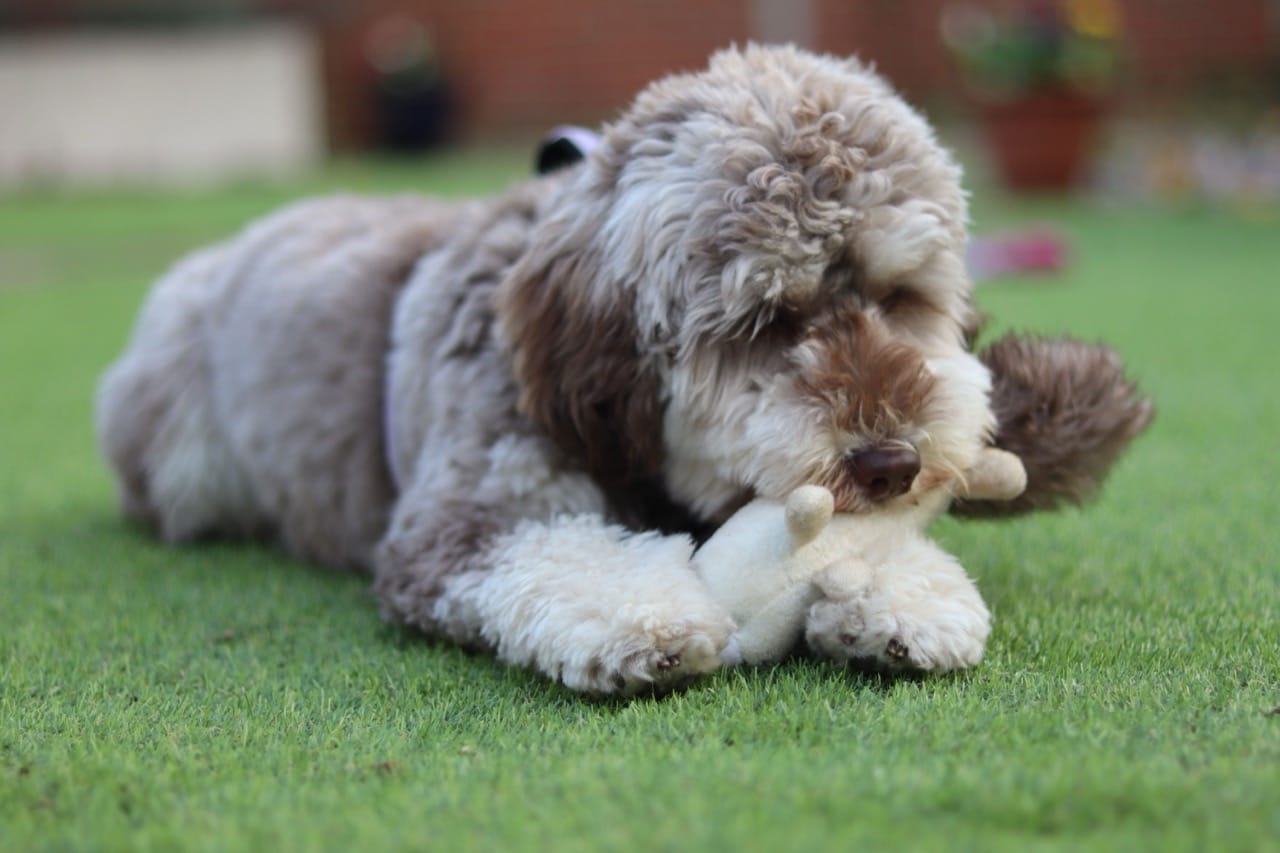
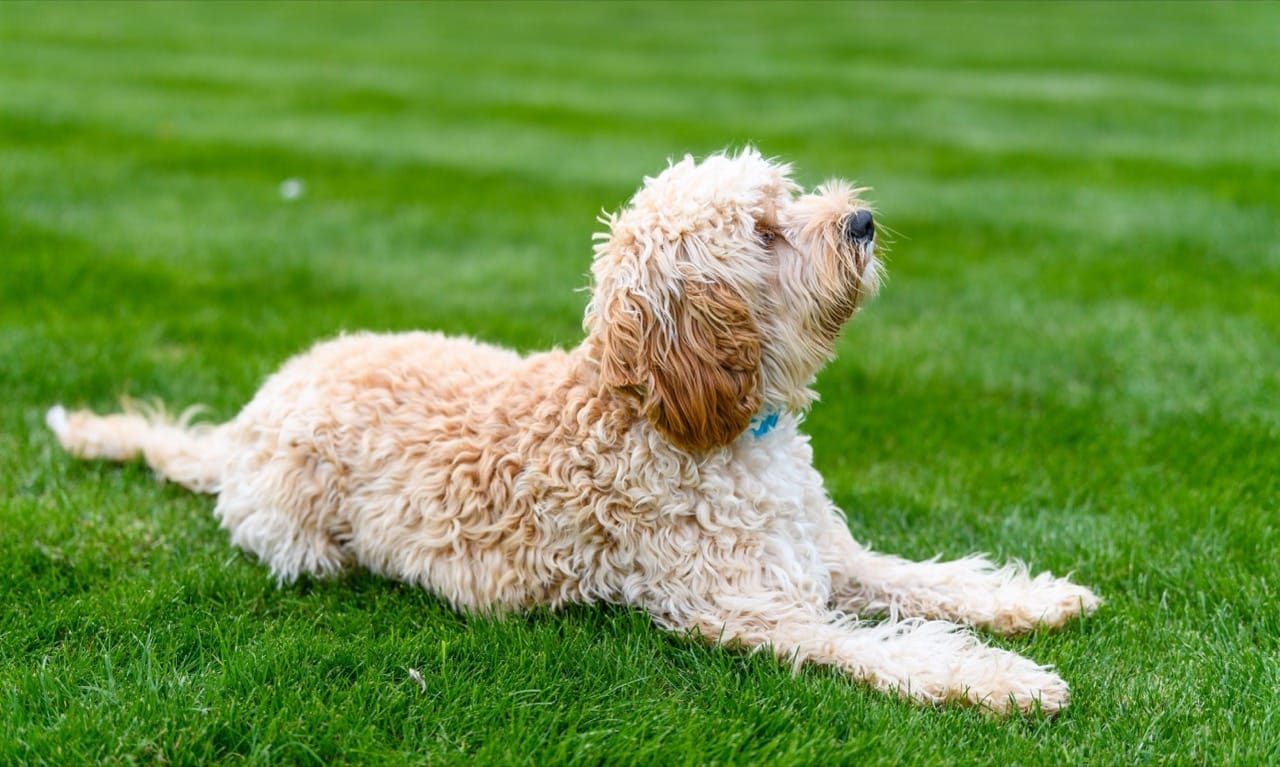
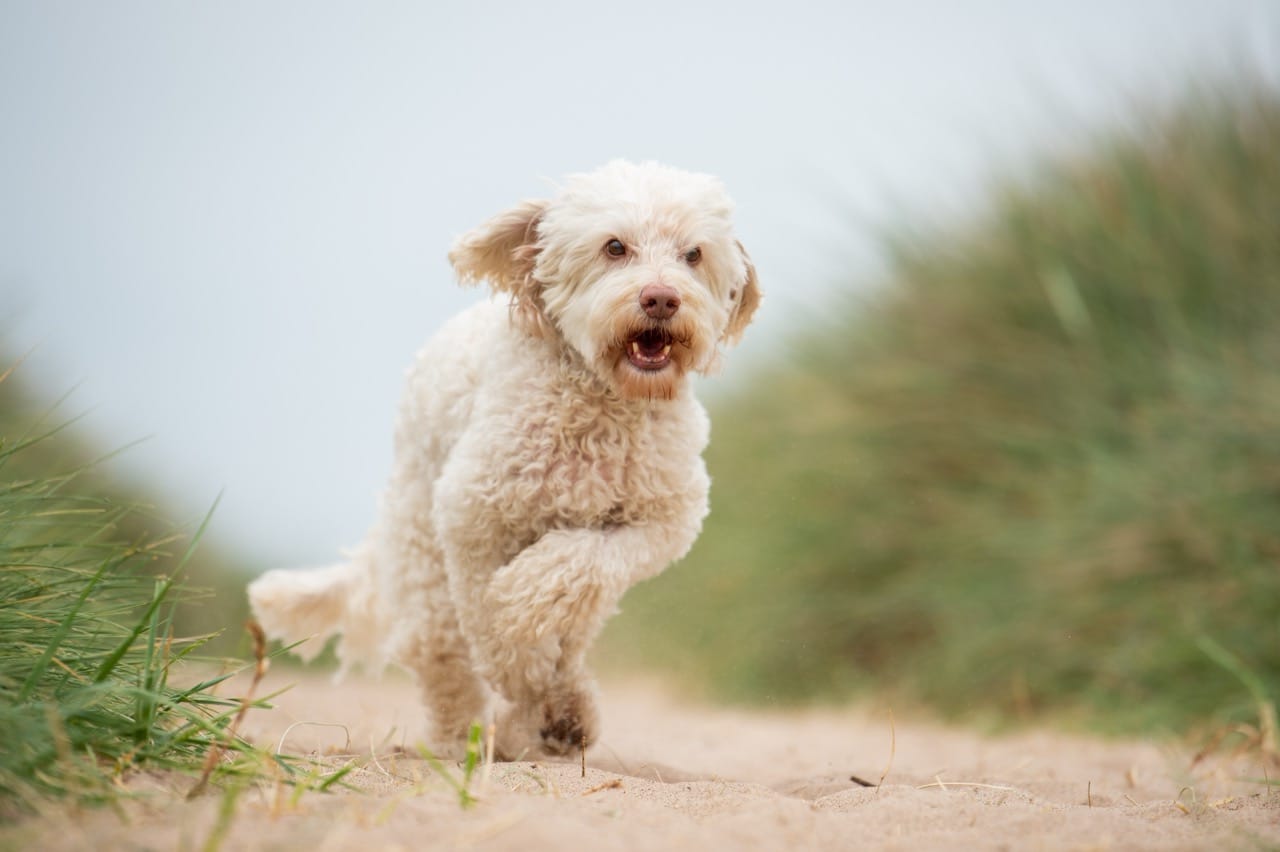
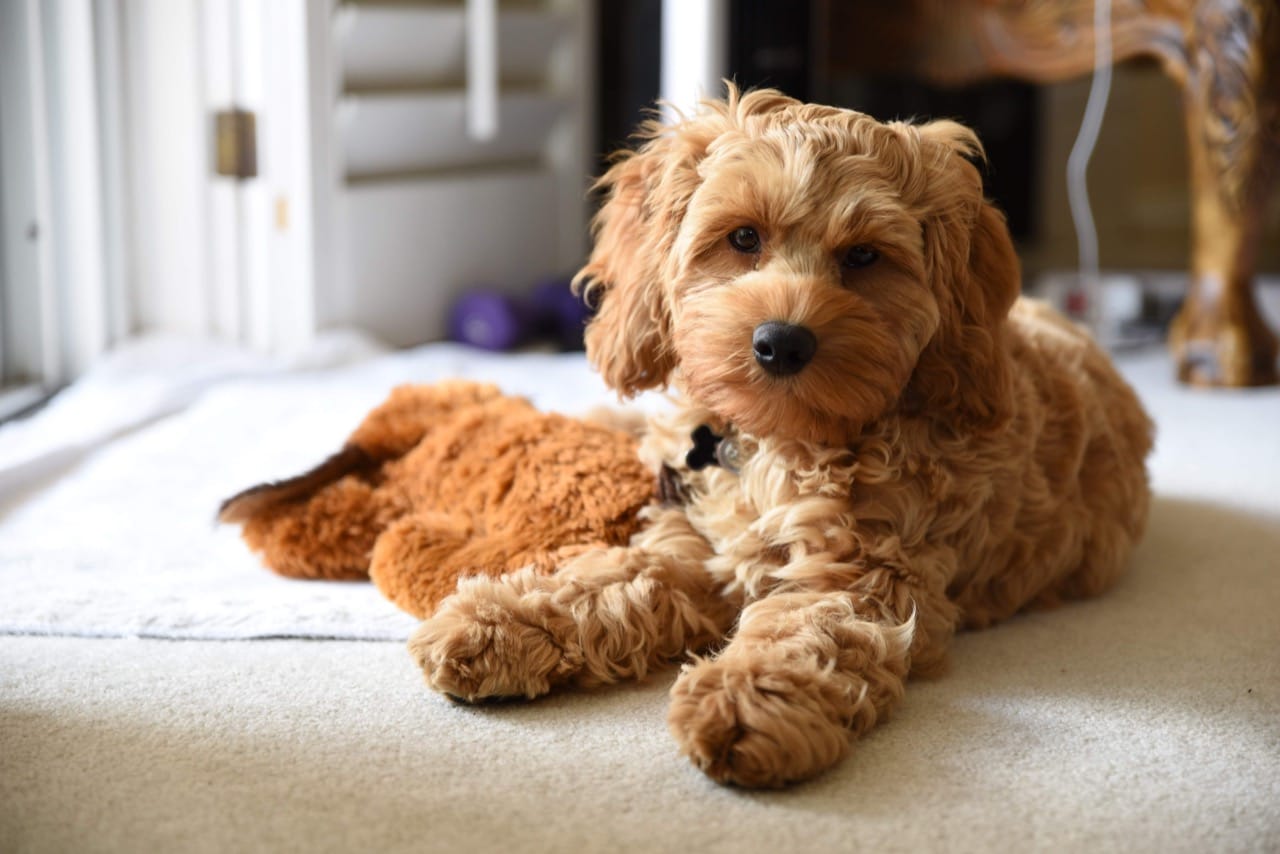
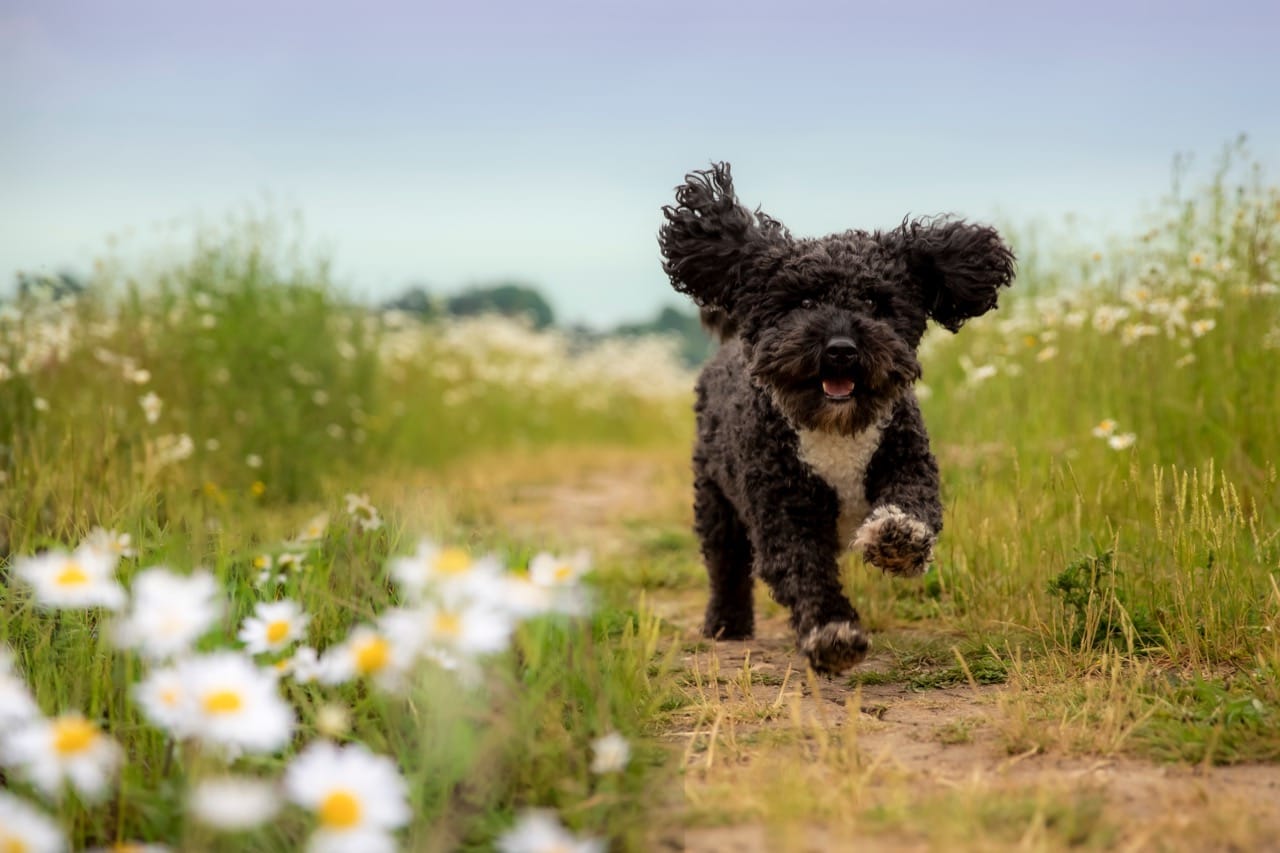
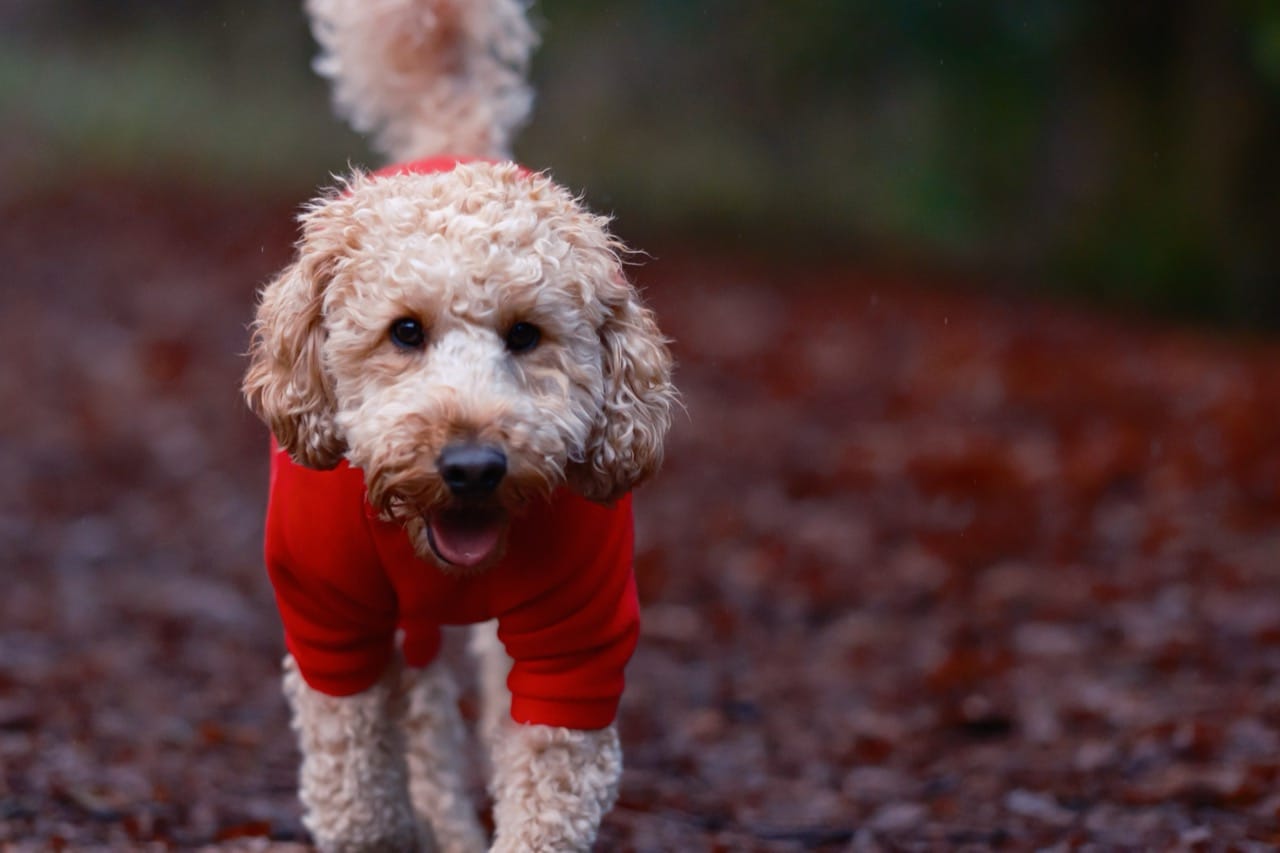
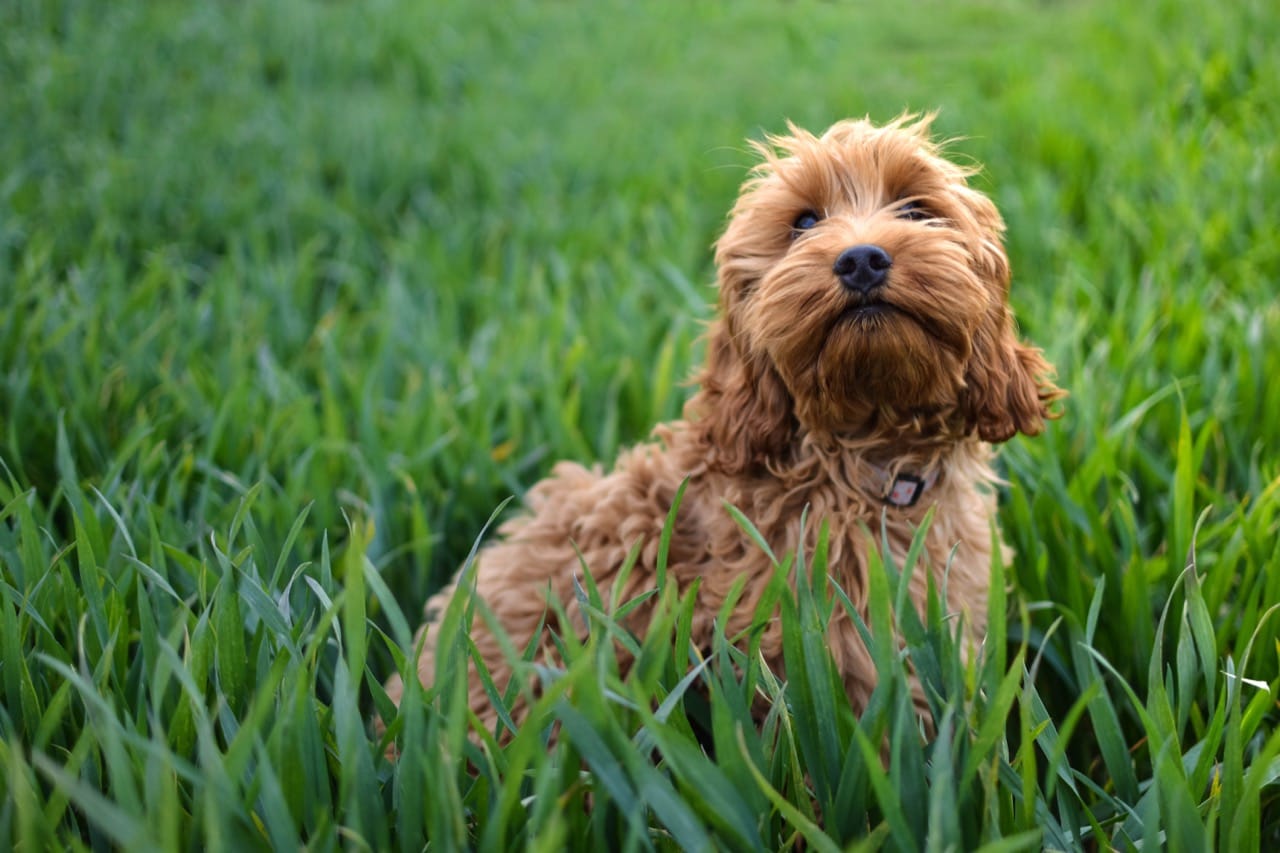
Cockapoos have become one of those dogs that feel instantly familiar, even if you cannot always name the mix on sight. Bred from a Cocker Spaniel and a Poodle, they often inherit a friendly, people oriented temperament and a soft, curly or wavy coat that reads as cute on camera. That combination helps explain why they keep popping up in family entertainment and in the everyday media stream, from commercials to celebrity pet posts. They also sit at the center of a modern pop culture phenomenon: the way doodle type dogs blur labels, with audiences calling many curly coated mixes a Cockapoo whether or not that is accurate.
Historically, the Cockapoo is one of the earliest popularized designer mixes in the United States, gaining attention decades before the more recent explosion of Labradoodles and Goldendoodles. That longer runway matters in media because familiar names stick. When marketers or scriptwriters want a dog that signals approachable, playful, and non intimidating, a small to medium curly companion can do the job without needing the audience to know a lot about breeds. A Cockapoo look can communicate family friendly warmth in a single shot, like a visual shorthand for wholesome chaos in a living room scene.
On screen, dogs are often chosen for trainability and comfort around lights, crews, and repeated takes. Poodles are known for intelligence and responsiveness to training, while Cocker Spaniels are often affectionate and eager to please. A Cockapoo can combine those traits in a way that suits the demands of sets and stages. Their expressive faces and bouncy movement also read well on camera, especially in close ups that rely on big eyes, head tilts, and quick reactions to actors. Even when a production uses a similar doodle mix rather than a true Cockapoo, the effect is the same: a dog that looks like a plush toy but behaves like a pro.
Advertising has leaned into that effect for years. Curly coated small dogs are frequently used to sell everything from home cleaning products to travel services because they fit neatly into the idea of modern domestic life. The Cockapoo name itself has marketing power. It is short, memorable, and sounds cheerful. That makes it useful in brand copy and influencer captions, even when the dog in the photo might be another poodle mix. The result is a feedback loop where the label becomes a vibe more than a pedigree.
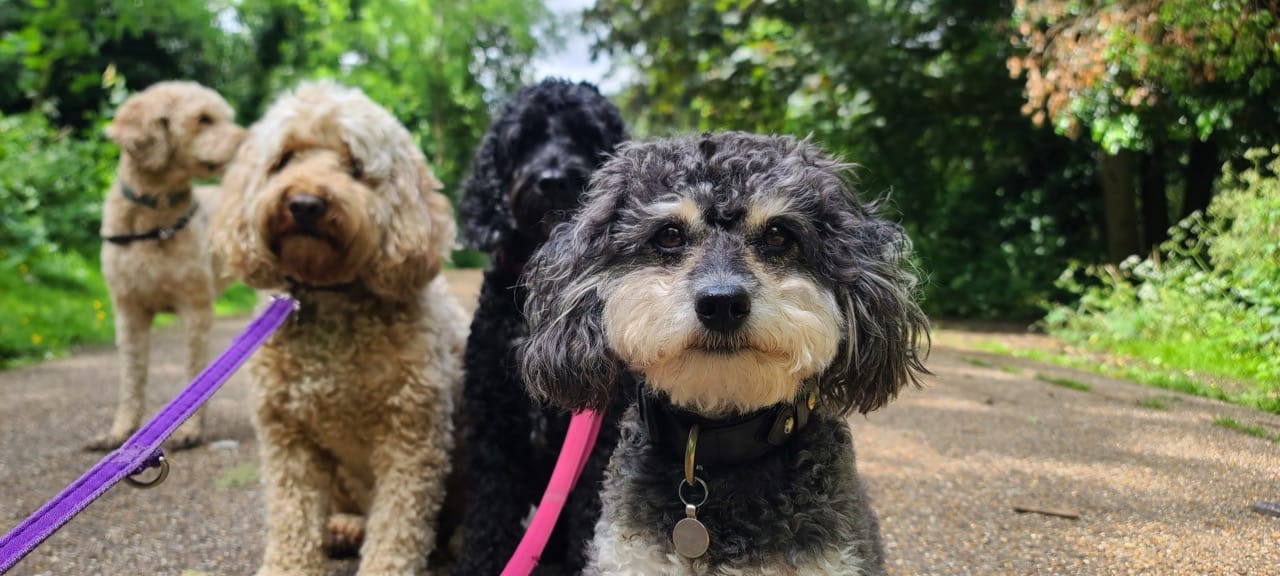
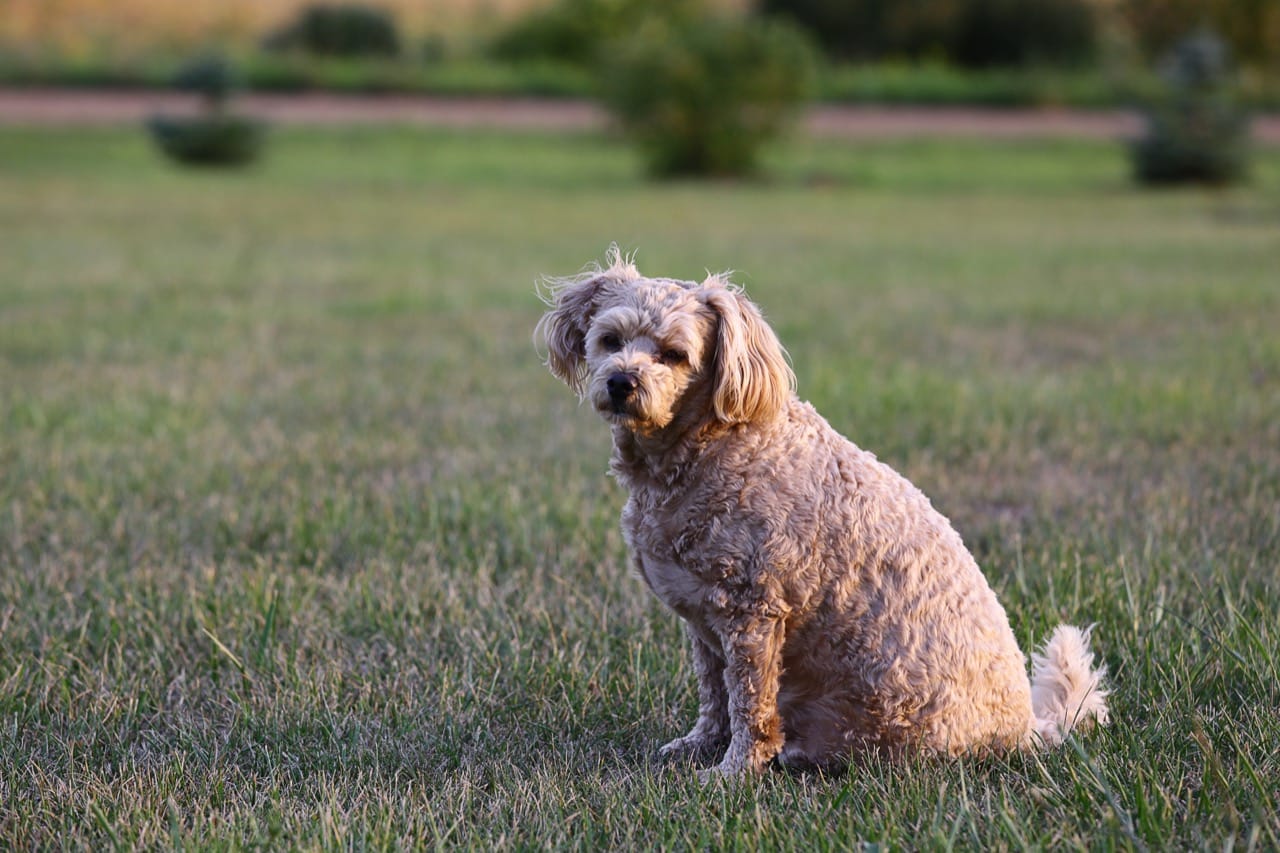
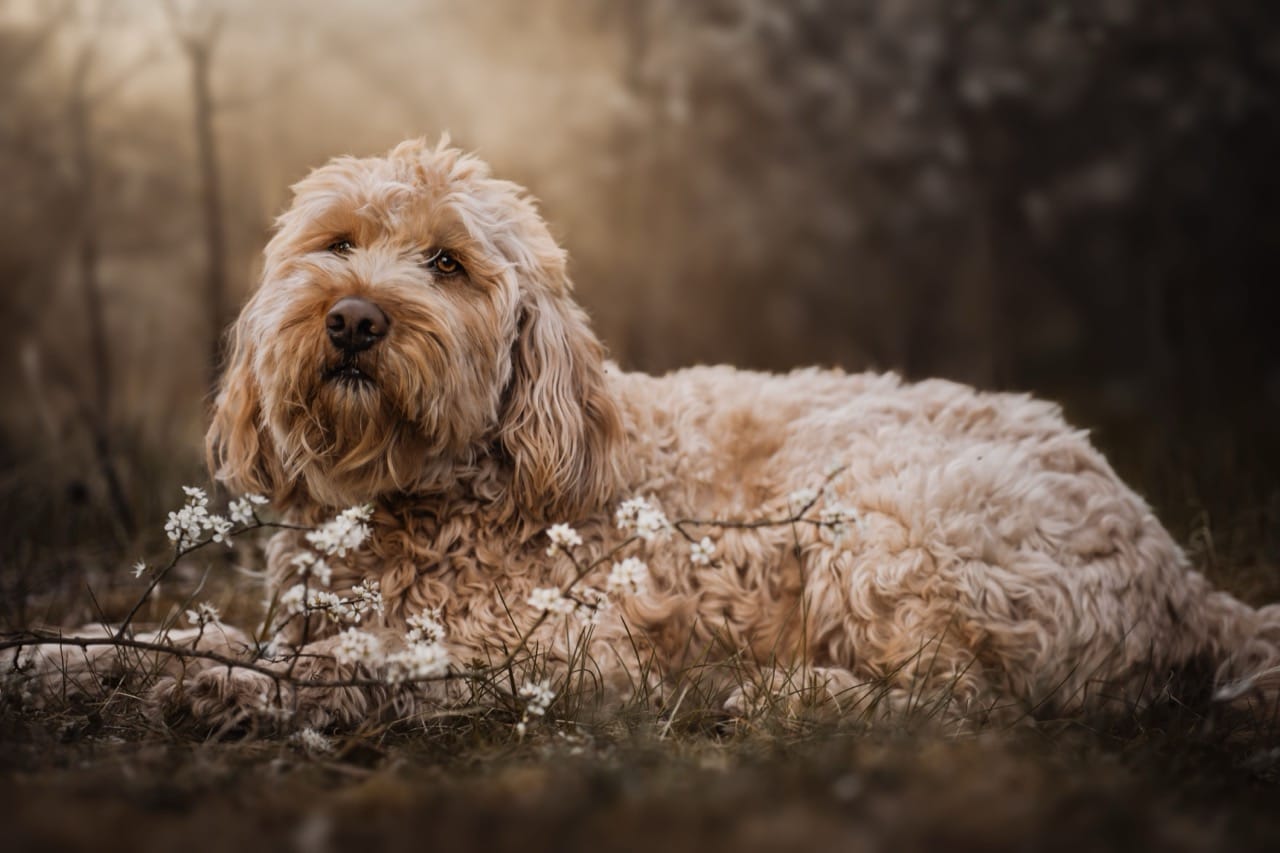
Social media amplifies this. A Cockapoo can thrive in the internet attention economy because the breed type tends to be expressive, cuddly, and portable enough for everyday filming. Grooming styles add another layer: a teddy bear trim, a fluffy topknot, or a shorter sport cut can make the same dog look like different breeds across posts. This is one reason doodle lookalikes get misidentified so often. A smaller Goldendoodle, a Poodle mix of unknown origin, or even a well groomed miniature Poodle can be called a Cockapoo by viewers who are reacting to overall cuteness rather than structural details.
Pop culture also shapes expectations about hypoallergenic coats. Many people associate poodle mixes with low shedding, but coat type in mixed breed dogs is not guaranteed. Cockapoos can vary widely, and that reality is often glossed over in viral content and celebrity pet chatter. The same goes for size and energy level. Some Cockapoos are calm lap dogs, while others are busy, athletic companions who need training and daily enrichment. When a movie or a trending video shows a perfectly behaved doodle trotting beside a child, it can create a simplified story that does not include the work behind the scenes.
What makes Cockapoos especially interesting in media is how they occupy a sweet spot: familiar but not overly formal, cute but not fragile, smart but not intimidating. They fit the modern idea of a companion dog that can join family life, appear in photos, and adapt to different settings. Whether you are spotting a true Cockapoo, a lookalike, or a dog that is simply labeled for the moment, the bigger story is how pop culture turns certain canine traits into symbols. In the Cockapoo case, the symbol is friendliness with a fluffy face, ready for its close up and its next viral clip.