Spot the Labrador Retriever Like a Pro


Quiz Complete!
How to Spot a Labrador Retriever Like a Pro
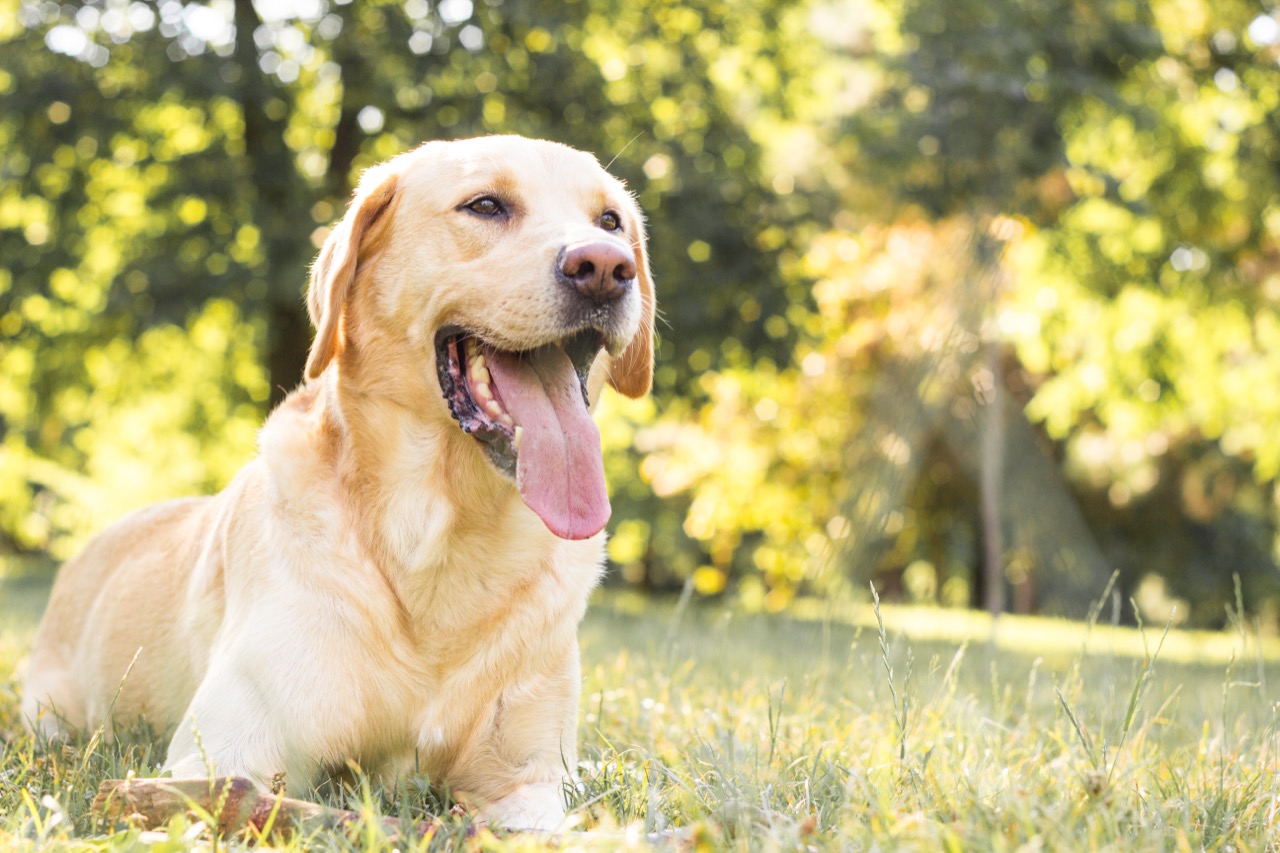
Labrador Retrievers seem easy to recognize until you’re faced with a lookalike at the dog park or a photo where the angle hides key features. A true Labrador has a distinct overall impression: sturdy, balanced, and athletic without looking leggy or delicate. They are medium to large dogs with a broad chest, strong shoulders, and a level back that carries into a thick, powerful tail. That tail is one of the best clues. People often call it an otter tail because it is very thick at the base, tapers toward the tip, and is carried straight out or slightly up when the dog is moving. It also tends to wag with a full-body enthusiasm that makes the whole rear end look like it’s in on the celebration.
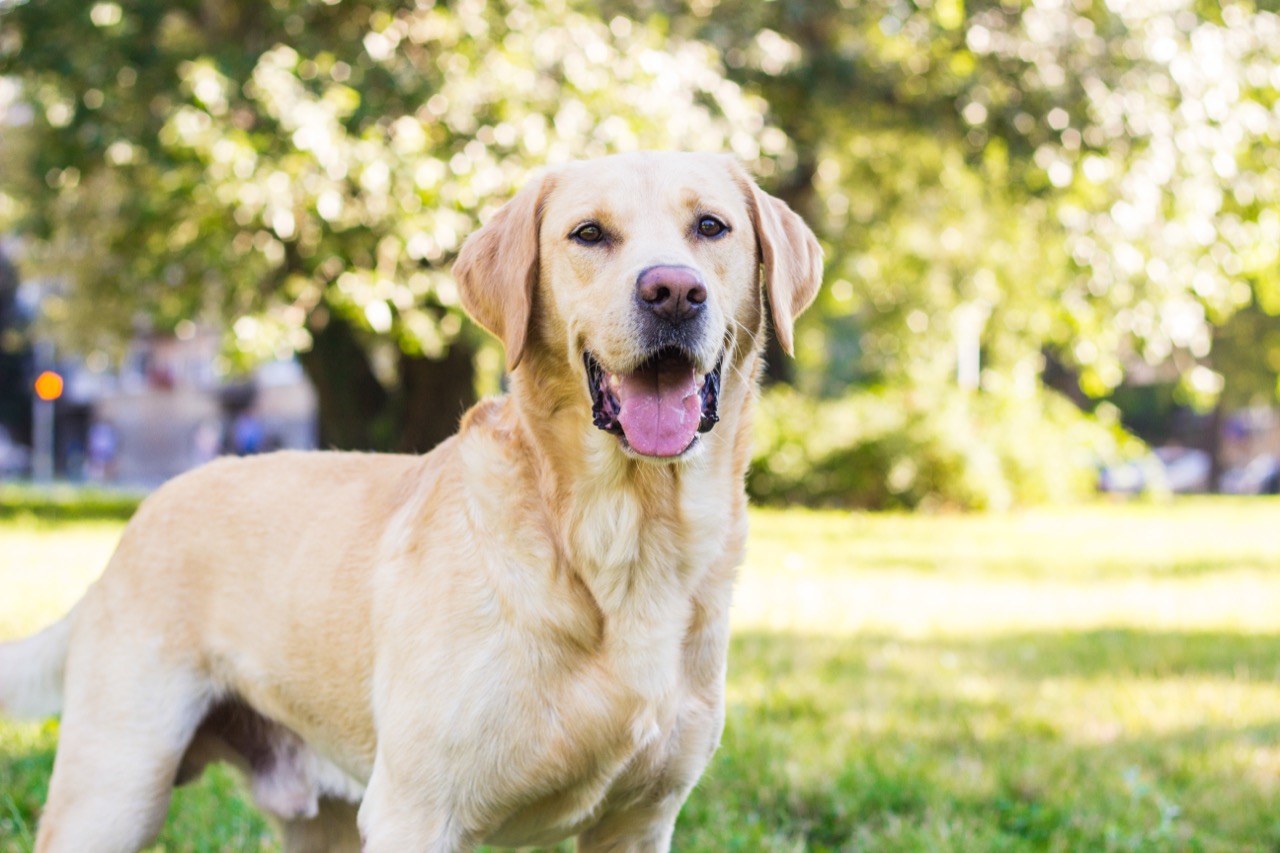
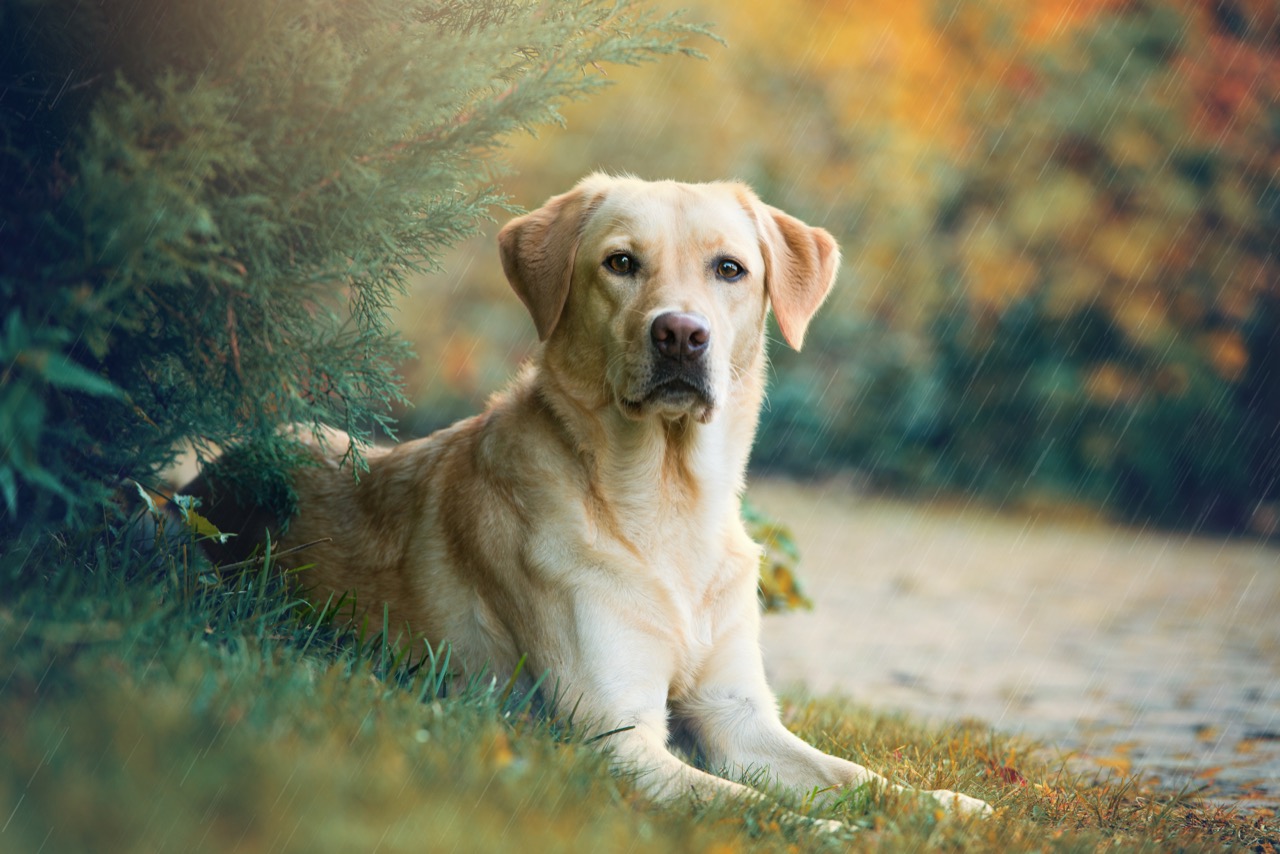
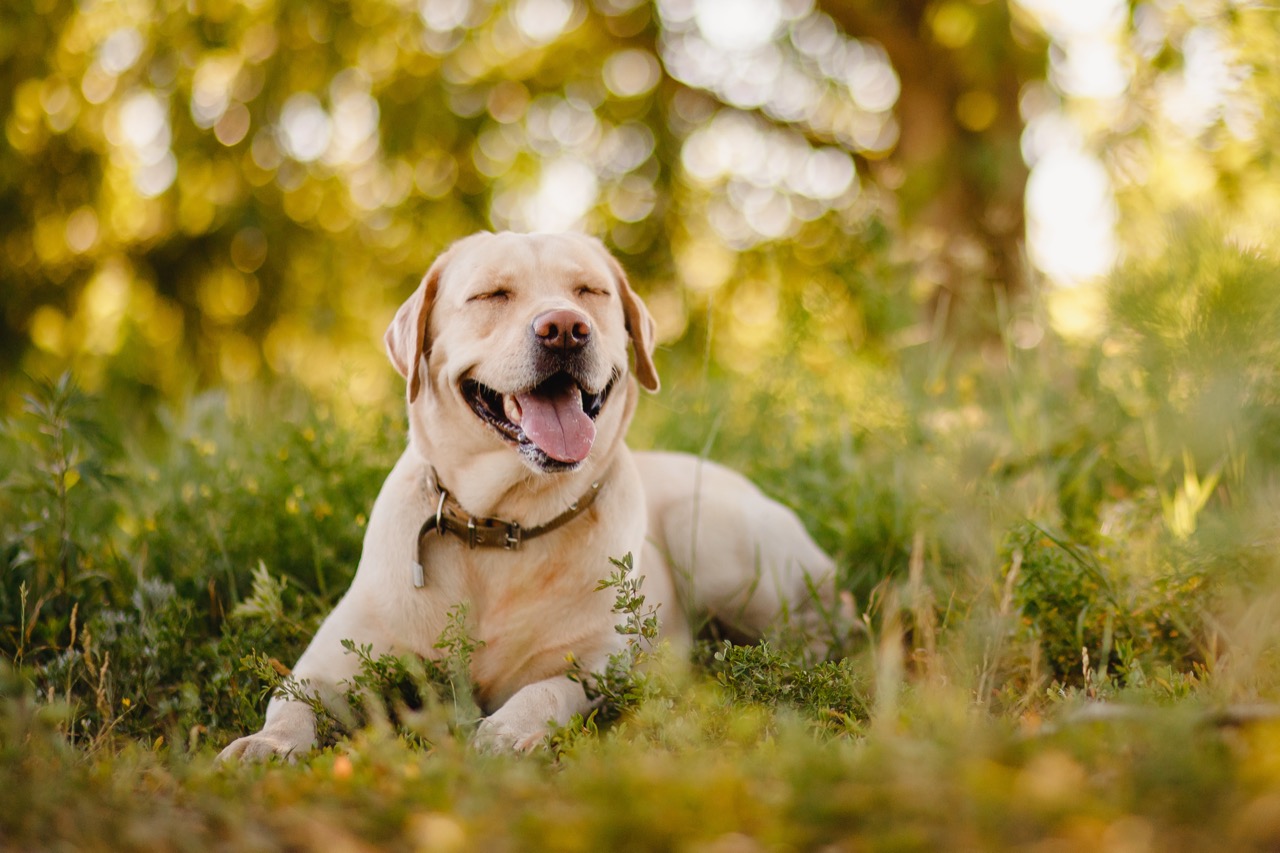
The head is another signature. Labradors have a fairly wide skull, a defined but not extreme stop where the forehead meets the muzzle, and a muzzle that is strong rather than narrow. Their expression is often described as kind or eager, helped by medium-sized, pendant ears that hang close to the head. The eyes are typically brown or hazel, though yellow Labs can have lighter eyes. If you see very pale blue eyes, that’s a hint you may be looking at a different breed or a mix.
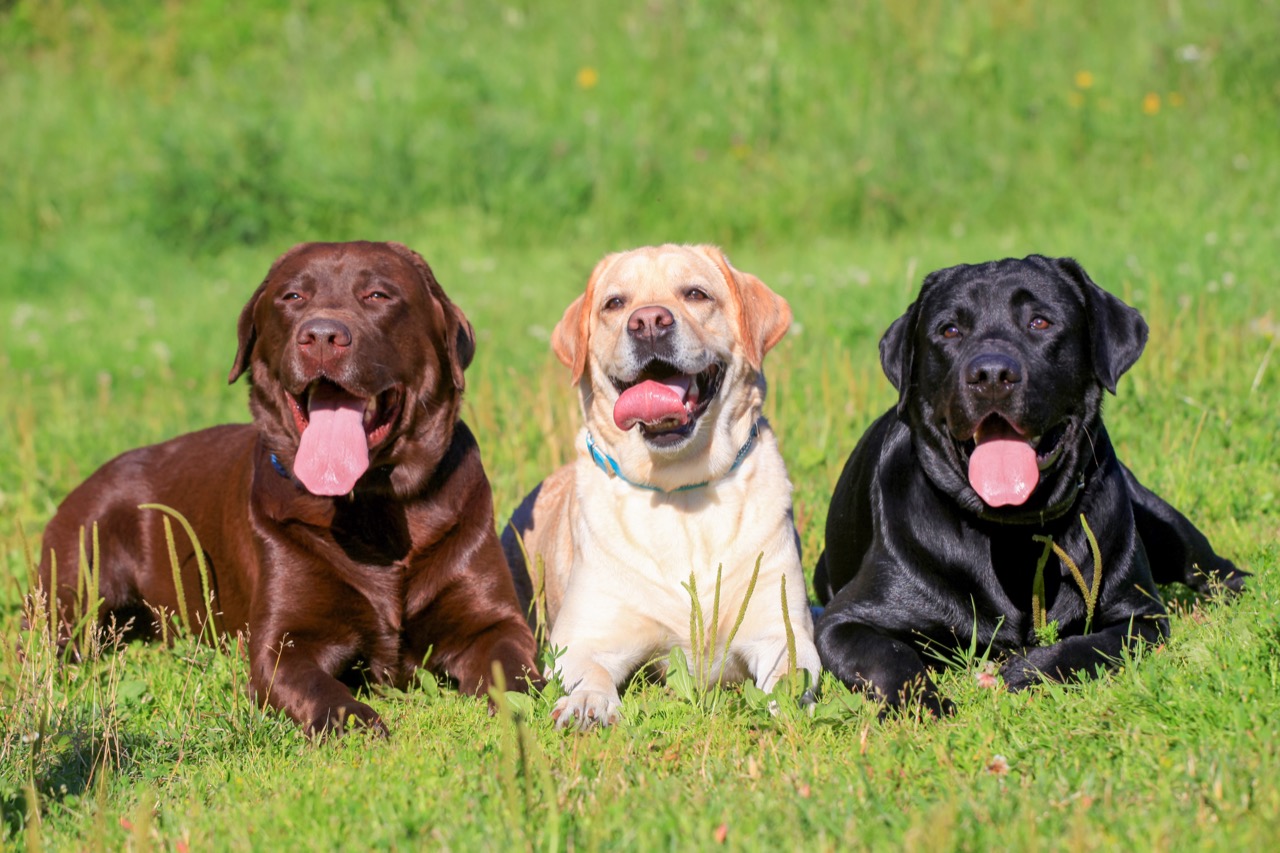
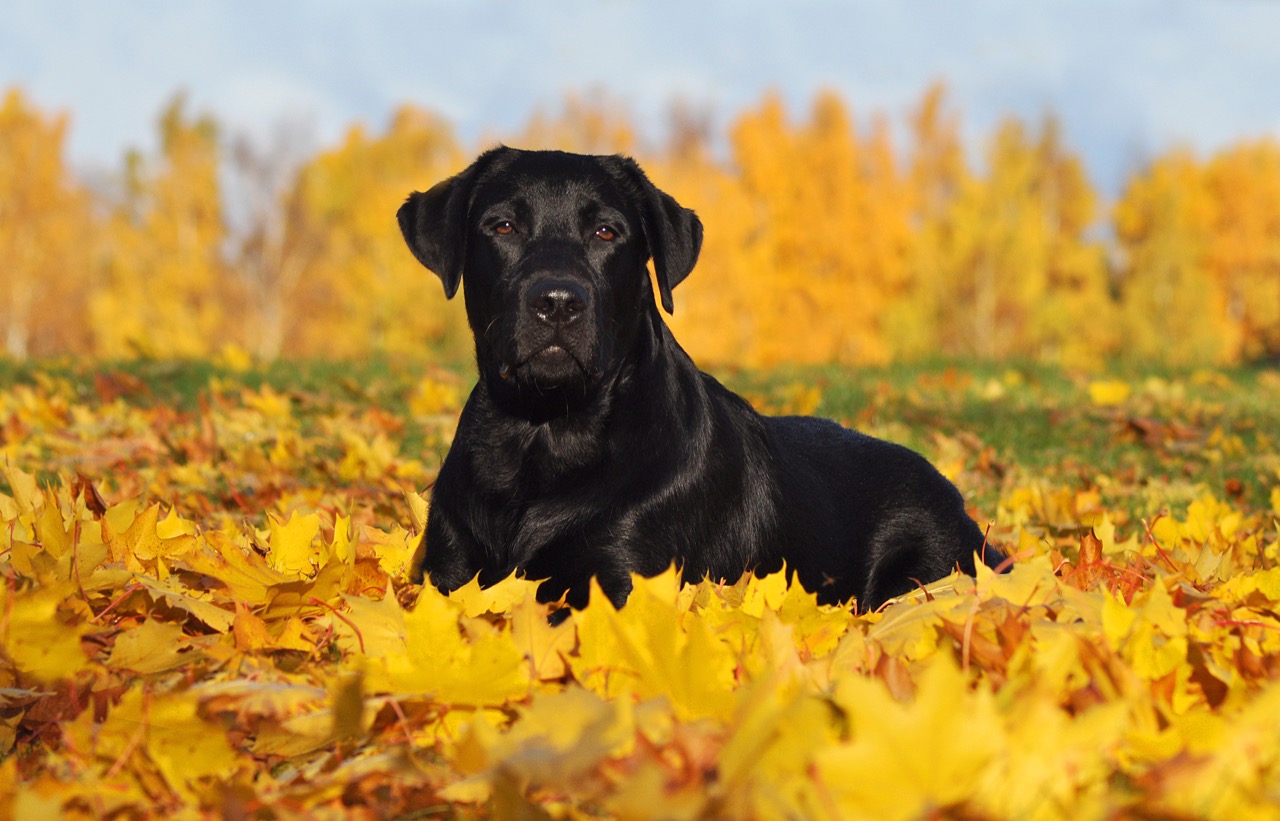
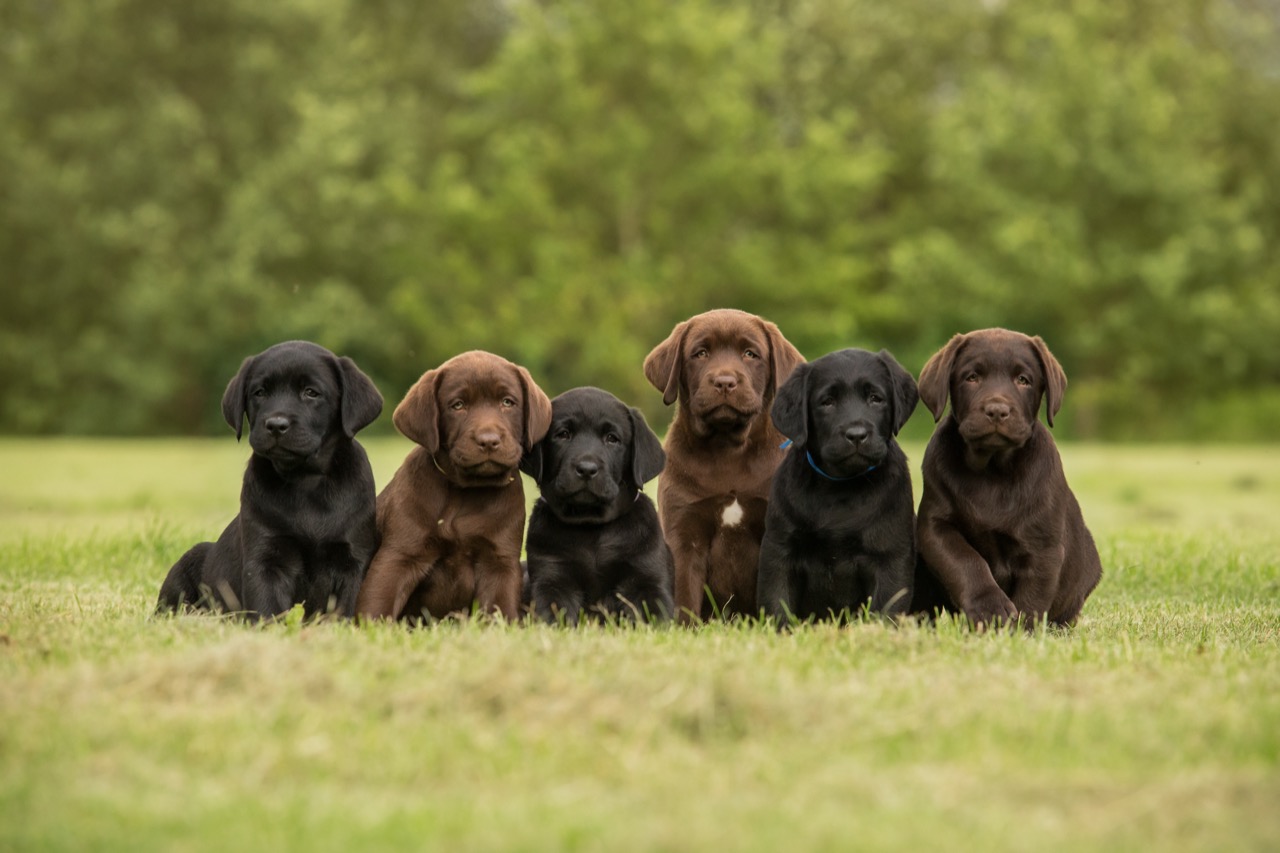
Coat can be tricky because many breeds come in similar colors, but the Lab coat has a particular feel and purpose. It is short, dense, and weather-resistant, with an undercoat that helps in cold water. The classic colors are black, yellow, and chocolate. Yellow can range from very pale cream to a rich fox-red shade, which surprises people who think “yellow” means only light golden. You may also hear about silver Labs, but that color is controversial and often linked to crossbreeding, so it’s not considered a traditional Labrador color in many breed circles.
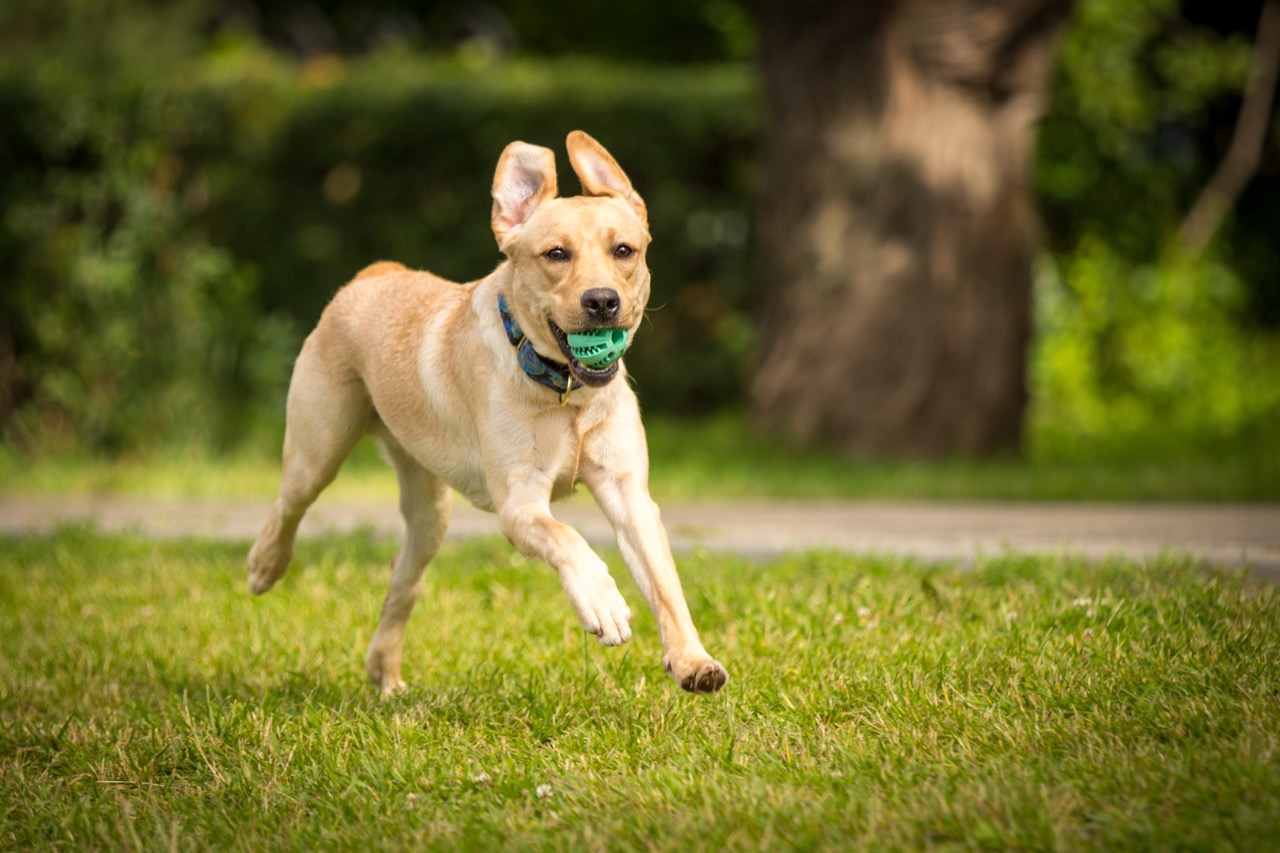
Movement and body shape offer practical clues. Labradors are built for retrieving, especially from water, so they tend to look powerful through the hindquarters with strong thighs. Their feet are compact and often described as cat-like, which helps with efficient movement. Many Labs love water, and their history explains why. The breed’s roots trace back to working dogs from Newfoundland that assisted fishermen, later refined in Britain into the Labrador Retriever we know today.
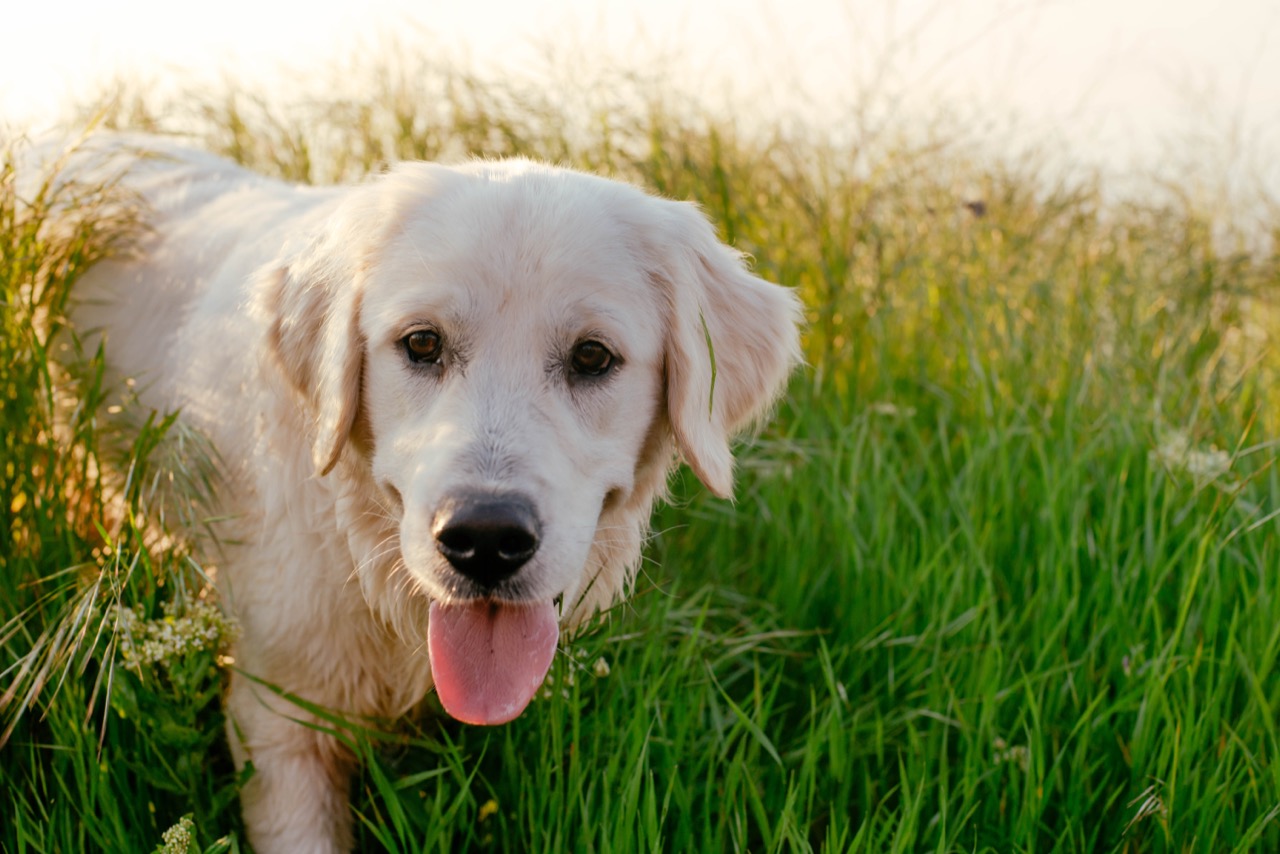
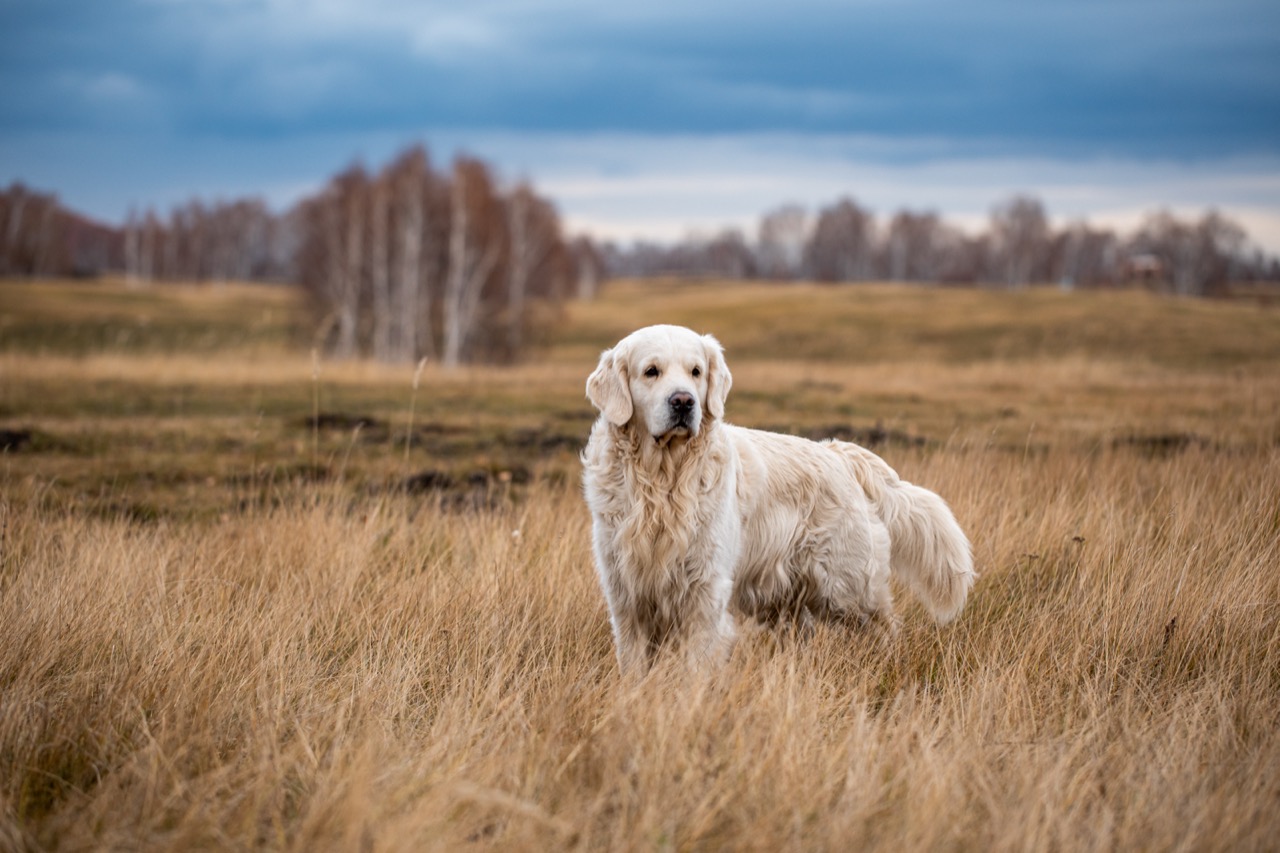
Common mix-ups include the Golden Retriever, which has longer feathered fur and a more flowing silhouette. Flat-Coated Retrievers can look Lab-like from a distance but usually have a longer, sleeker coat and a narrower head. Some people confuse Labs with certain bully mixes because of the broad chest and friendly face, but the Lab’s tail shape, coat texture, and overall balance usually give it away.
Temperament can help confirm your guess. Labradors are famously social, people-oriented, and food-motivated, often greeting strangers like future friends. They are also energetic and mouthy when young, since retrieving instincts make them want to carry things. If the dog seems eager to engage, quick to learn, and delighted by a tossed ball, you may be looking at a Lab or a close cousin. Put together the otter tail, dense coat, sturdy build, and warm expression, and you’ll start spotting Labrador Retrievers with far more confidence.