Spark, Fluff, Repeat Pomeranian Breakthroughs Quiz
Quiz Complete!
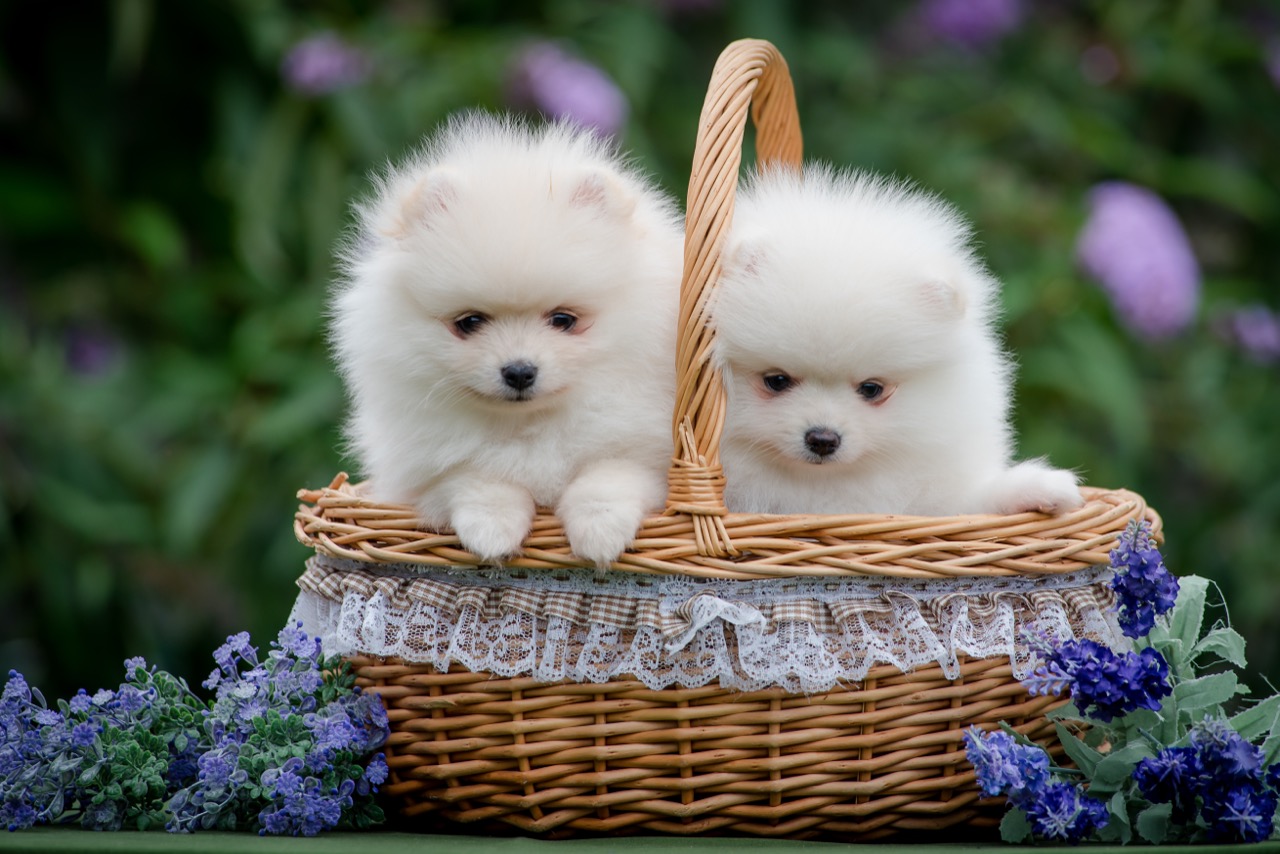
Spark, Fluff, Repeat: The Breakthrough Story Behind the Pomeranian
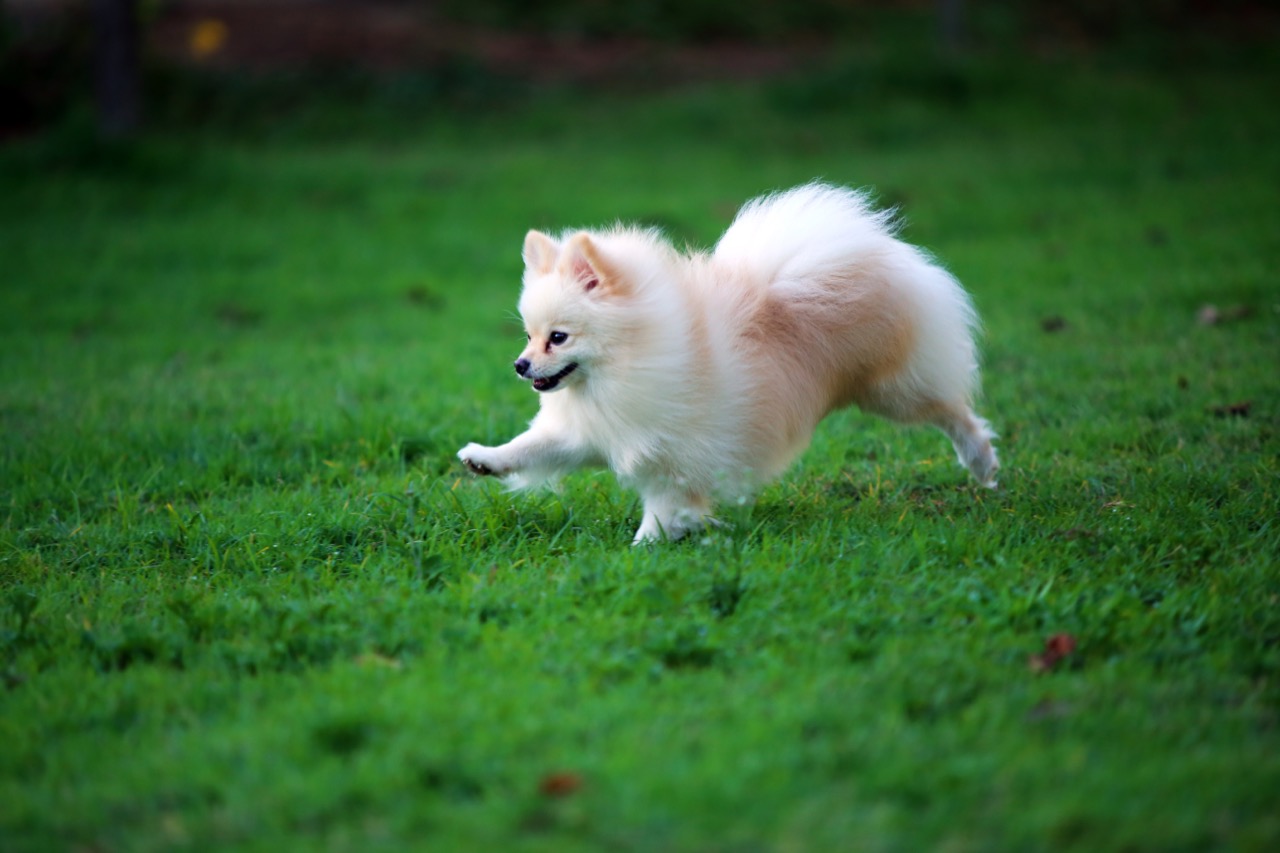
The Pomeranian may look like a living pompom, but its story begins with much bigger dogs. The breed belongs to the Spitz family, a group known for foxlike faces, pricked ears, and thick double coats built for cold climates. Early Spitz-type dogs in Northern Europe were often sturdy working animals used for herding and guarding. The name Pomeranian points to the Pomerania region along the Baltic Sea, where smallish Spitz dogs were kept, though the ancestors behind today’s Poms were still far larger than the toy companions we recognize.
One of the biggest turning points was fashion, specifically royal fashion. In the 1700s and early 1800s, Pomeranians in Britain could weigh well over 20 pounds. Then Queen Victoria fell in love with smaller examples after seeing them abroad, and her influence made petite Poms the must-have size. Breeders responded quickly, selecting for reduced stature while trying to preserve the bold temperament and the signature coat. This was not just a celebrity trend; it shaped the breed’s long-term standard and pushed the Pomeranian firmly into the toy category.
Dog shows and kennel clubs helped lock in those choices. As organized breeding grew in the late 19th century, standards described ideal size, coat, and expression, giving breeders a shared target. Early shows also popularized certain looks, and winning dogs became influential parents. That era produced a feedback loop: public demand favored the smallest, fluffiest dogs, and breeders refined type with careful selection. Modern Poms still carry that history in their compact build and confident, often comically fearless attitude.
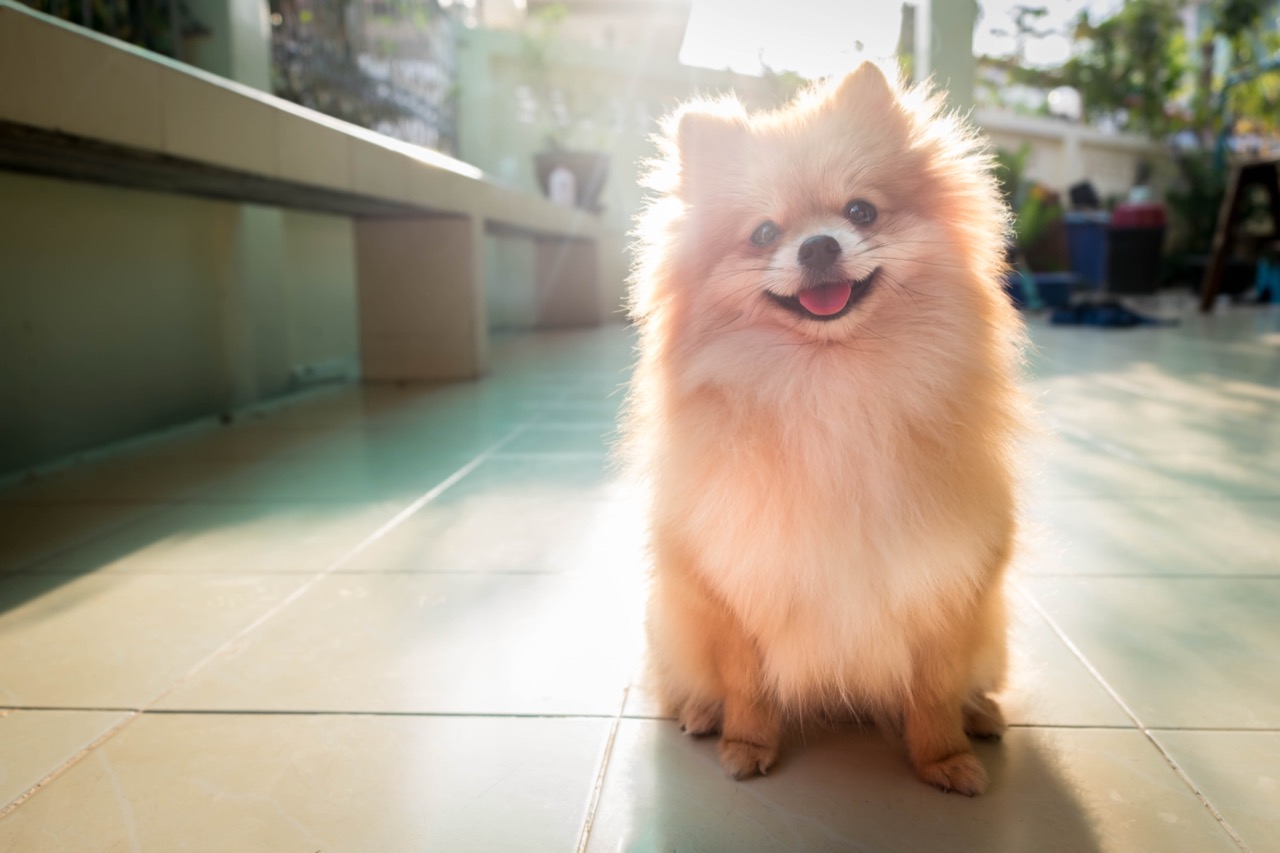
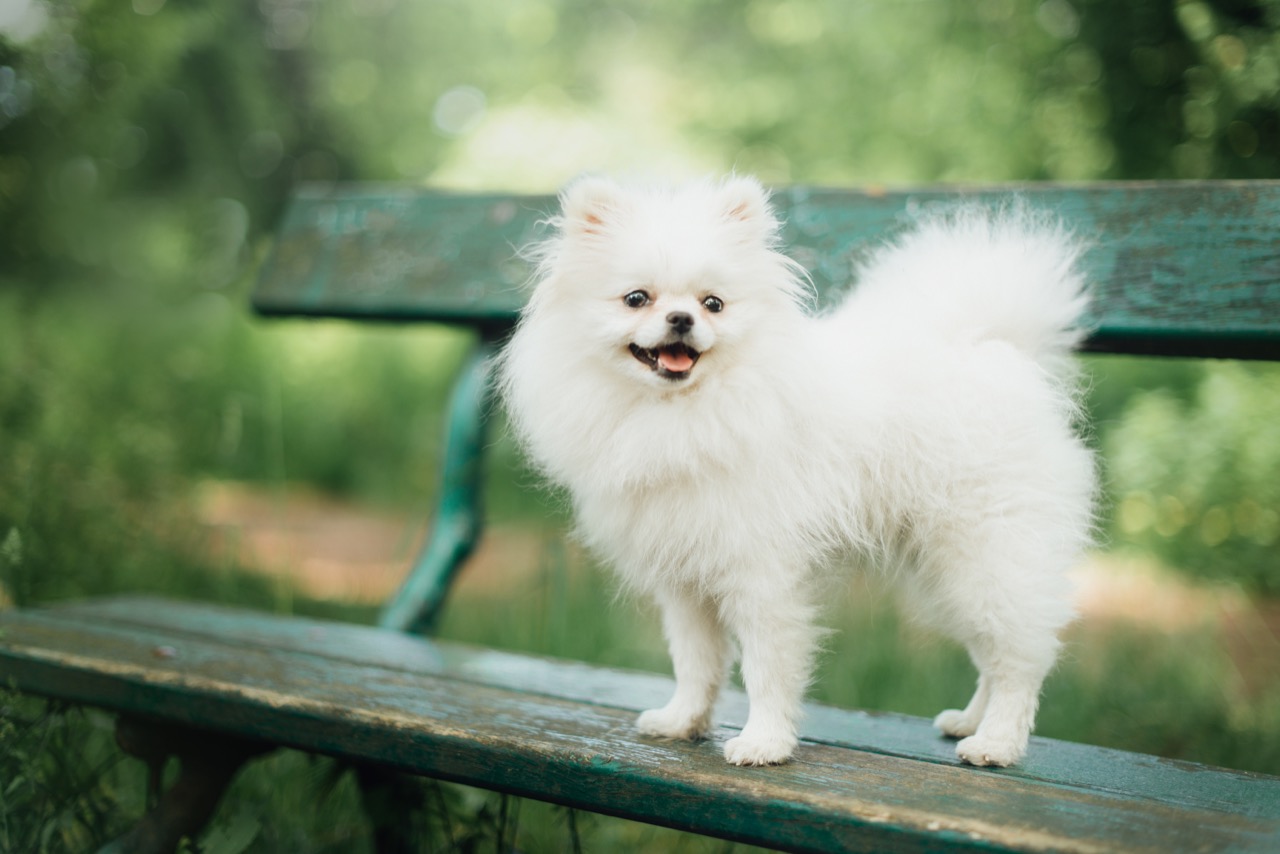
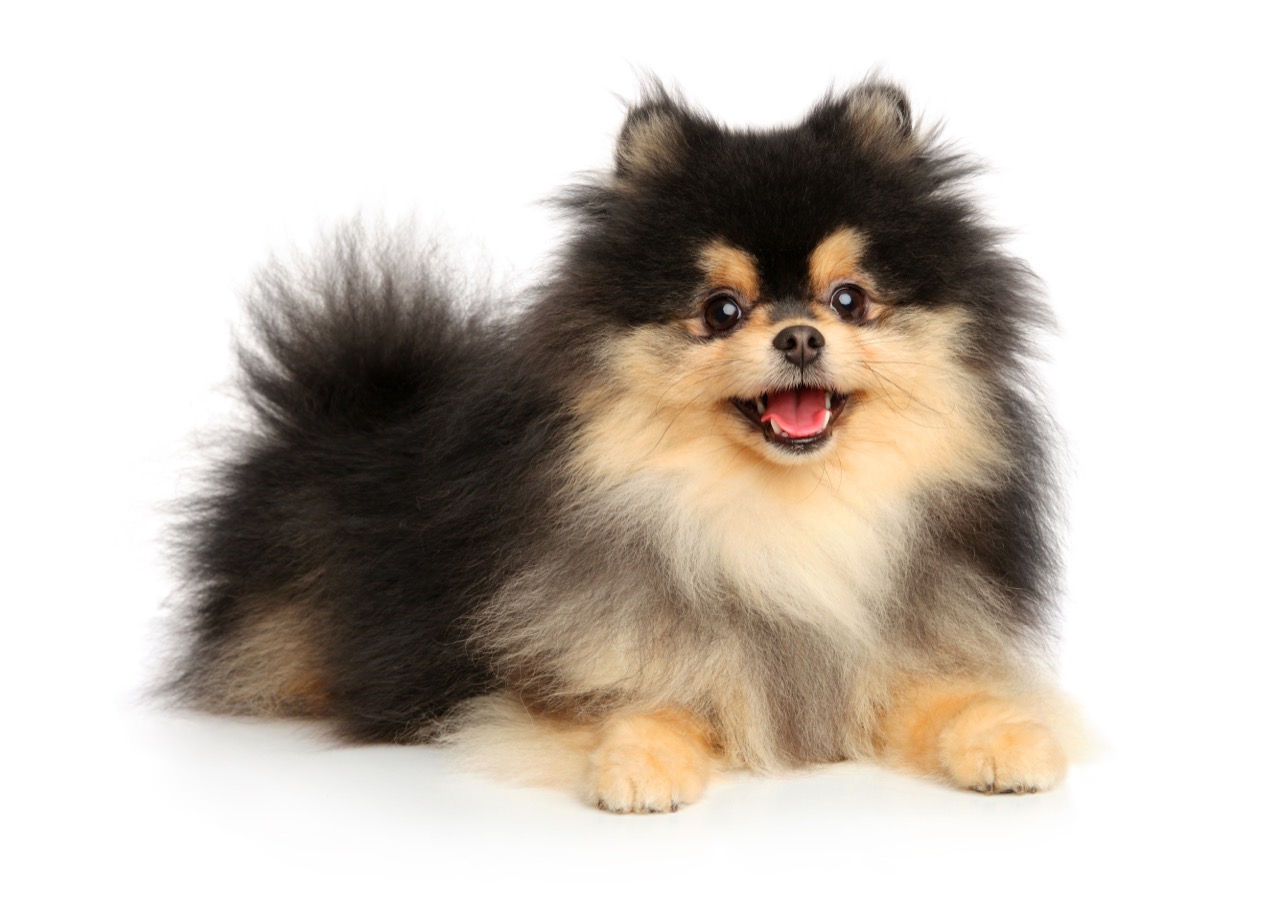
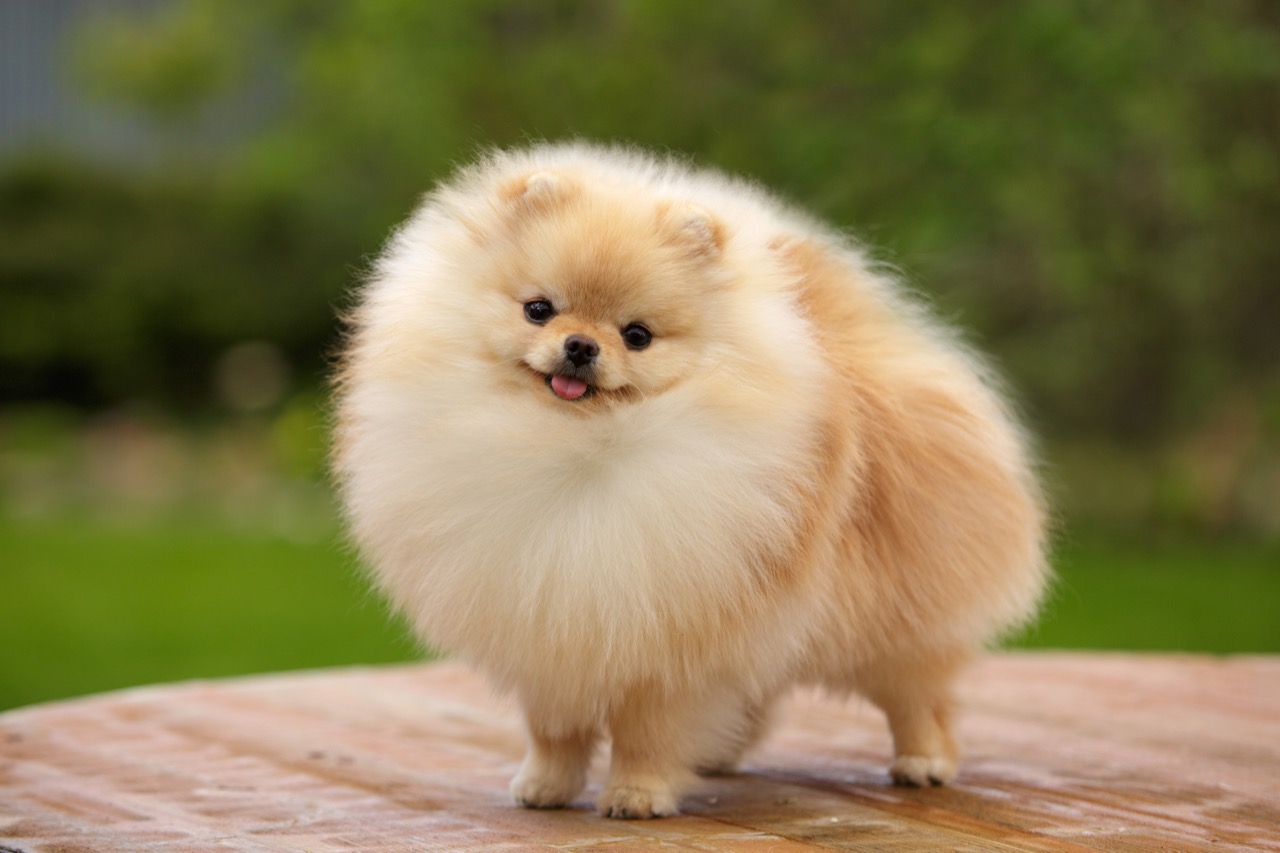
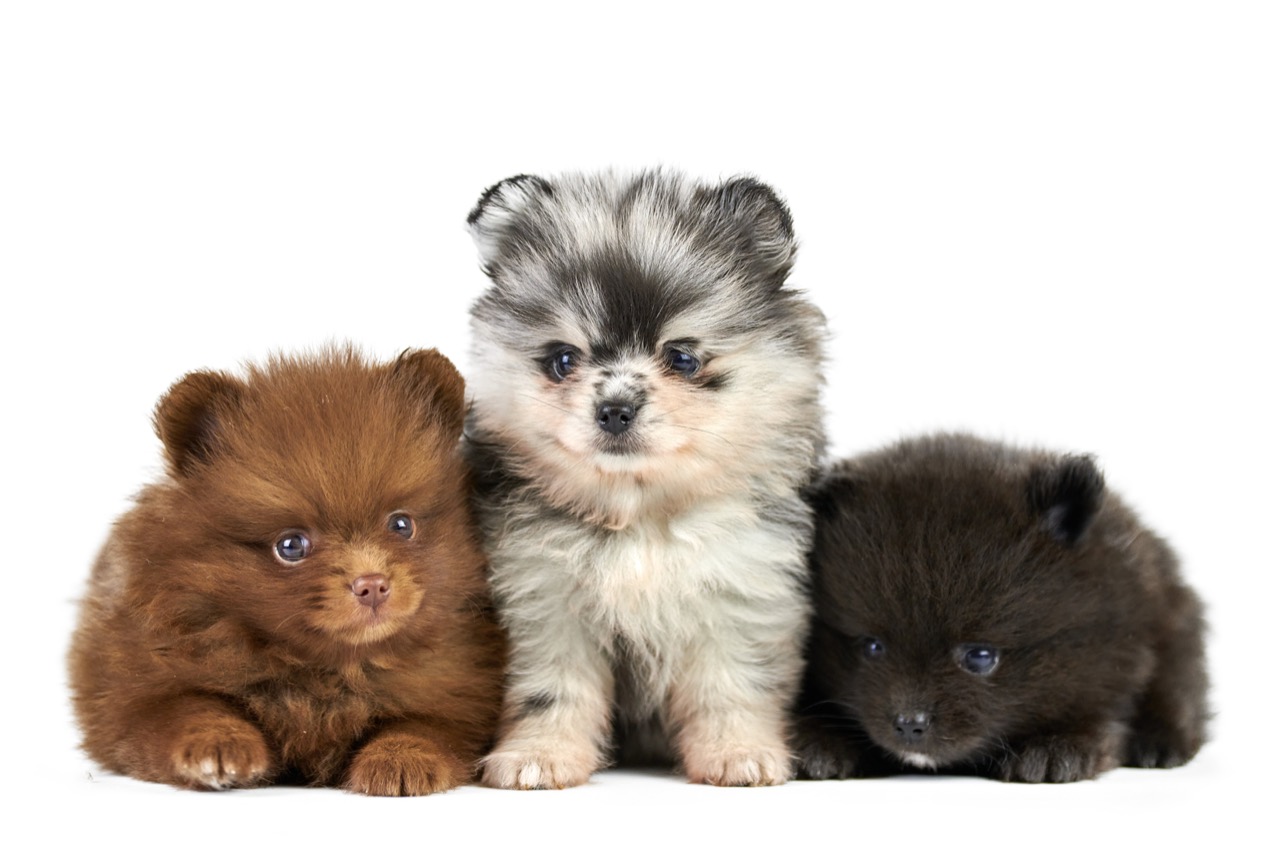
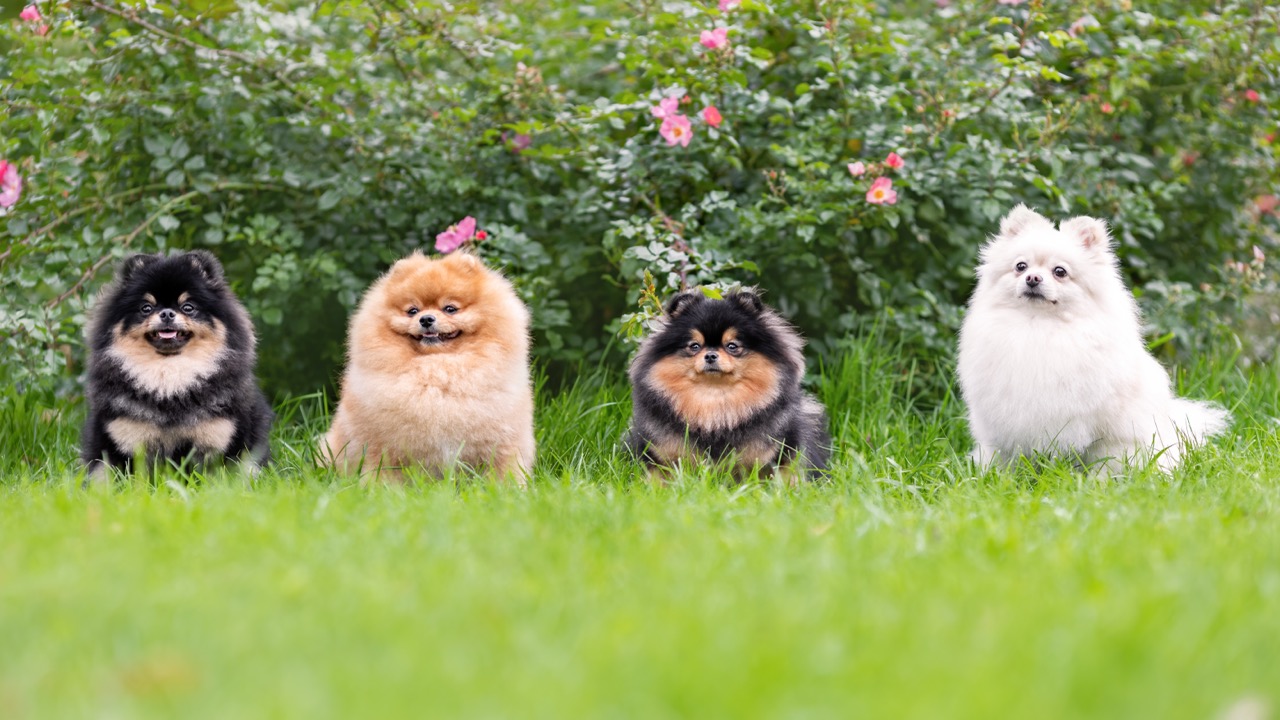
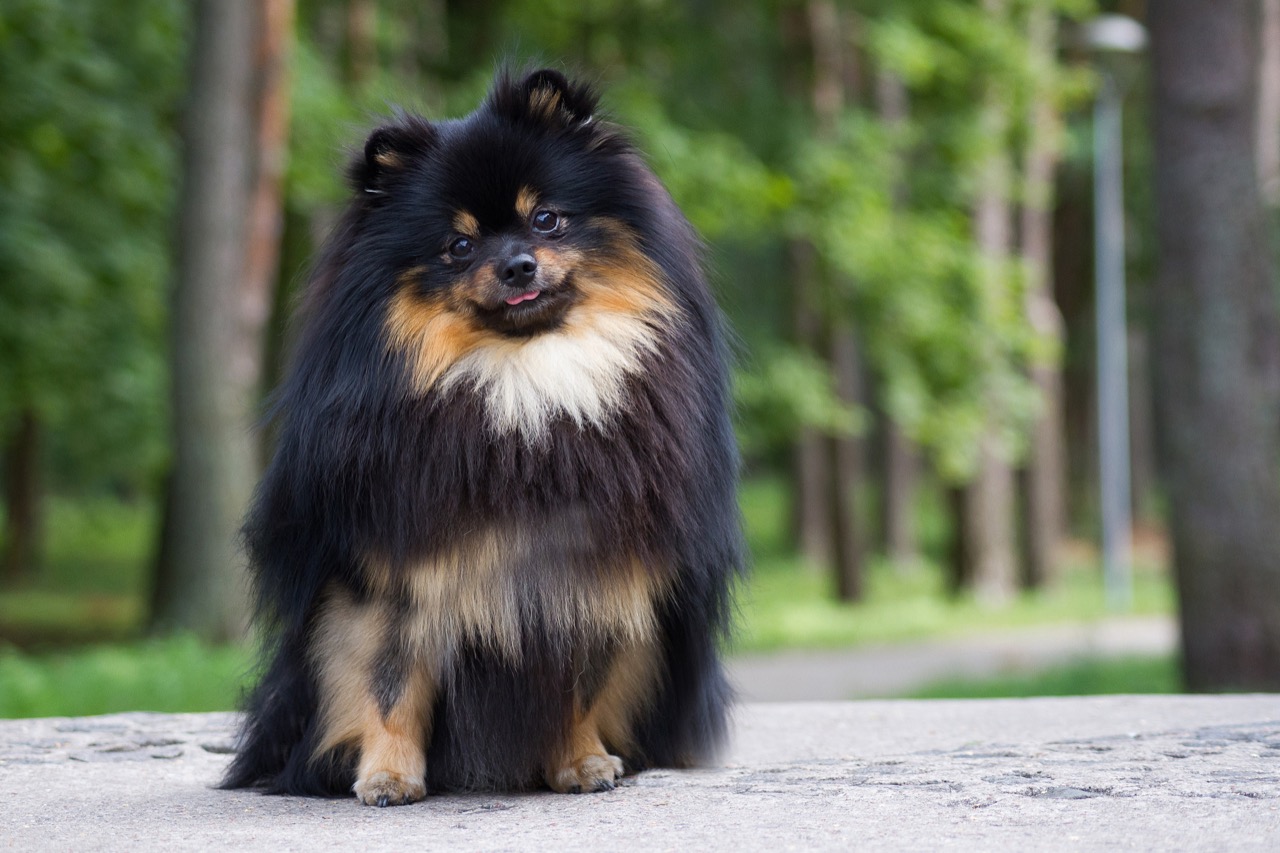
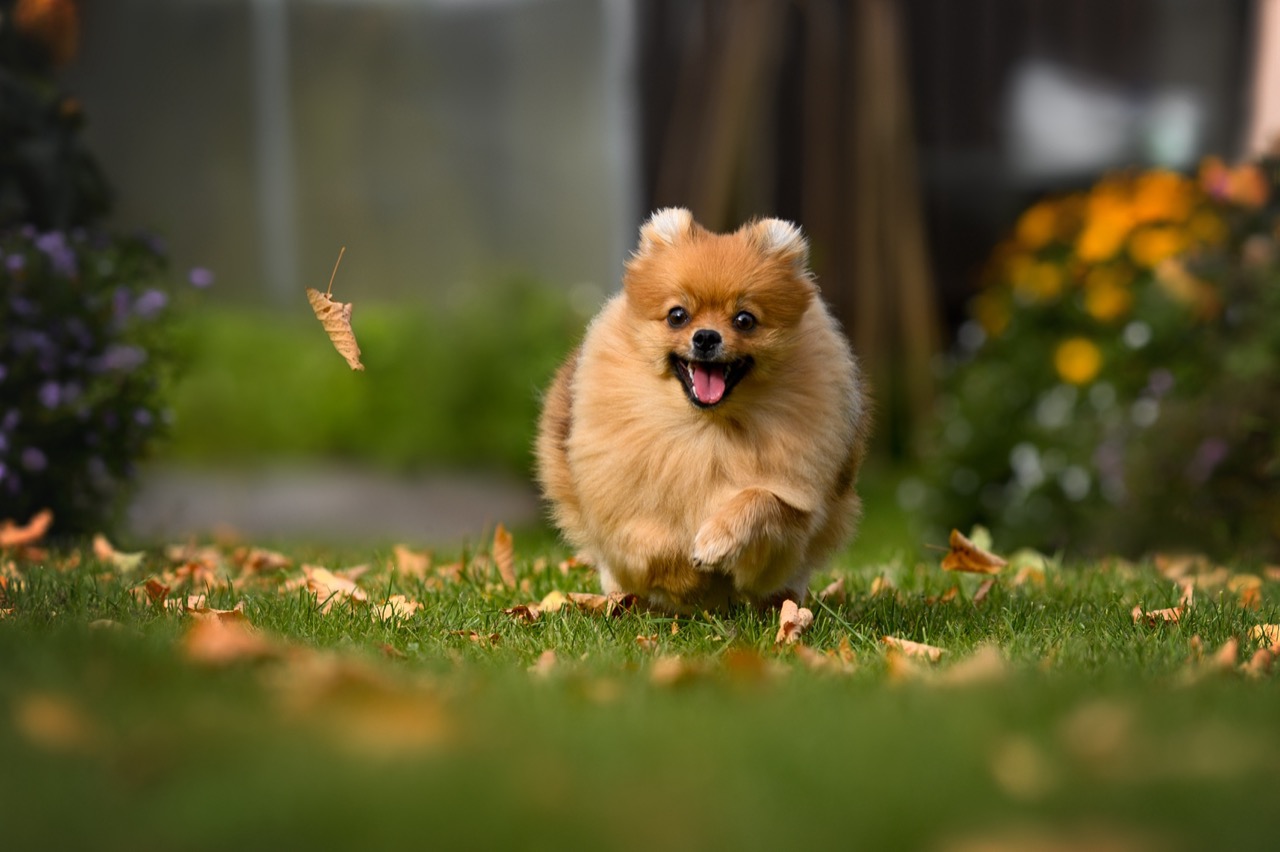
Coat and color are a whole field of breakthroughs on their own. The Pomeranian’s double coat has a soft insulating undercoat and a longer outer coat that stands off the body, creating the breed’s famous halo of fluff. Genetics explains why colors vary so widely, from orange and cream to black, chocolate, and particolor patterns. Some shades are more complex than they appear, involving interactions among genes that control pigment type and distribution. This is why two dogs that look similar can produce surprising puppies, and why responsible breeders track pedigrees and color outcomes instead of relying on myths or guesswork.
Grooming innovations have also changed Pom life. The coat is designed to shed and regrow, but it can mat if neglected. Tools such as slicker brushes, combs that reach the undercoat, and high-velocity dryers used by professional groomers help remove loose undercoat safely and keep the skin healthy. A major science-backed point is that shaving a double-coated dog can damage coat regrowth and reduce natural temperature regulation. Instead, routine brushing, sanitary trims, and careful bathing are the practical advances that keep a Pom comfortable without compromising its coat.
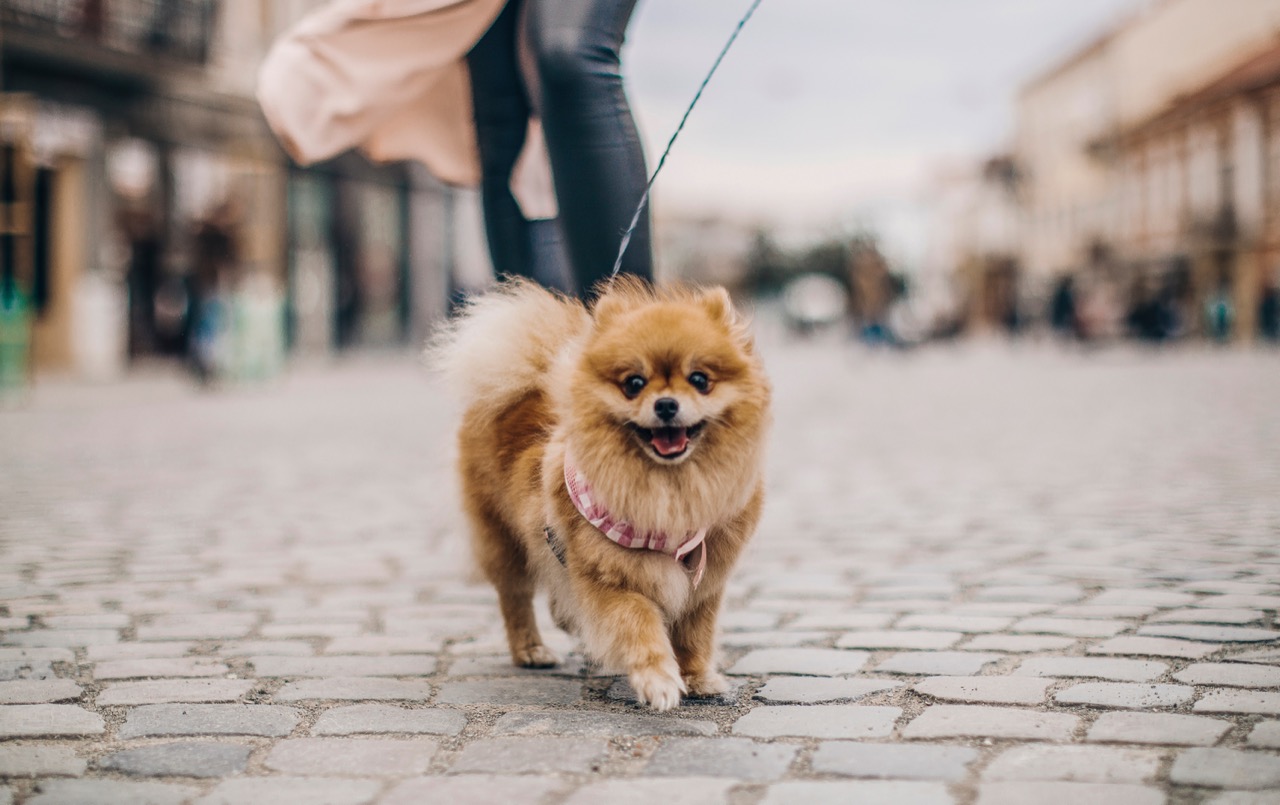
Health knowledge has advanced too, separating cute internet lore from veterinary reality. Tiny size brings specific risks: dental crowding can lead to gum disease, so tooth brushing and regular cleanings matter. Luxating patellas, where the kneecap slips out of place, are common in small breeds and benefit from weight management and appropriate exercise. Tracheal collapse can cause a honking cough, which is one reason many vets recommend a harness instead of a collar for leash walks. Another important topic is alopecia X, a coat-loss condition seen in some Pomeranians; it is not simply a grooming mistake, and management varies from case to case.
Even safety has its own set of Pom-specific breakthroughs. Their small bodies make them vulnerable to falls, overheating, and rough handling, so modern owners use ramps, secure carriers, and controlled play with larger dogs. Add it all up and the Pomeranian’s journey looks like a series of clever adaptations: a big-dog heritage miniaturized by selective breeding, refined by show culture, and supported by better genetics, grooming practices, and veterinary care. The result is a compact companion with a surprisingly deep history and an outsized personality to match.