Spaniel Spotlights From Royals to Reel Life







Quiz Complete!
Spaniel Spotlights From Royals to Reel Life

Spaniels are easy to recognize by their soft, feathered ears and alert, friendly expressions, but their real charm is how often they turn up in human history. The word spaniel is commonly linked to Spain, and while the exact origins are debated, the type became well established across Europe as practical hunting companions. Early spaniels were valued for working close to the hunter, pushing game birds from cover and retrieving them from land or water. Over time, people selectively bred different sizes and styles for specific tasks, and eventually for companionship, which is how spaniels ended up not only in the field but also in palaces, paintings, and popular stories.
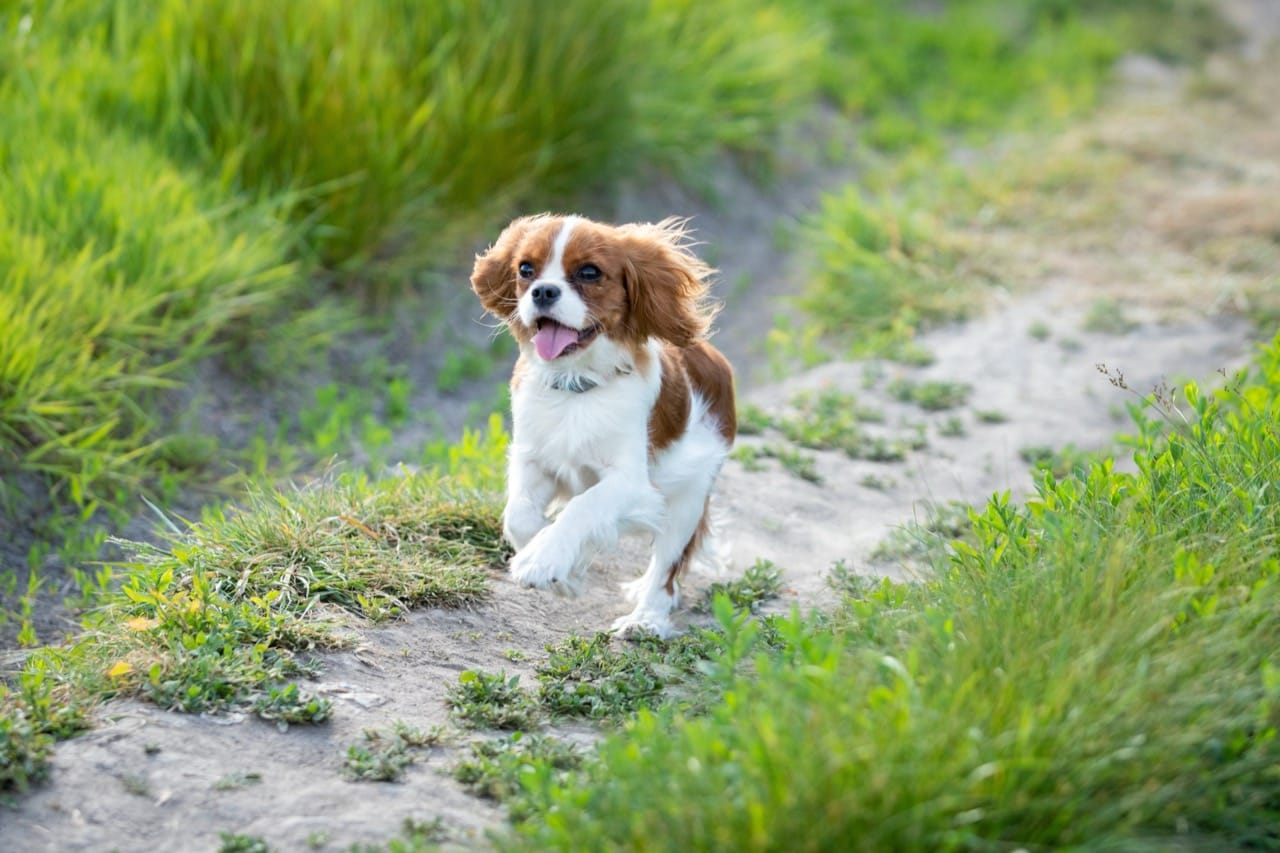
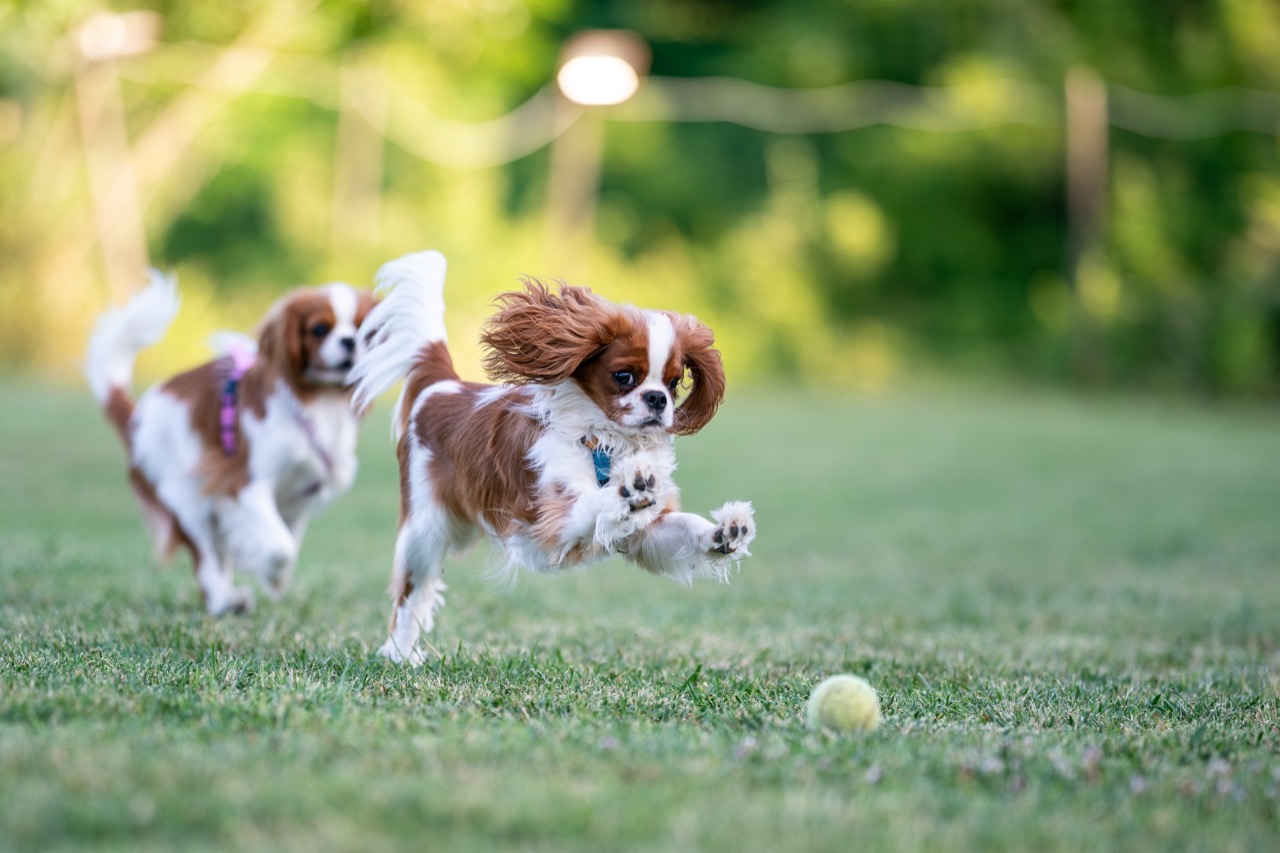
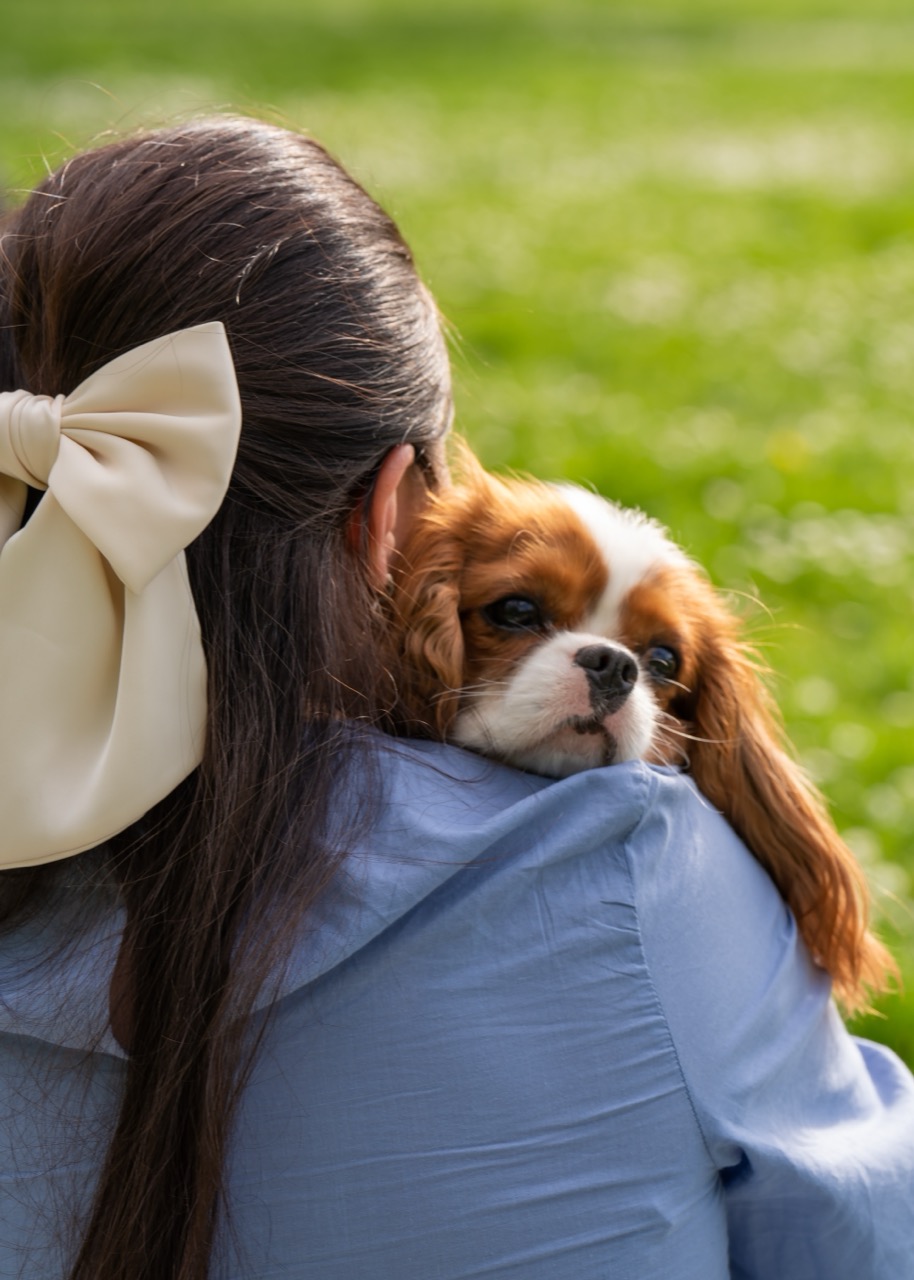
Few dogs are as closely tied to royalty as the toy spaniels of Britain. The small, round eyed, short nosed dogs seen in portraits of the Stuart era are often associated with King Charles II, who was famously devoted to them. That association helped cement the name King Charles Spaniel, a distinct breed that later developed an even flatter face and domed skull. The Cavalier King Charles Spaniel, despite the similar name, is a separate breed created much later by breeders who wanted to recreate the older, longer muzzled look seen in earlier paintings. Even experienced dog lovers sometimes mix up which is which, but the key difference is that the Cavalier has a slightly larger build and a longer muzzle, while the King Charles is more compact with a shorter face.
Art has preserved spaniels as symbols of affection, loyalty, and status. In European portraiture, a small spaniel at a noblewoman’s feet could signal refinement and domestic warmth, while hunting scenes might show larger spaniels in action. These images are not just decorative; they offer clues about how dogs lived alongside people, which traits were prized, and how breeds shifted from working roles to fashionable companions.
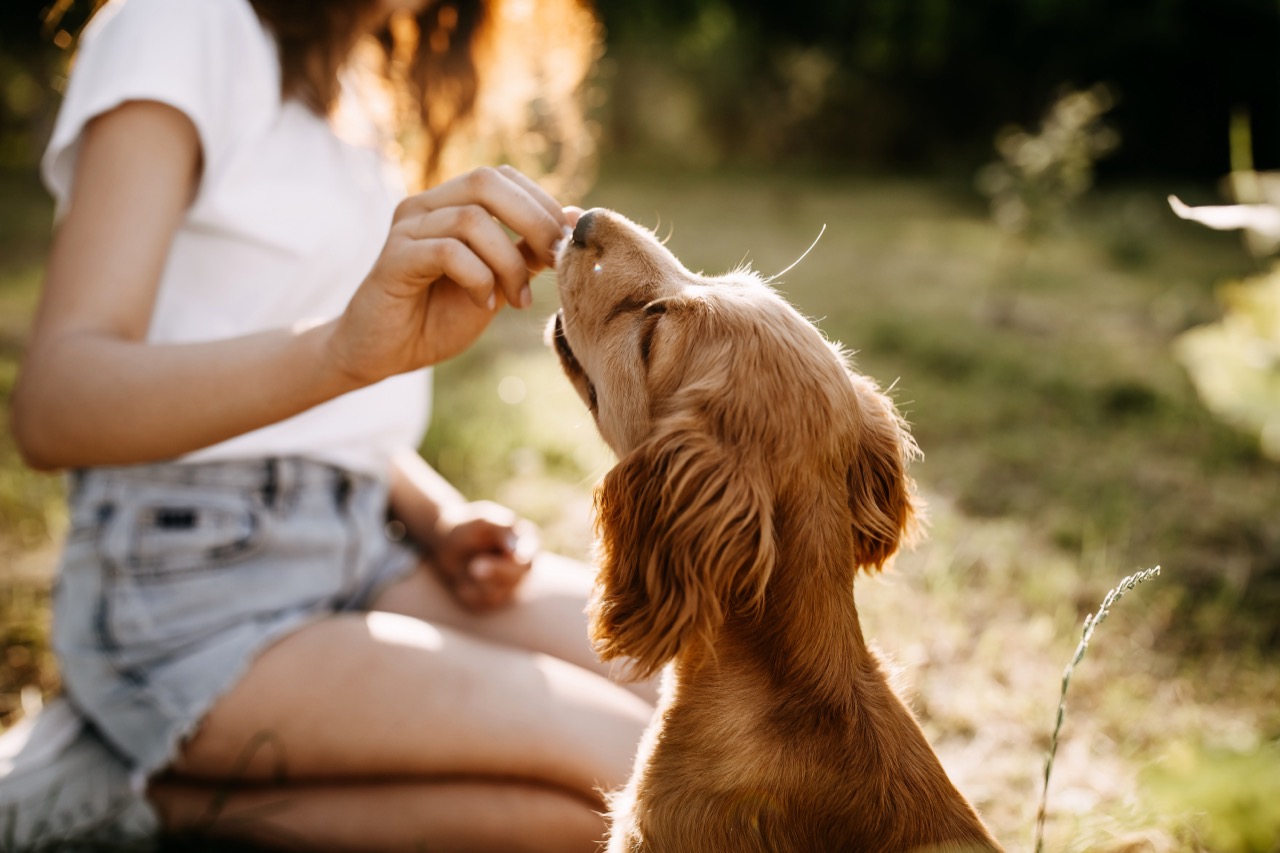
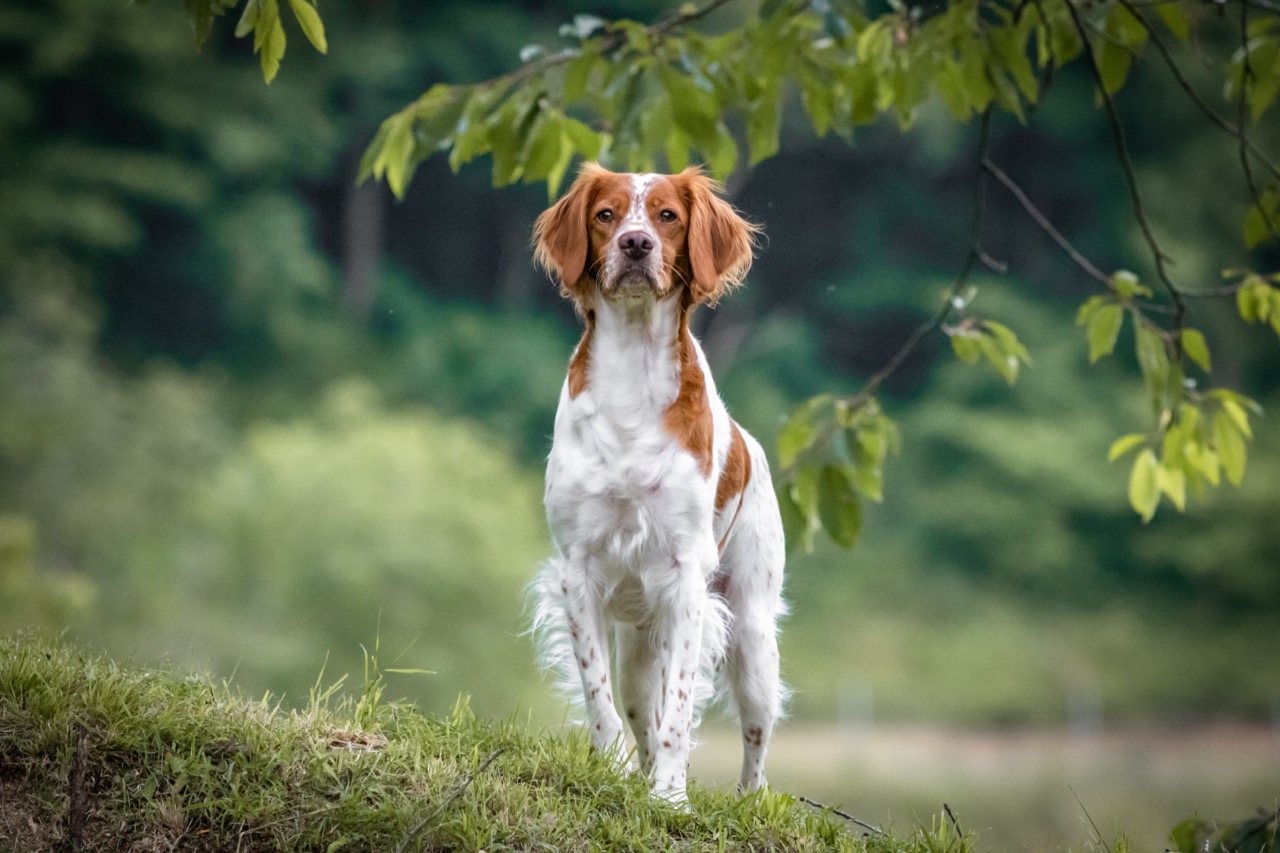
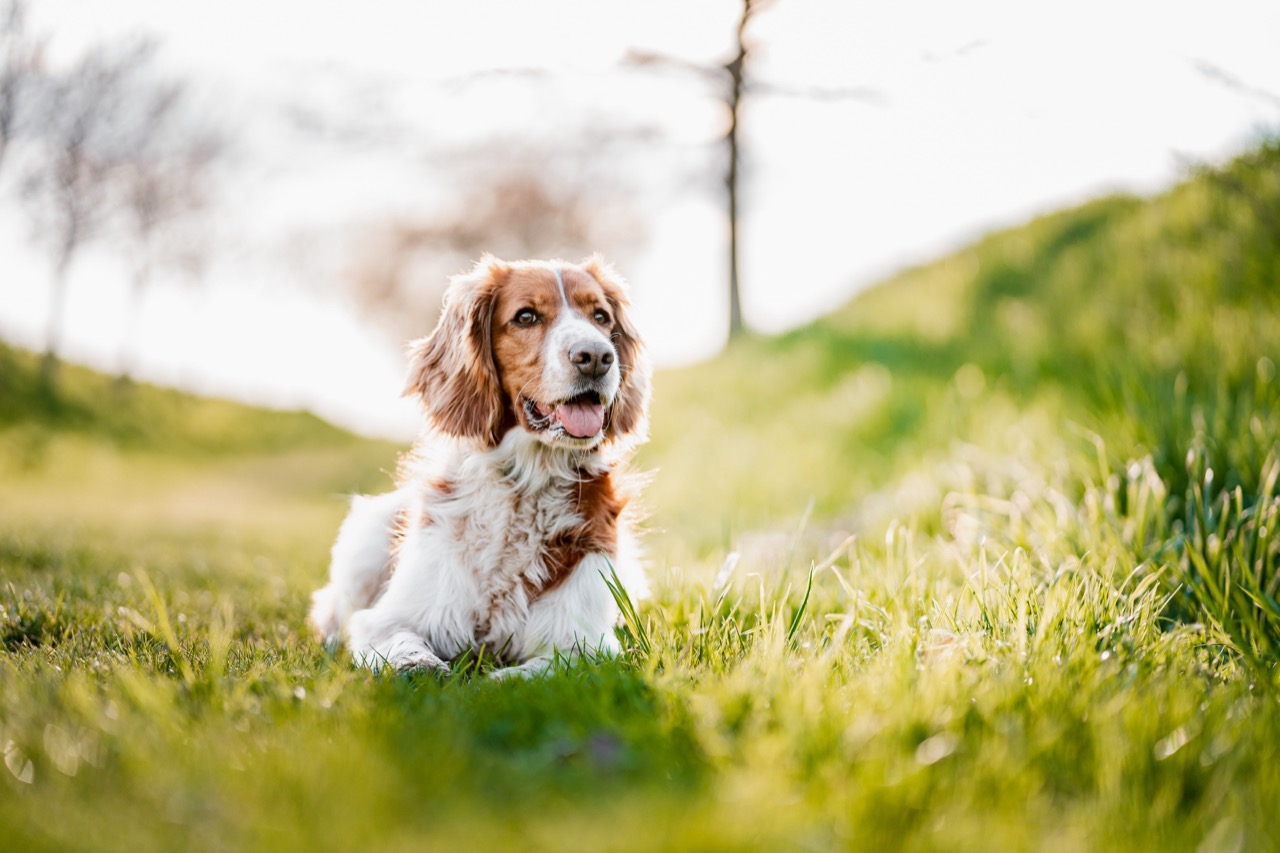
Not all spaniels became lapdogs. The English Springer Spaniel and the Welsh Springer Spaniel remained closely tied to flushing game, with the term springer reflecting their job of springing birds from cover. Cocker Spaniels were originally associated with woodcock hunting, and the name stuck even as the breed became a household favorite. Field bred and show bred lines can look surprisingly different today, with working dogs often leaner and more driven, while show dogs may have heavier coats and a more stylized outline.
Across the Atlantic, the American Cocker Spaniel developed its own identity, typically with a shorter muzzle and a more profuse coat than its English cousin. In Ireland, the Irish Water Spaniel stands out with its tight curls and distinctive topknot, bred for retrieving in cold water. In the Netherlands, the Kooikerhondje is a small spaniel type historically used to lure ducks into traps, a clever job that relied on a lively temperament and a waving tail. These examples show how spaniels are less a single look than a family of dogs shaped by local needs.
Spaniels also thrive in stories and on screen because they read as expressive and approachable. One of the most famous fictional spaniels is Lady from the animated film Lady and the Tramp, modeled as a Cocker Spaniel and helping to cement the breed’s reputation as gentle and family friendly. From classic novels to modern advertisements, spaniels often represent warmth, devotion, and a touch of elegance, even when their real heritage is muddy boots and hard work.
What ties all these spaniel spotlights together is versatility. Whether perched beside a monarch, painted into a family portrait, or racing through tall grass on a hunt, spaniels have adapted to human life with enthusiasm. Knowing a bit about their original jobs and the history behind their names makes it easier to appreciate why they look the way they do, and why they keep turning up wherever people tell stories about companionship, status, and adventure.