Spaniel Secrets and Strange Little Truths


Quiz Complete!
Spaniel Secrets and Strange Little Truths
Spaniels have a reputation for gentle faces and elegant coats, but behind those soft eyes is a long history shaped by practical work and some surprisingly specific quirks. The word spaniel is often linked to Spain in old sporting texts, yet many of the spaniel types people know today were refined in Britain for particular hunting jobs. For centuries, hunters wanted dogs that could find game birds in thick cover, flush them into the air, and then either retrieve or keep working close to the gun. That is why many spaniels seem to have an on switch outdoors and a cuddle mode indoors.
One of the most common points of confusion is the word cocker. It is not a random nickname. Cocker Spaniels were prized for hunting woodcock, a bird that hides in dense, damp woodland where a smaller, energetic dog can push through brush without getting stuck. The name stuck, and even though modern Cockers are often companions, that original purpose still shows up in their springy movement and intense interest in scent.
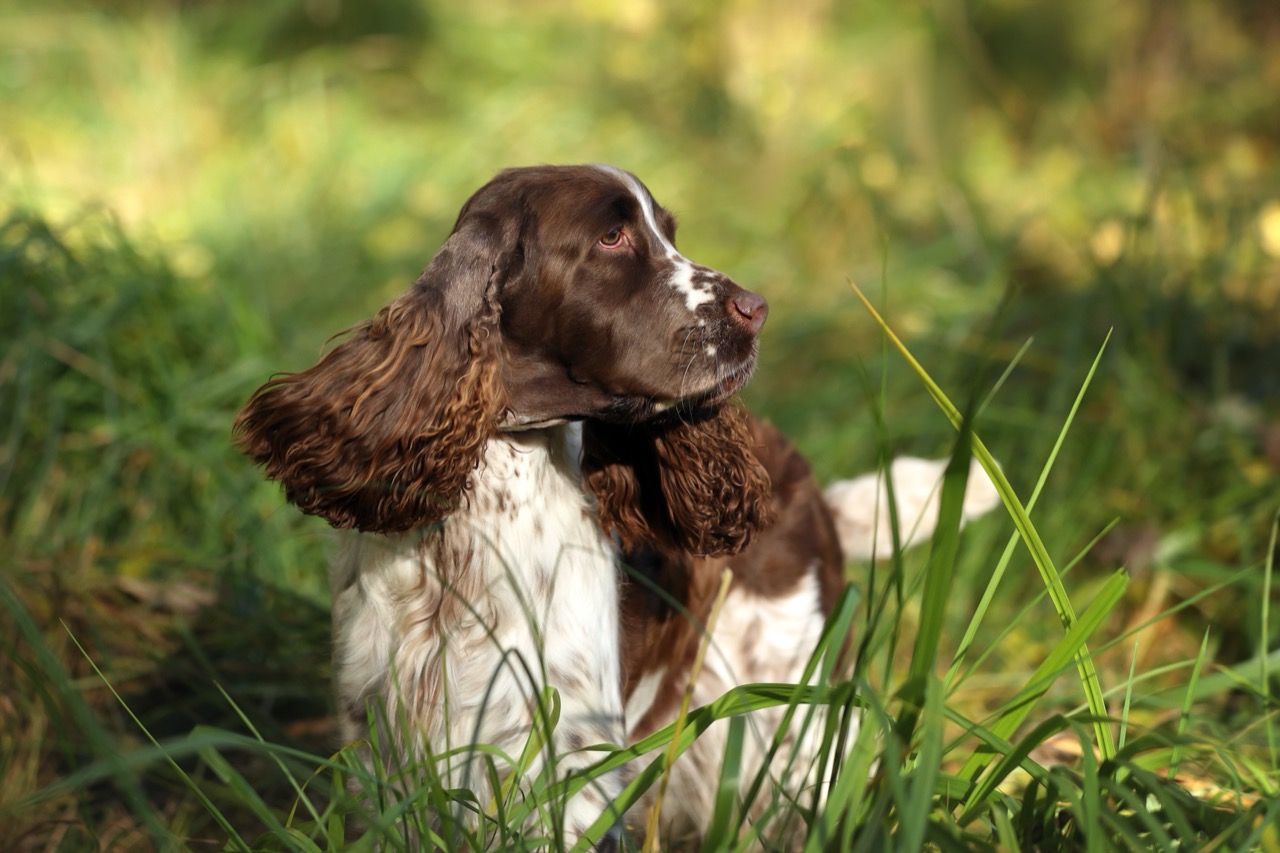
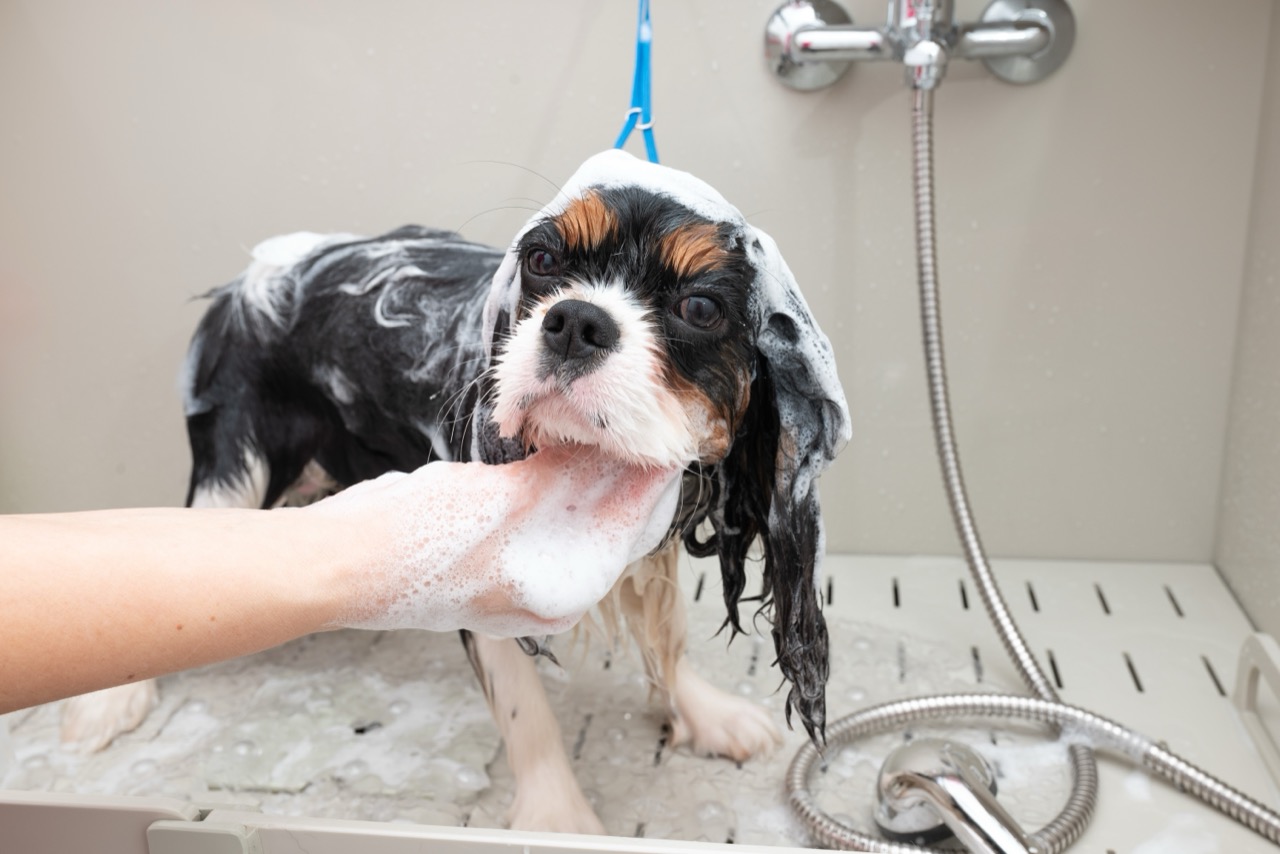
Those long, silky ears are not just decoration. While working, a spaniel’s ears can help funnel scent toward the nose when the dog’s head is down, and they also protect the ear canal from twigs and seeds as the dog pushes through undergrowth. The tradeoff is that floppy ears reduce airflow, which can trap moisture and make ear infections more likely. That is why many spaniel owners learn that ear care is not optional, especially after swimming or wet-weather walks.
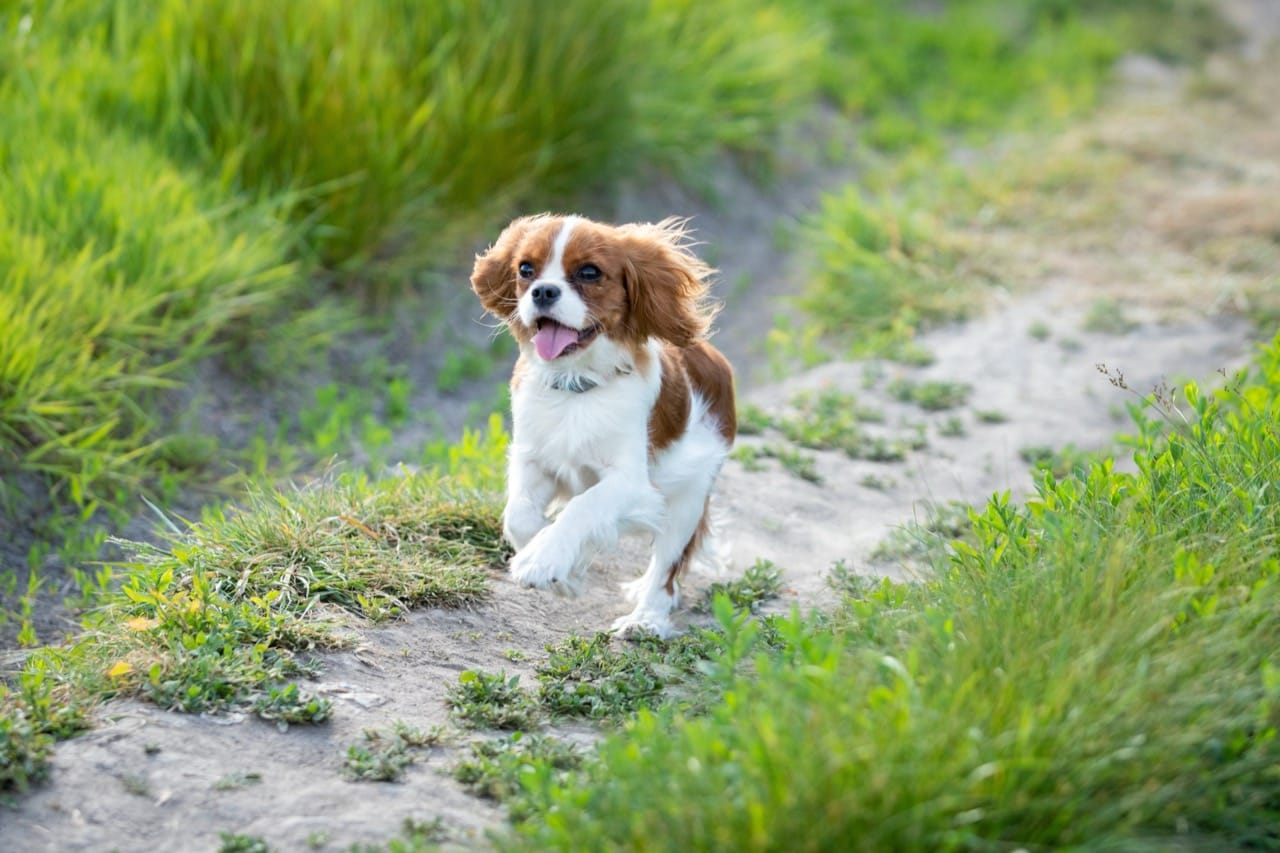
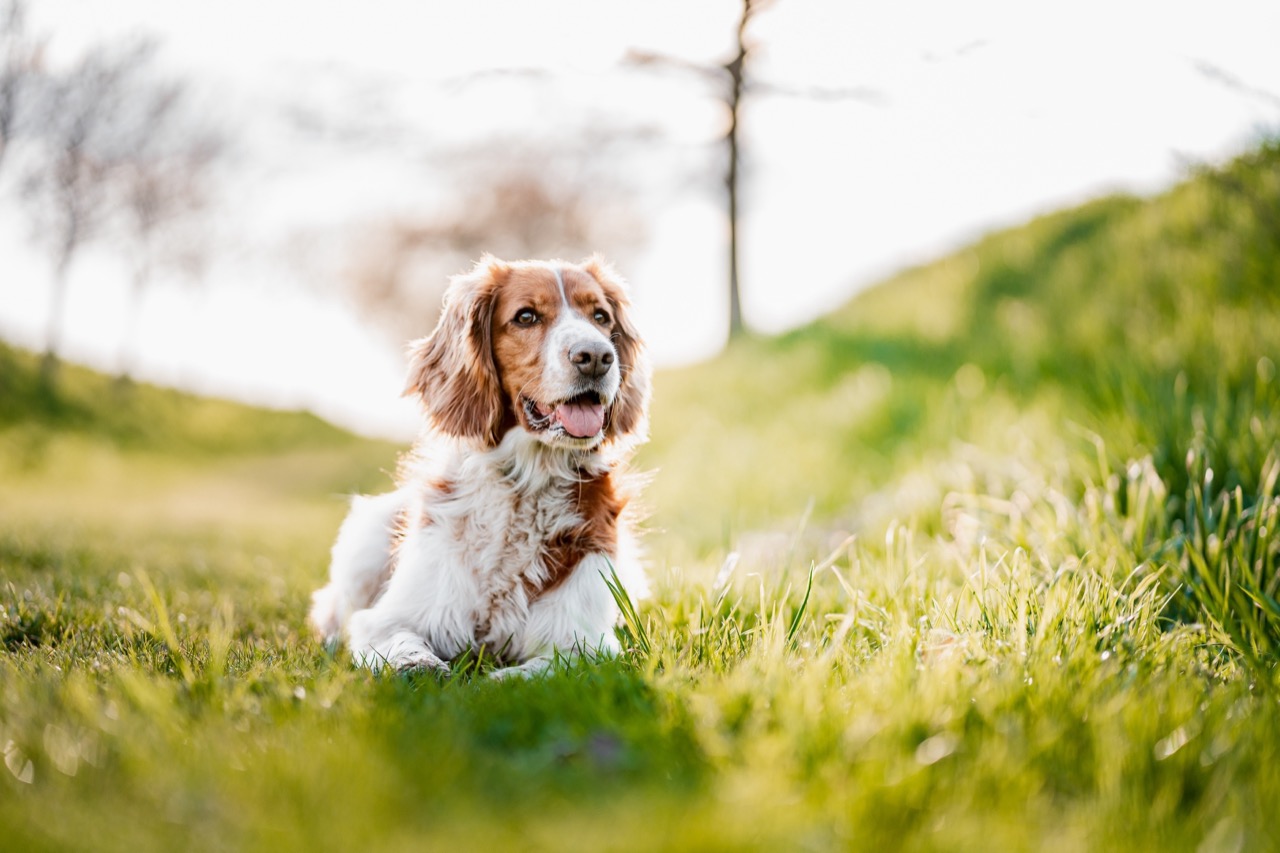
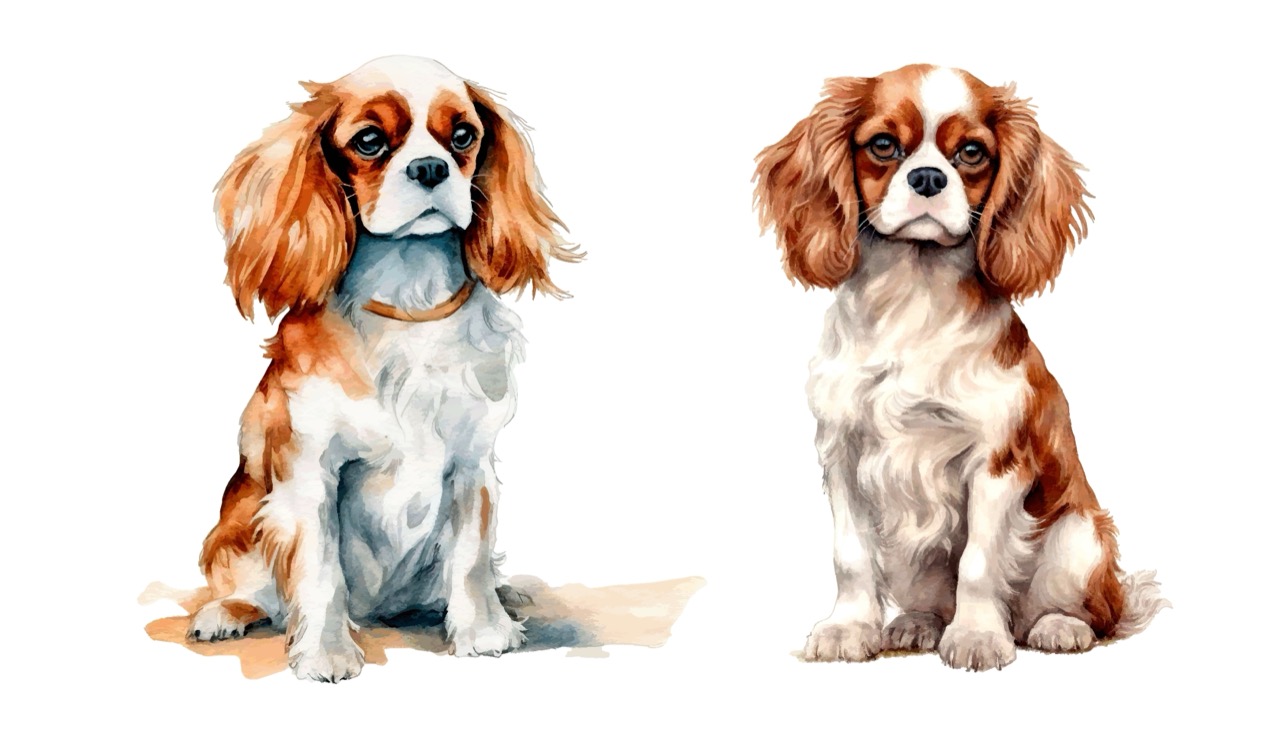
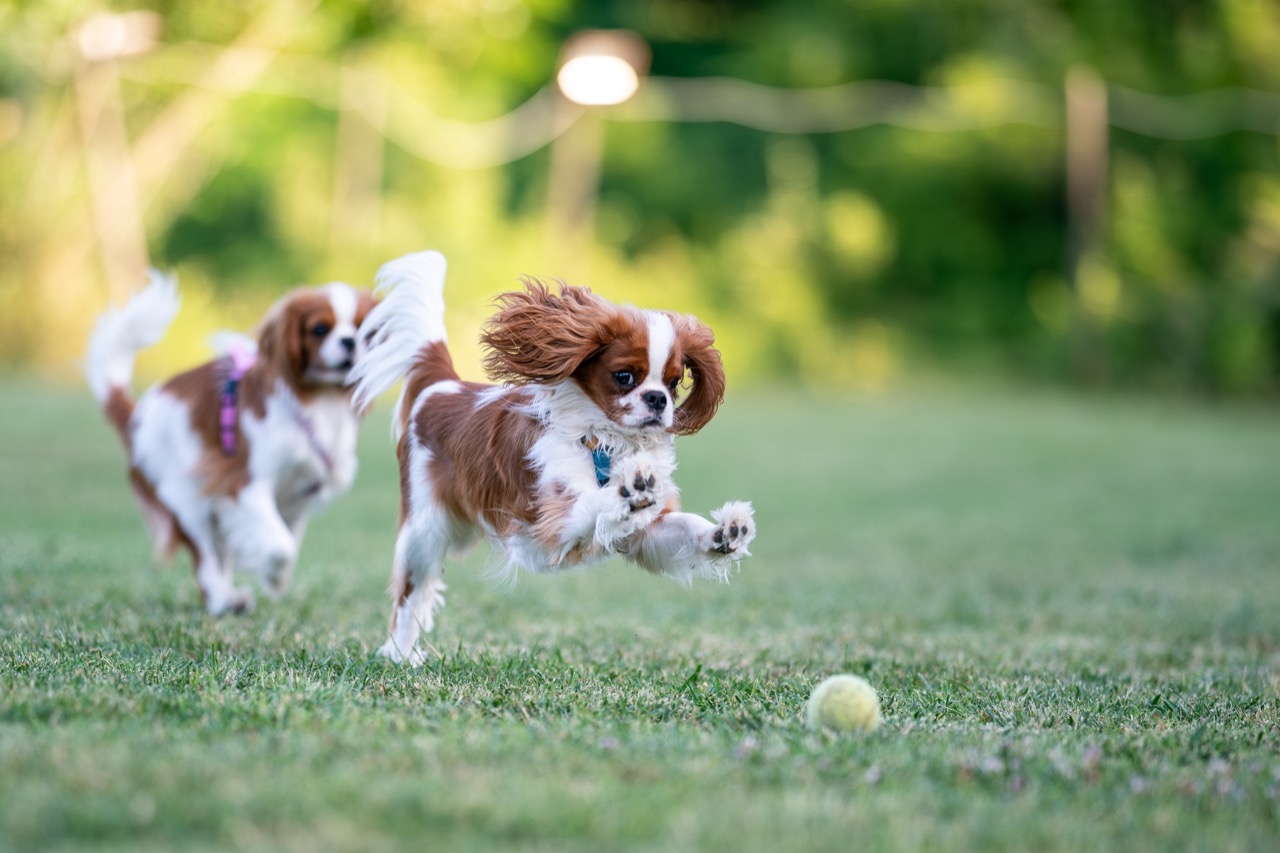
Spaniels are also a study in variety. English Springer Spaniels are built to cover ground and flush birds with a bold, forward style, while English Cocker Spaniels are often more compact and busy in tight cover. Field Spaniels, once overshadowed by more popular relatives, were developed as an all-around gundog and are known for a steady temperament. Sussex Spaniels have a low, heavy build and a distinctive rolling gait, plus a deep bark that historically helped hunters keep track of them in thick brush. Then there are the toy spaniels, bred more for companionship than fieldwork. The Cavalier King Charles Spaniel is famous for its affectionate nature and its connection to British royalty, while the King Charles Spaniel has a shorter muzzle and a more domed head, reflecting different breeding trends over time.
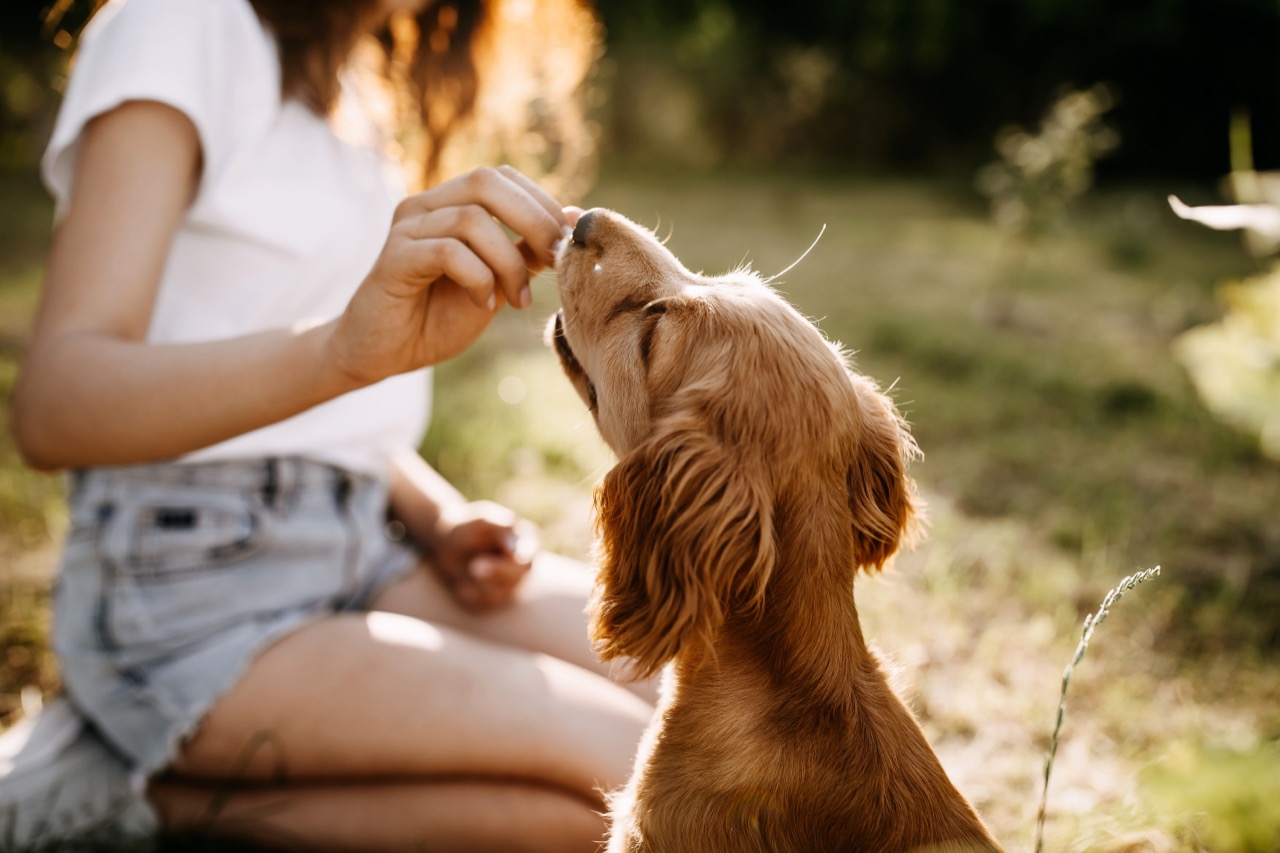
Some spaniel traits can look like strange habits until you realize they are working behaviors in disguise. The classic spaniel wiggle, with the whole back end involved, often appears when the dog is excited and scent-driven. Many also have a natural retrieving instinct, carrying objects gently, which made them useful for bringing back downed birds without damaging feathers. Their love of water is not universal, but many lines were expected to work around marshes and streams, so a spaniel that happily splashes in is often acting on old instincts.
Pop culture has helped cement the spaniel image as sweet and approachable, from famous movie dogs to the enduring popularity of Lady in Lady and the Tramp. Yet the real charm is how much practical design is hidden in a pretty package: a nose built for close-range scent work, a body meant to push through cover, and a temperament that blends eagerness with a desire to stay connected to people. Learning these odd little truths makes it easier to appreciate why spaniels behave the way they do, whether they are flushing birds in a field or following you from room to room at home.