Sleuthing German Shorthaired Pointer Mythology









Quiz Complete!
Sleuthing the Truth About German Shorthaired Pointer Myths
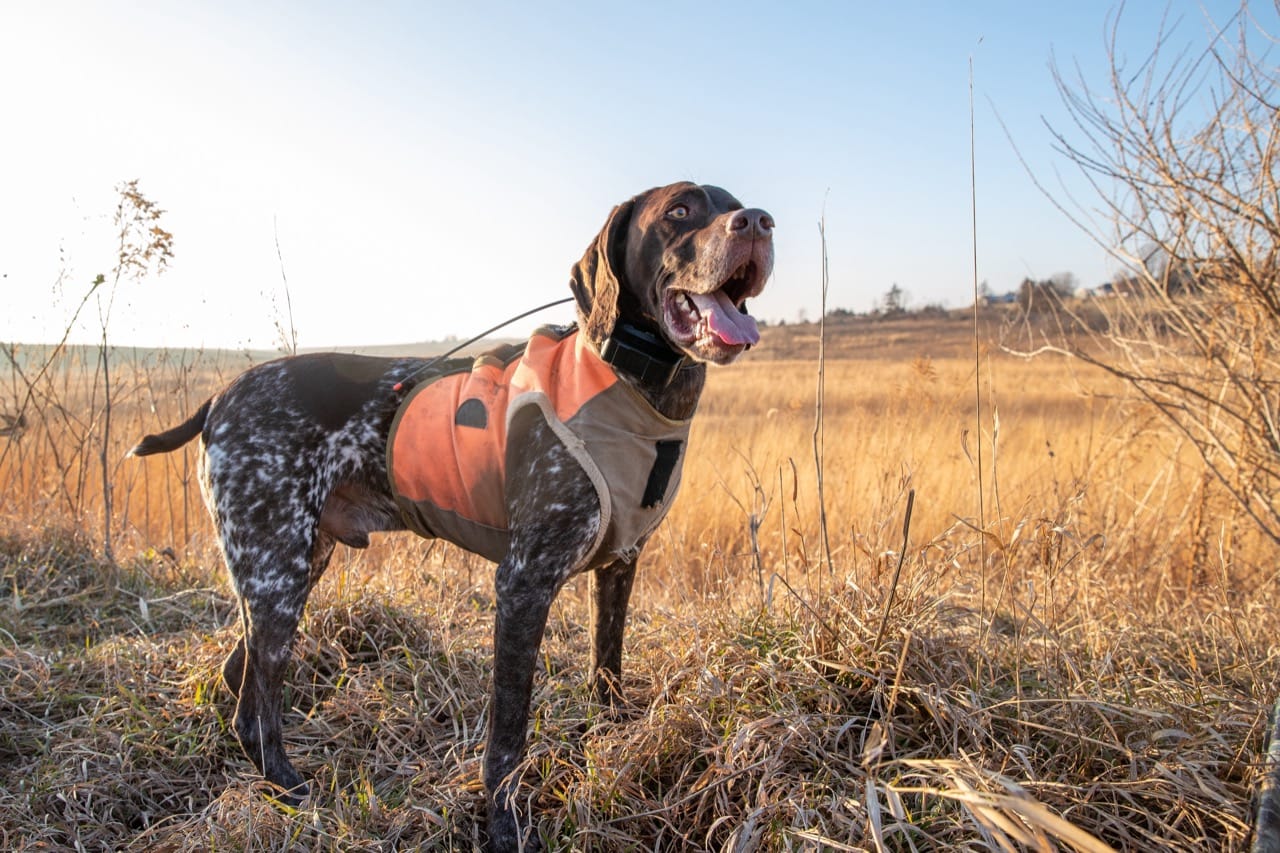
German Shorthaired Pointers inspire big opinions. To some people they are unstoppable rockets that never settle, shed like crazy, and care about nothing except birds. To others they are the perfect do it all dog, equally happy in a duck blind or on the couch. The truth sits in the middle, and understanding it matters because this breed can be a dream companion in the right home and a frustrating mismatch in the wrong one.
The first myth is that a GSP is too wild to live indoors. These dogs were developed to work closely with people, not to be independent kennel dogs. Many are surprisingly affectionate and thrive on being near their family. They often enjoy cuddling, but it may come with an on off switch that must be taught. Without enough daily activity and mental work, that switch never develops and the dog looks restless, clingy, or destructive. With consistent routines, many GSPs become excellent house dogs who can relax after their needs are met.
Another common claim is that they need nonstop exercise all day. They do need more than a casual stroll, but the bigger issue is quality, not just quantity. A hard run is helpful, yet a dog that only runs can become an even better athlete with the same busy brain. Training sessions, scent games, retrieving drills, and structured off leash time in safe areas can tire them in a deeper way. Many adult GSPs do well with one to two hours of purposeful activity plus shorter brain breaks, while adolescents may need more guidance and outlets.
People also assume they are impossible to train because they are too driven. In reality, many GSPs are highly trainable and love working with a handler, but they are sensitive to unfair corrections and bored by repetition. They respond best to clear rules, rewards, and variety. Their hunting heritage means they are quick to notice movement and scent, so distractions are not a sign of stubbornness so much as a sign you need to build skills gradually. Recall training is especially important because a nose can pull them far away faster than you expect.
Prey drive is real, but it is often misunderstood. A strong interest in birds does not automatically mean aggression. It means they may chase, point, or grab moving animals, especially small pets outdoors. Early socialization, management, and training can make them reliable around many household animals, but it is not wise to assume every GSP can live safely with free roaming rabbits, chickens, or cats. The dog in front of you matters more than the stereotype.
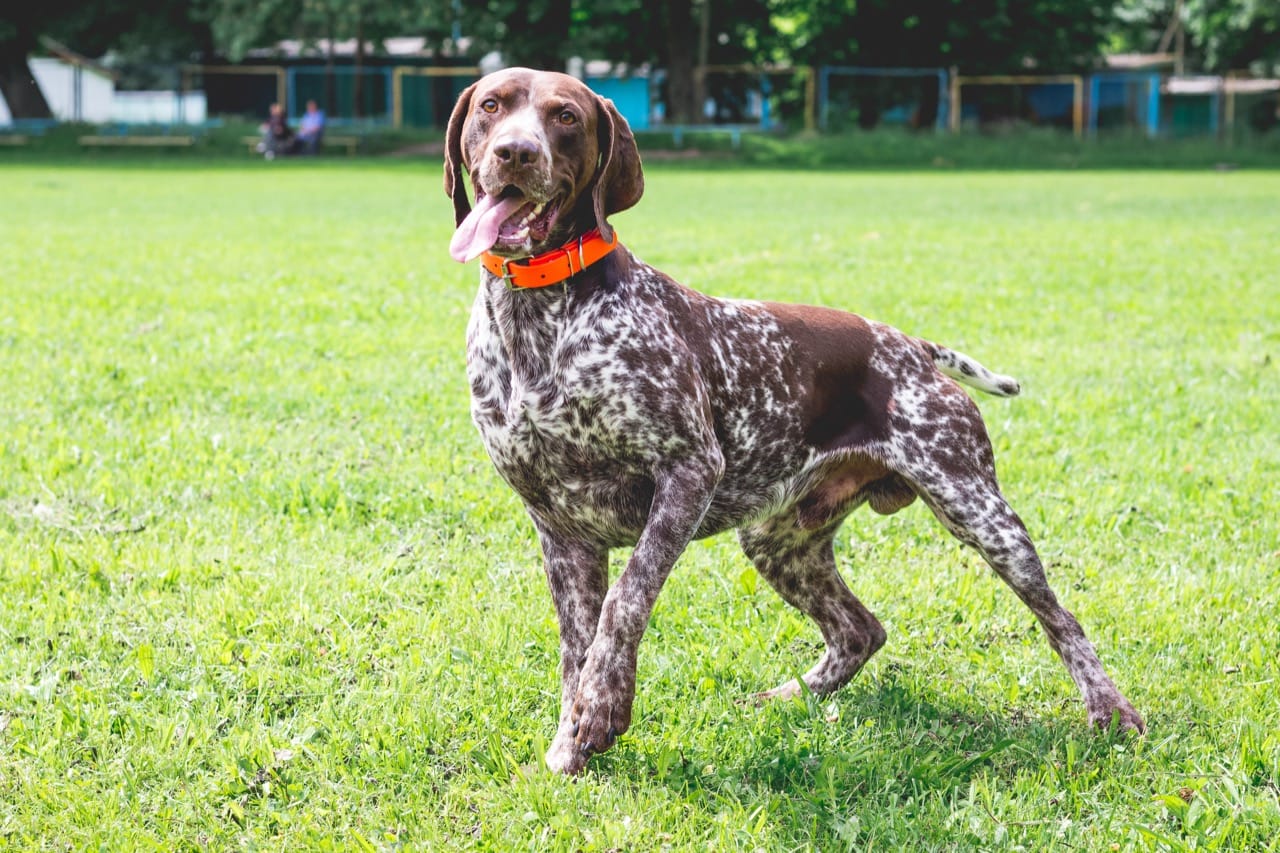
Coat myths go both ways. Their coat is short, but they do shed, and the stiff hairs can weave into fabric. Regular brushing and occasional bathing help, yet no short coated dog is truly no shed. The upside is that grooming is simple, and they rarely develop heavy odors if kept healthy.
Health is another area where mythology can mislead. They are generally robust, but not invincible. Hip dysplasia, certain eye issues, thyroid problems, and bloat are concerns to discuss with a responsible breeder or veterinarian. Their athleticism also means they can injure paws, shoulders, and tails during intense activity, so conditioning and sensible warm ups are not just for human athletes.
Finally, they are not only for hardcore hunters. Hunting is a wonderful outlet, but many GSPs live fulfilling lives with runners, hikers, active families, and dog sport enthusiasts. The real requirement is commitment to training, enrichment, and companionship. If you want a decorative dog who naps all day with minimal engagement, this is not your breed. If you want a partner who makes you laugh, keeps you moving, and looks at you like the most interesting person in the world, the myths start to fall away and the real German Shorthaired Pointer shines.