Silk Coats and Palace Tales Shih Tzu Trivia




Quiz Complete!
Silk Coats and Palace Tales: The Hidden Story of the Shih Tzu
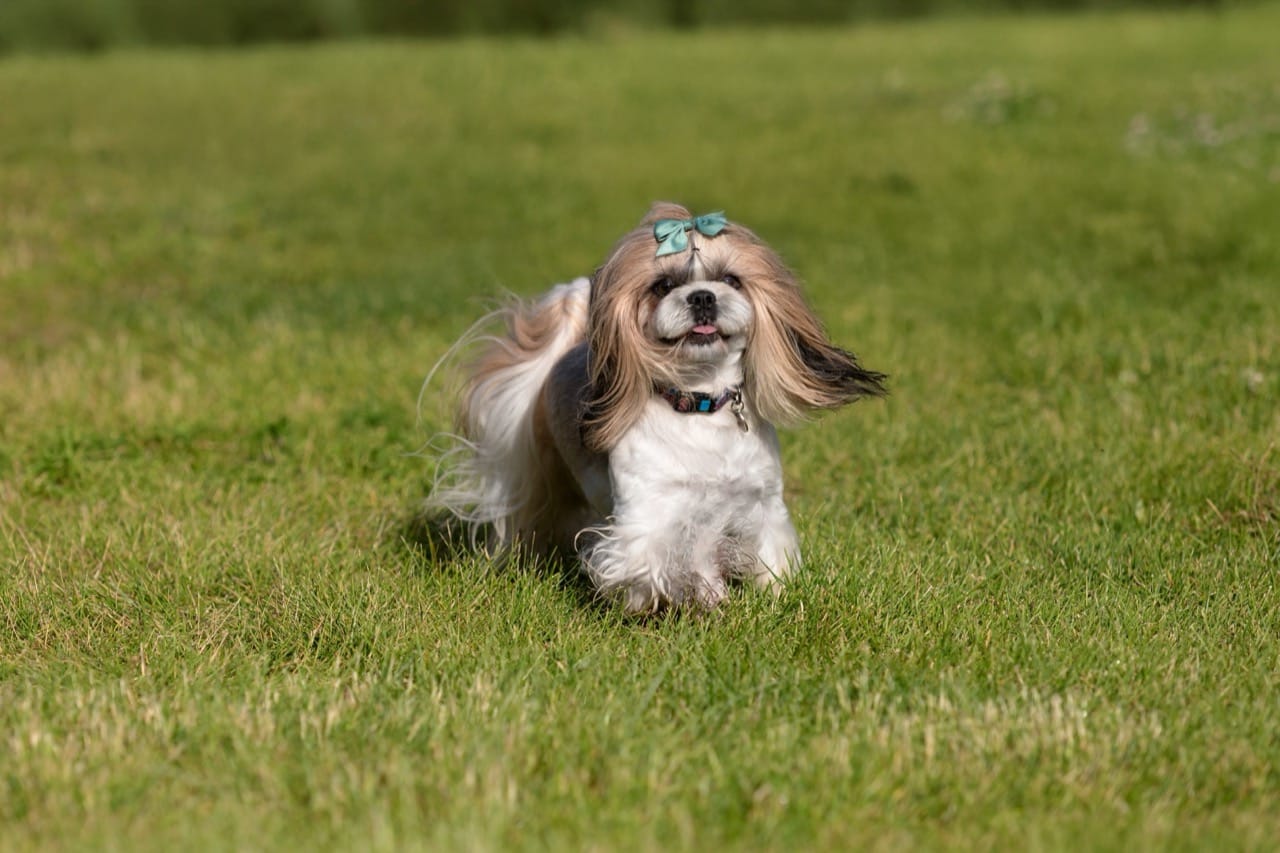
The Shih Tzu may look like a living plush toy, but its story begins in a world of ceremony, symbolism, and careful breeding. The breed’s name is often translated as lion dog, a nod to the lion-like guardian figures seen in Chinese art and architecture. Lions were powerful symbols, yet real lions were rare in China, so artists and storytellers shaped the idea of a lion into something familiar. Small companion dogs, selectively bred for a proud stance, a full coat, and a confident expression, became a kind of portable legend. In imperial settings, these dogs were not just pets but part of palace life, exchanged as gifts and treasured for their charm and their association with good fortune.
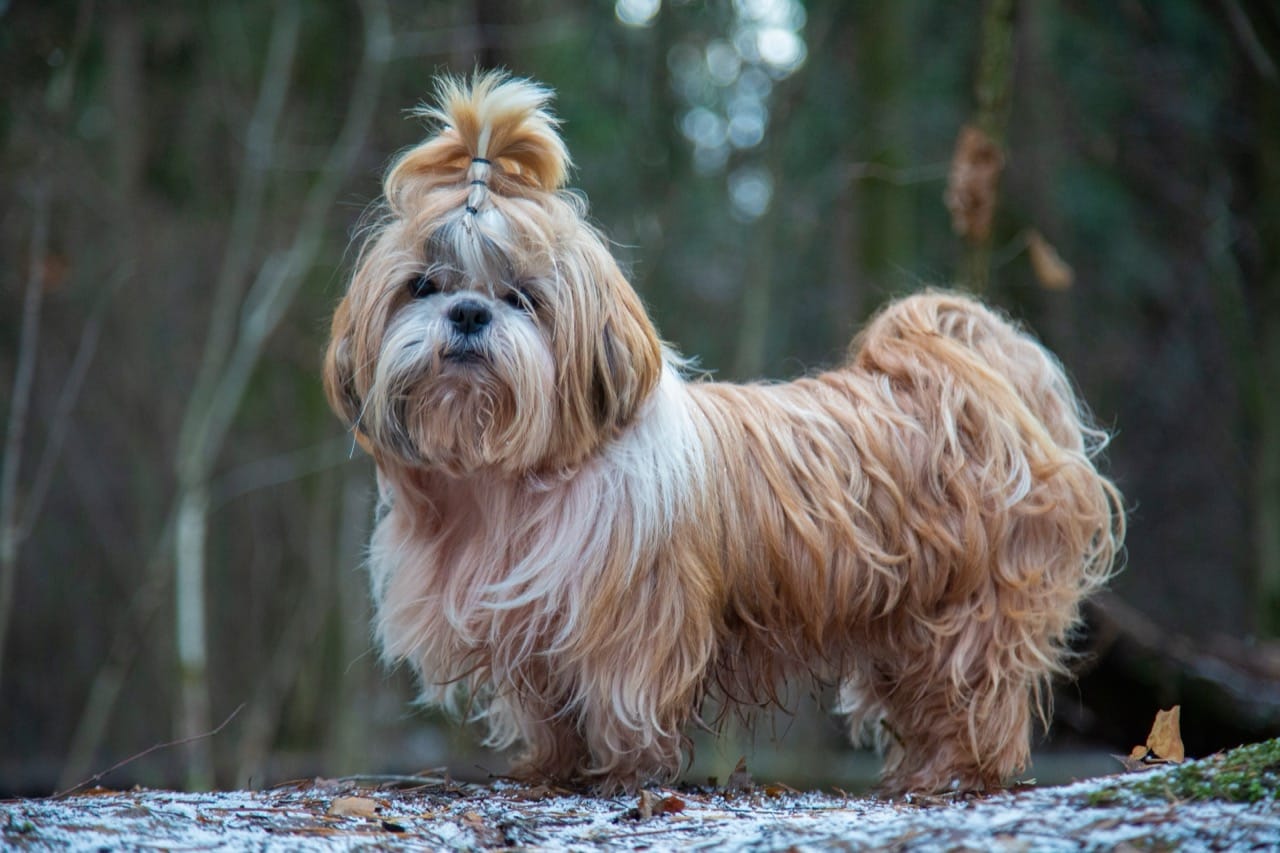
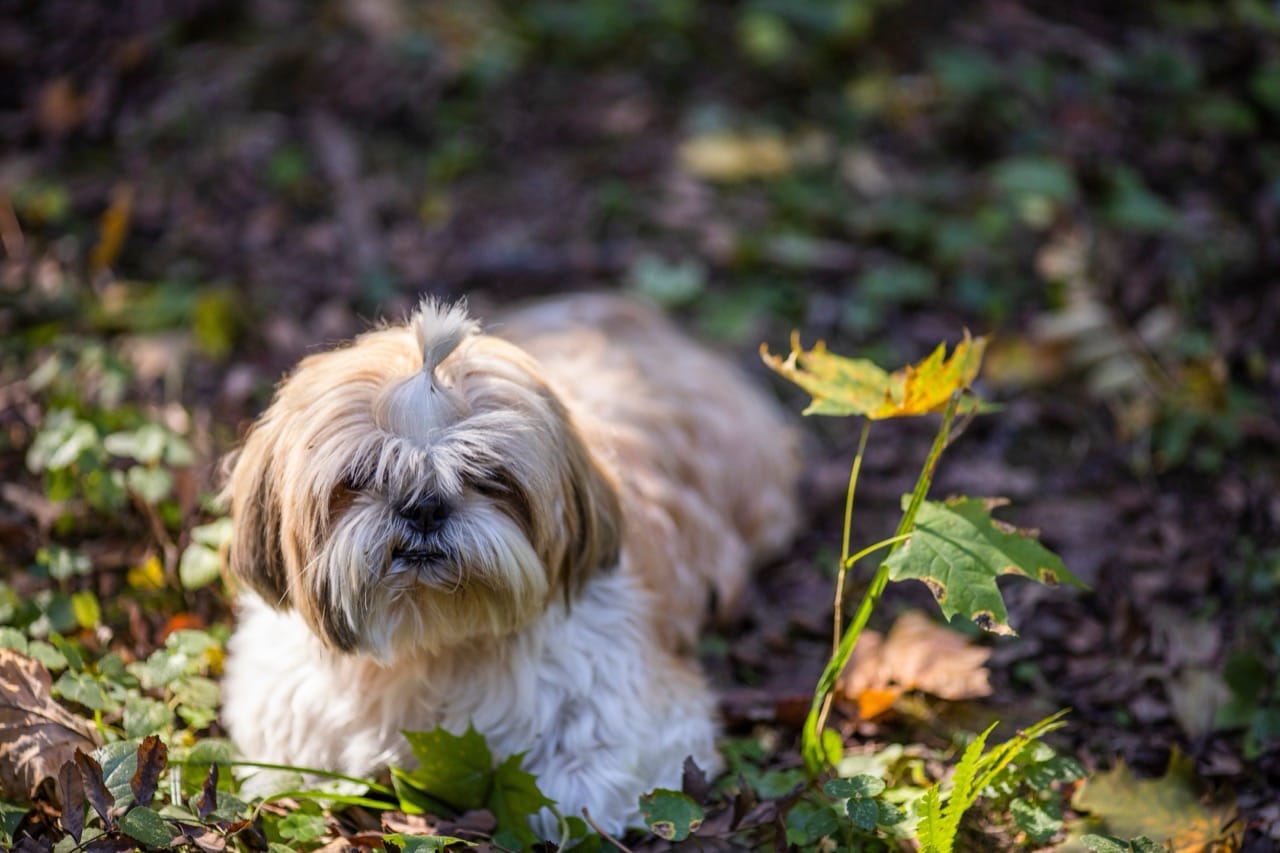
Shih Tzus are closely linked with imperial China, and many accounts connect them to court breeding programs that aimed for a distinctive look: a short muzzle, large round eyes, and a flowing coat that could be styled. Their face is often described as chrysanthemum-like because the hair grows outward in a pattern that resembles the flower. That look is not accidental. It comes from the way the coat grows and from generations of selection for abundant facial furnishings. The famous topknot is practical as much as it is cute, keeping hair out of the eyes and reducing irritation.
That luxurious coat behaves more like human hair than typical dog fur. It grows continuously and sheds less into the home, but that does not mean it is low maintenance. Loose hairs tend to stay trapped in the coat, which is why tangles and mats can form quickly, especially behind the ears, under the legs, and around the collar area. Regular brushing is not about vanity; it is basic comfort and skin health. Many owners choose a shorter trim for everyday life, while show coats require meticulous care, conditioning, and careful bathing routines.
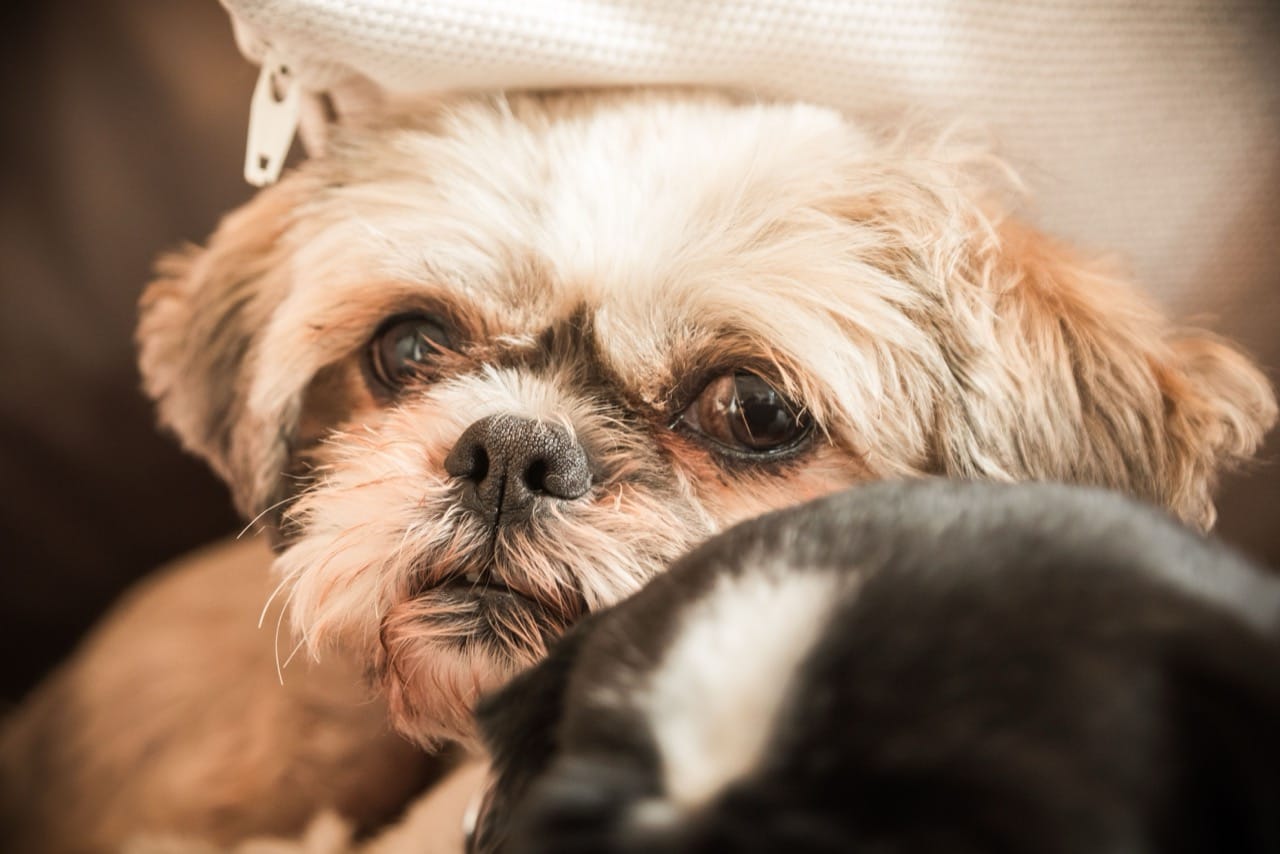
The Shih Tzu’s adorable flat face is part of what makes the breed instantly recognizable, but it also comes with real-world considerations. Shih Tzus are brachycephalic, meaning they have a shortened skull and airway structures that can make breathing less efficient. They may snore, be sensitive to heat, and tire more quickly during vigorous exercise. Warm weather and excitement can push them into respiratory distress faster than longer-nosed breeds, so calm breaks, shade, and fresh water matter. Their prominent eyes are also more exposed, which can increase the risk of injury or dryness. Simple habits like avoiding rough play with larger dogs and keeping facial hair clean can prevent many problems.
The journey from palace to worldwide popularity includes changing politics, travel, and the rise of modern dog breeding. As the breed spread beyond China, it picked up admirers who loved its compact size and friendly nature. Despite the toy label, the Shih Tzu is not fragile in spirit. Many are bold, comedic, and surprisingly stubborn, traits that likely helped them thrive as pampered companions with strong opinions. Training works best with patience and rewards, because they tend to respond more to relationships than to strict drilling.
Shih Tzus also leave footprints in culture in small, unexpected ways. Their lion-dog identity links them to temple guardians and decorative motifs, while their name and history spark curiosity about language, trade, and art. Even modern pet care has been shaped by breeds like this, as grooming tools, tear-stain products, and brachycephalic health awareness have become everyday topics for owners. Behind the topknot and the silky coat is a dog that carries centuries of human taste, storytelling, and companionship, which makes that cute face feel like the final chapter of a much longer tale.