Silk Coats and Cuban Clues Havanese Trivia

Quiz Complete!
Silk Coats and Cuban Clues: The Story Behind the Havanese
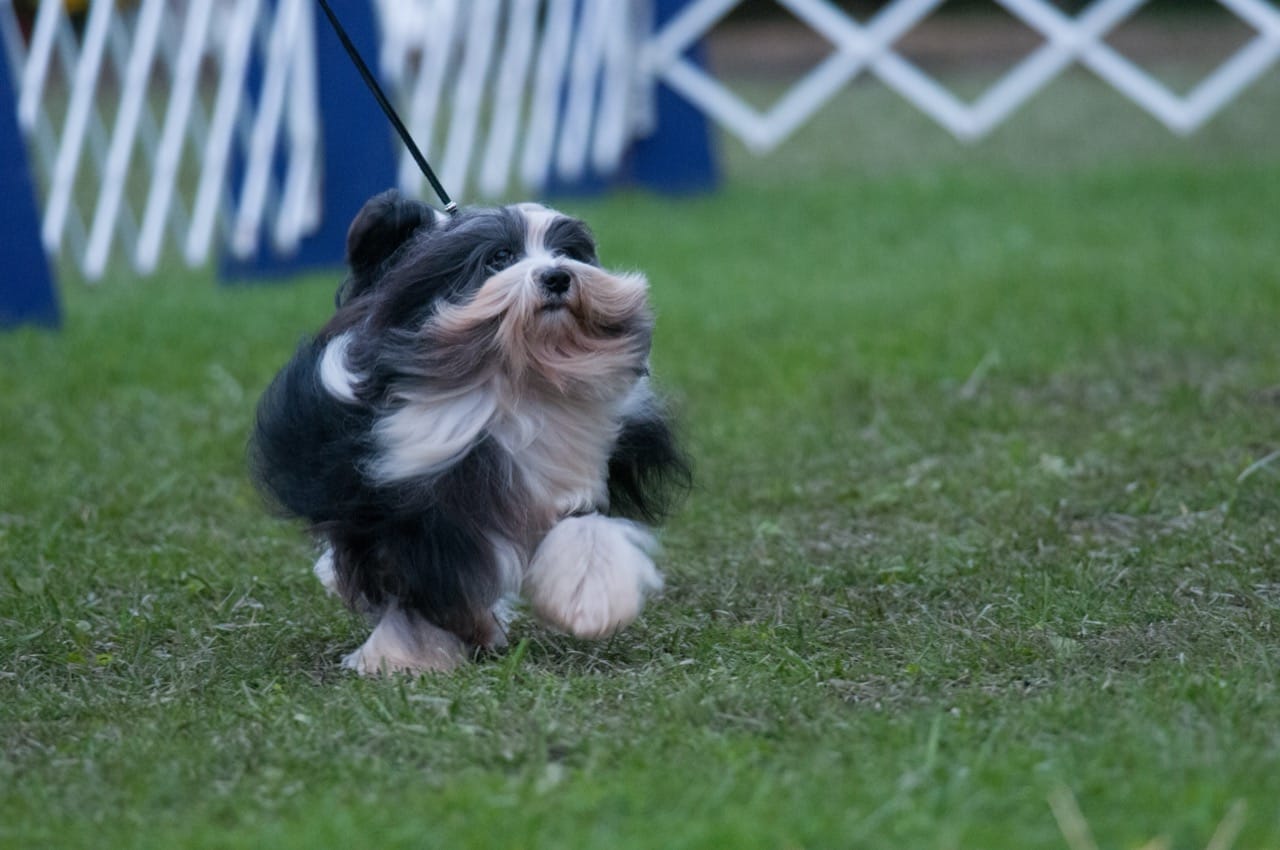
The Havanese may look like a plush toy with a springy walk, but its story is woven through trade routes, island culture, and a long tradition of companionship. Despite the name, the breed did not originate as a street dog of Havana. Its ancestors were small companion dogs from the Mediterranean region, brought to Cuba by Spanish settlers and merchants. Over time, these little dogs adapted to island life and became closely associated with Cuban households, especially among the urban and well to do. That link to high society helped preserve the breed as a carefully kept companion rather than a working dog, which explains why so many Havanese traits are designed for living closely with people.
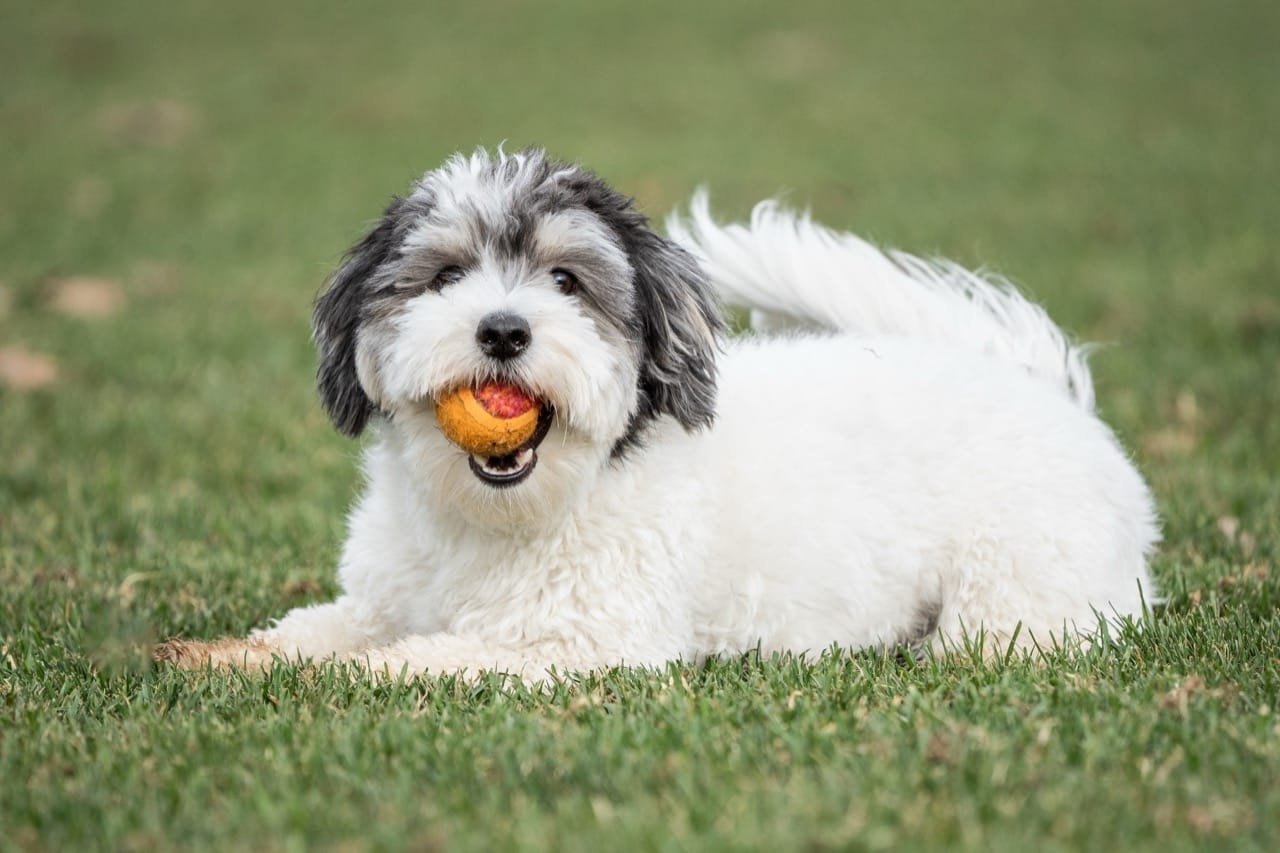
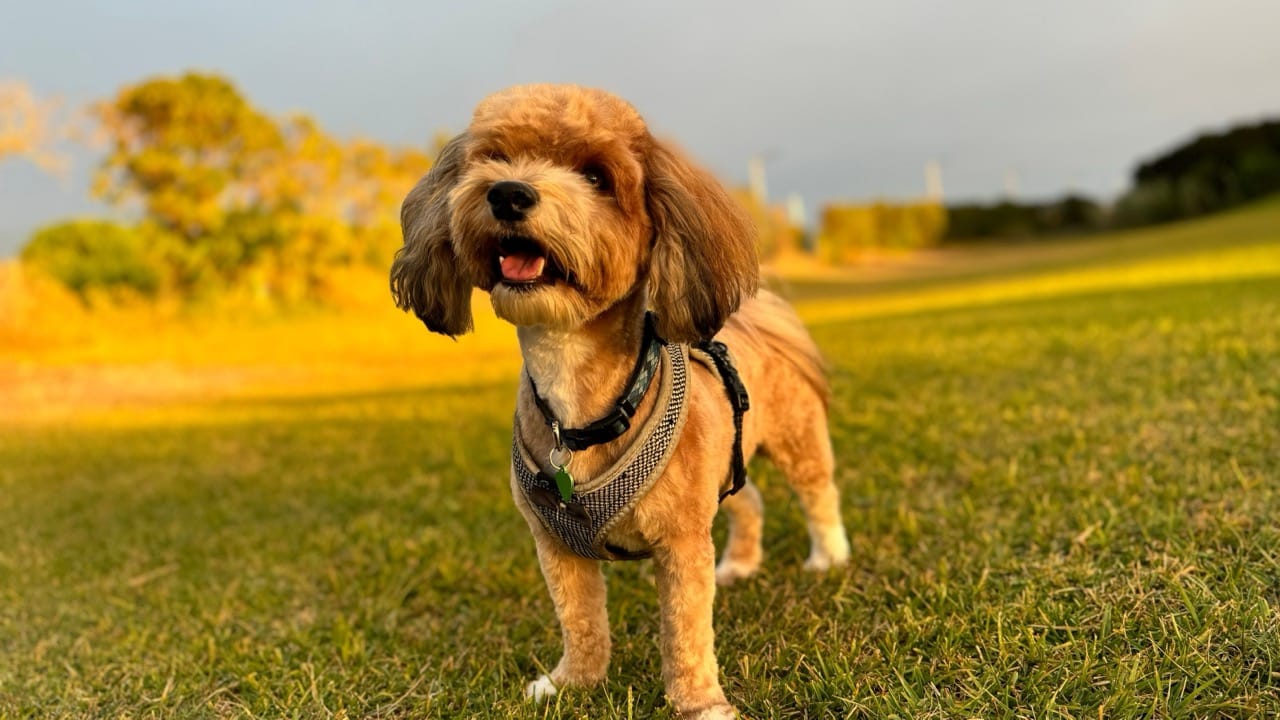
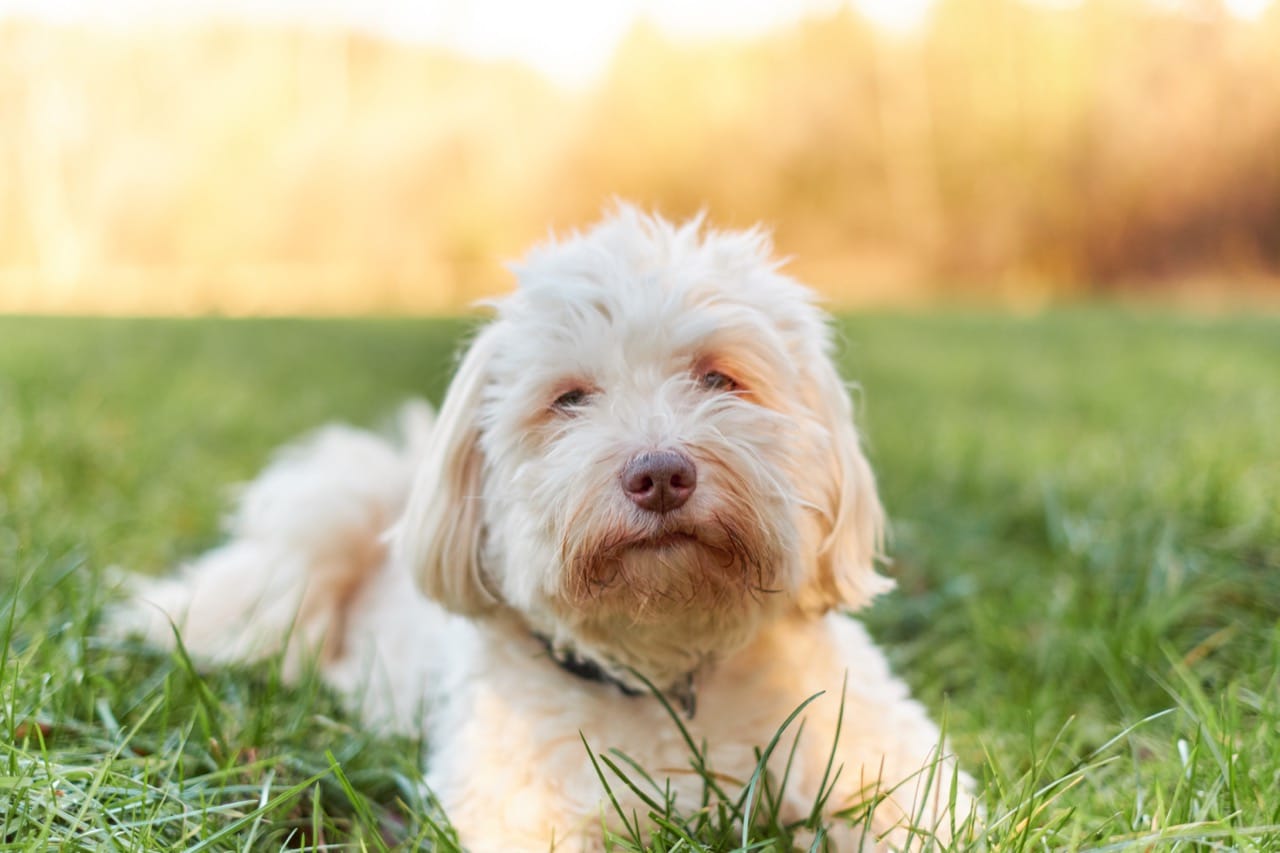
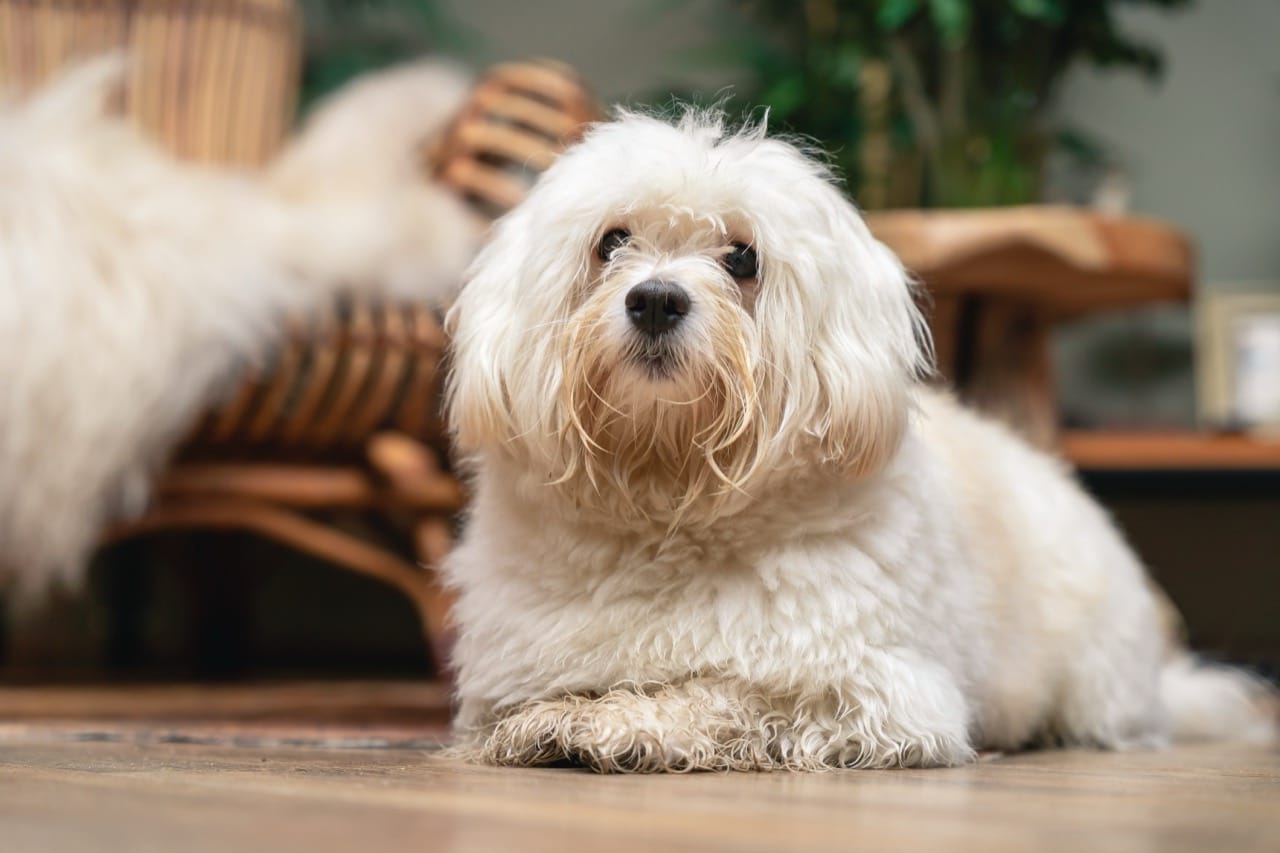
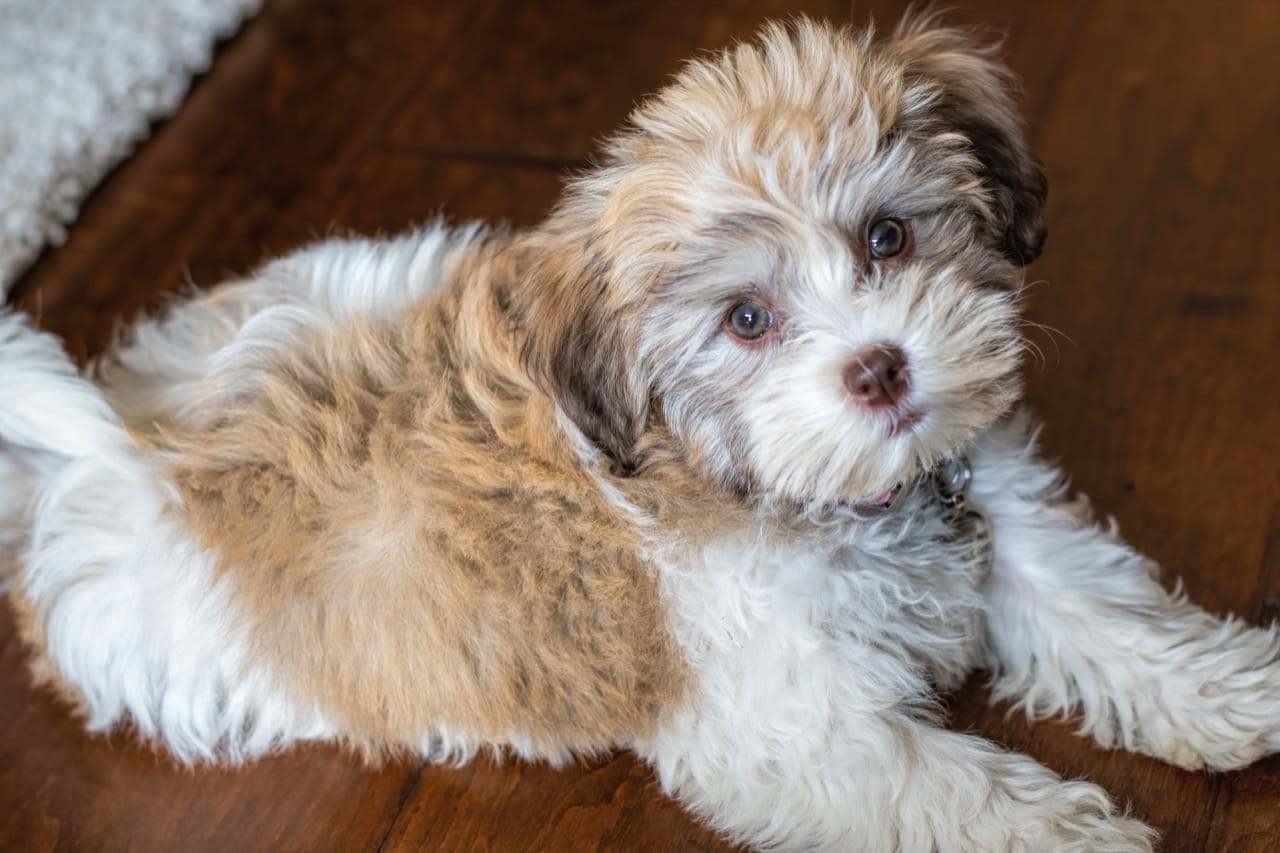
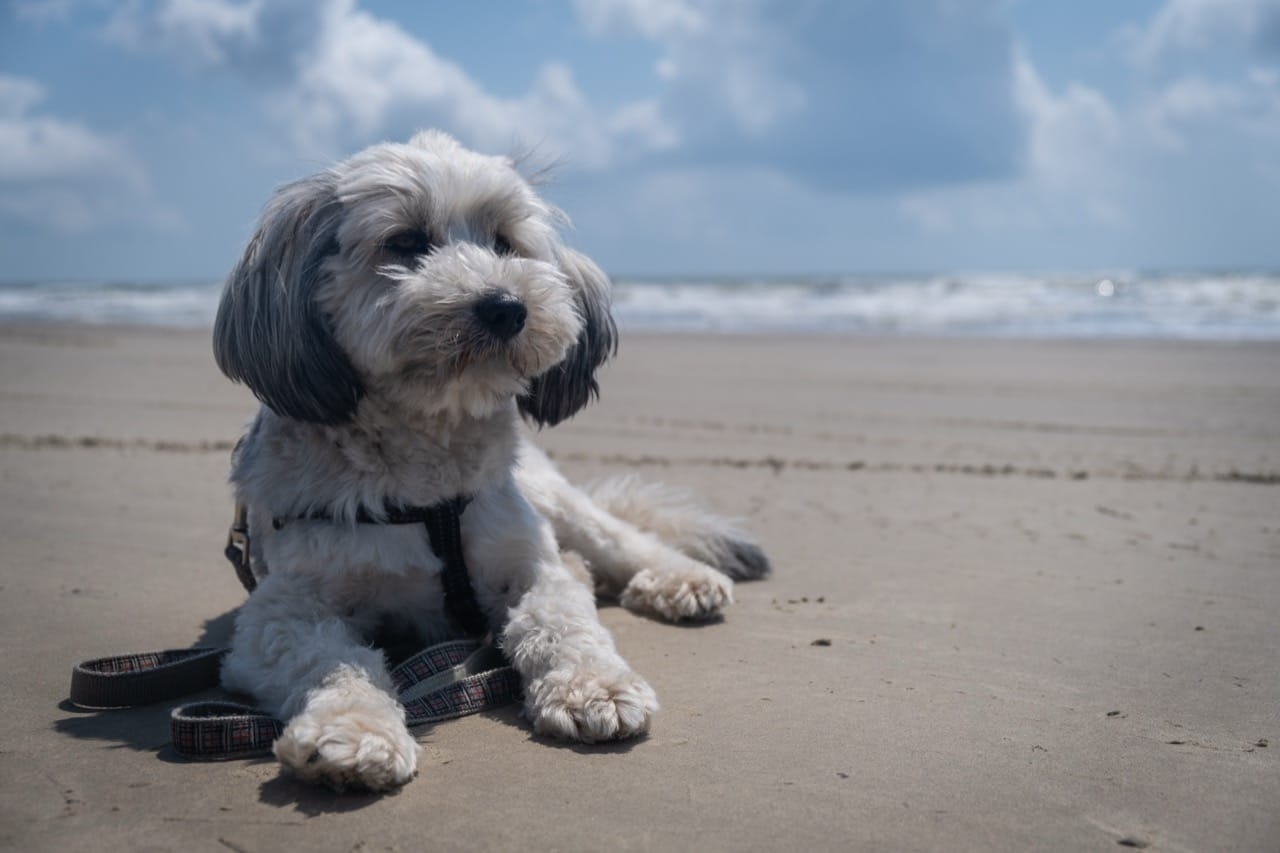
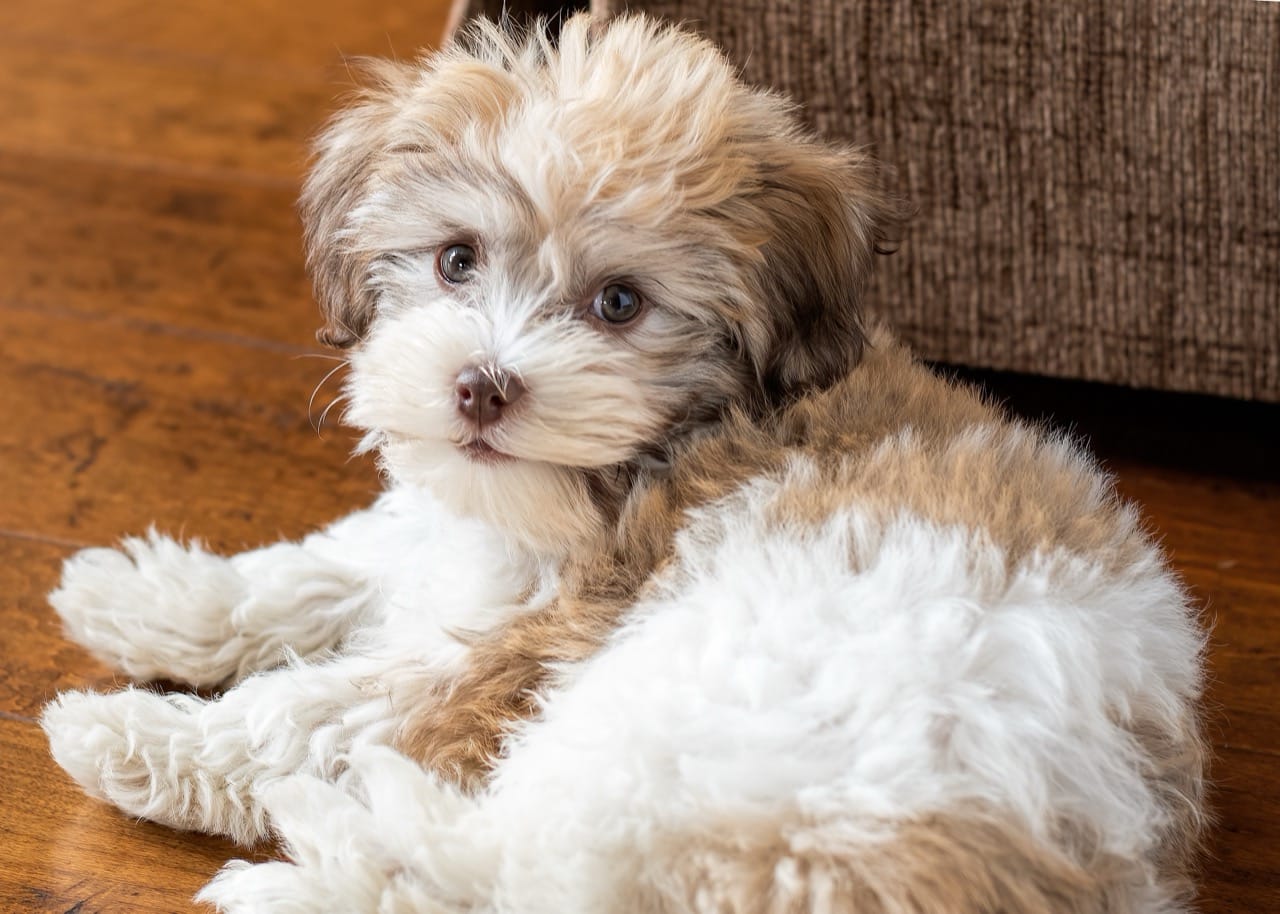
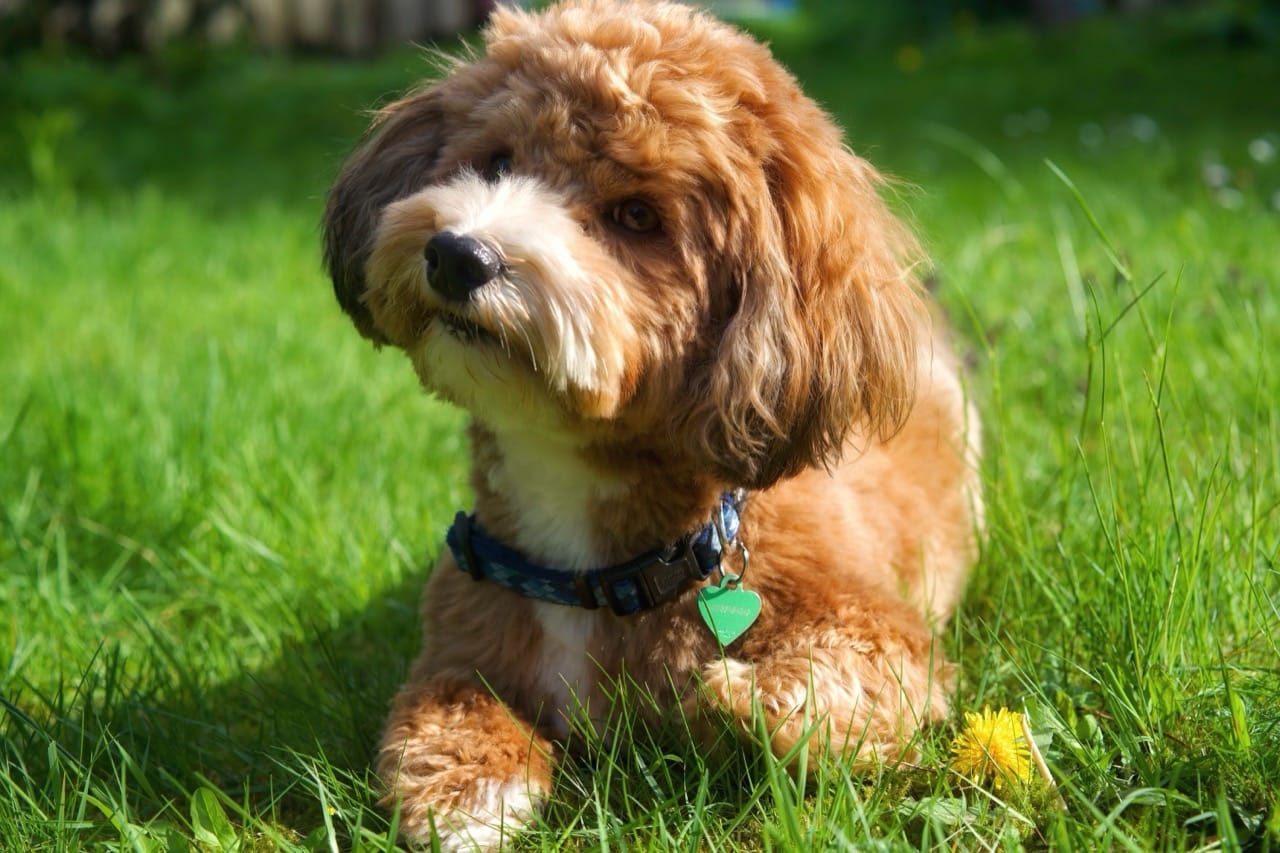
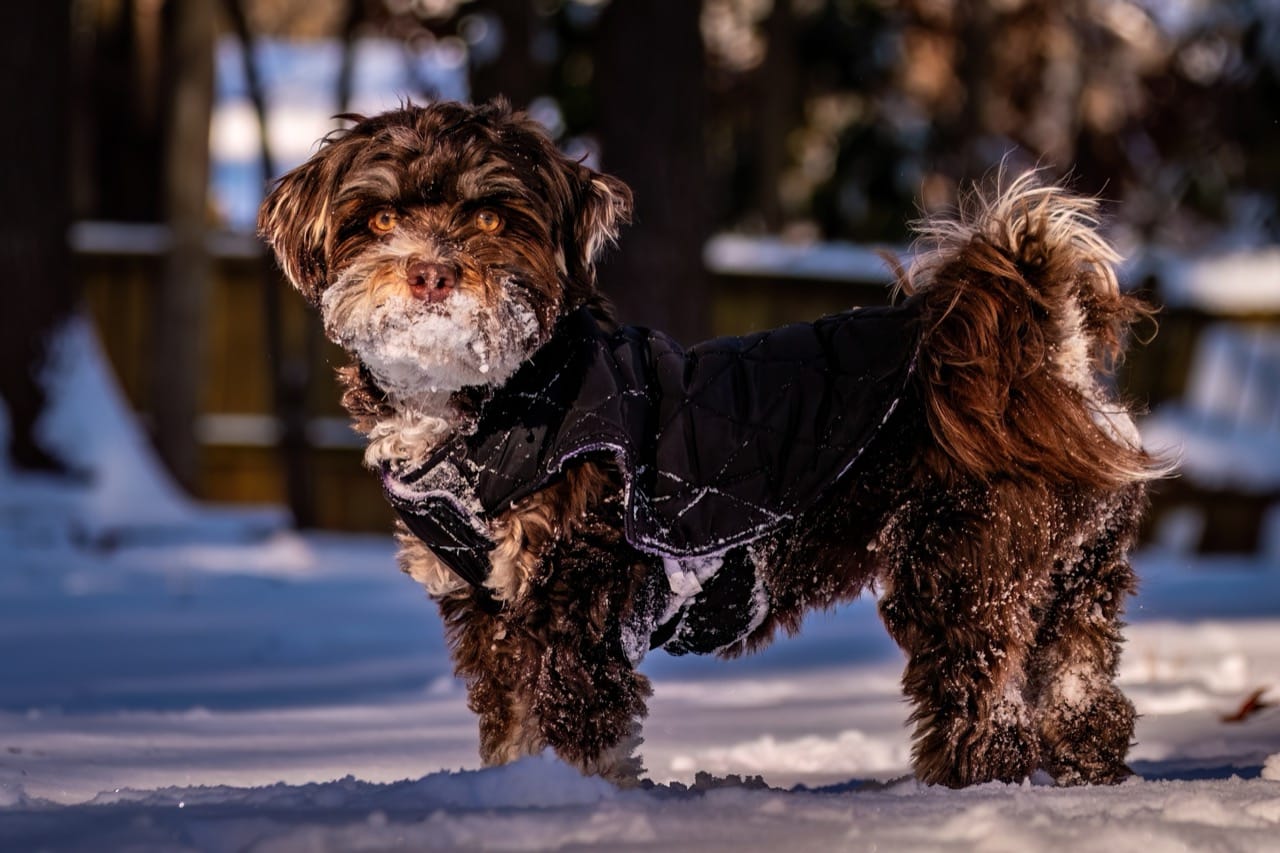
One of the biggest clues is the coat. The Havanese has a long, silky outer coat with little undercoat, which is unusual compared with many double coated breeds. In a warm climate, a heavy insulating undercoat can be a disadvantage, so the Havanese coat is often described as protective rather than warming. It can help shield the skin from sun and heat while still feeling light. The coat can be straight, wavy, or form loose curls, and it comes in a wide range of colors. That variety is part of what makes the breed instantly recognizable in a crowd of toy dogs.
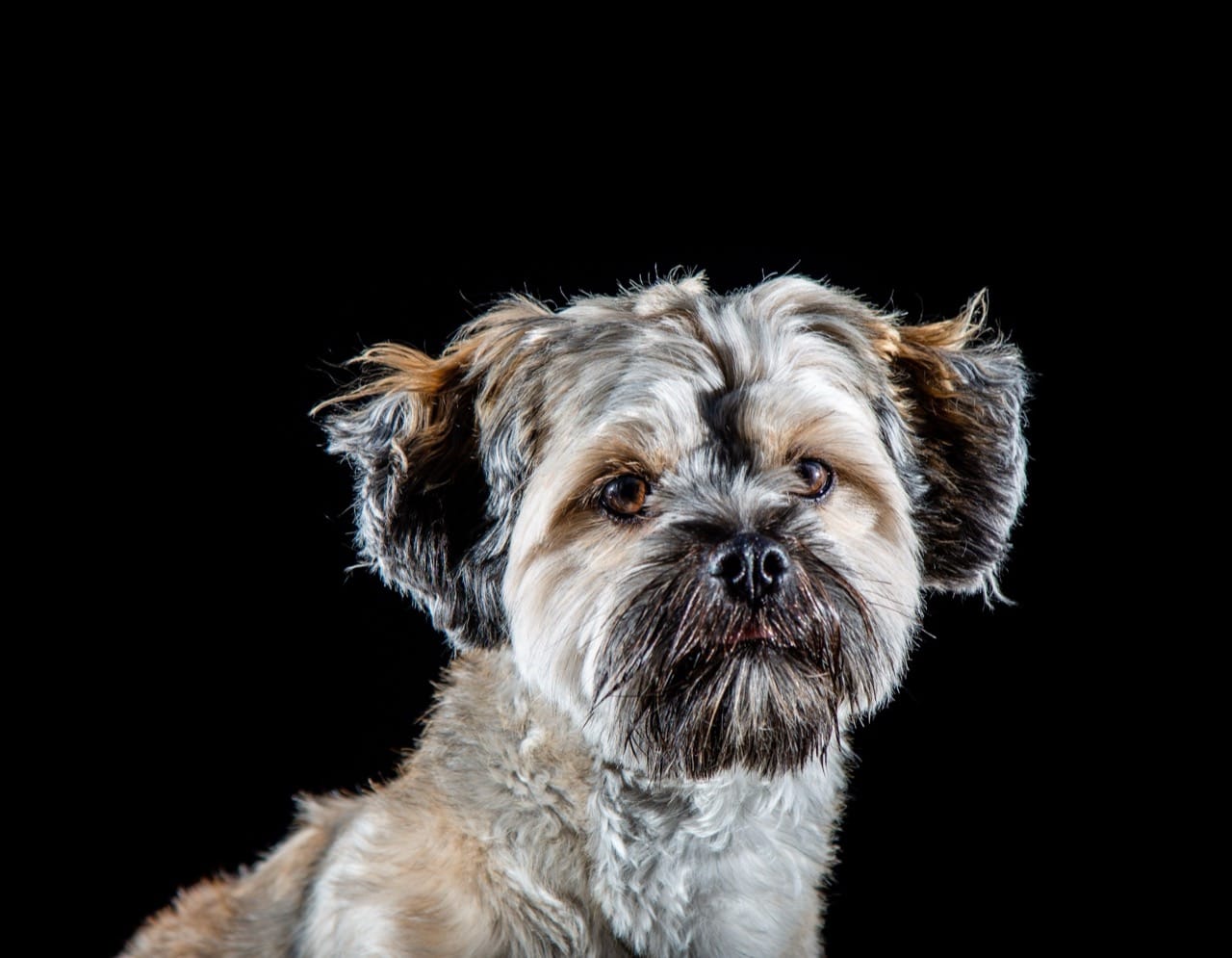
That glamorous coat also explains some practical grooming truths. A long Havanese coat tangles easily because the hair is fine and can catch on itself. Owners who keep the coat long usually need frequent brushing and careful detangling, while many pet homes choose a shorter trim for convenience. The breed is often labeled hypoallergenic, but no dog is truly allergy free. The Havanese tends to shed less than many breeds, which may reduce the amount of dander spread around the home, but individual allergies vary.
Havanese trivia often connects the breed to other toy dogs. It is part of the broader Bichon type family, related in history and general look to breeds like the Bichon Frise and Maltese. Those connections can be seen in the rounded expression, the soft coat texture, and the long history of being favored as a companion. Yet the Havanese has its own signature movement, sometimes called a springy gait, and a distinctly social personality.
Behavior is where many owners nod in recognition. The Havanese is typically people focused, eager to participate, and surprisingly clever. That makes training enjoyable, but it also means the dog may invent its own entertainment if bored. Many are naturally alert and will announce visitors, though they are rarely suited to serious guarding. Because they were bred to live closely with humans, they can be prone to separation distress if left alone for long periods. Good routines, gradual alone time training, and interactive play can make a big difference.
Health wise, the breed is generally robust, but like many small dogs it can be prone to issues such as kneecap luxation, certain eye conditions, and dental crowding. Regular tooth care is more than cosmetic for a small mouth. Responsible breeding, veterinary checkups, and maintaining a healthy weight help protect those tiny joints and keep the dog comfortable for years.
When you connect the Cuban backstory, the indoor friendly design, and the coat that is both stylish and functional, the Havanese stops being just a cute lapdog and becomes a living clue trail. It is a breed shaped by human companionship, island life, and a talent for charming nearly everyone it meets.