Shiba Science Surprises and Modern Firsts









Quiz Complete!
Shiba Science Surprises and Modern Firsts

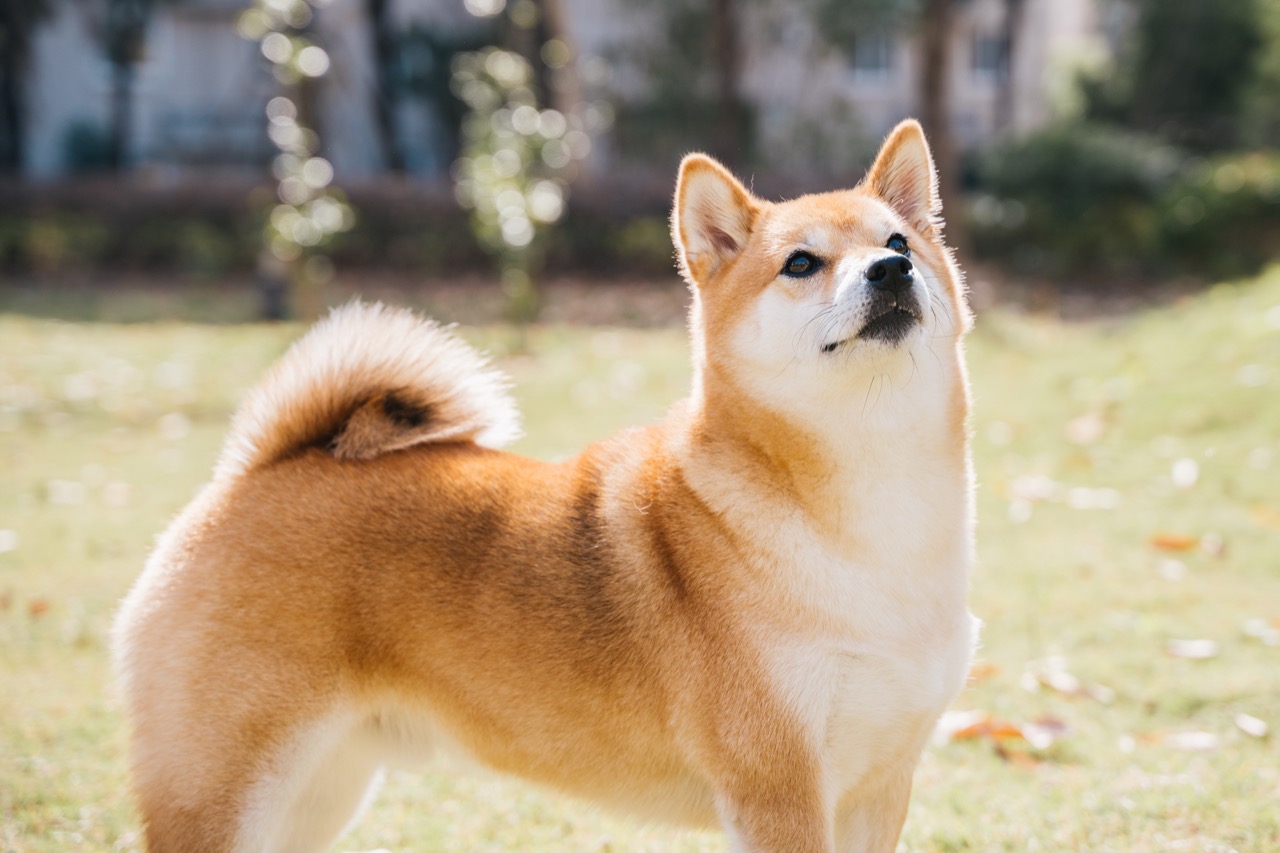
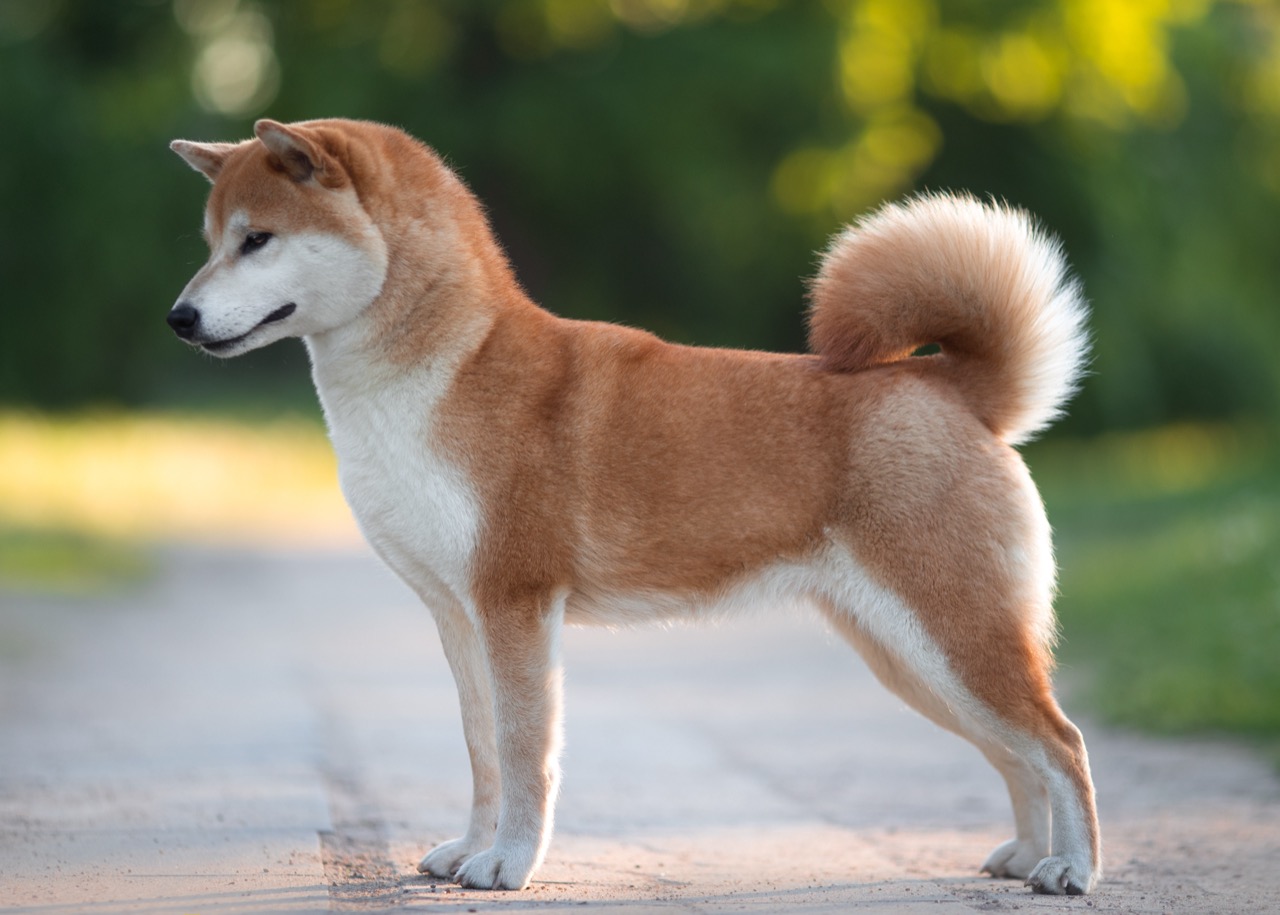
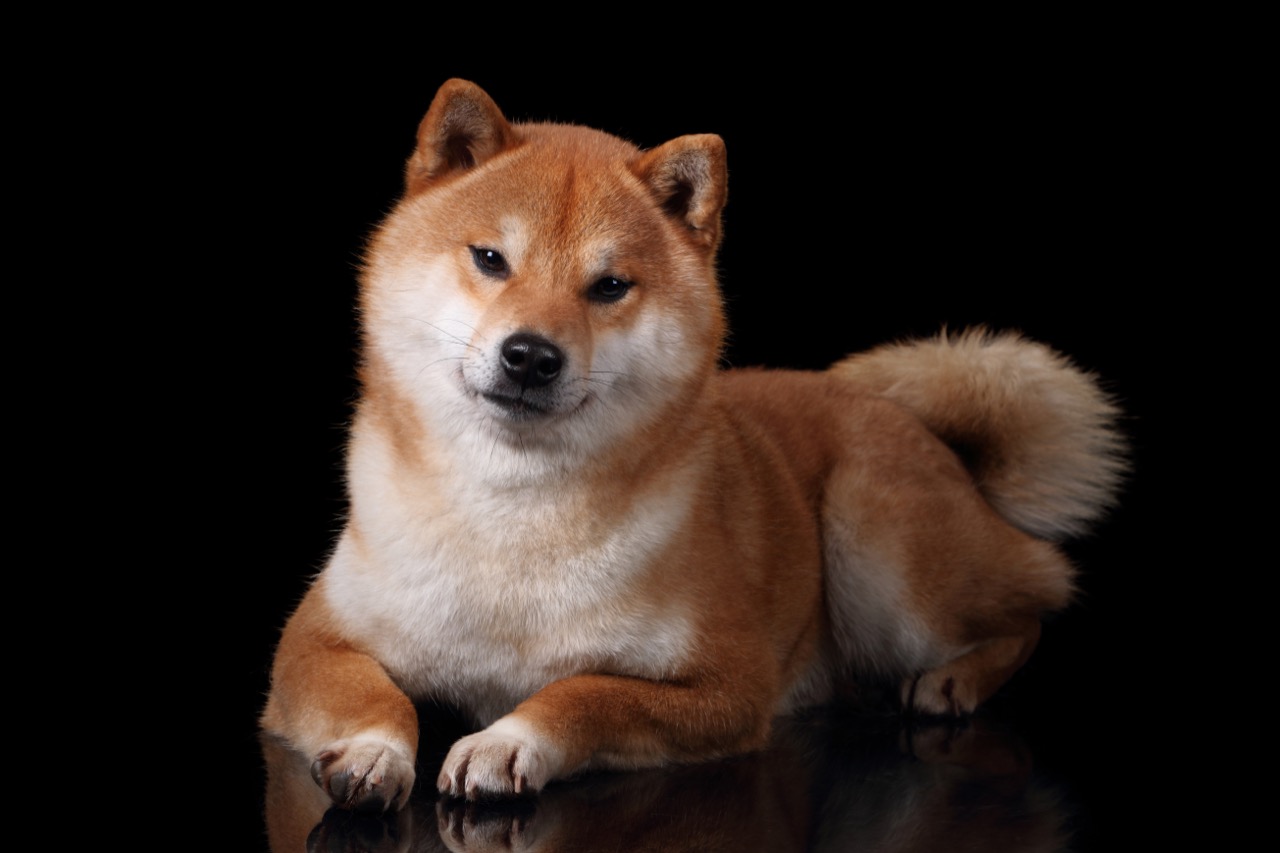
Shiba Inus may look like small foxes with curled tails, but the breed’s modern popularity is also a story of science, preservation, and changing ideas about how dogs think and feel. Long before Shibas became internet celebrities, they were practical hunting dogs in Japan, valued for agility and independence in mountainous terrain. In the early twentieth century, rapid modernization and crossbreeding threatened many native Japanese dogs. Preservation-minded breeders and researchers helped organize efforts to protect distinct regional types, and the Shiba became one of the best-known results of that movement. Those early preservation steps matter today because they helped maintain a recognizable breed while also keeping records that modern geneticists and veterinarians can learn from.
Genetic research has made Shibas especially interesting. Studies of dog domestication often look for breeds that retain older lineages, and Japanese native dogs, including the Shiba, frequently appear in discussions of ancient genetic signatures. While no single breed is a direct stand-in for the first dogs, comparing DNA across many breeds helps scientists reconstruct population histories, migration patterns, and bottlenecks. Shibas tend to cluster genetically with other East Asian dogs more than with many modern European breeds, which supports the idea that parts of East Asia hold important clues about early dog populations. This does not mean Shibas are unchanged relics, but it does highlight how breed history and geography can leave detectable marks in the genome.
Genetics also connects to health and responsible breeding. Shibas are compact and generally sturdy, yet they can be prone to certain inherited conditions. One of the most important is patellar luxation, where the kneecap slips out of place, potentially causing pain or arthritis over time. Orthopedic evaluations can help breeders reduce risk. Eye health is another focus; progressive retinal atrophy and glaucoma are concerns in some lines, and veterinary ophthalmology exams can catch problems early. Like many breeds, Shibas can also develop allergies, which may show up as itchy skin, ear infections, or digestive issues. Modern veterinary dermatology and improved diets have made these problems more manageable, but careful breeding and early intervention remain key.
Behavior research adds another layer to the Shiba mystique. People often joke that a Shiba understands every command and simply declines to comply. While that is a playful exaggeration, it points to real differences in temperament and motivation. Shibas were developed to make quick decisions while hunting, so they can be more independent than breeds selected primarily for close handler cooperation. Modern training science emphasizes reinforcement, clear communication, and managing the environment rather than relying on force. For a Shiba, short sessions, high-value rewards, and consistent routines often work better than repetition. Understanding canine stress signals also matters because Shibas may be sensitive to handling they consider intrusive, which can lead to resistance or the famous Shiba scream.
Technology has changed Shiba care in subtle ways. DNA tests can now screen for specific variants, help verify parentage, and estimate genetic diversity, giving breeders tools to balance health with preserving type. Activity trackers and smart feeders can support weight management, important for a breed that can gain weight quickly if overfed. Telemedicine and online behavior consults have made expert guidance more accessible, especially for owners dealing with early socialization challenges or resource guarding. Even the rise of positive training communities and video-based coaching has shaped how people interpret Shiba behavior, shifting the narrative from stubbornness to a more nuanced view of learning, choice, and trust.
The Shiba’s appeal comes from more than looks. It is a breed shaped by cultural preservation, illuminated by genetics, and better supported than ever by modern health screening and behavior science. The result is a small dog with a big personality whose story keeps evolving, offering plenty of surprises for anyone who enjoys the intersection of history, biology, and everyday companionship.