Shiba Inu Landmark Hunt Across Japan








Quiz Complete!
Shiba Inu Landmark Hunt Across Japan

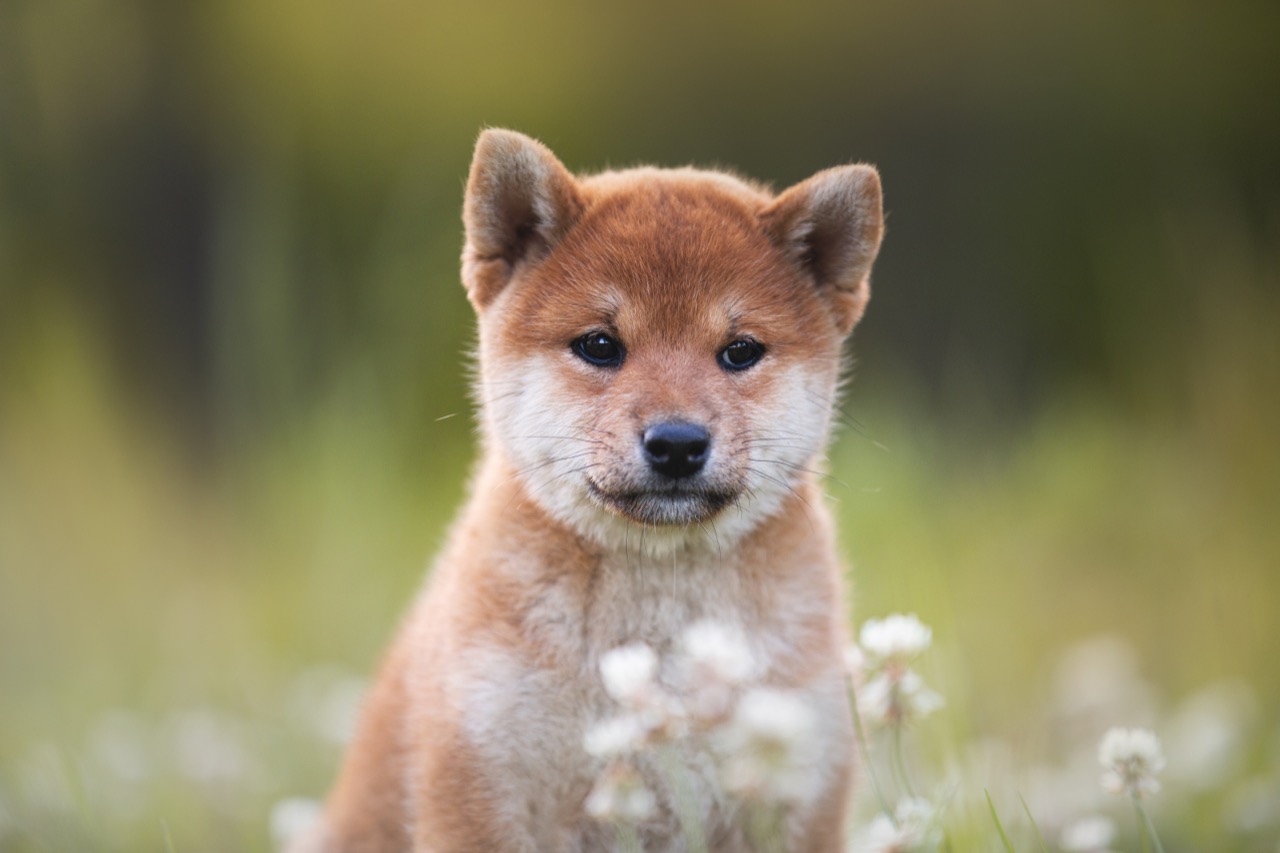
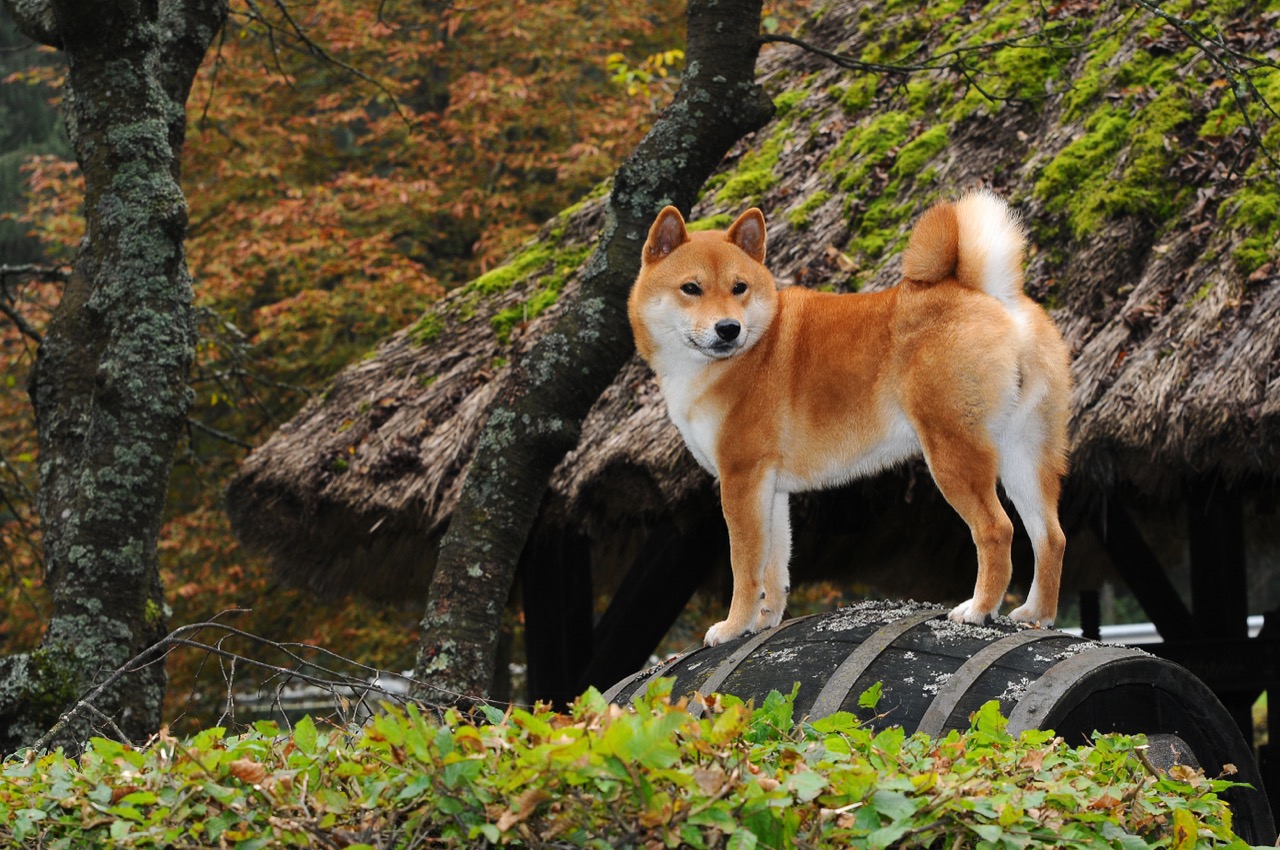
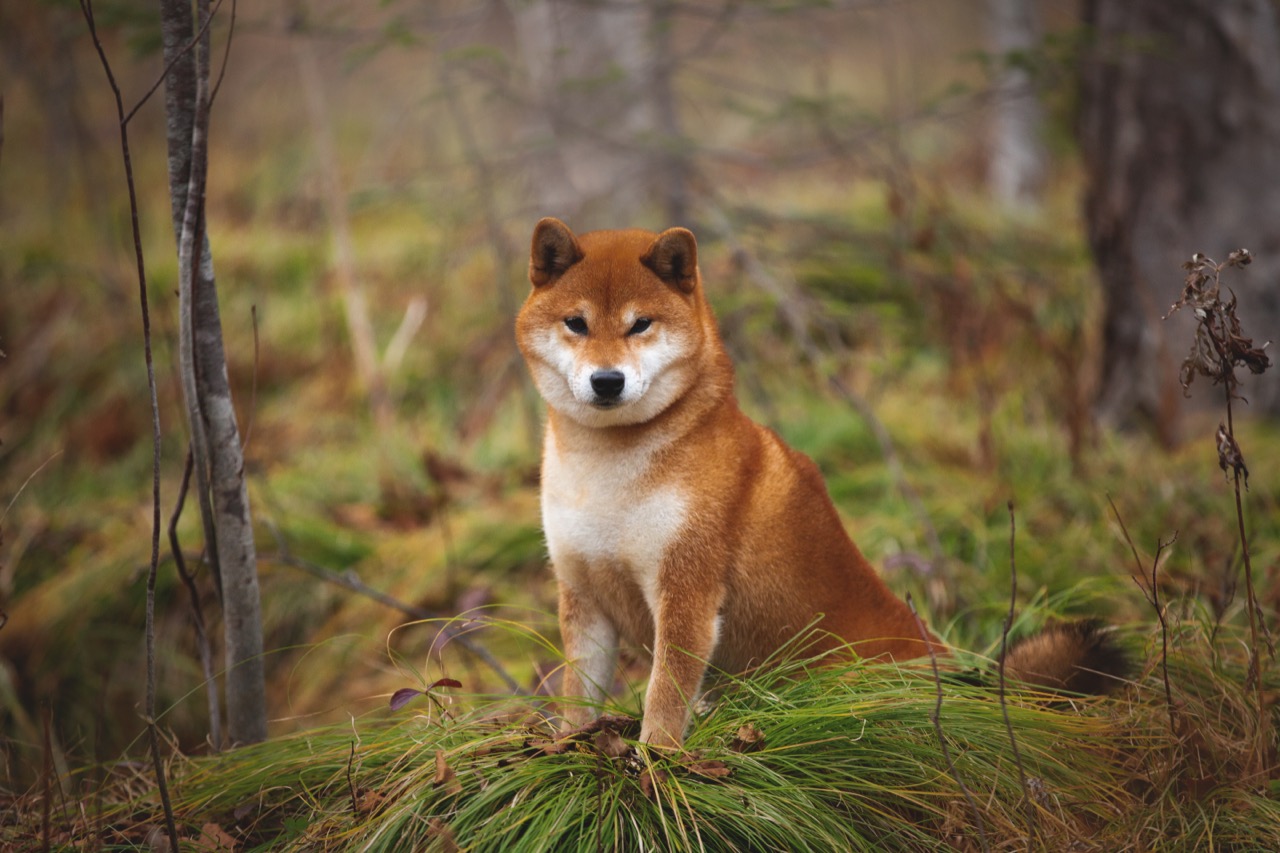
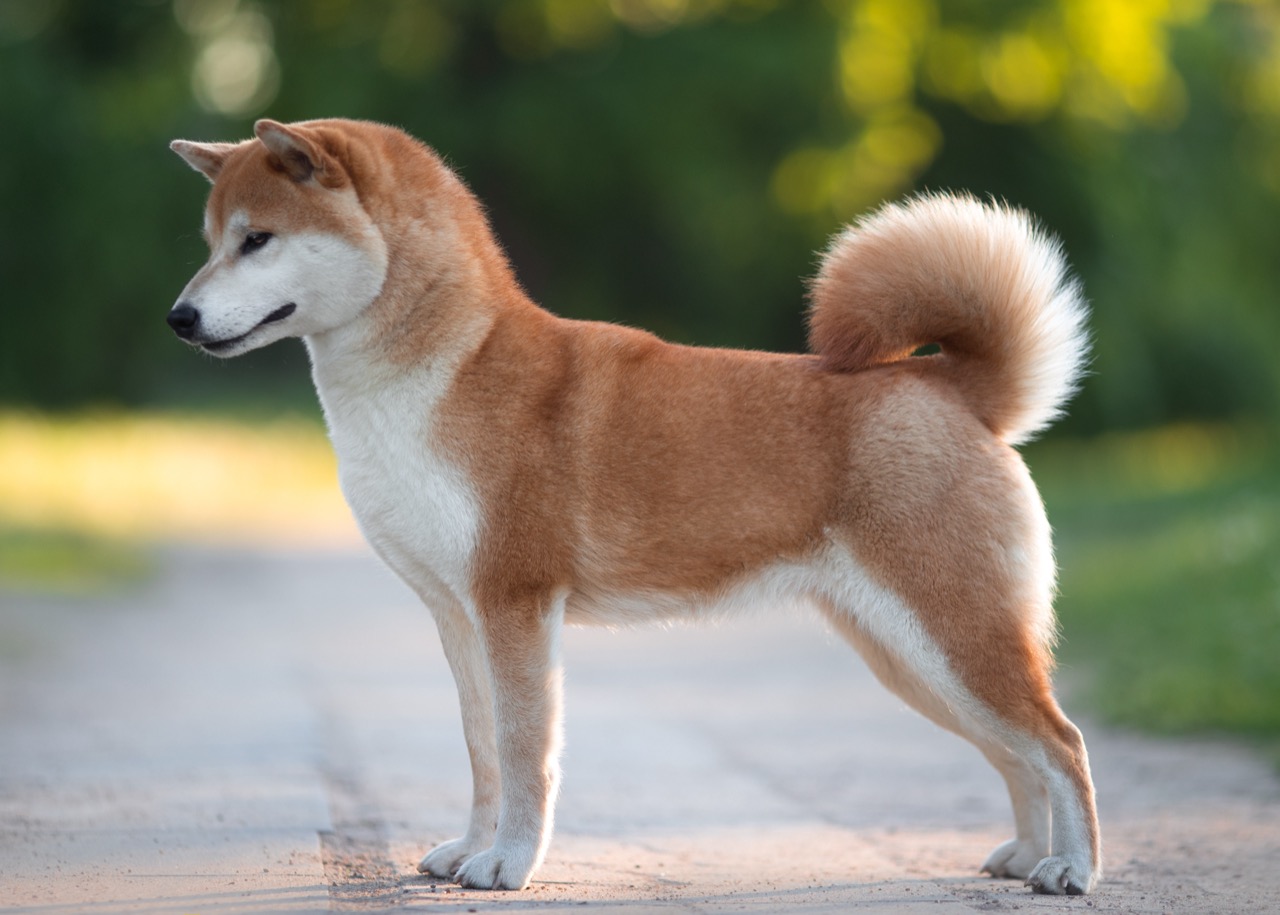
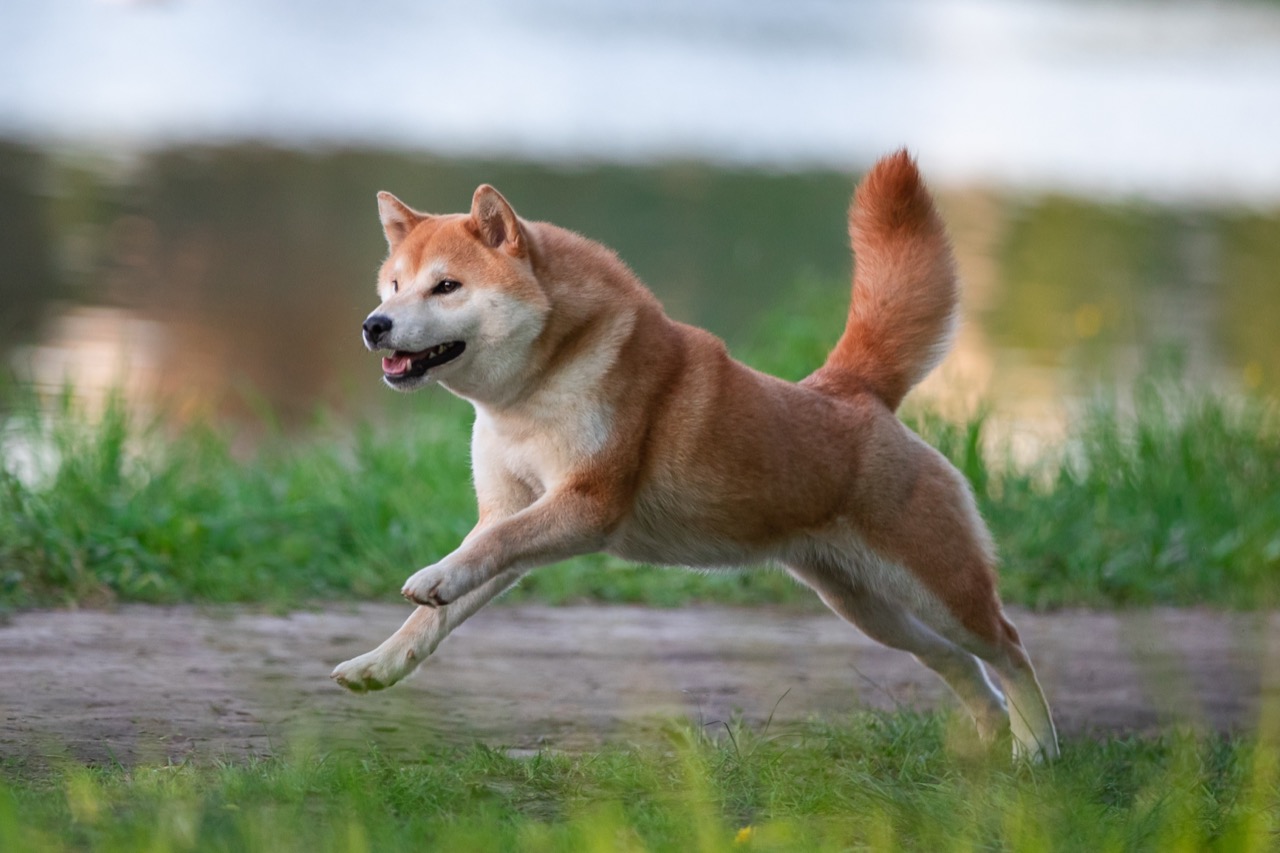
To understand why the Shiba Inu feels so distinctly Japanese, it helps to follow the breed back to the landscapes that shaped it. Long before Shibas became internet celebrities, they were tough little hunting dogs developed in rural regions where steep terrain, dense brush, and harsh winters demanded agility and resilience. The word shiba is often linked to brushwood, a fitting clue to the environments where these dogs worked, flushing birds and small game for hunters. That working past still echoes in the Shiba’s alert expression and quick, catlike movement.
Many Shiba history stories point toward central Japan, especially the mountainous areas once known for isolated villages and practical hunting traditions. Prefectures such as Nagano and Gifu are frequently mentioned in discussions of native dog development because their upland geography supported the kind of small, versatile hunting dog that could keep pace on narrow trails. In these regions, local strains existed before modern standards unified them. You may hear references to different types associated with particular areas, reflecting how distance and terrain naturally encouraged variation.
The breed’s survival is also tied to modern preservation efforts that are rooted in real places you can visit. One of the most important names is Nihon Ken Hozonkai, commonly called NIPPO, the Association for the Preservation of Japanese Dogs. Founded in the early twentieth century, NIPPO helped document native breeds and promote careful breeding at a time when crossbreeding and social upheaval threatened their continuity. While its influence is national, its work connects to the urban centers where dog fanciers, veterinarians, and historians could organize records, shows, and standards. Tokyo, in particular, is a natural waypoint for anyone tracing how Japan’s native dogs moved from countryside utility to protected cultural heritage.
Museums add another layer to the landmark hunt, especially those that explore natural history, regional culture, and the relationship between people and animals. Even when a museum is not solely about dogs, exhibits on hunting, rural livelihoods, and Japanese biodiversity help explain why spitz-type dogs like the Shiba fit so well into traditional life. In big cities, museum collections and archives can provide photographs, taxidermy displays of native wildlife, and historical tools that frame the Shiba as part of a broader ecosystem rather than just a companion animal.
Travelers also enjoy the playful side of Shiba culture, including statues and mascot-style tributes that pop up in surprising places. Japan has a long tradition of commemorative sculptures, and dog statues often become informal meeting points or photo spots. Some are connected to local legends, others to modern pop culture, but they all reinforce how deeply dogs are woven into public affection. Even when a statue is not specifically a Shiba, it can send you down a rabbit hole of regional pride and animal symbolism.
Geography makes the journey fun because Shiba heritage is not confined to one famous shrine or a single birthplace. Instead, it is a network of regions, clubs, and institutions that together tell the story of a native breed shaped by mountains, preserved through organized effort, and celebrated in contemporary Japan. If you map your travels with that in mind, the landmarks become more than trivia answers. They become a route through Japan’s living history, where a small red dog connects remote hunting trails to bustling city streets.