Shetland Sheepdog Stories in Culture and Tradition
Quiz Complete!
Shetland Sheepdog Stories in Culture and Tradition
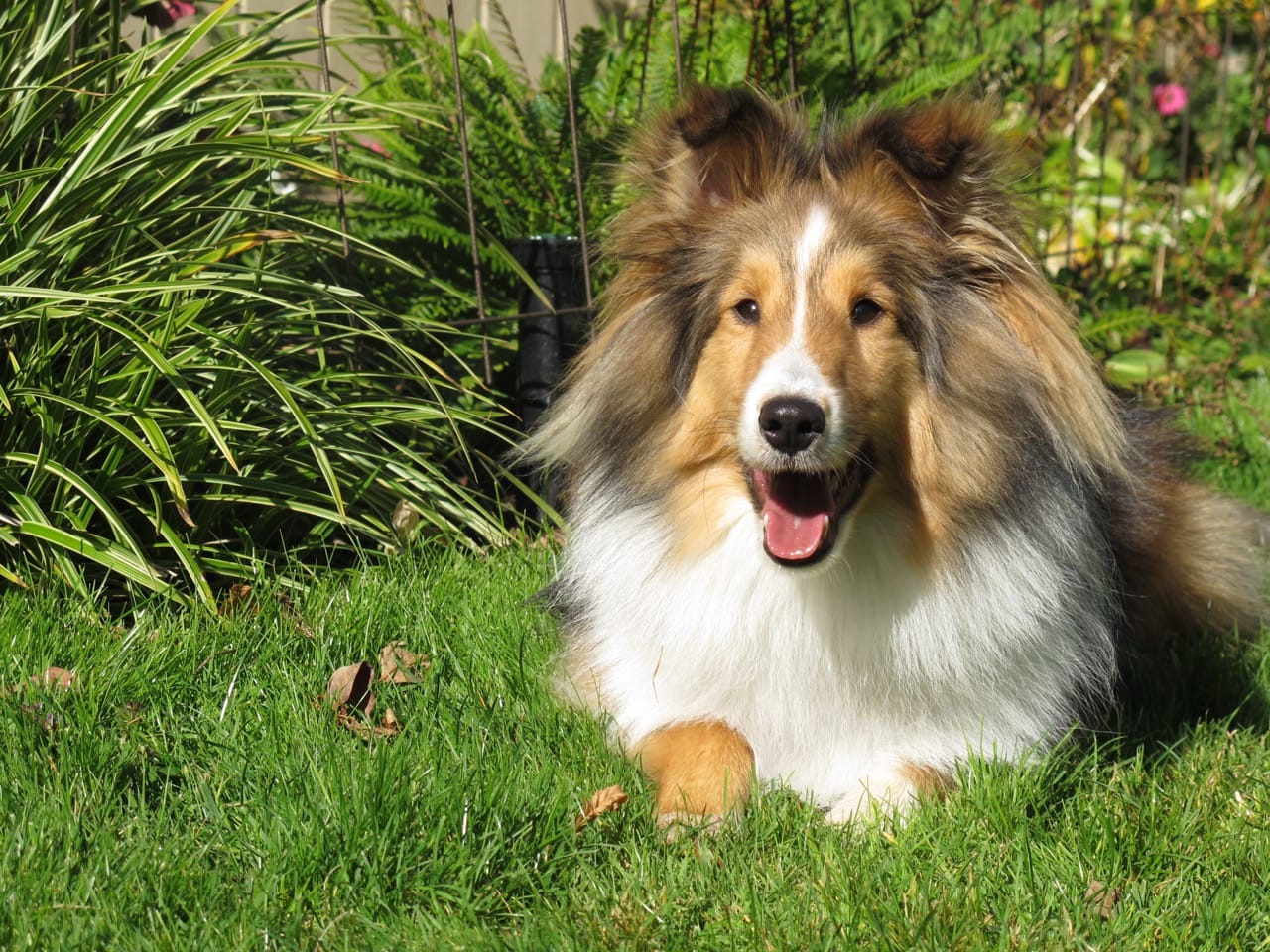
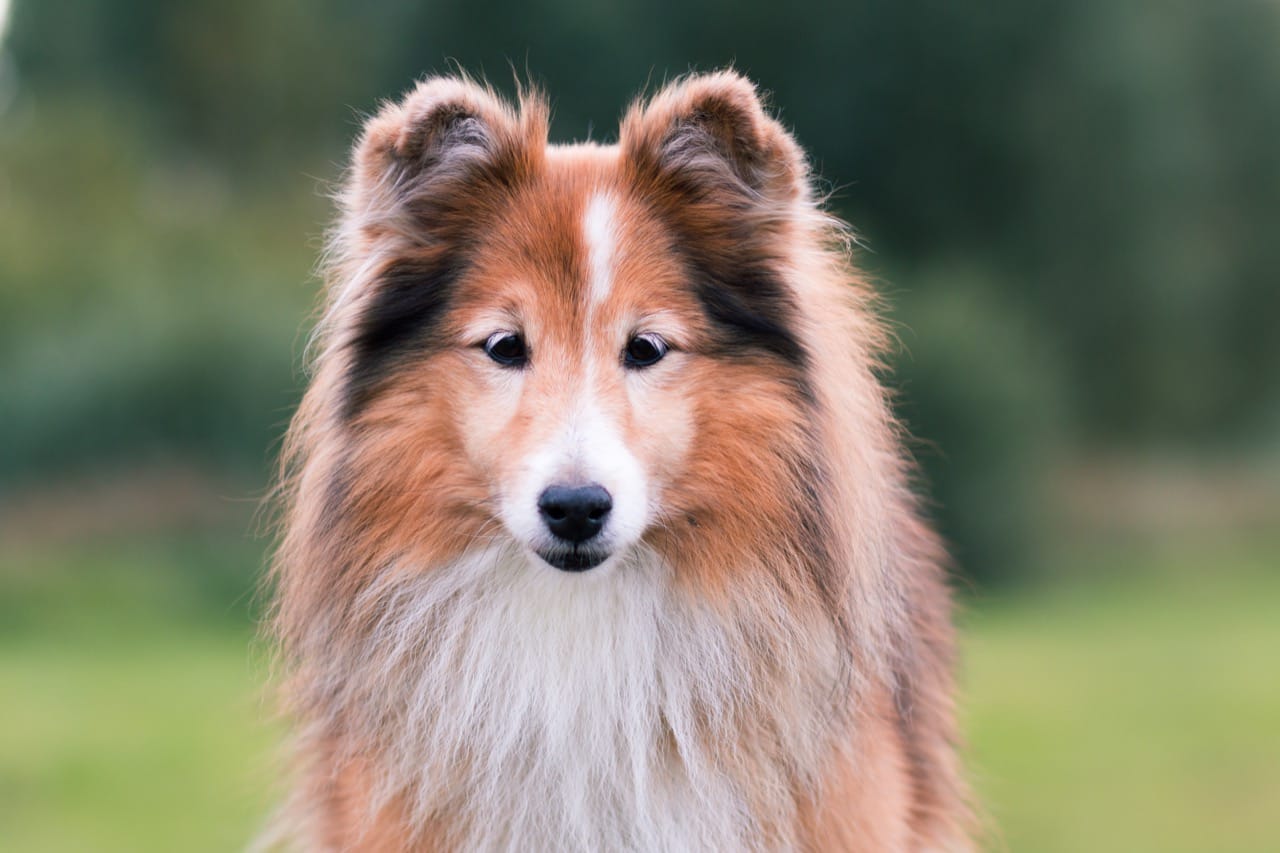
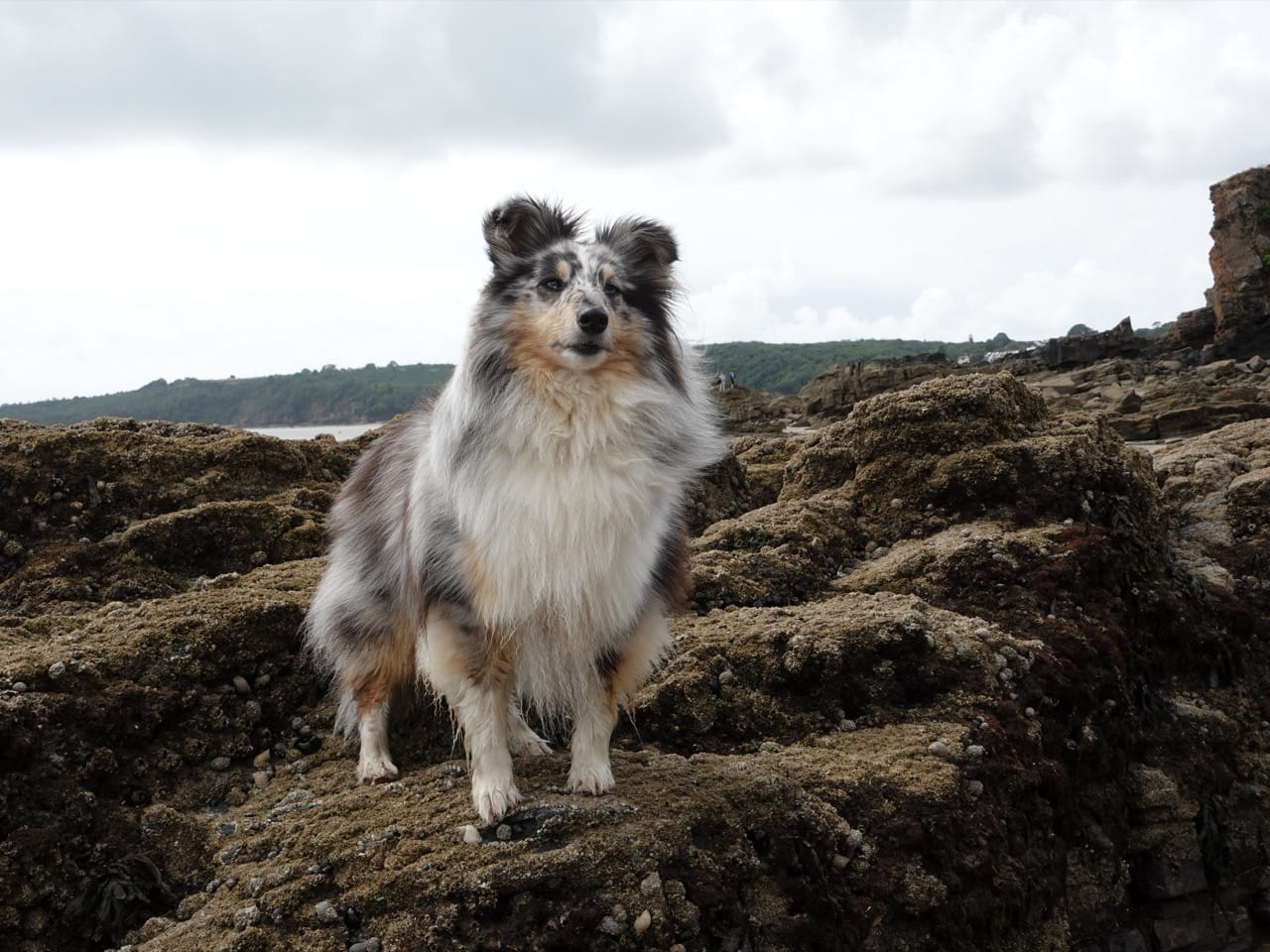
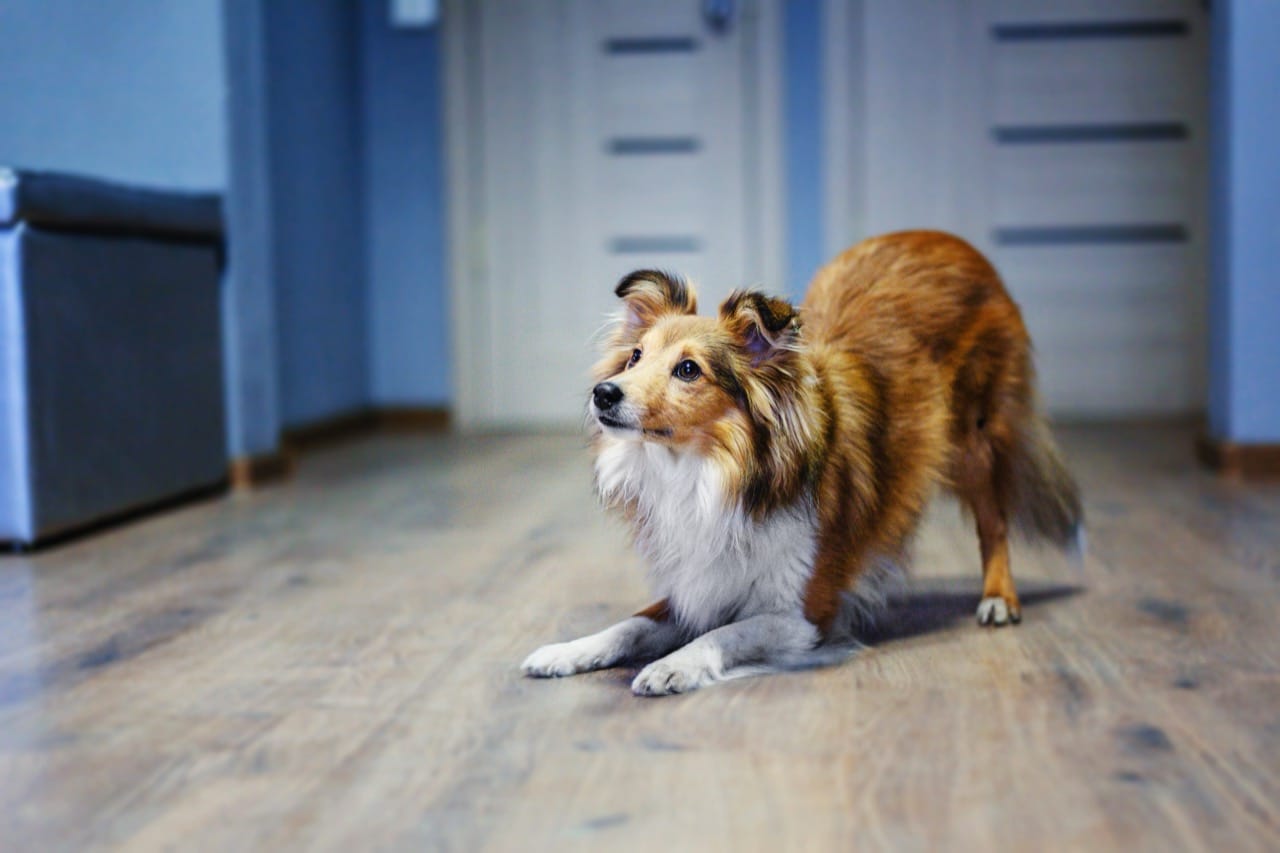
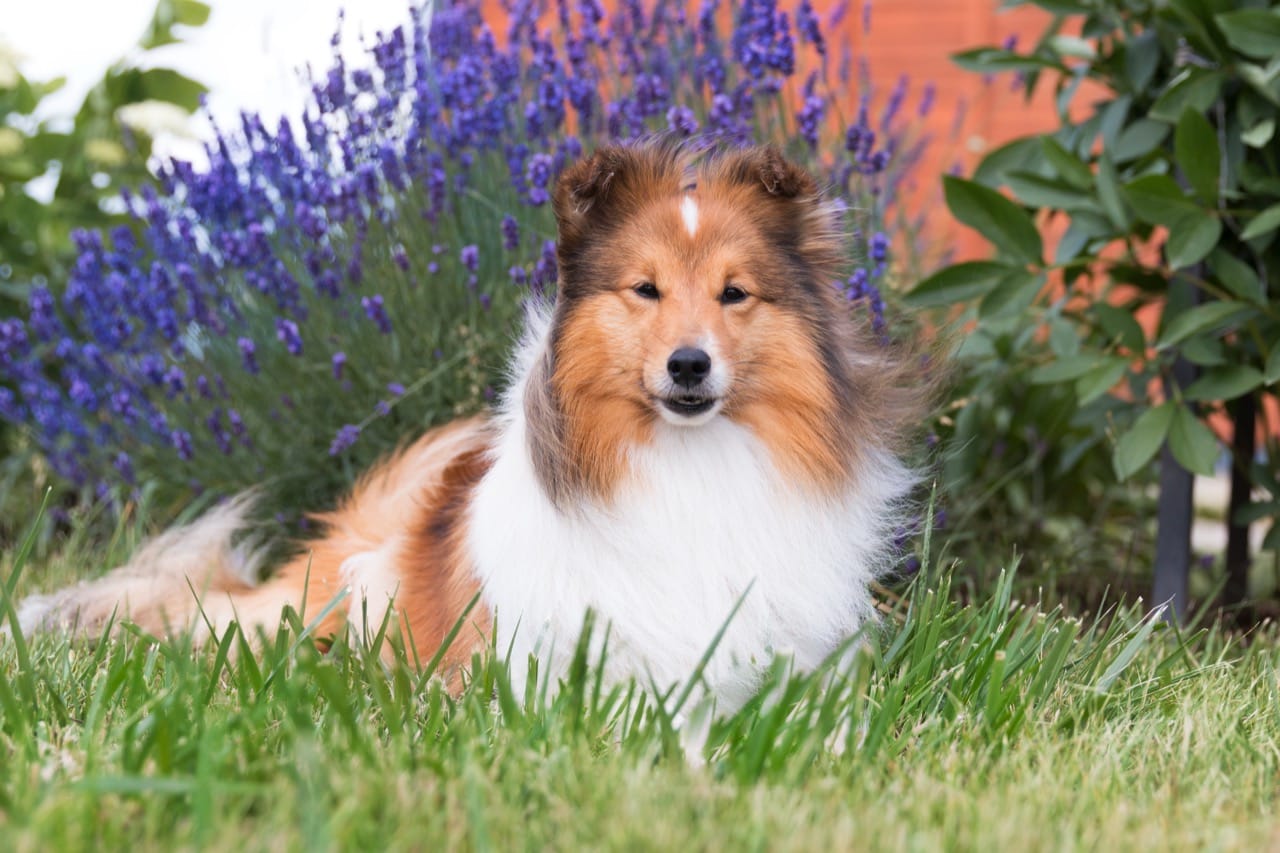
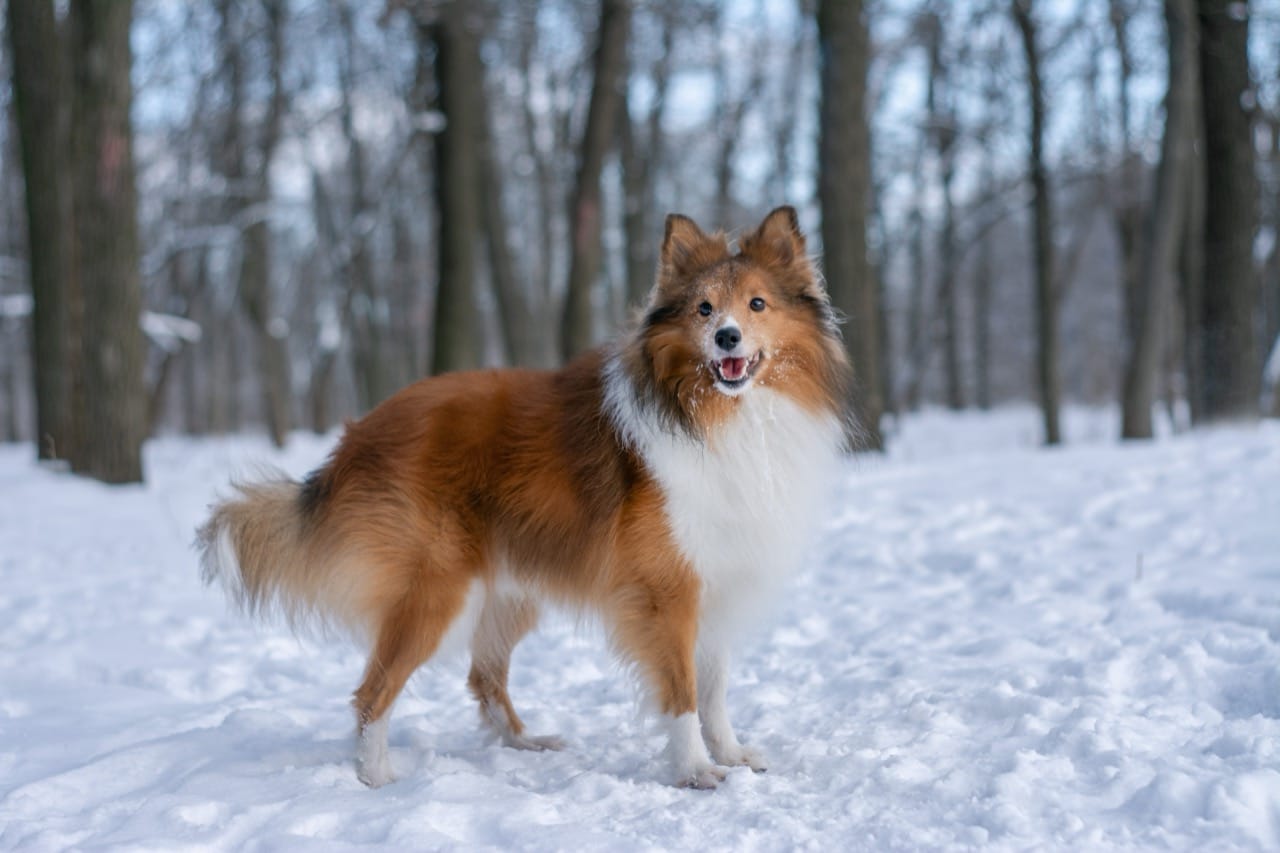
Small enough to live comfortably in a cottage yet tough enough to face North Atlantic weather, the Shetland Sheepdog carries a cultural story that starts on the rugged Shetland Islands and travels into modern homes, sports fields, and popular imagination. Long before the breed became a familiar picture of a flowing mane and bright expression, these dogs were valued as working partners. On the islands they helped manage small livestock, guarded gardens, and acted as general-purpose farm dogs. Their job required a quick brain, sensitivity to human cues, and the ability to work at a distance, traits that still shape the breed’s manners today. Many Sheltie owners recognize the same watchful awareness and readiness to respond that once helped a dog turn wandering sheep or warn of visitors.
Early names hint at how people understood these dogs. The term Shetland Collie was used historically, reflecting both geography and a resemblance to larger collie types. That resemblance later became part of a debate as the breed moved into the show world, because fanciers wanted a distinct identity rather than a smaller copy of something else. Breed naming and standards might sound like paperwork, but they influence culture: they determine how the public recognizes a dog and what traits get celebrated. The eventual popularity of the name Shetland Sheepdog emphasized the breed’s herding roots and helped separate it from other collie varieties in the public mind.
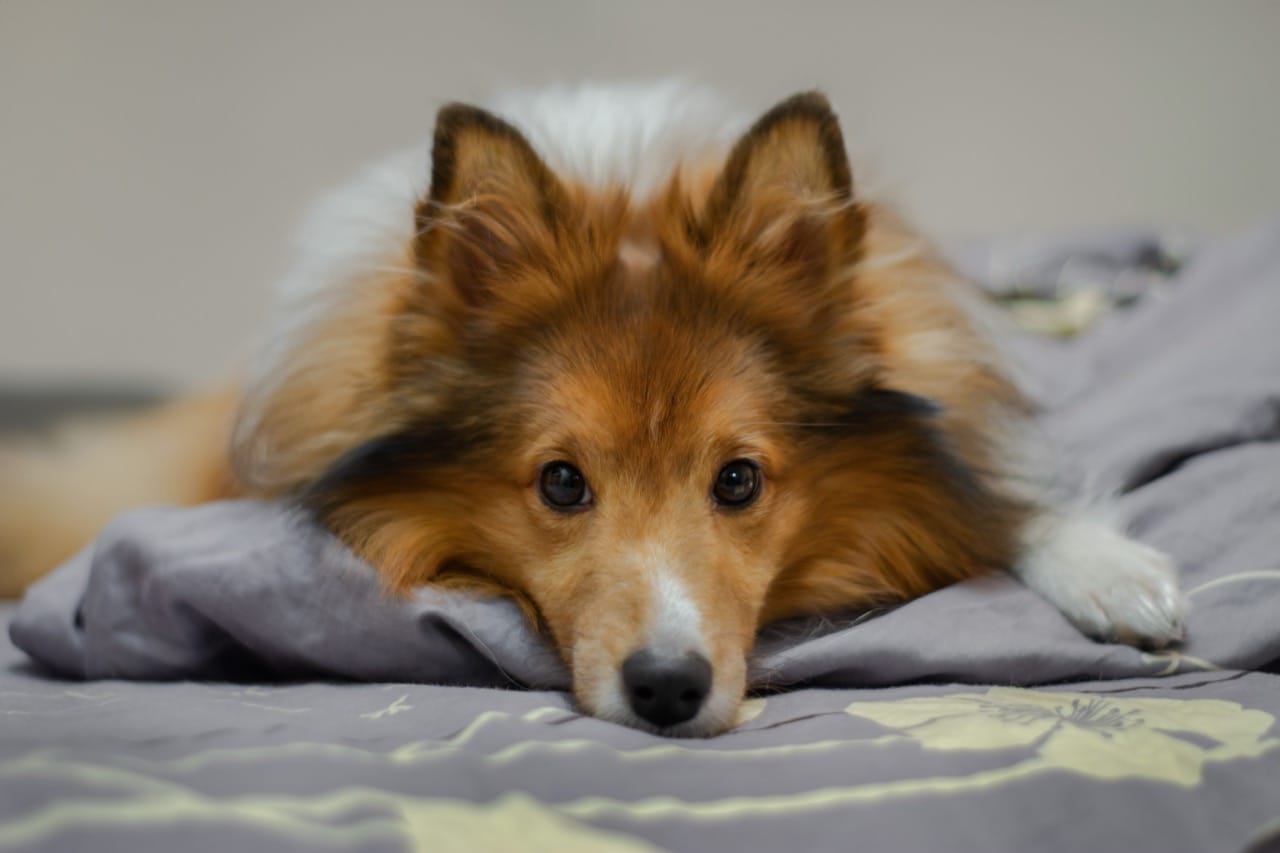
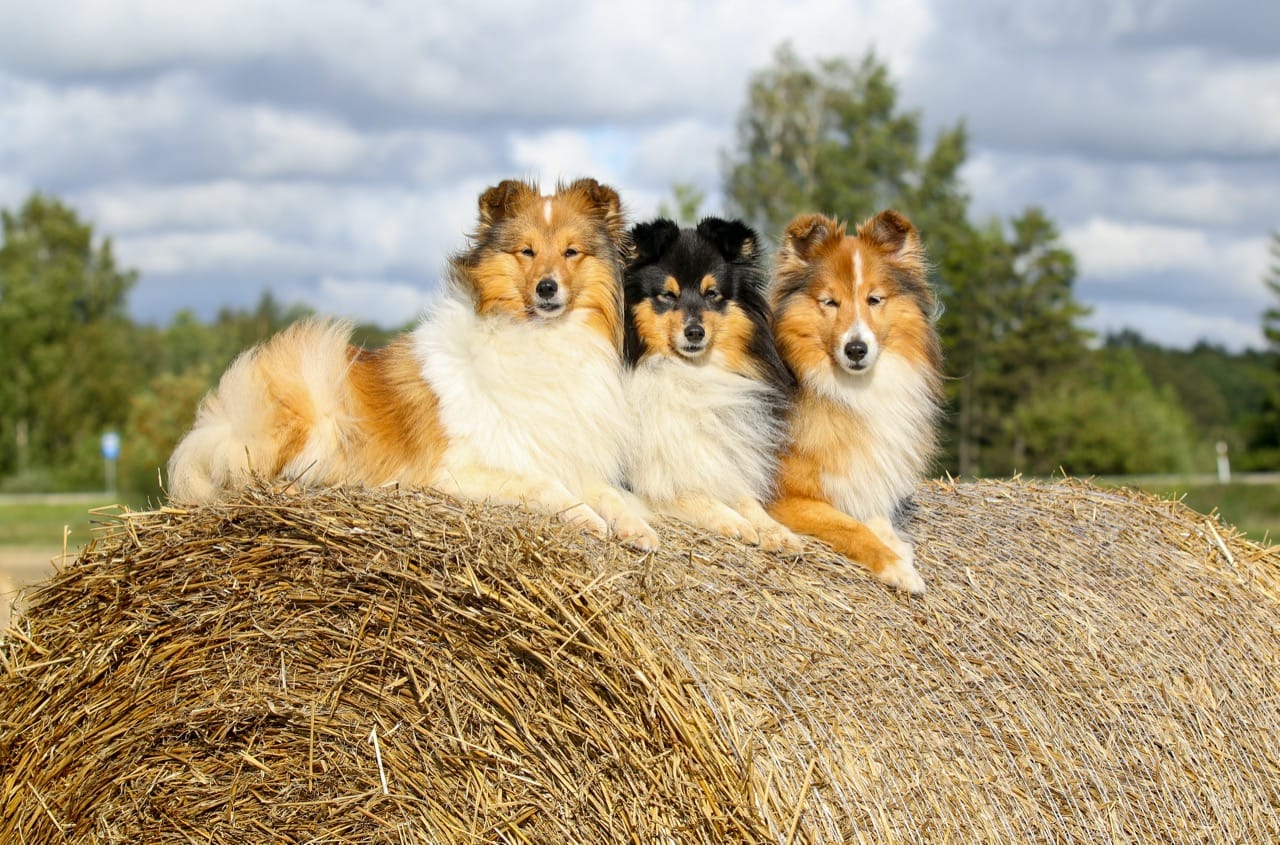
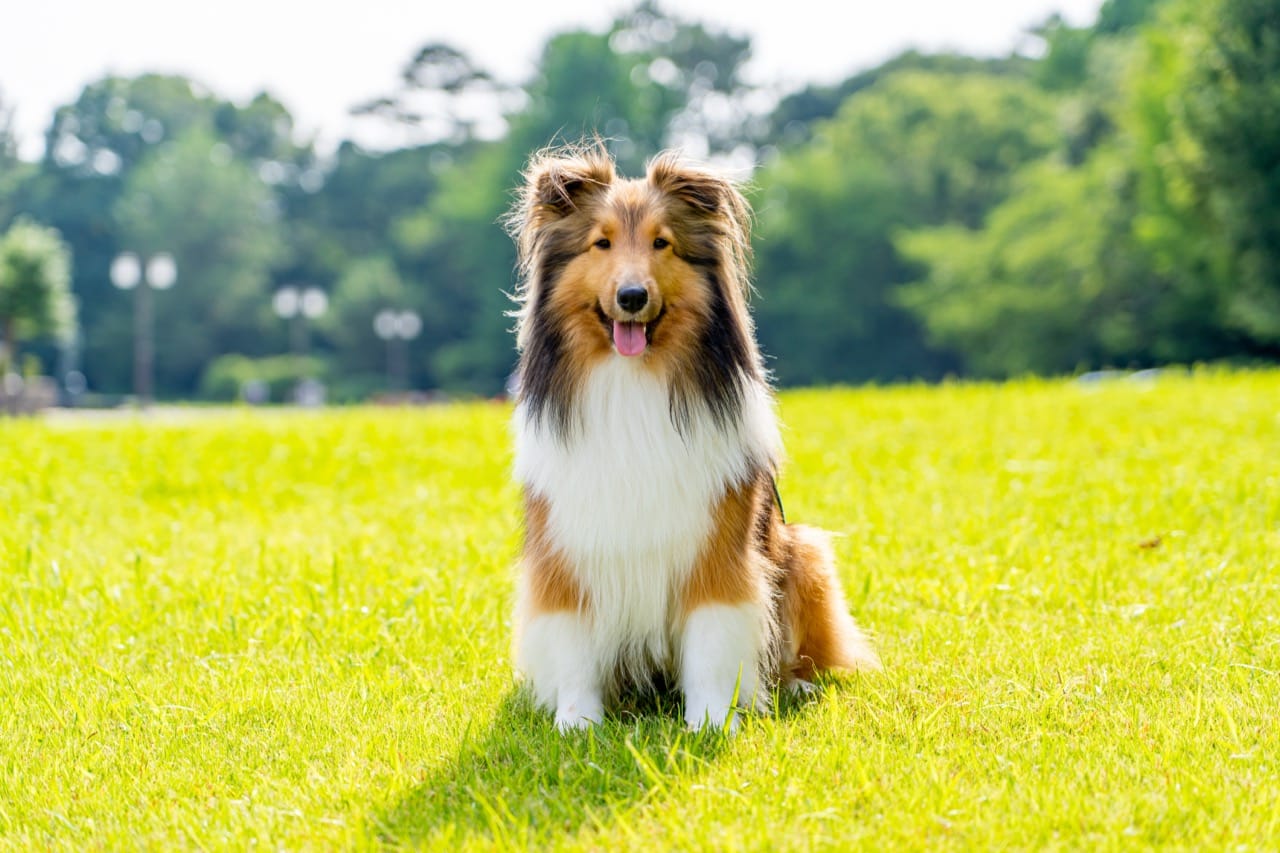
As the breed entered dog shows and spread beyond the islands, it became a symbol of elegance paired with practicality. The famous coat and refined outline photograph well, which helped the Sheltie appear in magazines, advertisements, and later online communities where owners trade grooming tips like family recipes. Yet the breed’s cultural appeal is not only about looks. Shelties gained a reputation for being “too smart for their own good,” a phrase that pops up in training circles and everyday conversation. That stereotype has a real foundation: these dogs learn patterns quickly, notice small changes, and often anticipate routines. In households, this can look like a dog that herds children away from doors, alerts to every delivery, or invents games to get attention.
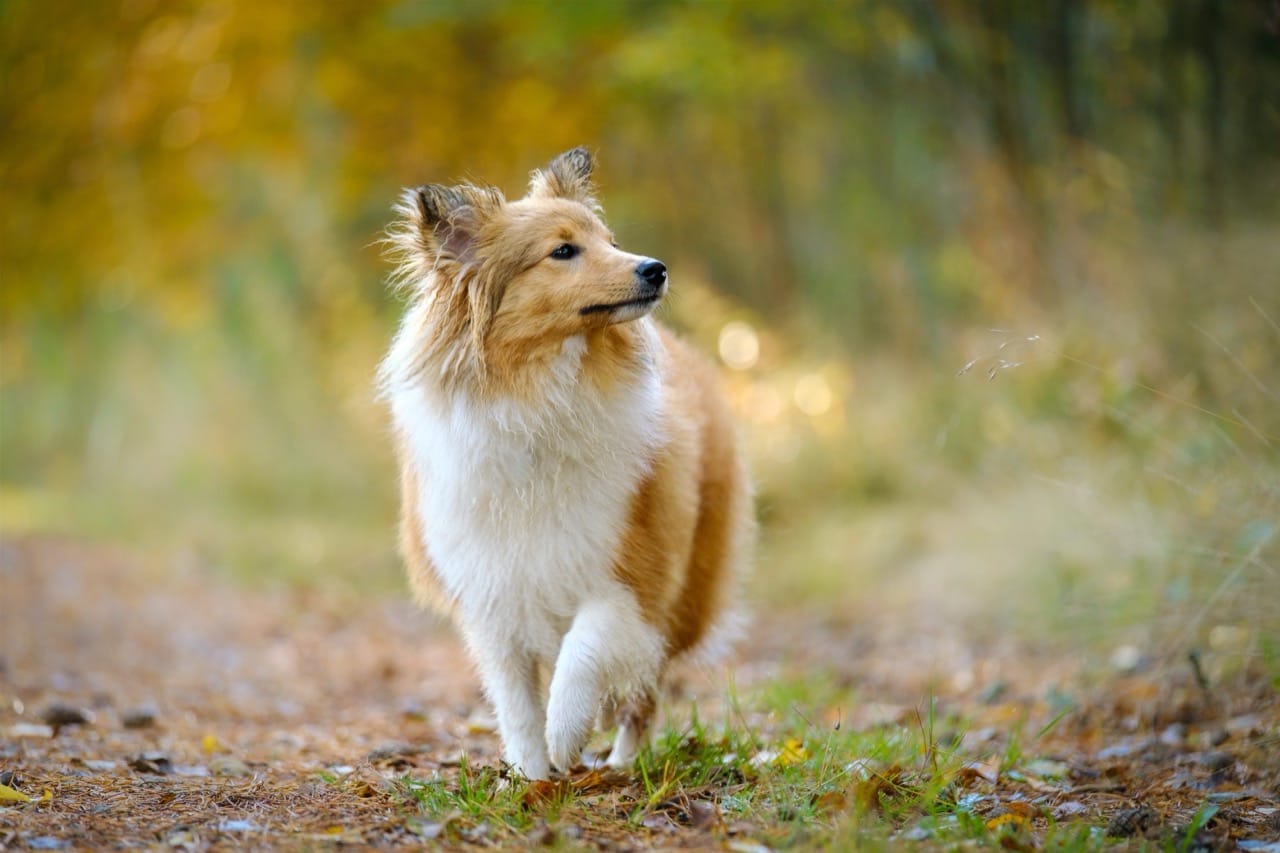
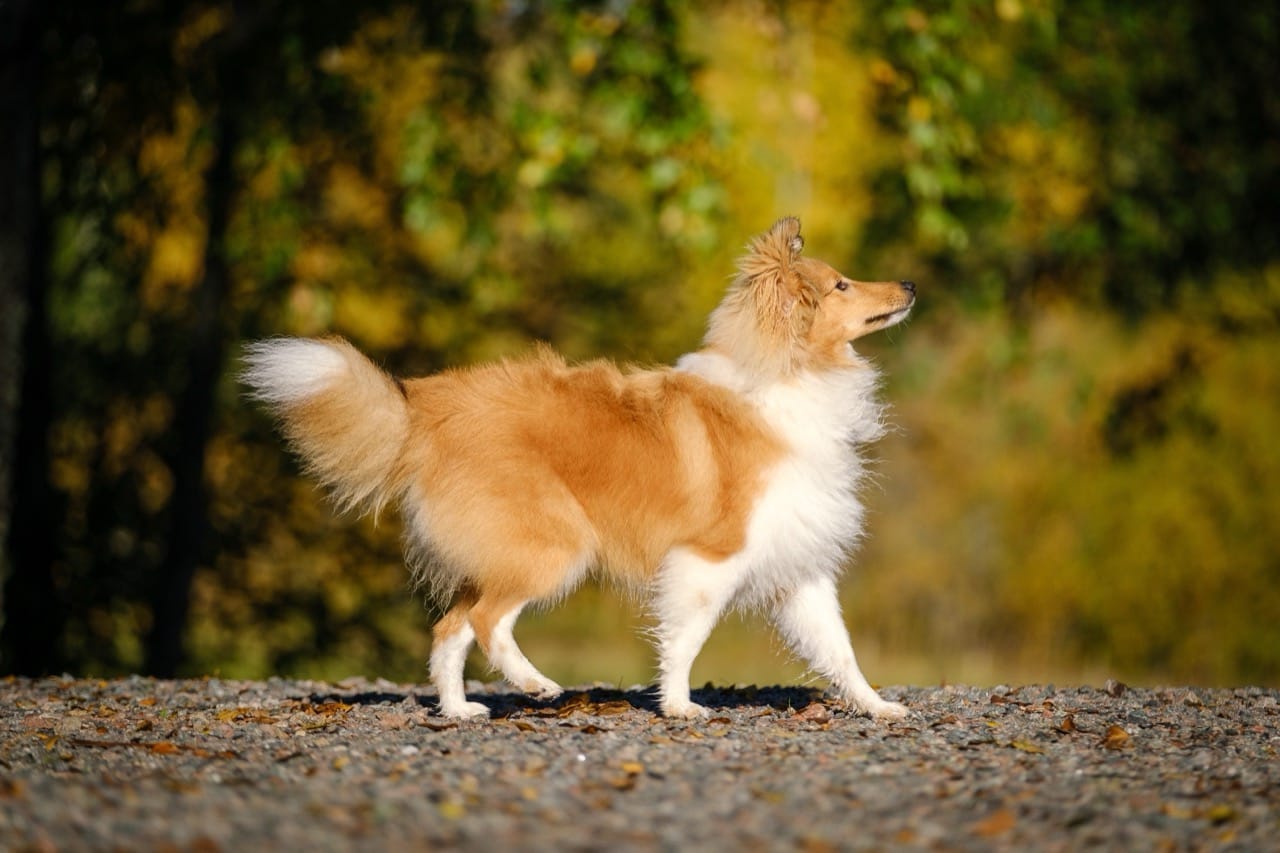
Dog sports turned that intelligence into a modern tradition. Shelties are widely associated with agility, obedience, rally, and other performance events because they combine speed, responsiveness, and a desire to work with people. Over time, weekend training classes and trial days became social rituals: early mornings, familiar faces, lucky leashes, and the shared language of cues and praise. Owners often speak of Shelties as partners rather than pets, and that partnership mindset is a cultural inheritance from the breed’s working past.
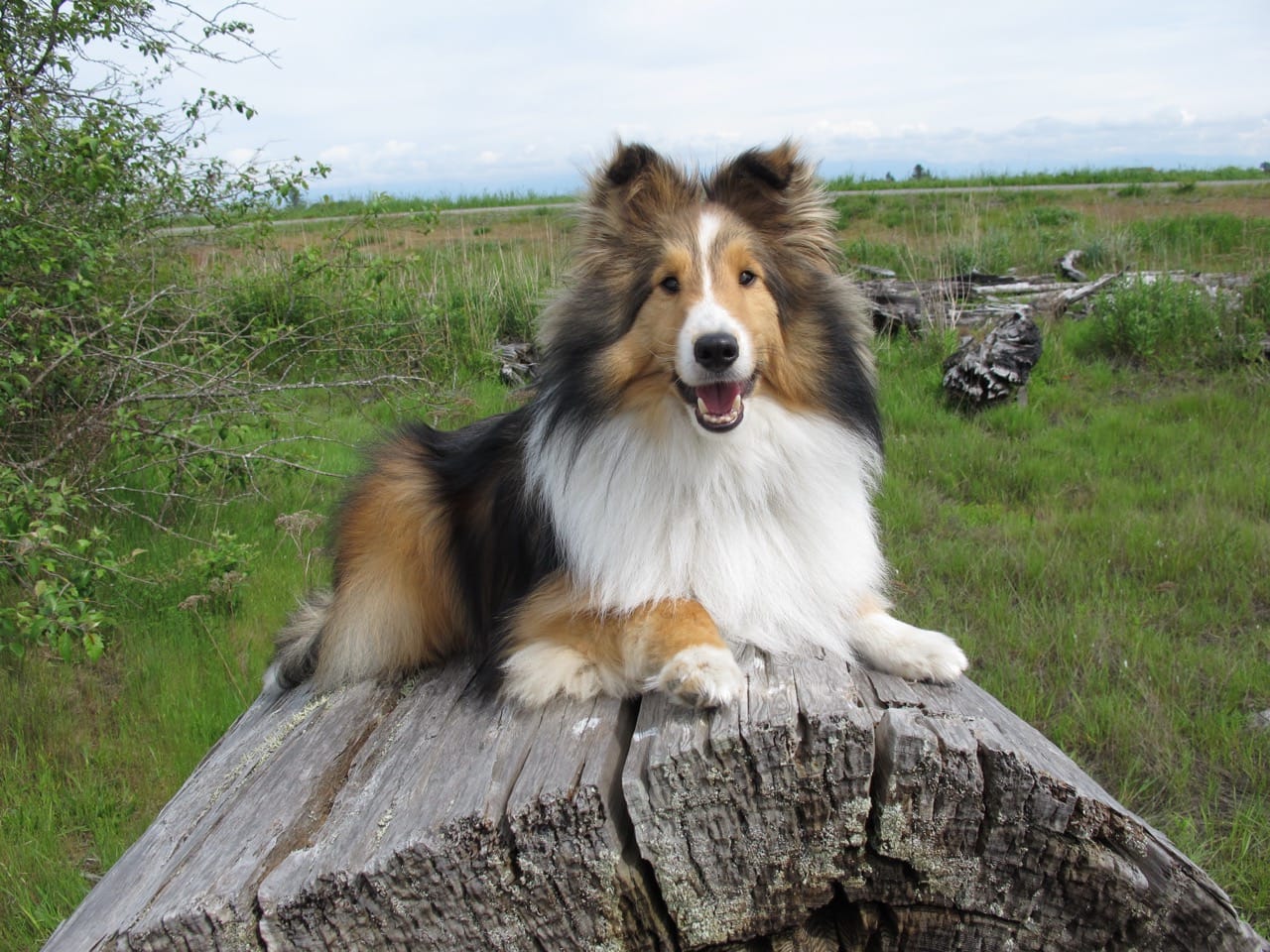
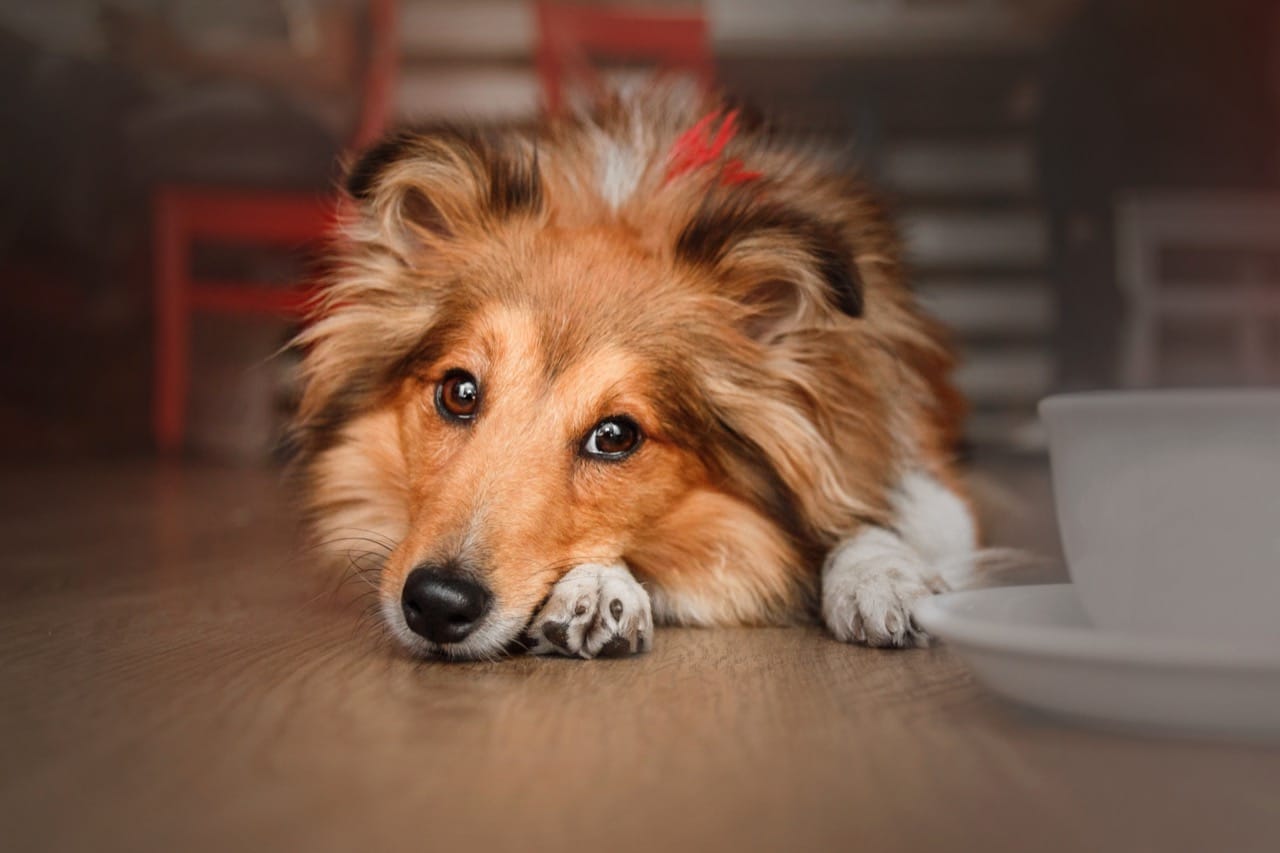
In everyday life, Shelties have also shaped small customs that feel almost like folklore. Many families develop a “talking” routine with their dog, responding to the breed’s expressive barks, grumbles, and whines as if holding a conversation. Others create enrichment traditions, such as teaching new tricks on rainy days or setting up mini obstacle courses in the yard. Because Shelties can be sensitive, patient socialization and gentle handling are often treated as a point of pride, passed along through breed clubs and mentor relationships. Stories of a Sheltie that learned dozens of words, mastered complex sequences, or comforted a nervous child travel quickly, reinforcing the idea that this breed is both brainy and deeply tuned to human emotion.
From windswept crofts to living rooms and competition rings, the Shetland Sheepdog’s cultural footprint comes from a rare combination: a beautiful silhouette, a sharp mind, and a history of real work. The traditions that surround Shelties today, from grooming rituals to training games, are modern echoes of an island herder’s daily life, kept alive by people who enjoy a dog that is always watching, always learning, and always ready to join the next shared adventure.