Sausage Dog Facts Under the Microscope
Quiz Complete!
Sausage Dog Facts Under the Microscope: What Dachshunds Were Really Made For
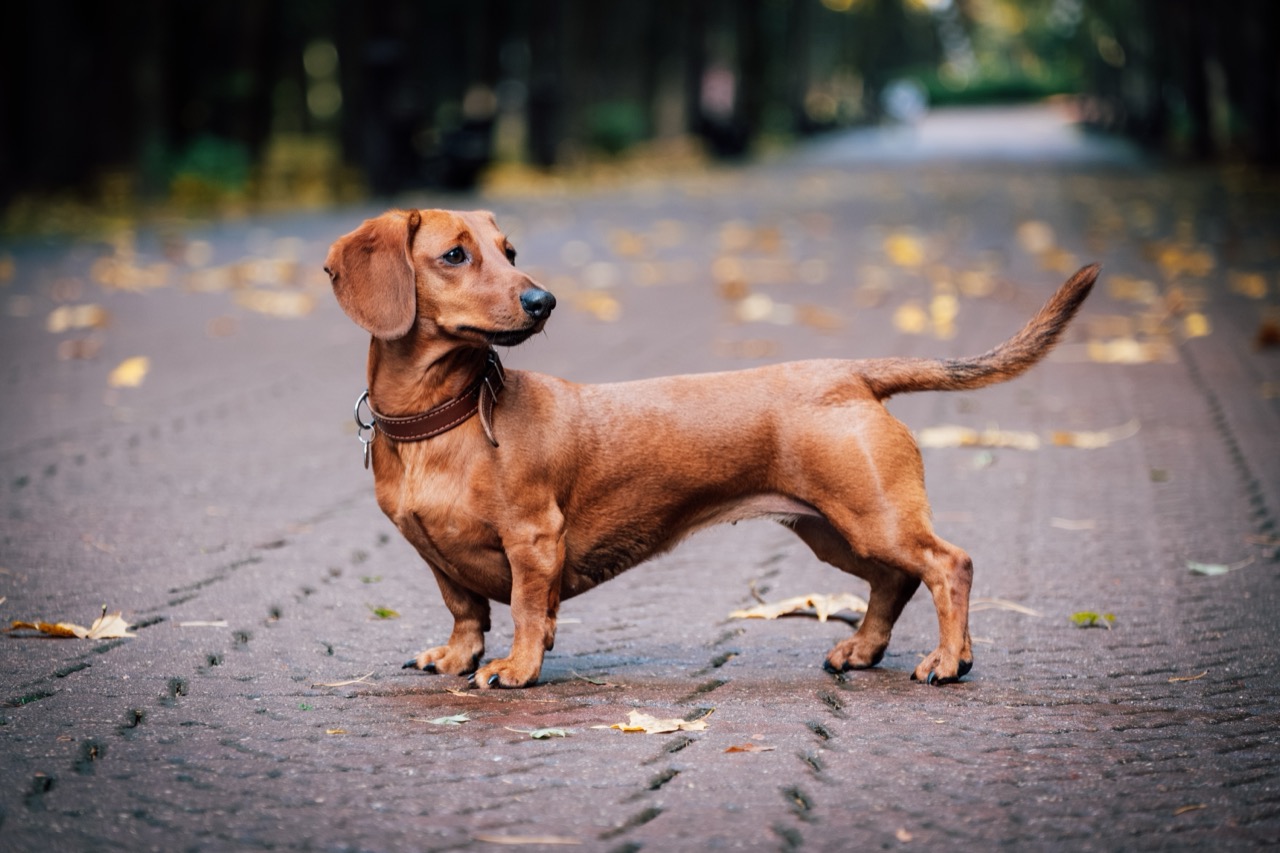
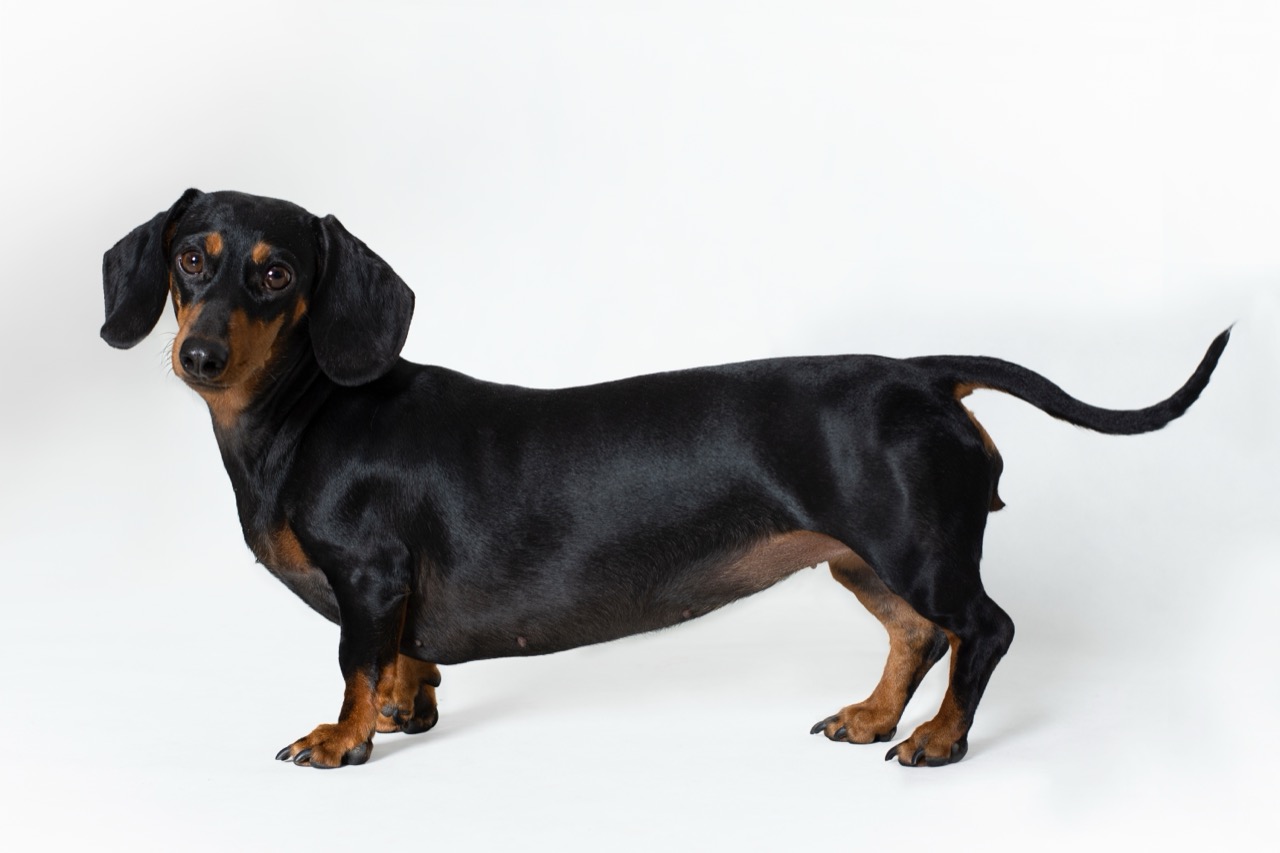
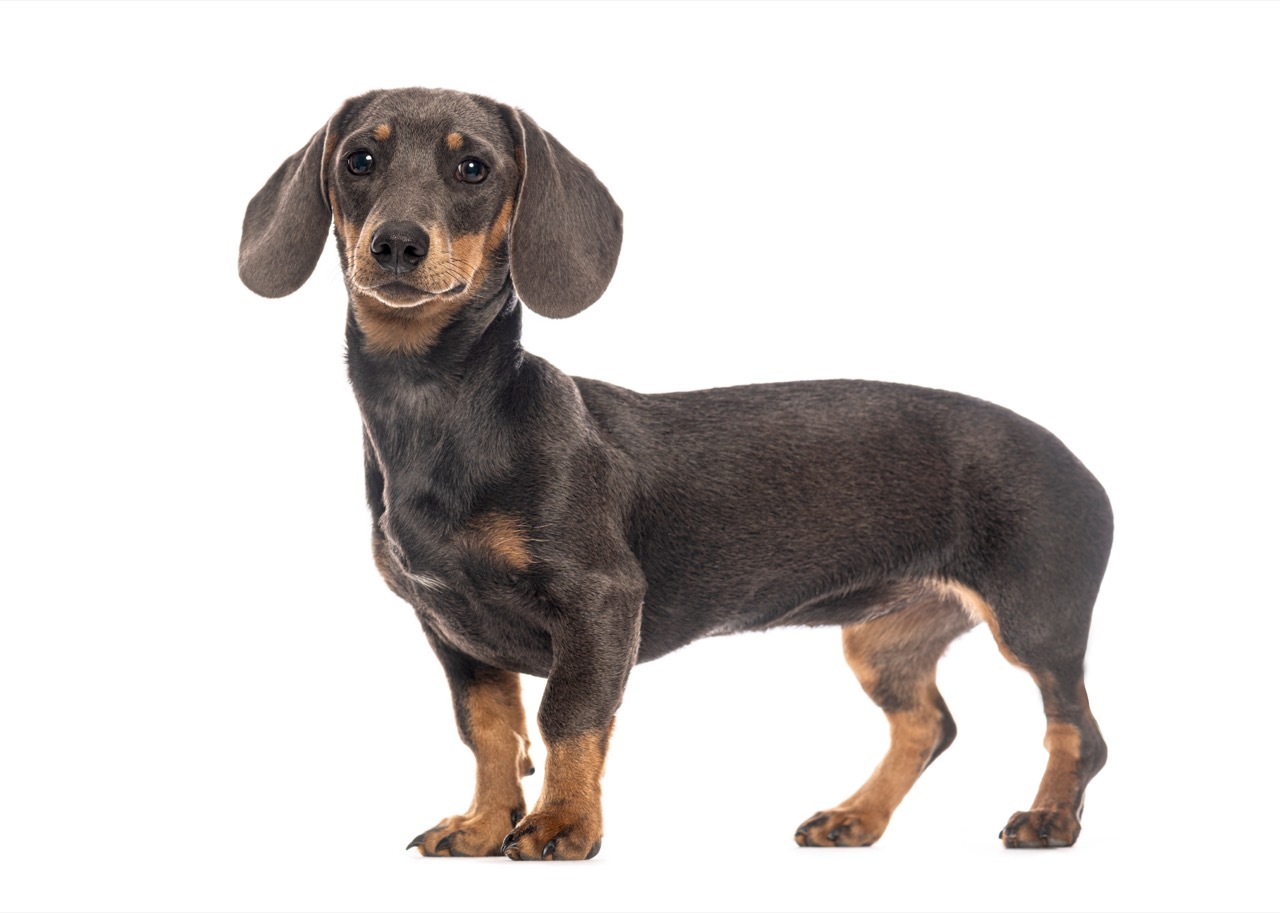
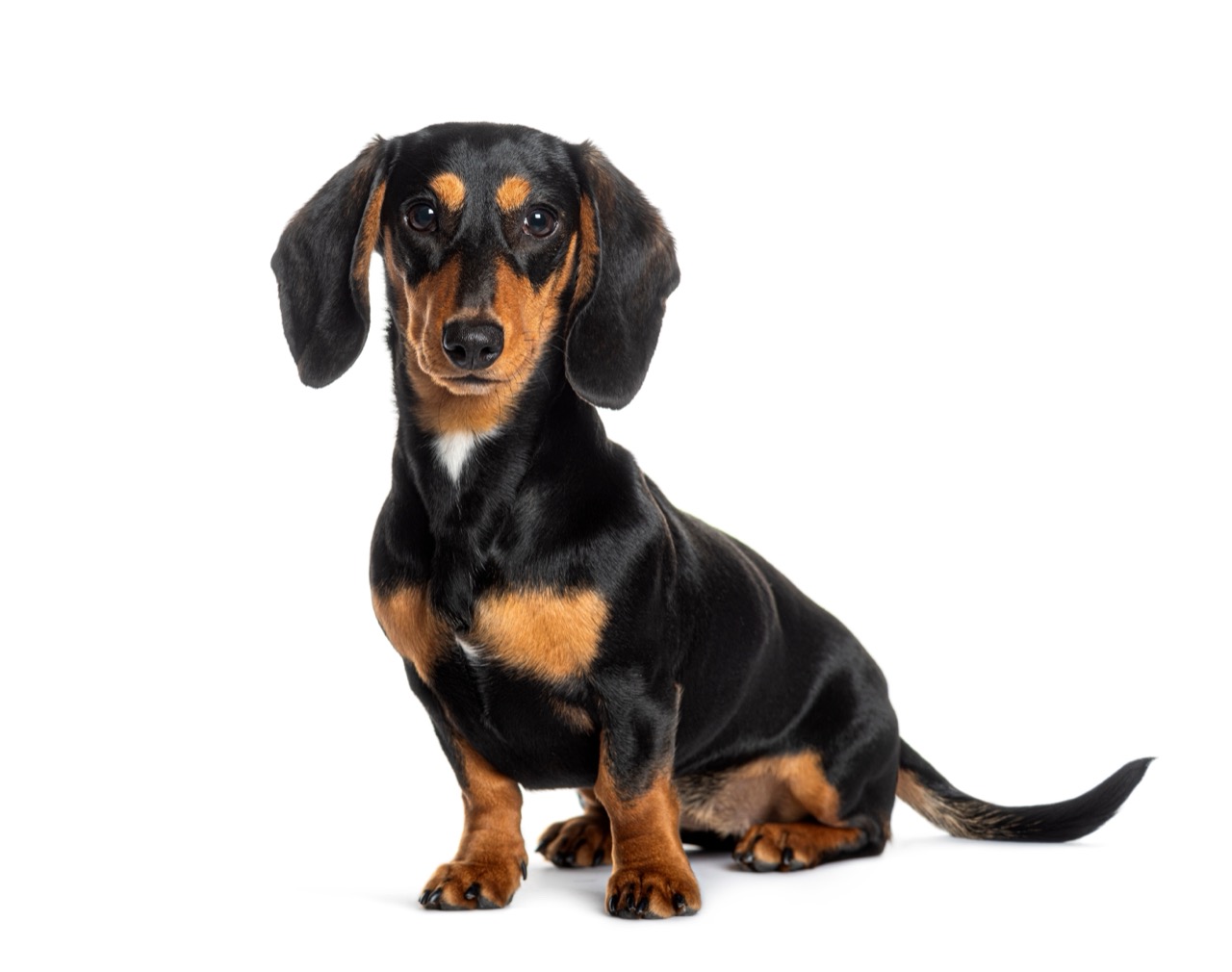
Dachshunds are often treated like living cartoons: long body, short legs, and a confident expression that says they run the household. But behind the cute nicknames is a breed with a very specific job description. The name Dachshund comes from German words linked to badgers, and that is not just a fun bit of trivia. These dogs were developed to go to ground, meaning they could follow quarry into burrows and tight spaces. Their long, low shape was practical, not accidental: it helped them maneuver underground while keeping enough strength in the chest and shoulders to dig and push forward. That bold personality people love is also part of the design. A dog expected to confront a badger in a tunnel cannot be timid.
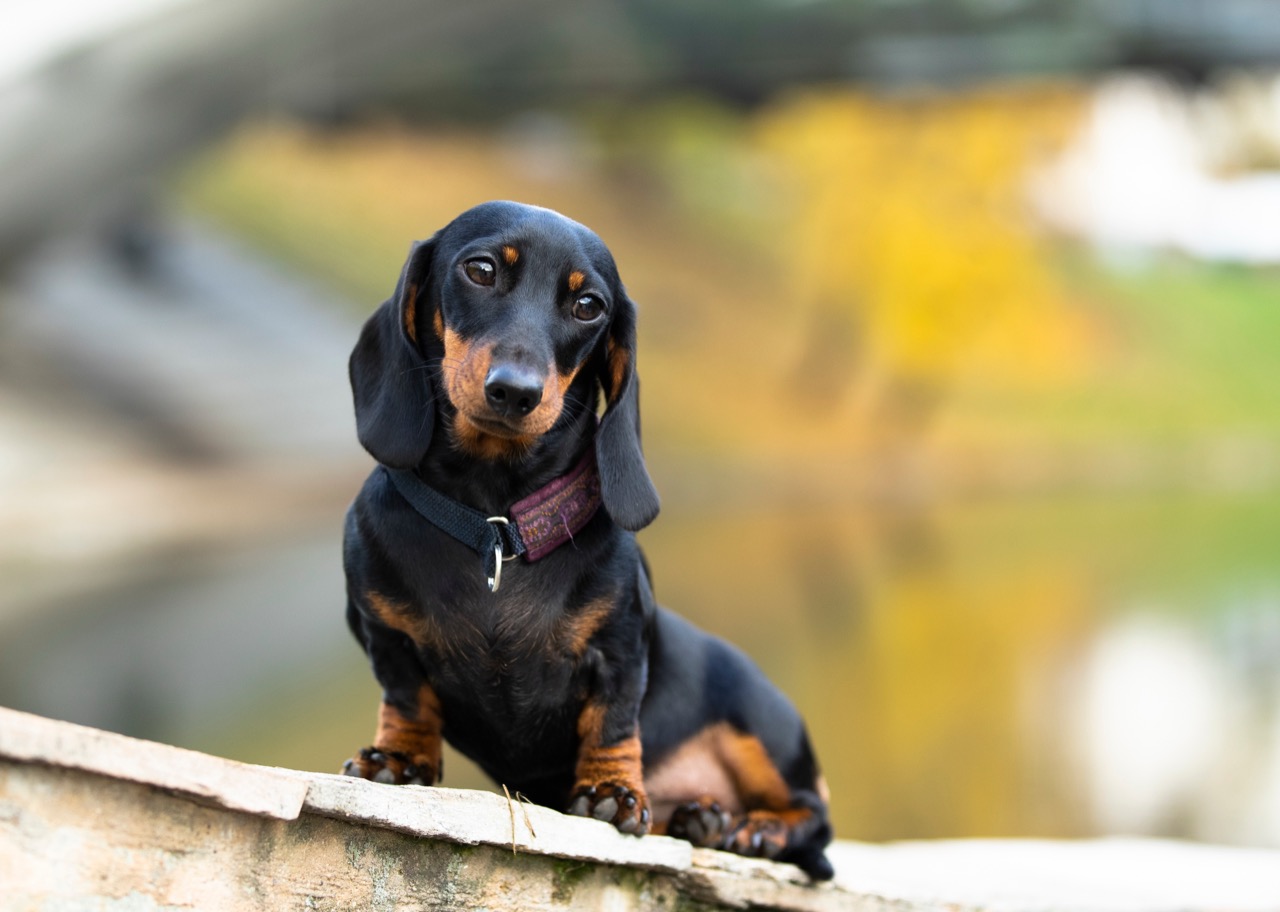
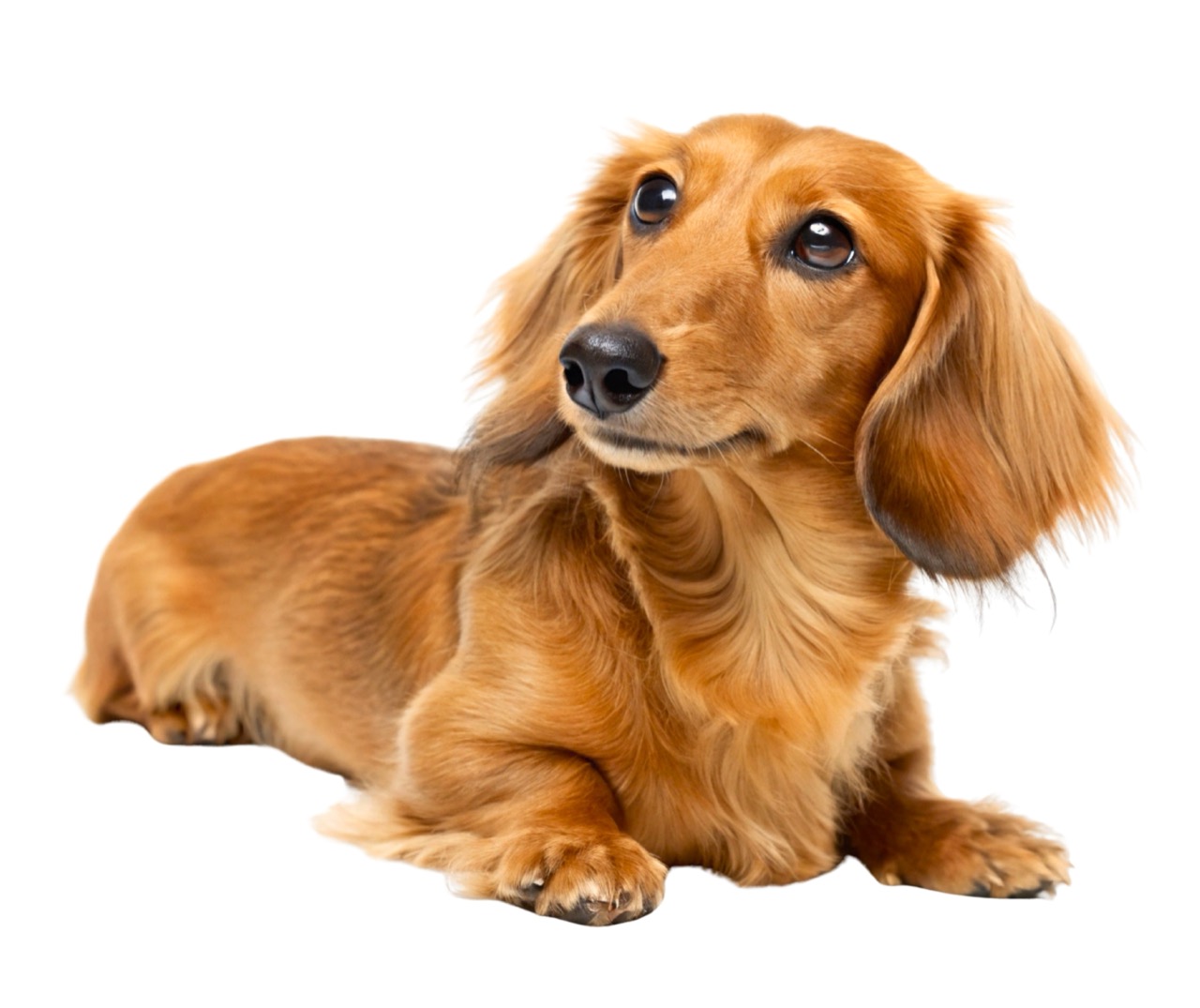
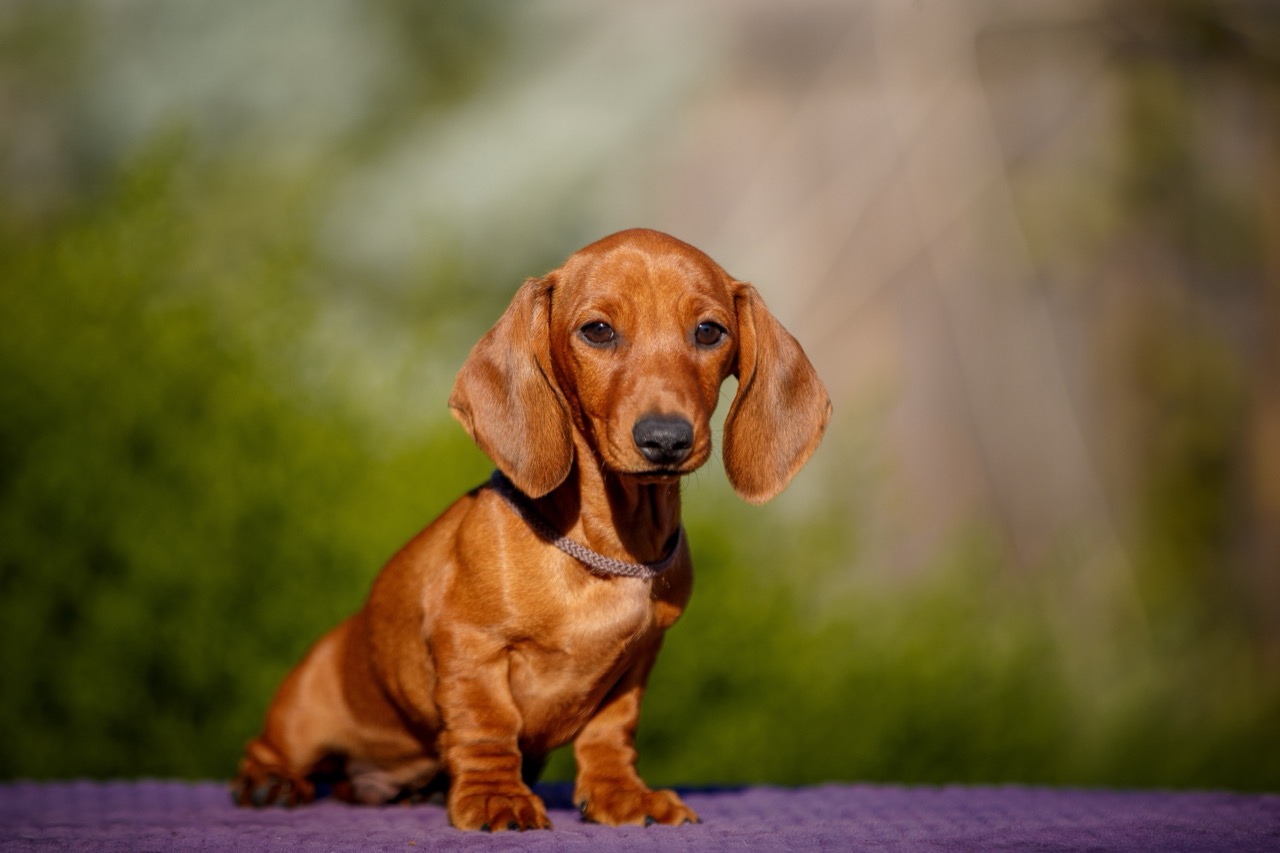
Many people assume all Dachshunds are the same except for color, but the breed comes in three coat types: smooth, longhaired, and wirehaired. The coat is not only about looks; it can influence grooming needs and even how the dog seems to behave. Longhaired Dachshunds are sometimes described as a bit softer in temperament, while wirehairs are often labeled as more terrier-like, but individual personality and training matter more than stereotypes. Size also trips people up. There are standard and miniature Dachshunds, and in some places you will also hear terms like tweenie, which is not an official category but a casual way to describe dogs that fall between typical weights.
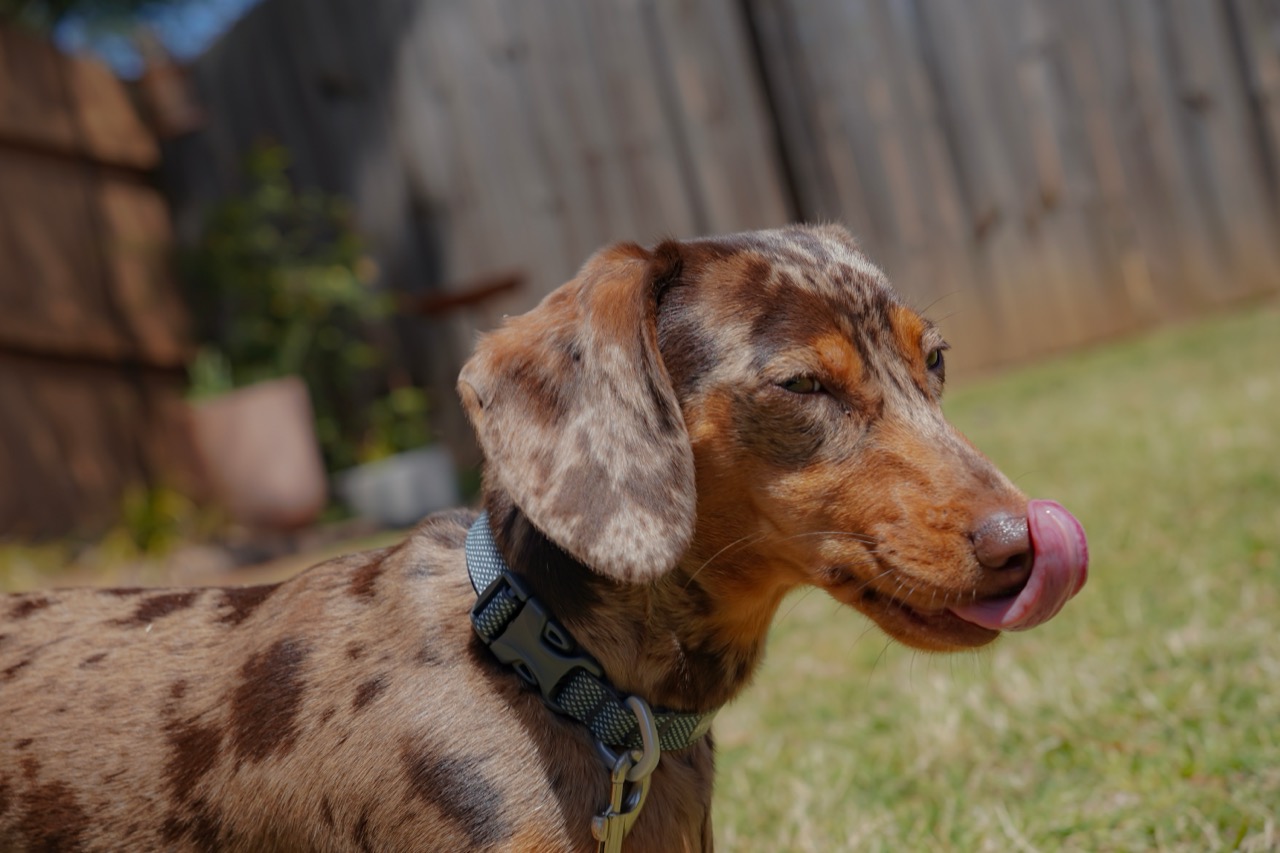
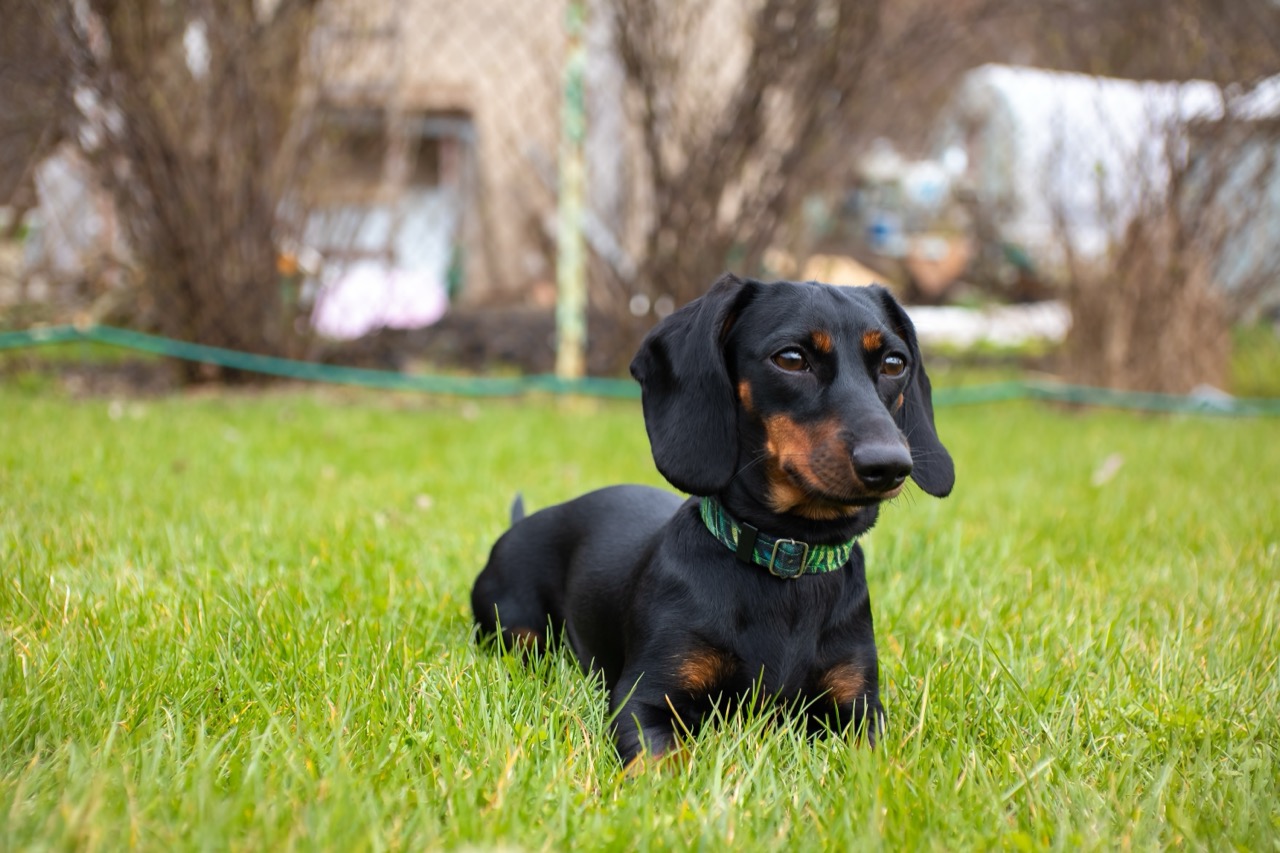
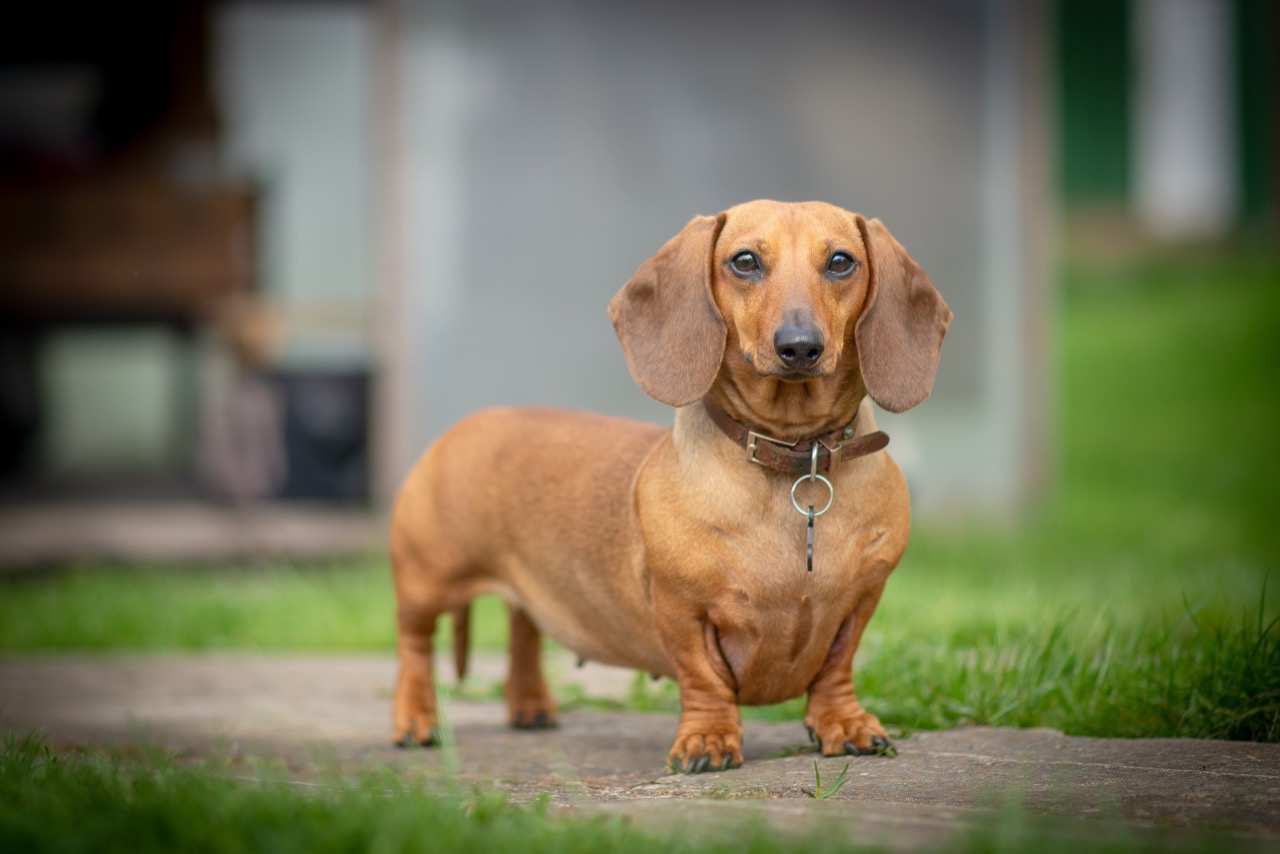
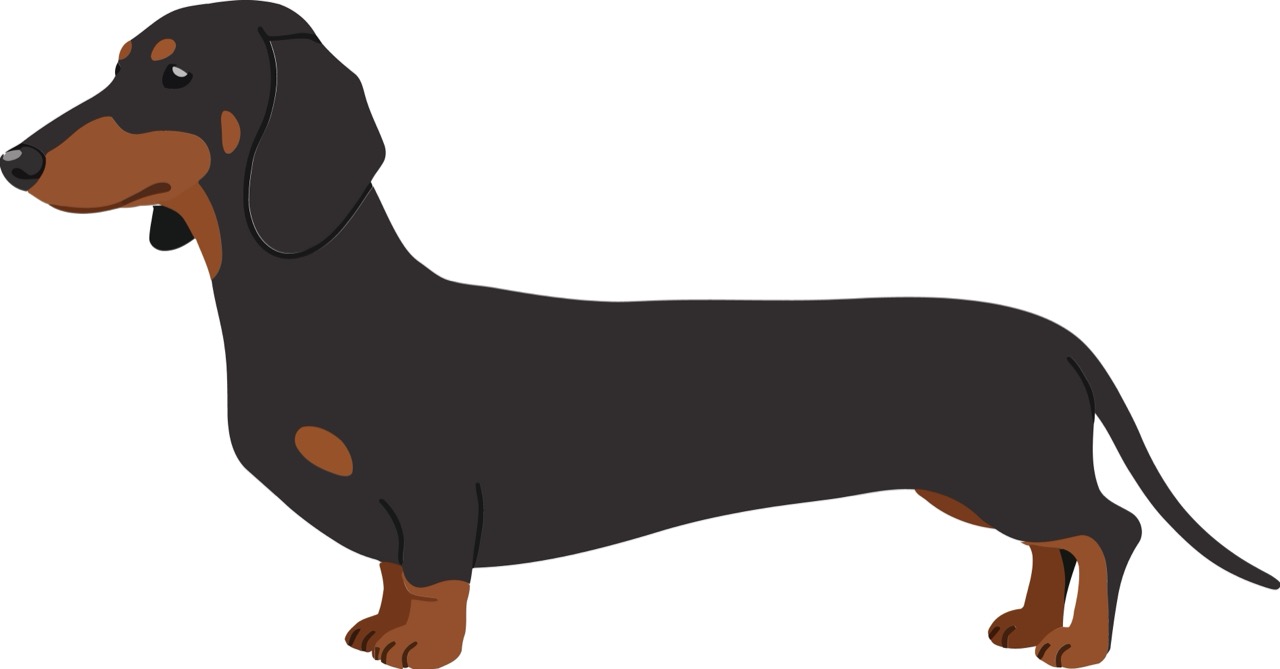
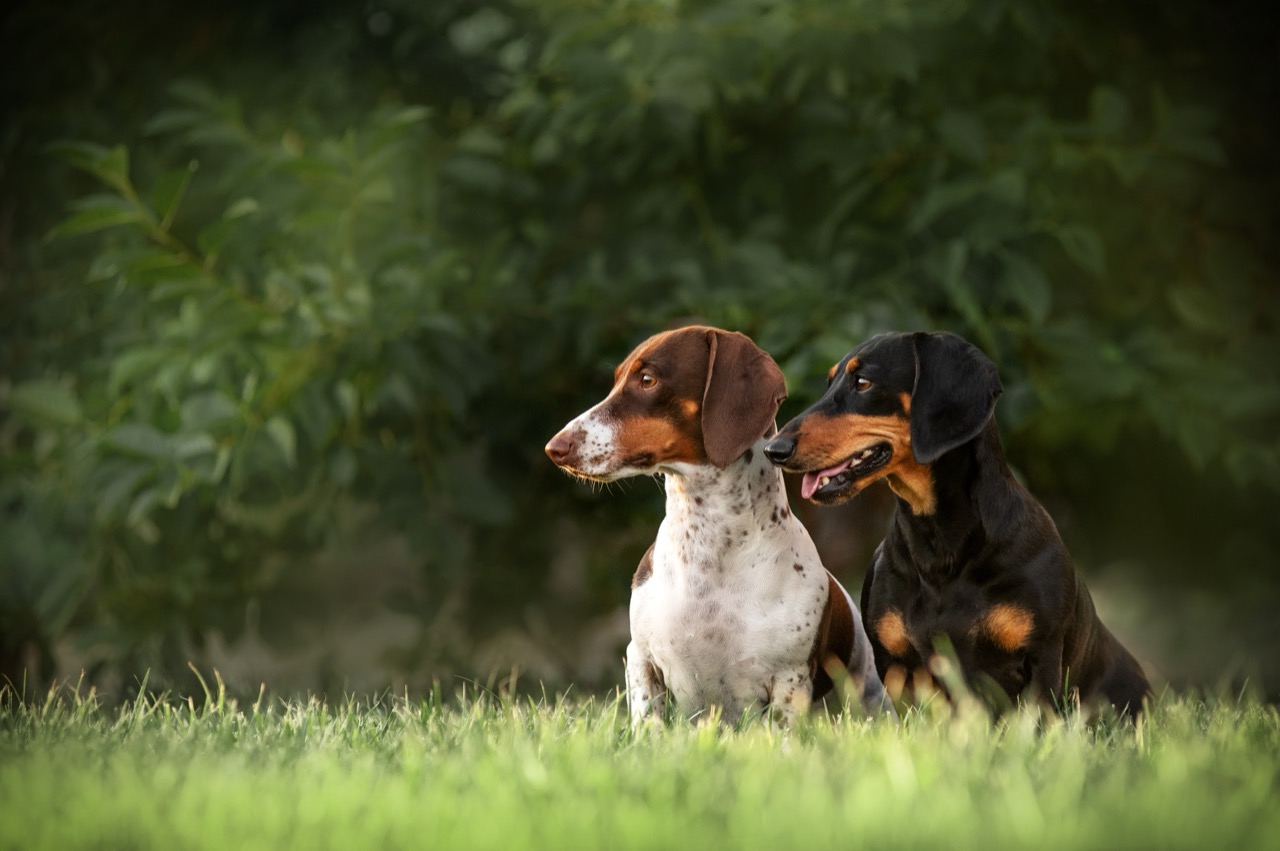
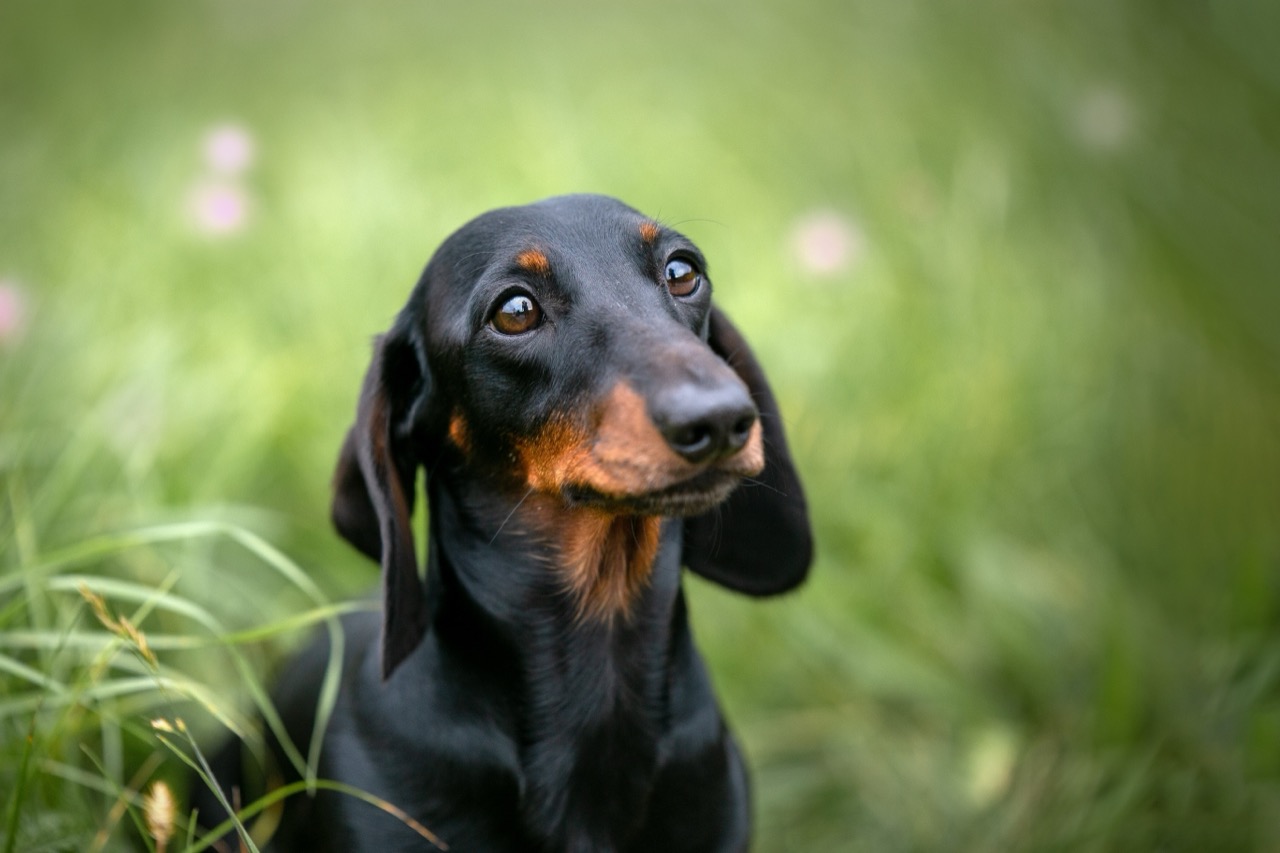
Color and pattern can be surprisingly complicated. Solid reds and creams are common, but there are also black and tan, chocolate and tan, wild boar in wirehairs, and patterns like dapple and brindle. Some combinations that look striking can come with extra responsibility. Double dapple, which can happen when two dapple-patterned dogs are bred together, is associated with a higher risk of vision and hearing problems. That is why reputable breeding practices matter, even if someone is only thinking about appearance.
The biggest health topic for Dachshunds is the back. Their long spine and short ribcage-to-pelvis support make them more prone to intervertebral disc disease, a condition where discs can bulge or rupture and compress the spinal cord. This is why certain everyday activities can be risky. Repeated jumping on and off furniture, rough stair use, and high-impact play can add strain. It does not mean they must live like fragile ornaments, but it does mean smart management helps: keeping them lean, building muscle with controlled exercise, using ramps where appropriate, and handling them with support under the chest and rear instead of lifting by the front alone.
Behaviorally, Dachshunds can surprise first-time owners. They are affectionate and often intensely loyal, but they were also bred to work independently, so they may question commands if they do not see the point. Their bark is famously big for their size, which made them useful as alert dogs, but it can become a nuisance without training. Many also have a strong prey drive, so small pets and off-leash adventures can be a gamble. Add in their love of digging and you get a dog that is both hilarious and determined.
If a quiz tries to trick you, it will probably lean on half-truths: that Dachshunds are lazy because of their legs, that all are fragile, or that their shape is purely cosmetic. The real story is better. They are compact working dogs with specialized engineering, a wide variety of coats and colors, and a set of care rules that make sense once you remember what they were built to do: go underground, face a formidable opponent, and come back out acting like they won the argument.