Saddle Up for Mini Aussie Facts
Quiz Complete!
Saddle Up for Mini Aussie Facts: The Miniature American Shepherd Explained
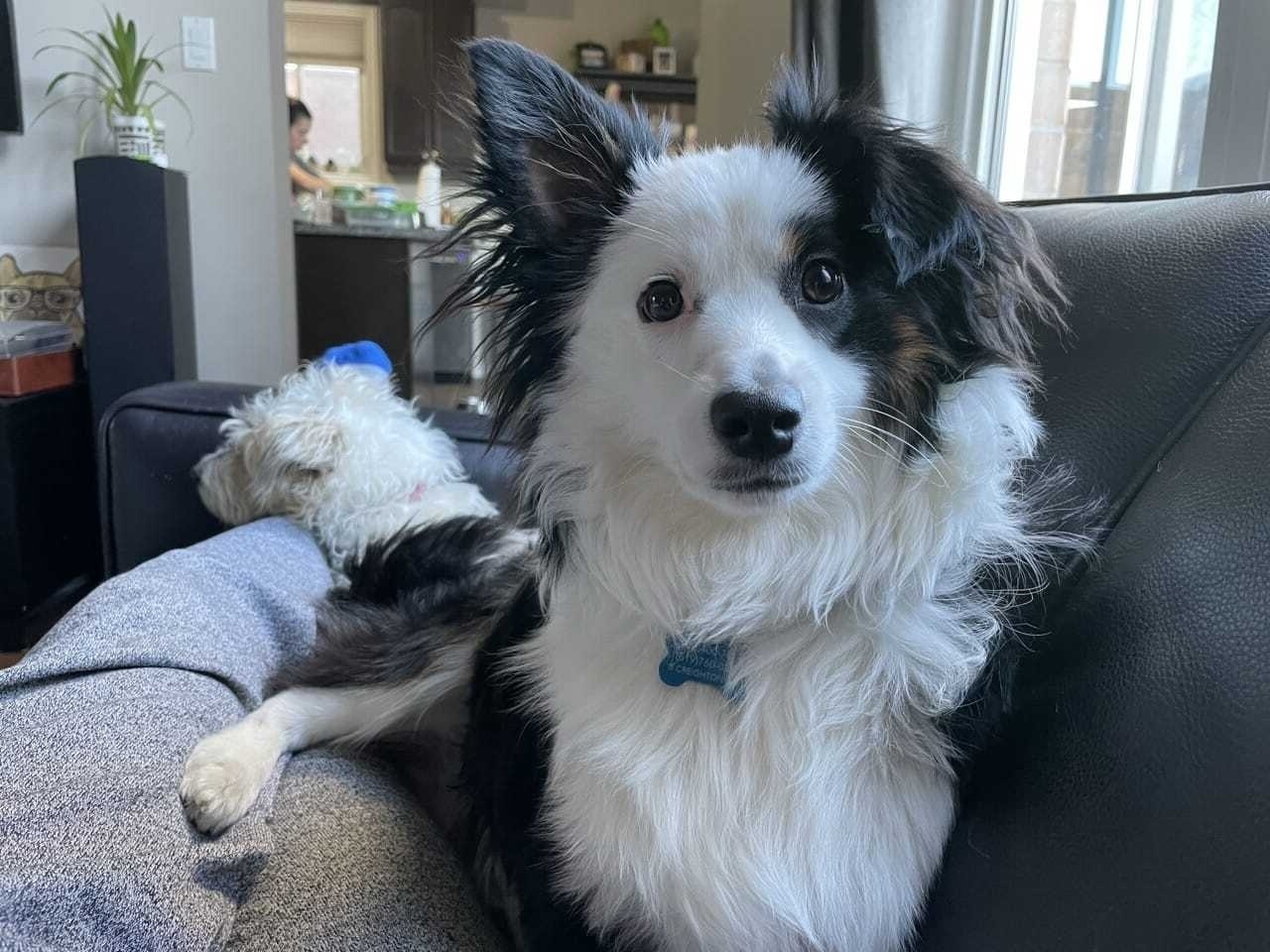
The dog many people casually call a Mini Aussie is officially the Miniature American Shepherd, a breed built for real work, not just a smaller look. Its roots trace back to the ranch and rodeo world of the western United States, where smaller, quick herding dogs were prized for their ability to move stock efficiently while fitting easily into a busy, travel-heavy lifestyle. These dogs developed alongside Australian Shepherd type dogs, but the modern breed was refined with a clear goal: keep the brain, drive, and versatility of a ranch herder in a more compact package.
That name matters because major registries recognize it differently than the Australian Shepherd. In the United States, the American Kennel Club recognizes the Miniature American Shepherd as its own breed, not a size variety of the Australian Shepherd. You may still hear the nickname Mini Aussie in conversation, but in formal contexts like conformation shows, breeding records, and many sports organizations, Miniature American Shepherd is the correct label. This distinction also helps explain why the breed standard focuses on consistent size, proportions, and movement rather than simply being a scaled-down version of something else.
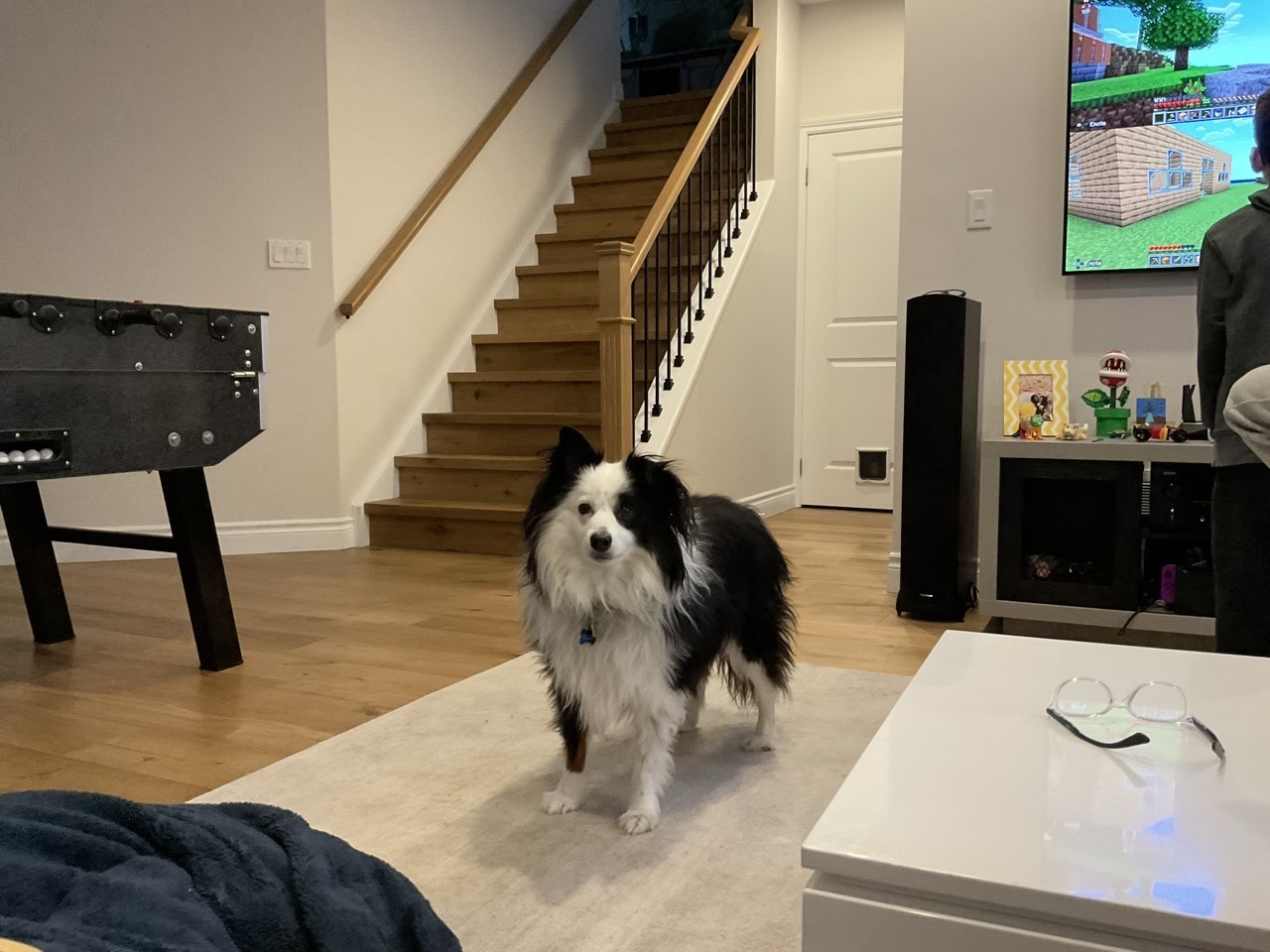
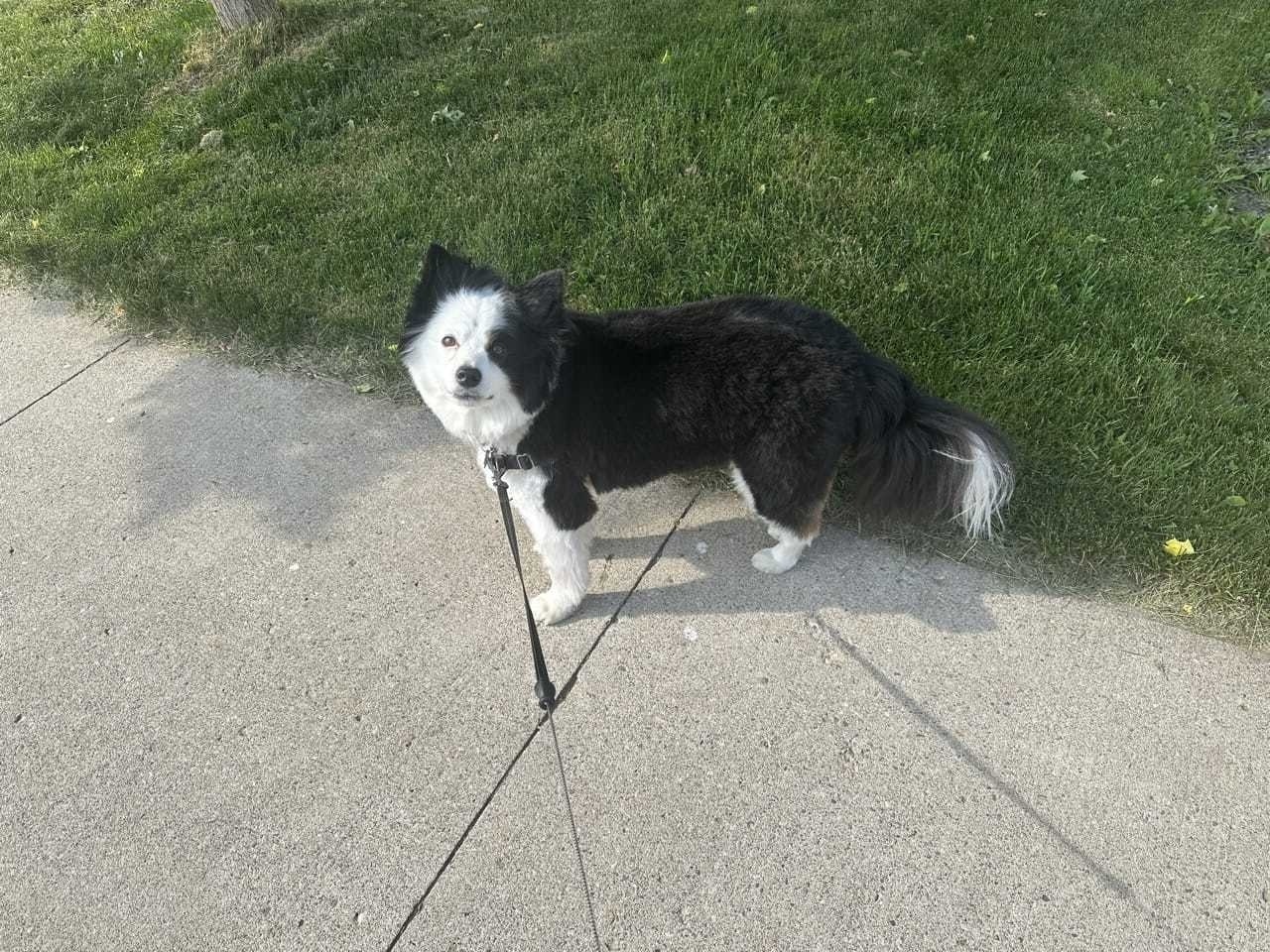
Physically, the Miniature American Shepherd is slightly longer than tall, athletic, and balanced rather than delicate. The overall impression is a small working dog that can cover ground all day. Movement is a big deal in the standard because these dogs were meant to trot efficiently, turn quickly, and change speed without wasted motion. They are not built to be bulky or heavy boned; they are built to be agile and enduring.
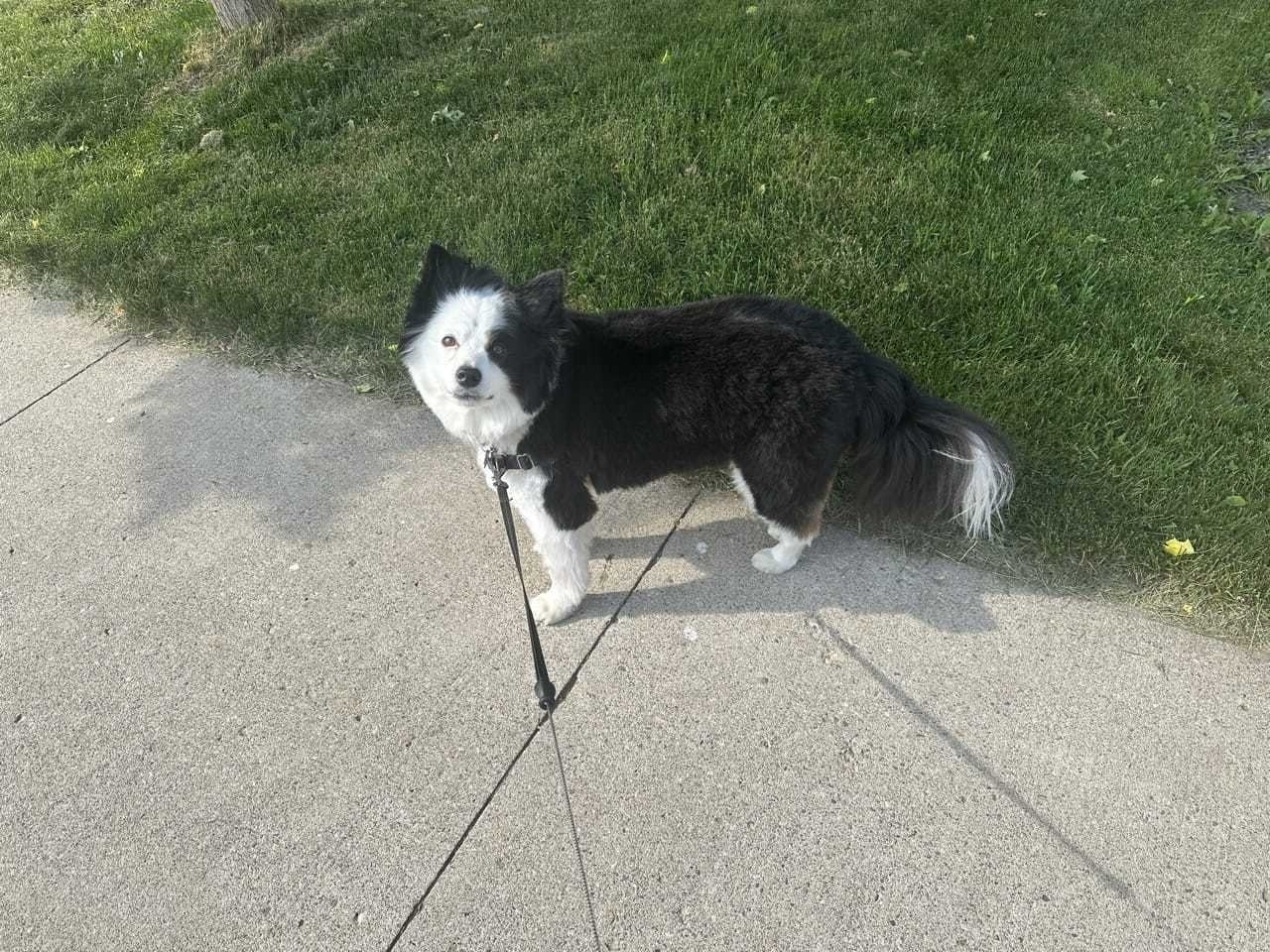
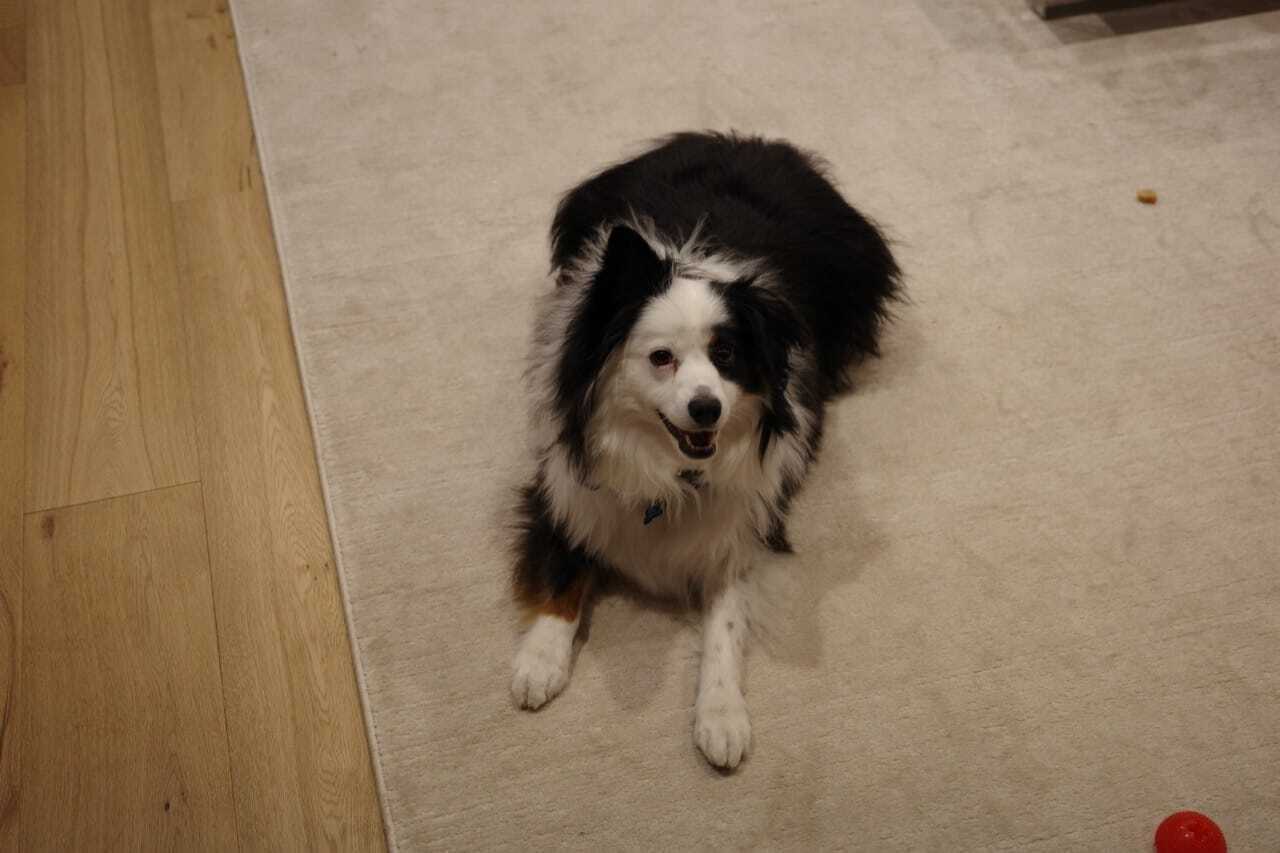
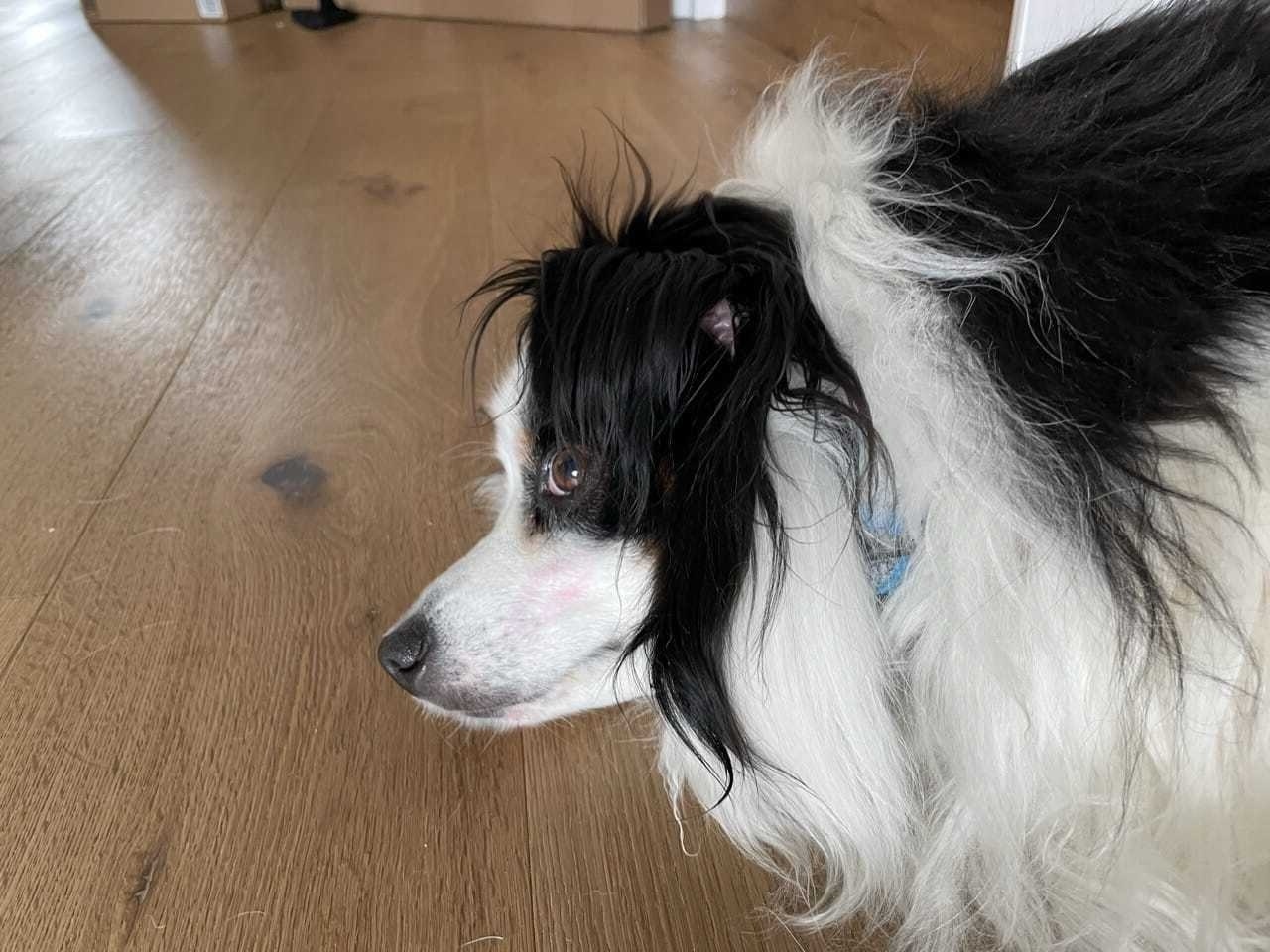
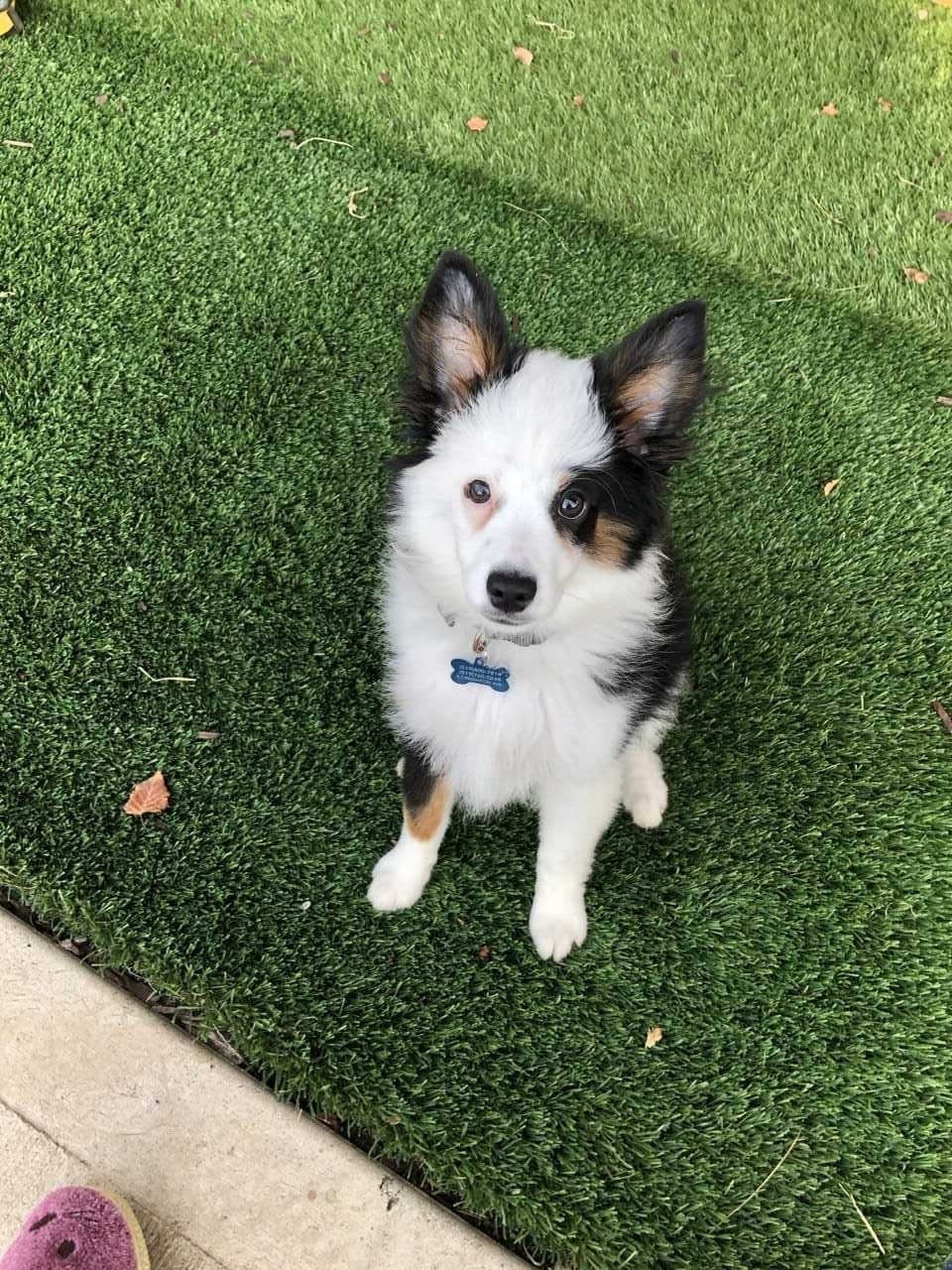
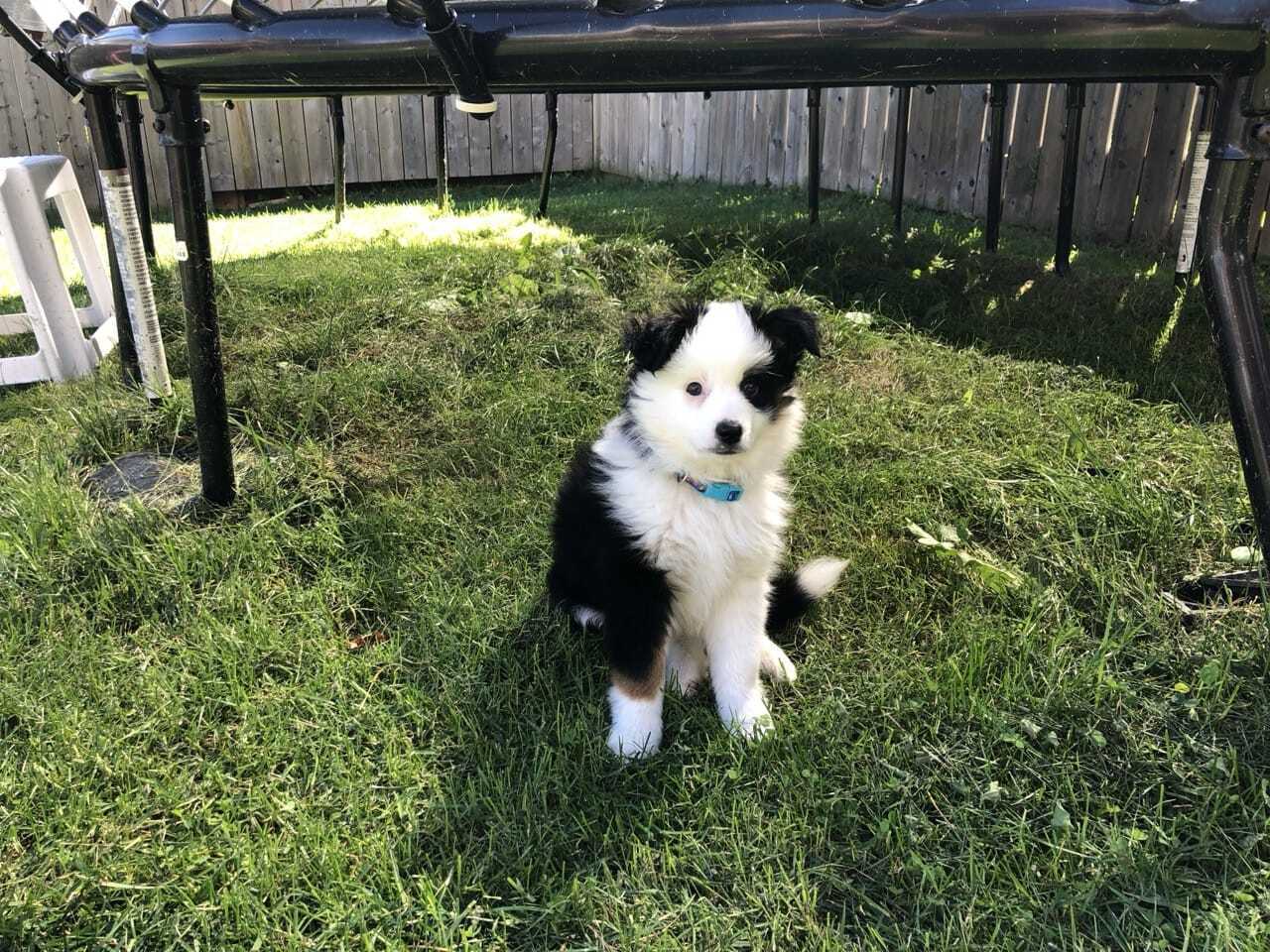
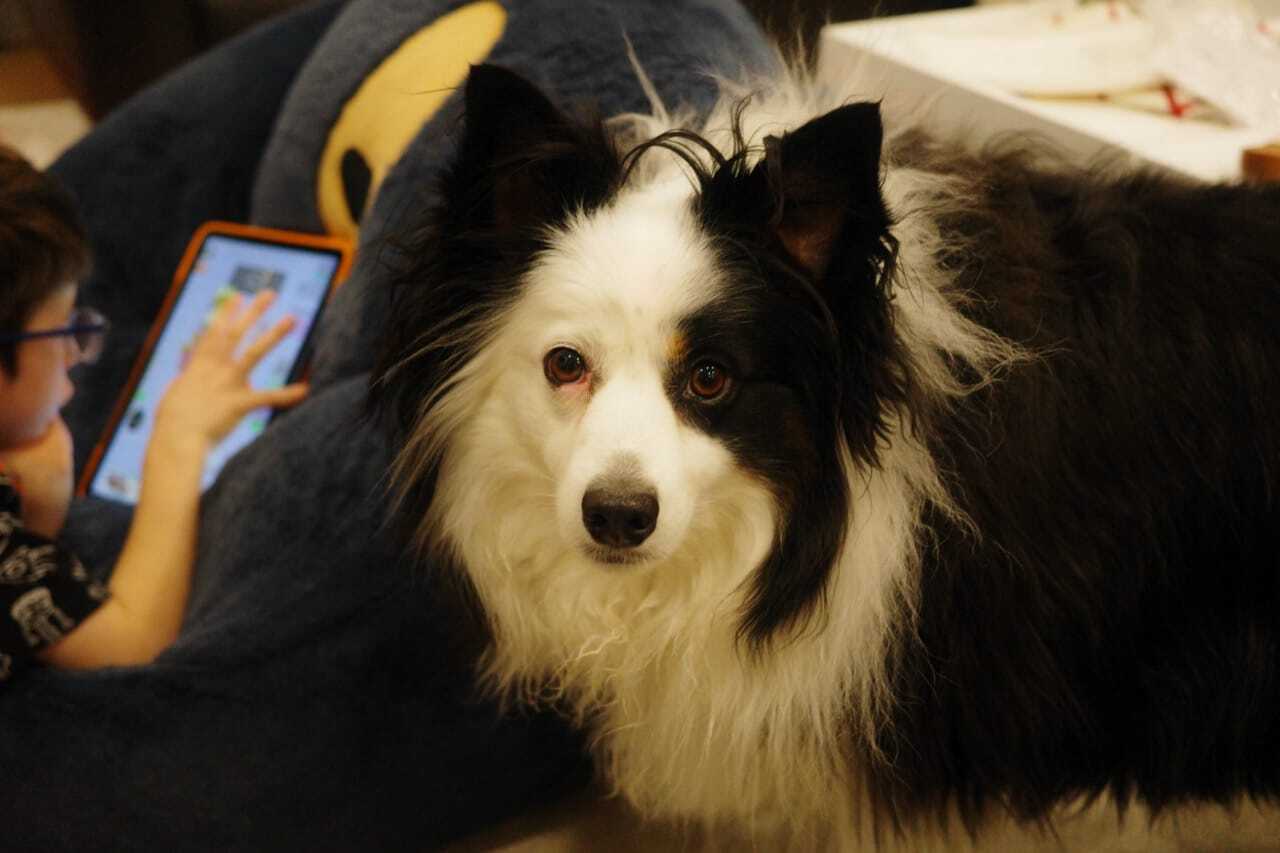
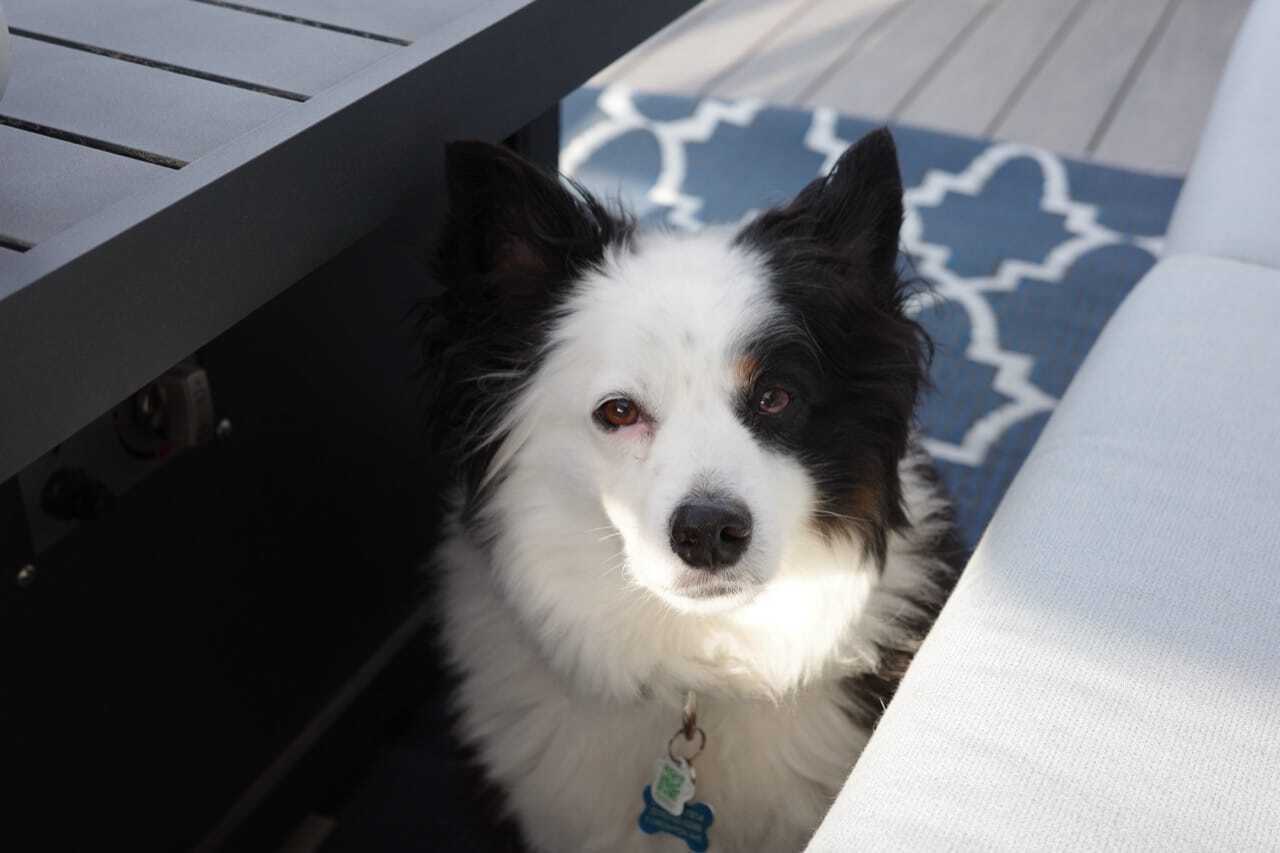
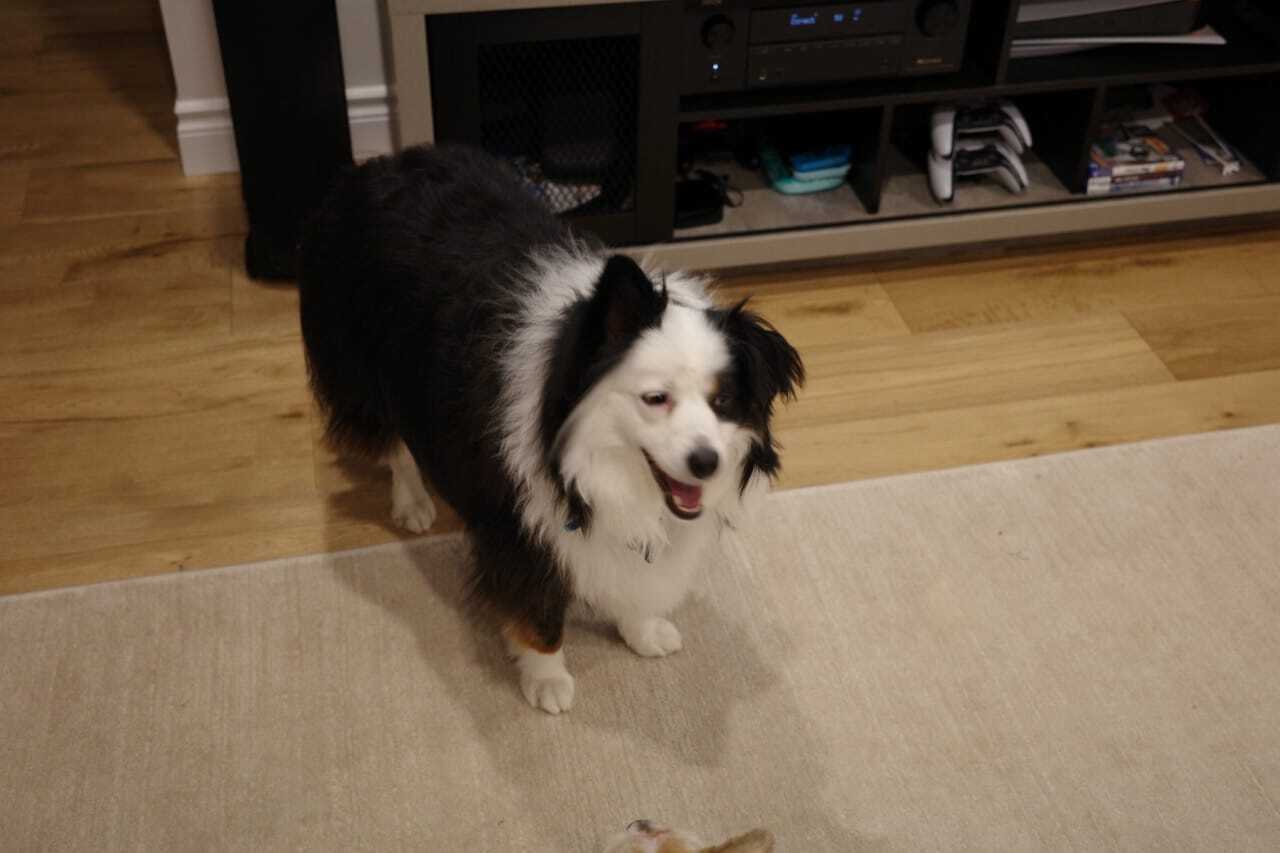
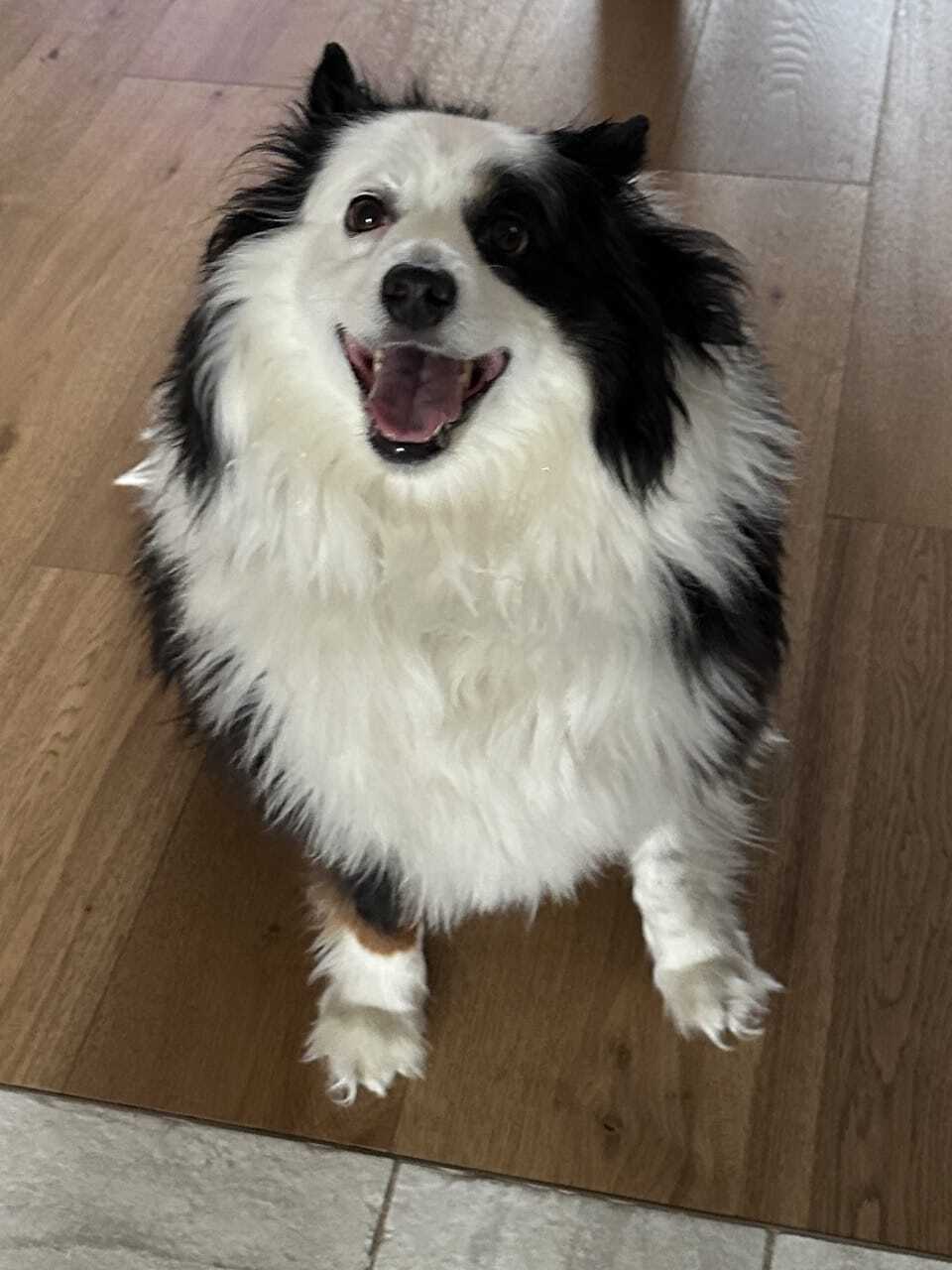
Coat and color are part of the breed’s signature appeal, and they are also a source of frequent confusion. Common colors include black, red, blue merle, and red merle, often with white and or tan points. Merle patterns create mottled patches and can be striking, especially when paired with bright eyes. Eye color can vary, and some dogs have two different colored eyes, which adds to their intense, memorable expression. That famous stare is not just for show. Herding breeds often use eye, a focused gaze that helps control livestock, and the Miniature American Shepherd tends to be highly people-aware as well, watching handlers for cues and anticipating what comes next.
Temperament is where the breed really earns its reputation. These dogs are smart, fast learners, and typically eager to work with their person. That can look like devotion, but it also means they notice everything. Without enough mental challenge and physical activity, that same intelligence can turn into restlessness, nuisance barking, or inventing their own jobs. Many thrive in dog sports like agility, obedience, rally, flyball, and herding trials because the tasks match their natural talents: speed, responsiveness, and problem-solving.
Their working background also shapes how they fit into family life. Many are affectionate and playful, but they are rarely couch potatoes. Early training and socialization are important because herding instincts can show up as chasing, nipping at heels, or trying to organize moving children and other pets. With good guidance, that instinct becomes a strength: a dog that is tuned in, trainable, and reliable in activities that require focus.
If you are taking a quiz on the breed, remember the key idea behind all the details. The Miniature American Shepherd is not a novelty mini dog. It is a purpose-built herder with a compact frame, a sharp mind, and an alert expression that reflects generations of work. The more you learn, the more that cute look starts to read like what it really is: a dog ready for a job.