Rumor or Reality German Shorthaired Pointer Edition







Quiz Complete!
Rumor or Reality: Living with a German Shorthaired Pointer
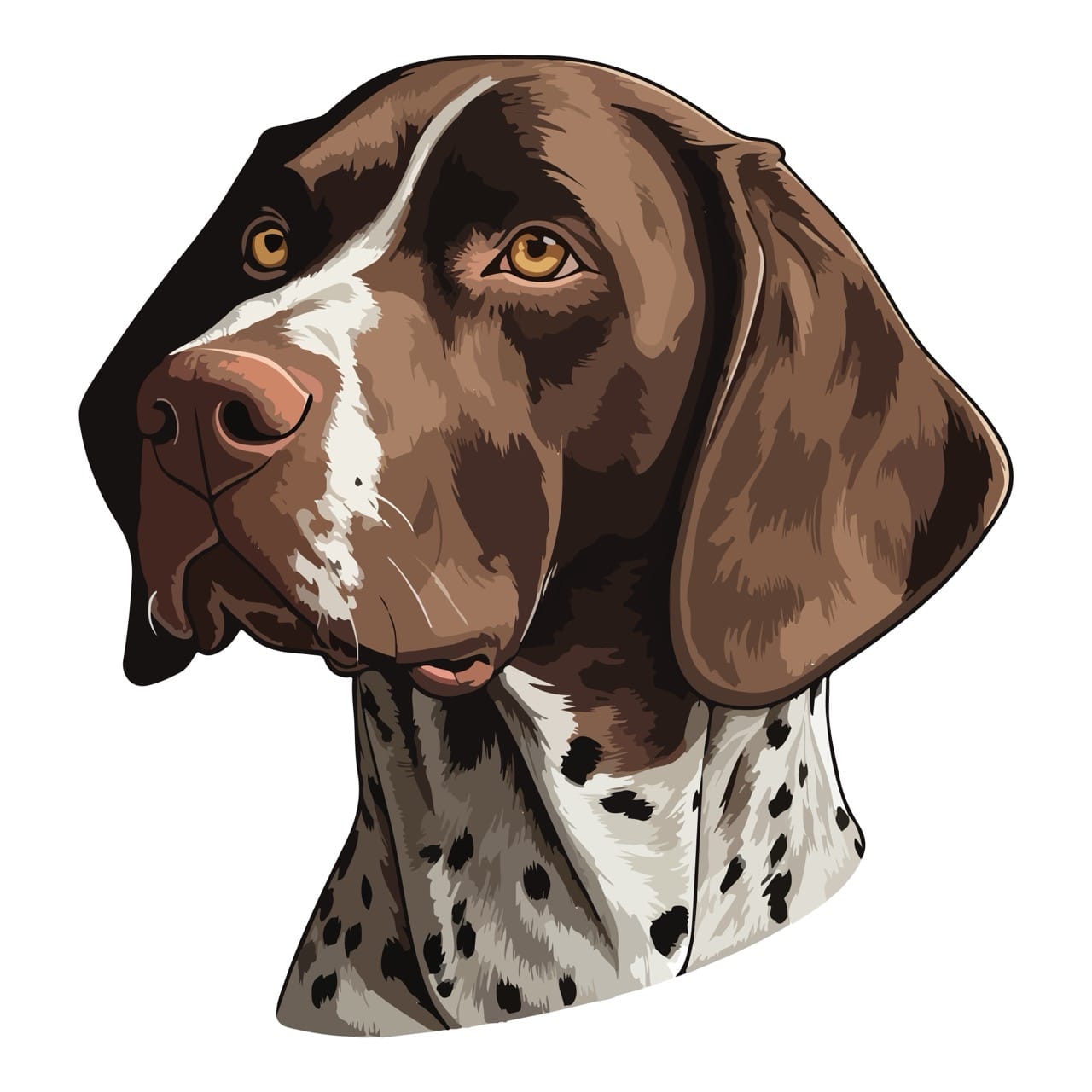
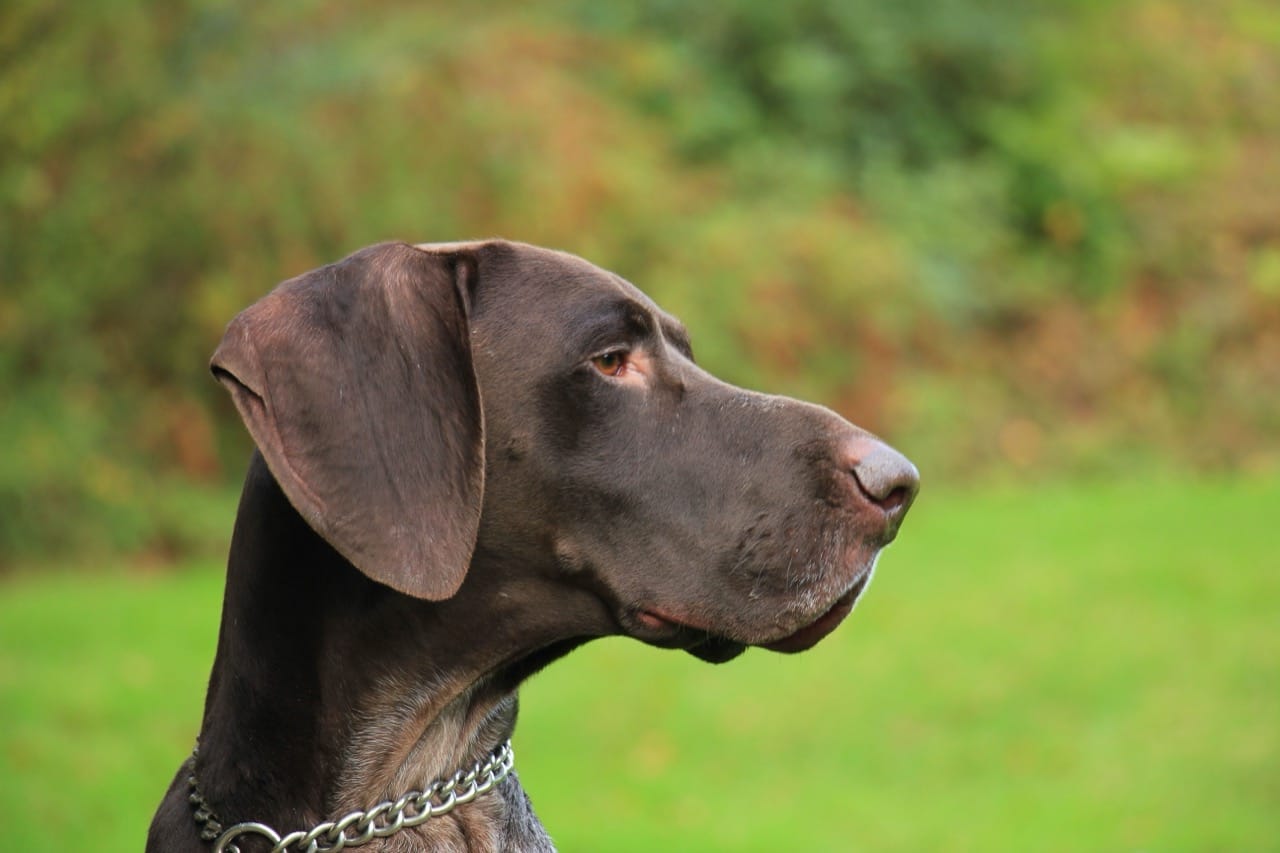
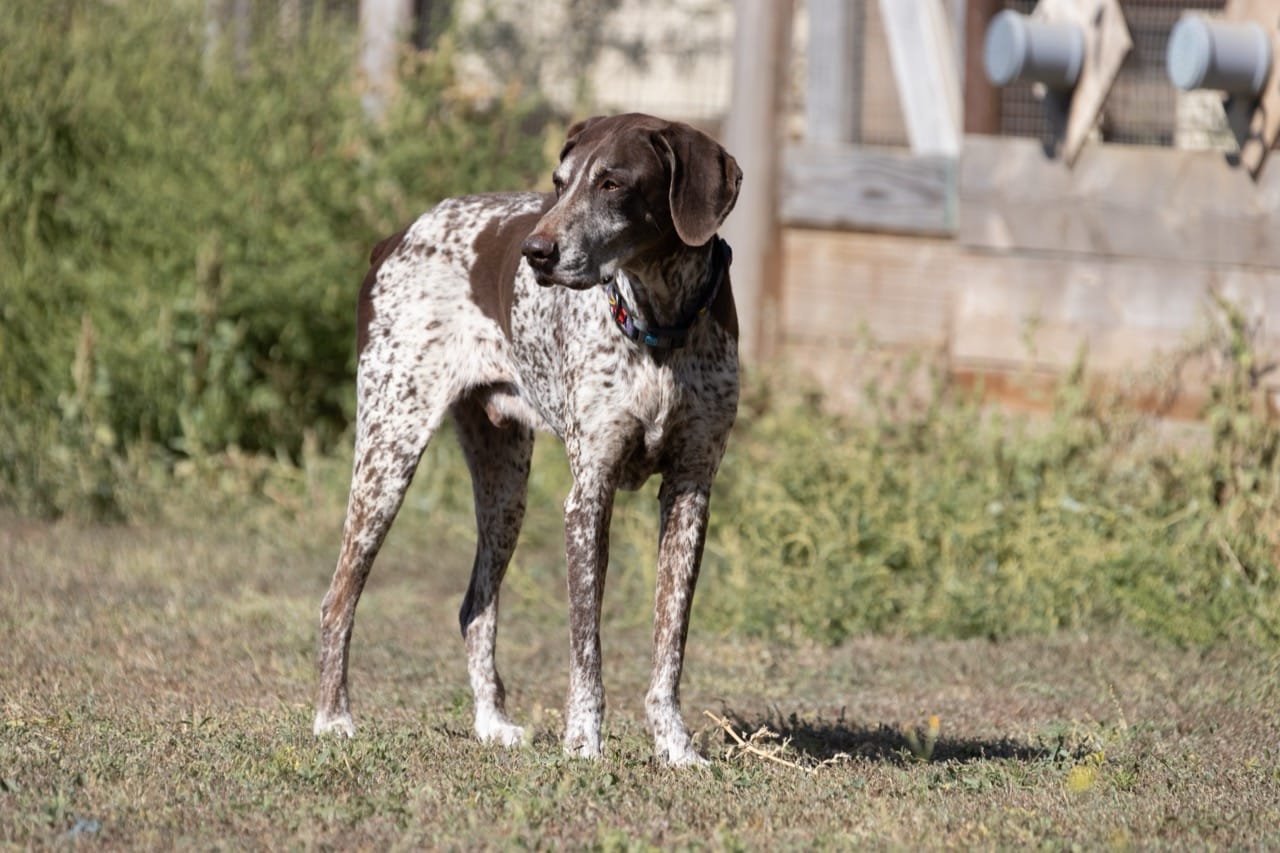
The German Shorthaired Pointer has a reputation that travels faster than the dog itself: tireless athlete, effortless hunter, and the kind of companion who can do everything if you just open the door. Some of that is reality, and some is wishful thinking. Understanding the difference helps people enjoy what makes this breed special without being surprised by the parts that take real work.
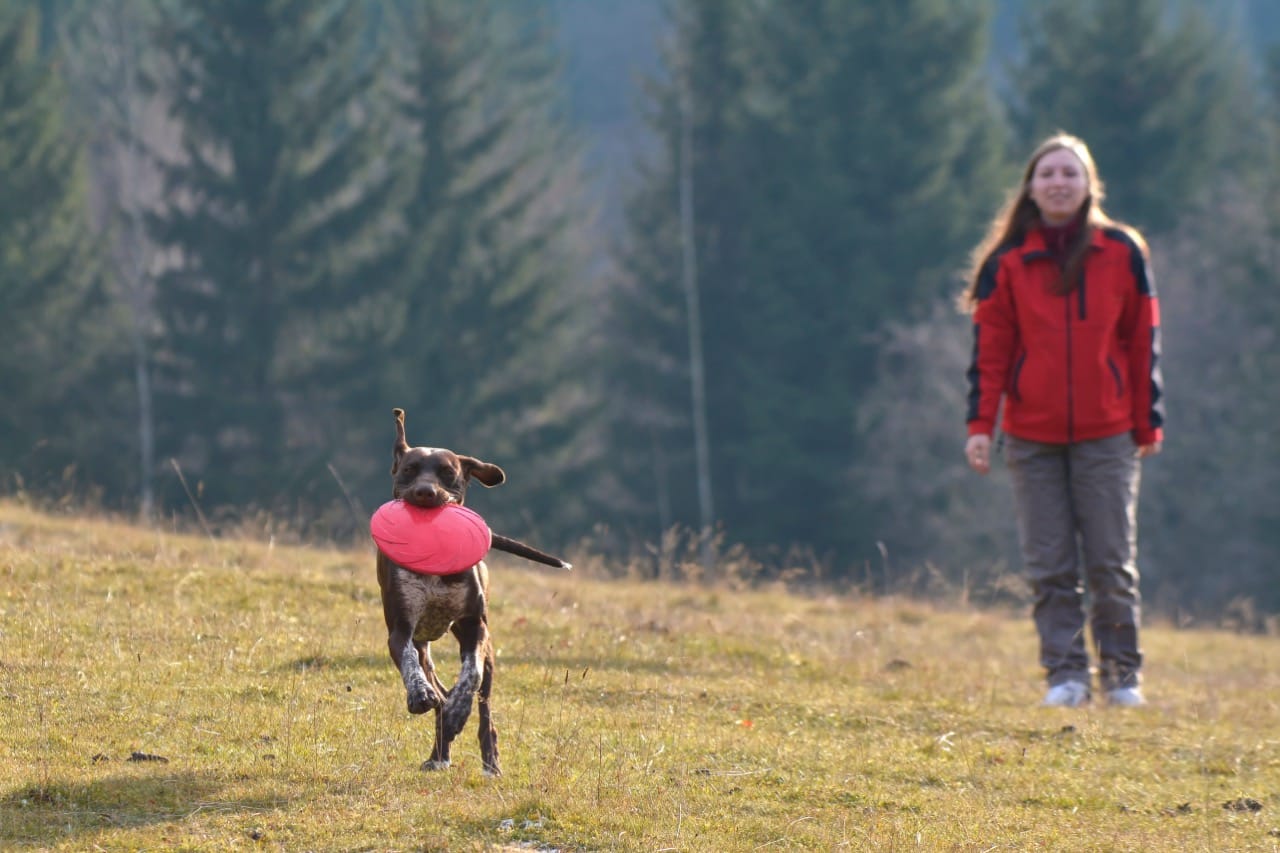
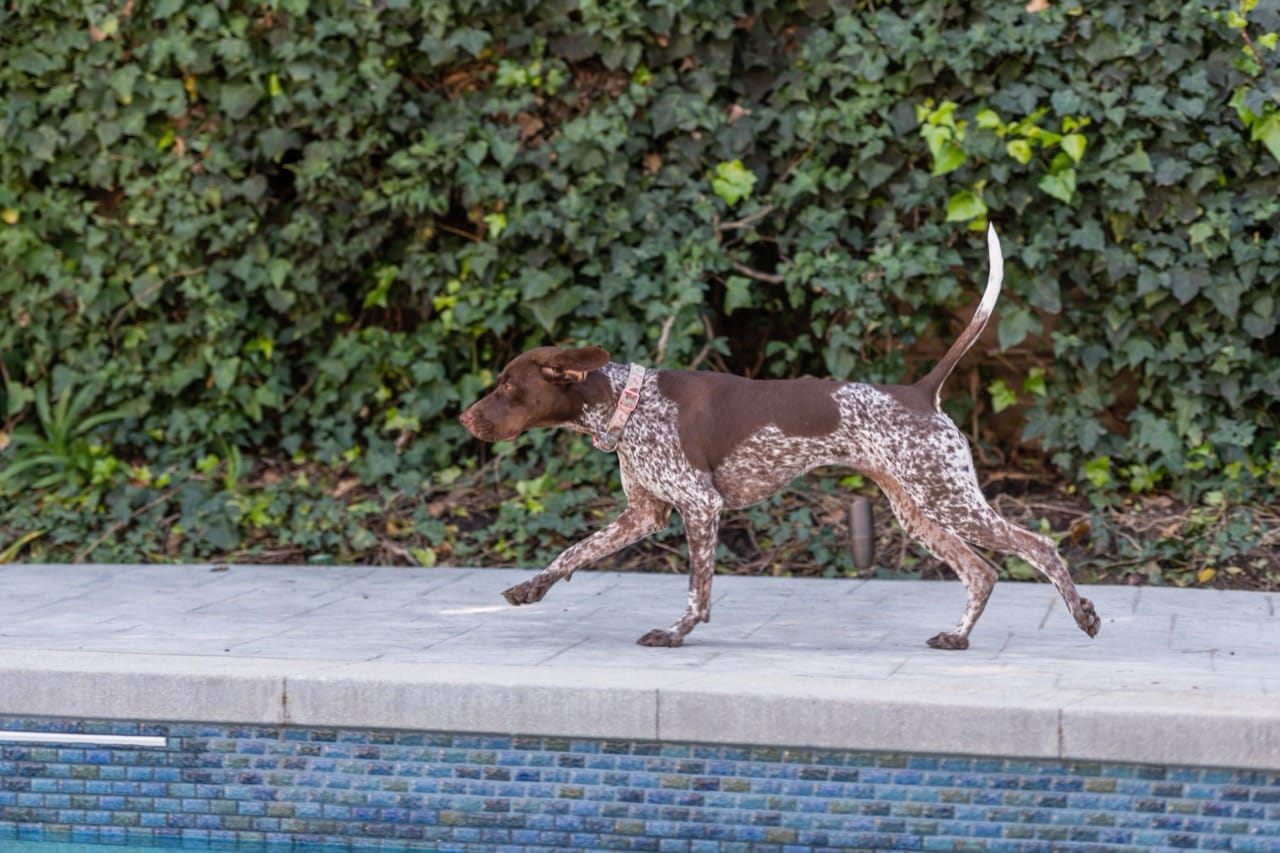
Energy is the biggest truth behind the legend. A healthy adult German Shorthaired Pointer is built to move for hours, not minutes. A quick walk around the block rarely touches their daily needs. They tend to thrive with a mix of aerobic exercise and brain work, such as running alongside a bike, structured fetch, scent games, field training, agility, or long hikes with time to sniff and explore. Without enough outlets, many GSPs invent their own entertainment, which can look like counter surfing, digging, shredding toys, or turning the living room into a racetrack.
Trainability is another area where rumors can mislead. GSPs are smart and typically eager, but they are also independent and easily distracted by smells and movement. They often learn quickly when training is consistent and rewarding, yet they can also test boundaries if rules change day to day. The myth that they are automatically easy off leash is especially risky. Many have strong prey drive, and a sudden rabbit can erase a recall that seemed solid in the backyard. Reliable off leash freedom usually comes from careful proofing in different environments, long line practice, and the humility to use a leash when the situation calls for it.
Their hunting heritage is real even in non hunting homes. Pointing, tracking, and scanning the horizon are instincts, not tricks. That does not mean every GSP must hunt, but it does mean they often enjoy jobs that mimic hunting skills. Nose work classes, retrieving drills, and hide and seek games can satisfy that natural drive. This is also why they may fixate on birds, squirrels, and neighborhood cats, and why early training around impulse control is so valuable.
Coat care is often described as easy, and it mostly is, but low maintenance is not the same as no maintenance. The short coat can still shed noticeably, especially seasonally, and those stiff hairs can weave into fabric like tiny needles. A quick weekly brushing and occasional bath usually keeps things under control, but people who expect a truly low shed dog may be disappointed. Their short coat also offers less protection from cold and rough terrain than many assume, so some need a jacket in winter and extra checks for scrapes after outdoor adventures.
Health claims also deserve a reality check. German Shorthaired Pointers are generally sturdy, yet they can be prone to issues like hip dysplasia, certain eye conditions, skin allergies, and bloat. Because they are deep chested and enthusiastic eaters, bloat risk is worth taking seriously by avoiding intense exercise right around meals and discussing prevention strategies with a veterinarian. Choosing a responsible breeder who screens for inherited problems, or working with a reputable rescue that provides medical evaluations, can make a big difference.
In everyday life, the best home setup is less about having acres of land and more about having a plan. A fenced yard helps, but it is not a substitute for engagement. Many GSPs do well in active households, including apartments, if their exercise and training needs are met. They are often people oriented and can struggle if left alone for long stretches, so routines, enrichment toys, and gradual alone time training matter. When the myths are replaced with realistic expectations, the German Shorthaired Pointer becomes what it was meant to be: a lively, affectionate, versatile partner who shines brightest with purpose and plenty of movement.