Royal Rumps and Foxy Faces Corgi Trivia

Quiz Complete!
Royal Rumps and Foxy Faces: The Surprisingly Serious Story of Corgis

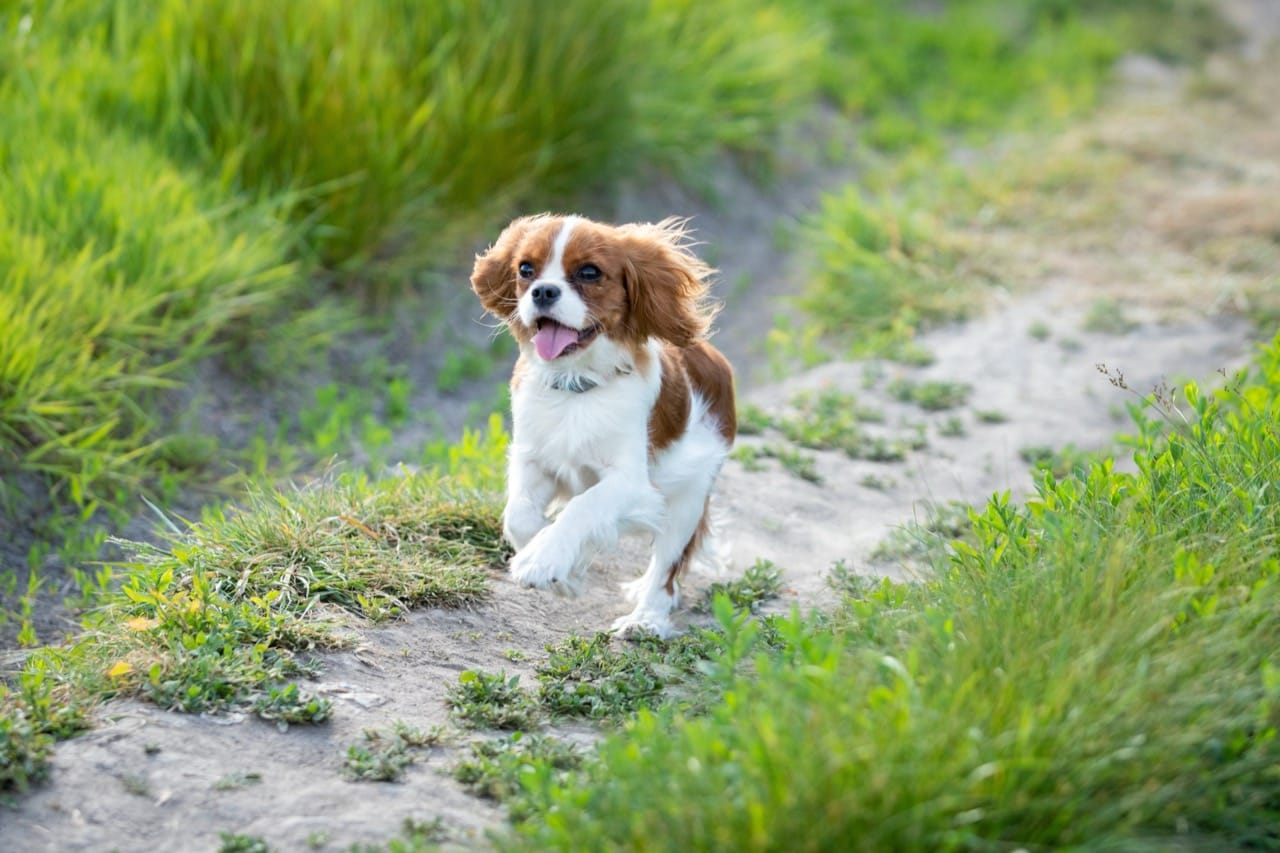
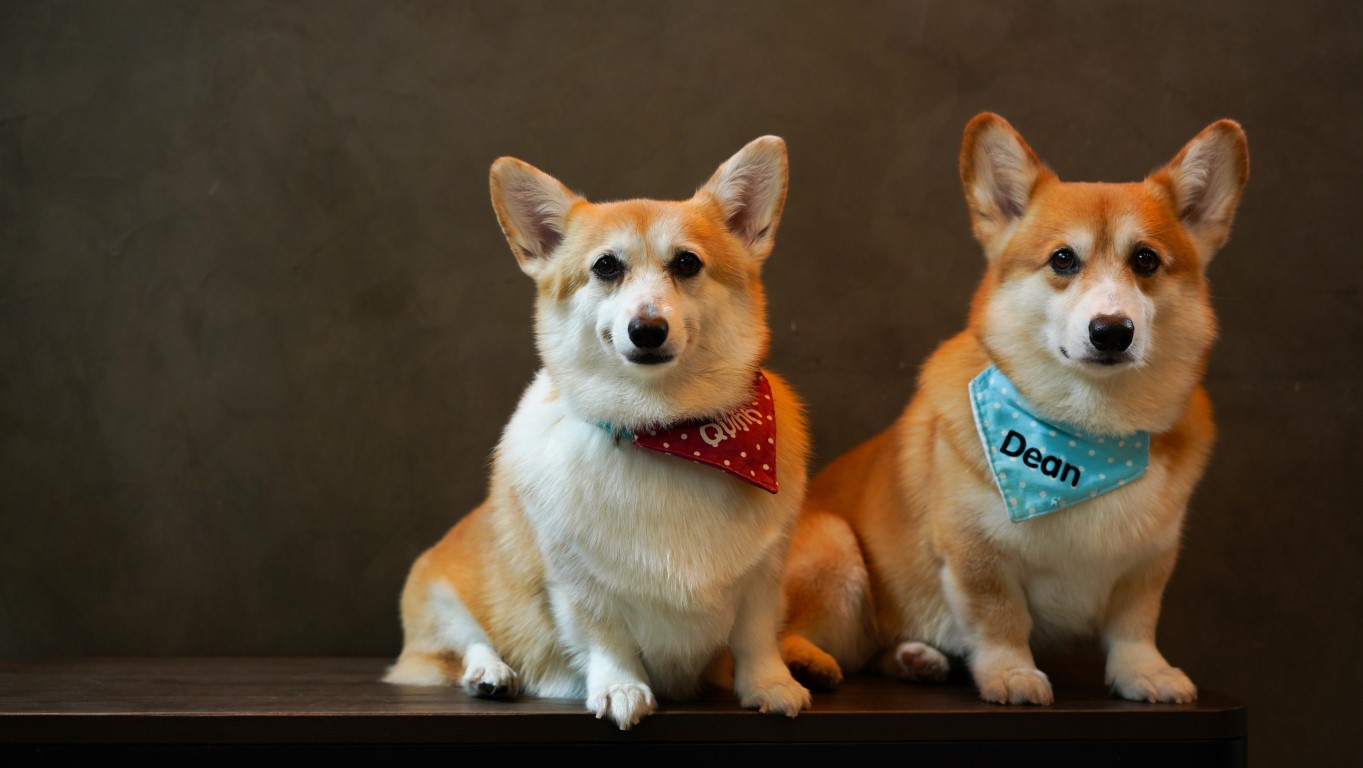
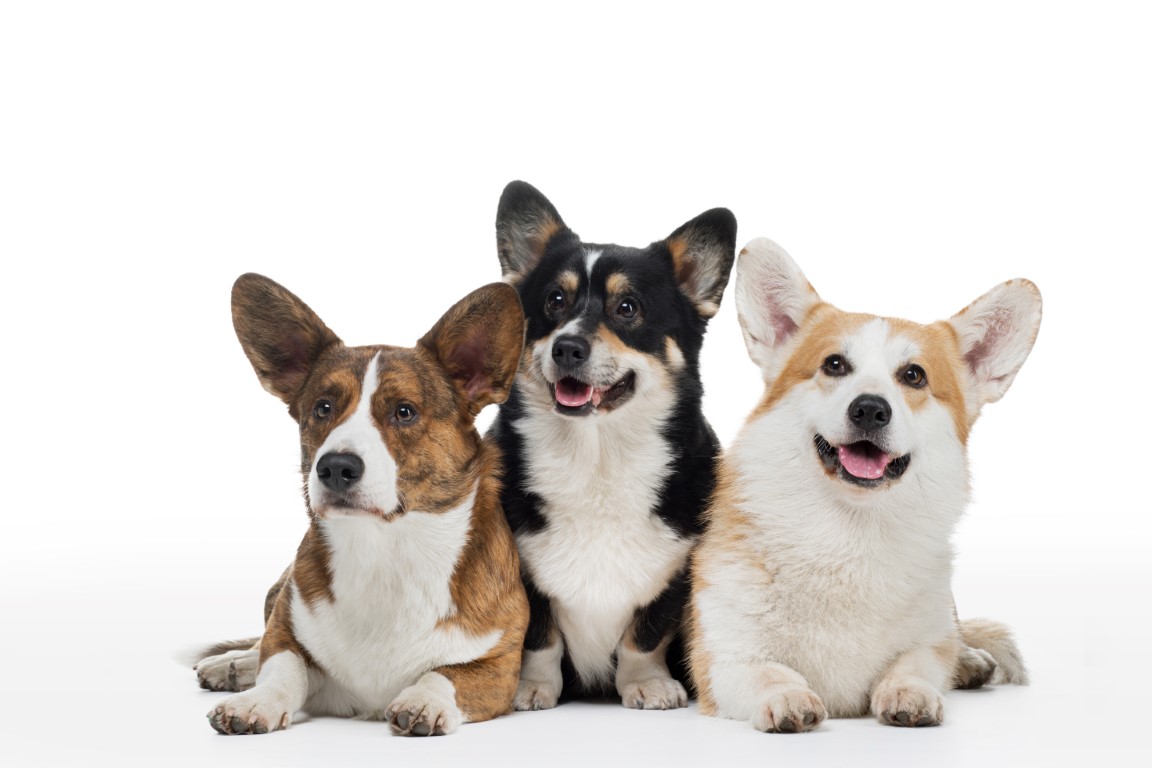
Corgis may look like living cartoons with their short legs and bright, upright ears, but they were designed for real work. The two main corgi breeds are the Pembroke Welsh Corgi and the Cardigan Welsh Corgi, and their names hint at their roots in Wales. Cardigans are considered the older of the two, with a history that stretches back many centuries, while Pembrokes became especially famous later on. Although people often lump them together as simply corgis, they have distinct differences in build, coat, and even personality tendencies.
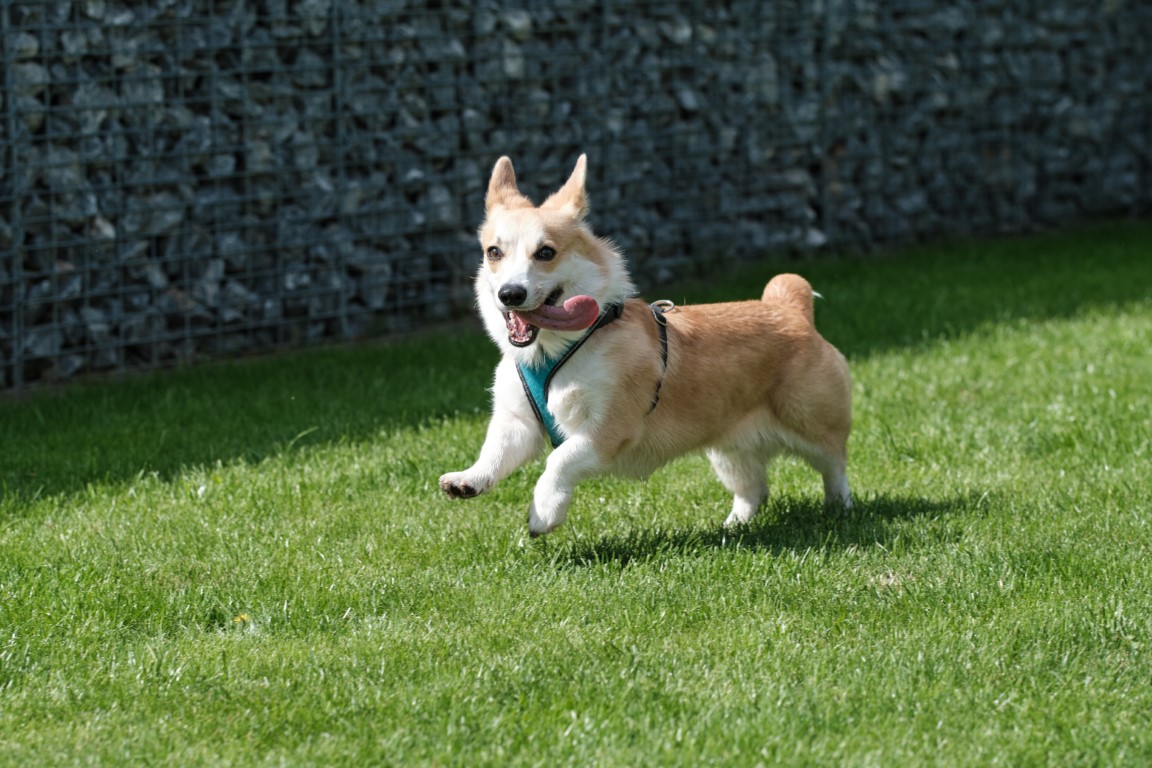
Their low-to-the-ground shape is not a flaw or a cute accident. Corgis were bred as herding dogs, especially for cattle, and their height gave them a practical advantage. A corgi could dart in to nip at a cow’s heels and then slip out of range of a kick. This working style helps explain their confident attitude. Many corgis still carry that herding instinct into modern life, which can show up as an urge to chase, to control movement, or to gently nip at ankles when excited. With training and plenty of activities, that drive becomes a strength rather than a nuisance.
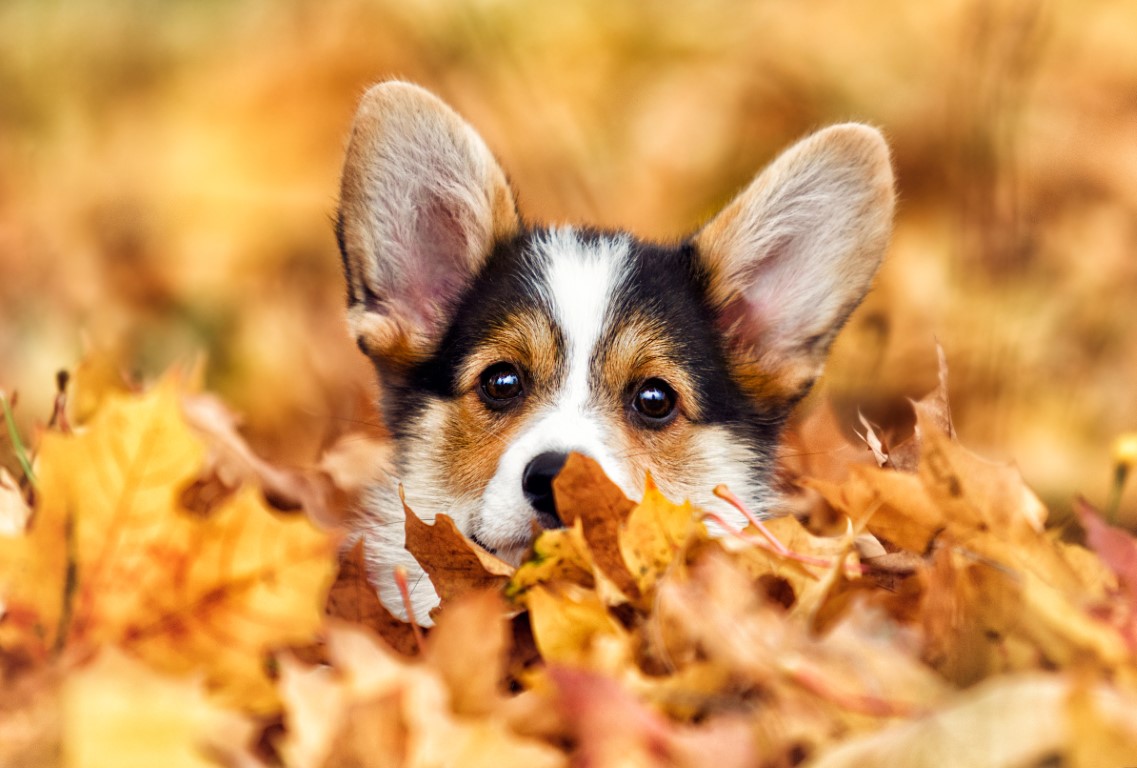
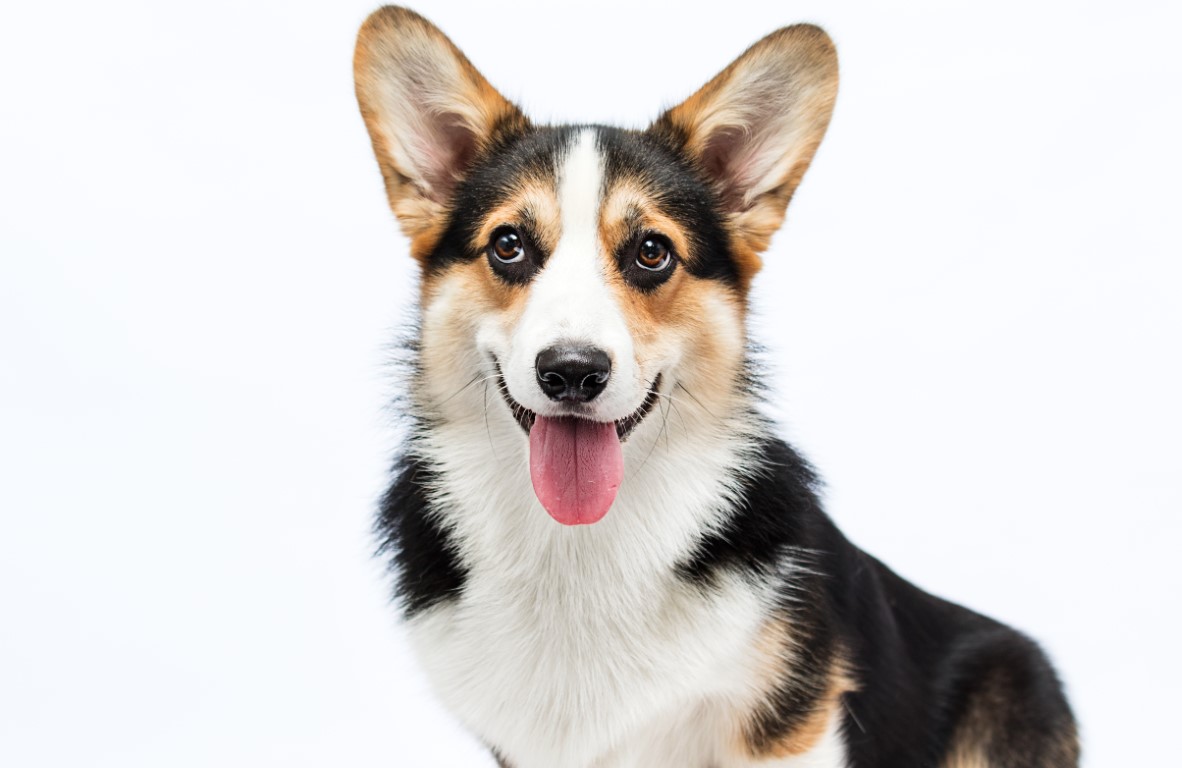
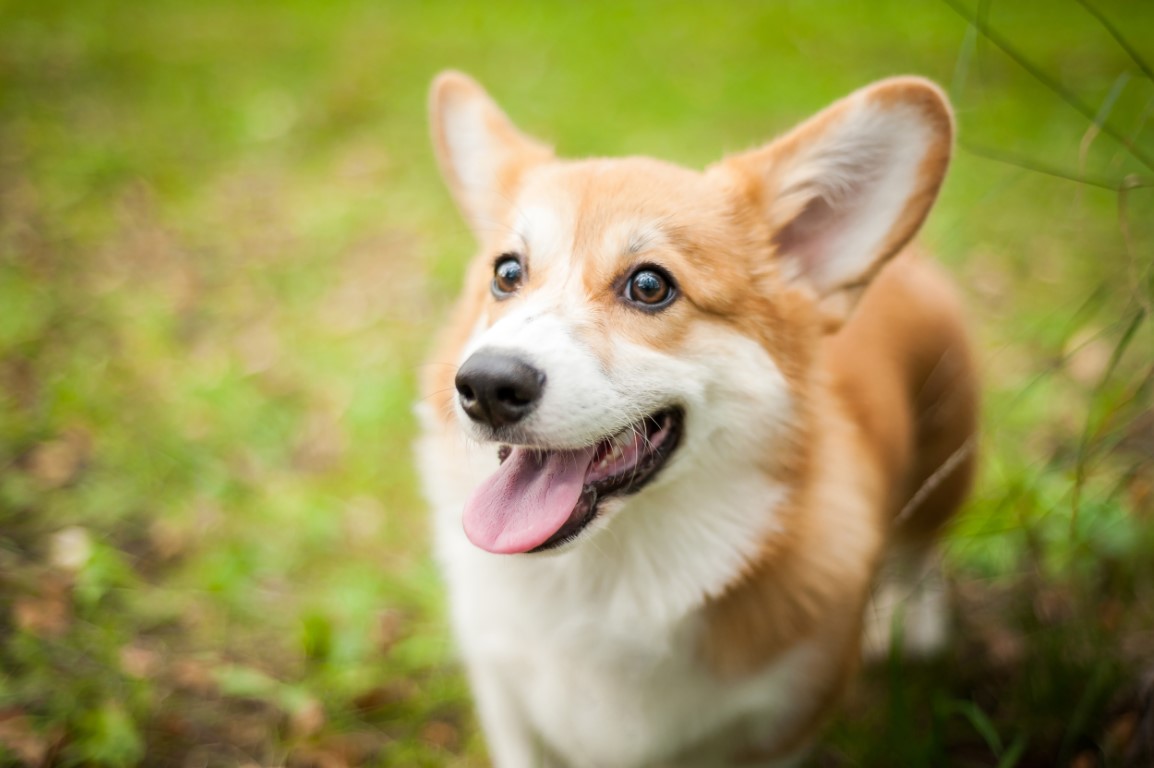
Those big, pointed ears are more than a signature look. They helped corgis stay alert to sounds across fields and farms, picking up whistles, shouts, and the movement of animals. Their foxlike faces and expressive eyes also add to the impression that they are always paying attention, which is often true. Corgis tend to be quick learners, but they can also be stubborn. That combination makes them entertaining companions and, at times, crafty negotiators who try to trade charm for extra treats.
One of the most talked-about corgi features is the tail, or sometimes the lack of one. Pembroke Welsh Corgis are often associated with very short tails, and some are born with a naturally bobbed tail due to genetics. Historically, tails were also docked in some places, partly for tradition and partly because working dogs were treated differently under old tax rules in parts of the United Kingdom. Today, tail docking laws vary by country, and many corgis keep their natural tails. Cardigan Welsh Corgis typically have long, full tails that are carried low, adding to their distinct silhouette.
Corgis also have a unique pop culture legacy, most famously through their association with British royalty. Queen Elizabeth II’s love for Pembroke Welsh Corgis helped cement the breed’s image as both regal and approachable. That royal spotlight did not create the corgi’s personality, but it did amplify it, turning a hardworking farm dog into a global celebrity. In the internet age, corgis became icons again, thanks to their wiggle, their expressive faces, and the comedic contrast between a big-dog attitude and a compact body.
Despite the cute reputation, corgis are not low-energy lap dogs. They thrive with daily exercise, mental challenges, and a sense of purpose, whether that is learning tricks, doing agility, or simply going on brisk walks with plenty of sniffing time. Their sturdy bodies can be prone to weight gain if overfed, and their long backs mean it is wise to avoid excessive jumping and to keep them fit. When cared for thoughtfully, a corgi is more than a meme with legs. It is a sharp, spirited herder with a surprising history and an unforgettable presence.