Rottweiler Recordbook Riddles and Biggest Brags
Quiz Complete!
Rottweiler Recordbook Riddles and Biggest Brags
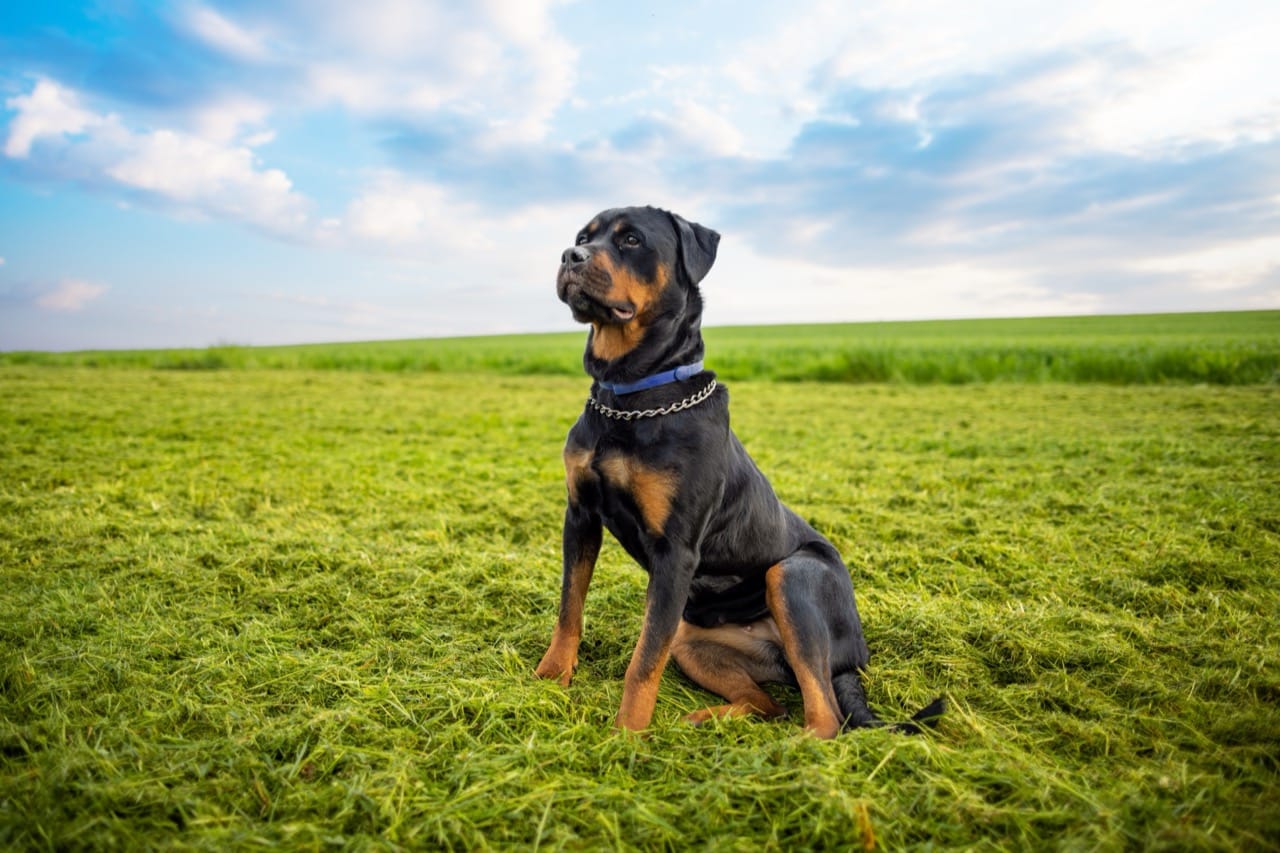
Rottweilers have a way of making superlatives feel believable. Even people who have never lived with one often picture a broad chest, a confident stance, and a dog that looks like it could pull a truck. That reputation did not come out of nowhere. The breed’s roots trace back to drover dogs used to move and guard cattle, and later to the German town of Rottweil, where sturdy dogs helped butchers drive herds and protect money pouches on the way to market. A working origin story like that naturally invites recordbook talk: biggest, strongest, most powerful, most reliable.
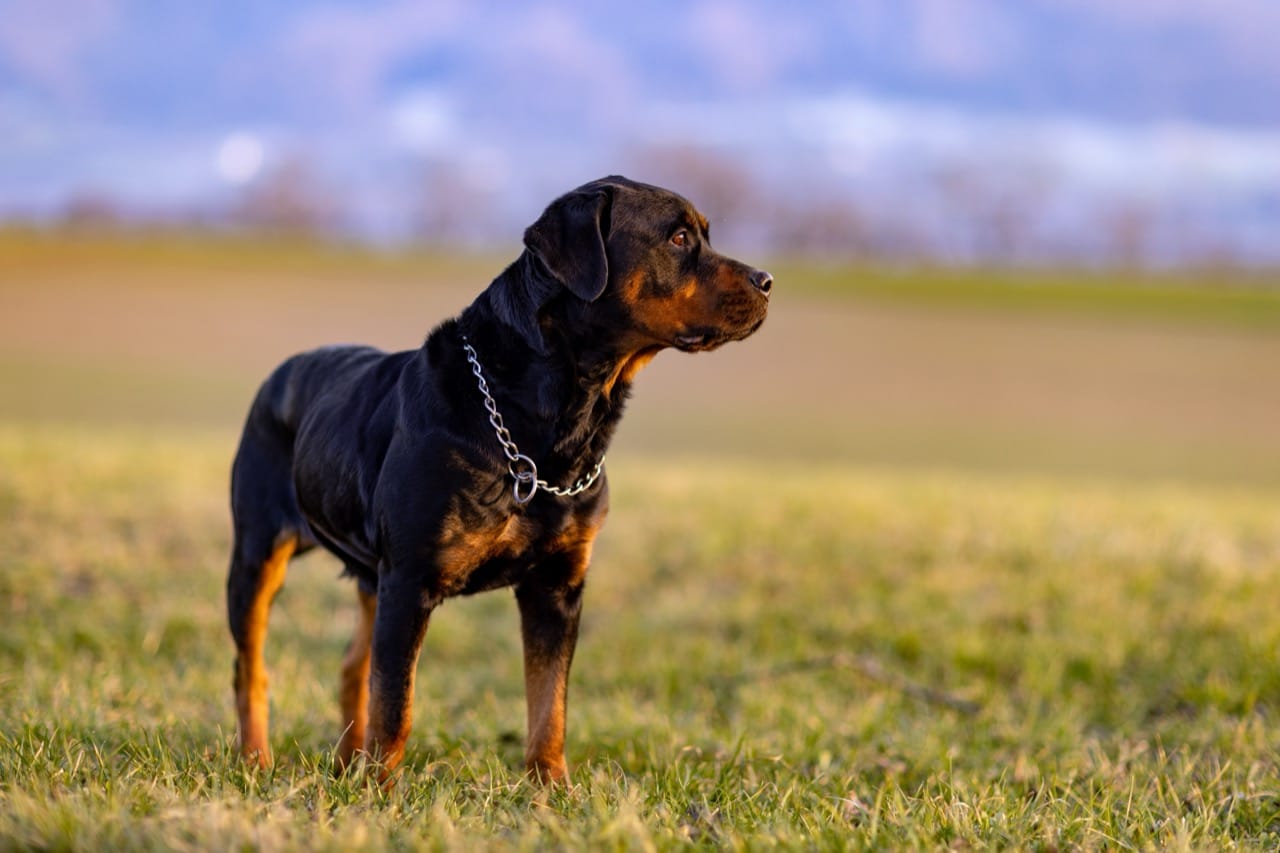
When people ask about the biggest Rottweiler ever, it helps to separate internet legend from what can be responsibly verified. Truly extreme weights are sometimes claimed online, but verified records are rare because reliable weighing, veterinary confirmation, and consistent reporting are needed. In everyday reality, most healthy adult Rottweilers fall into a broad but sensible range. Many males land around 95 to 135 pounds, with females often around 80 to 110 pounds, though individuals vary. Breed standards also emphasize proportion and athleticism over sheer mass. A very heavy dog may look impressive, but excess weight can shorten a working life and strain joints and the heart. The most brag-worthy Rottweiler is often the one that stays fit, sound, and eager to work.
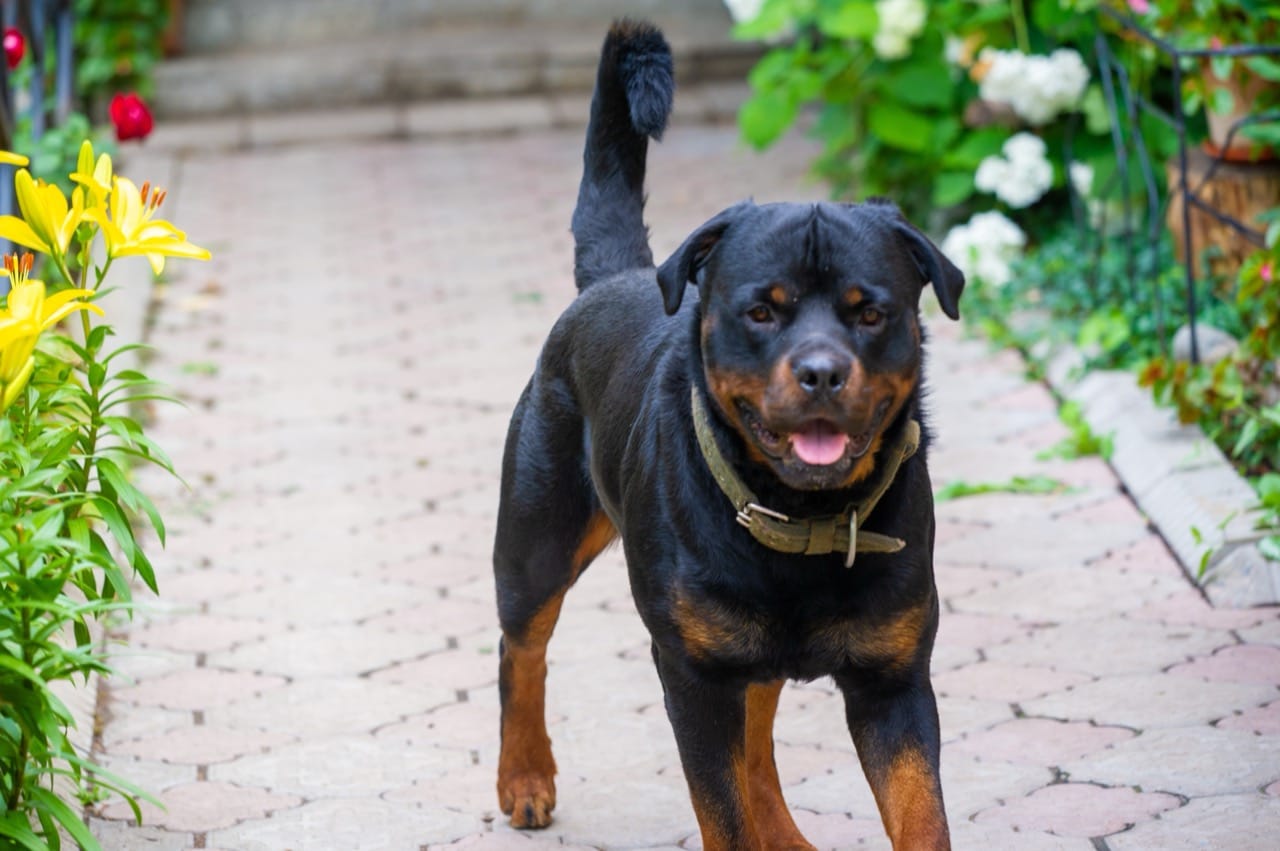
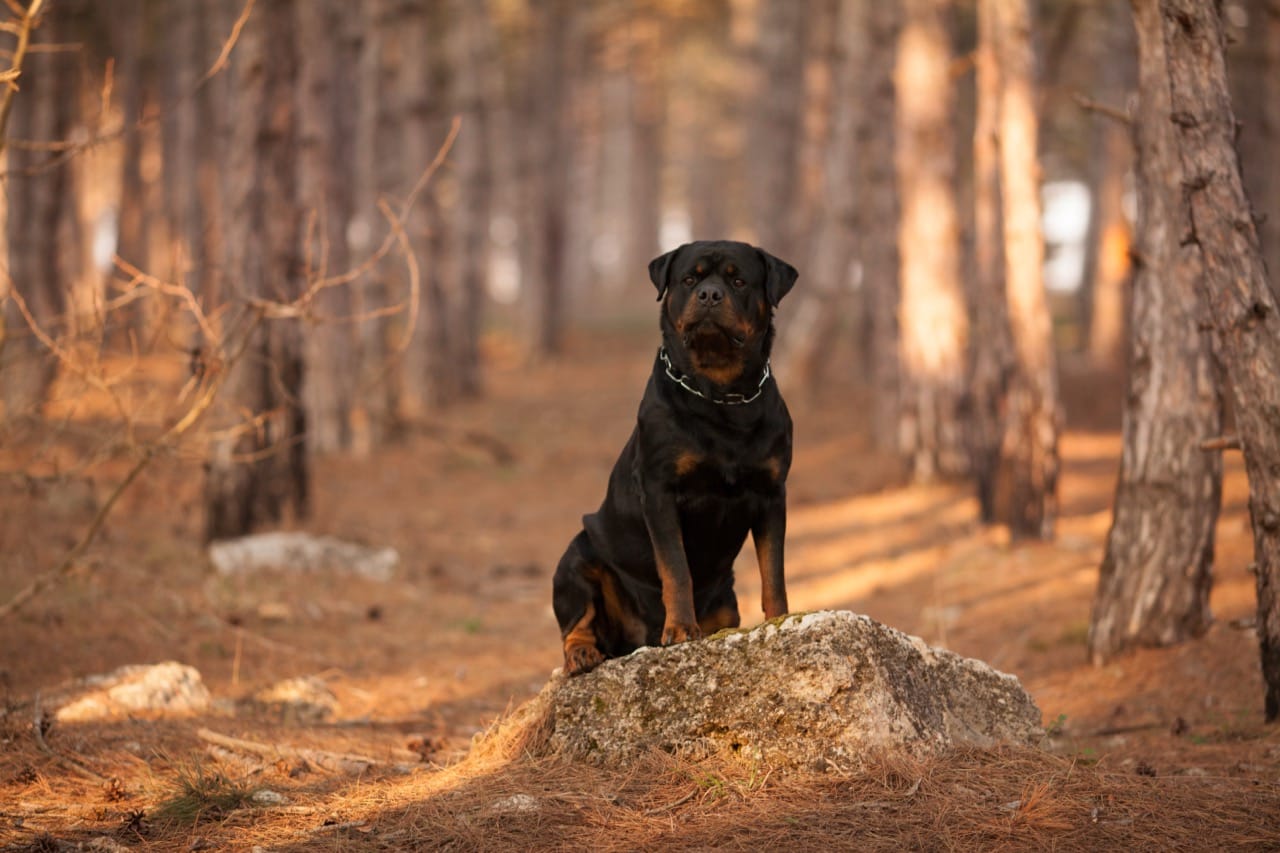
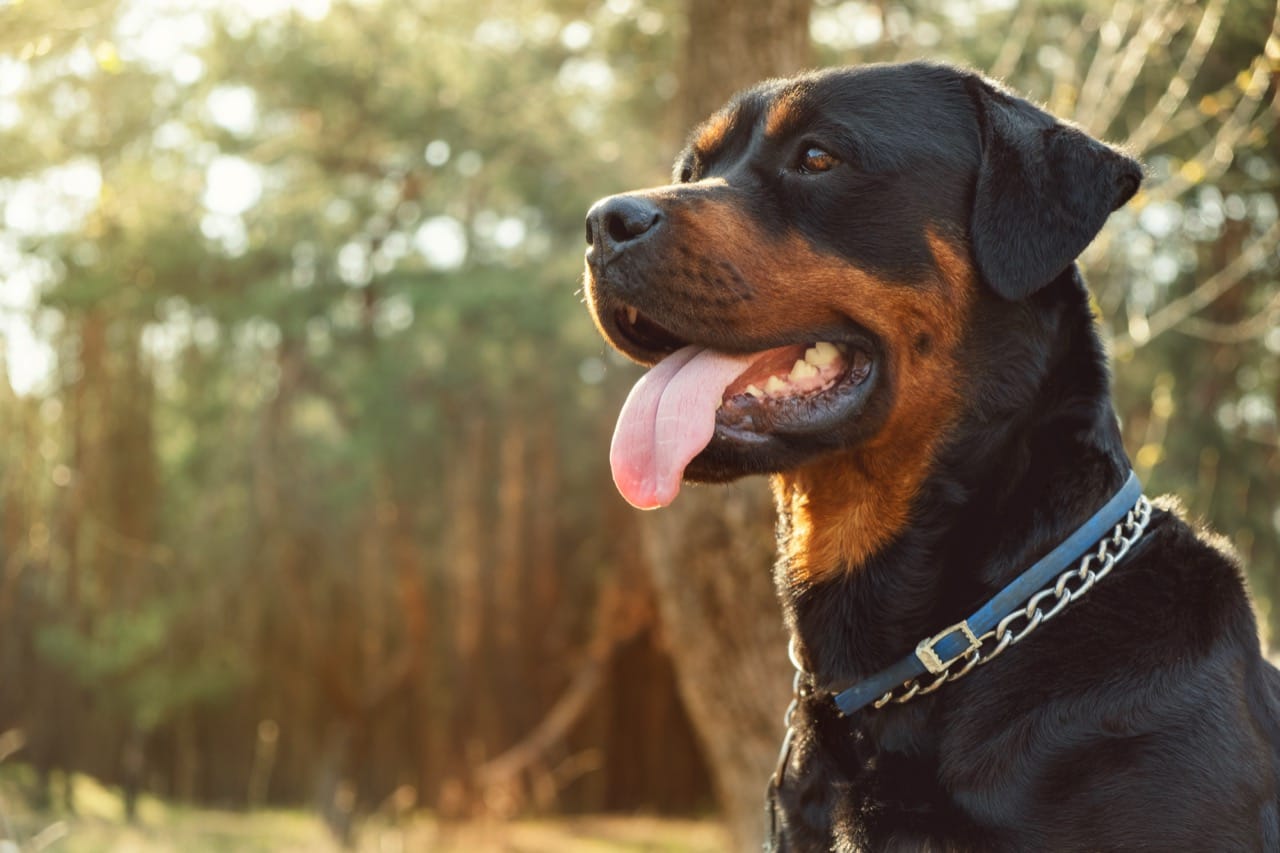
Height is another place where standards matter. Kennel-club guidelines typically place males around 24 to 27 inches at the shoulder and females around 22 to 25 inches. Taller dogs exist, but height alone does not equal quality. A well-bred Rottweiler should look compact and powerful rather than leggy, with a level topline and balanced movement. The kind of dog that turns heads is often not the tallest, but the one that carries itself with calm confidence and effortless strength.
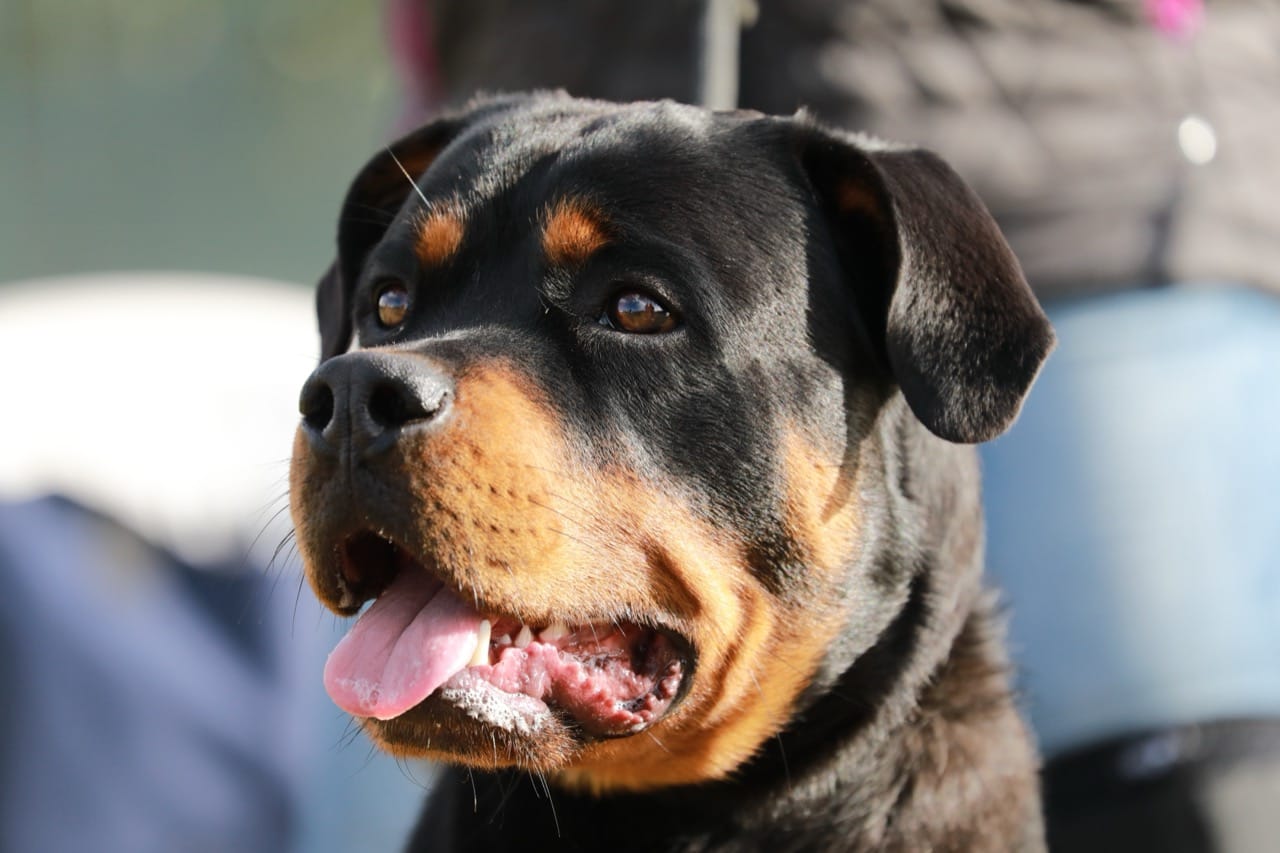
Bite force is the statistic that gets repeated most, and it is also one of the most misunderstood. You will often see a specific number attached to Rottweilers, sometimes presented as a definitive ranking against other breeds. The truth is that bite force testing varies by method, equipment, and the dog’s motivation in the moment. Different studies and demonstrations produce different numbers, and it is hard to compare one breed to another as if every test were identical. What is fair to say is that Rottweilers have a strong jaw and a powerful head and neck, and they were historically selected for gripping and holding as part of their work. But the more meaningful measure of a Rottweiler’s safety is temperament, training, and responsible ownership, not a single pressure figure.
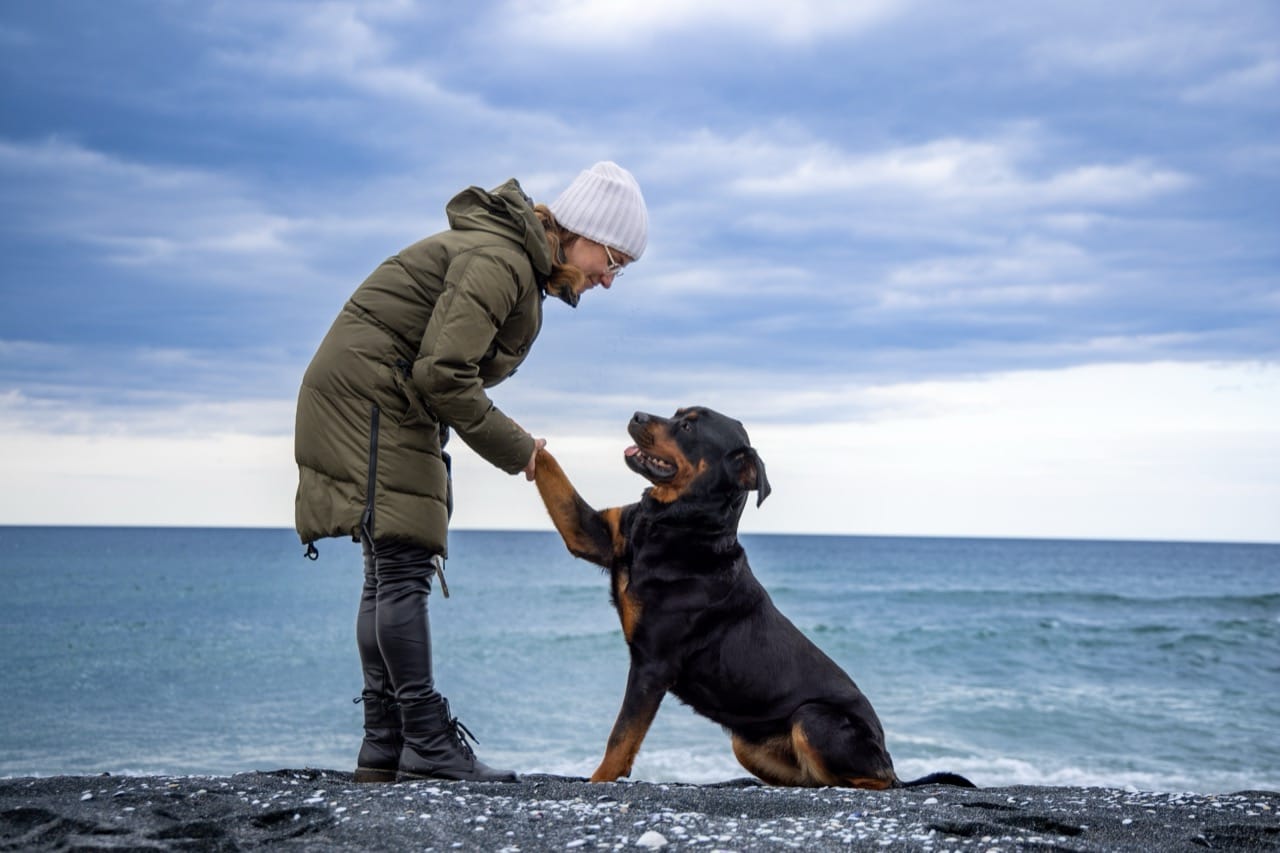
The breed’s best real-world superlatives show up in working roles. Rottweilers have served as police and military dogs, though German Shepherds and Belgian Malinois are more common in many programs because of speed and endurance. Where Rottweilers shine is in tasks that reward steadiness, nerve, and physical power. They can excel in personal protection sports, carting and drafting, tracking, obedience, and various service and therapy roles when properly bred and trained. A well-socialized Rottweiler can be remarkably gentle with family, while still projecting a natural deterrent presence.
Stamina and strength are also part of the breed’s myth-versus-measurement puzzle. Rottweilers are not marathon runners, but they are capable of sustained work when conditioned. Their “most impressive” trait is often their ability to switch gears: calm in the house, serious on duty, and ready to learn when training is clear and consistent. Their reputation can make people assume they are stubborn or aggressive by default, yet many are thoughtful, people-focused dogs that thrive on structure.
If you want to think like a recordkeeper, the best bragging rights are the ones you can see and support: a dog that maintains a lean, muscular body; passes health screenings; earns titles in obedience, tracking, or working sports; and behaves with stable confidence in public. In the end, the biggest Rottweiler story is not just about size or force. It is about a powerful working breed whose real achievements are measured in soundness, training, and the kind of reliability that made people trust them with valuable jobs in the first place.