Rottweiler Oddities and Unexpected Connections Quiz
Quiz Complete!
Rottweiler Oddities and Unexpected Connections Behind the Confident Stare
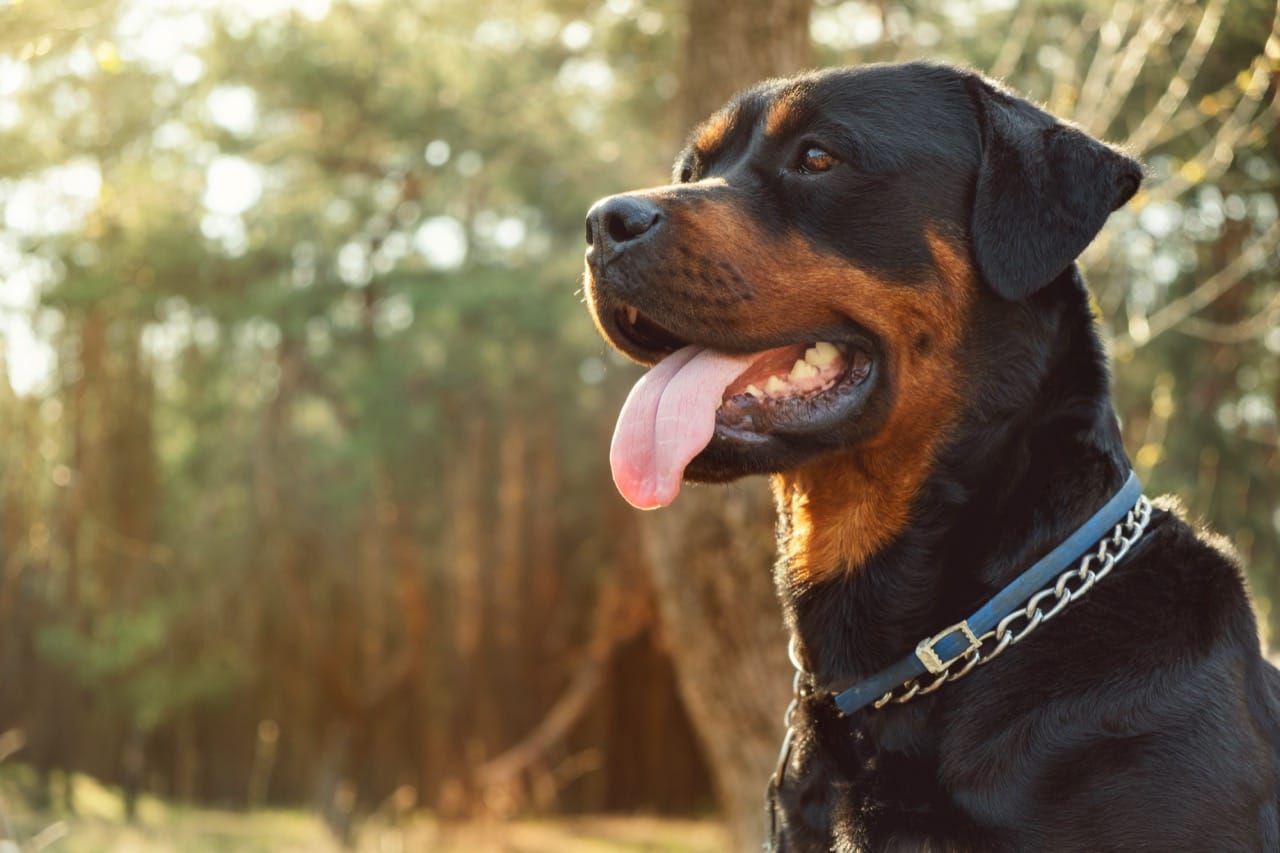
Rottweilers have a reputation that arrives before they do: powerful, serious, loyal, and sometimes misunderstood. Yet the breed’s story is less about toughness for its own sake and more about practical jobs, long travel, and a surprising amount of history. One of the most intriguing connections reaches back to the Roman Empire. As Roman legions moved across Europe, they traveled with robust drover dogs that helped drive and guard cattle on the road. Those dogs were not “Rottweilers” yet, but they carried the traits that would later become familiar: stamina, a steady nerve, and the ability to work close to people while still making independent decisions.
The name Rottweiler points to a real place, not a personality type. Rottweil is a town in southern Germany that became an important cattle-trading center. Over time, local dogs that excelled at moving livestock and protecting money and goods gained a reputation. These dogs were so associated with the town that they were essentially known as the butcher’s dogs of Rottweil. That butcher connection matters because it shaped the breed in a very specific way. A dog that works around livestock and crowded markets must be strong enough to control movement, calm enough not to panic, and discerning enough to know when to act and when to hold back. That blend of power and restraint is a big part of what people notice in the breed today.
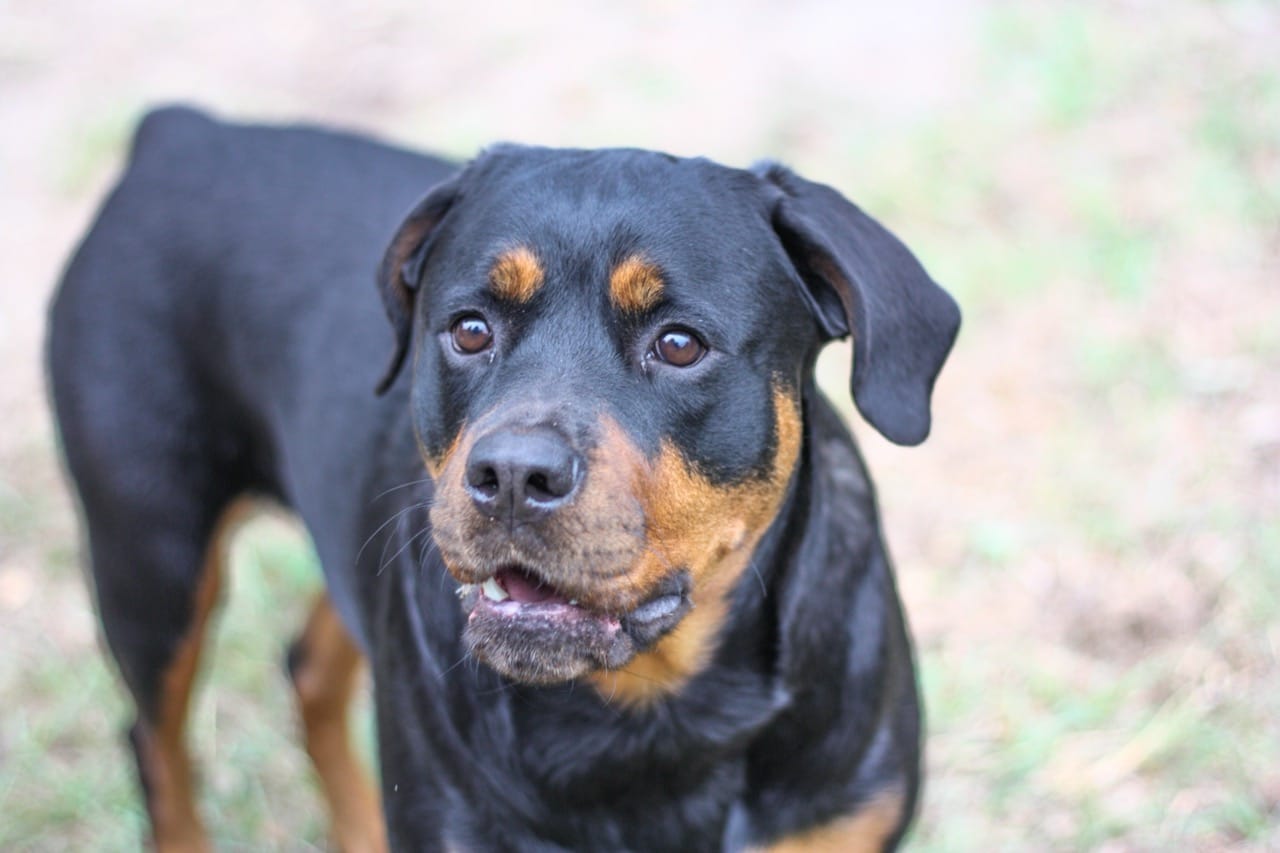
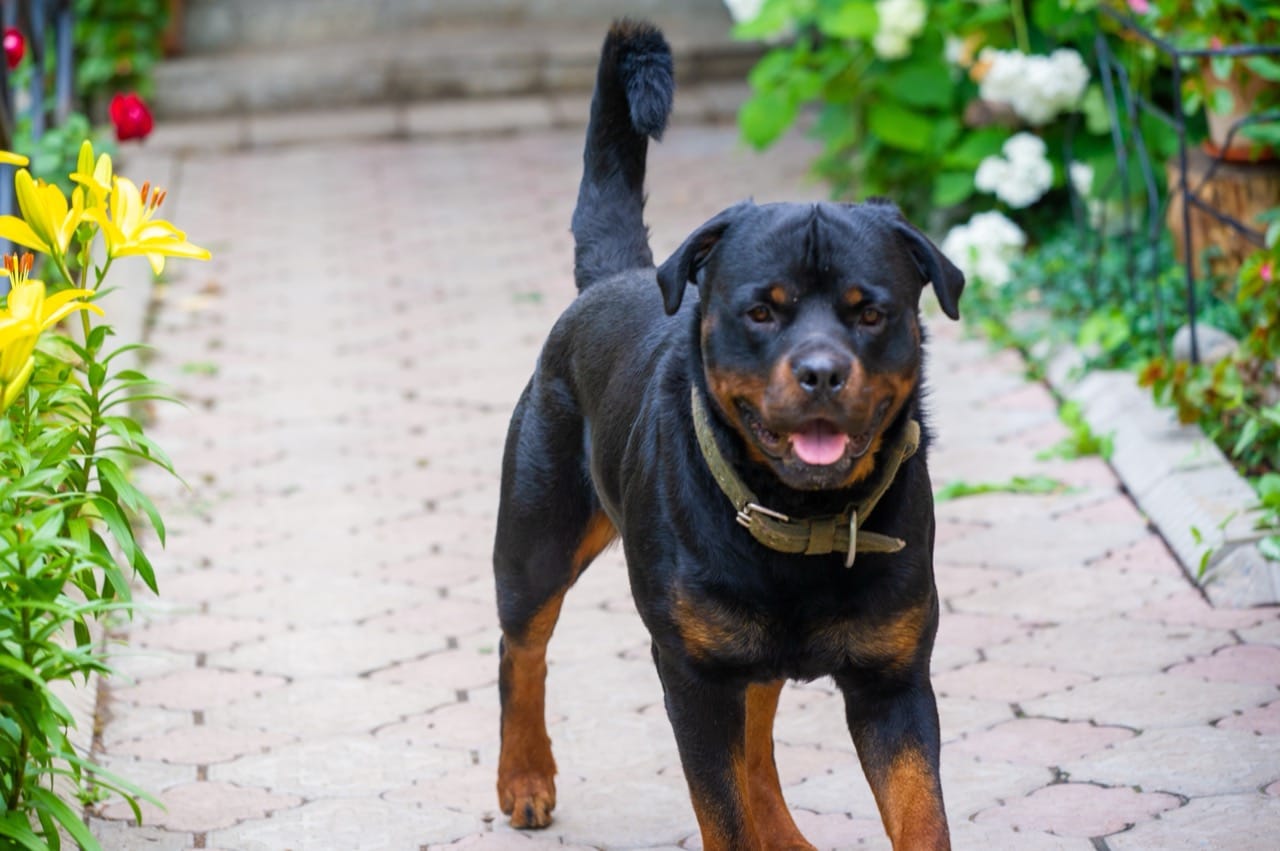
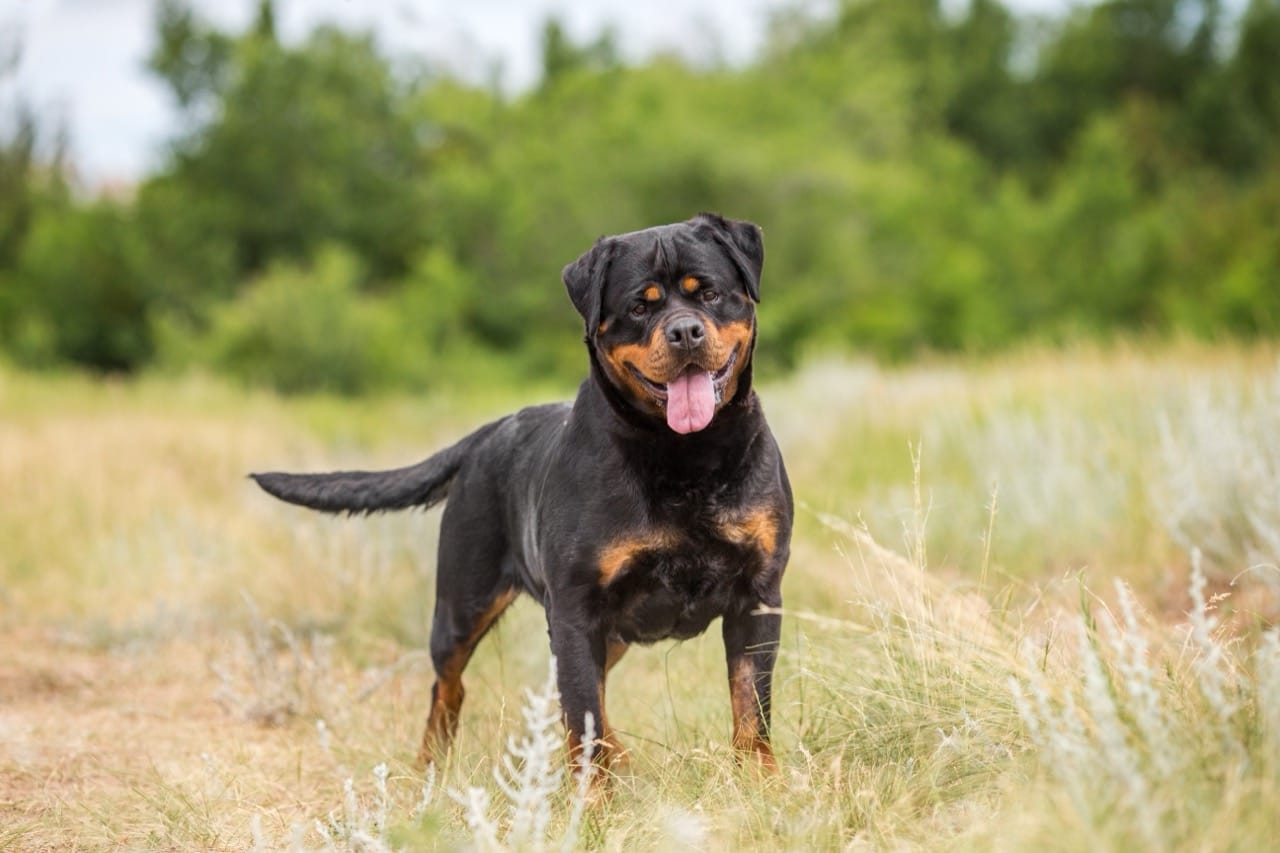
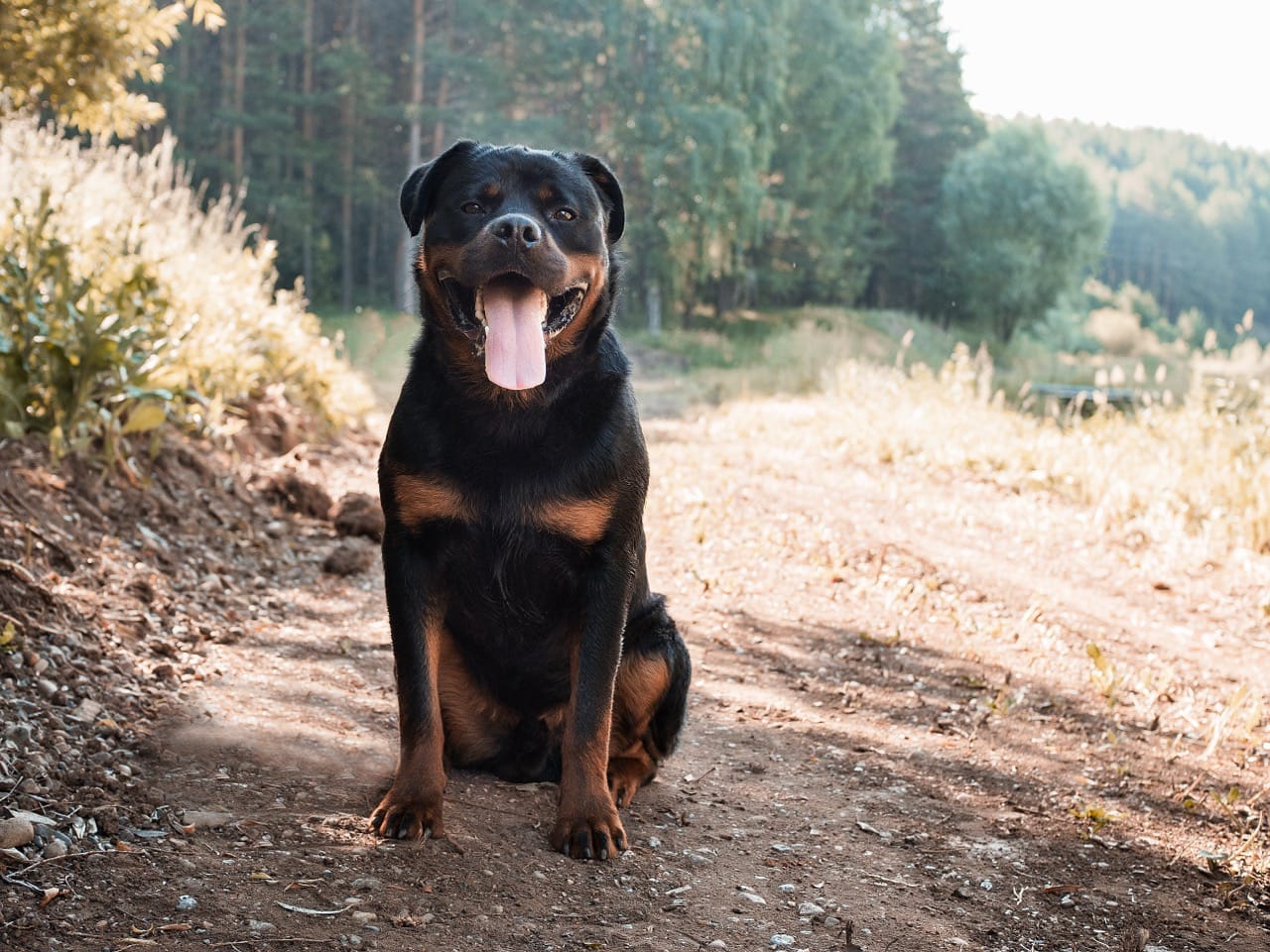
Their build reflects those old jobs. A Rottweiler’s broad chest and muscular frame are not just for looks; they supported pulling carts, driving stubborn cattle, and standing their ground against threats. In some regions, dogs were even used to carry money pouches for butchers, sometimes tied around the neck, which is a vivid image of trust and responsibility. It also helps explain why the breed is often described as confident and protective. The original assignment was not to be friendly to everyone, but to be reliable for one person or family in busy, unpredictable environments.
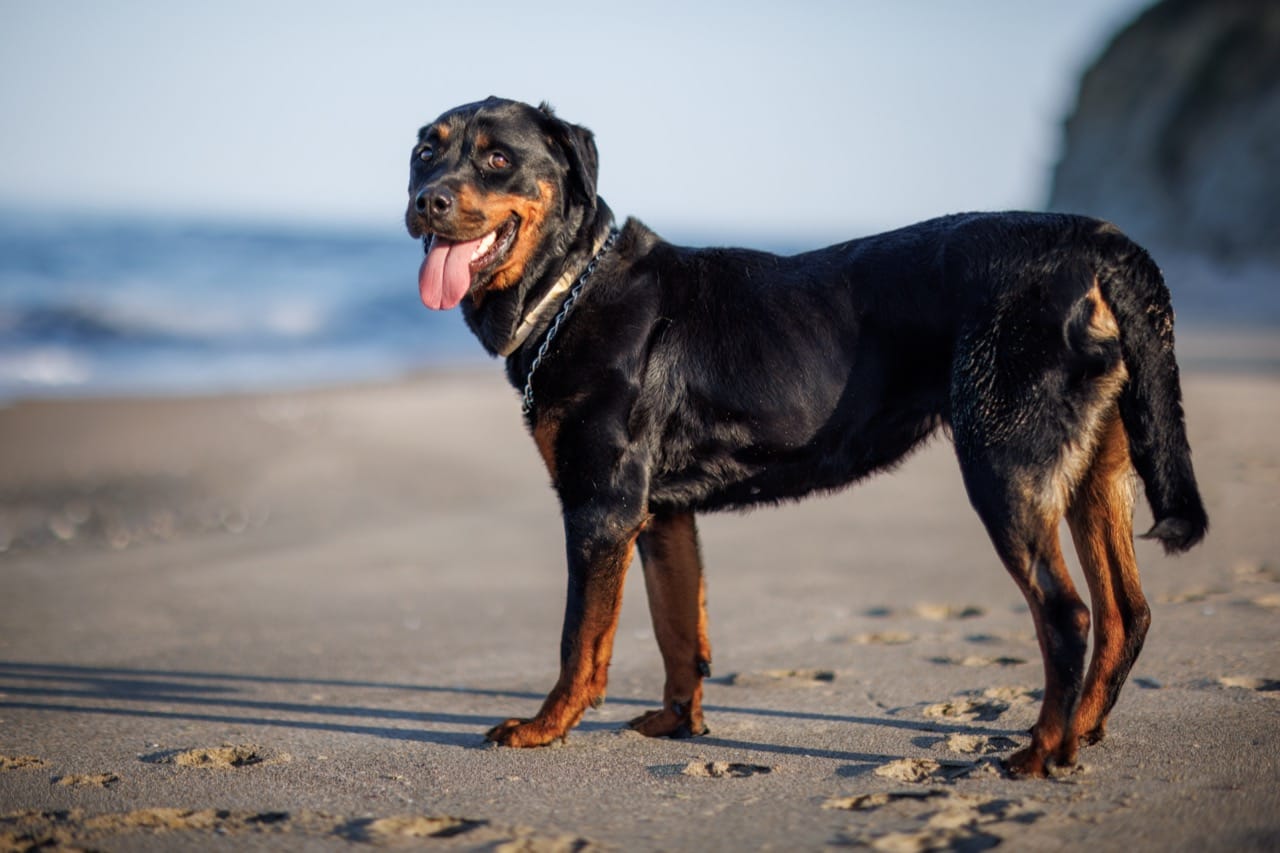
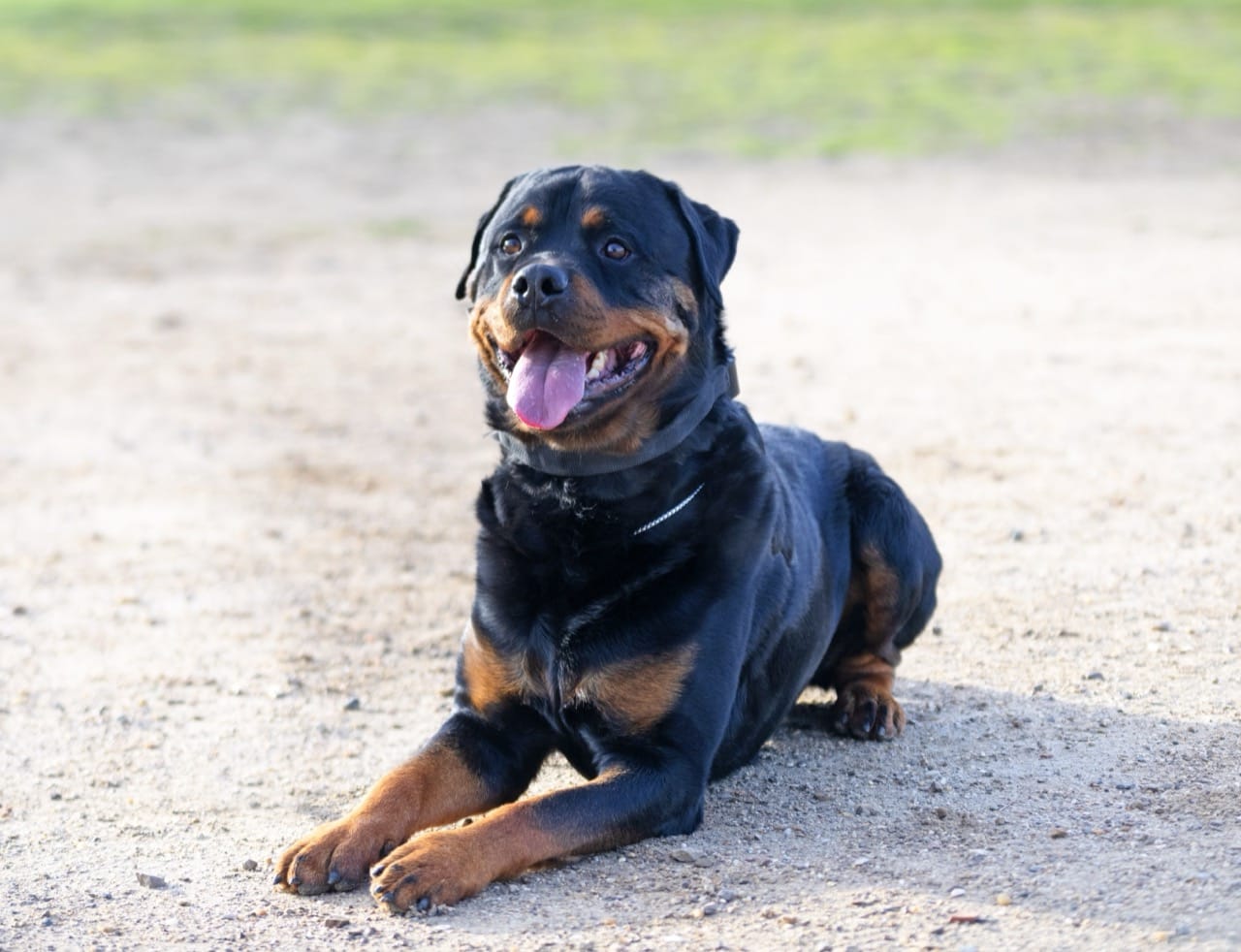
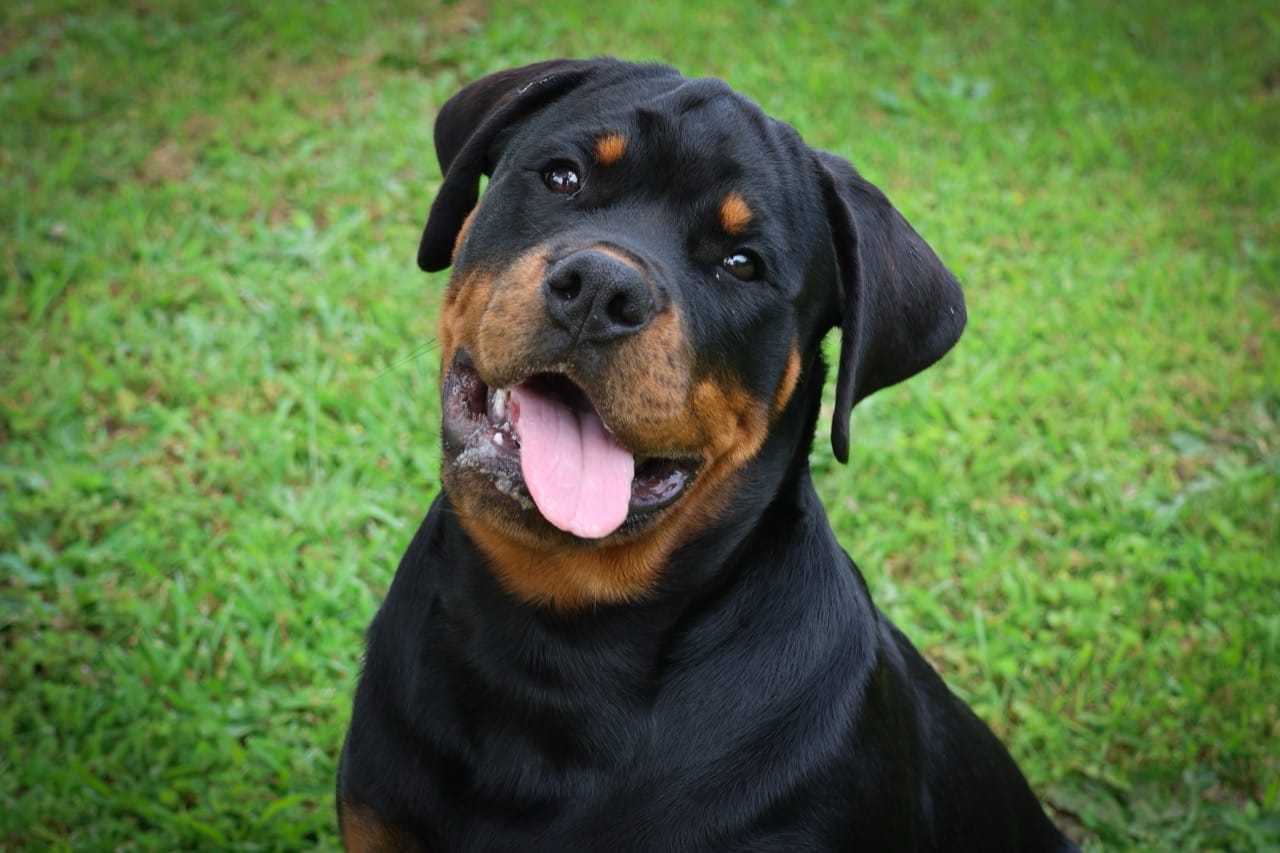
Many “small facts” about Rottweilers connect to big stereotypes. Take the markings: the distinct rust points on the face, chest, and legs are a classic pattern seen in several working breeds. People sometimes assume the markings are cosmetic, but consistent coloration helped breeders identify type and maintain a recognizable working dog. Another detail is the tail. Historically, tail docking was common in working dogs, partly because people believed it reduced injury risk and partly because it matched old-fashioned ideas of what a serious working dog should look like. Today, docking rules vary widely by country, and many Rottweilers keep natural tails, which can change how expressive they appear. A natural tail often makes the dog’s communication easier to read, which can be helpful for families and trainers.
Rottweilers also share unexpected links with other breeds through shared purpose. Many mastiff-type and drover-type dogs across Europe developed along similar lines: big bodies, strong jaws, and a temperament suited to guarding and moving animals. That doesn’t mean every breed is directly related, but it does mean they were shaped by similar problems people needed solved. Understanding that working background helps explain why a well-bred, well-trained Rottweiler can be calm and affectionate at home while still taking guarding seriously.
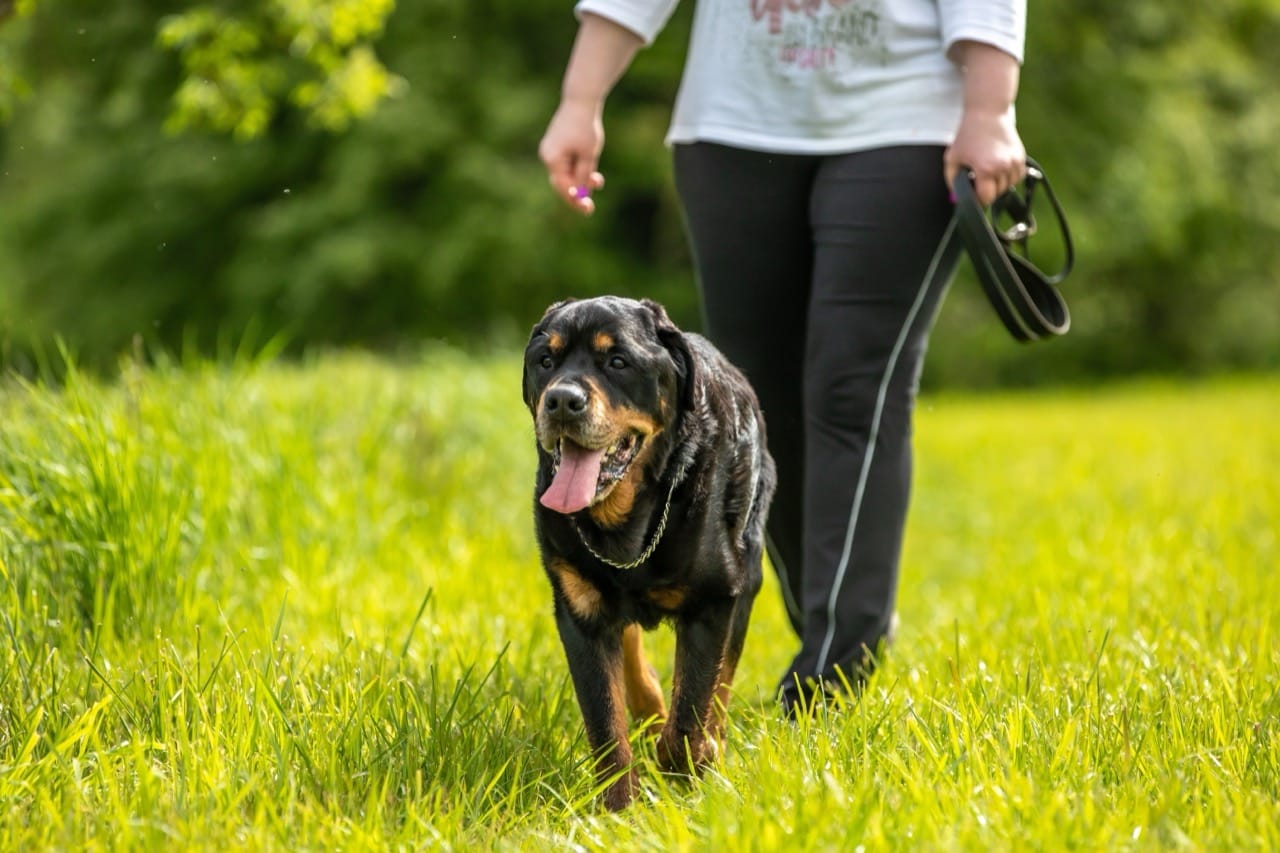
The modern Rottweiler has shifted from market worker to family guardian, but the old instincts have not vanished. They still tend to bond deeply, watch their surroundings, and prefer having a job, even if that job is obedience training, hiking, or simply being a steady companion. When people reduce the breed to a stereotype, they miss the more interesting truth: the Rottweiler is a living connection between ancient travel routes, a specific German town’s economy, and today’s dog culture, where a confident stare can mean anything from “I’m on duty” to “I’m waiting for my next cue.”