Rocket Dogs and Smart Toys Jack Russell Trivia










Quiz Complete!
Rocket Dogs and Smart Toys: The Inventive Side of Jack Russell Terriers

Jack Russell Terriers may be small enough to tuck under an arm, but they were never designed to be decorative. The breed’s story begins in 19th century England, where Reverend John Russell wanted a fox-working terrier that could keep up with hounds, squeeze into tight places, and still have the courage to face an animal underground. That goal shaped a dog built like a spring: compact, athletic, and confident, with a mind that stays switched on. Even the classic mostly white coat had a practical purpose, helping riders distinguish the terrier from quarry during a hunt.
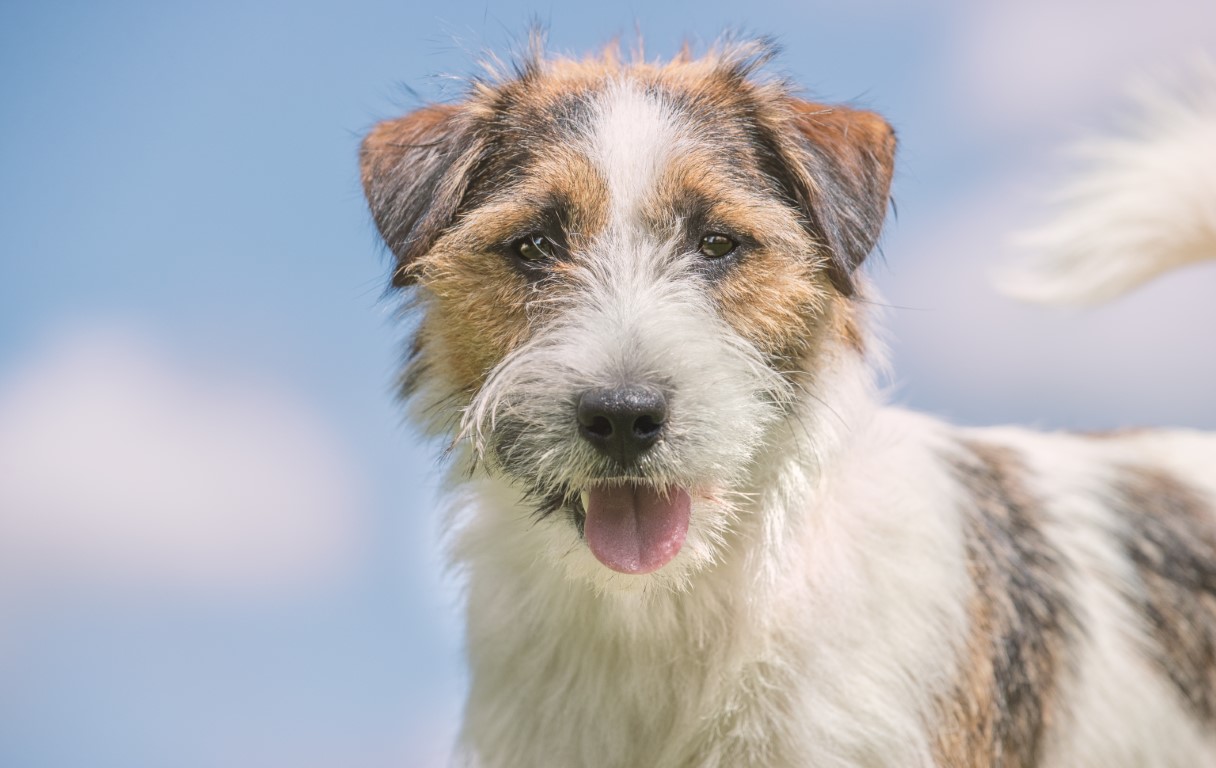
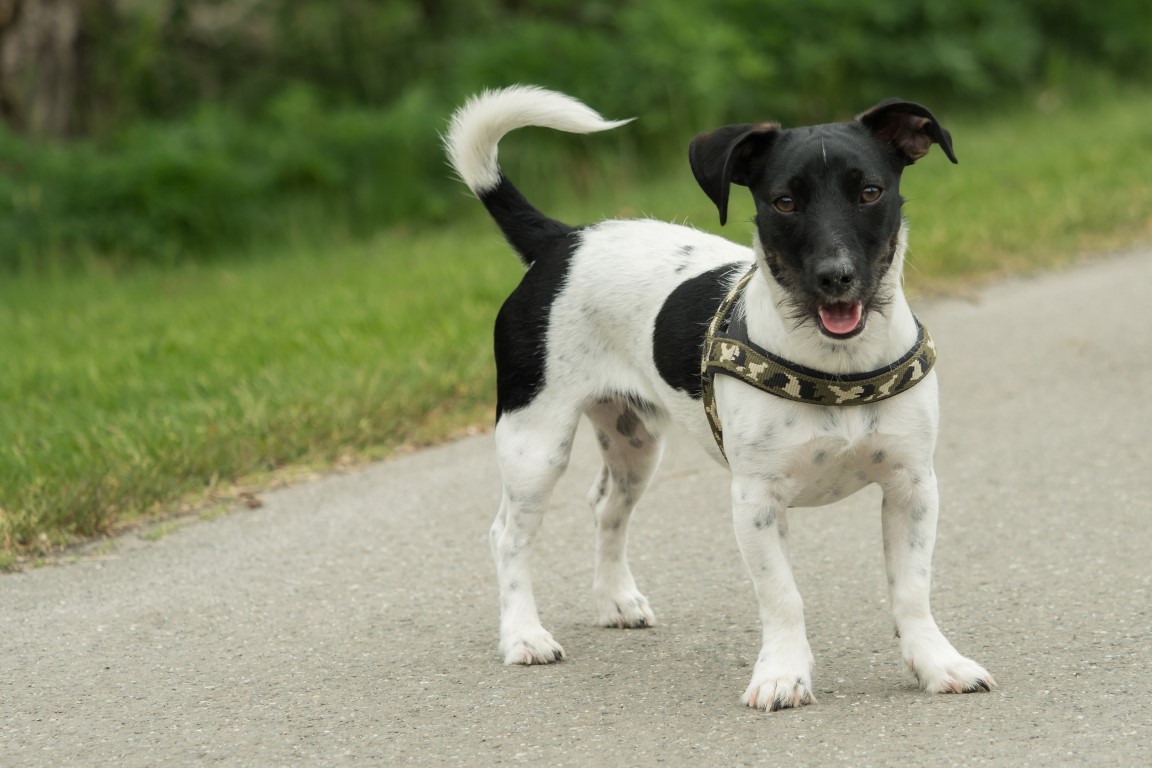
People often use the name Jack Russell loosely, but there are related types with important differences. The Parson Russell Terrier is typically longer-legged and more square in outline, reflecting a dog expected to run with the pack. The Russell Terrier is often shorter-legged and slightly longer in body, a shape that can be handy for working close to the ground. Across these types, the shared theme is performance. These dogs were selected for stamina, quick decision-making, and a strong drive to chase, dig, and investigate.
That drive is exactly why modern owners lean on training innovations. A Jack Russell usually learns fast, but not always in the direction you intended. Clicker training, which uses a distinct sound to mark the precise moment a dog does the right thing, fits terrier brains well because it turns learning into a clear, rewarding puzzle. Short sessions, high-value treats, and frequent variety help prevent boredom. Many trainers also teach a strong “settle” or mat behavior early, because an off switch is not a default setting for a dog bred to work.
Mental enrichment tools have become a lifesaver for energetic terriers. Puzzle feeders, snuffle mats, and treat-dispensing toys channel natural foraging and problem-solving. The trick is to adjust difficulty so the dog succeeds without getting frustrated, then rotate toys to keep novelty high. Scent work is another perfect outlet. Because terriers are naturally curious and persistent, they often thrive when asked to search for a specific odor, whether in formal nose work sports or simple hide-and-seek games at home.
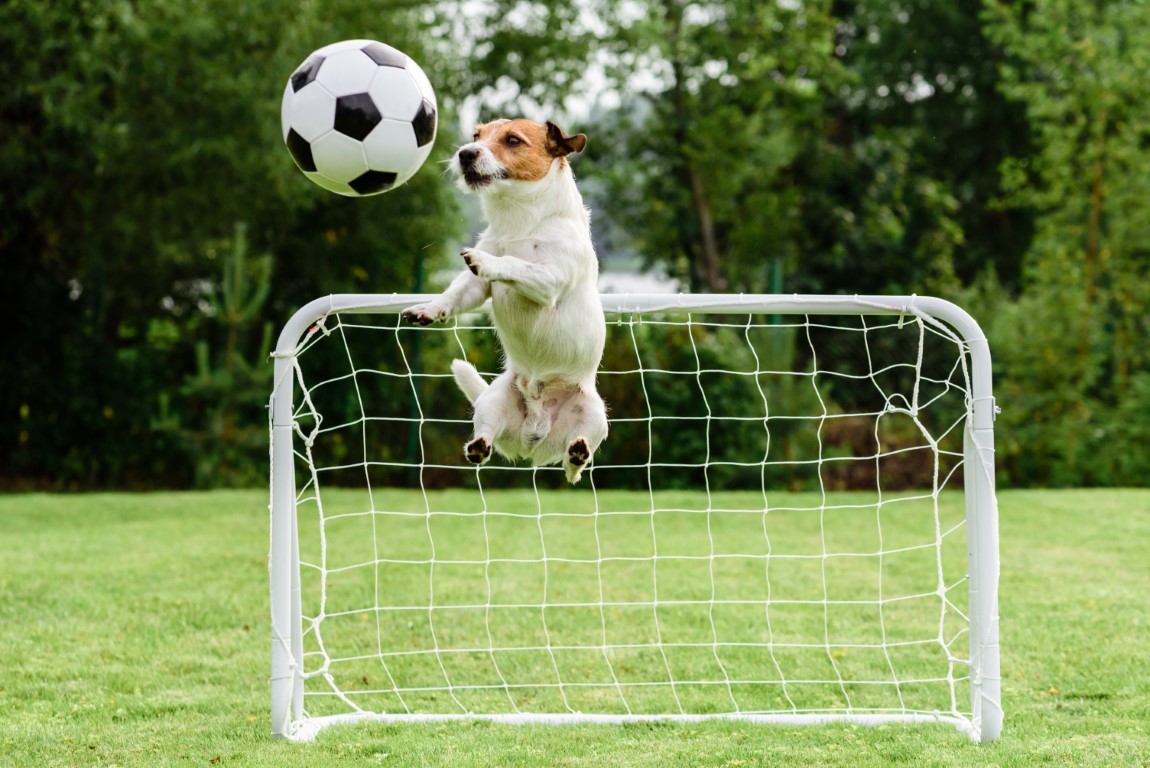
When you watch a Jack Russell fly over jumps or whip through weave poles, you are seeing a body designed for explosive movement. Their muscling and flexible spine support rapid acceleration, tight turns, and impressive vertical leaps. That athleticism is also why canine sports medicine matters. Smart conditioning, warm-ups, and rest days reduce injury risk, and keeping nails, pads, and body weight in good shape can make a major difference for a dog that loves to launch first and think later.
Technology now intersects with terrier life in practical ways. GPS tracking collars can be valuable for dogs with strong chase instincts, especially on hikes or rural property. Modern identification tools like microchips add another layer of safety. Even simple home setups, like secure fencing and dig-proof barriers, reflect an understanding of the breed’s original job description.
Jack Russells also have a long relationship with the entertainment world. Their speed, focus, and willingness to learn behaviors make them standout performers in commercials and films, but what looks like effortless charm is usually careful training broken into tiny steps. The same traits that create a memorable on-screen stunt can also create mischief at home if the dog lacks structure and outlets.
Responsible breeding and modern research have added important guardrails to all that boldness. Awareness of inherited conditions, thoughtful selection for stable temperament, and early socialization help ensure that a clever, intense terrier becomes a great companion rather than a handful. In the end, the Jack Russell’s “rocket dog” reputation is not just about energy. It is about a design shaped by history, refined by training science, and supported by today’s tools for keeping fast minds and fast bodies thriving.