Roaming With Basset Hounds Around the World

Quiz Complete!
Roaming With Basset Hounds Around the World
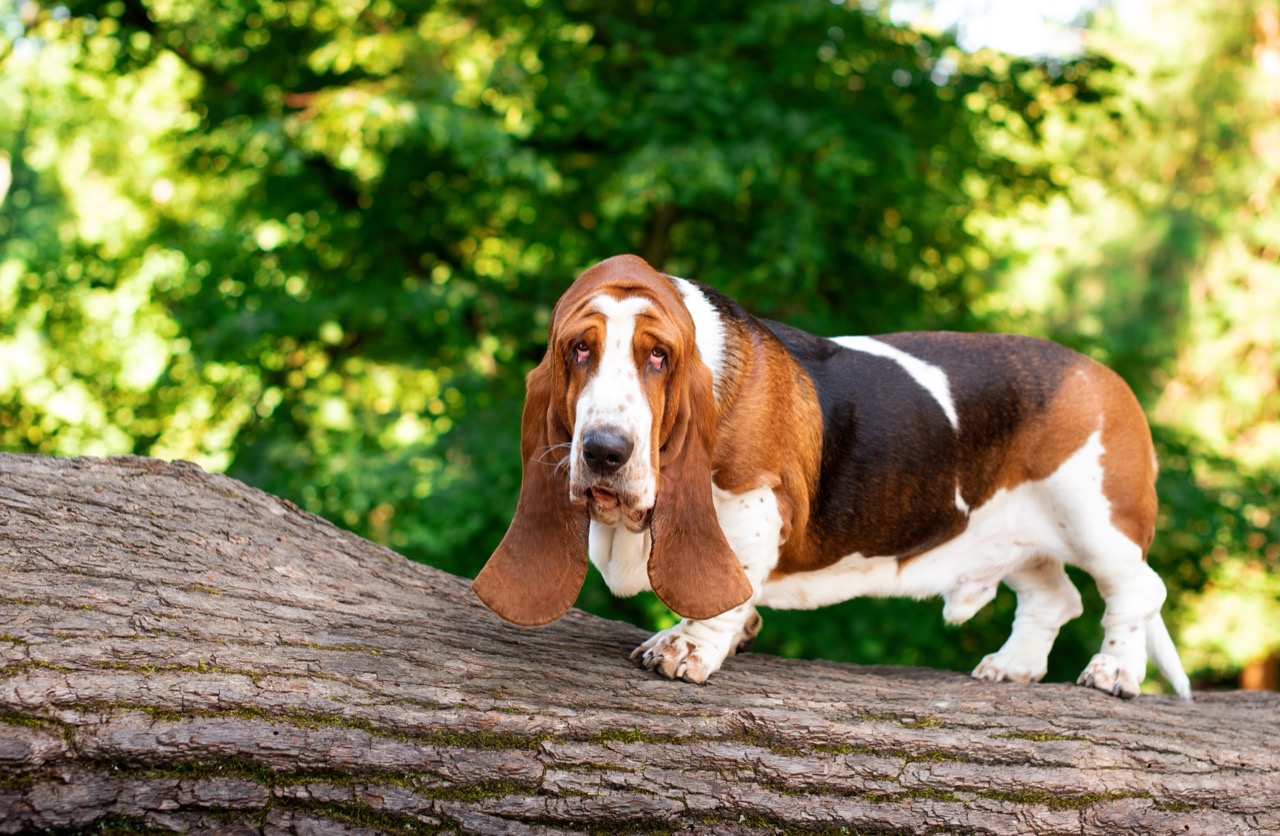
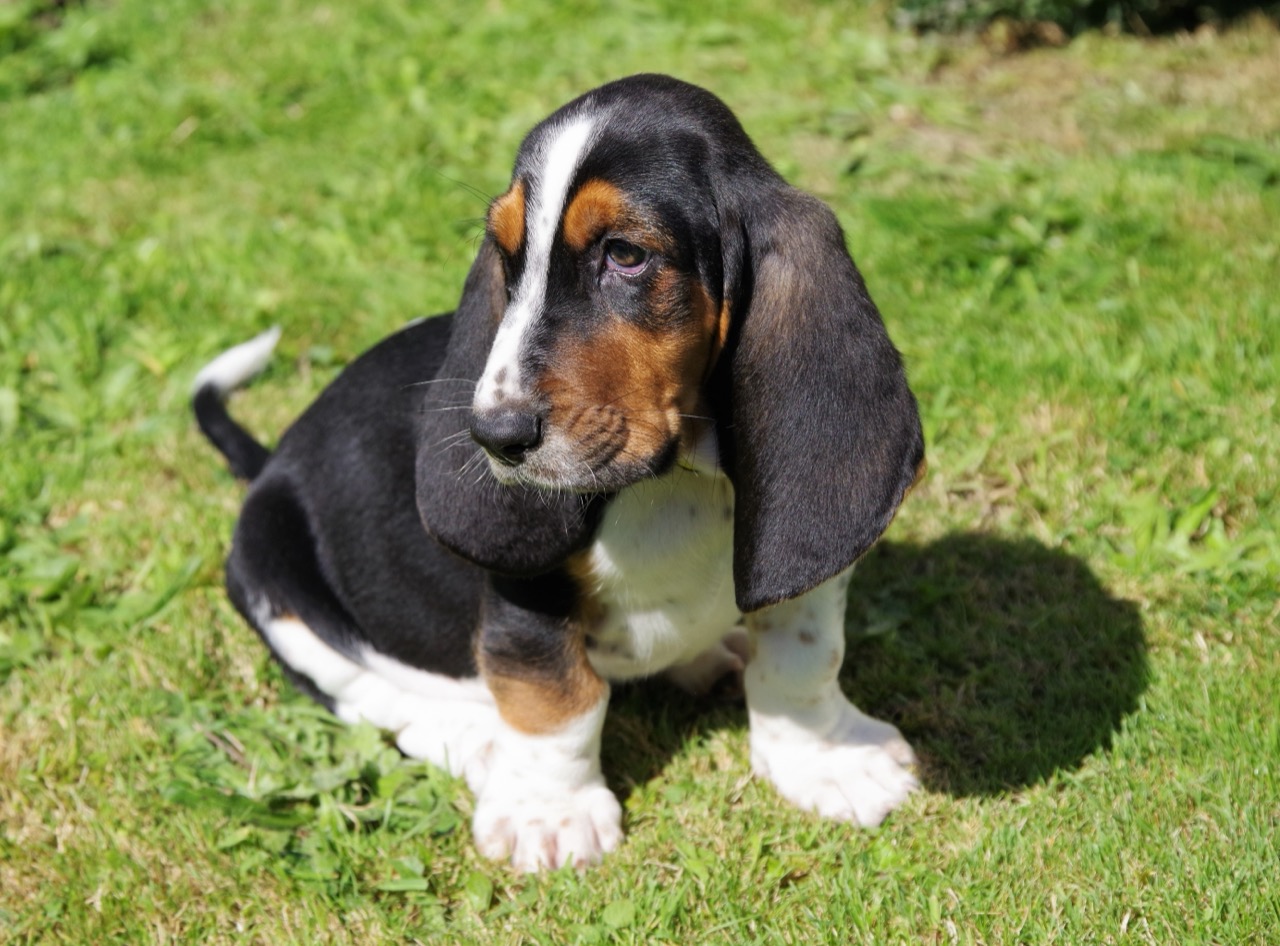
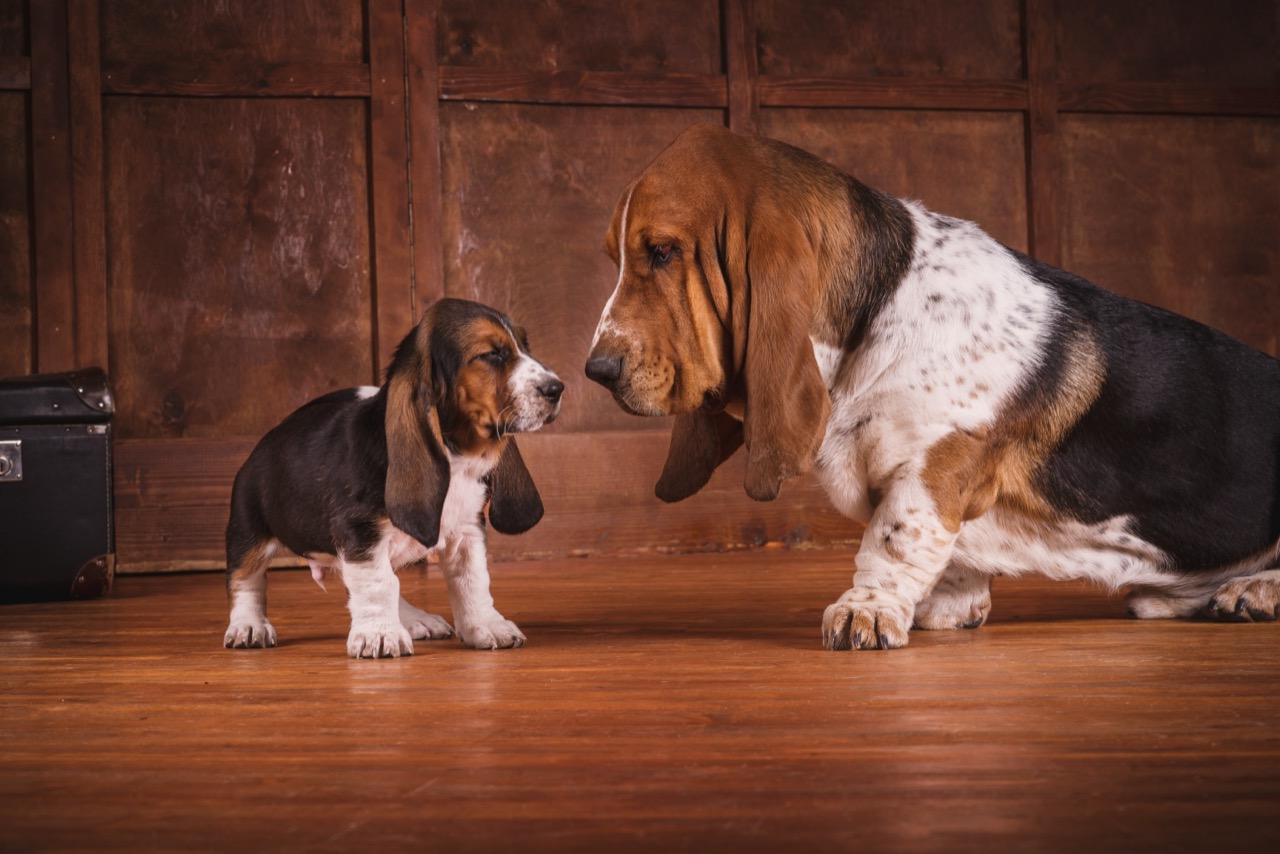
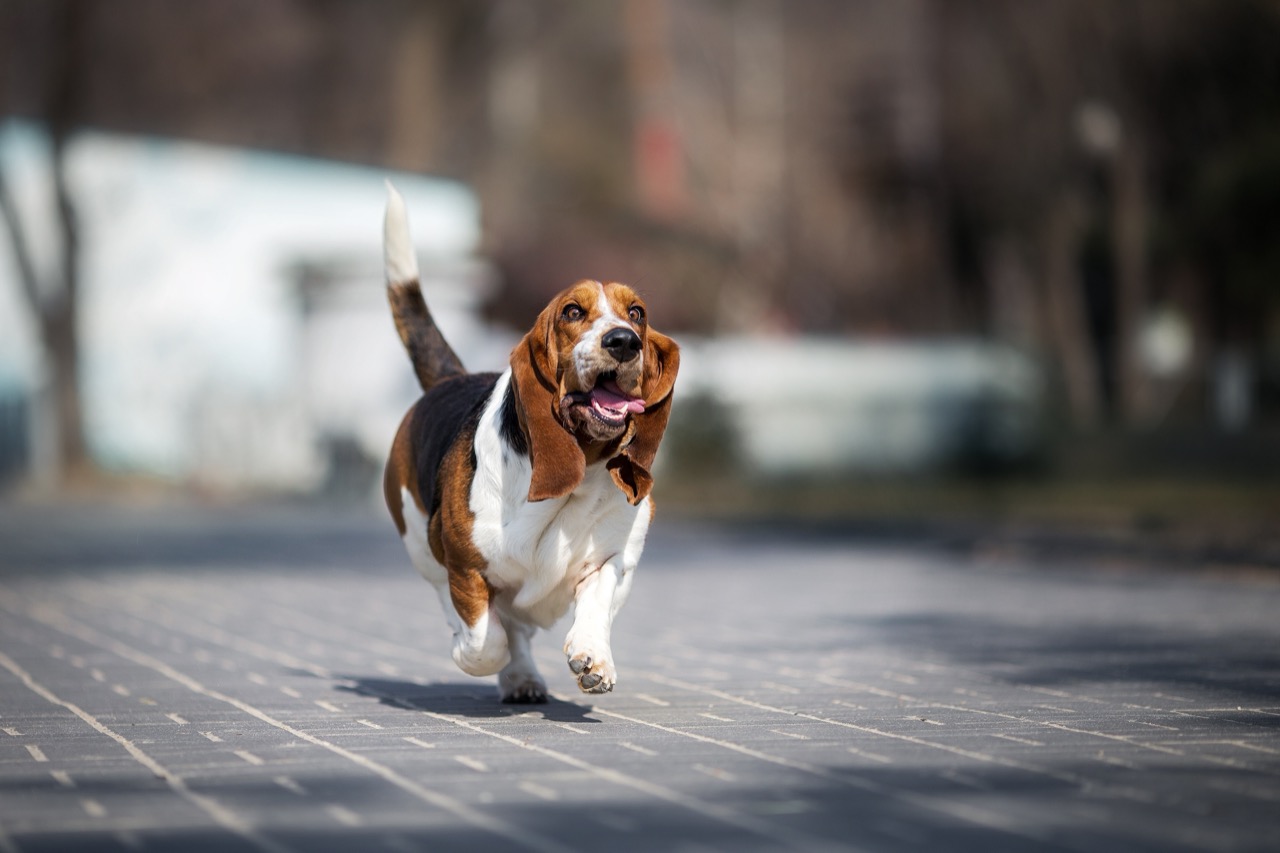
The Basset Hound may look like a laid back low rider with ears that seem too long for its body, but its story stretches across borders and centuries. The word basset comes from a French term meaning low, and France is where the breed’s identity began to take shape. In the Middle Ages and later, French hunters developed short legged scent hounds that could work slowly and steadily through brush while people followed on foot. That pace was practical, and it also favored a dog with a powerful nose and enough stamina to keep going for hours.
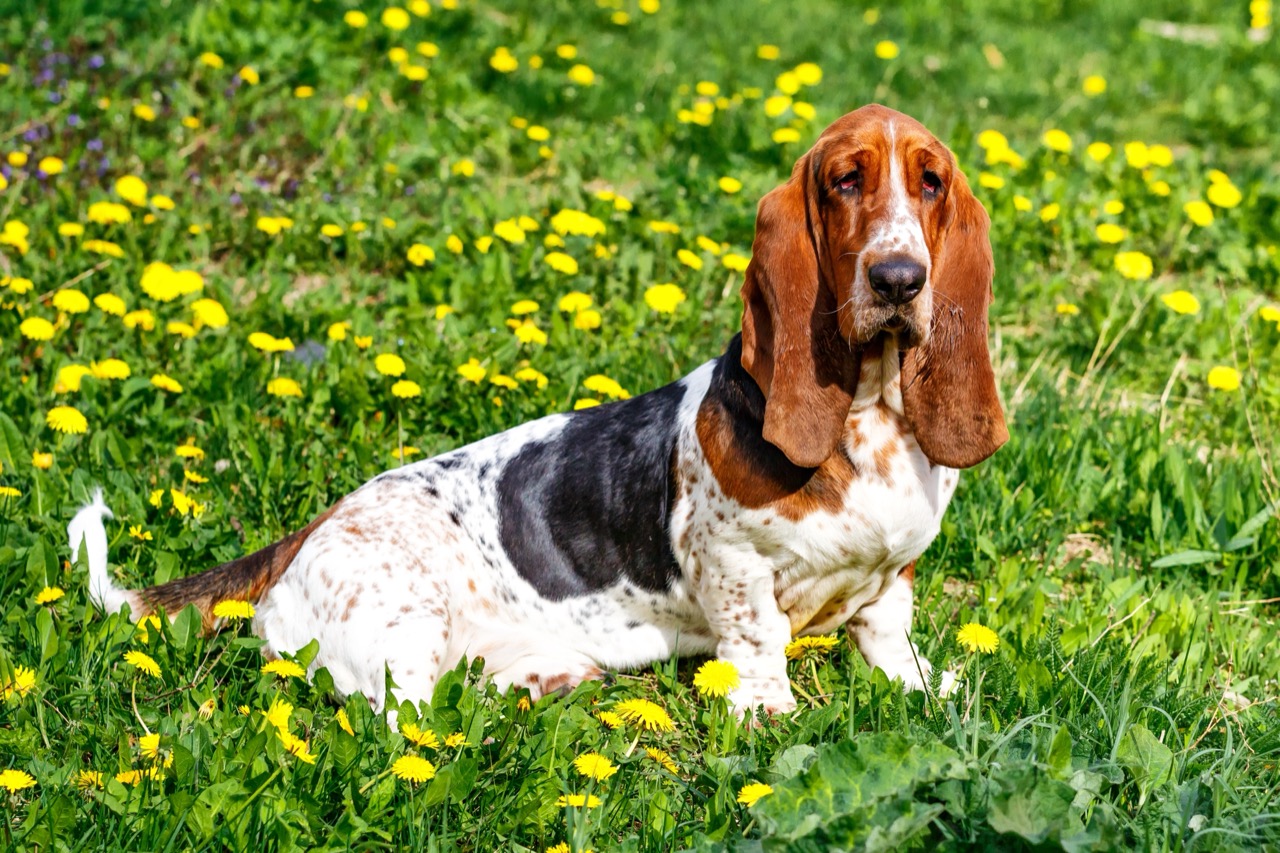
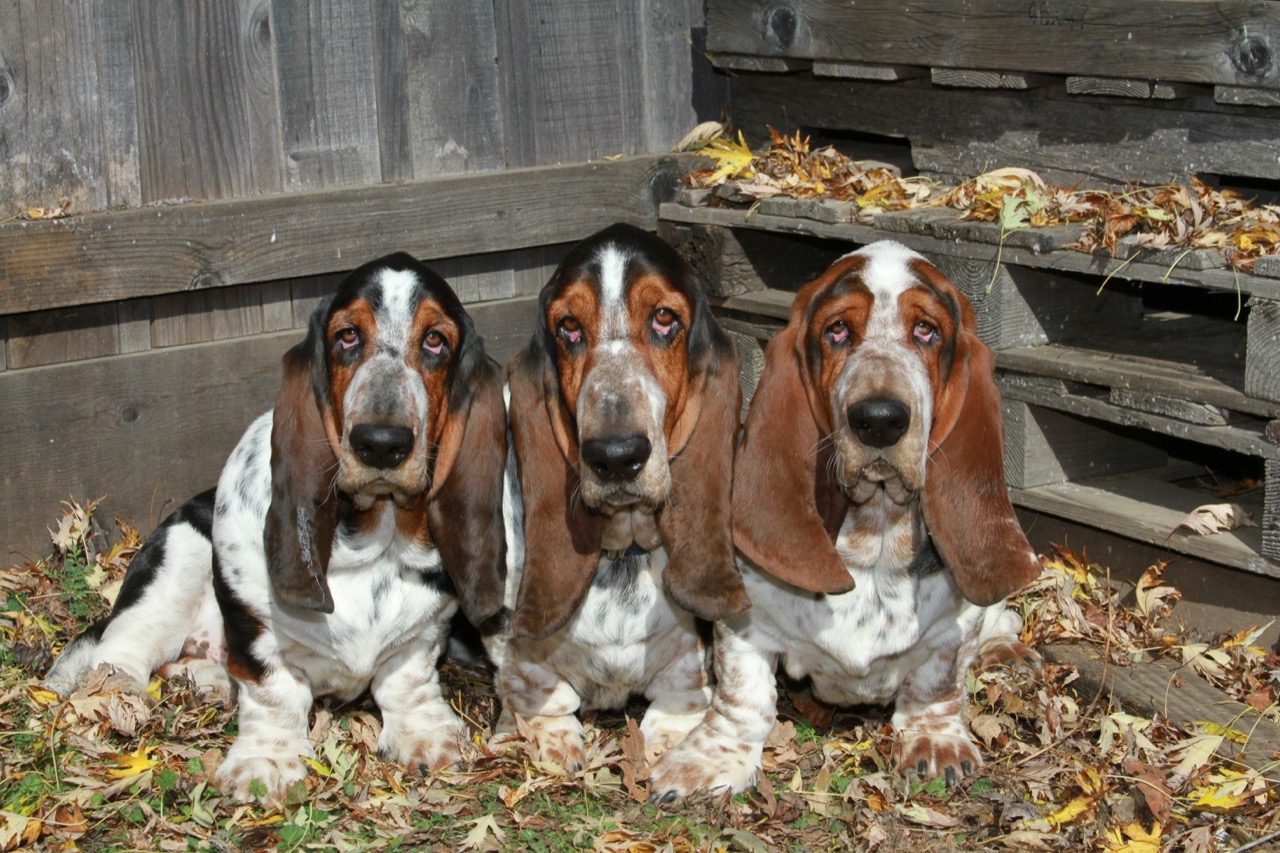
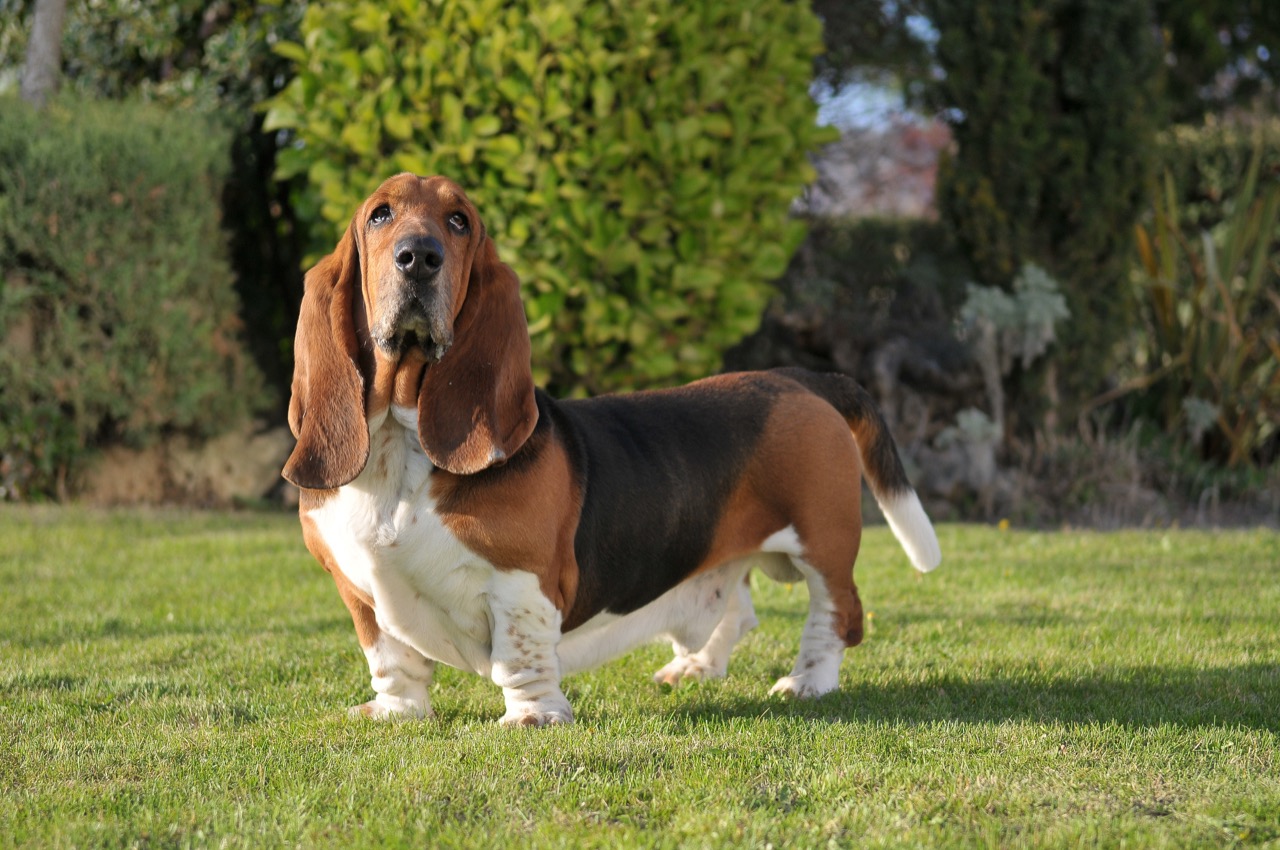
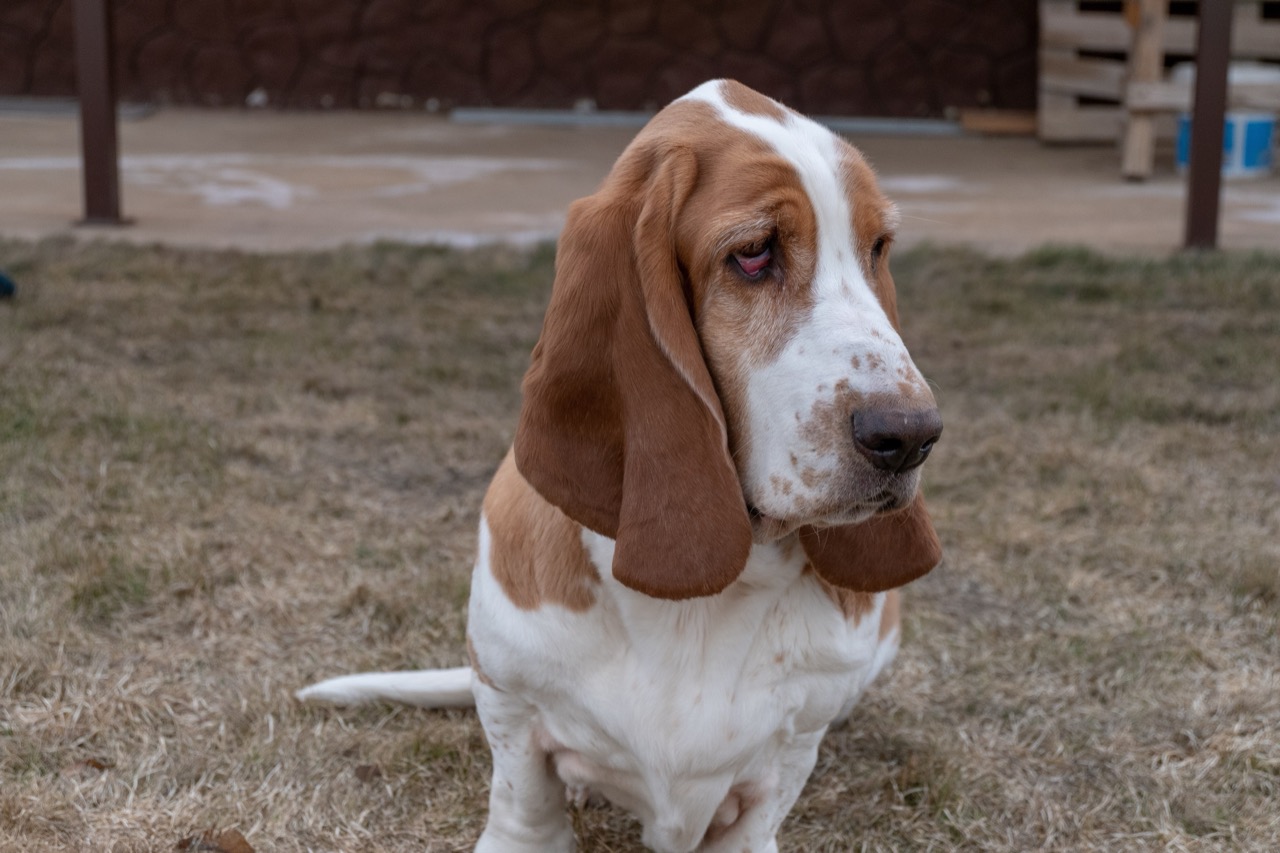
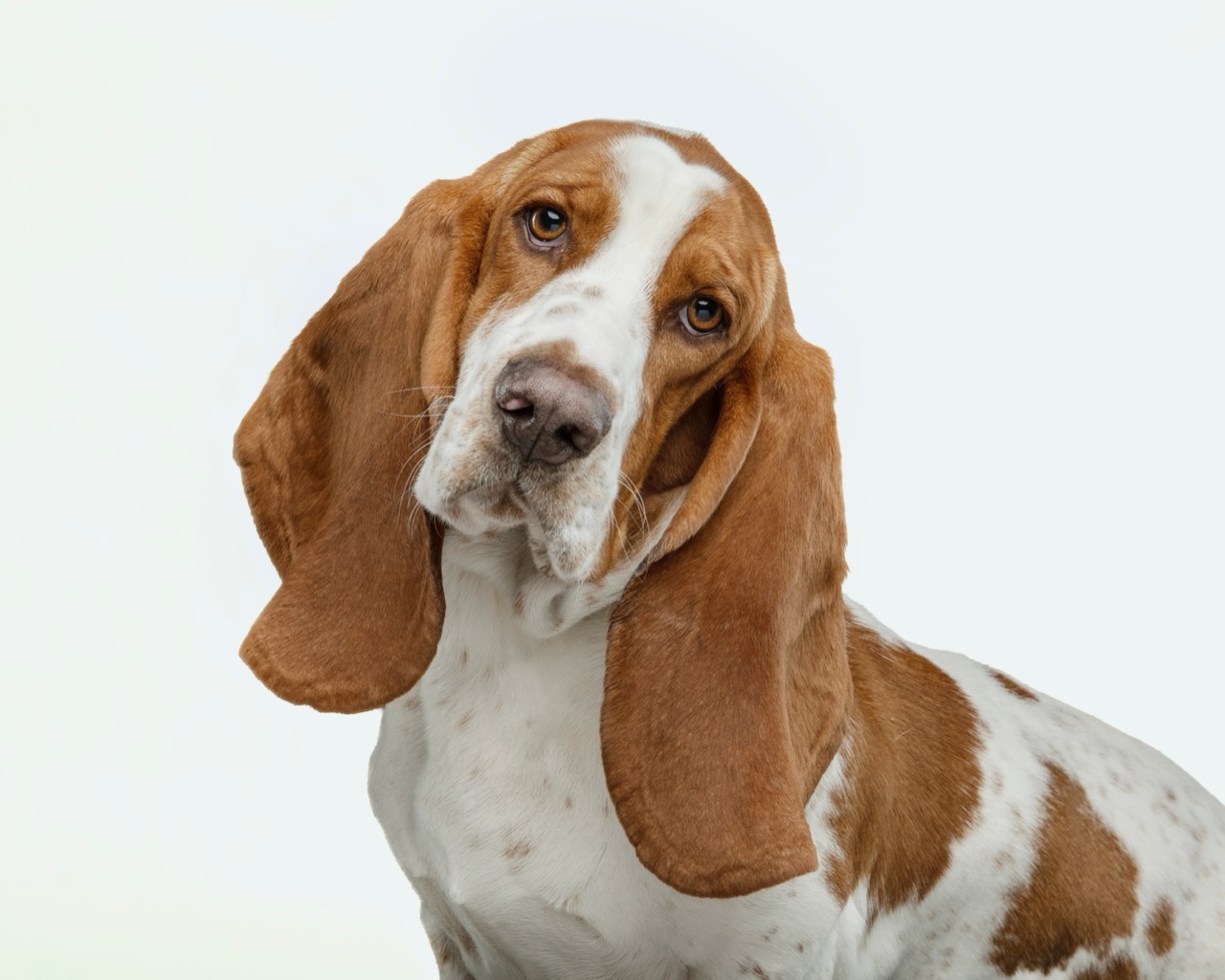
France is often credited as the birthplace of the basset type, but the modern Basset Hound as many people recognize it today was refined through a mix of French and British influence. In the 1800s, French bassets were brought to England, where breeders emphasized a heavier frame, a deeper chest, and the distinctive loose skin and long ears that help trap scent close to the nose. Those English breeding programs helped standardize the look, and they also connected the breed to the growing culture of organized dog shows. The United Kingdom became a major center for formalizing breed standards through kennel clubs, and British taste strongly influenced what would later be exported around the world.
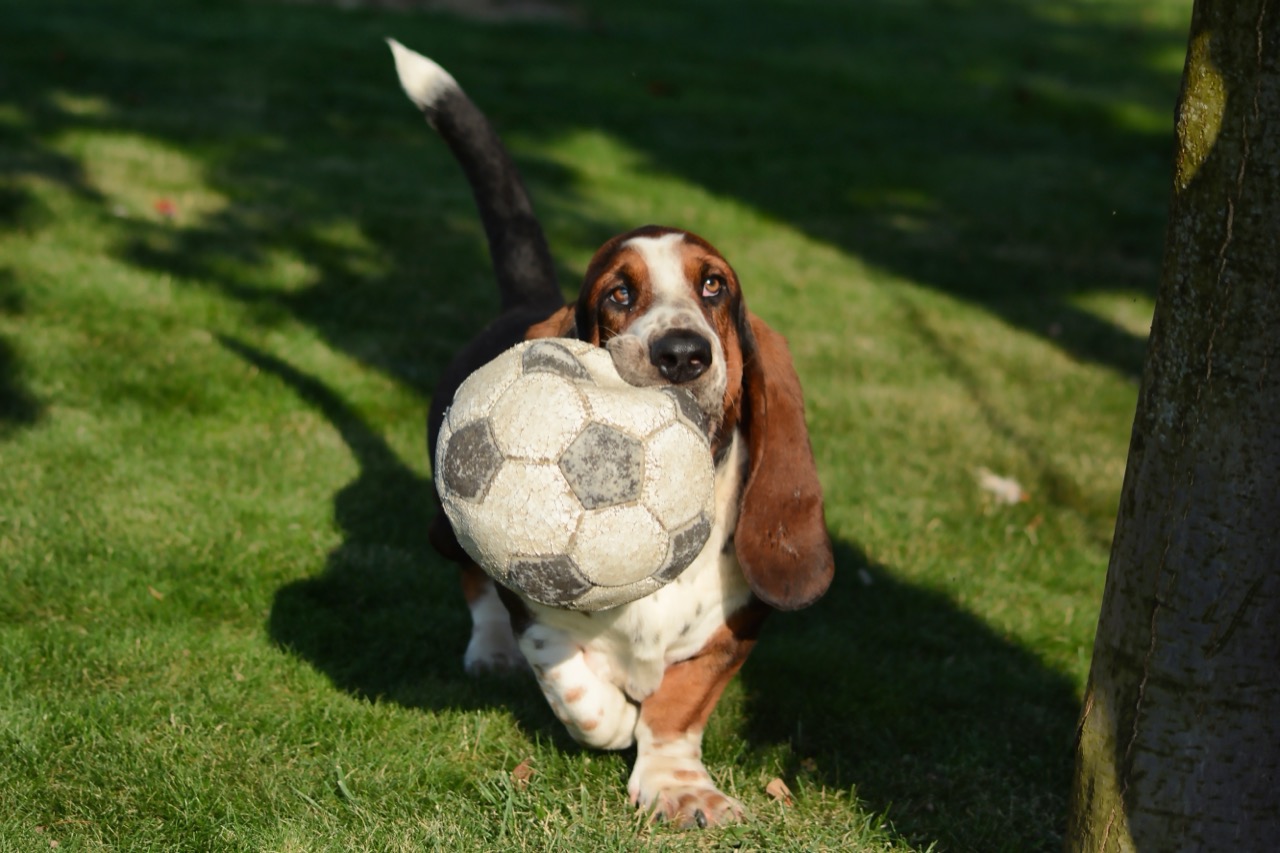
Across the Atlantic, the United States played a different role: turning the Basset Hound into a household name. American kennel organizations recognized the breed and supported competitive showing, which encouraged consistent type and temperament. Bassets also became popular as family dogs because their hunting instincts came packaged with an unusually gentle, tolerant personality. Their expressive faces and comical proportions made them natural stars in advertising and entertainment, which helped spread the image of the Basset far beyond hunting fields.
Even though many people associate Bassets with couch life, their roots are tied to a wider map of scent hound traditions. Scent hounds are central to European hunting culture, especially in regions where tracking hare and rabbit was common. France and England are key points on that map, but the broader tradition includes countries where organized packs, horns, and formal hunts became social institutions. While Bassets were typically slower foot hounds rather than horseback companions, they still share the same deep heritage of nose driven work.
Modern dog shows add another layer of geography. Major international events bring together breeders from Europe, North America, and beyond, and the Basset Hound is judged against written standards that differ slightly by country. Those standards describe details that fans love to debate: how much wrinkle is too much, the ideal length of ear, the balance between bone and agility, and the characteristic movement that should be steady rather than flashy. Because kennel clubs in different nations publish their own standards, quiz questions often point to which country or organization defines a particular version of the ideal.
If you travel today, you can spot Basset Hounds in city parks from Paris to London to New York, and increasingly in places where dog culture has grown through social media and international breeding. Yet the breed’s global success still circles back to a few key locations: French origins, British refinement, and American popularity. The next time you see those long ears sweeping the ground, it is worth remembering you are looking at a dog shaped by geography as much as genetics, a scent hound whose story truly roams.