Regal Cavaliers: Biggest Brags and Firsts

Quiz Complete!
Regal Cavaliers: Biggest Brags and Firsts of the Cavalier King Charles Spaniel
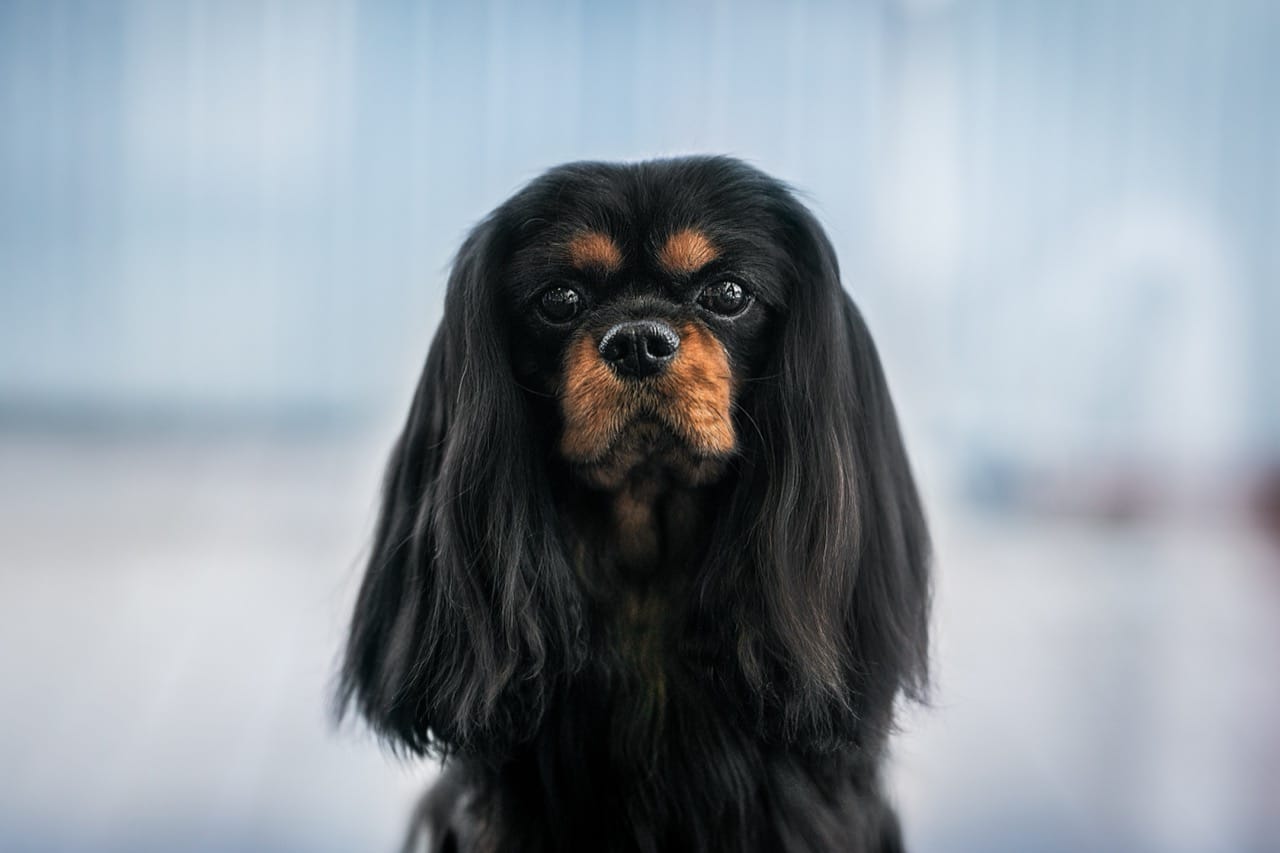
Few dogs look as if they were designed for comfort and compliments quite like the Cavalier King Charles Spaniel. With long, silky ears, large round eyes, and a gentle expression that seems permanently optimistic, the breed has a built in talent for winning hearts. That charm is not an accident. Cavaliers were shaped as companion dogs for people who valued warmth on their lap and sweetness in the home, and their history is tied to royal households and fashionable portraiture.
The Cavalier’s name points straight to the court of King Charles II of England, who was famously devoted to small spaniels. Paintings from the 1600s often show toy spaniels with longer muzzles than the flatter faced toy spaniels that became popular later. In the early 1900s, enthusiasts worked to restore that older look, and the modern Cavalier King Charles Spaniel emerged as a distinct breed. One of the most quiz worthy distinctions is that the Cavalier is not the same as the King Charles Spaniel, sometimes called the English Toy Spaniel. The King Charles Spaniel generally has a shorter nose and a more domed skull, while the Cavalier is slightly larger with a flatter head between the ears and a longer muzzle. People often describe the Cavalier’s expression as soft and open, a hallmark that judges and fans alike celebrate.
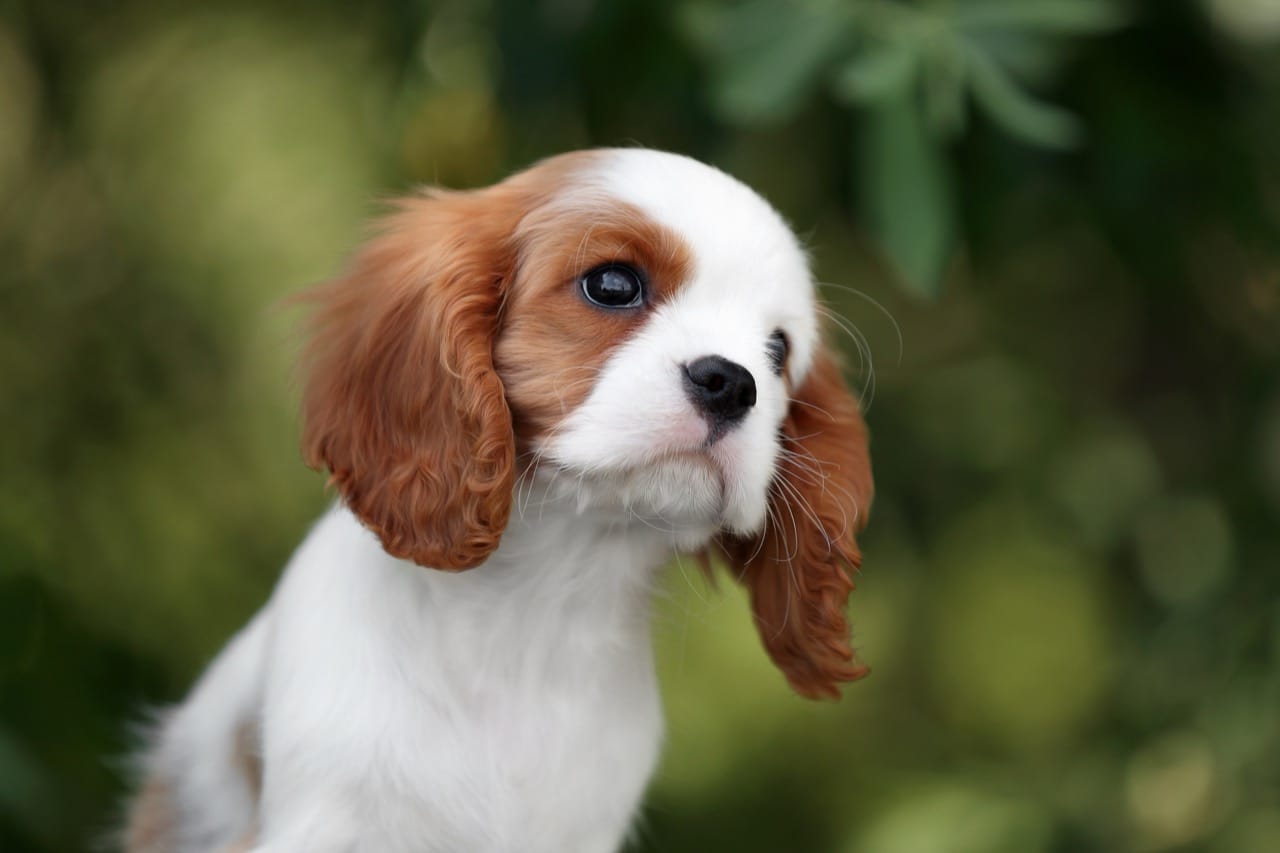
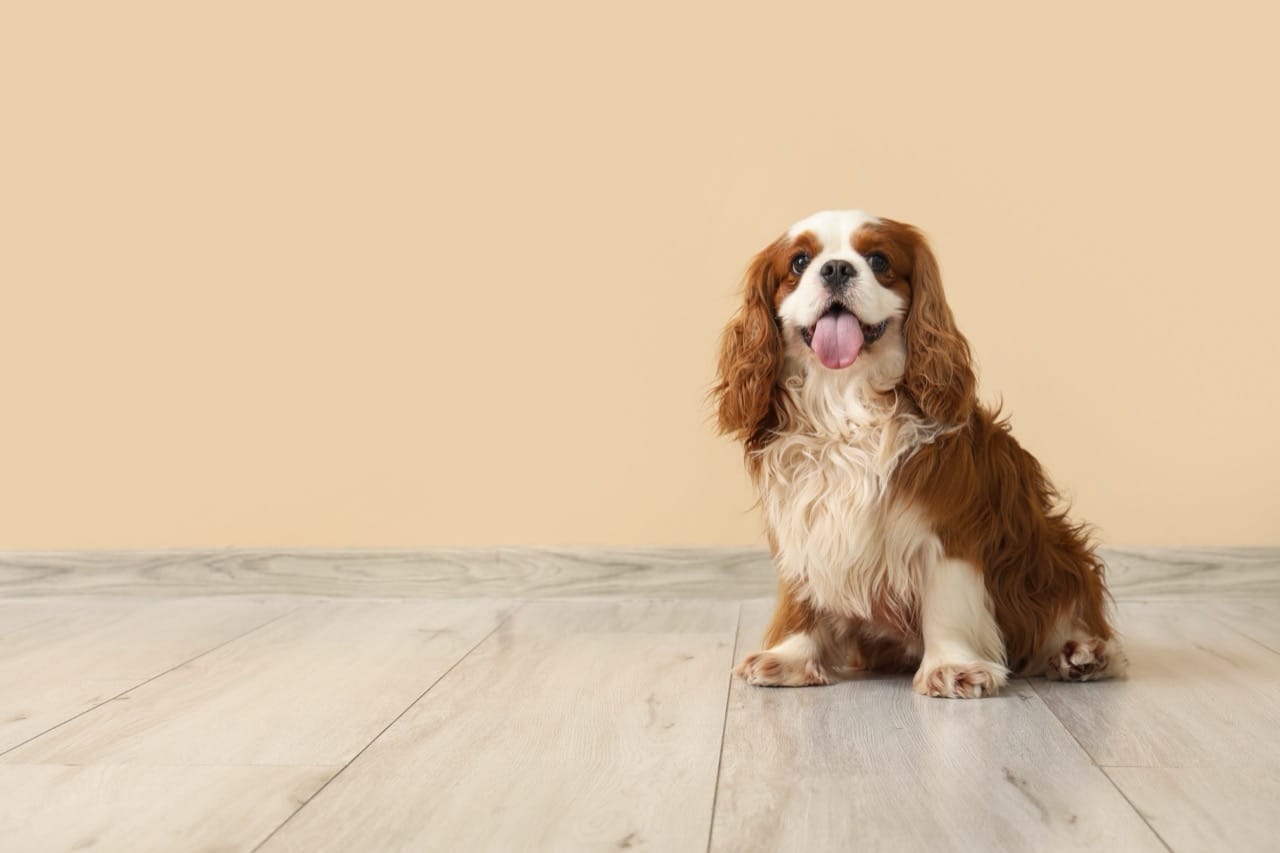
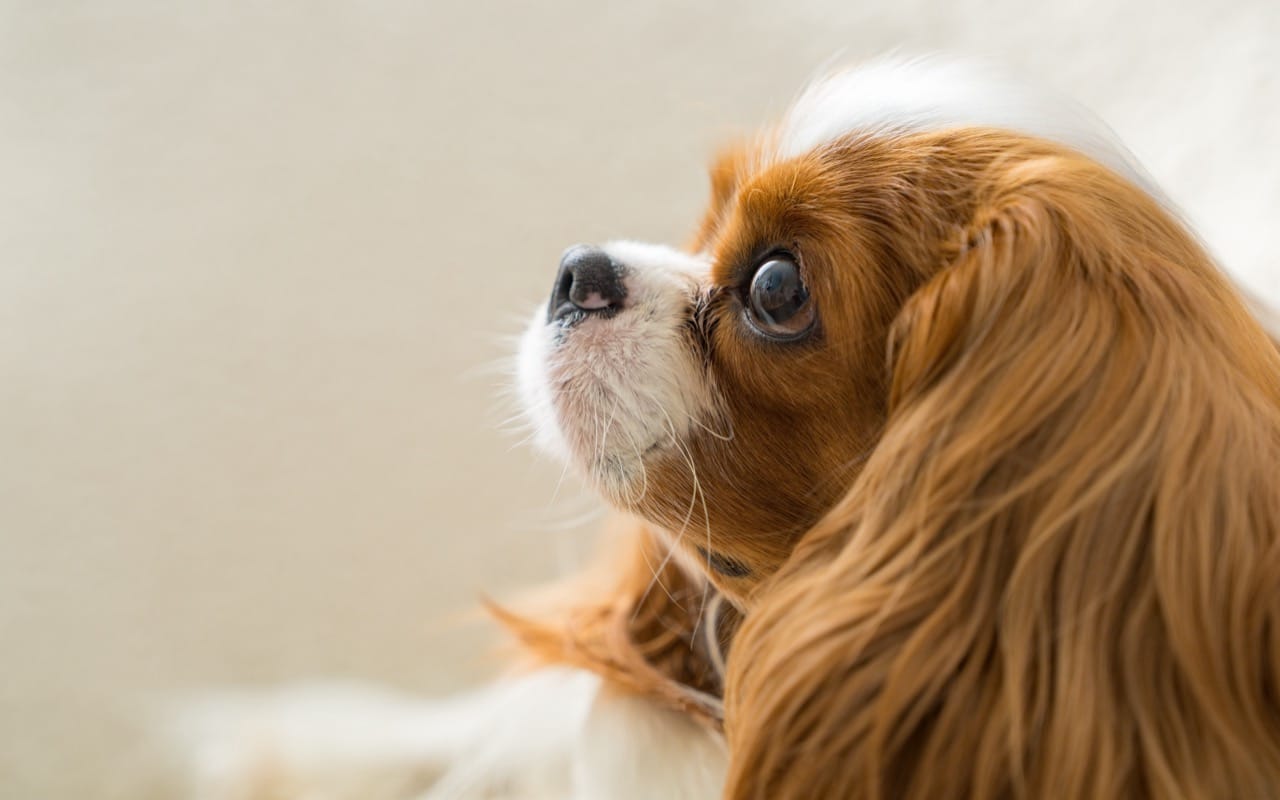
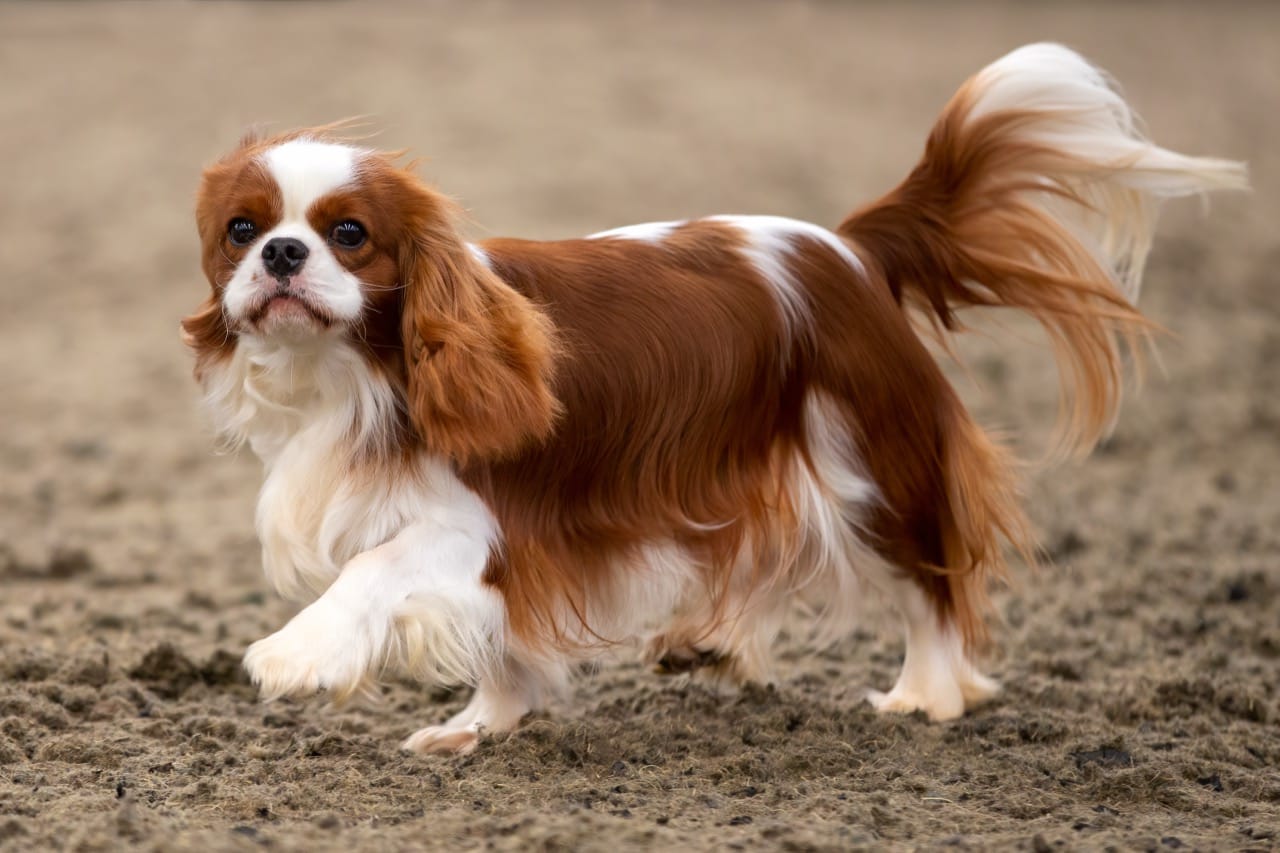
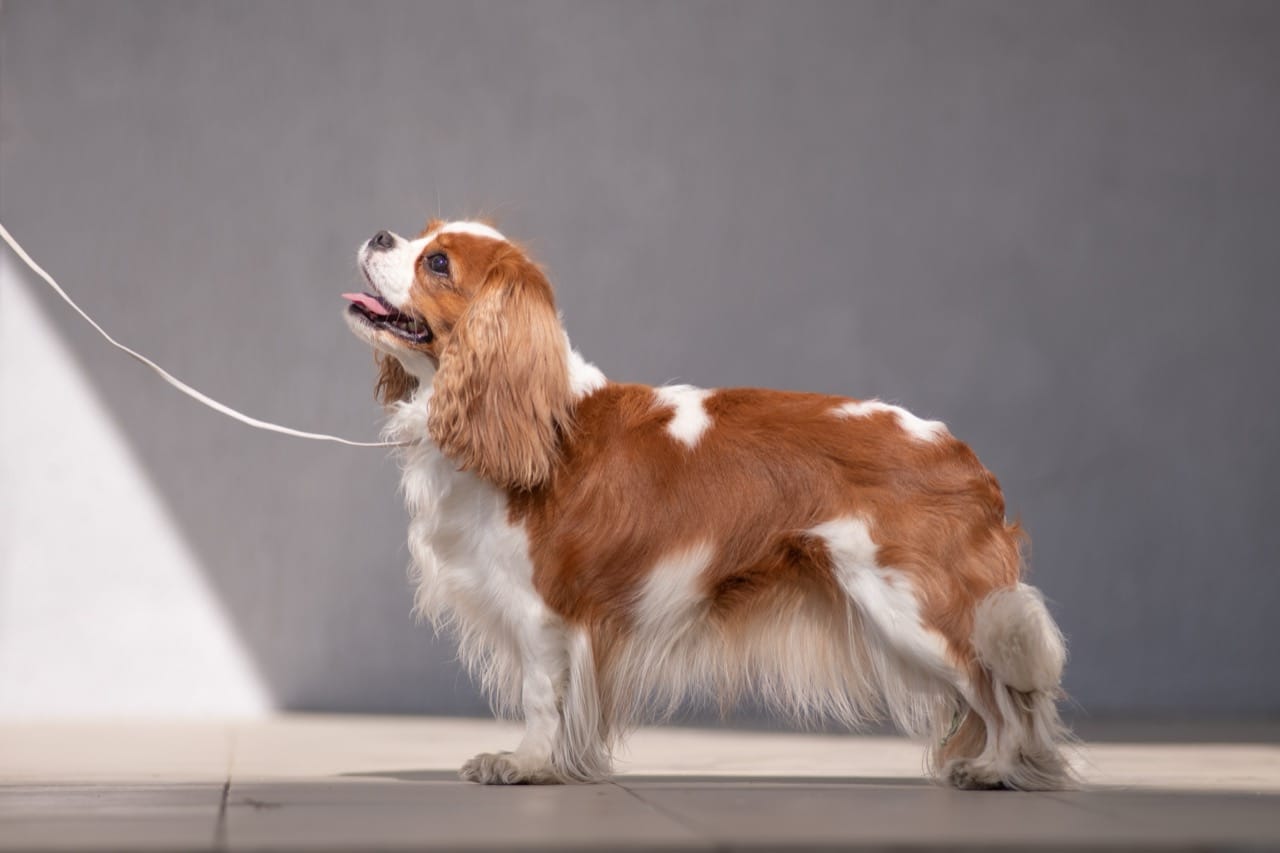
If you are keeping score on signature features, the ears are a major brag. They are long, set high, and heavily feathered, framing the face like satin curtains. The coat is another calling card: it should be silky and free flowing, never curly, with feathering on the legs, chest, ears, and tail. Cavaliers are meant to look naturally elegant rather than sculpted, so heavy trimming is discouraged in the show world.
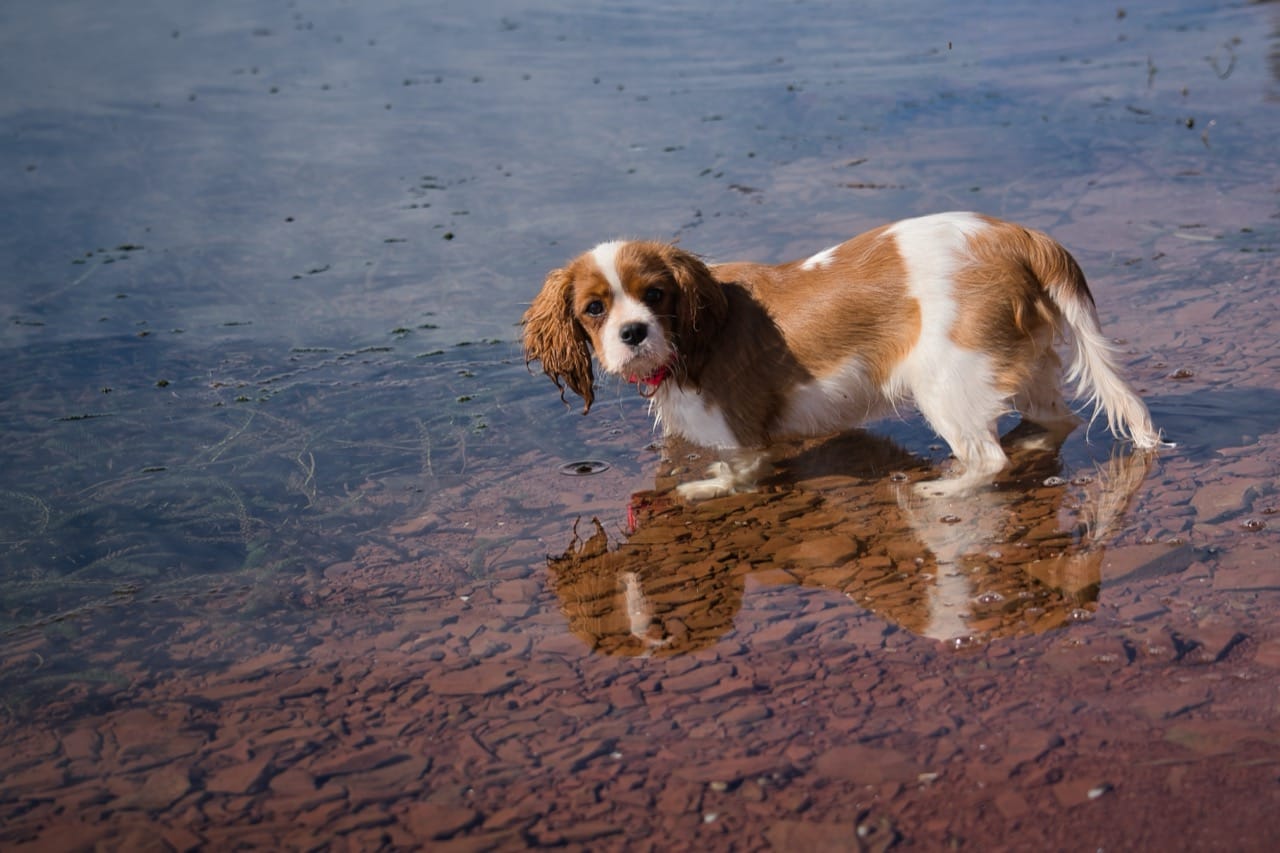
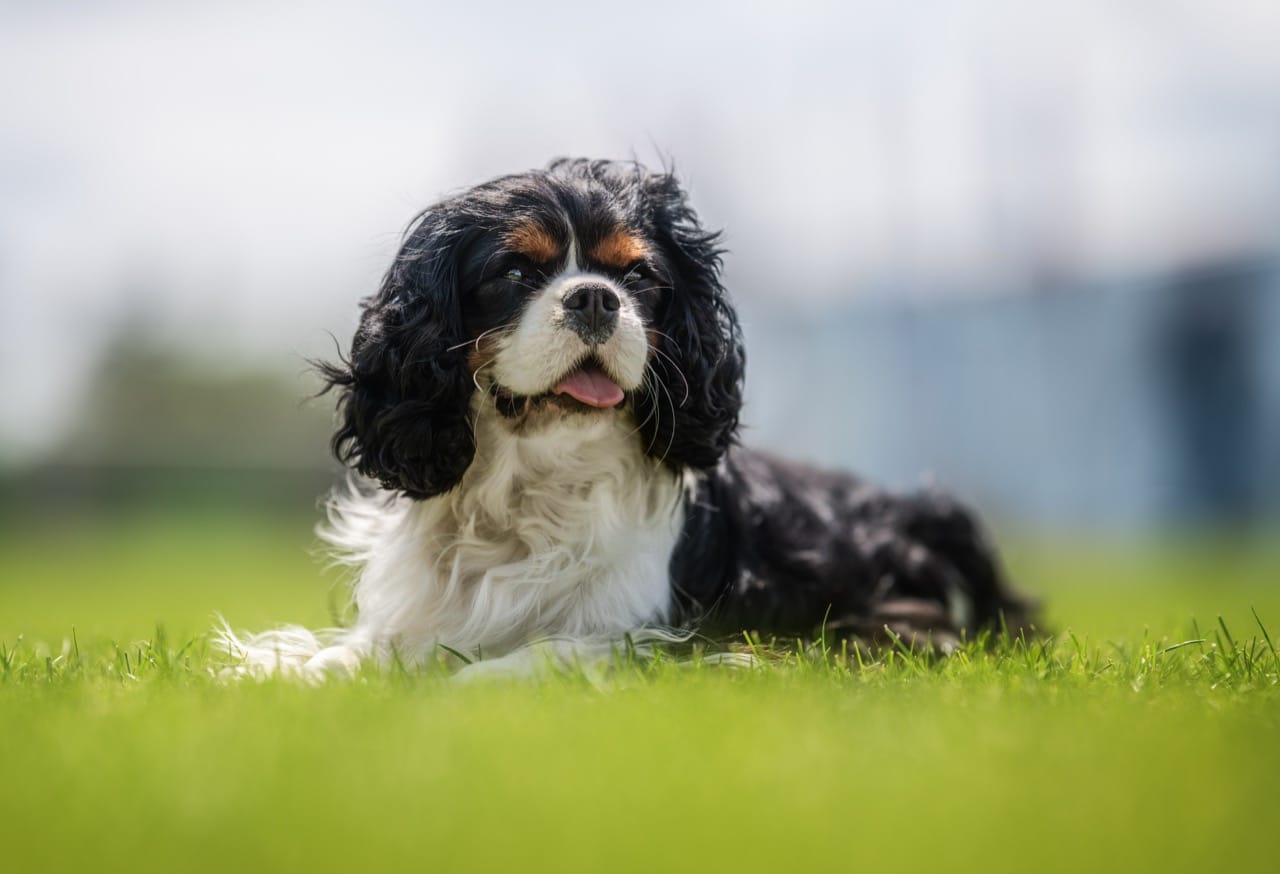
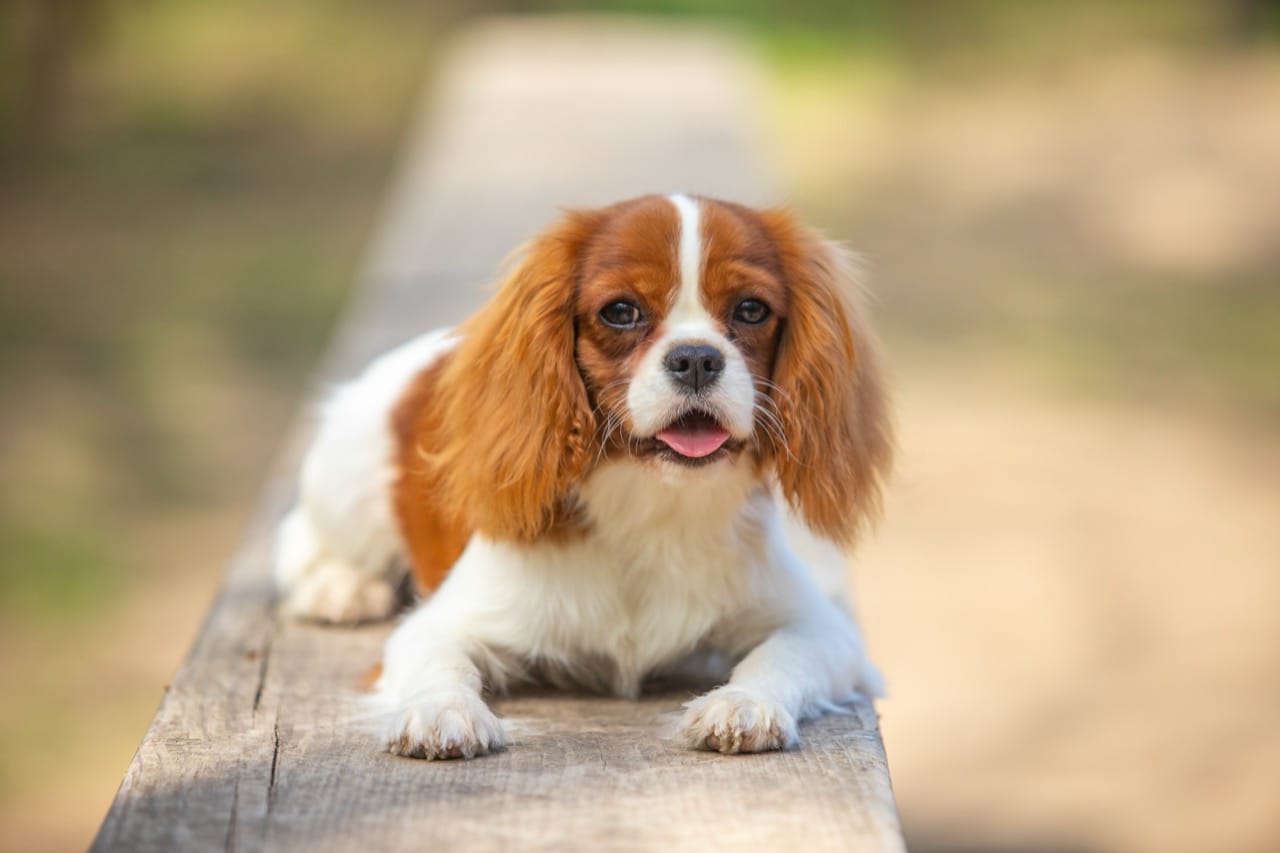
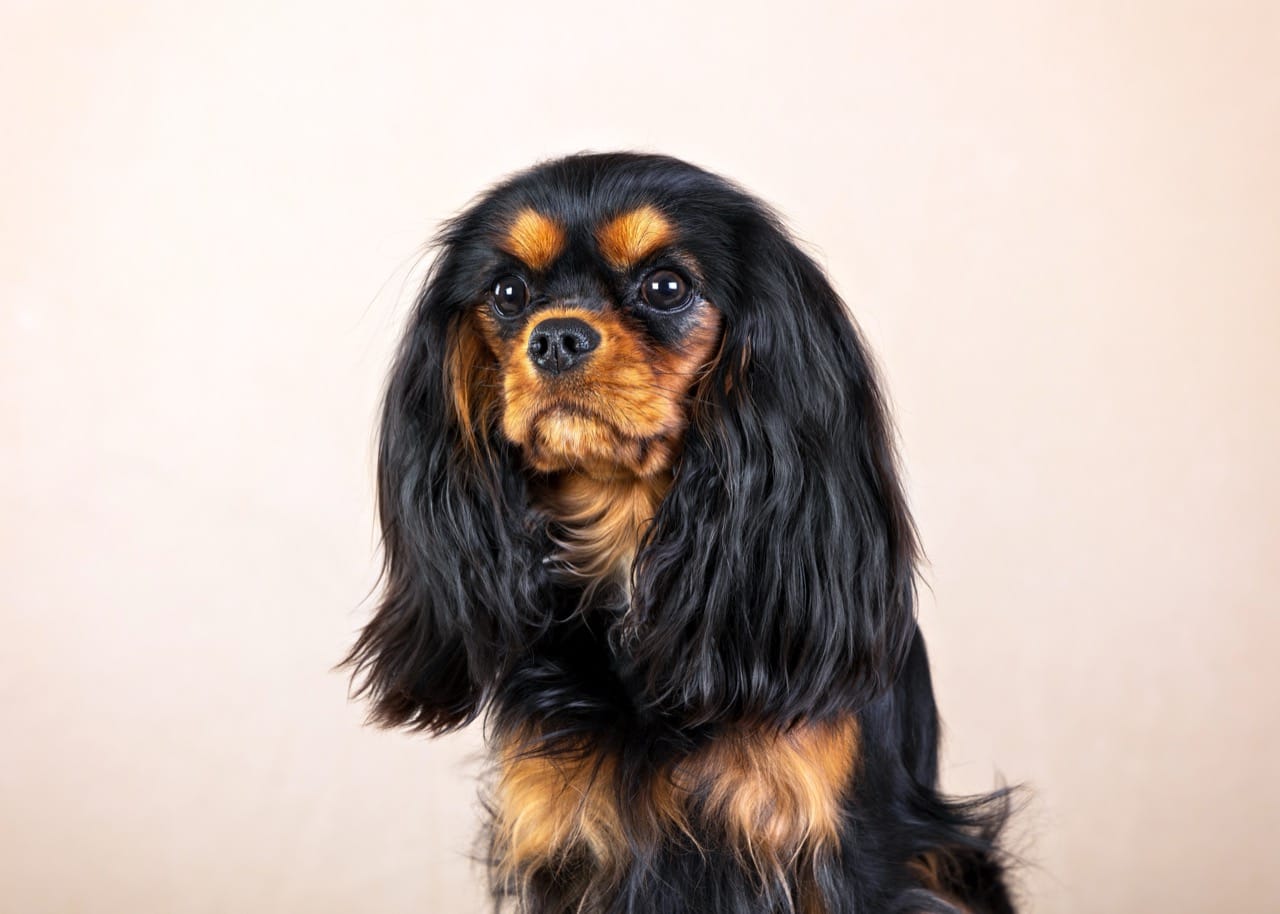
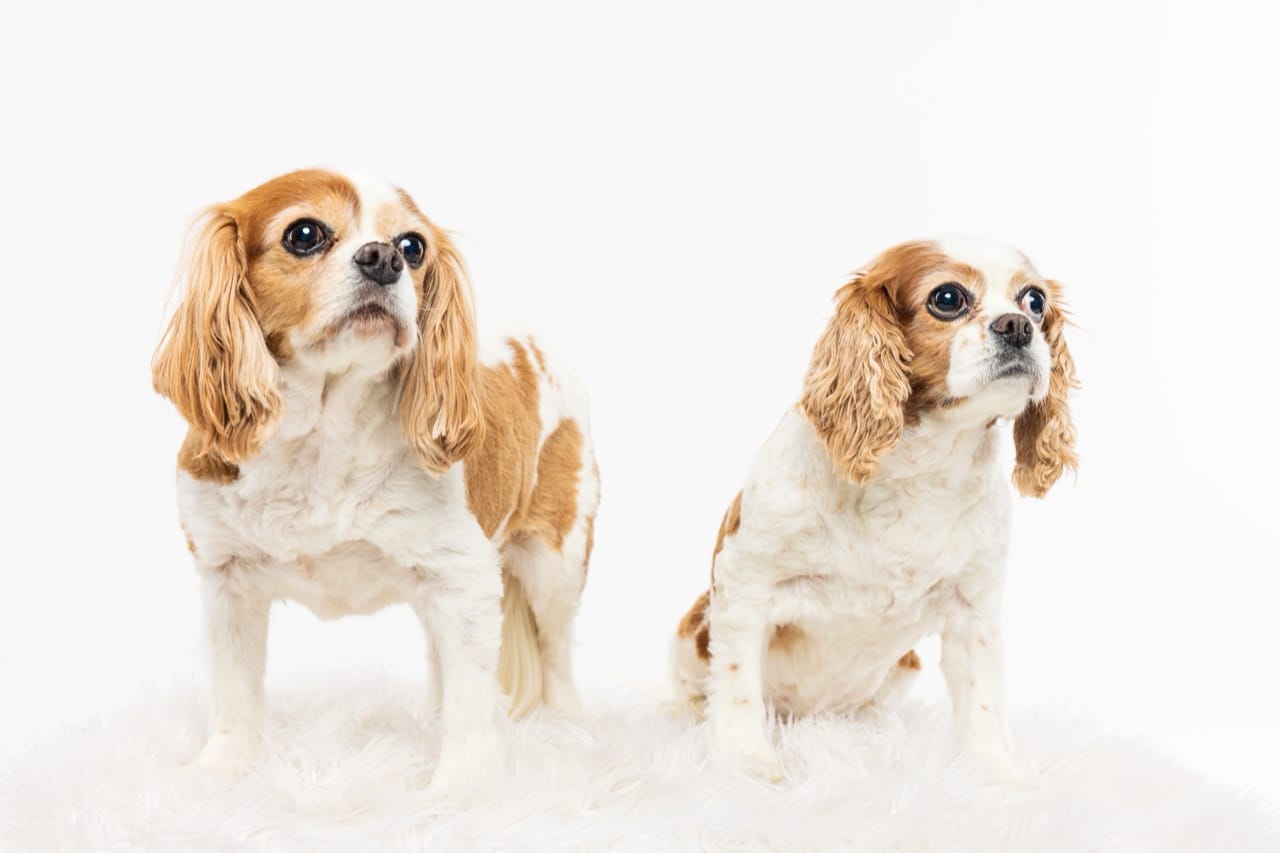
Color is one of the easiest ways to spot classic Cavaliers, and the breed standard recognizes four. Blenheim is chestnut markings on a pearly white background, named after Blenheim Palace, where these dogs were cherished. Tricolor combines black and white with tan points. Ruby is a rich, solid red, and black and tan is exactly what it sounds like, with clear tan markings on a black coat. Fans love to debate favorites, but a fun bit of lore surrounds Blenheim: a thumbprint like chestnut spot on the top of the head is affectionately called the Blenheim spot and is treated as a charming bonus.
Modern popularity has become a milestone in itself. Cavaliers rank among the most sought after companion breeds in many countries because they tend to be friendly with strangers, affectionate with family, and adaptable to apartments or houses, as long as they get daily walks and human attention. They are also known for being eager and biddable, which makes them a common pick for therapy work. Their greatest superpower may be emotional: many owners swear the breed has an unmatched ability to tune in to moods and settle quietly beside someone who needs comfort.
No record book style overview is complete without responsible reality checks. Cavaliers are celebrated for sweetness, but they are also associated with certain inherited health concerns, including mitral valve disease and syringomyelia. The most brag worthy modern milestone may be the growing emphasis on health testing, careful breeding choices, and informed ownership. For anyone drawn to the breed’s royal image, the real badge of honor is supporting Cavaliers that can live long, comfortable lives while keeping the gentle, regal personality that made them famous in the first place.