Reality Check Shih Tzu Myth Busting Quiz







Quiz Complete!
Reality Check on Shih Tzu Myths: What Owners Should Really Know
Shih Tzus inspire confident opinions, and it is easy to see why. Their compact size, flowing coat, and flat face make them memorable, and people often turn a quick impression into a sweeping rule. The truth is more useful: Shih Tzus are neither fragile ornaments nor effortless “no maintenance” pets. They are small companion dogs with specific needs, and understanding the reality behind common claims makes life better for both dog and owner.
One of the biggest myths is that Shih Tzus are hypoallergenic. No dog is truly hypoallergenic because allergies are usually triggered by proteins in dander, saliva, and urine, not just by loose hair. Shih Tzus do tend to shed less than many breeds because their hair grows in a way that holds shed strands in the coat, but that does not remove allergens. Some allergy sufferers do better with Shih Tzus, especially with consistent bathing and cleaning routines, but the only reliable test is spending time with an individual dog before committing.
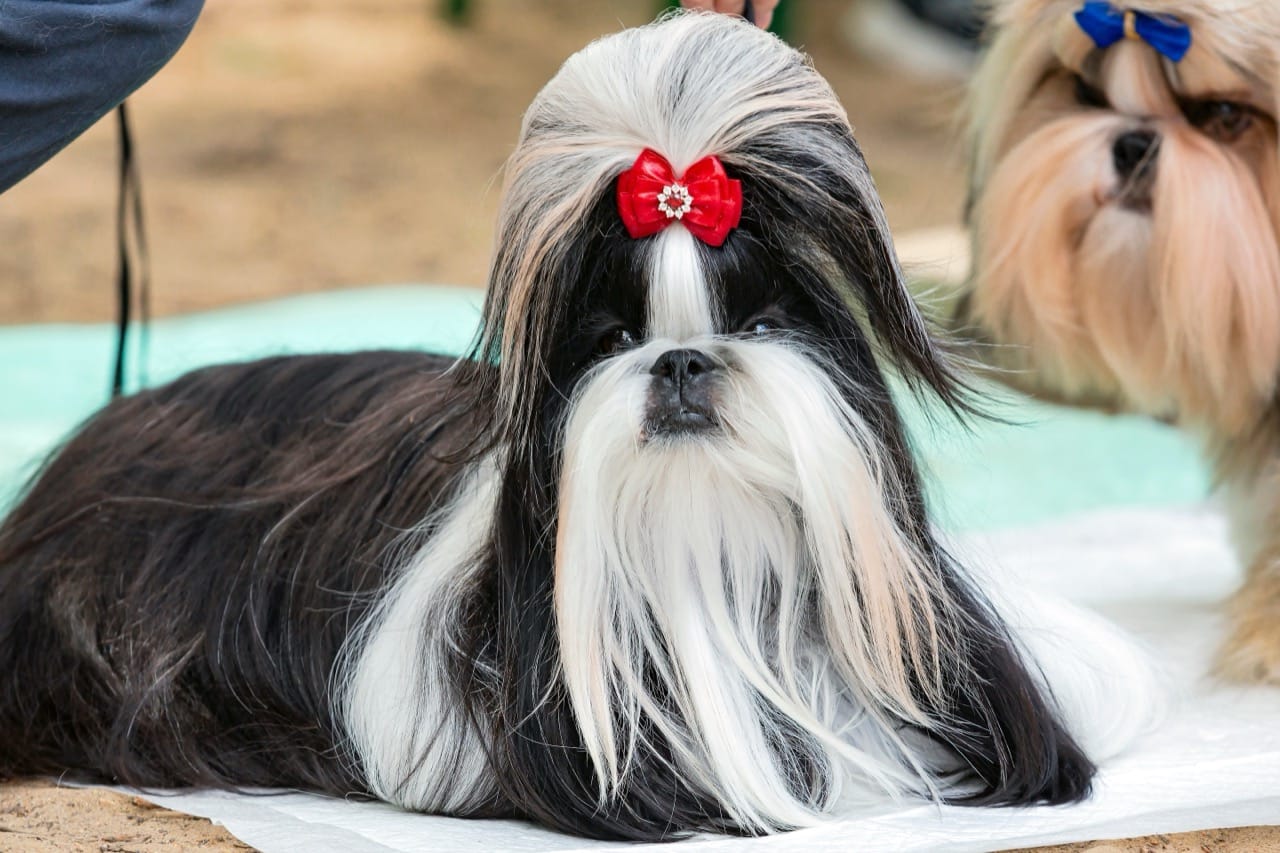
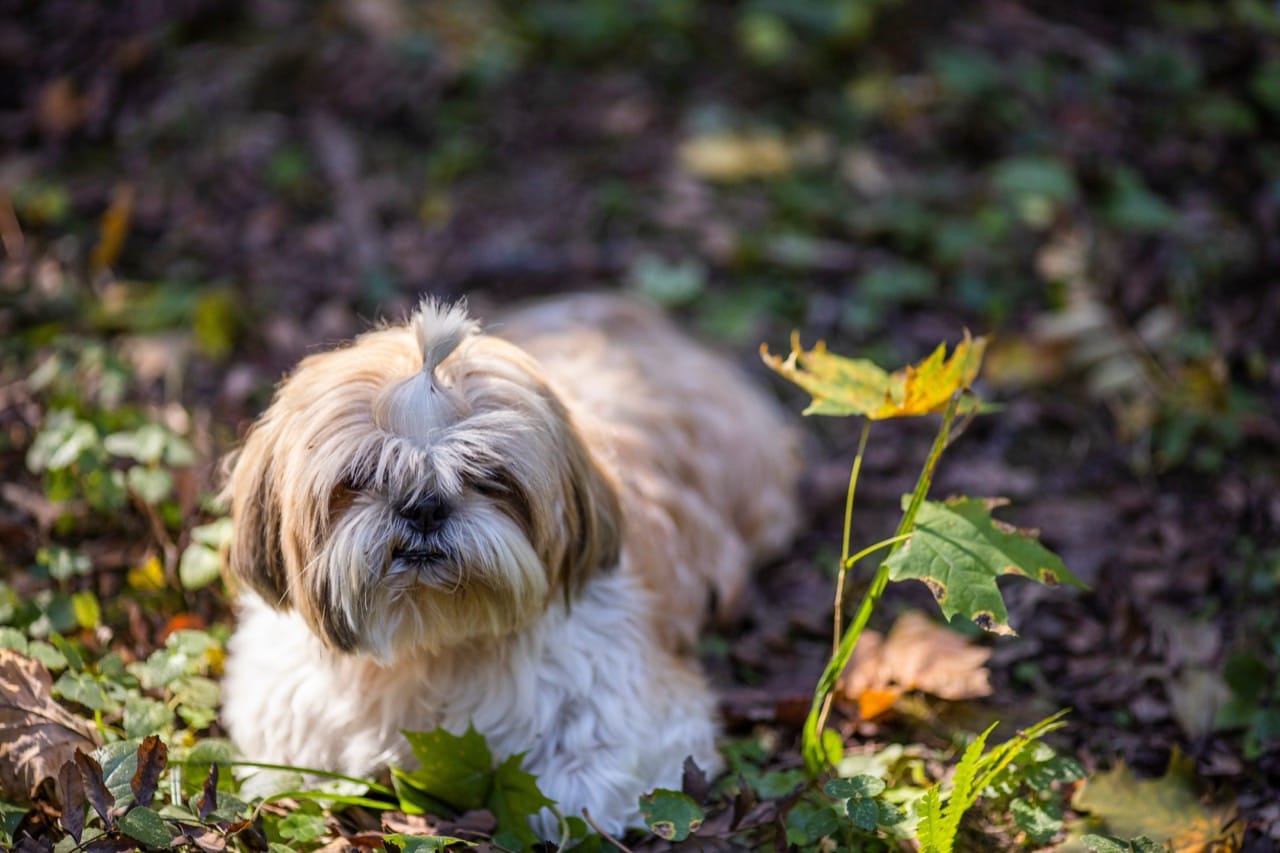
That long coat is another source of confusion. People assume less shedding means less grooming, when the opposite is often true. A Shih Tzu coat can mat quickly, especially behind the ears, in the armpits, and around the collar area. Mats are not just cosmetic; they can pull on skin, trap moisture, and hide irritation. Many owners choose a shorter “puppy cut” to keep maintenance reasonable, but even then regular brushing, eye cleaning, and professional grooming are part of responsible care. If you keep the coat long, daily brushing and careful combing are nonnegotiable.
Exercise is also misunderstood. Shih Tzus are not marathoners, but they are not decorative pillows either. They benefit from daily walks and short play sessions that keep joints, weight, and mood in good shape. The key is moderation and observation. Their short muzzle can make breathing less efficient, so intense activity in heat or humidity can be risky. A couple of brisk walks, indoor games, and training sessions that work the brain often suit them perfectly.
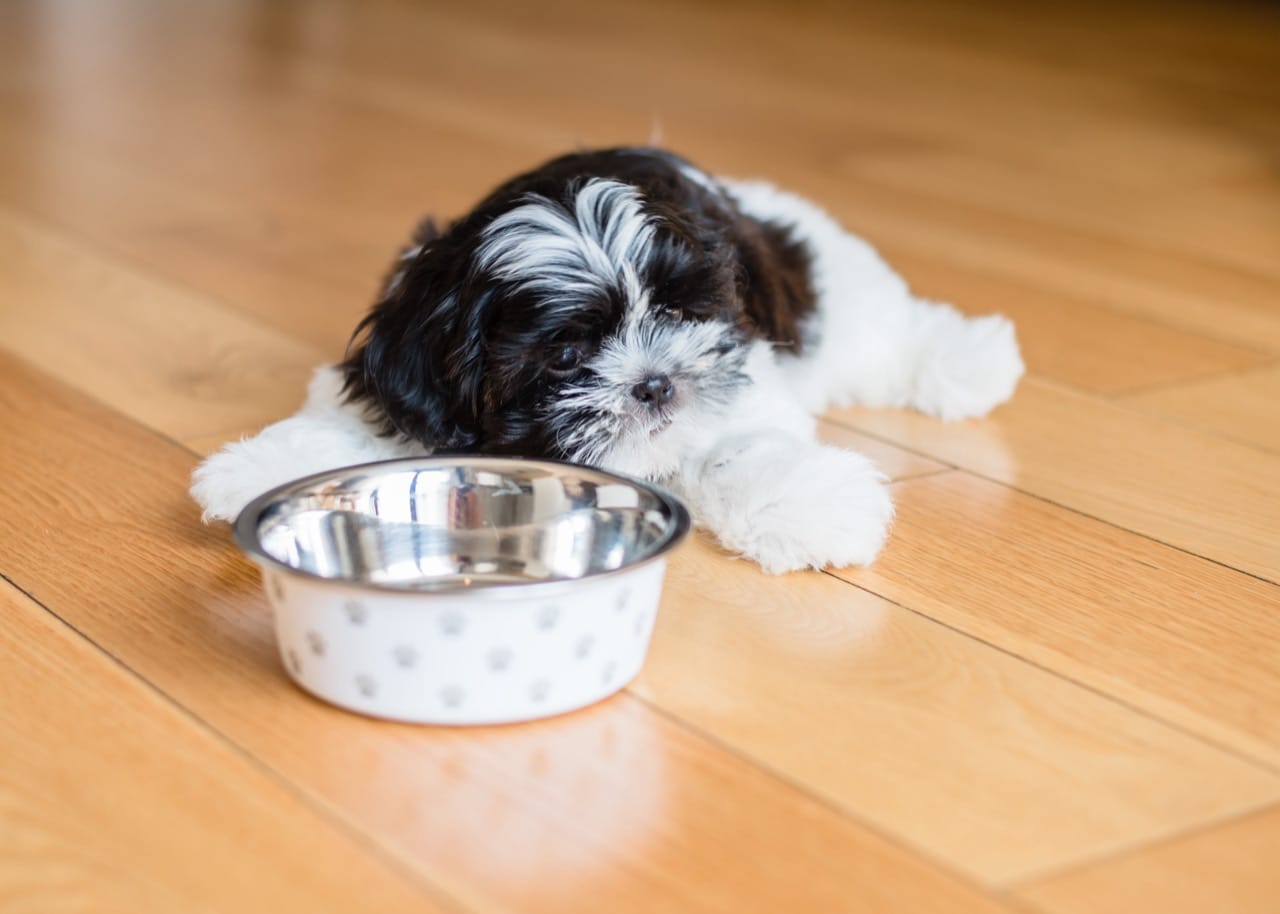
Training myths usually come from unrealistic expectations. Shih Tzus can be smart and responsive, but they were bred primarily for companionship, not for high-drive working tasks. That means they may not live to please in the same way as some breeds, and they can be stubborn if training is inconsistent. Positive reinforcement, short sessions, and clear routines work best. House training can take longer than owners expect, especially if the dog is given too much freedom too soon. Consistent schedules, frequent outdoor trips, and calm rewards for success are more effective than punishment.
Their flat faces deserve a reality check too. Not every Shih Tzu has severe breathing problems, but the breed is brachycephalic, and that comes with predictable risks. Snoring, noisy breathing, heat intolerance, and reduced stamina can be normal for the individual, but they can also signal airway issues that deserve a veterinary look. Eye problems are another concern because prominent eyes can be more prone to injury and irritation. Good daily care includes keeping facial hair out of the eyes, wiping away discharge, and watching for squinting or redness.
Temperament is where Shih Tzus often shine. Many are affectionate, playful, and well suited to apartment life, but they still need socialization so they are comfortable with handling, grooming, strangers, and other dogs. A well cared for Shih Tzu is typically a cheerful companion, not a delicate mystery. The most practical myth to bust is the idea that they are “easy” because they are small. In reality, they are easy to love, and they thrive when their coat, training, exercise, and health needs are treated with the same seriousness you would give any dog.