Ranch Roots to Ring Rules Mini Aussie Quiz

Quiz Complete!
Ranch Roots to Ring Rules: The Miniature Australian Shepherd Story
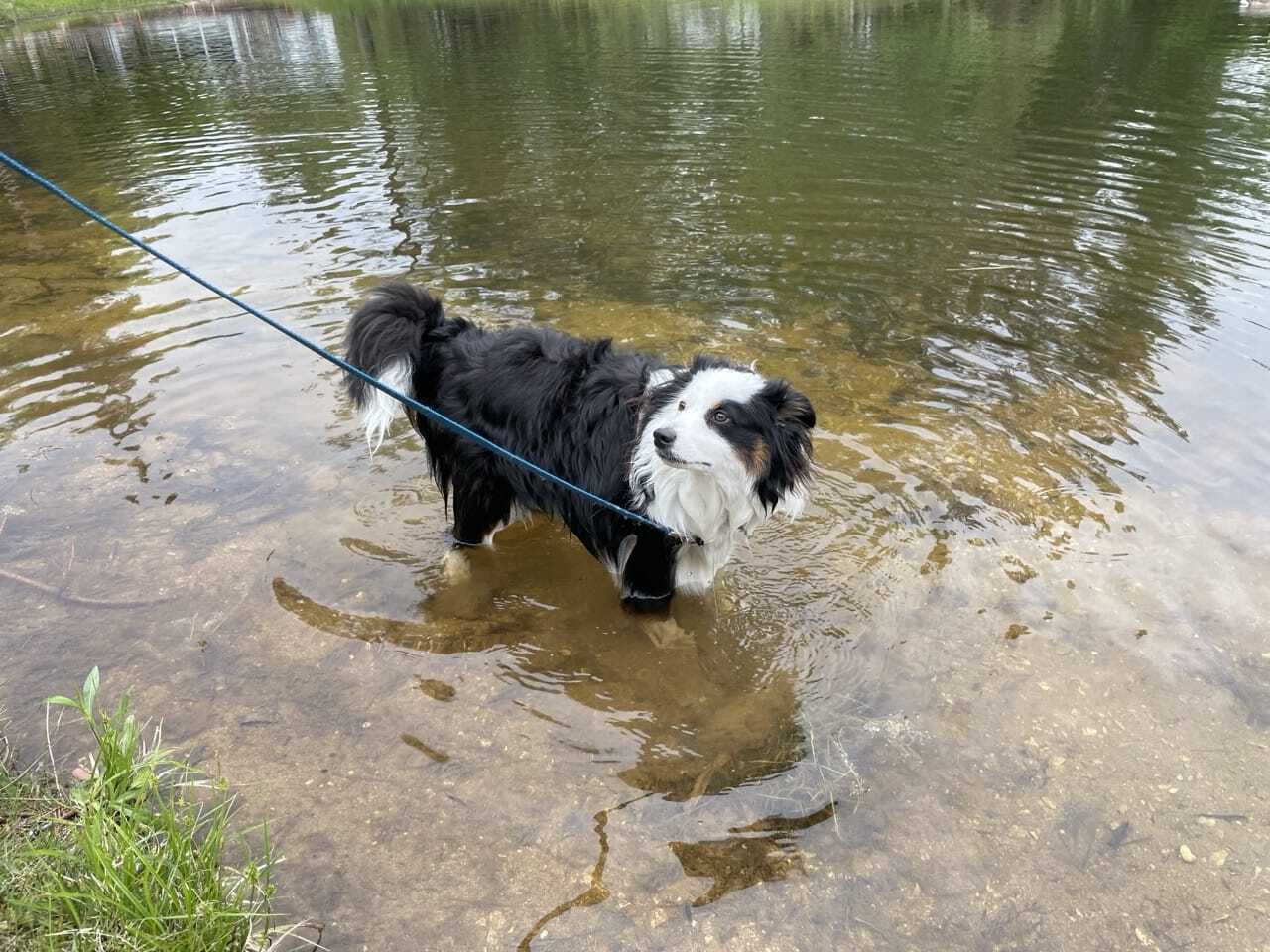
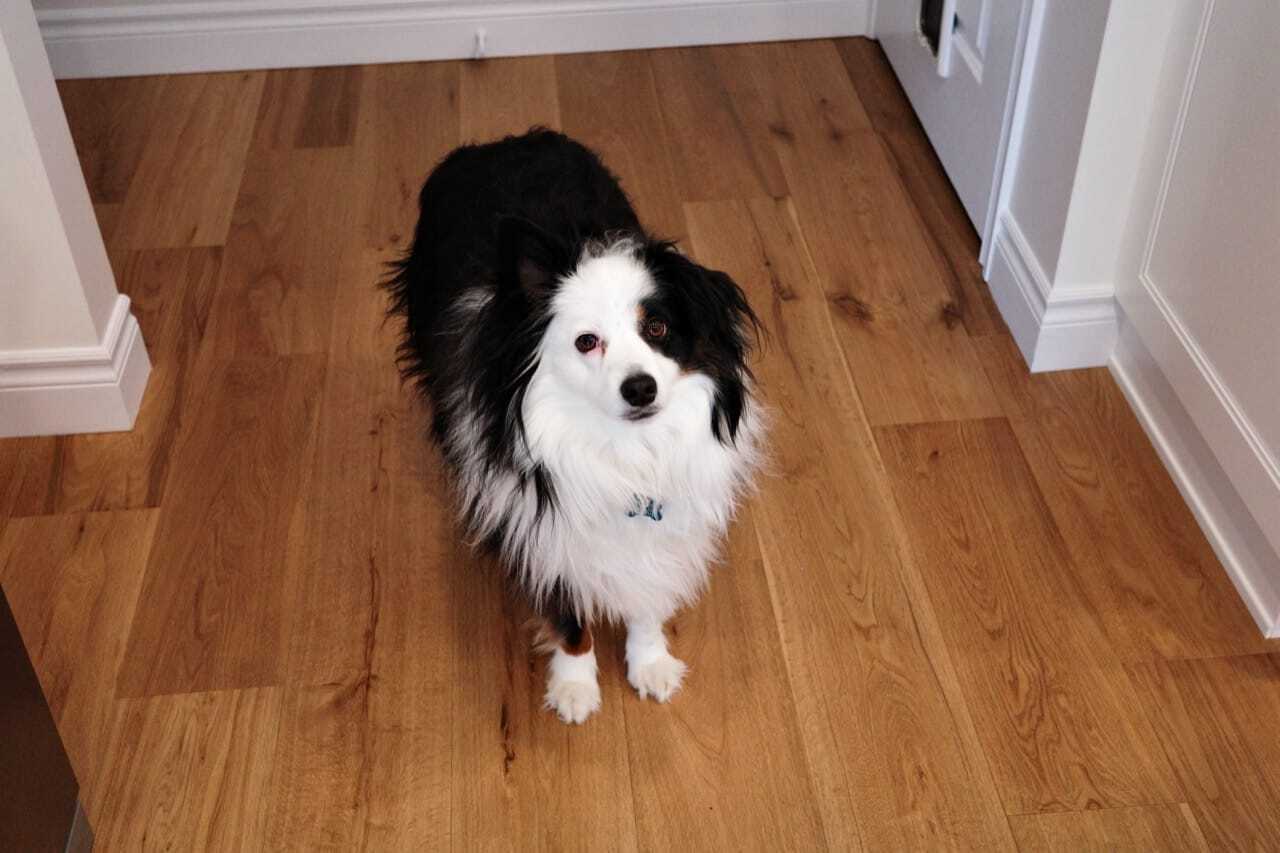
The Miniature Australian Shepherd may be compact, but it was never meant to be a decorative version of a working dog. Its appeal comes from the same place as the larger Australian Shepherd: an energetic, people-focused herder built to think fast, read livestock, and stay responsive in noisy, unpredictable ranch environments. The “Australian” part of the name has long confused people, because the breed’s development is strongly tied to the American West. One popular explanation is that shepherd-type dogs associated with Australian sheep and handlers were seen in the United States, and the nickname stuck. Whatever the naming twist, the Miniature Australian Shepherd’s identity is rooted in American stock-dog culture, especially around horses.
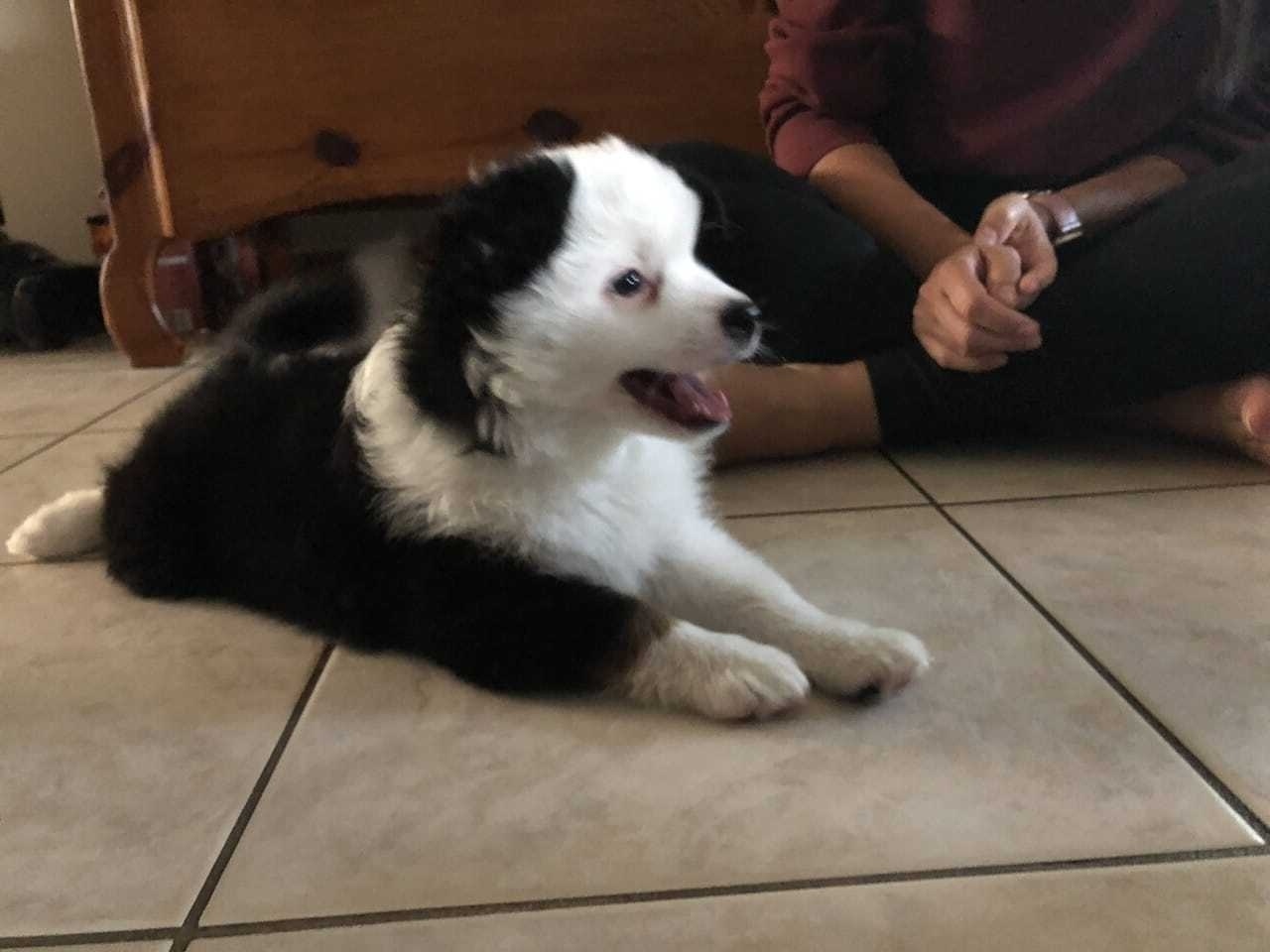
The mini-sized dogs emerged when some breeders and working owners favored smaller Aussies that could fit more easily into a busy, mobile lifestyle without losing the sharp herding mind. Horse show circuits, rodeo communities, and ranch families helped cement the demand for a smaller, agile dog that still had the classic “eye,” quick footwork, and willingness to partner closely with a handler. Over time, the smaller type became more consistently bred, and today the Miniature Australian Shepherd is recognized with its own standards that focus on balance and athletic structure rather than simply being “tiny.” Reputable standards emphasize proportion, sound movement, and a body capable of work, not a fragile pet build.
That working heritage shows up in temperament. Mini Aussies are typically alert, highly trainable, and intensely aware of their surroundings. They often prefer having a job, whether that is herding, agility, obedience, scent games, or simply structured daily routines. Without enough mental work, they can invent their own tasks, such as reorganizing the household, shadowing family members, or trying to control motion by barking or nipping at heels. These behaviors are not “bad dog” traits so much as unmanaged herding instincts. Early training that rewards calm focus, plus safe outlets for running and problem-solving, can turn that intensity into a joy to live with.
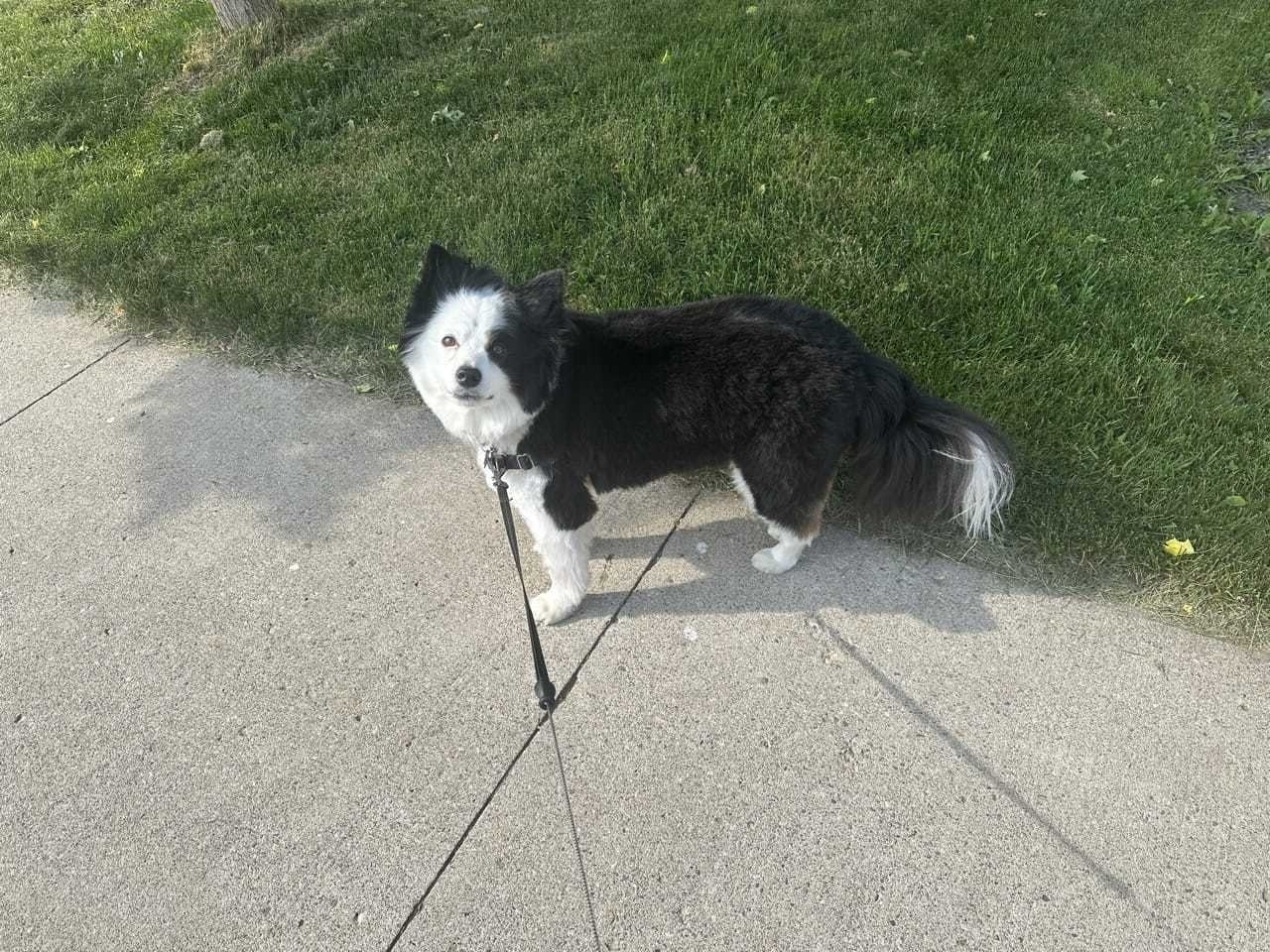
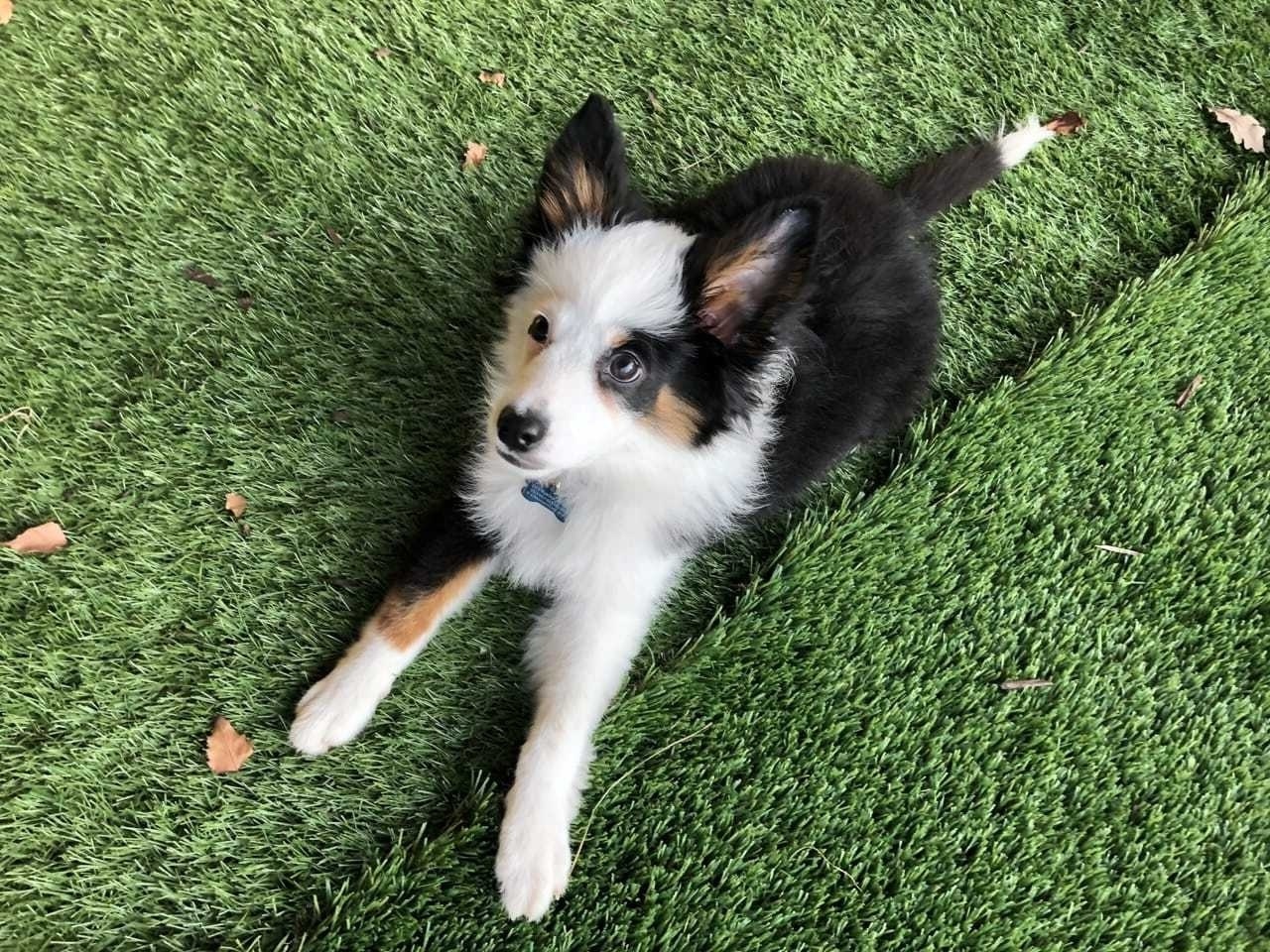
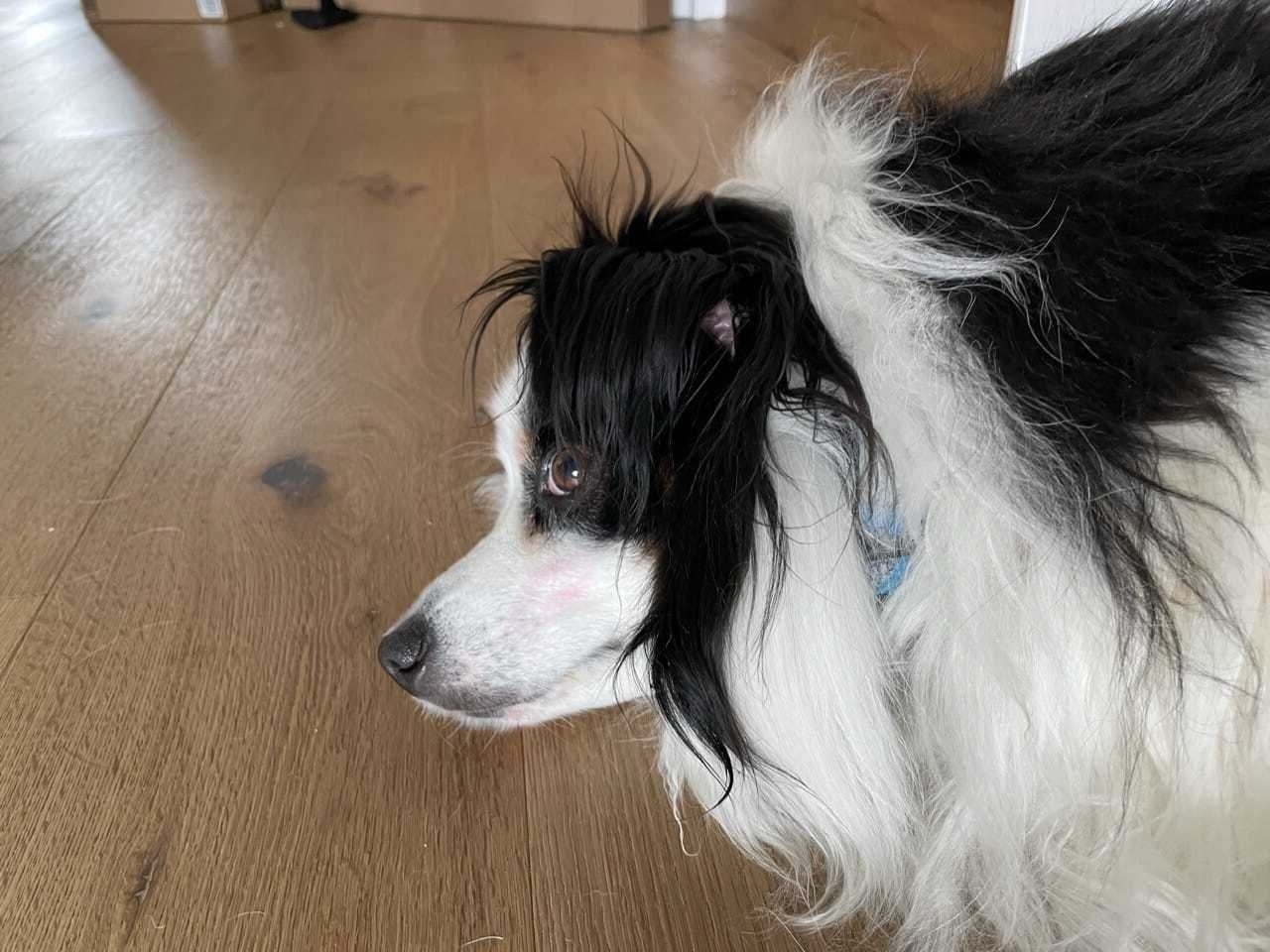
The breed’s look is part of its fame, and the details matter. Merle patterns are common and can create striking mottled coats with blue or red tones. Merle can also be linked to health risks when two merle-patterned dogs are bred together, so responsible breeding practices are essential. Coat color and eye color may draw attention, but breeders who prioritize the dog’s long-term soundness focus equally on hips, eyes, and overall structure. Another hallmark is the bobtail. Some Mini Aussies are born with naturally short tails, while others may have tails docked depending on local laws and traditions. Tail length does not determine working ability, but it is a detail that often comes up in breed discussions and in the show world.
In the ring, judges look for a dog that appears ready to work: balanced angles, a strong topline, efficient movement, and a confident yet biddable expression. In real life, owners see the same qualities when the dog pivots quickly, stops on a cue, or locks onto a task with total concentration. The breed’s cultural footprint remains strongest where horses and stock are part of daily life, but the Mini Aussie has also become a favorite in active homes that enjoy training as a hobby.
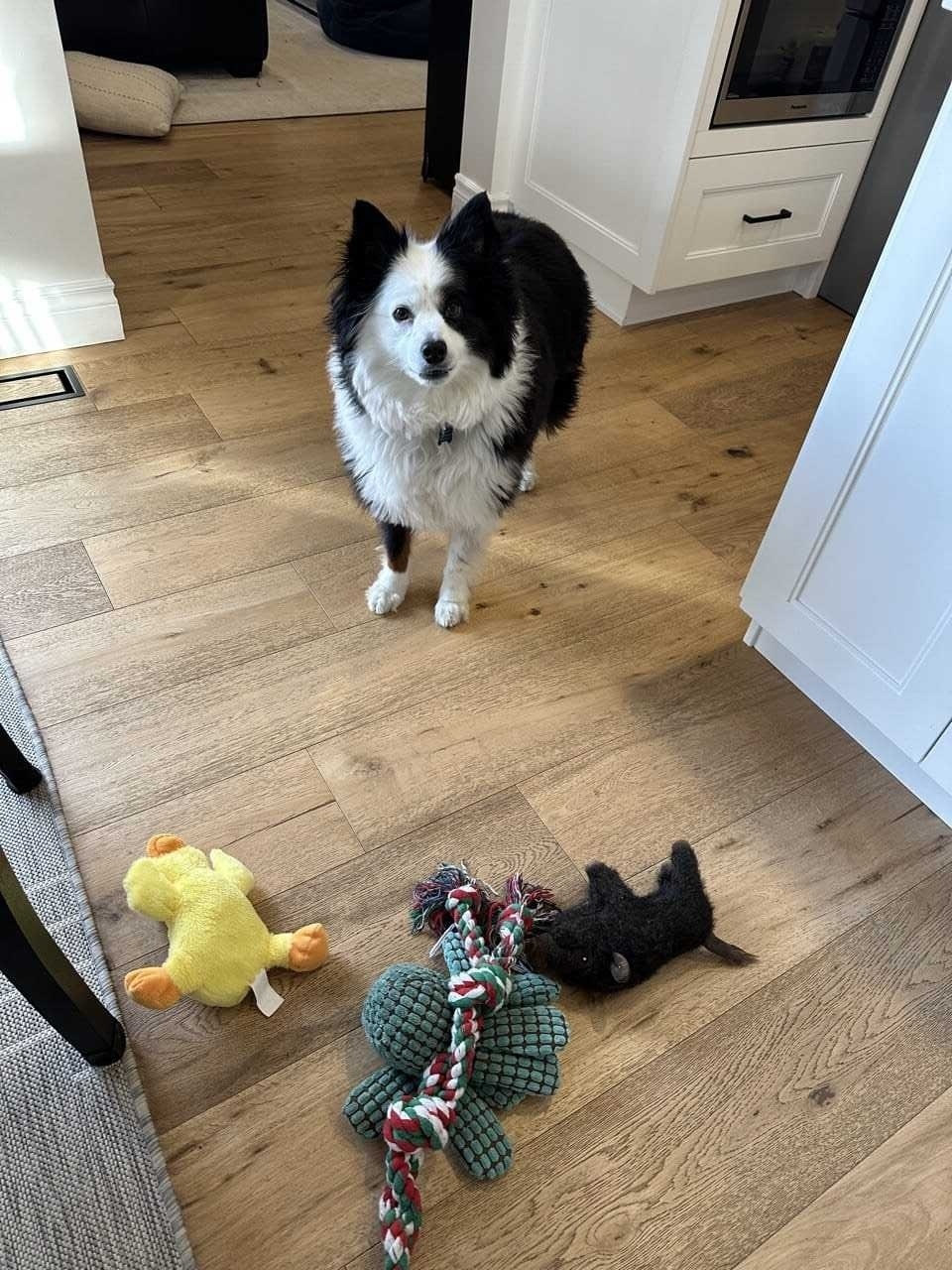
Living well with a Miniature Australian Shepherd is less about having a big yard and more about providing a big plan. Short, purposeful training sessions, puzzle toys, structured play, and consistent manners work better than random exercise alone. Many thrive when they can learn a sport, practice reliable recalls, and develop an off-switch through calm routines. The result is a small dog with a serious work ethic, a quick mind, and a personality that still carries the echo of ranch days, even when the “herd” is a family and the “job” is staying brilliantly engaged.