Quirky Sheltie Facts You Never Expected
Quiz Complete!
Quirky Sheltie Facts You Never Expected
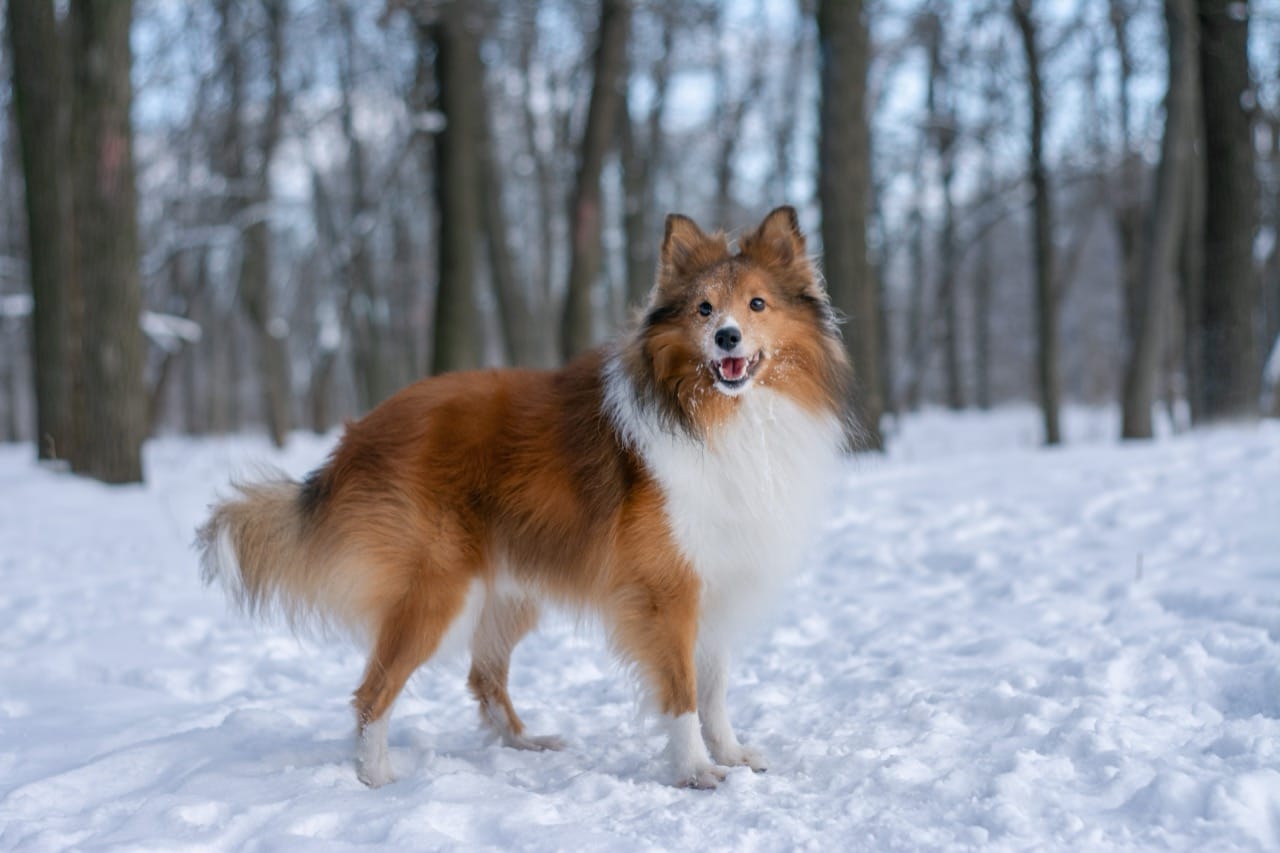
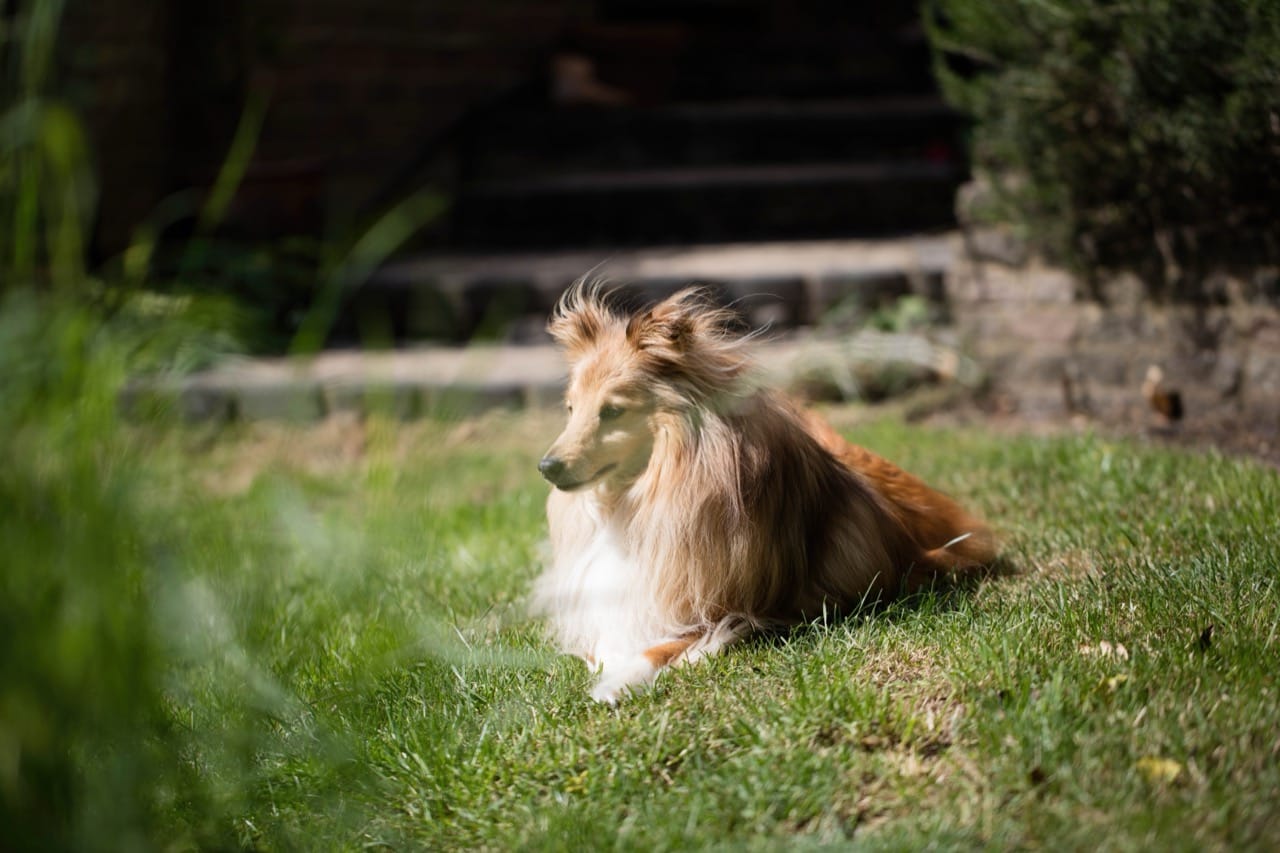
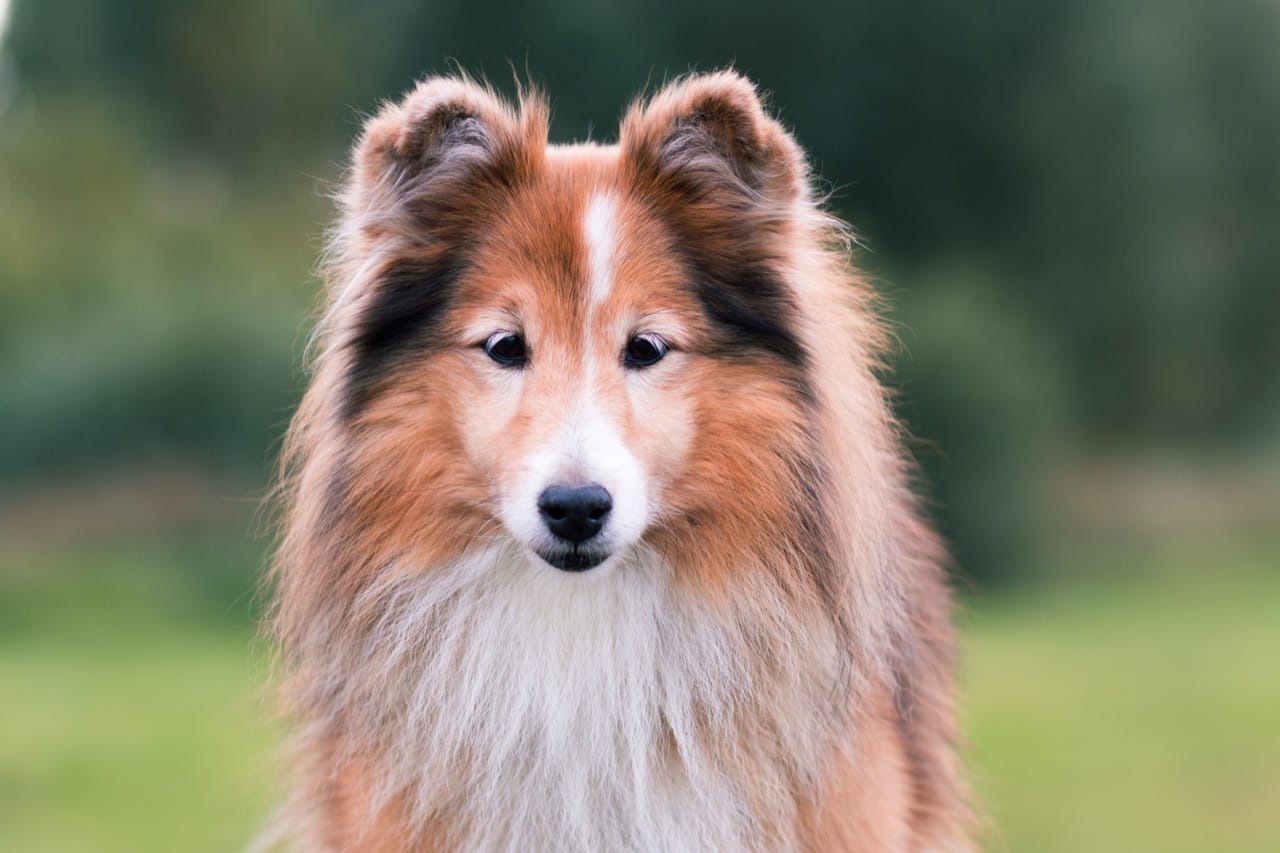
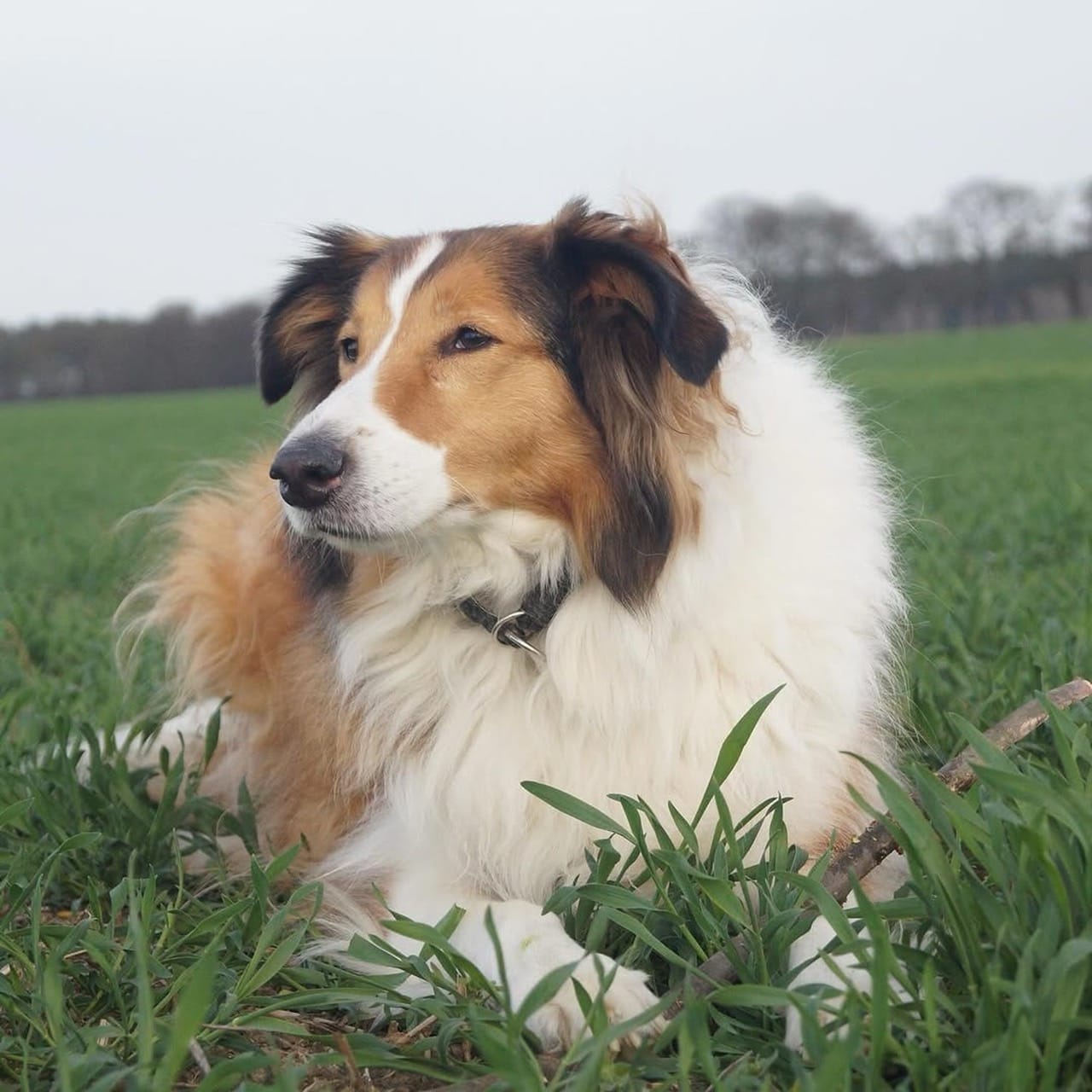
The Shetland Sheepdog, often called the Sheltie, looks like a miniature version of the classic rough collie, but its story and personality are very much its own. The breed developed on the remote Shetland Islands, where harsh weather and limited resources favored smaller, efficient animals. Farmers needed a dog that could help manage sheep and protect small holdings, yet eat less and cope with wind, rain, and cold. That practical island background helps explain why Shelties combine a delicate, fluffy appearance with a surprisingly tough, busy, work-ready attitude.
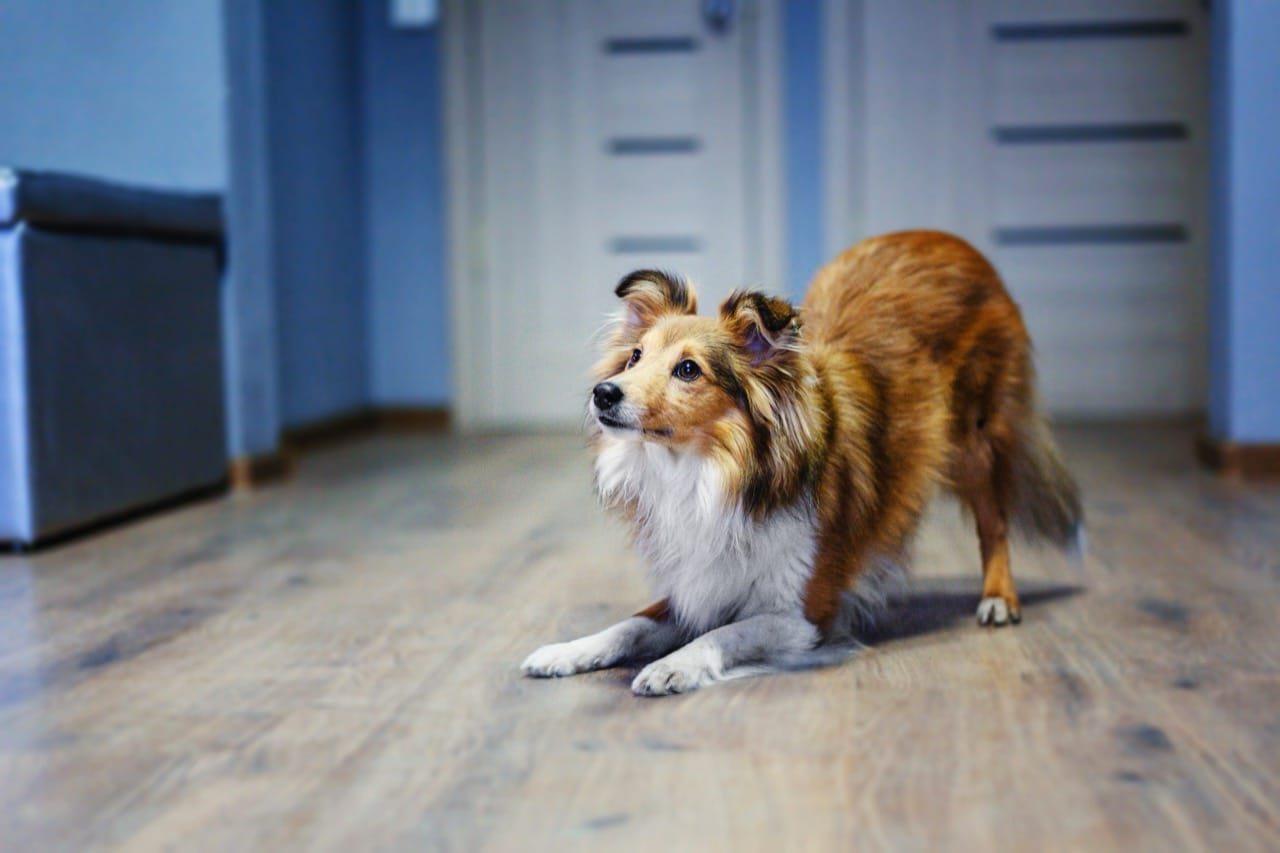
One of the most charming surprises is how a Sheltie herds. Instead of relying on sheer size, many Shelties use quick movement, intense focus, and strategic positioning to influence livestock. Their style can look like a tiny, fast chess player on four feet, darting to block an escape route and using eye contact and body angles to guide animals where they need to go. Even Shelties who have never seen a sheep may try to herd children, other pets, or anything that moves in a group, circling and steering with earnest determination.
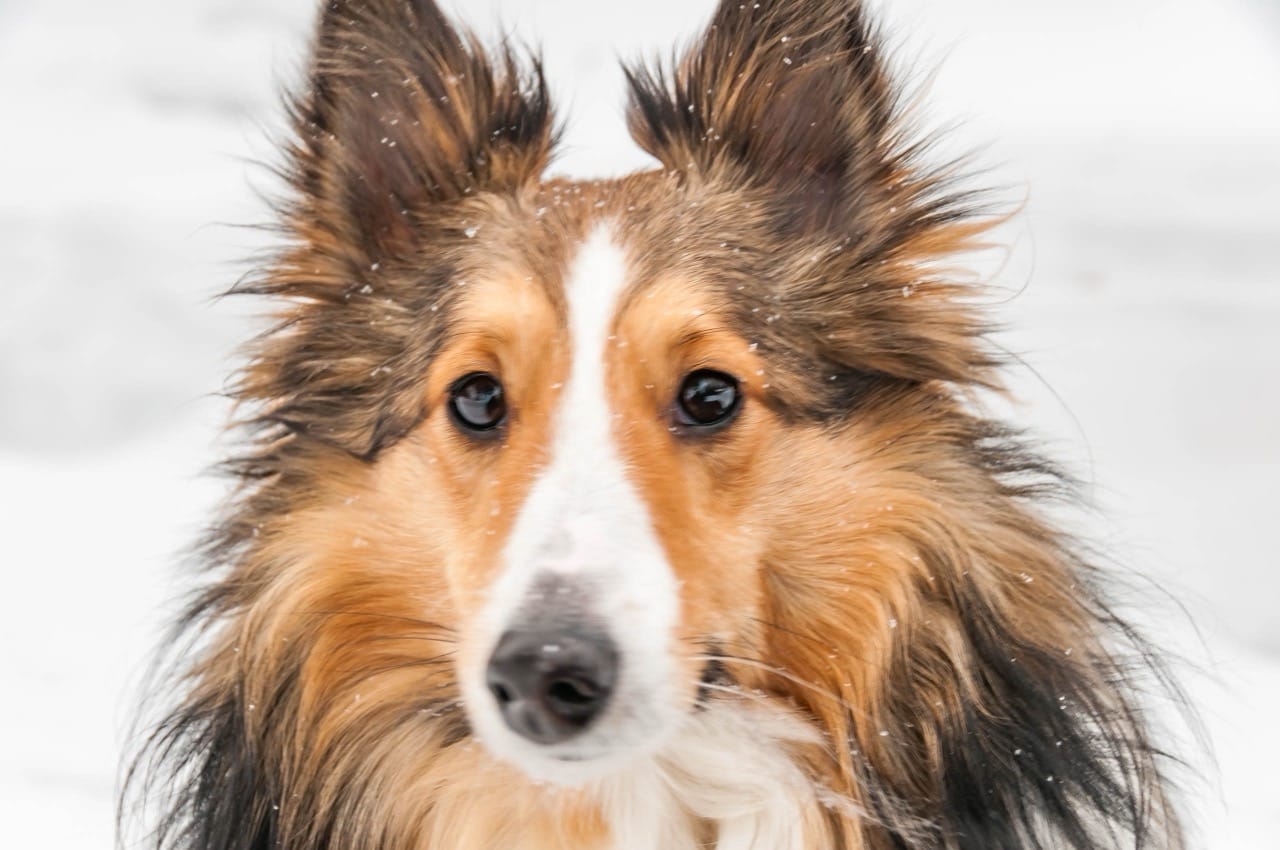
That bright, watchful expression is not just for show. Shelties are famously sharp, often excelling at obedience, agility, rally, and trick training. They tend to notice patterns quickly, sometimes learning routines before you realize you have taught them. This intelligence comes with a twist: boredom can lead to self-invented jobs, like monitoring the neighborhood from a window or organizing the household with gentle nudges and strategic barking. Many owners describe them as sensitive and deeply tuned in to human moods, which can make them wonderful companions but also means harsh training methods can backfire.
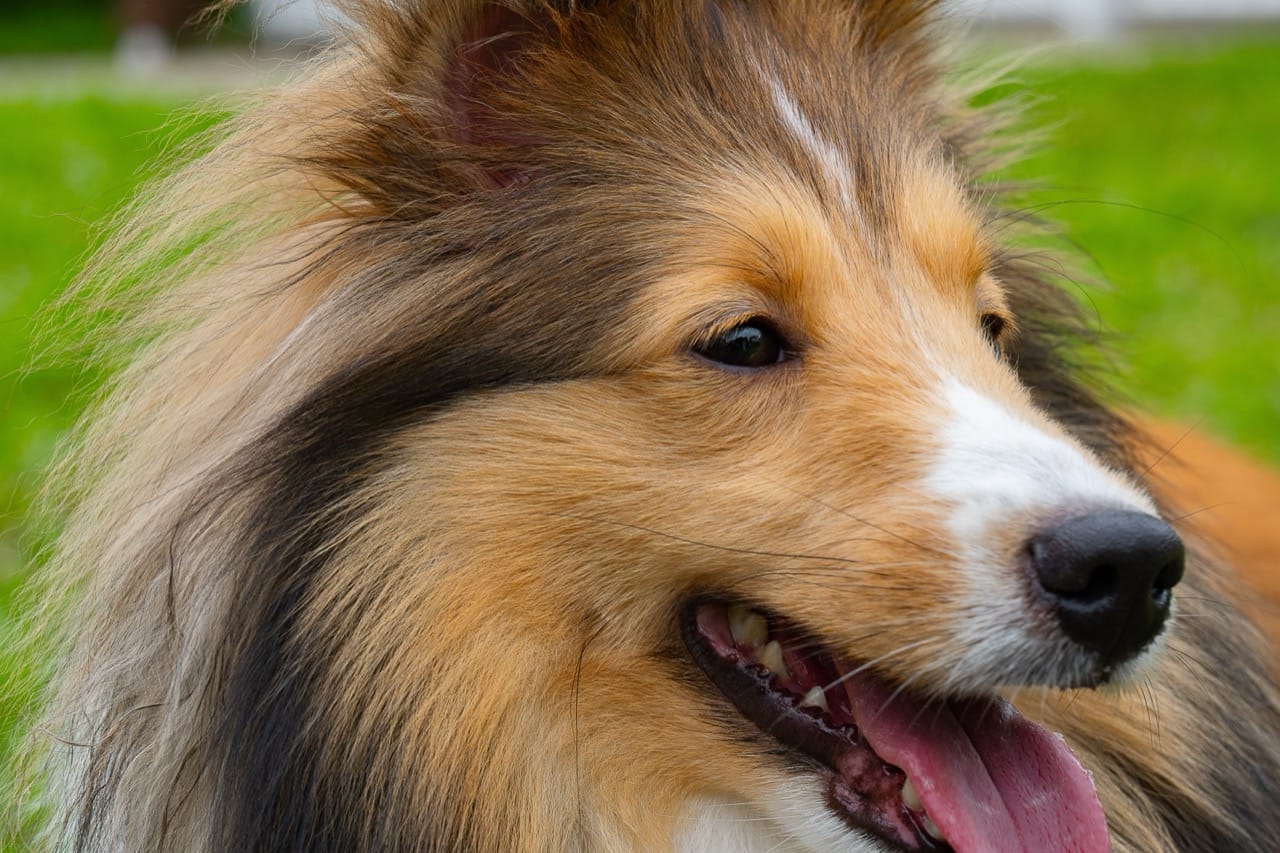
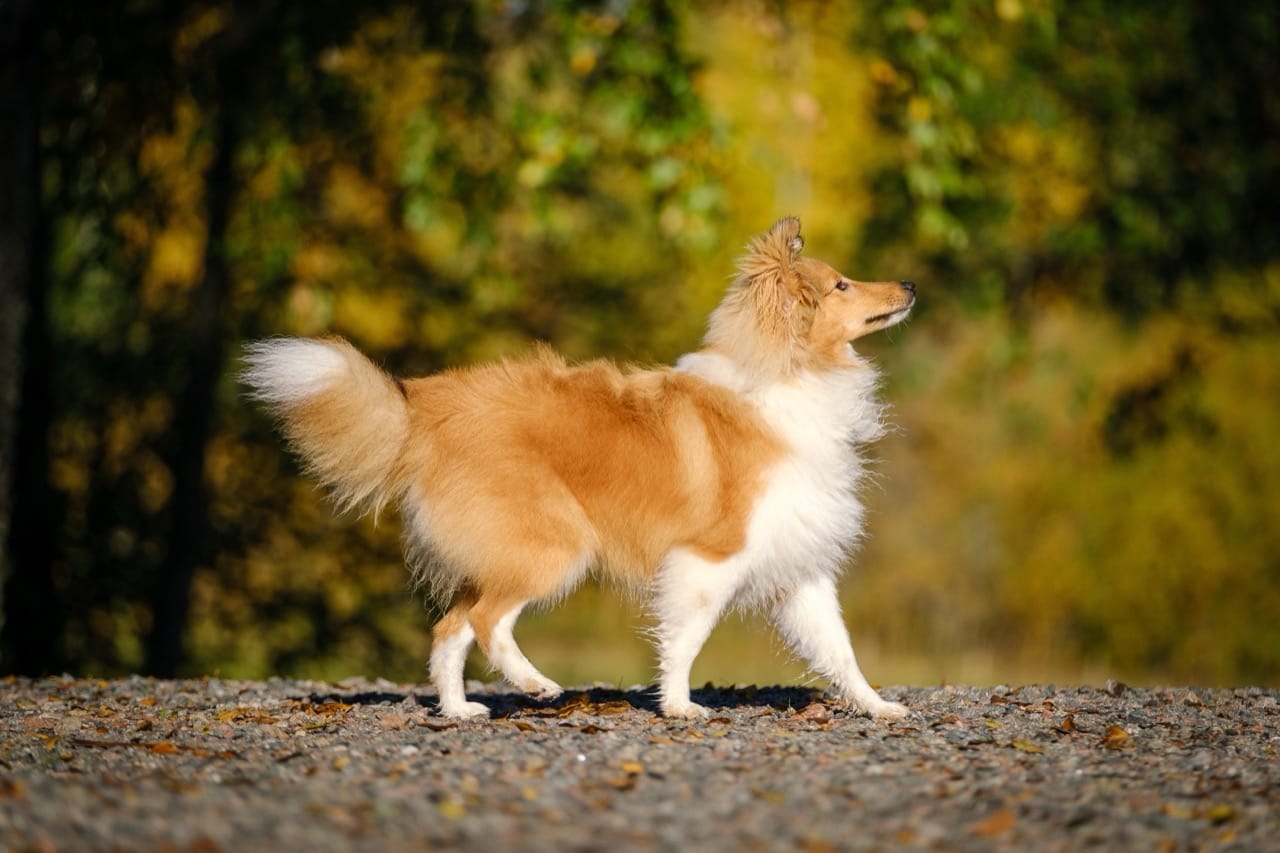
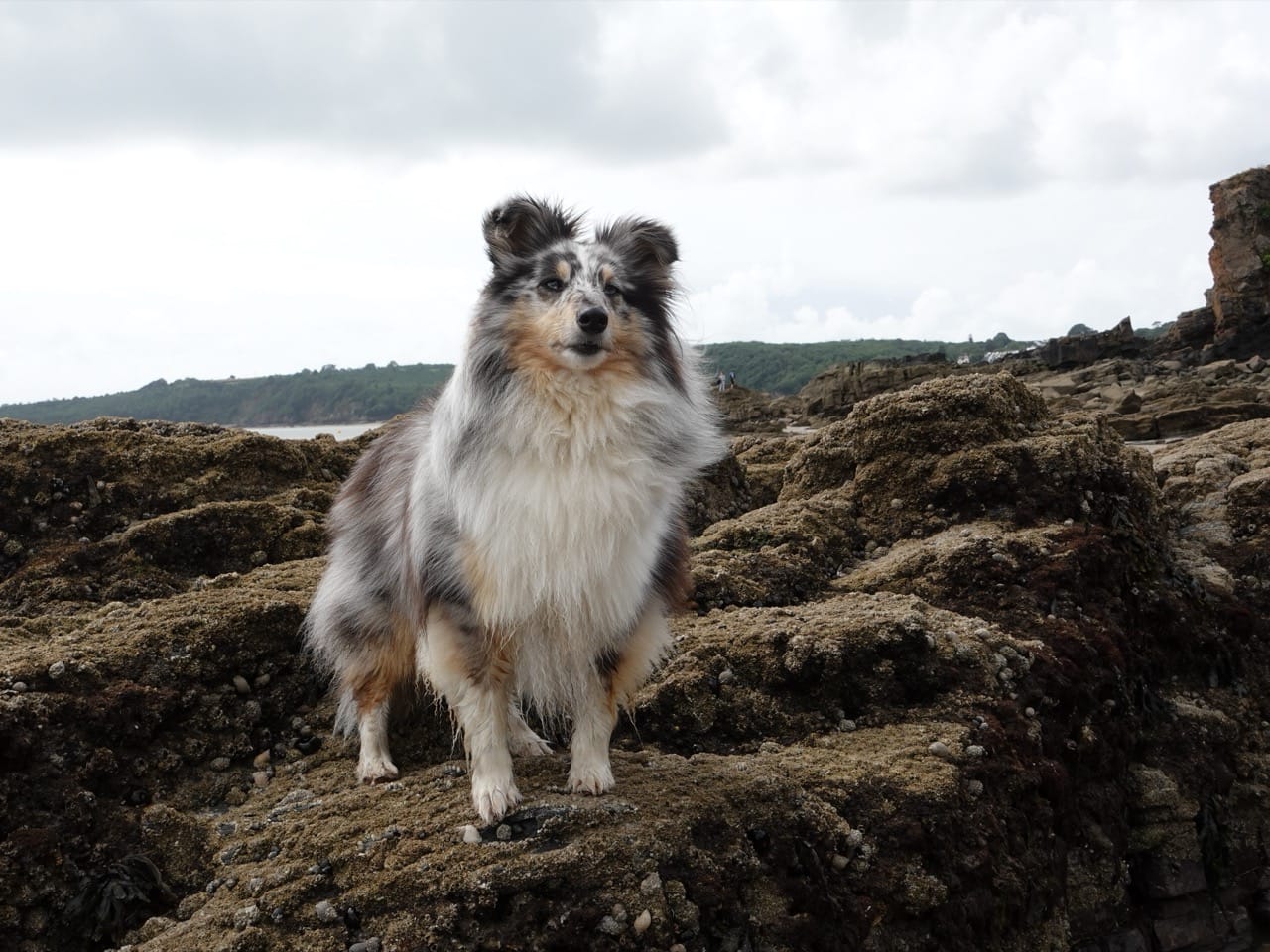
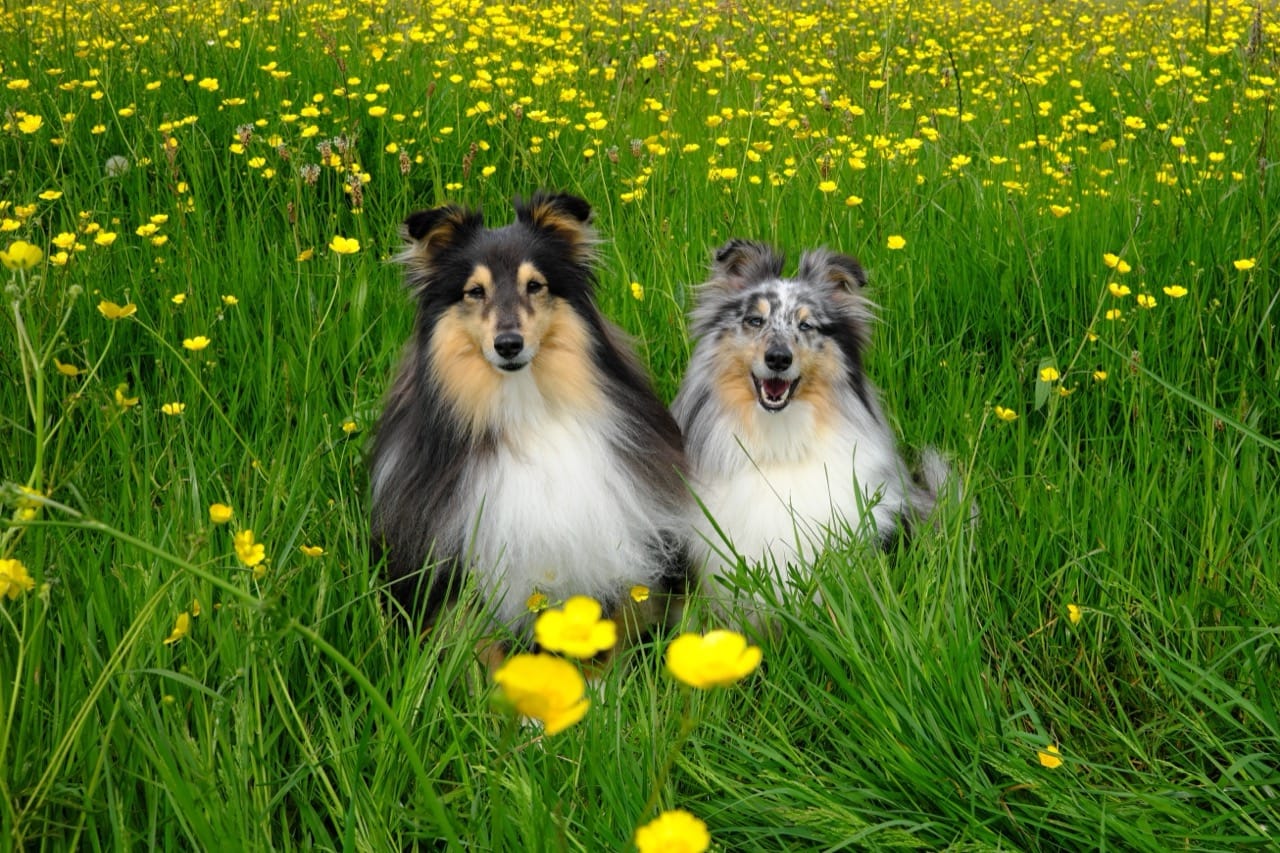
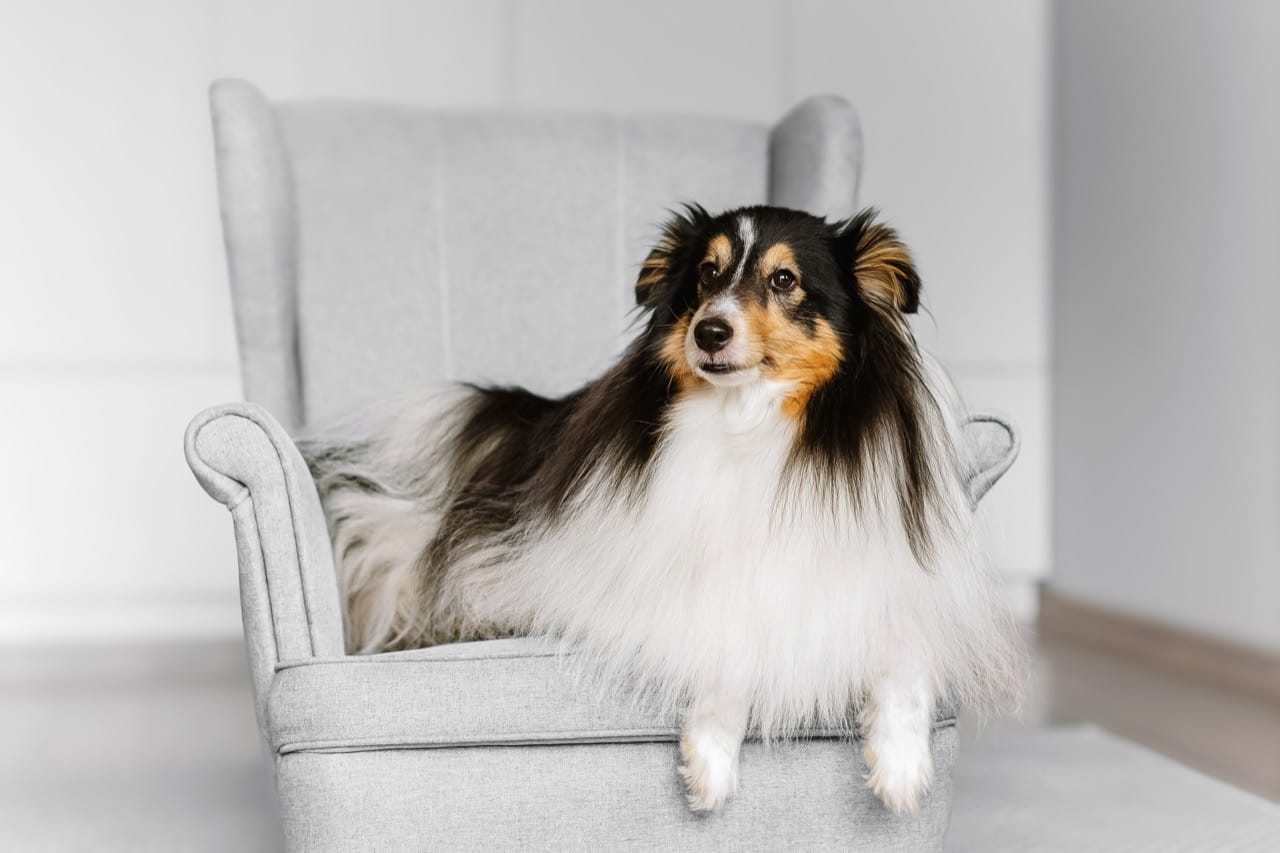
Then there is the coat, a signature feature that is more functional than it looks. Shelties have a double coat, with a soft, dense undercoat for insulation and a longer outer coat that sheds water and dirt. The dramatic mane and frill around the neck are part of that protective design. People are often surprised to learn that shaving a double-coated dog is rarely a good idea, because the coat helps regulate temperature and protect the skin. Regular brushing, especially during seasonal shedding bursts, keeps the undercoat from matting and helps the dog stay comfortable.
Shelties also have a reputation for being vocal, and this is where the built-in alarm system jokes come from. Historically, alert barking had value on isolated farms, where noticing visitors or unusual activity mattered. Today, that same instinct can translate into commentary about doorbells, delivery trucks, squirrels, and any suspicious leaf that dares to move. The good news is that Shelties are usually trainable about barking when owners teach clear cues and provide enough mental and physical outlets.
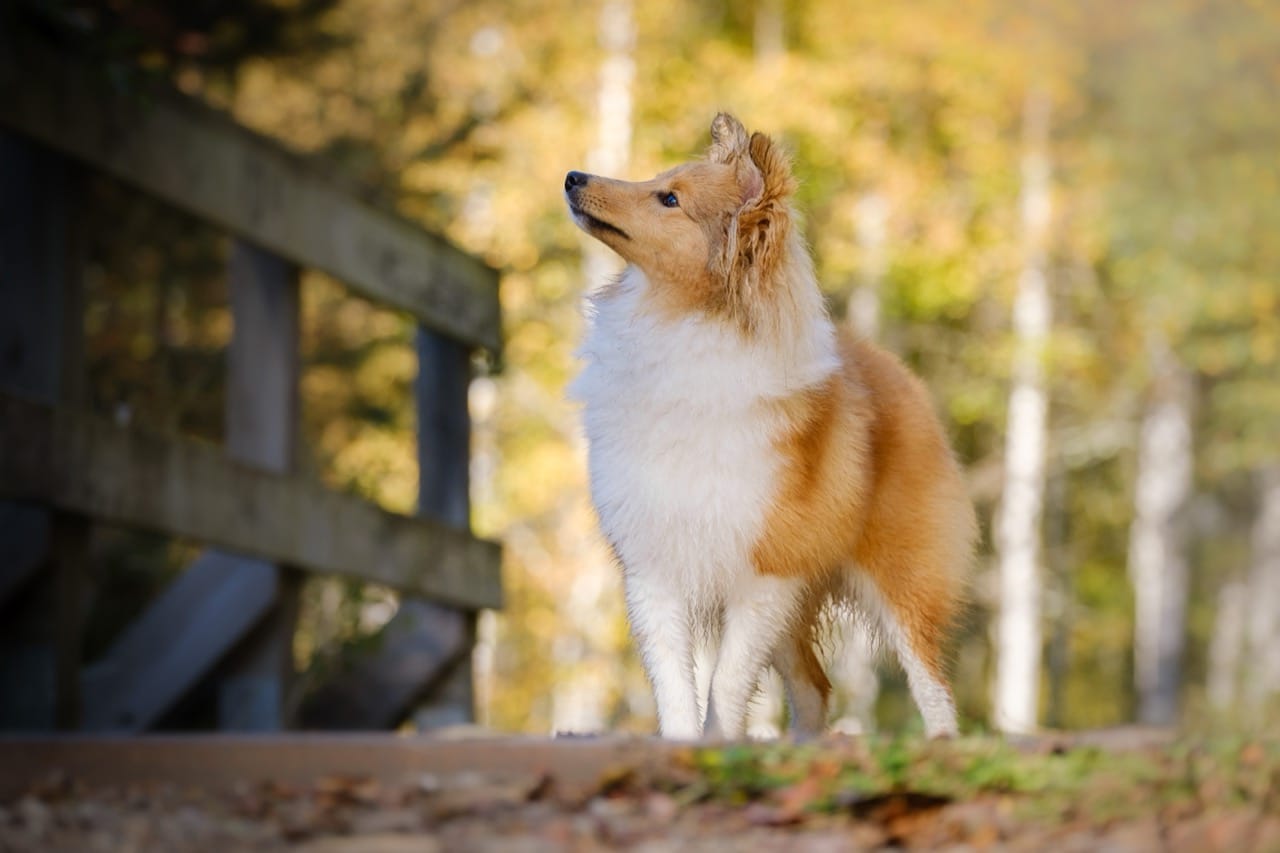
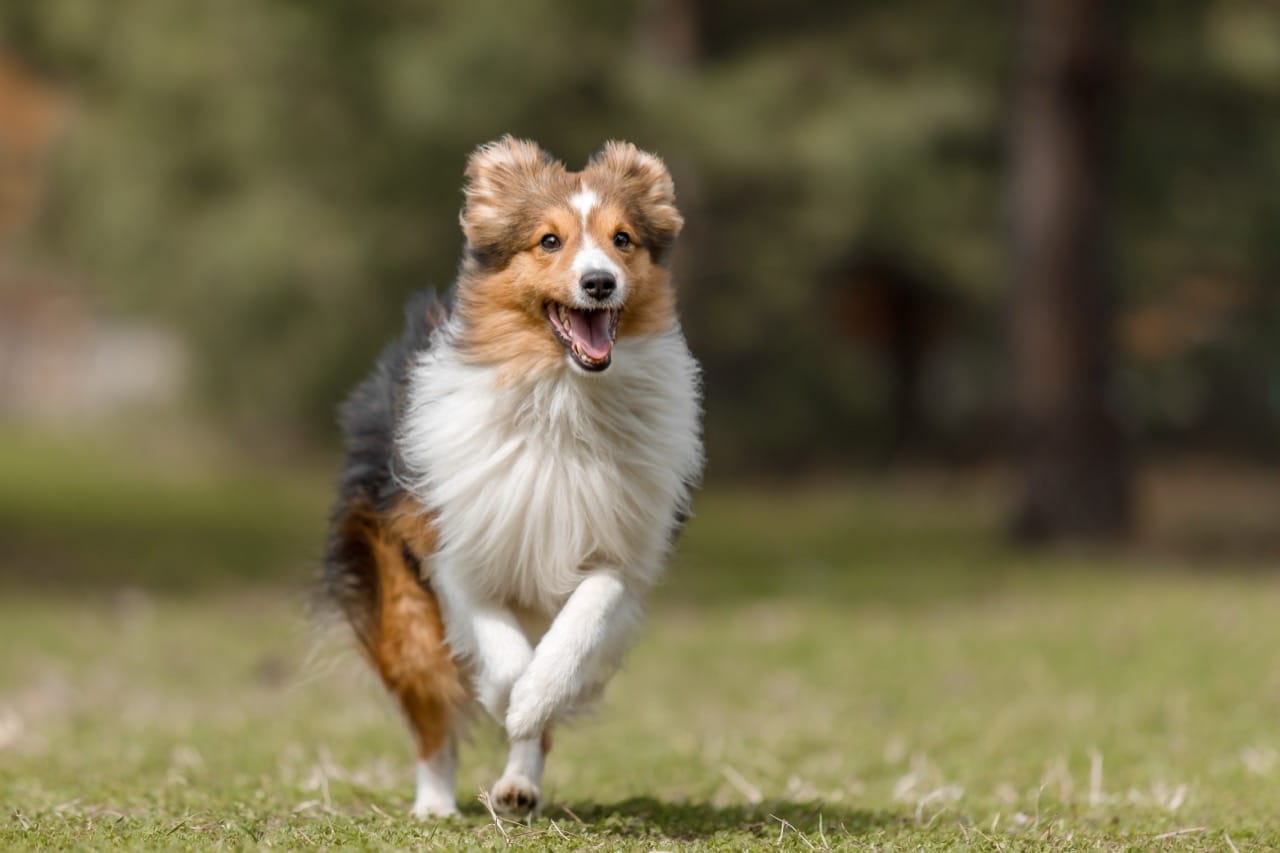
Their movement is another quirky detail. A well-built Sheltie can look like it is floating, with smooth, efficient strides that cover ground easily. Despite their small size, they are athletic and often surprisingly fast. Many people expect a lap dog and instead get a compact endurance athlete who wants a brisk walk, a game of fetch, and a puzzle toy afterward.
Perhaps the most lovable oddity is how serious Shelties can be about their people. They often form strong bonds, shadowing family members from room to room and keeping tabs on daily life. Combine that devotion with intelligence, herding instincts, a weatherproof coat, and a talent for sounding the alarm, and you get a dog that is equal parts elegant, energetic, and endearingly quirky. If you meet one trotting by with that focused gaze, you are probably looking at a small dog carrying a big history.