Quiet Chaos on Jack Russell Sets
Quiz Complete!
Quiet Chaos on Jack Russell Sets: How High Energy Terriers Become Camera Pros
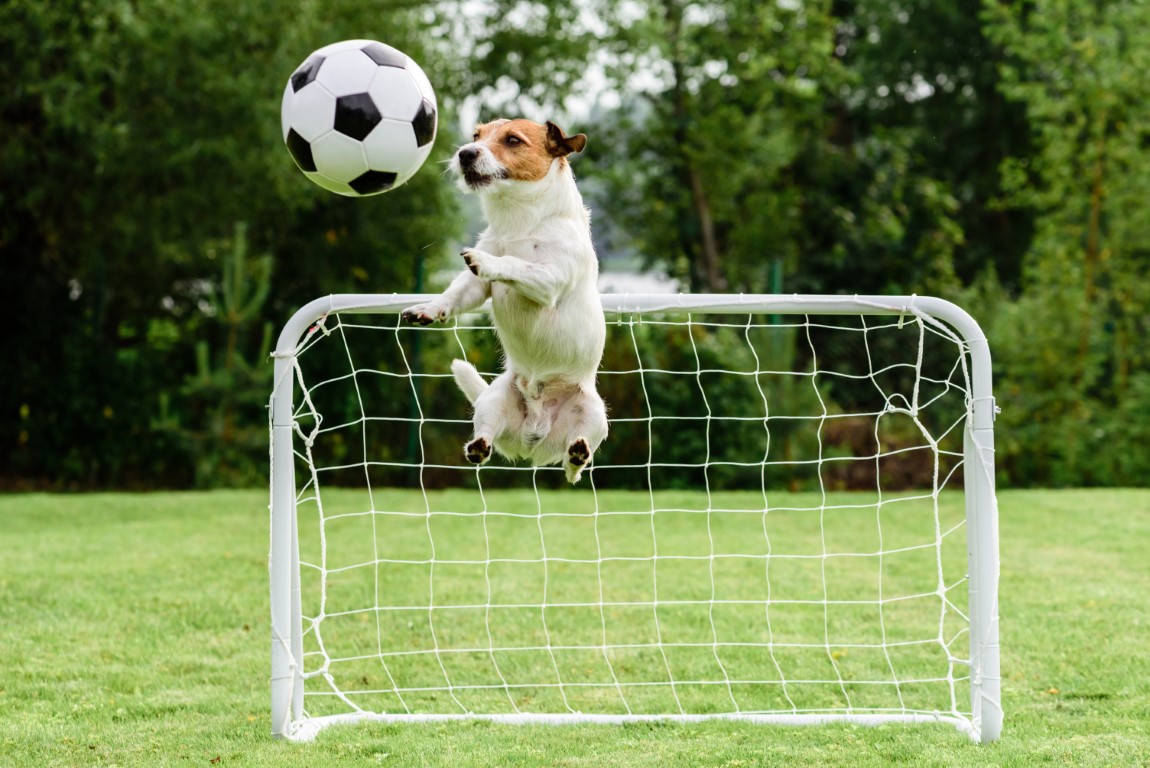
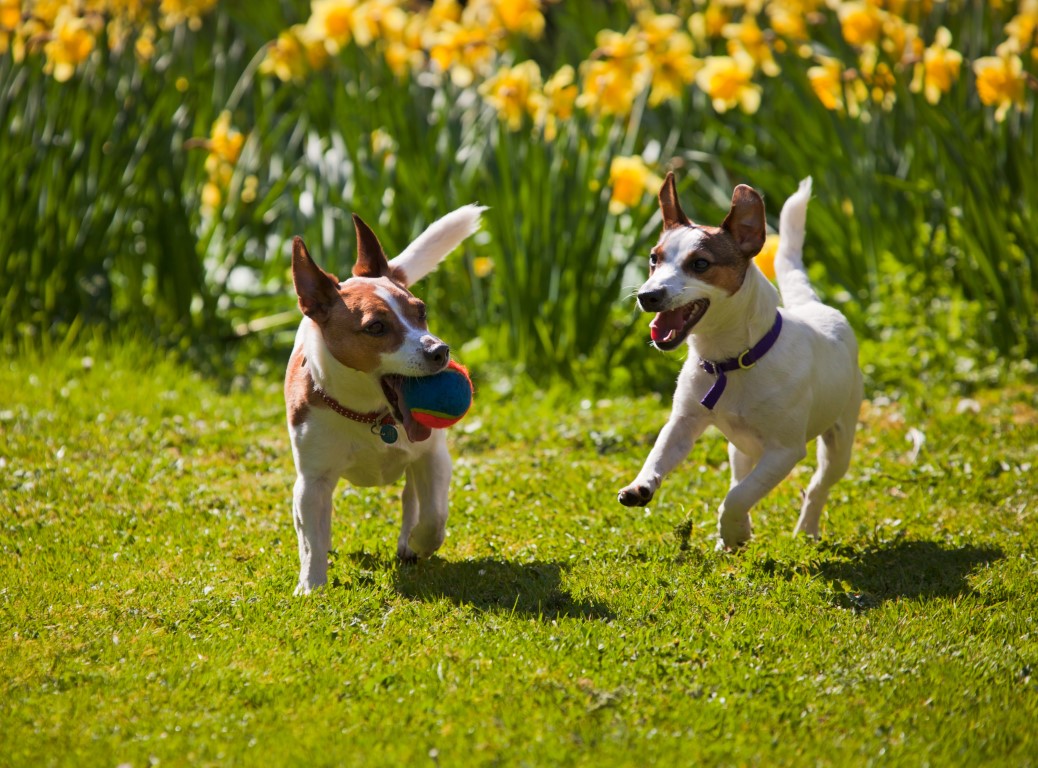
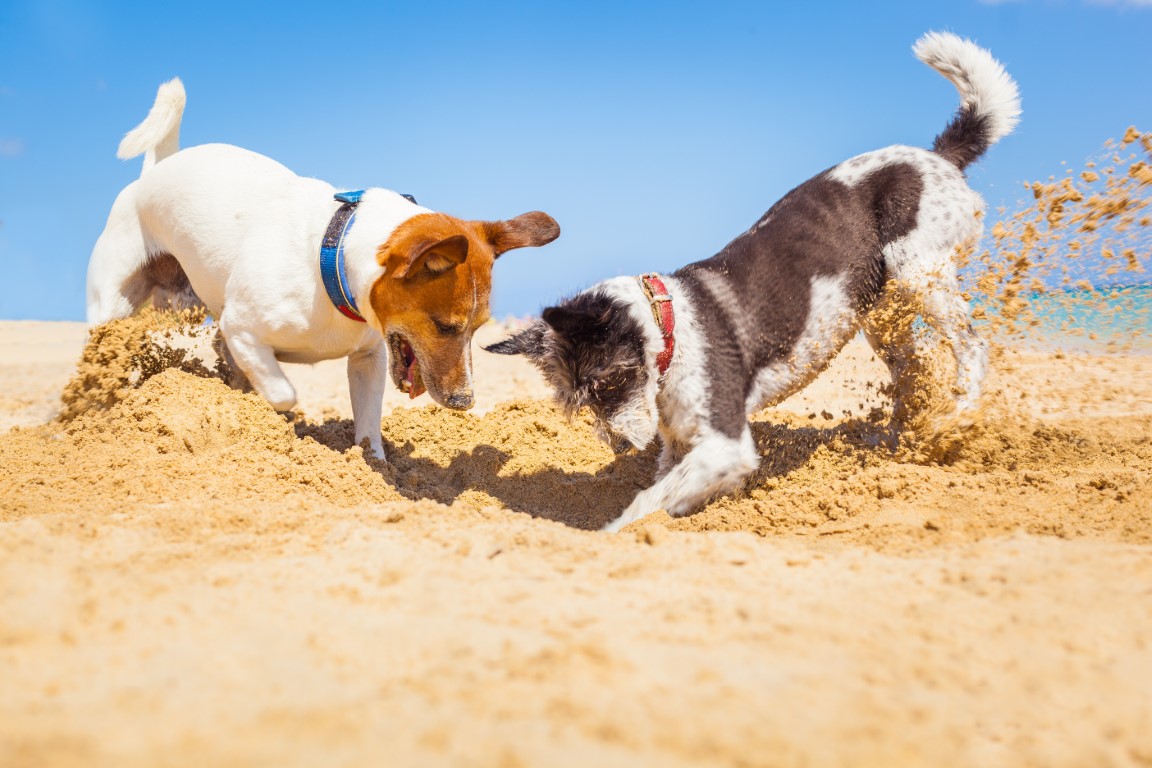
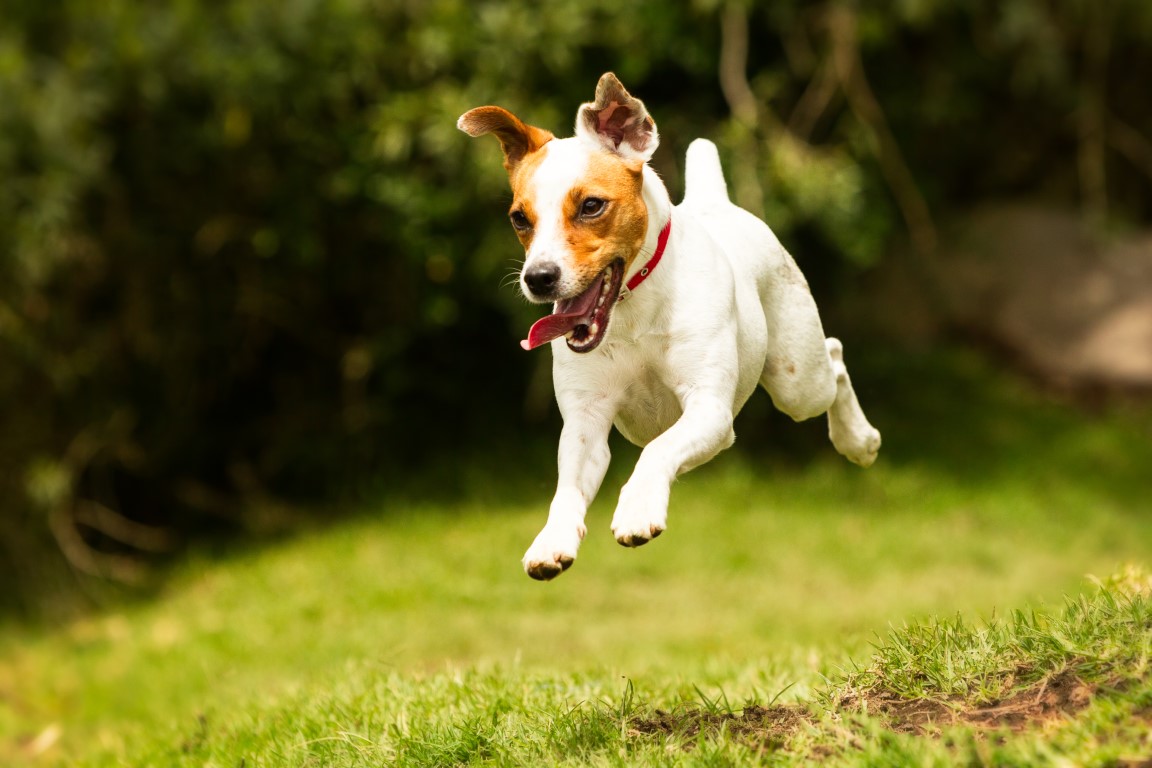
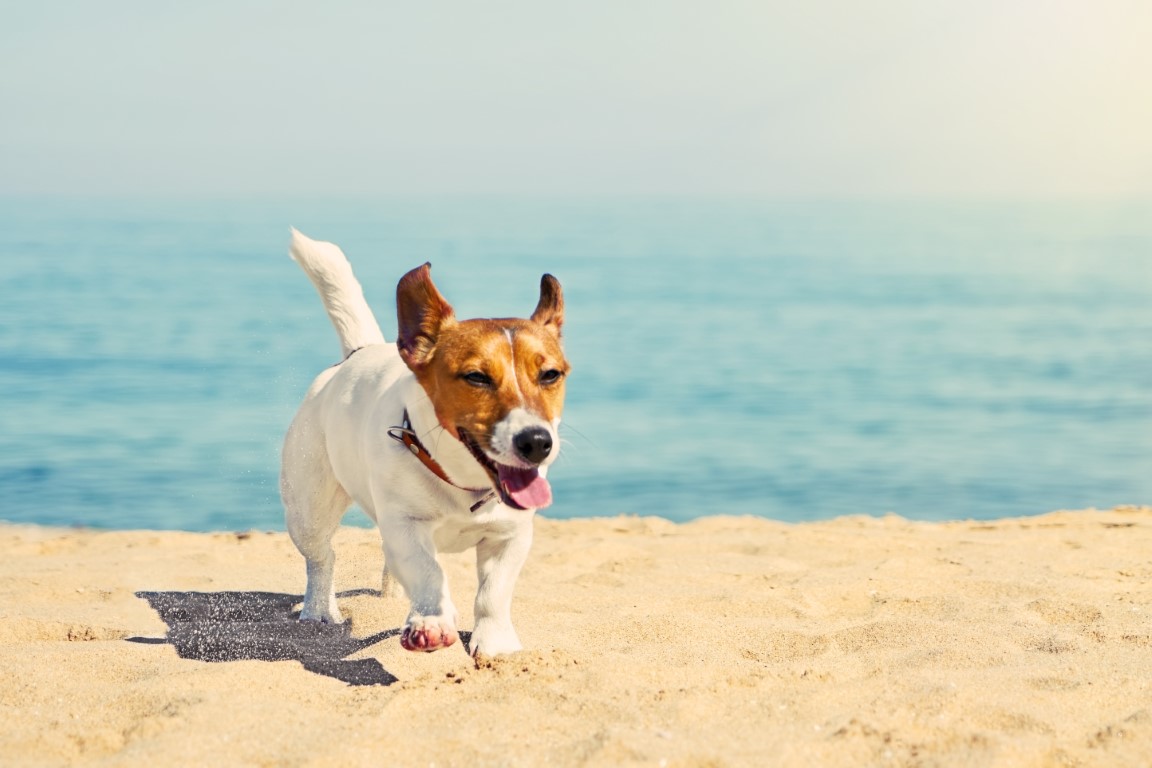
Jack Russell Terriers look like they were built for action scenes: compact, fast, bold, and always ready to investigate something just off camera. That energy is exactly why they get cast, and also why a day of filming with one can feel like controlled turbulence. On set, the goal is not to calm the dog into boredom, but to channel that terrier intensity into repeatable behavior that matches the script, the camera, and the clock.
Most of what makes a Jack Russell succeed on camera happens before the first slate. Trainers typically break a scene into tiny, teachable pieces, then stitch them together. A “run to the mark, look up, bark once” moment may be trained as three separate cues: go to a target, hold a head position, then vocalize. Targets are often small mats, tape marks, or low platforms that the dog learns to seek out because good things happen there. Since Jack Russells can be so quick that they overshoot, trainers may add a clear visual target or use a slightly raised spot that the dog can feel under its paws. The dog is not thinking about camera framing, but it can learn that a certain spot predicts a reward.
Capturing lightning-fast focus is less about dominance and more about timing. Positive reinforcement is the standard, with food, toys, or access to play used as payment. Because terriers can get too amped, rewards are chosen carefully. A squeaky toy might be perfect for a sprinting cue, but a food reward may be better for a still close-up where breathing and eye lines matter. Trainers also use “jackpots,” bigger rewards for difficult repetitions, and they keep sessions short to avoid mental fatigue. A tired Jack Russell is not always a calm Jack Russell; sometimes it is a dog that makes impulsive choices.
Film work is full of repeat takes, and repetition is where the real craft shows. Dogs do not understand “again, but sadder,” so trainers aim for consistent actions that editors can shape into emotion. If the script calls for a worried look, the dog might simply be trained to stare at a handler holding a treat near the lens. That creates a focused expression that reads as concern. If the dog must appear to react to something off screen, a sound cue or a tossed object can provide a believable head turn. The trick is to keep those prompts invisible to the camera and consistent across takes.
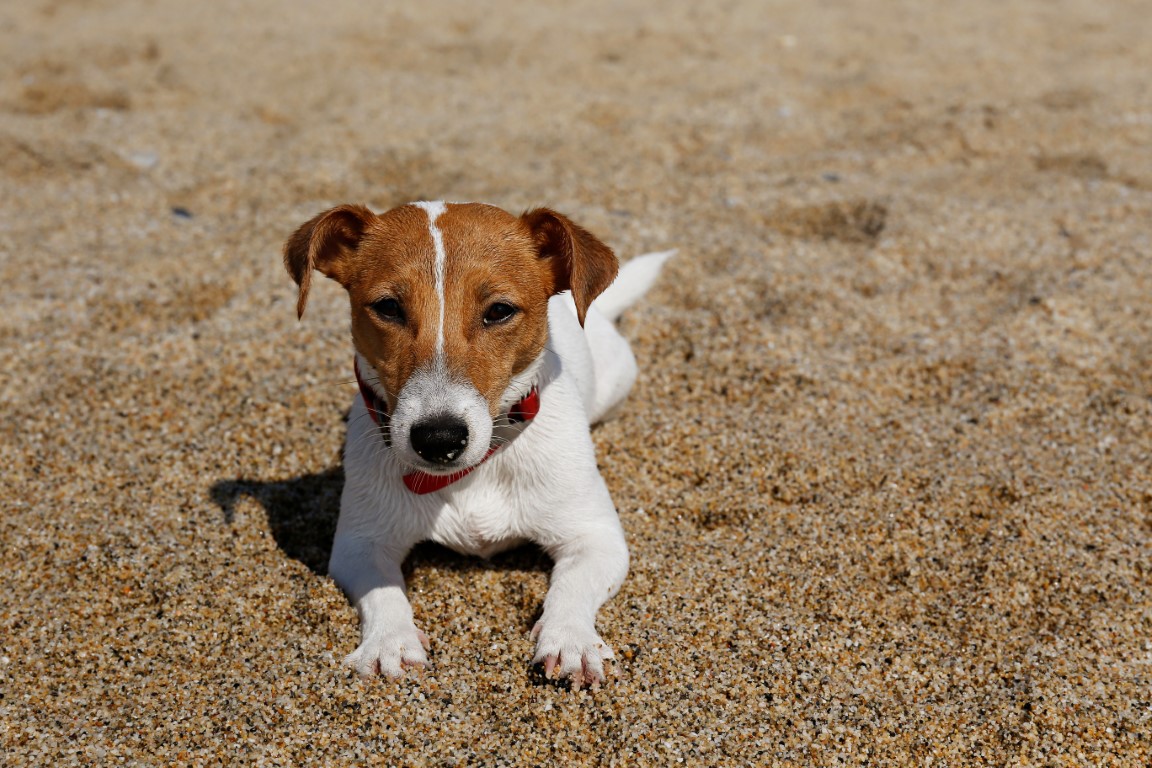
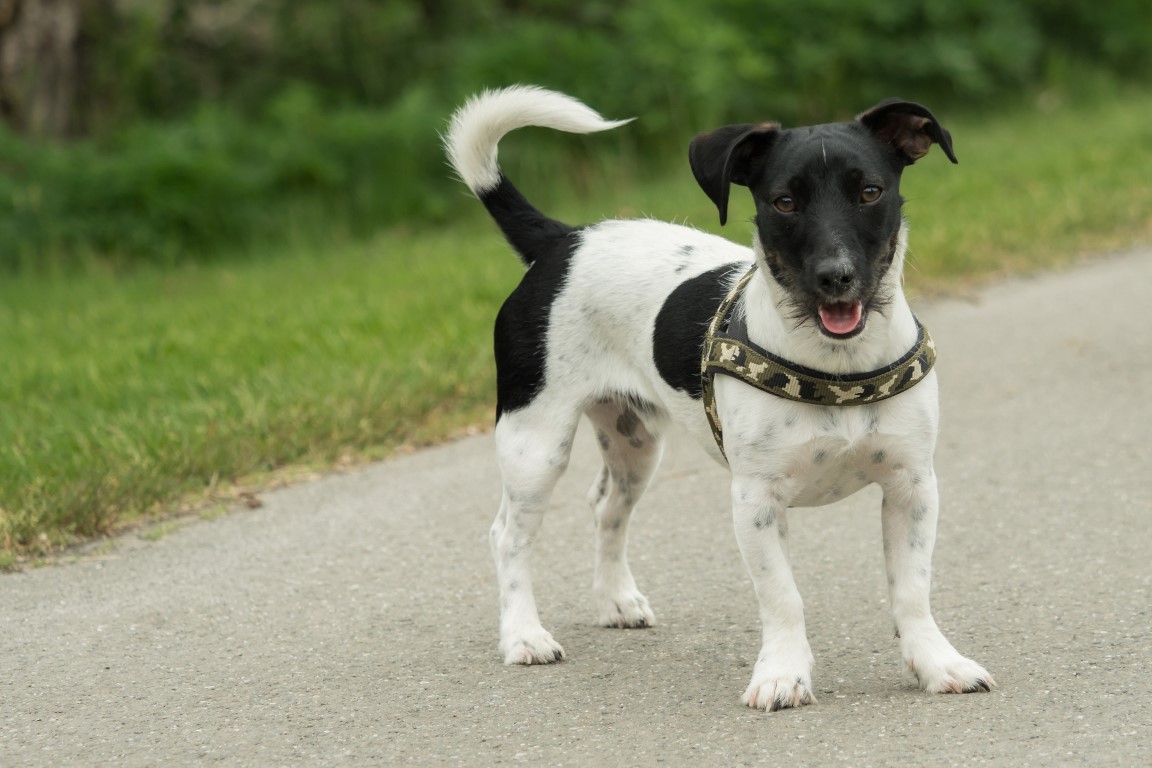
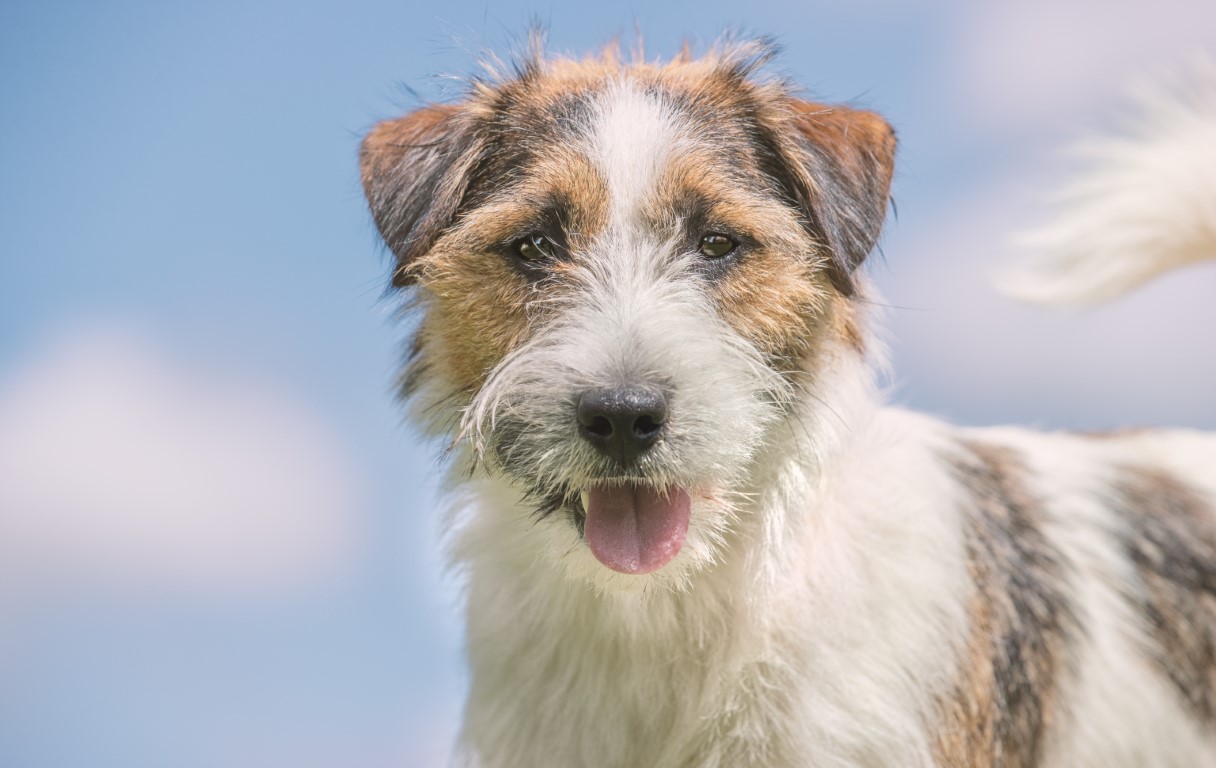
Continuity teams can become surprisingly invested in the smallest details. Jack Russells often have distinctive facial patches and body markings, and a scene may be shot out of order across days. If a dog’s coat is damp in one angle and dry in another, or if a marking is partly covered by a harness in some shots, the mismatch can jump out to viewers. Some productions use multiple similar dogs for the same role, especially when stunts, long hours, or complex behaviors are involved. That makes continuity even harder: a patch that tilts slightly differently or an ear that folds another way can give away the swap. Skilled animal coordinators keep detailed notes and reference photos, and they may adjust collars, grooming, or blocking to maintain the illusion.
Welfare rules shape everything. Reputable sets follow strict guidelines about working time, rest breaks, access to water, shade, and quiet holding areas away from crowds and cables. Loud noises, smoke, and chaotic environments require planning, and desensitization training is done gradually, never by forcing a frightened dog through a scare. Many productions use fake noise playback at low volume during training, then increase it carefully if the dog remains comfortable. If a scene involves hazards, the safest version is used: peanut butter instead of pills, a controlled jump instead of a risky fall, and camera angles that make a small action look dramatic.
The “quiet chaos” of a Jack Russell set often comes from managing arousal. These dogs are famous for spotting movement, so a swinging boom mic, fluttering costume, or rolling cart can steal attention instantly. Trainers and assistant trainers coordinate like a pit crew, positioning themselves where the dog will look, clearing distractions, and keeping cues consistent. Sometimes the simplest trick is a good pre-take routine: a short play burst to take the edge off, a quick rehearsal, then a focused take before the dog starts freelancing.
When it all works, a Jack Russell can look like a seasoned actor, hitting marks, repeating actions, and delivering a spark that feels spontaneous. The secret is that spontaneity is carefully prepared. Behind every effortless on-screen moment is a team balancing training, welfare, continuity, and the terrier’s unstoppable curiosity, turning a whirlwind personality into a reliable performance without dimming what makes the breed so fun to watch.