Pug Publicity Stunts and Pet World Scandals
Quiz Complete!
Pug Fame, Publicity Stunts, and the Scandals Behind the Snorts
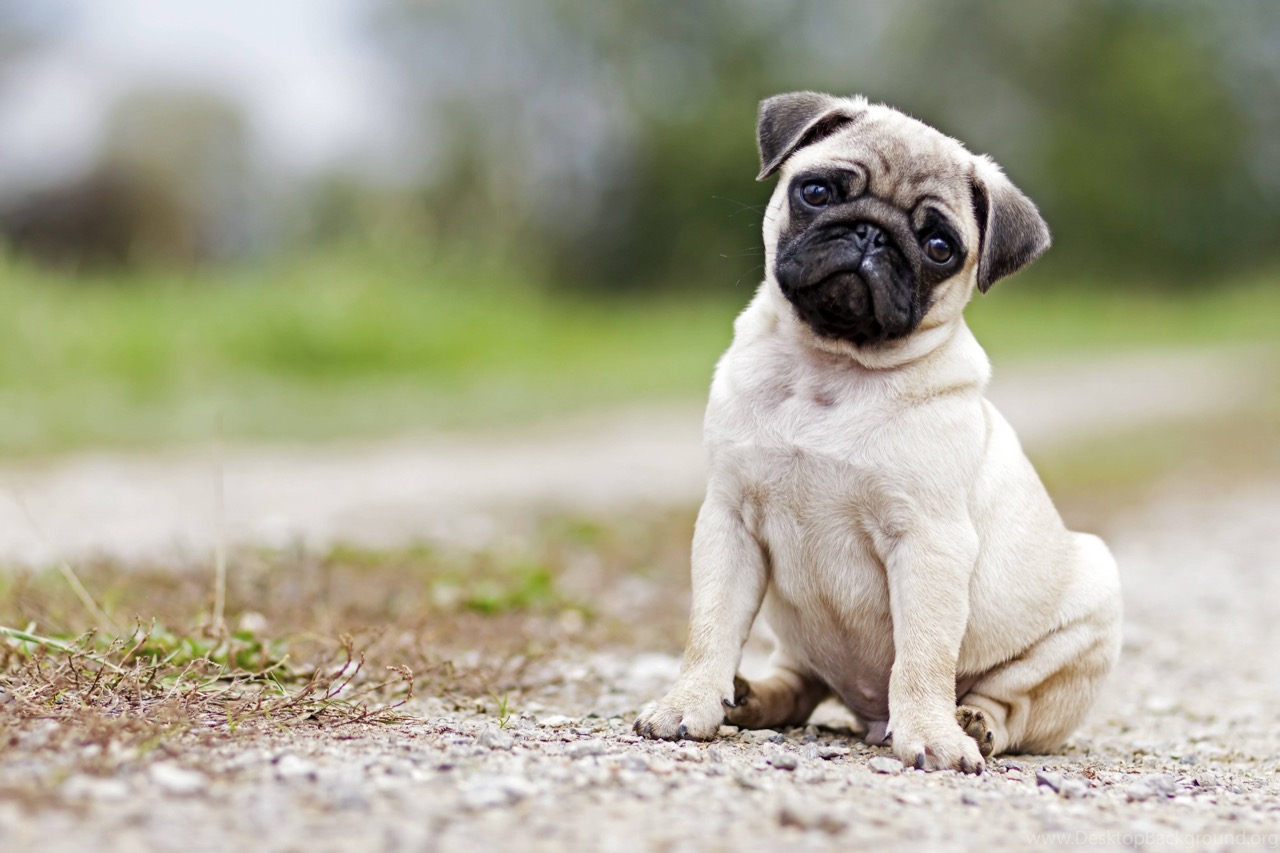
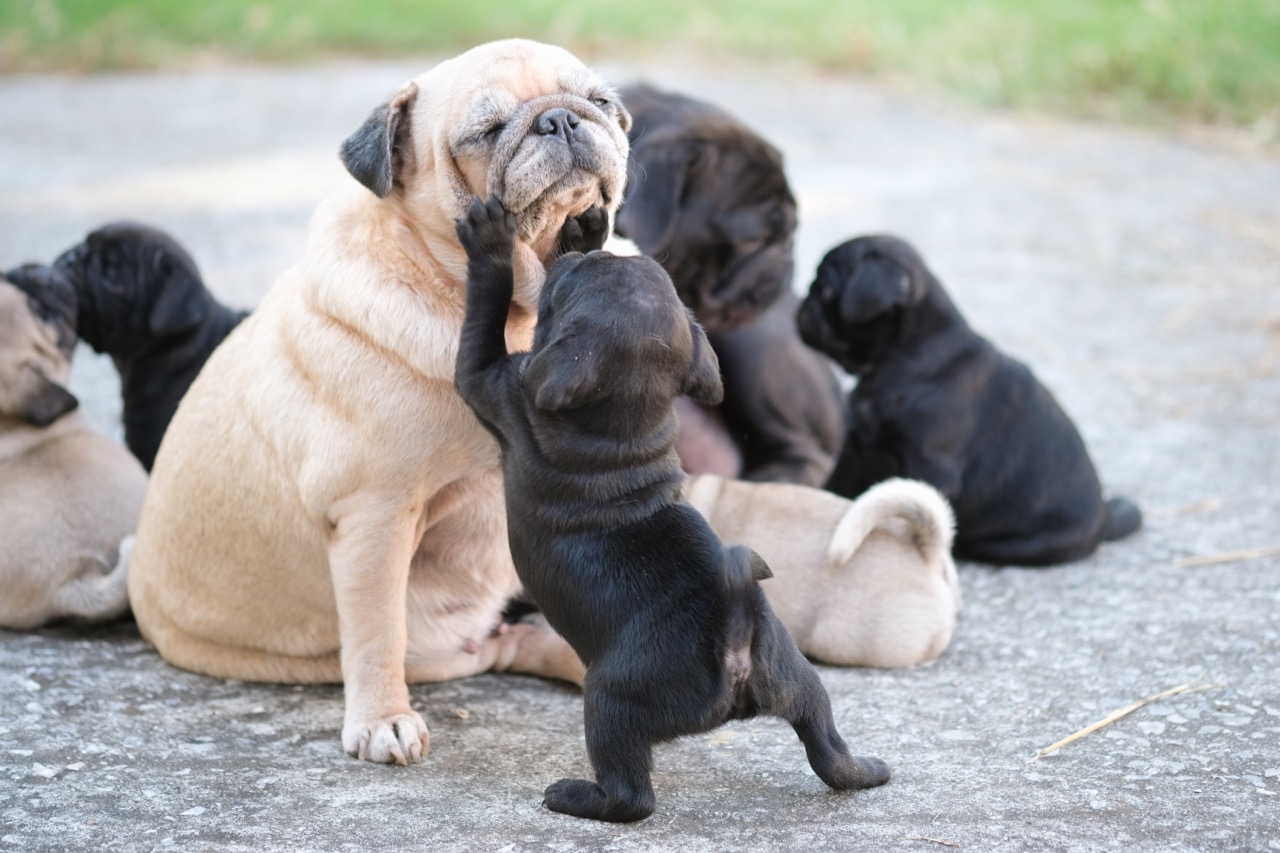
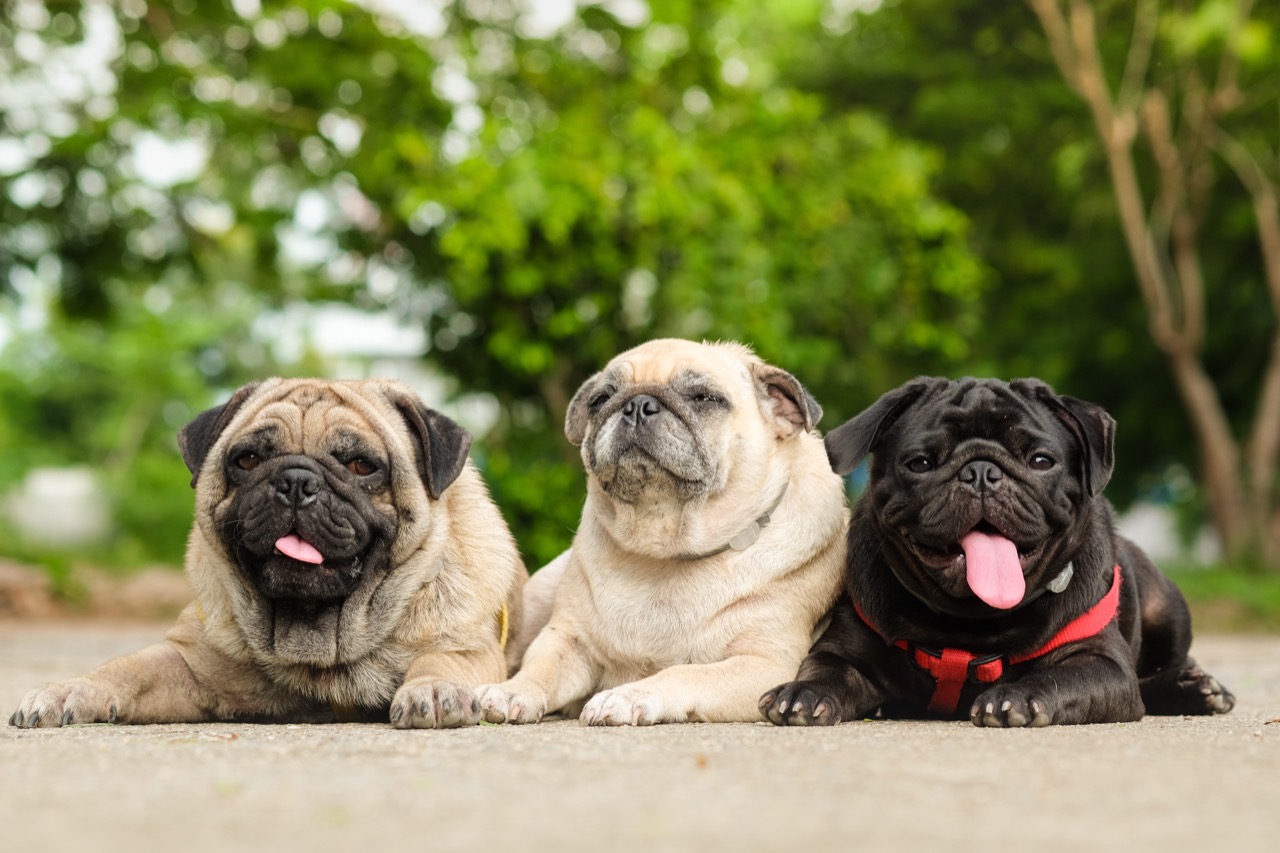
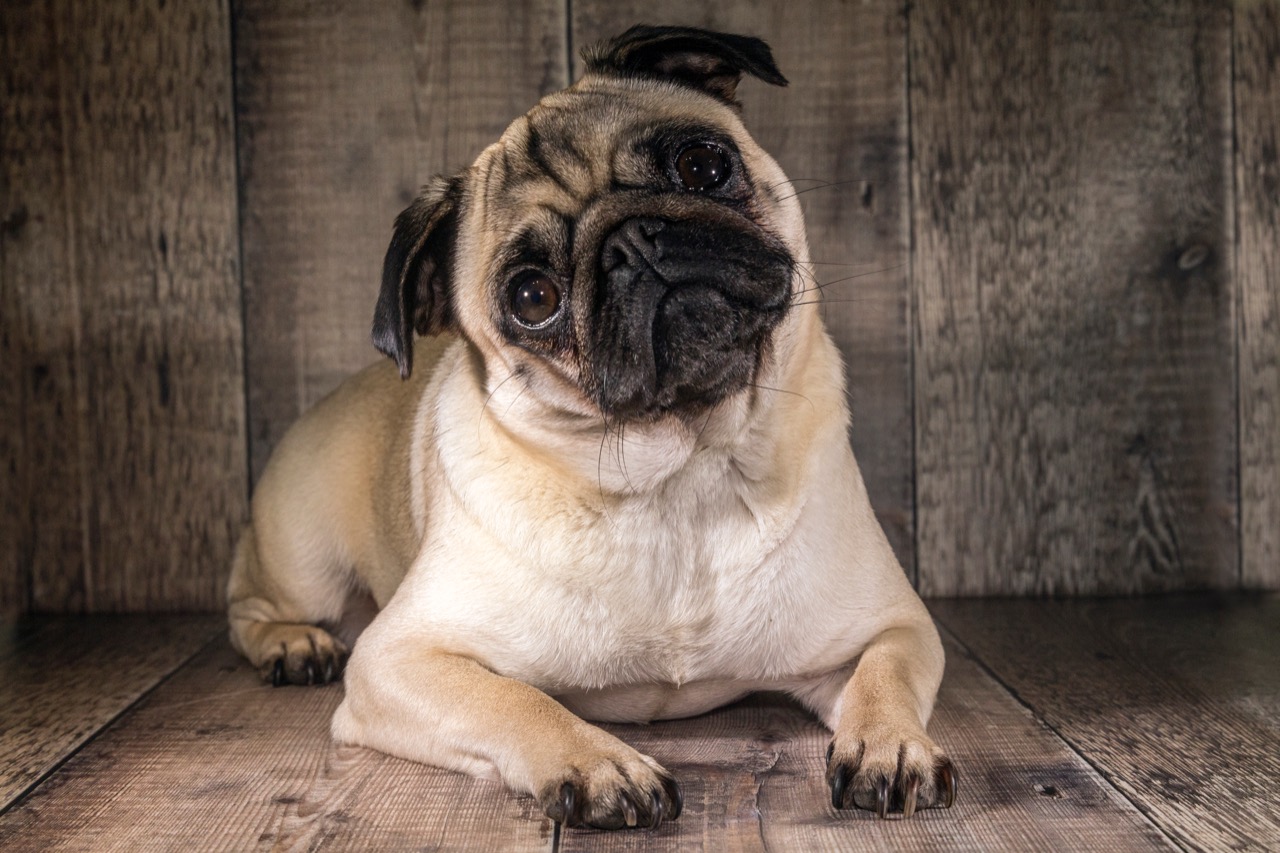
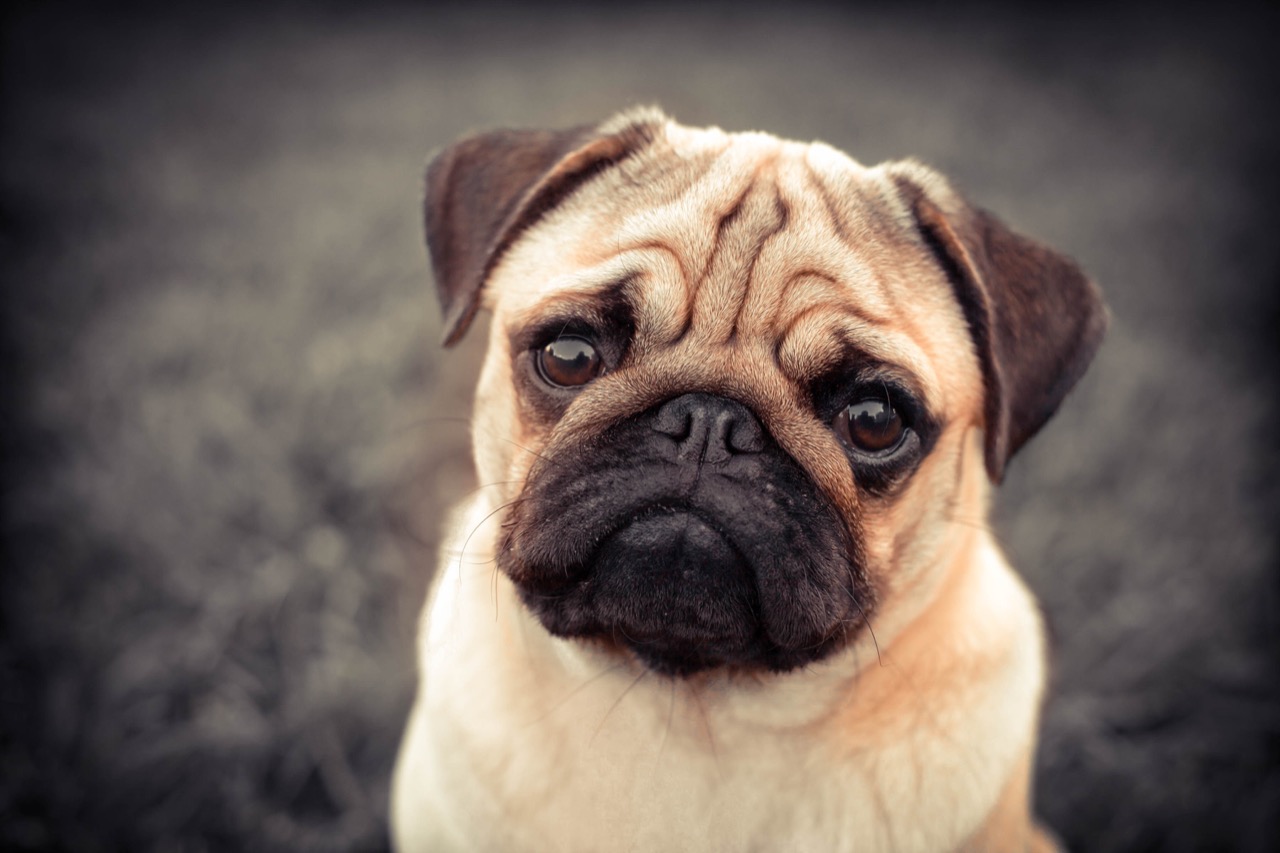
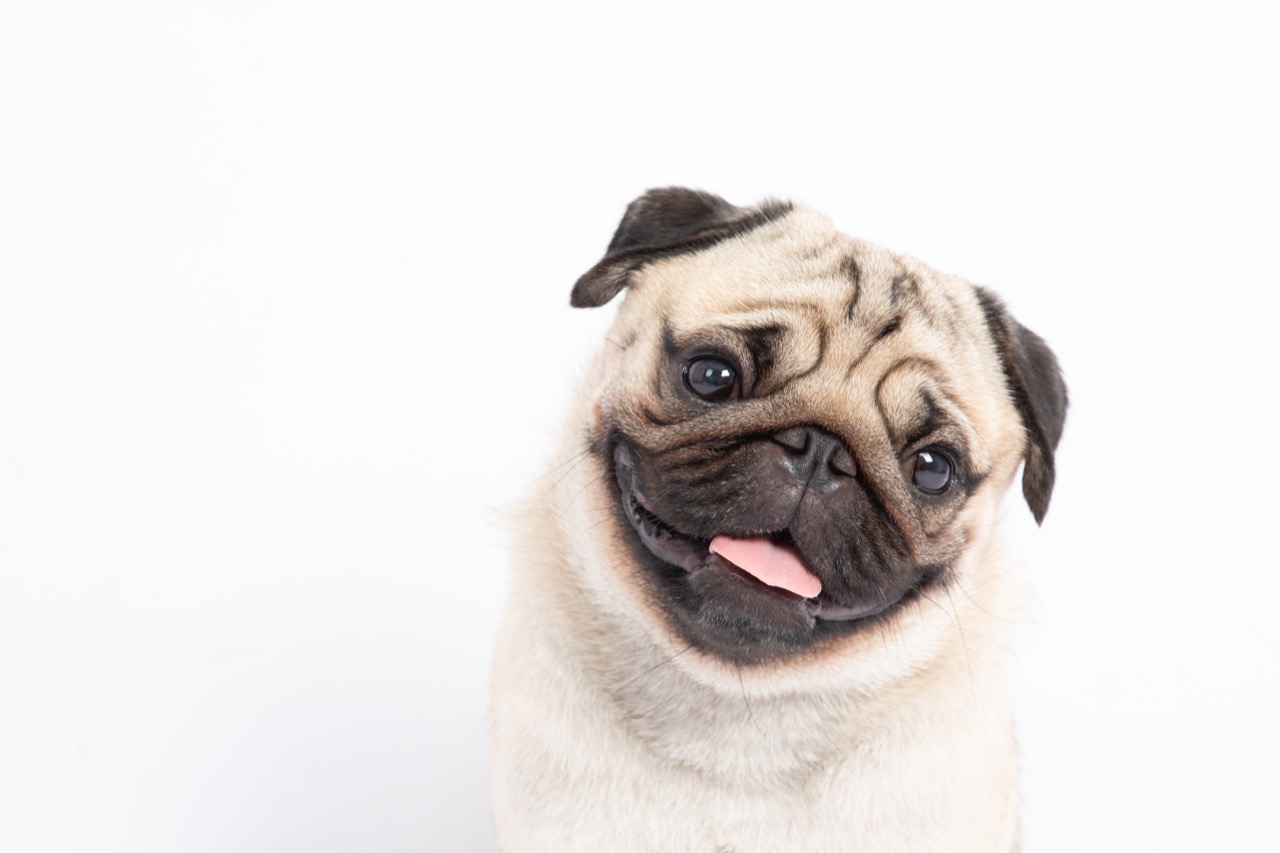
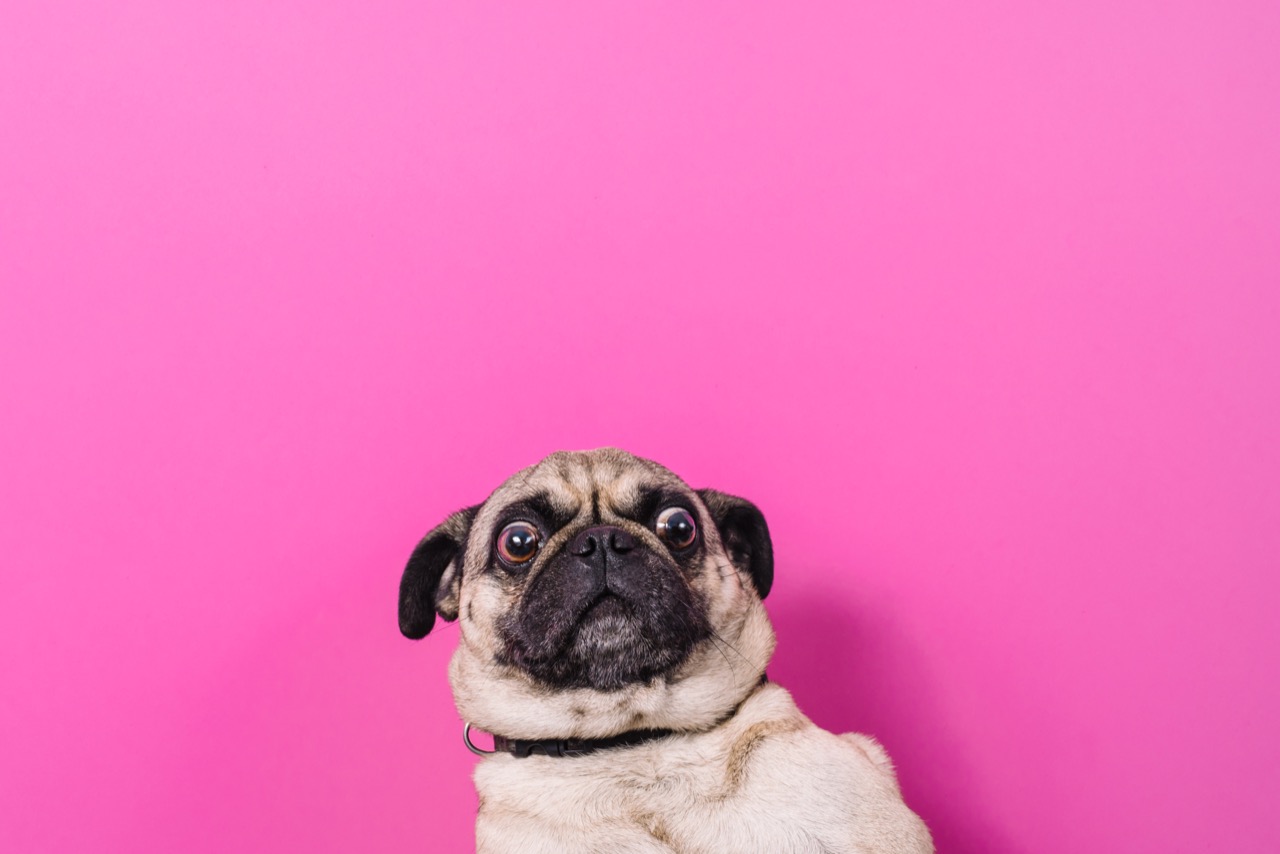
Pugs have a way of stealing attention with their expressive faces, comic timing, and that unmistakable snort. Online, a single head tilt can turn into millions of views, brand deals, and a full time business. That spotlight is exactly why pug culture has accumulated its share of controversies. Most of the drama is not about the dogs being “bad,” but about how people shape, sell, and sometimes exploit the image of a cute flat faced pet.
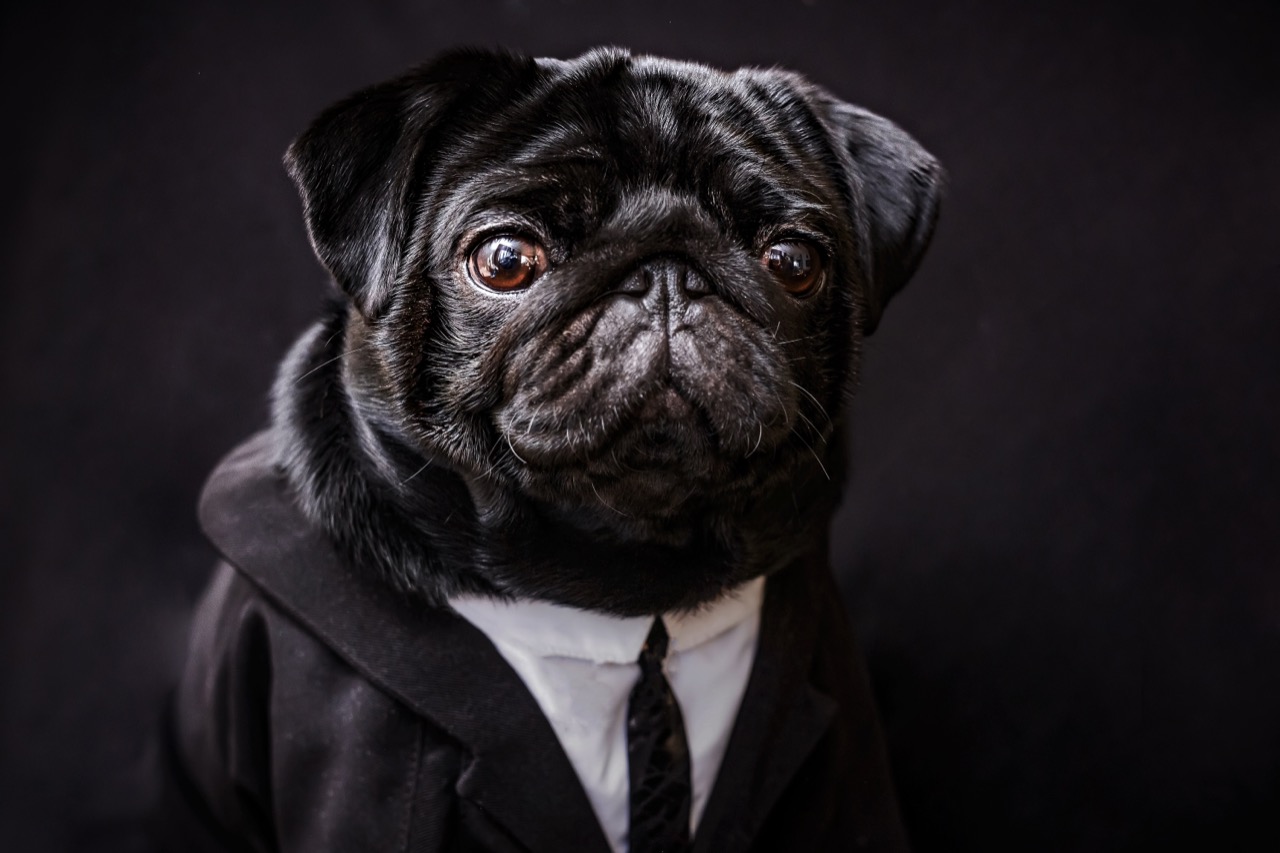
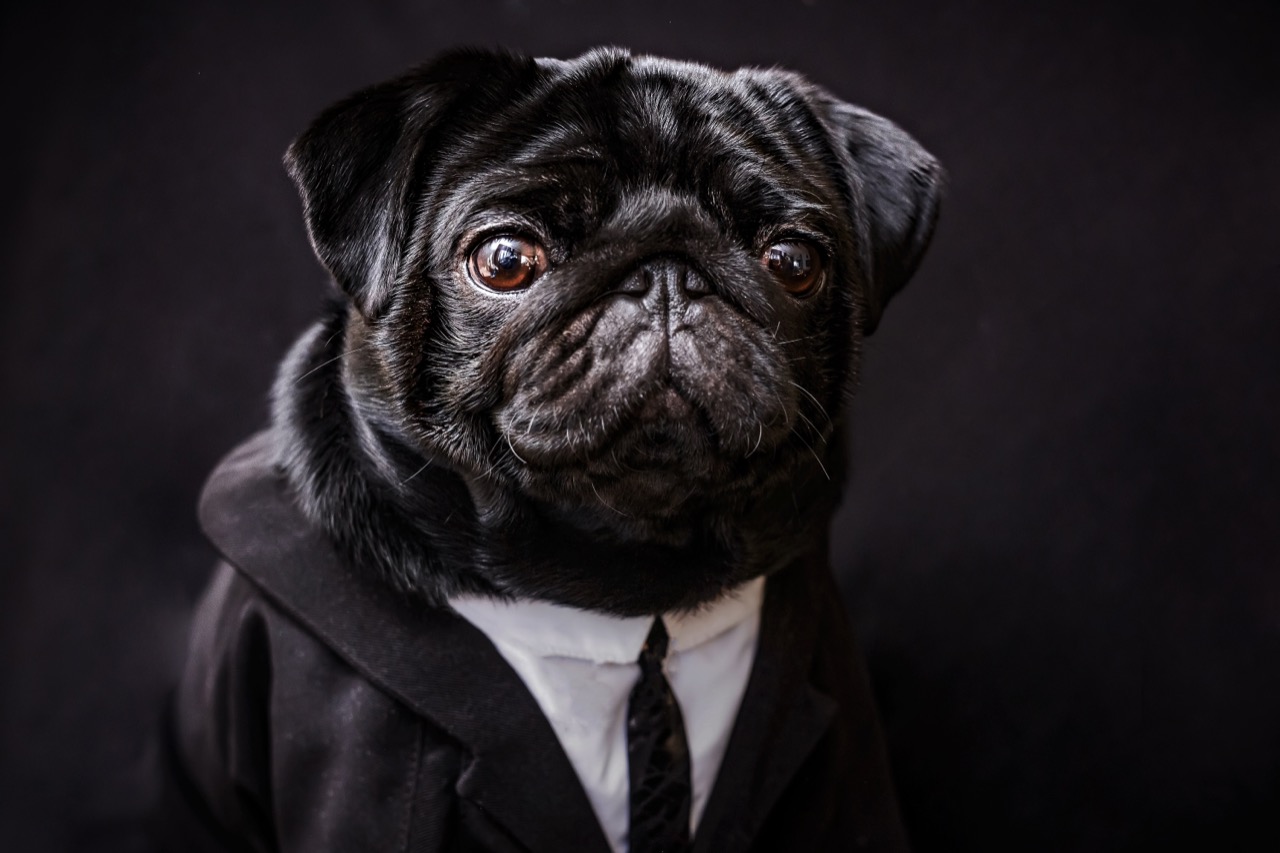
One recurring issue is staging. Viral pug videos often look spontaneous, yet many are carefully produced: repeated takes, food lures, costumes that limit movement, or situations designed to trigger a reaction. Staging is not automatically harmful, but it becomes ethically messy when it crosses into stress, fear, or unsafe setups. A pug being startled for a “funny” clip, forced into a tight outfit in hot weather, or pushed to keep performing after showing stress signals can turn entertainment into welfare risk. Viewers can develop media literacy by watching for signs like pinned back ears, whale eye, lip licking, frantic panting, or repeated attempts to escape.
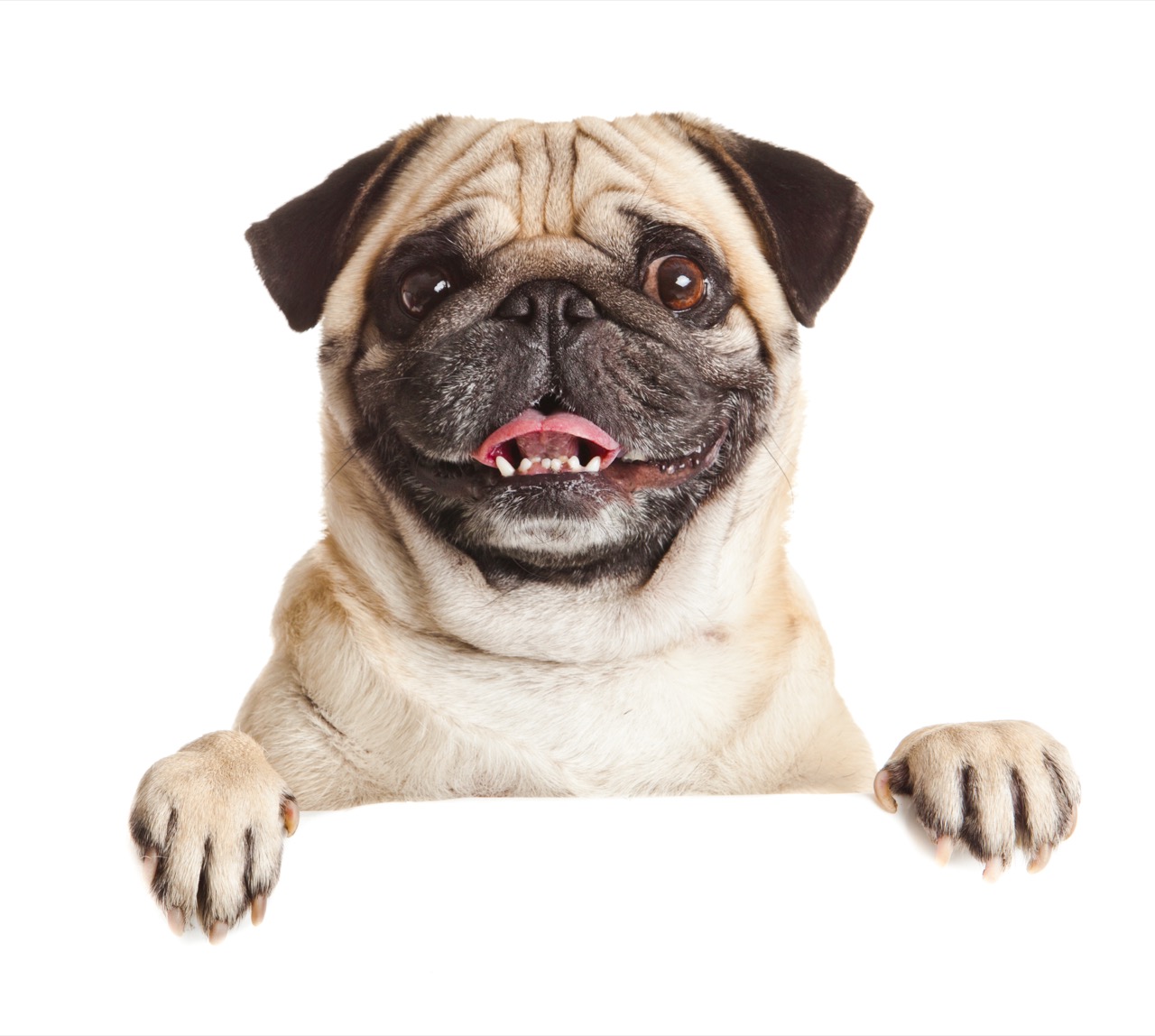
Brand sponsorship adds another layer. Influencer pets can be paid to promote treats, supplements, or gadgets with claims that are not well supported. Some blowups happen when followers feel misled by undisclosed ads, questionable before and after health claims, or partnerships with companies that conflict with animal welfare messaging. In many places, advertising rules require disclosure when content is sponsored, but enforcement is inconsistent, and pet accounts can slip through the cracks. A cute pug holding a product does not mean the product is safe, necessary, or even appropriate for that breed.
Then there are disputed “firsts” and ownership drama. Internet fame is competitive, and people sometimes argue over who had the original costume concept, the first talking pug style caption, or the earliest viral meme. These disputes can lead to copyright takedowns, impersonation accounts, and accusations of stolen content. Because dogs cannot own their likeness, the control sits with humans, and that can encourage aggressive branding. Some famous pugs have even become part of messy breakups, custody disputes, or financial conflicts where the dog is treated like a revenue stream.
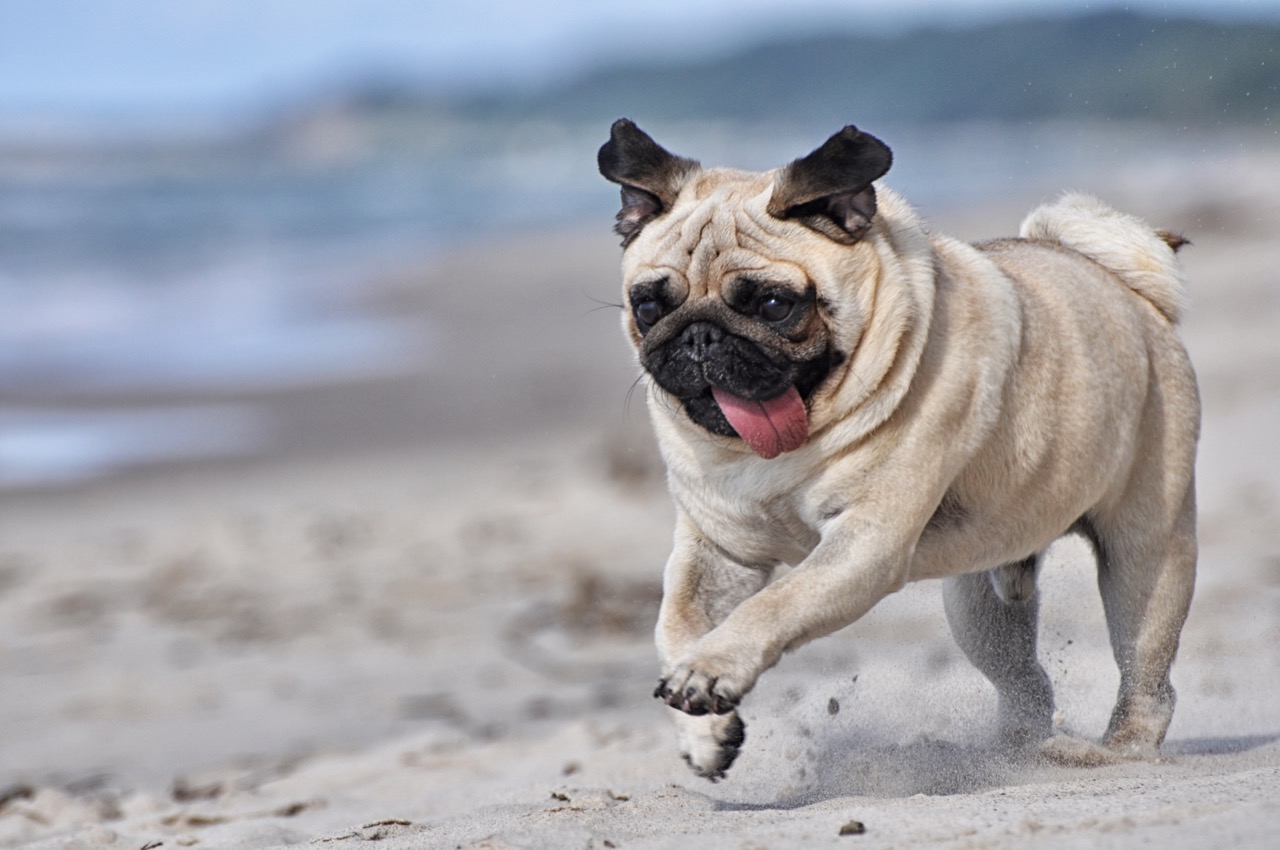
The biggest ongoing controversy is welfare tied to brachycephalic breeding. Pugs are flat faced, and that look is strongly linked to health risks, especially breathing problems associated with brachycephalic obstructive airway syndrome. Many pugs struggle with heat intolerance, exercise limitations, eye injuries due to prominent eyes, and skin fold infections. Animal welfare groups and veterinary organizations in multiple countries have warned about the health impacts of extreme facial shortening and have pushed for breeding toward healthier anatomy. Some regulators and kennel clubs have also updated breed standards and guidance, emphasizing wider nostrils, less exaggerated wrinkles, and overall functional health. At the same time, critics argue that change is too slow and that popularity keeps demand high.
Publicity stunts can collide with these realities. A pug in a crowded event, under bright lights, or dressed in heavy costumes may be at higher risk of overheating or respiratory distress. Ethical creators plan around the dog’s limits, keep sessions short, avoid hot conditions, and prioritize veterinary care over content schedules.
Pug fame can be joyful and even beneficial when it supports adoption, fundraising, and responsible ownership. The best safeguard is to reward content that shows respect for the animal: clear ad disclosures, realistic portrayals of care, and a willingness to talk honestly about breed related health. The snorts are charming, but the smartest fans keep their fact checking sharper than their feed.