Poodle Mix Matchups and Lookalike Legends
Quiz Complete!
Poodle Mix Matchups and Lookalike Legends
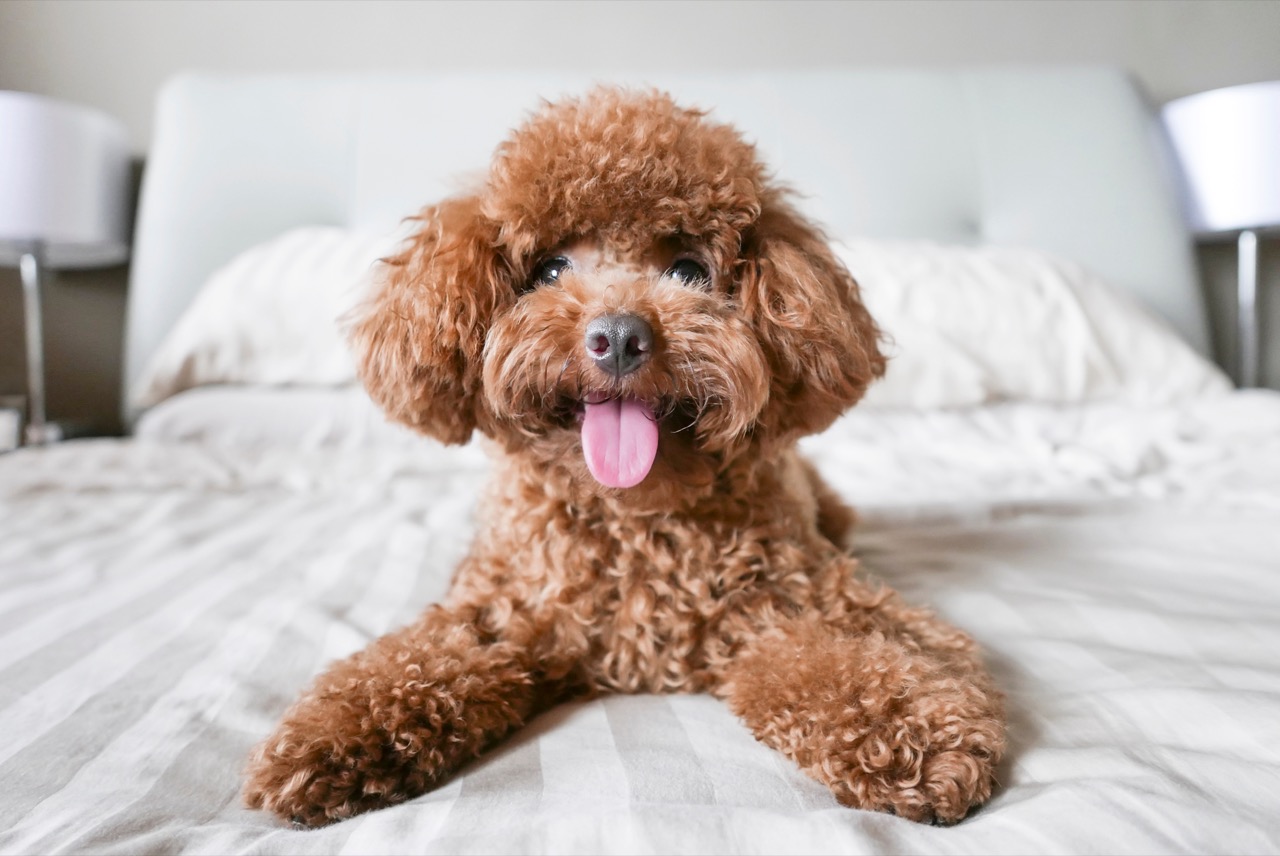
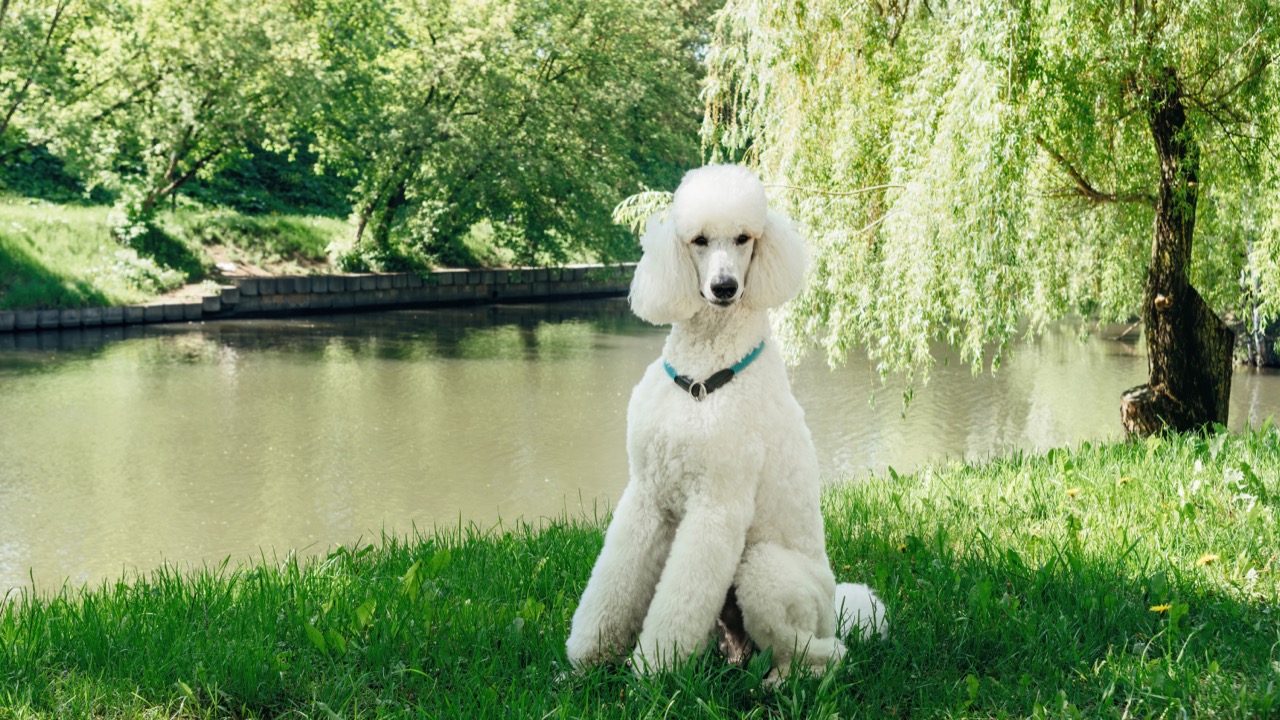
Poodles seem to pop up everywhere, and that is not an accident. Long before they became icons of show rings and stylish haircuts, poodles were working dogs built for a very specific job: retrieving waterfowl. Their name is often linked to the German word pudel, meaning to splash in water, and the breed’s athletic build, strong swimming ability, and sharp trainability made them useful in hunting fields. Those same qualities also explain why poodles have been crossed with so many other breeds in modern times. When people look for a dog that is clever, responsive, and potentially easier on the vacuum cleaner, poodles are an obvious candidate.
One of the biggest myths around poodles and their mixes is that they are automatically hypoallergenic. What is true is that poodles tend to shed less than many breeds because their hair keeps growing and is often retained in the coat rather than falling out quickly. But allergies are triggered by proteins found in dander, saliva, and urine, not just loose hair. A poodle mix may shed less, shed more, or land somewhere in between, depending on which coat genes show up. Even within the same litter of doodles, one puppy might have a curlier coat that holds hair, while another has a looser coat that drops more noticeably.
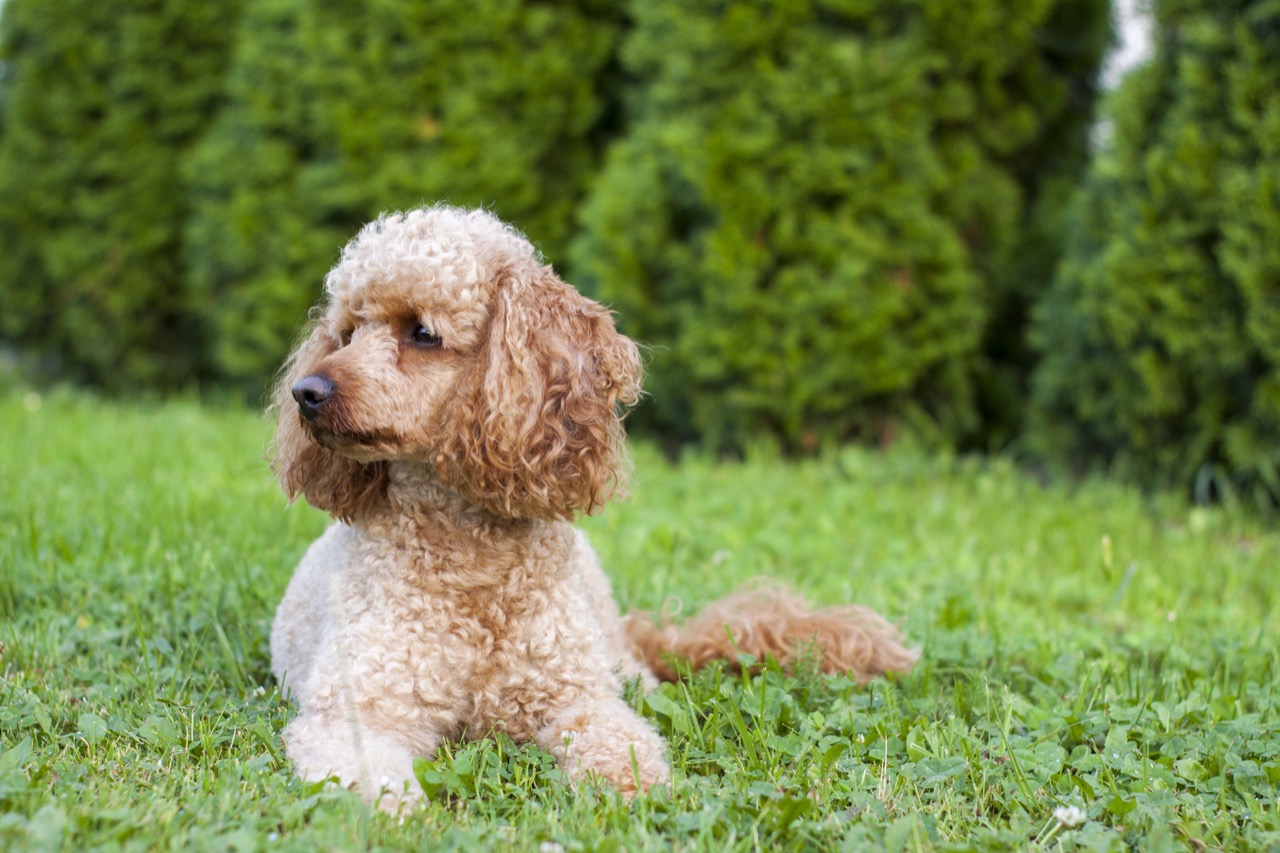
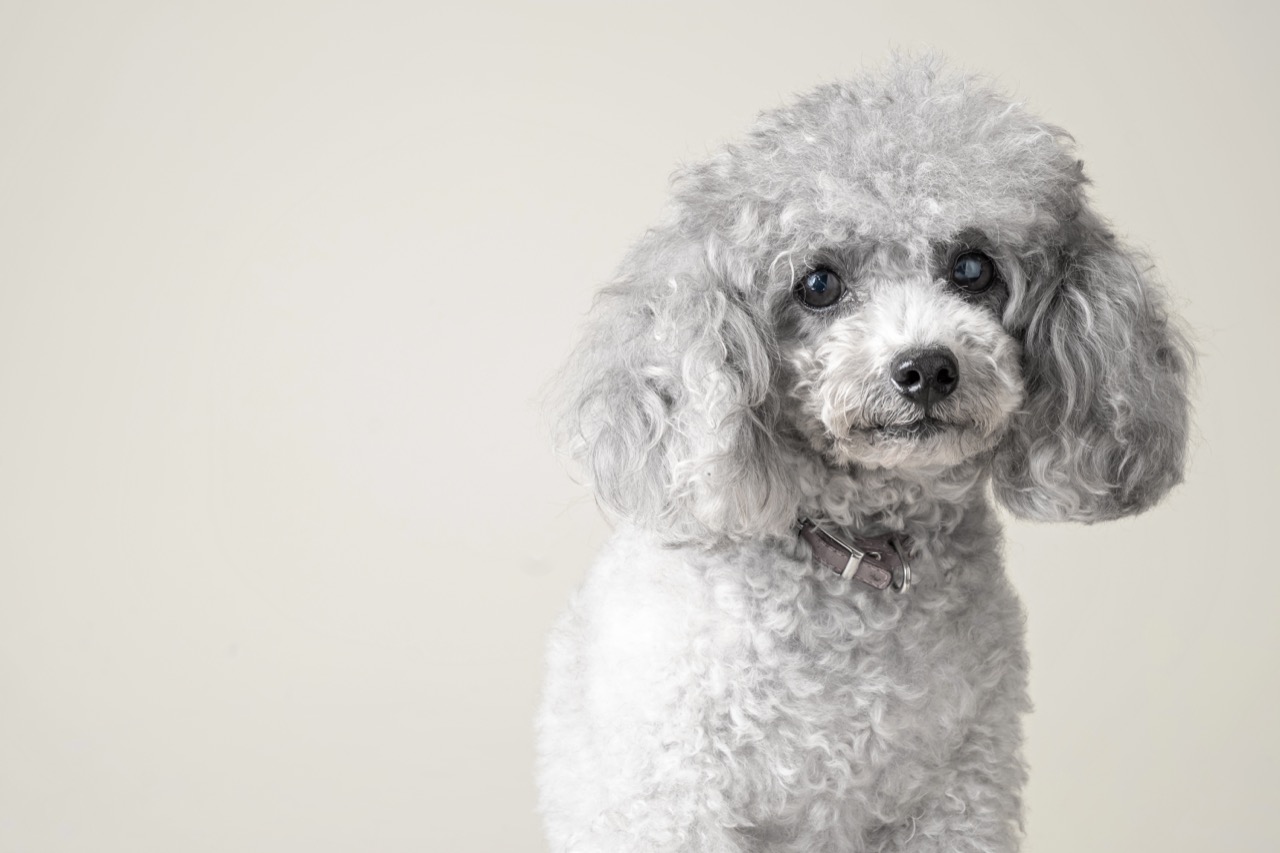
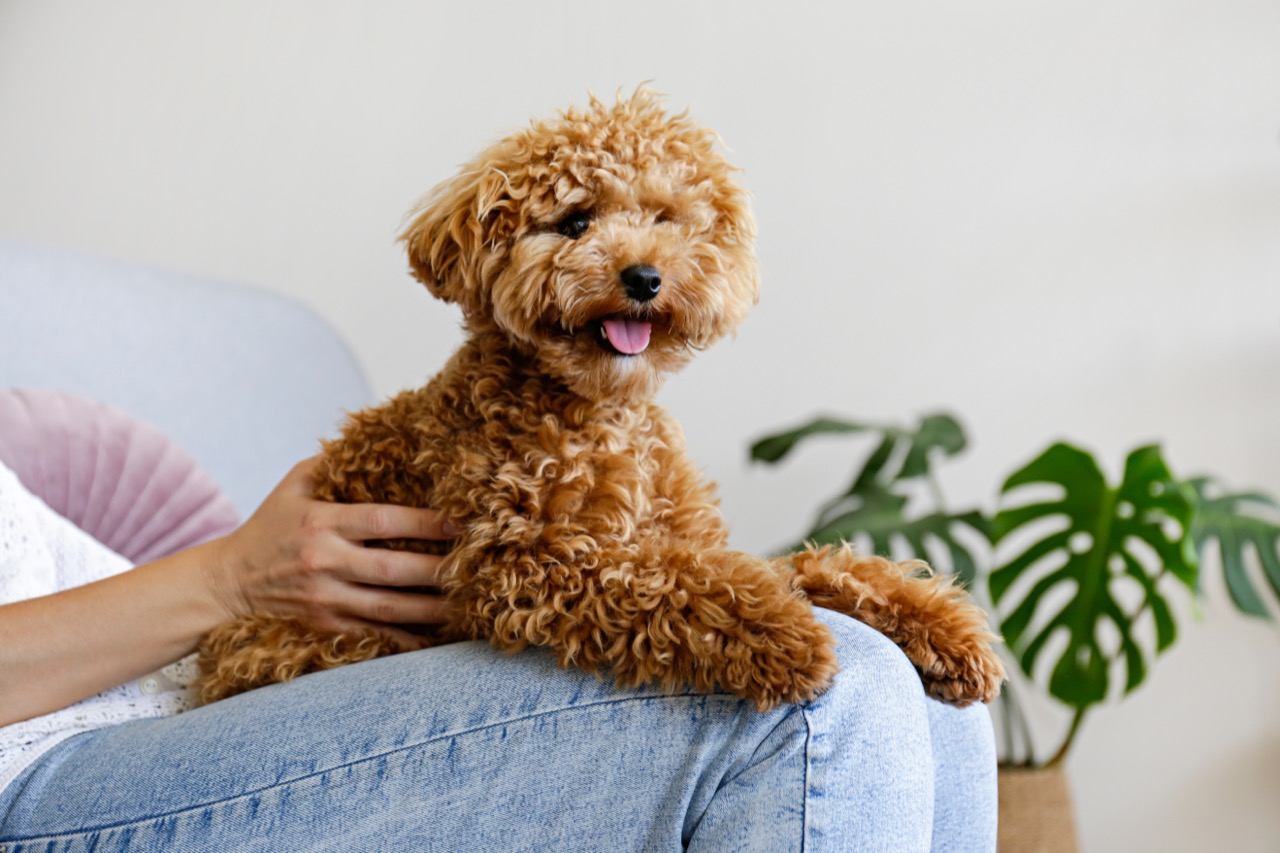
Coat type is where genetics gets tricky and where many lookalike legends are born. People often assume that mixing a poodle with another breed guarantees a specific coat, but inheritance is not that tidy. Curly, wavy, and straight coats can all appear, and each comes with different grooming demands. A curlier coat may mat if it is not brushed thoroughly, especially around friction points like collars, armpits, and behind the ears. A wavy coat can be the biggest surprise, since it may shed enough to leave hair around the house while still tangling easily. The result is that some poodle mixes require more maintenance than either parent breed, not less.
The most famous poodle mixes often started as attempts to blend temperament, size, or working style. The Labradoodle became widely known through efforts to produce a guide dog that might be more manageable for some allergy sufferers, combining the Labrador Retriever’s service dog reputation with the poodle’s trainability and coat traits. The Goldendoodle followed a similar logic, aiming for the friendly, people-focused personality associated with Golden Retrievers. Cockapoos, a cross between Cocker Spaniels and poodles, have been around for decades and helped popularize the idea of smaller, companion-oriented poodle crosses long before the word doodle became a trend.
It is easy to forget that poodles themselves come in multiple sizes, which changes the mix matchup dramatically. Standard poodles were the original working size, while Miniature and Toy poodles were developed later, largely for companionship. Crossing a poodle with a larger breed can produce a wide range of adult sizes, and guessing a puppy’s final height is not always straightforward. That unpredictability is part of the appeal for some people and a frustration for others, especially when they expect a specific size for travel, housing rules, or lifestyle.
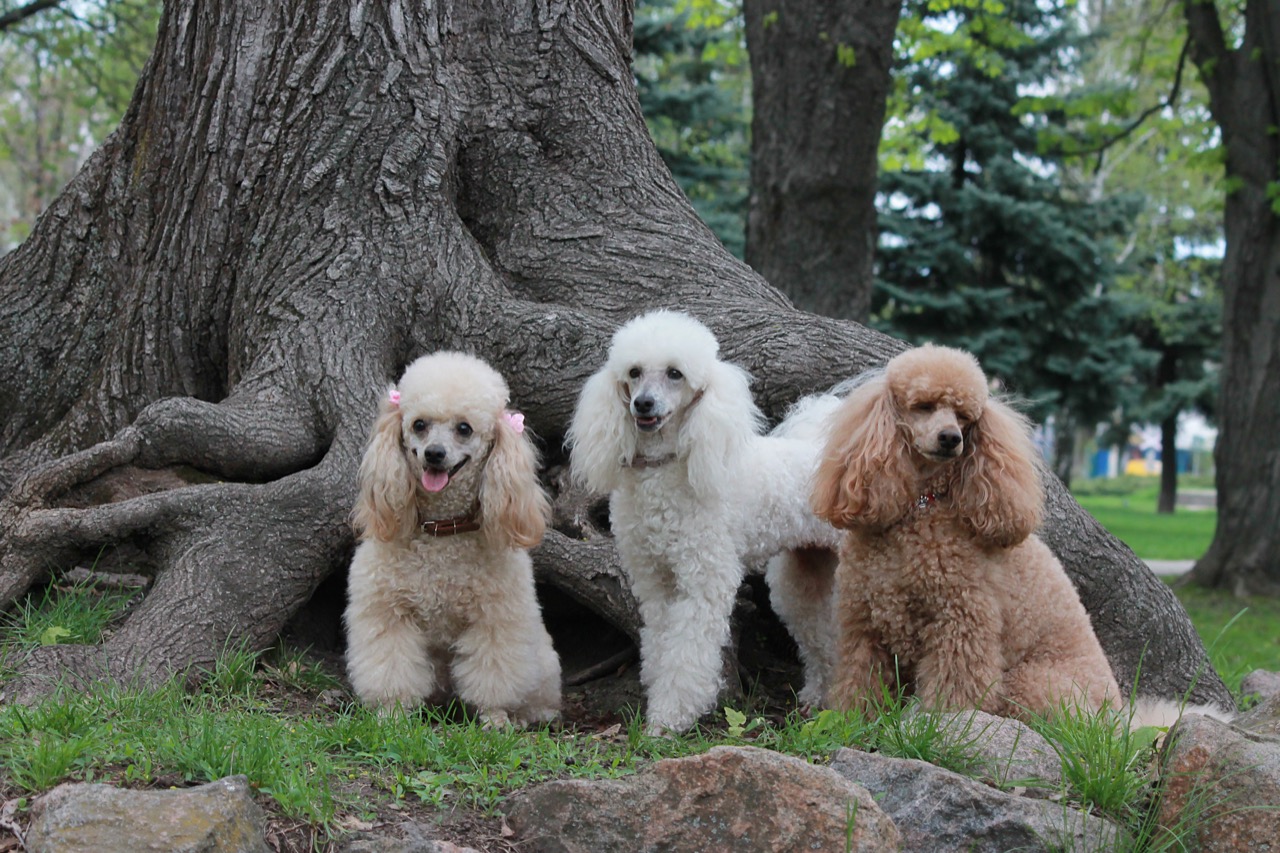
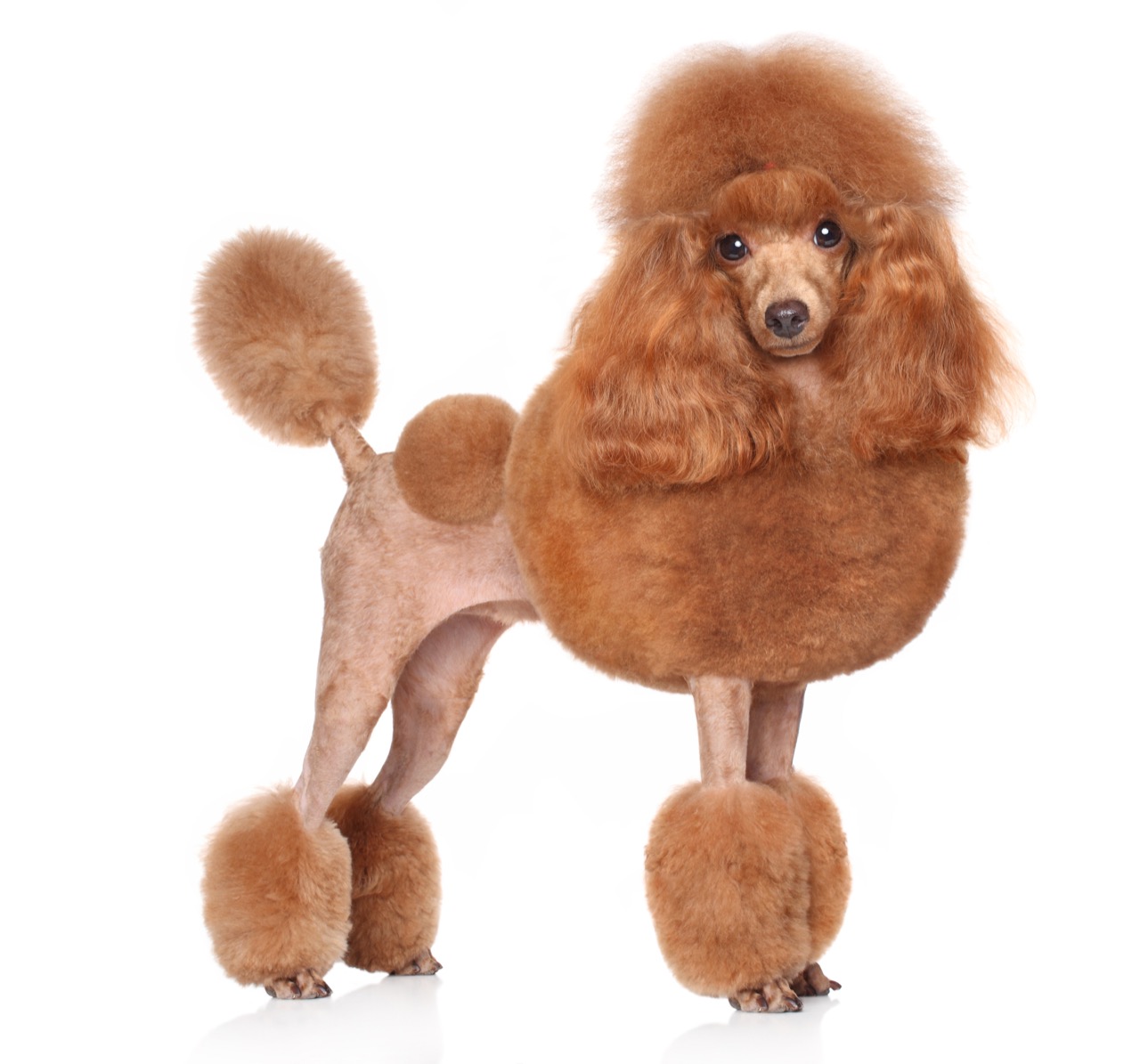
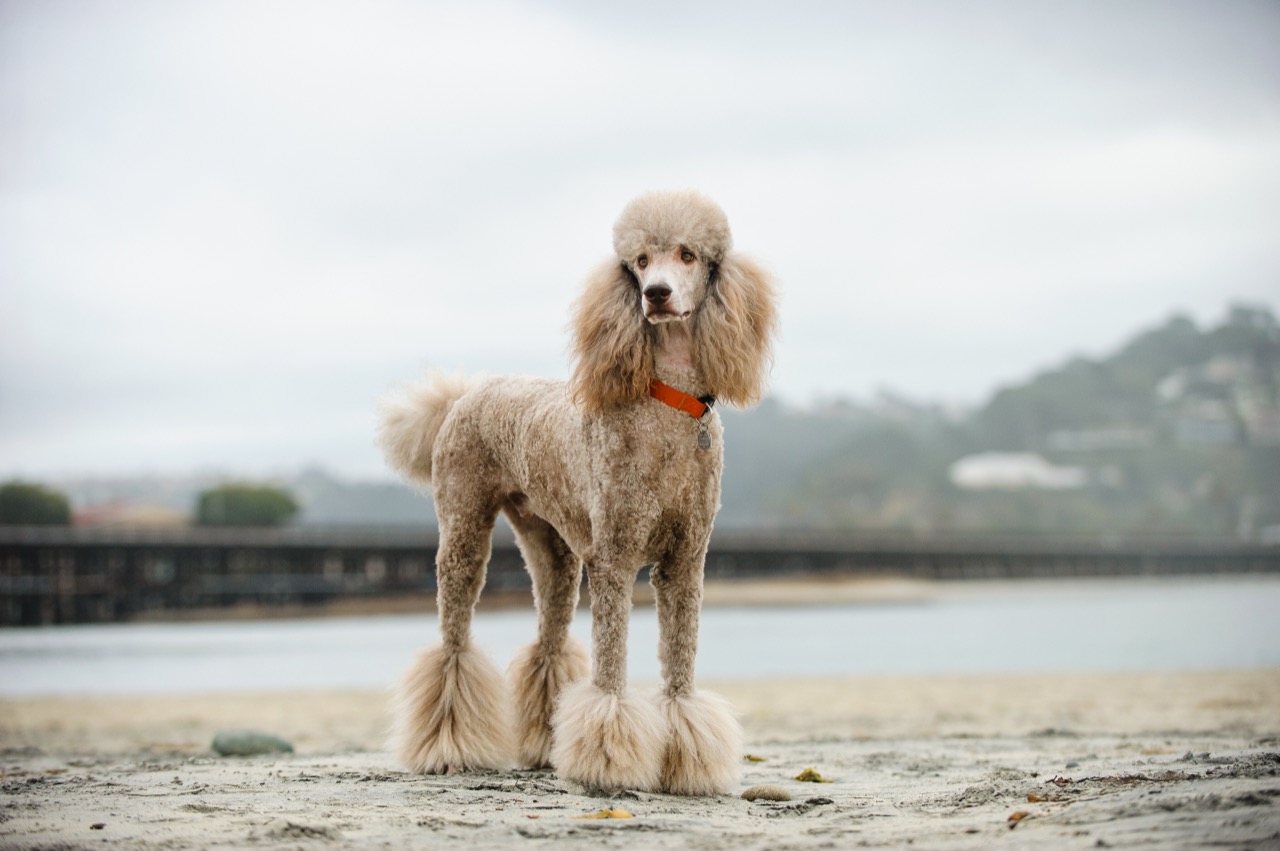
Then there are the iconic grooming styles, which many people think were invented for fashion. In reality, traditional poodle clips had practical roots. Hunters trimmed areas to reduce drag in water and prevent heavy, icy buildup, while leaving hair to protect joints and vital organs from cold. Pompons on the legs and tail were not just decoration; they could help keep the dog warm and visible. Over time, those working trims evolved into elaborate show styles, but the underlying logic still explains why poodle coats can be shaped so precisely.
Poodle mixes also inspire lookalike confusion. Many curly-coated dogs get labeled as poodle crosses even when they are not. Some breeds naturally have coats that resemble doodles, and mixed-breed dogs can inherit curls from non-poodle ancestors. The only way to know for sure is documented ancestry or a reliable DNA test, and even then, behavior and coat care needs should guide expectations more than a trendy label.
The real legend of poodle crossovers is not that they are magical, but that they are versatile. When you combine a breed known for intelligence, athleticism, and a unique coat with other breeds that bring their own talents, you get a wide range of dogs with different strengths and challenges. Knowing the history behind the haircut, the genetics behind the curls, and the purpose behind the cross makes it much easier to separate myth from reality the next time a fluffy lookalike trots by at the dog park.