Pitbull Mix-Ups and Famous Lookalikes Quiz


Quiz Complete!
Pit Bull Mix-Ups and Famous Lookalikes: Sorting the Label from the Dog
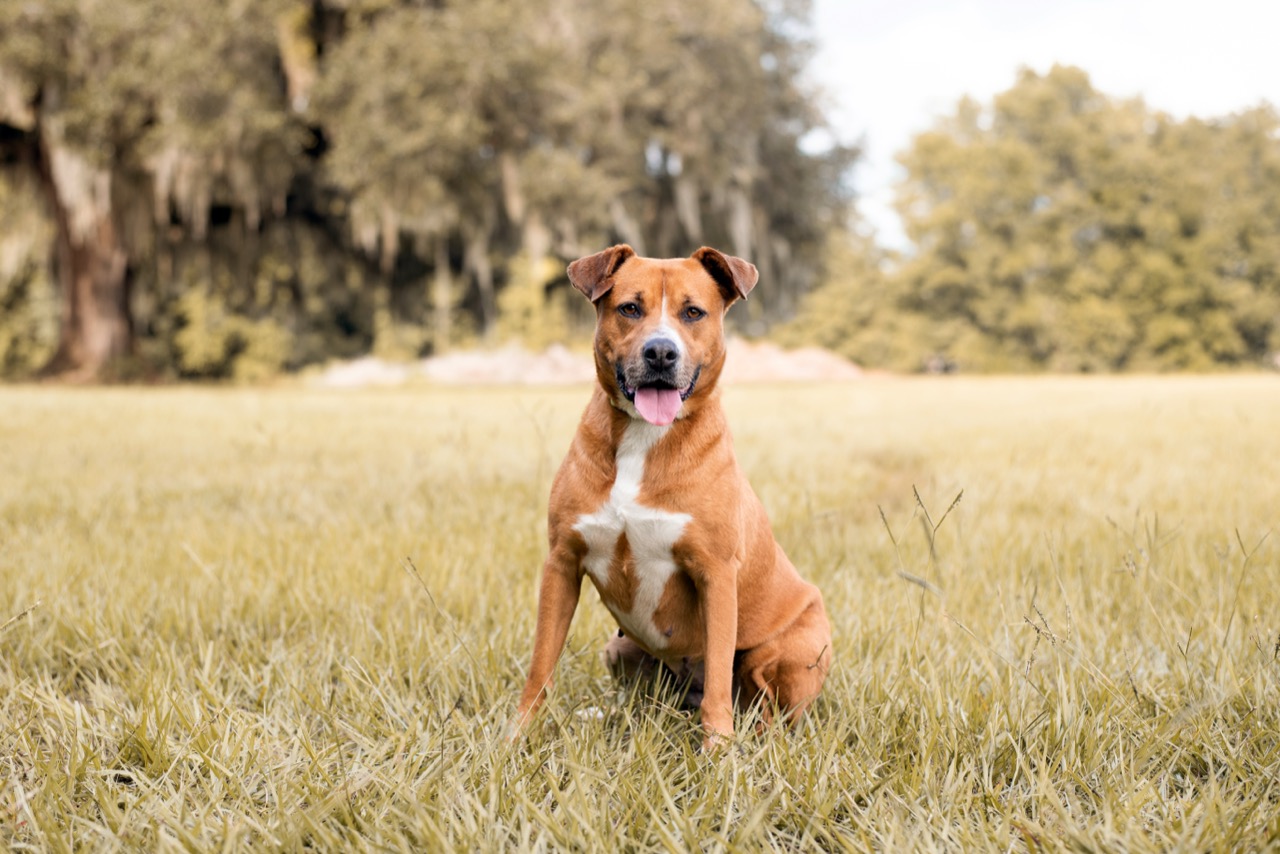
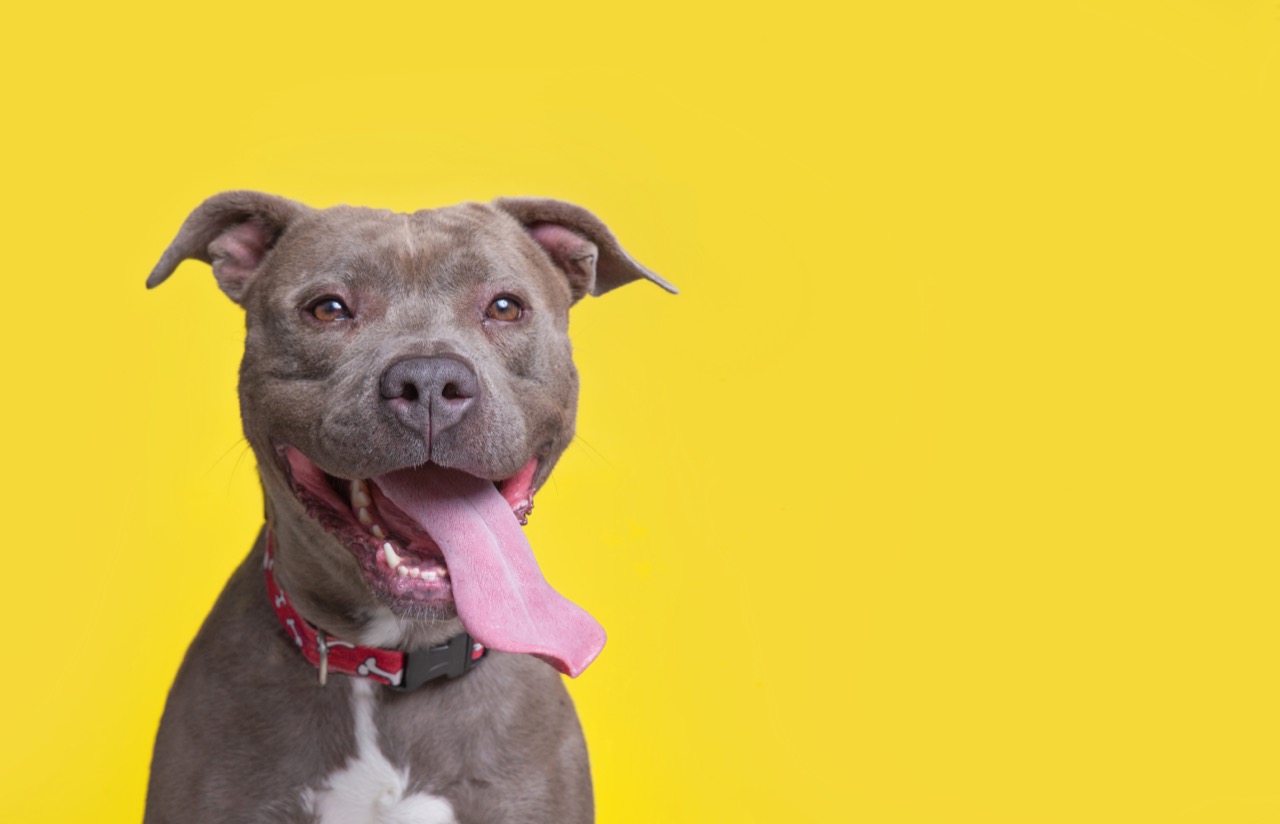
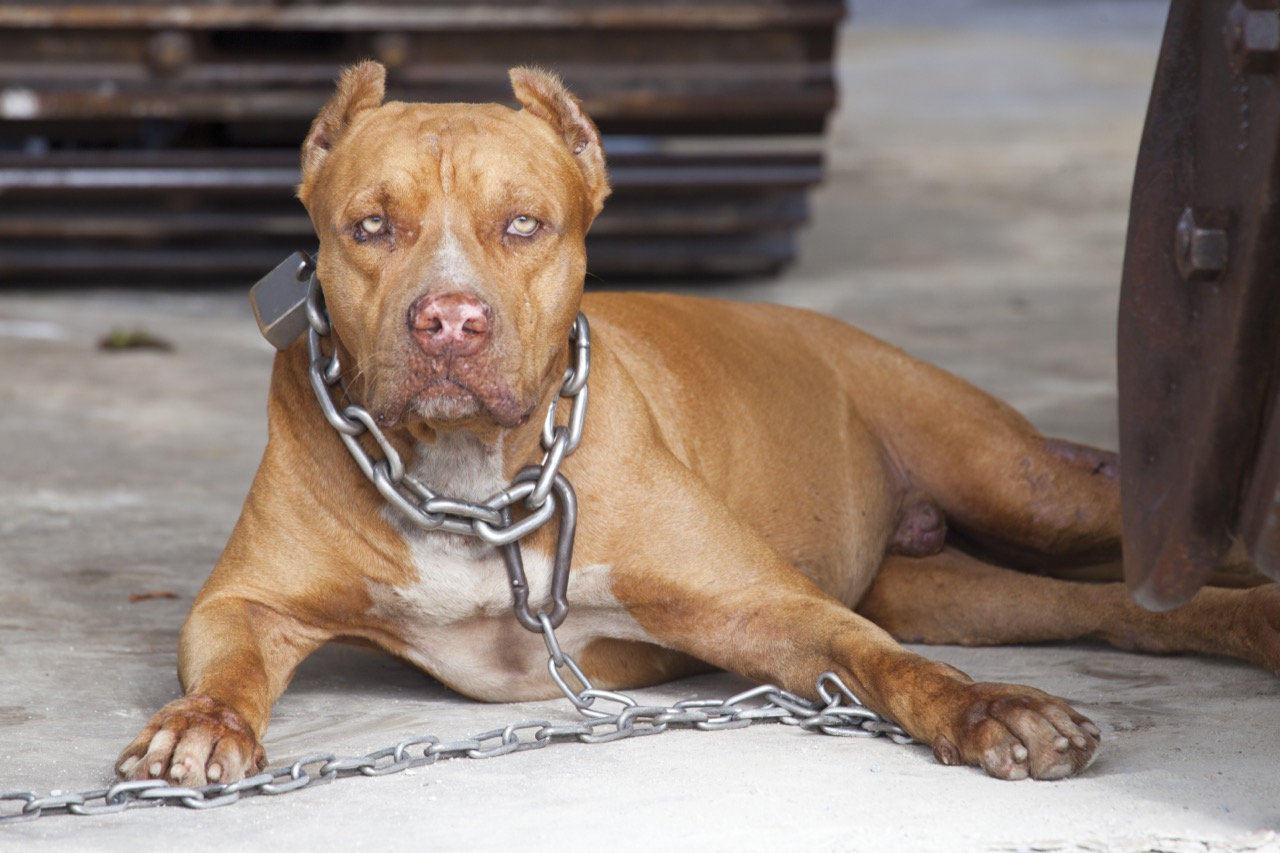
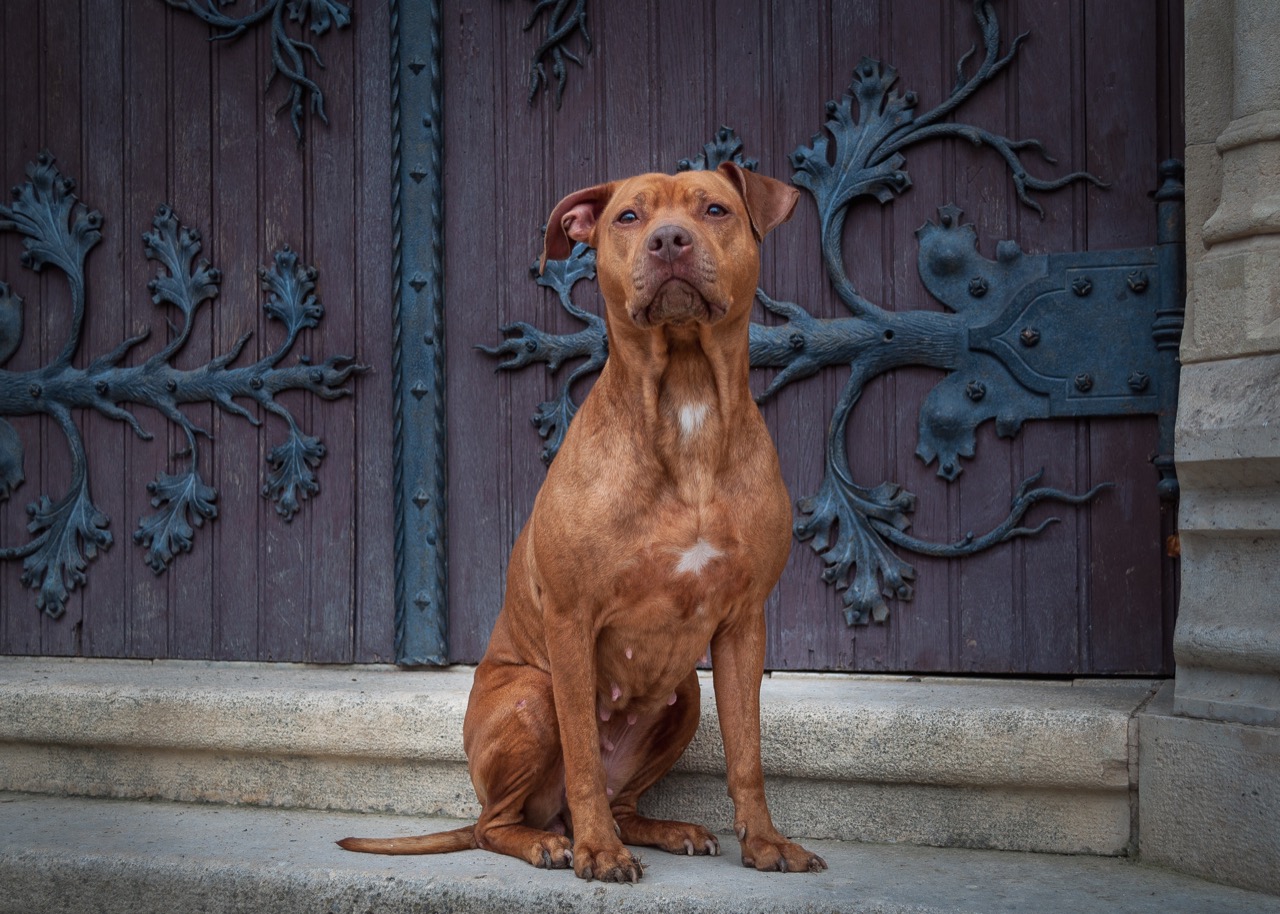
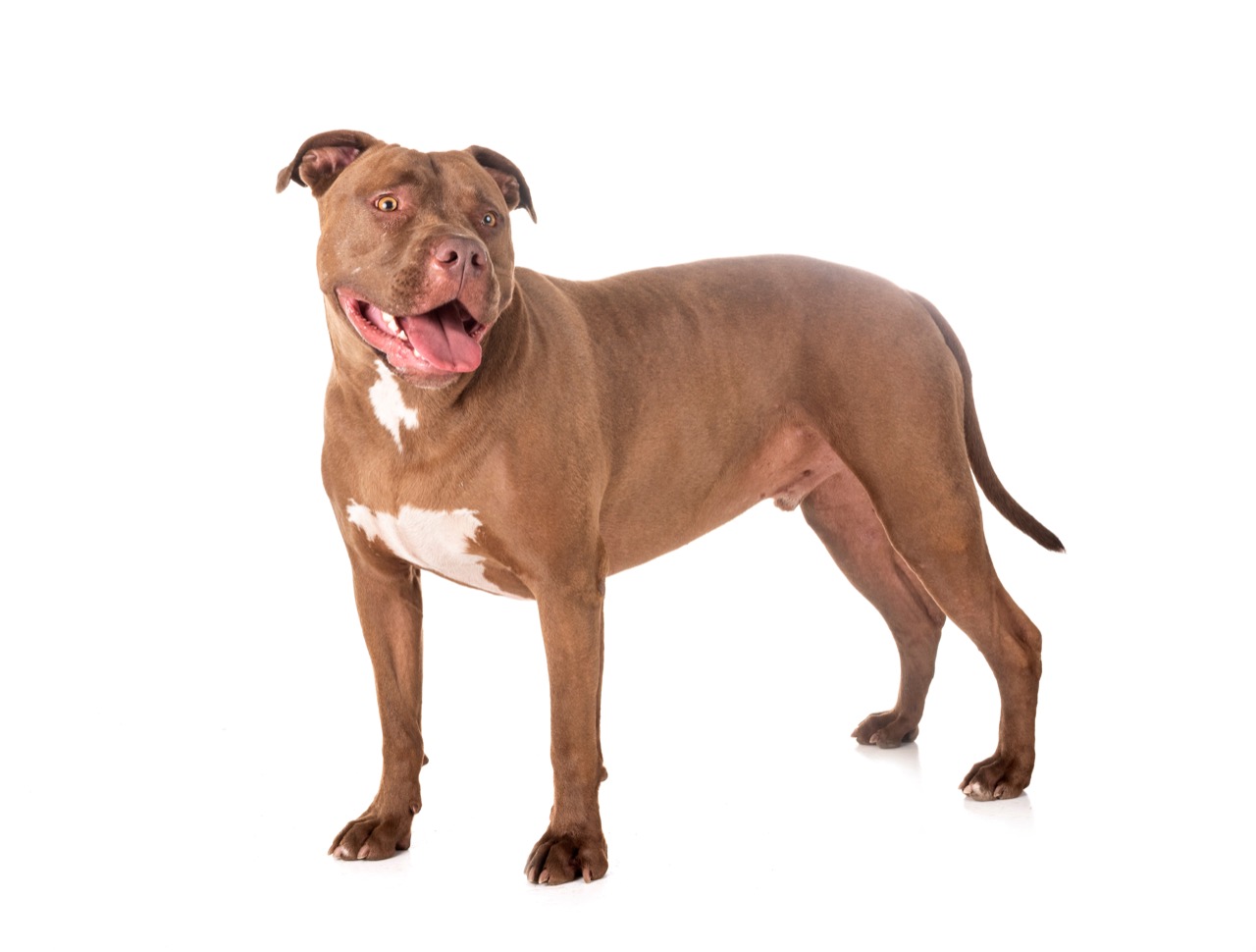
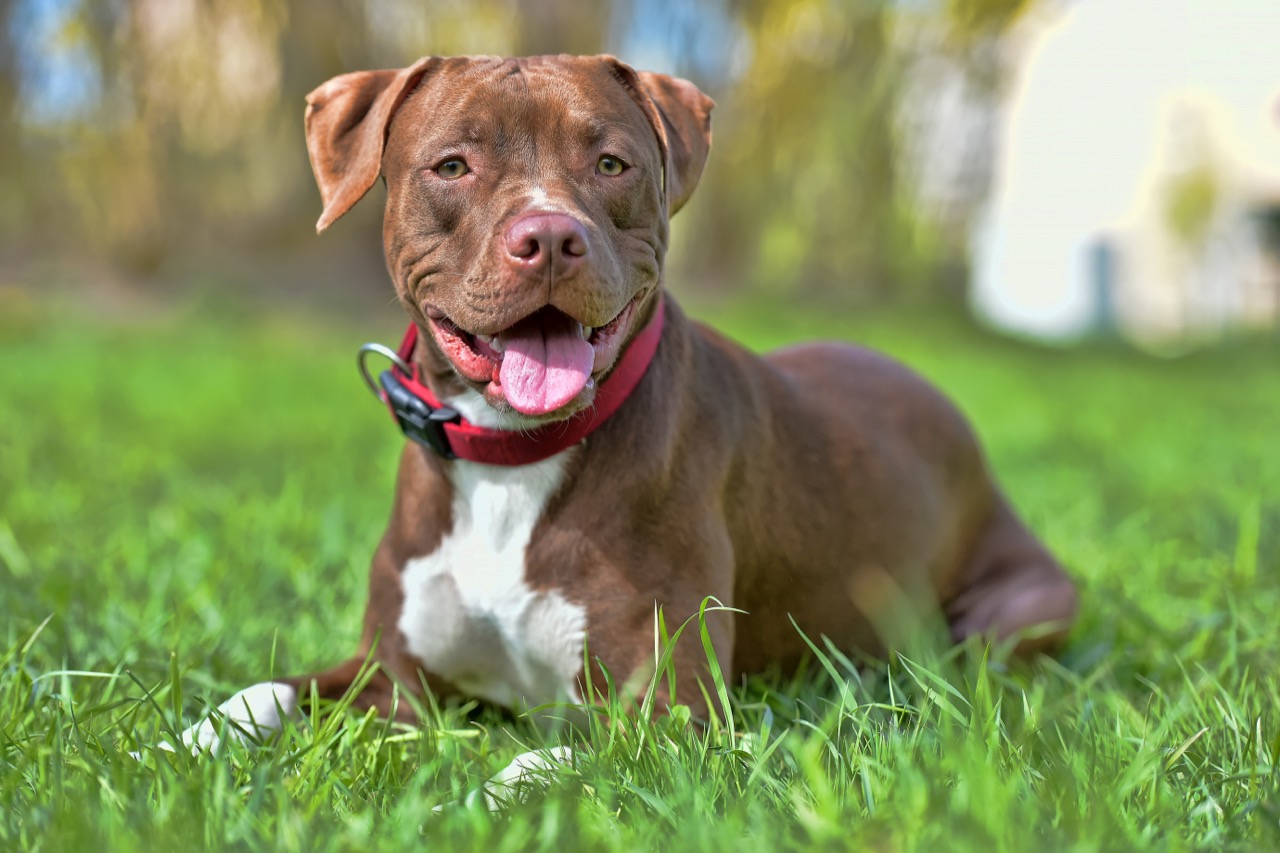
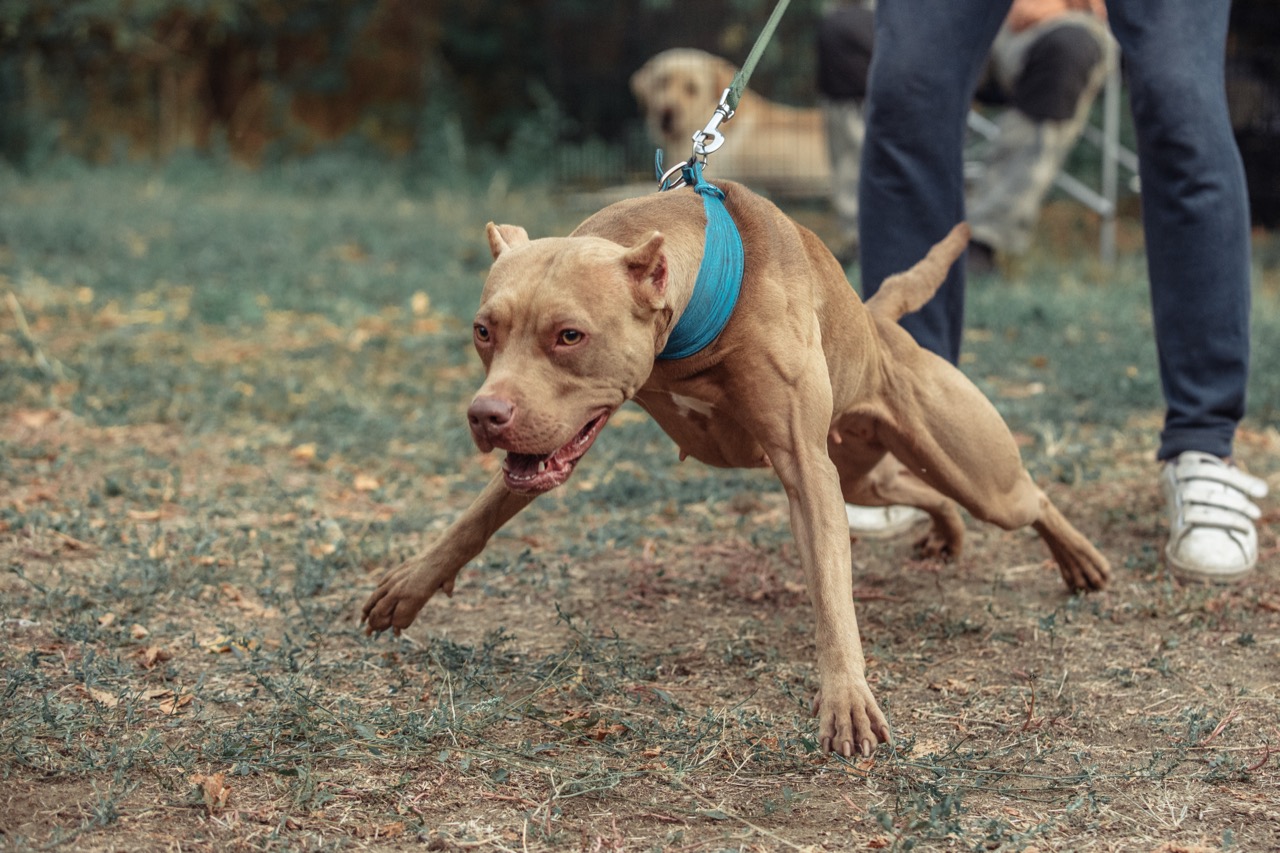
People say “pit bull” as if it were a single, clearly defined breed, but in everyday conversation it is usually a loose label for several medium-sized, short-coated dogs with a muscular build and a blocky head. In the United States, the term often points to the American Pit Bull Terrier, the American Staffordshire Terrier, and the Staffordshire Bull Terrier, and sometimes it gets stretched to include the American Bully, which is a more recent companion-focused breed developed from bully-type lines. Shelters and landlords may use “pit bull” even more broadly, which is why the same dog might be listed as a pit bull mix in one place and as a boxer mix or terrier mix somewhere else.
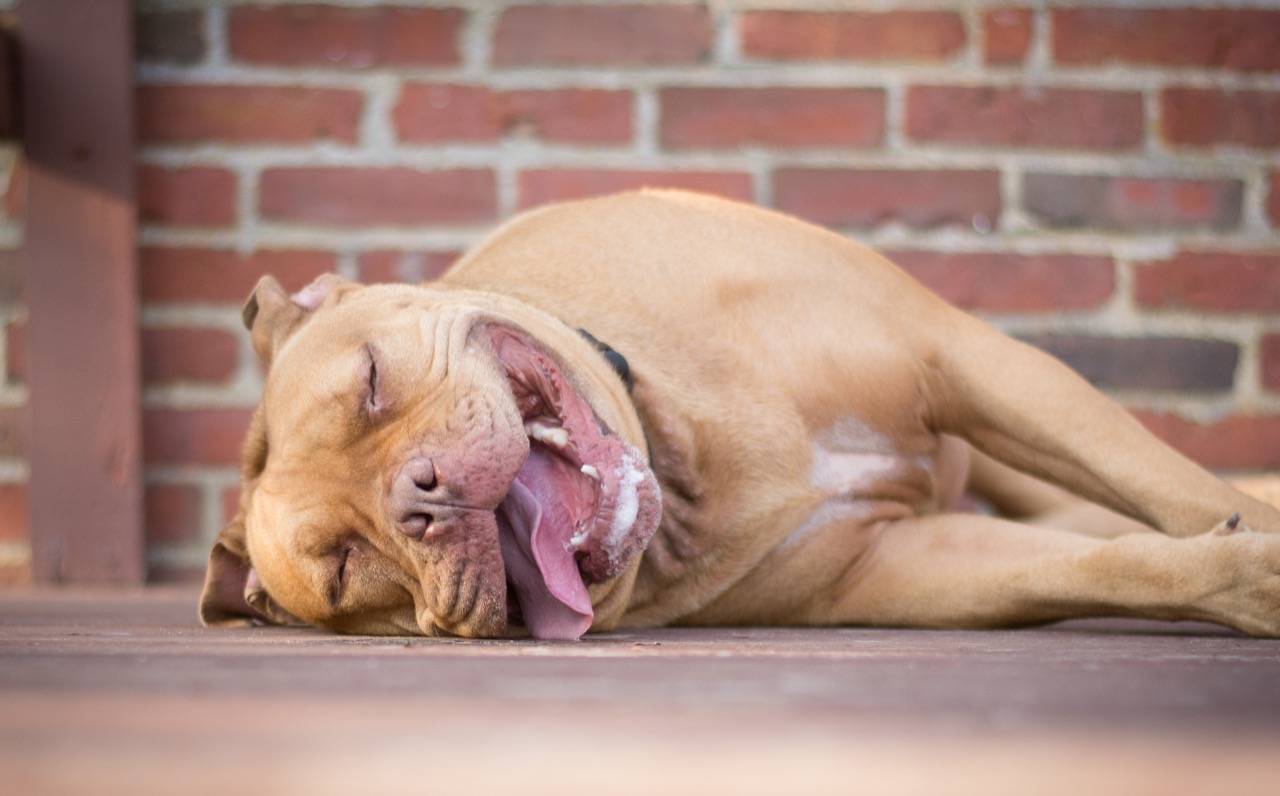
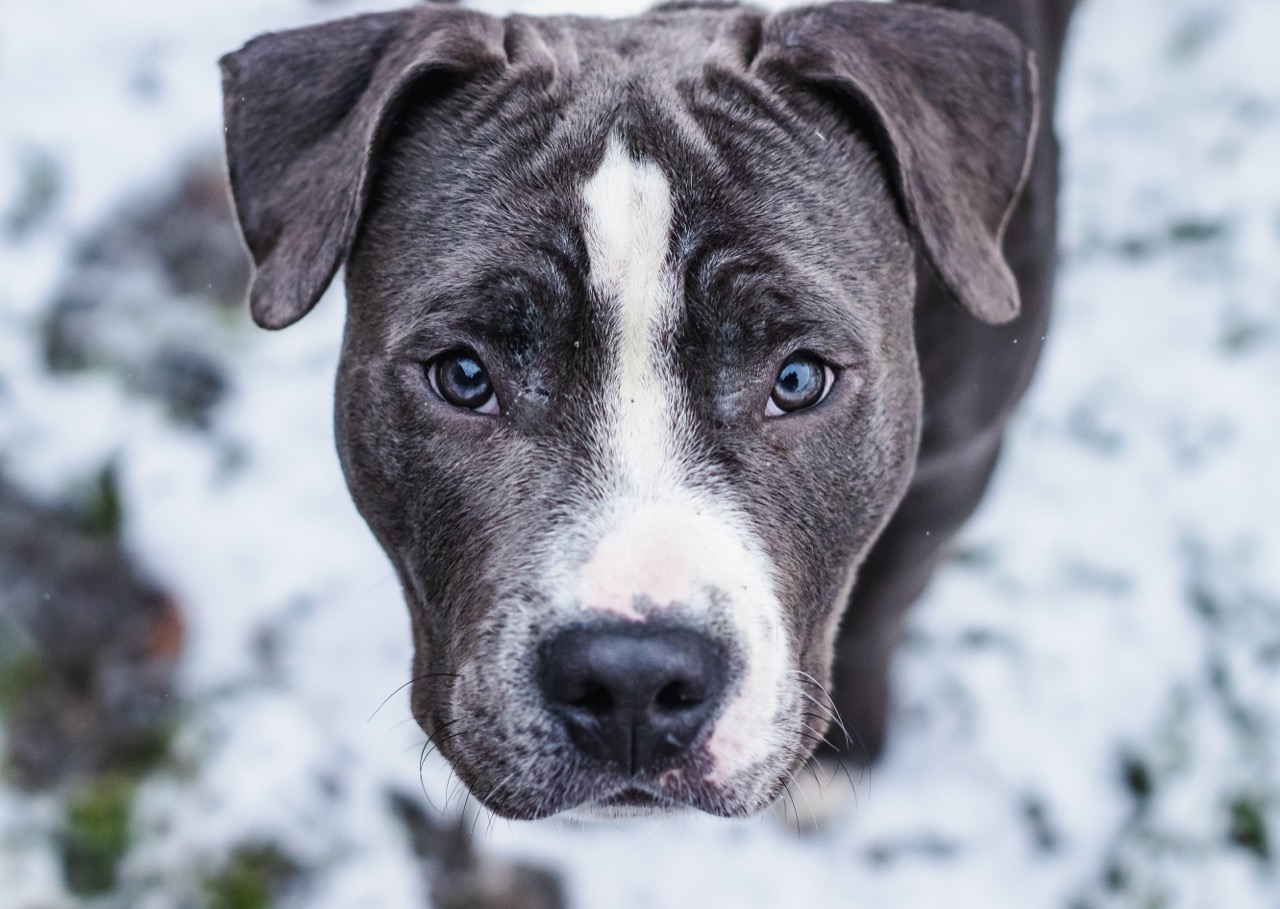
That flexibility creates confusion, especially because appearance overlaps across many breeds. A dog with a wide chest, short fur, and a strong jawline can resemble a pit bull type even if its ancestry is different. Boxers, American Bulldogs, Bull Terriers, Cane Corsos, and even some mastiff mixes can land in the pit bull bucket based on looks alone. Meanwhile, true pit bull type dogs can vary widely in size and head shape, particularly when mixed with other breeds. Genetics does not guarantee a single “pit bull look,” and two siblings from the same litter can end up with different coats, builds, and facial features.
DNA testing has added an interesting twist: visual identification is often unreliable. Studies and shelter experiences commonly show that staff and the public frequently misidentify breeds, especially in mixed-breed dogs. That does not mean people are being careless; it means that many traits are shared across breeds, and mixed ancestry can produce a dog that resembles one breed while carrying very different genetics. A dog that looks like a classic pit bull type may test as a blend of several breeds with only a small percentage of bully ancestry, while a dog with significant bully heritage may not match the stereotype.
Mixed-breed pairings also fuel the fame factor. Some “designer” mixes get nicknames that stick in pop culture, like a Pitador for a Labrador Retriever and pit bull type mix, or a Pitsky for a Siberian Husky mix. These names can be fun, but they can also imply predictability that does not exist. Temperament and energy level depend on the individual dog, early socialization, training, and environment as much as on breed mix. A husky mix might inherit a strong desire to run and vocalize, or it might lean toward the steadier, people-focused traits often associated with bully-type companions. The only sure bet is variation.
History matters too. Many bully-type dogs share ancestors from old bull-and-terrier crosses that were later shaped into distinct breeds in different countries and kennel clubs. That shared background helps explain why a Staffordshire Bull Terrier can resemble an American Pit Bull Terrier, yet be smaller and recognized separately. The American Bully, on the other hand, was developed more recently with an emphasis on a stocky, companionable dog, and it comes in several size categories, which can surprise people who assume all “pit bulls” are built the same way.
Pop culture adds another layer. Famous dogs in movies, ads, and social media are often described as pit bulls because the term is widely recognized, even when the dog is a different bully-type breed or a mix. That visibility has helped many people see these dogs as affectionate family pets, but it has also reinforced the idea that looks alone define identity.
If you want to be quiz-ready, the key is to separate the label from the facts. “Pit bull” is commonly a type, not a single breed; many breeds are mistaken for it; and mixed-breed genetics can produce convincing lookalikes. The more you learn about terminology, breed history, and the limits of visual ID, the easier it becomes to spot the real connections behind the name.