Pawsports and Postcards of Spaniel Fame









Quiz Complete!
Pawsports and Postcards of Spaniel Fame: Traveling Through History with Floppy-Eared Celebrities

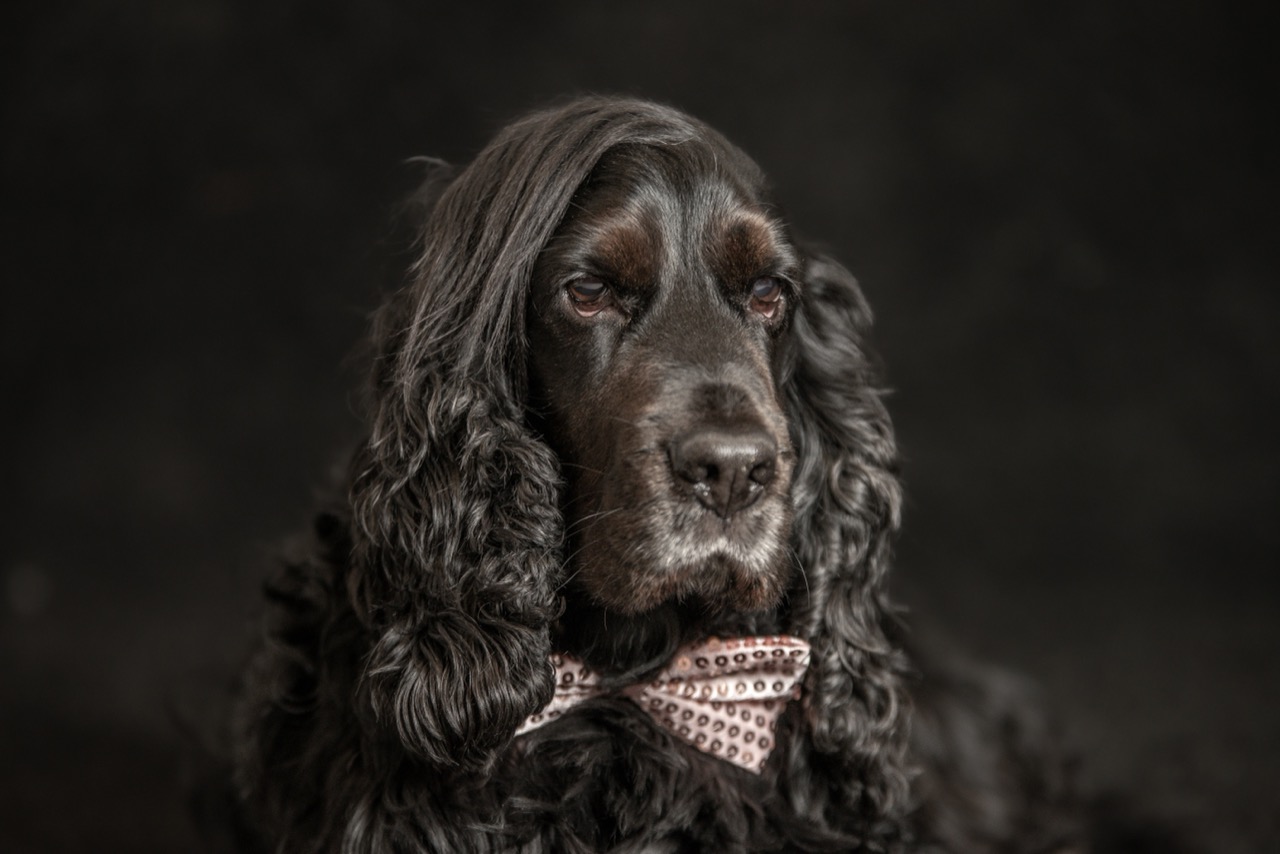
Spaniels have a knack for showing up where history is being made, and their fame is often tied to places you can still walk through today. Part of the appeal is their long association with royalty and the arts. For centuries, small companion spaniels were favored in European courts, especially in Britain, where lapdogs were not only pets but symbols of status and taste. When you visit royal residences, you are often stepping into rooms where dogs were welcomed, painted, and sometimes even commemorated.
One of the best-known chapters of spaniel celebrity belongs to the Cavalier King Charles Spaniel, named for King Charles II. Stories say he was rarely without his dogs, and paintings from the period reinforce the image of tiny spaniels tucked into court life. While rules about dogs in public buildings have changed over time, the historic sites connected to the Stuart era still give you a sense of the world these dogs inhabited. Palaces and stately homes across England display portraits where spaniels appear at a sitter’s feet, a visual shorthand for loyalty, refinement, and domestic warmth.
Museums offer another kind of spaniel sightseeing. Art institutions in London and beyond hold works by painters who used dogs to add narrative and personality to formal portraits. A spaniel in a painting can signal affection within a family, hint at a person’s wealth, or simply provide a lively contrast to stiff clothing and posed expressions. Once you start looking, you notice how often spaniels appear in European art, especially in scenes of leisure and elegance. It becomes a fun game: spot the dog, then read the room differently.
Spaniels also leave footprints in literature and the places that celebrate it. Storybook settings and author-linked landmarks sometimes include canine references that feel surprisingly concrete when you visit. A memorial plaque, a house museum, or a town that leans into its literary heritage can turn a fictional dog’s world into a real itinerary. Film and television adaptations add yet another layer, sending fans to specific gardens, streets, and estates used as locations, even when the original story was set elsewhere.
Not all spaniel fame is confined to Britain. In the United States, you can find public art, local museum exhibits, and community memorials that reflect how beloved dogs are in everyday life. While a royal pedigree grabs headlines, a statue in a park or a dog featured in a regional artist’s work can be just as meaningful. These smaller landmarks often tell intimate stories: a dog honored for companionship, a breed celebrated by a local club, or a whimsical sculpture that became a neighborhood meeting point.
What makes spaniel-linked travel so enjoyable is the blend of high culture and simple affection. One moment you are looking at a centuries-old portrait in a grand gallery, and the next you are smiling at a bronze dog outside a library or on a town square. The quiz theme of connecting famous spaniels to real places highlights a broader truth: dogs have always been part of how humans record memory. Whether in paint, stone, or story, spaniels keep reappearing as reminders that history is not only about monarchs and monuments, but also about the animals that shared their lives and, in doing so, earned their own place on the map.