Passport Stamps and Sheltie Standards

Quiz Complete!
Passport Stamps and Sheltie Standards: How the Shetland Sheepdog Changes as You Travel
The Shetland Sheepdog may look like a small Collie at first glance, but the breed’s official identity depends on where you are and which rulebook you open. The Sheltie’s story begins on Scotland’s Shetland Islands, a windswept place where smaller, hardy animals were practical. Local herding dogs were shaped by necessity rather than by a single planned blueprint, and over time they developed the quickness, thick coat, and alert expression people now associate with the breed. When dog shows and kennel clubs entered the picture, that island type had to be translated into formal language: a breed name, an approved look, and a set of measurable traits.
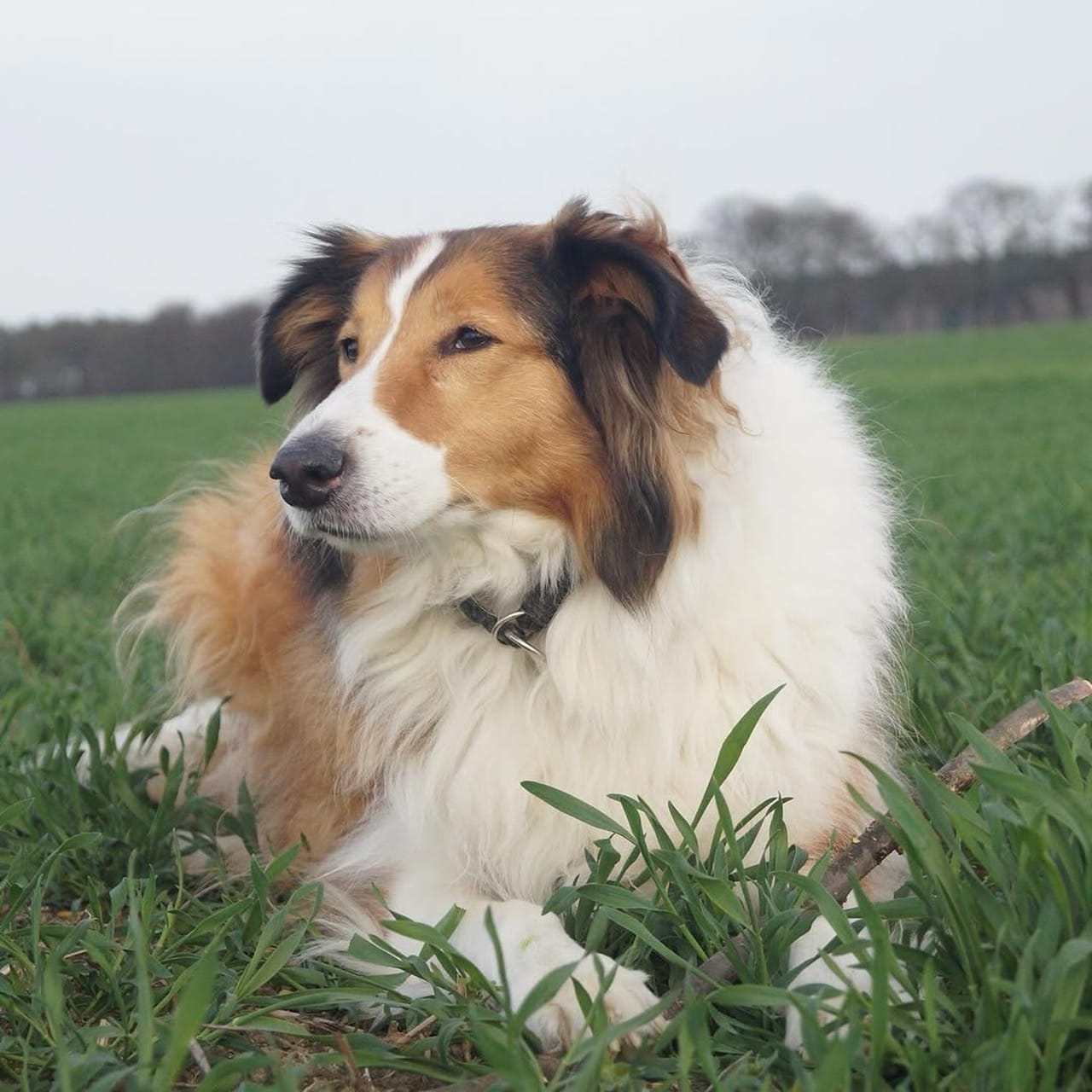
In everyday conversation, many people still call the Sheltie a “mini Collie,” and it’s easy to see why. Both breeds share a similar outline, a wedge-shaped head, and that classic herding-dog elegance. But kennel clubs treat the Shetland Sheepdog as its own breed, not a downsized version of another. The distinction matters because a standard is less about resemblance and more about defining what makes a Sheltie uniquely a Sheltie: proportions, expression, temperament, and movement.
Travel to different regions and you’ll find that the name is usually consistent in English, but the way people refer to the breed can shift. “Sheltie” is a near-universal nickname, while translations and local shorthand vary widely. The organizations that recognize the breed are also part of the passport stamp collection. In the United States, the American Kennel Club recognizes the Shetland Sheepdog and uses a detailed standard that influences show-ring judging. In Canada, the Canadian Kennel Club recognizes the breed with a closely related approach. Across much of Europe and many other parts of the world, the Fédération Cynologique Internationale (FCI) provides the framework, with national kennel clubs adopting FCI standards while still developing local judging culture.
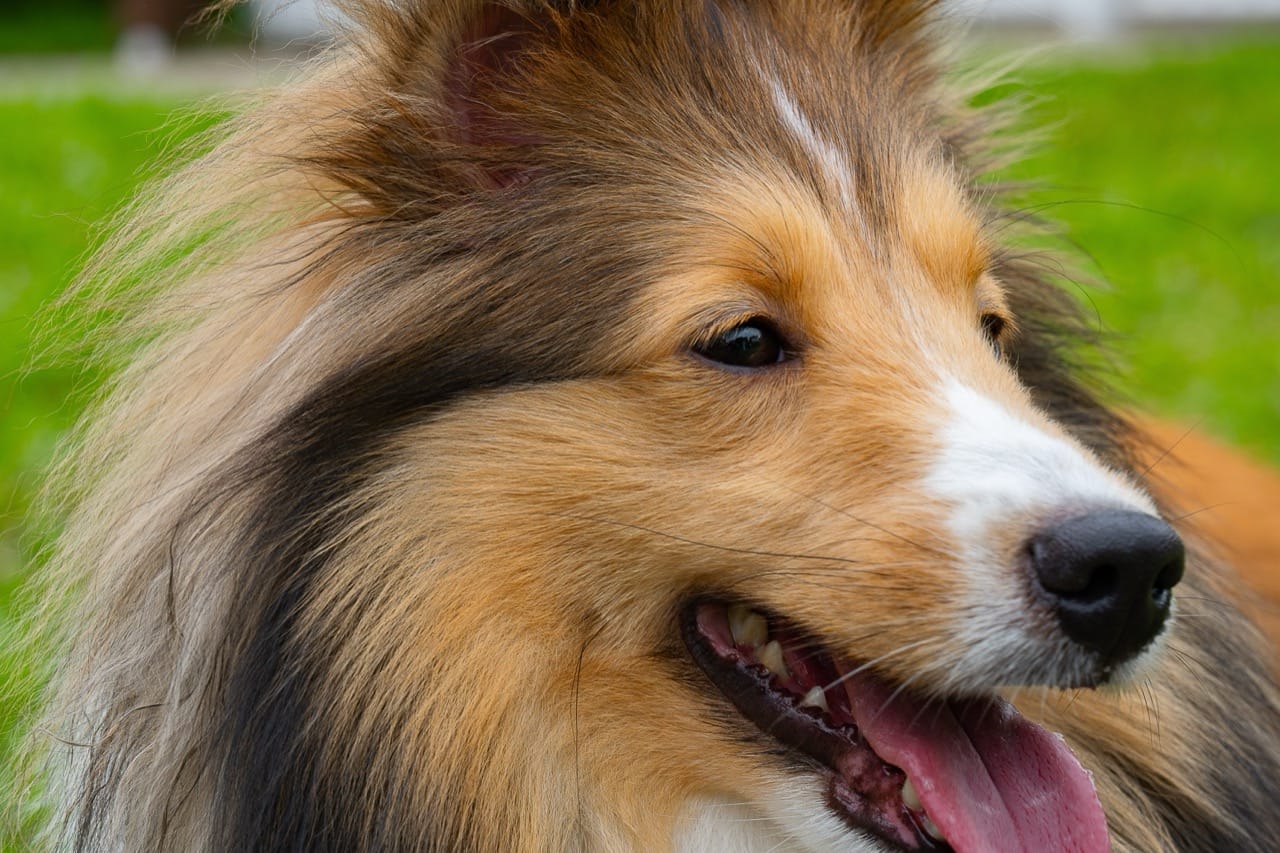
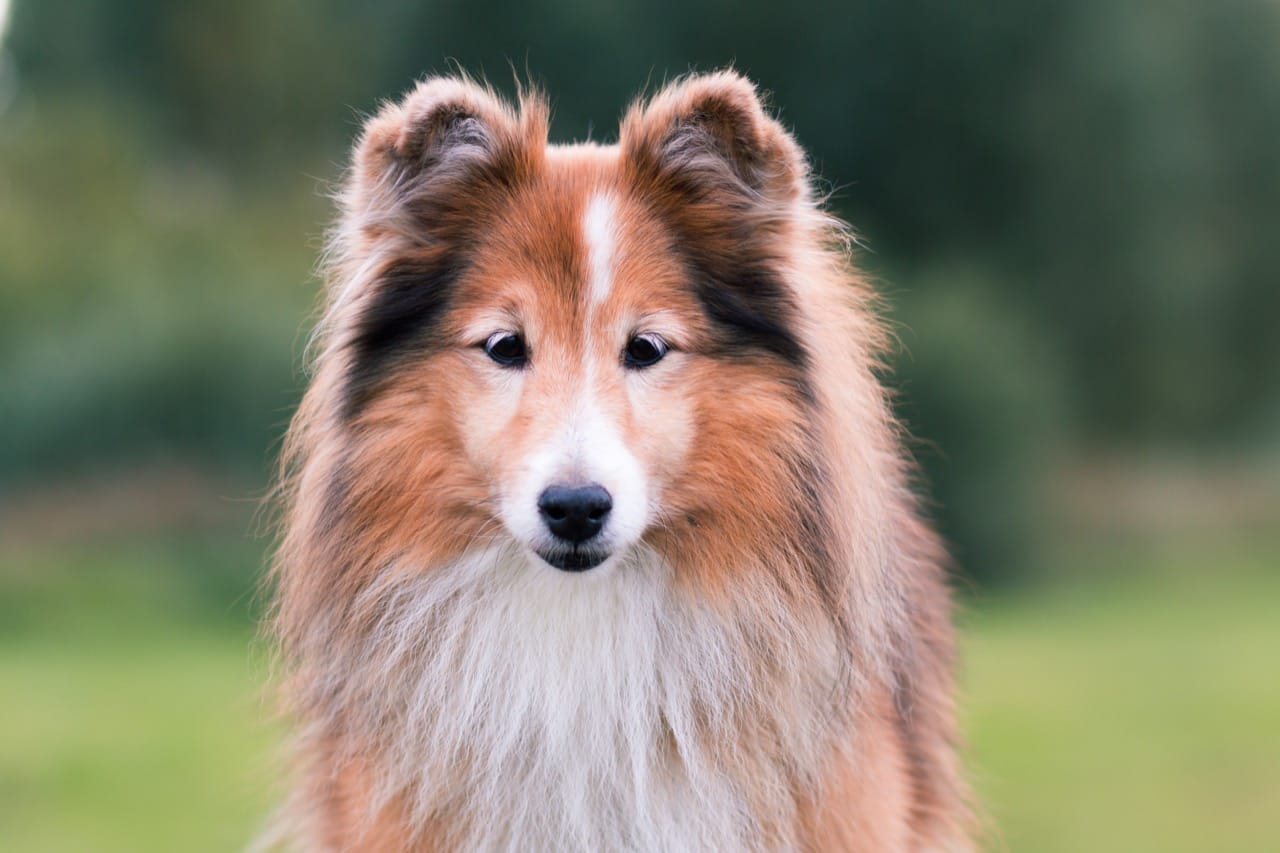
Those standards agree on the essentials: the Sheltie is a small, long-coated herding dog with a bright, intelligent expression and a body built for agility rather than bulk. Size is one of the most discussed points, because it is both easy to measure and easy to drift over time. Most standards set an ideal height range that keeps the dog clearly smaller than a Rough Collie, yet substantial enough to look balanced and athletic. In practice, different show scenes can develop preferences for a more refined or more robust look, even when the written measurements are similar.
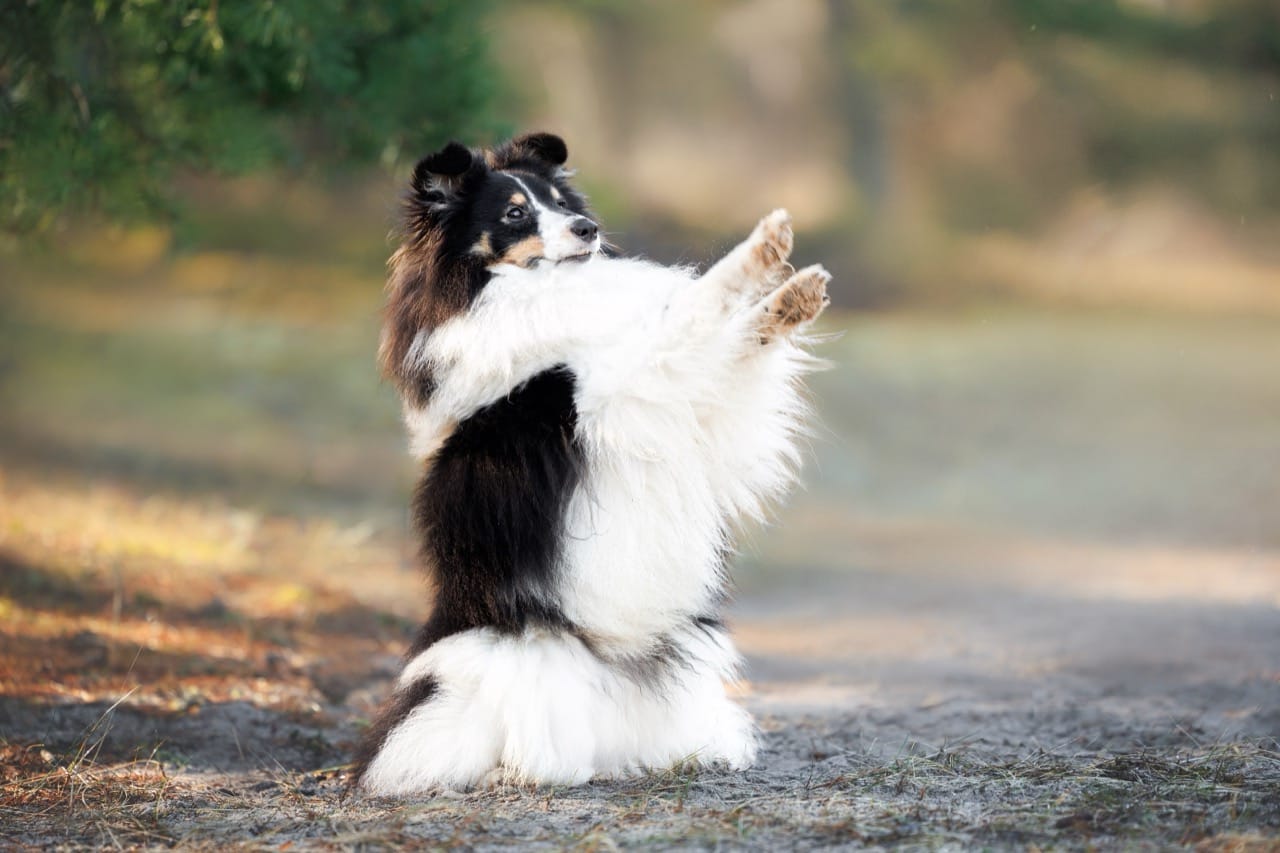
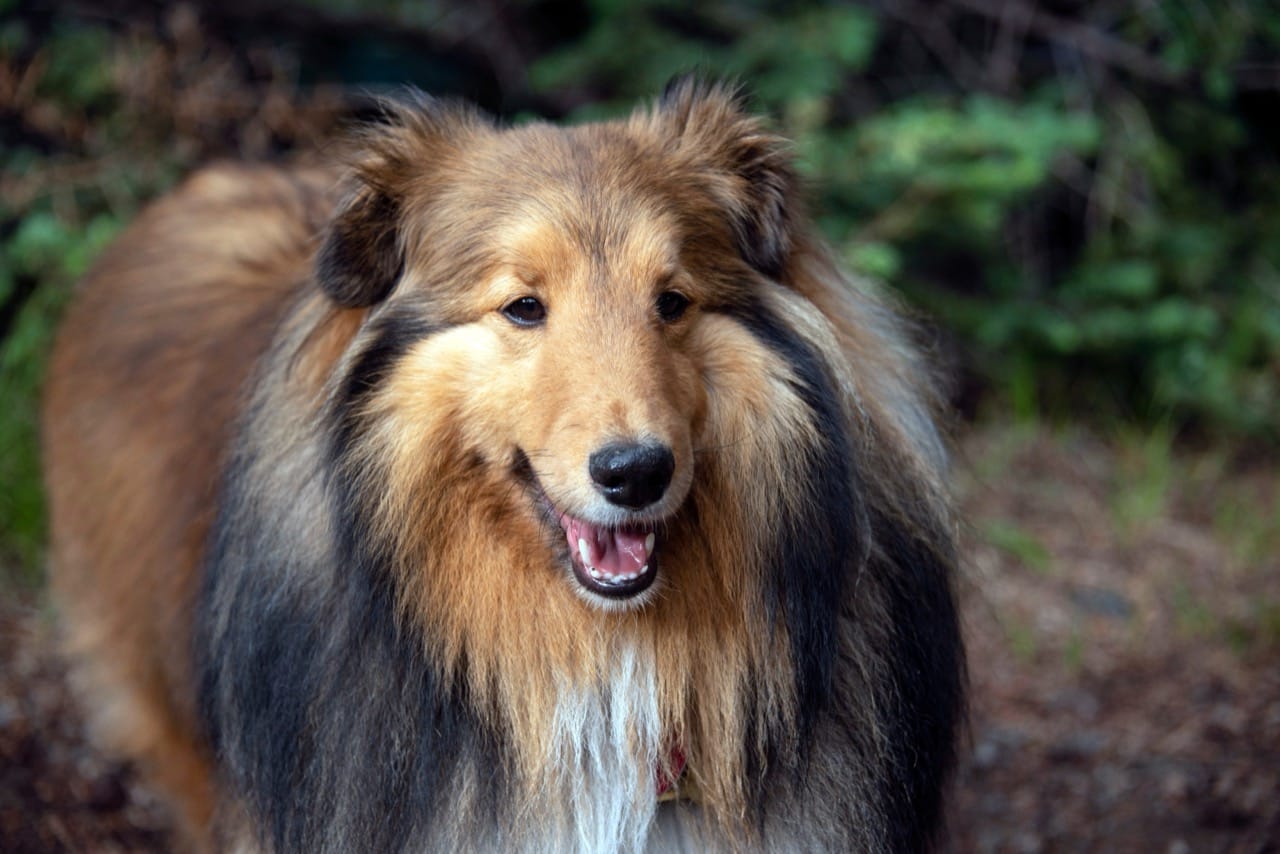
Coat and color are another area where the same dog can feel different depending on the registry and the local ring. Shelties are known for a double coat: a harsh, straight outer coat and a soft, dense undercoat. Grooming traditions can vary, too. Some regions favor a very polished presentation, while others reward a more natural look, as long as the coat quality and outline remain correct.
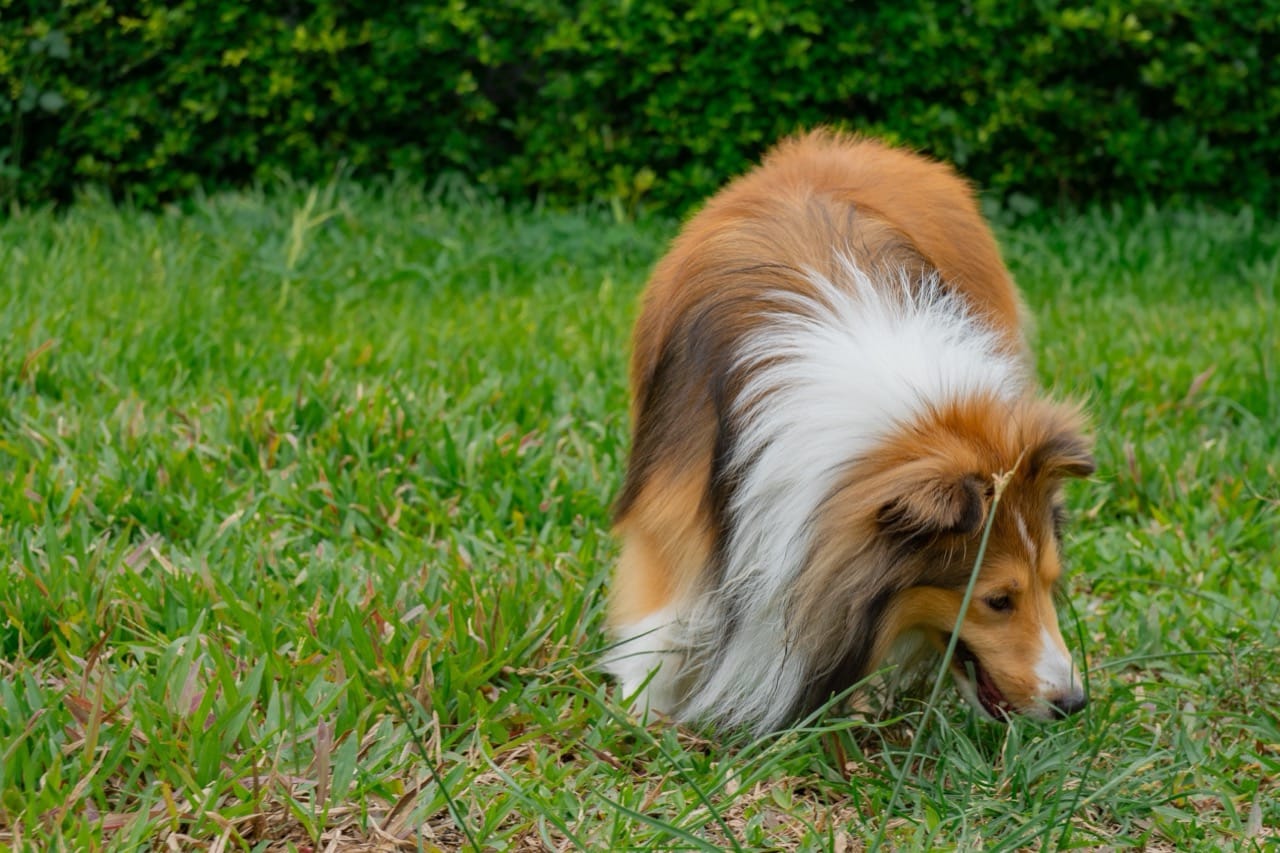
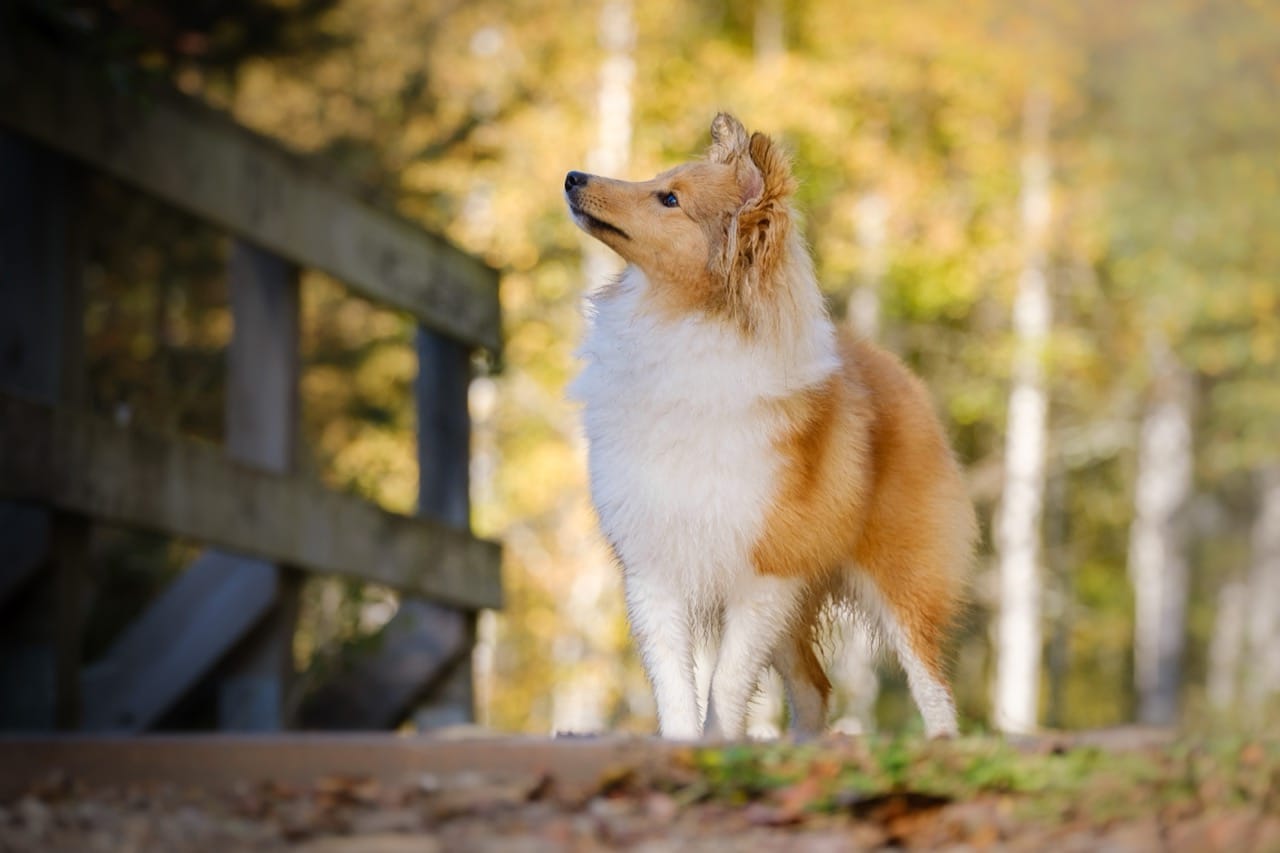
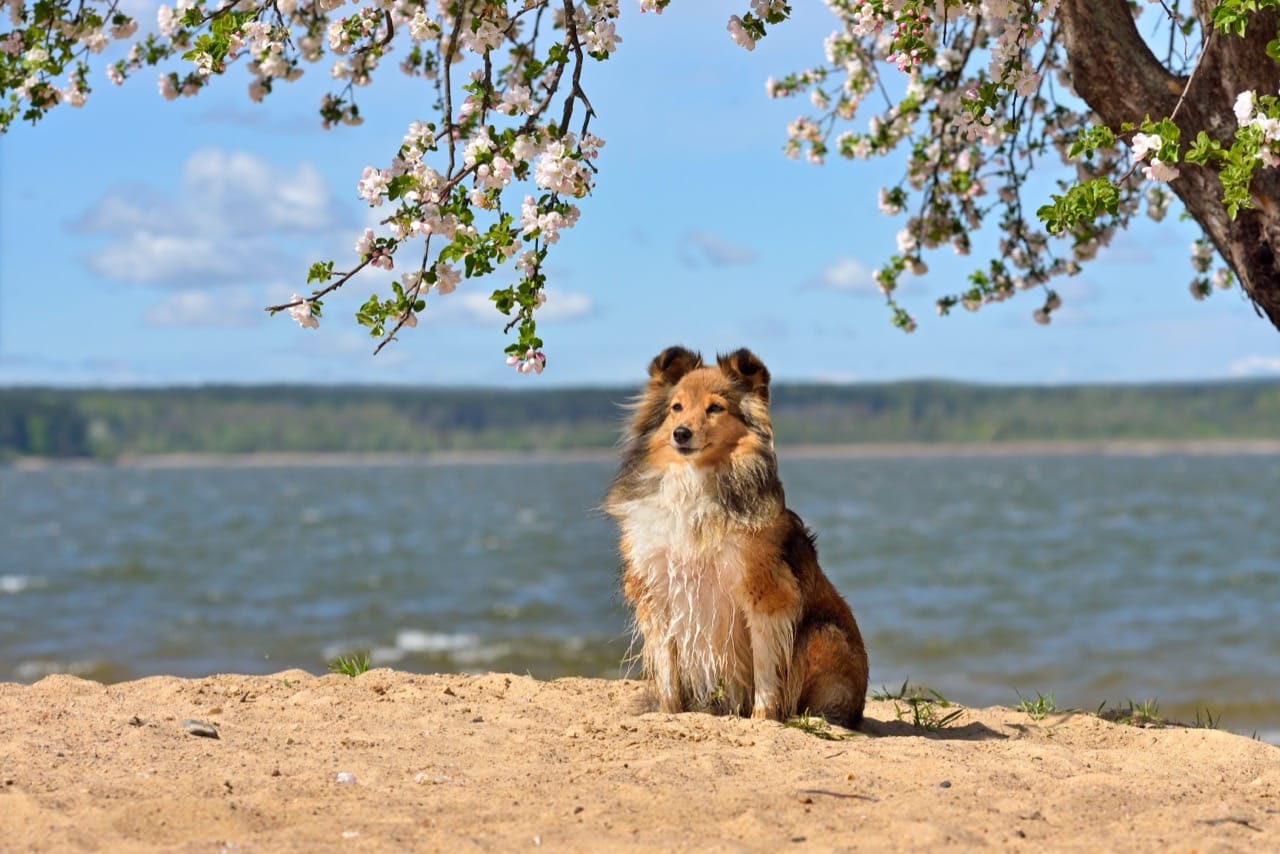
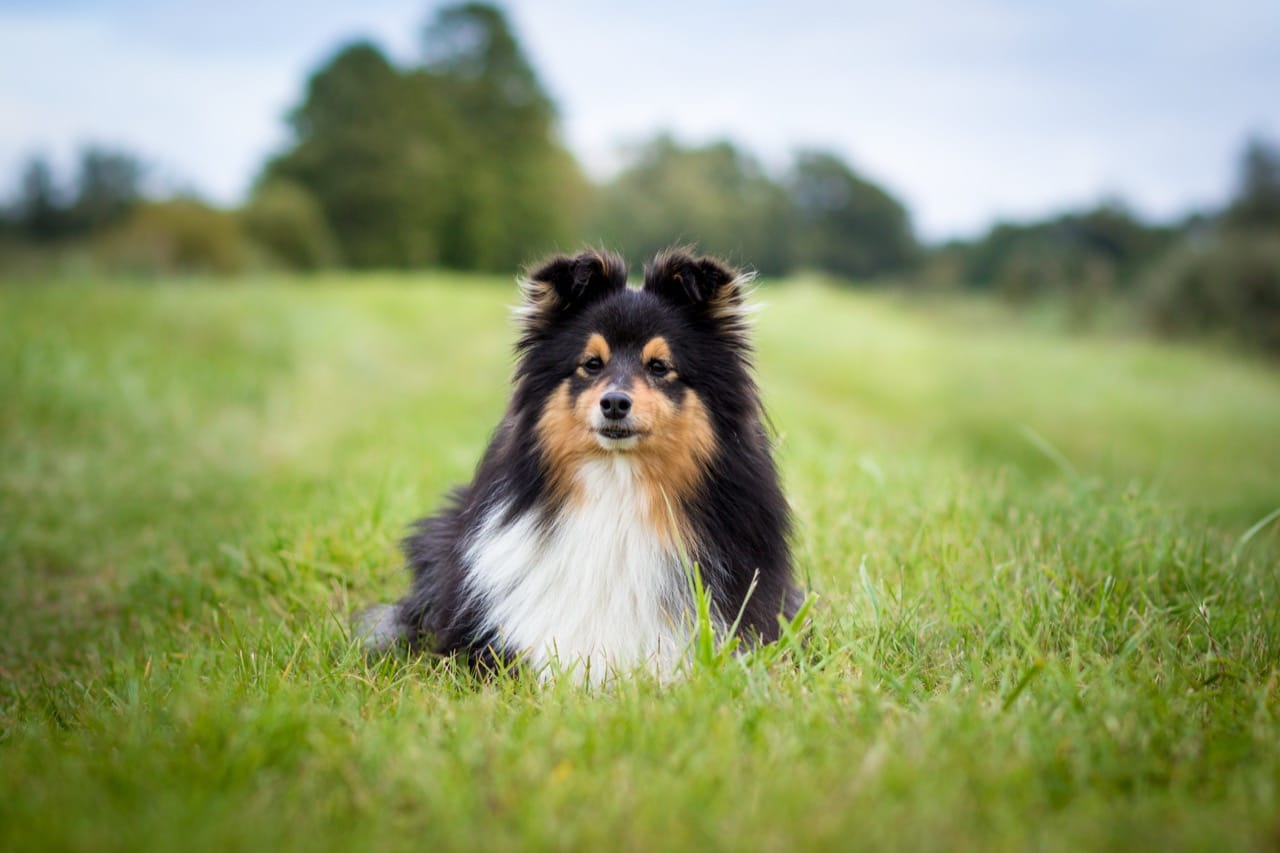
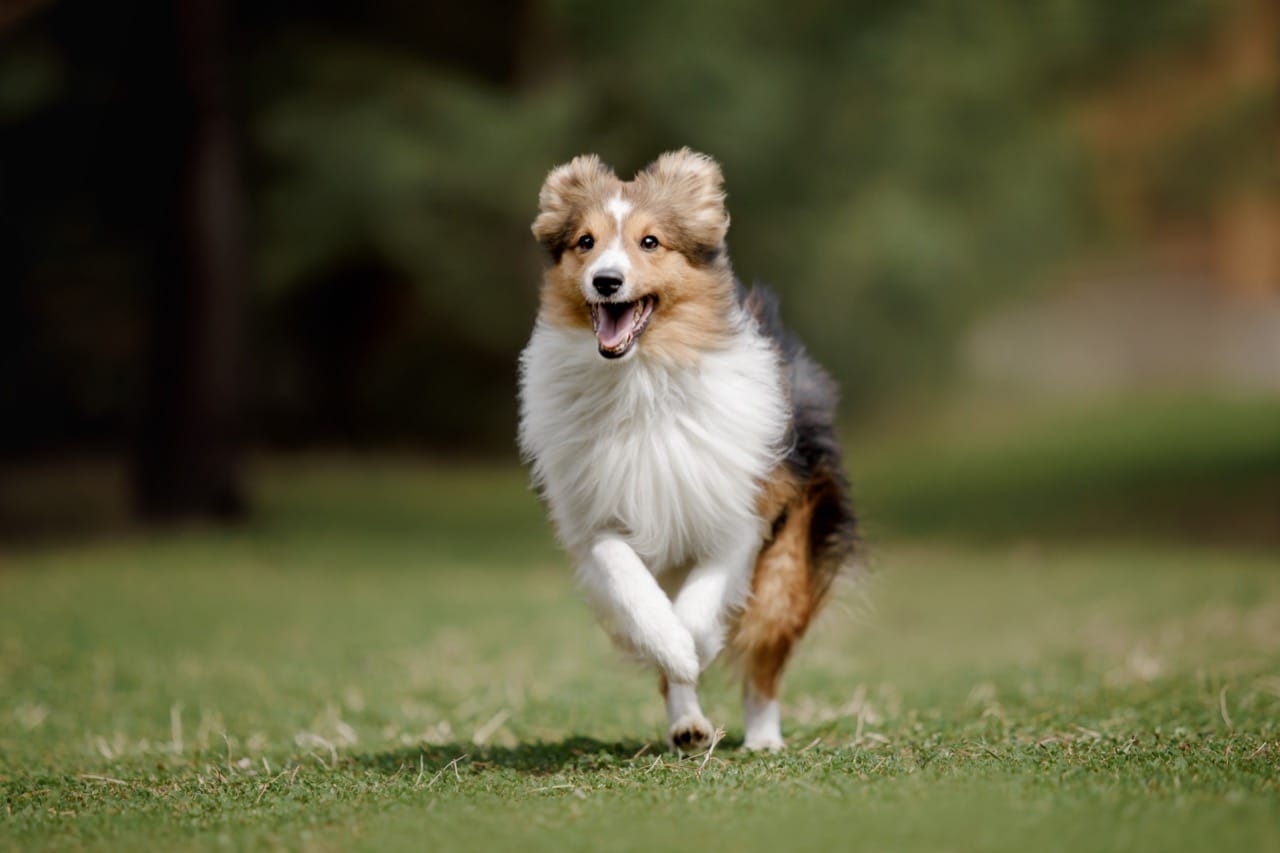
Color terminology is where travelers often get surprised. Common Sheltie colors include sable, tricolor, and blue merle, usually with varying amounts of white and tan. Standards typically describe acceptable markings and disqualifying or faulted colors, but the fine print and the emphasis can differ. Merle patterns, for example, come with genetic considerations, and many breed communities educate strongly about responsible breeding to avoid health risks associated with certain pairings. Meanwhile, the show ring may treat excessive white or unexpected markings differently depending on the governing club’s wording and local interpretation.
Movement might be the most universal language of all. No matter the continent, judges look for efficient, smooth, ground-covering gait that suggests a dog built to work all day. A Sheltie should not move like a toy dog or a heavy herder; it should look light on its feet, coordinated, and ready to turn quickly.
So when you “travel” through Sheltie standards, you’re really seeing how a single breed is filtered through different traditions. The core identity stays the same: a smart, sensitive, athletic herding companion with a distinctive silhouette. But the details, the emphasis, and the local vocabulary can change enough to make the journey feel like collecting stamps in a passport, each one proving that the Sheltie is both a global breed and a product of its homegrown history.