Paris to Pop Culture French Bulldog Trivia










Quiz Complete!
From Paris Sidewalks to Pop Culture: The French Bulldog’s Cultural Footprint
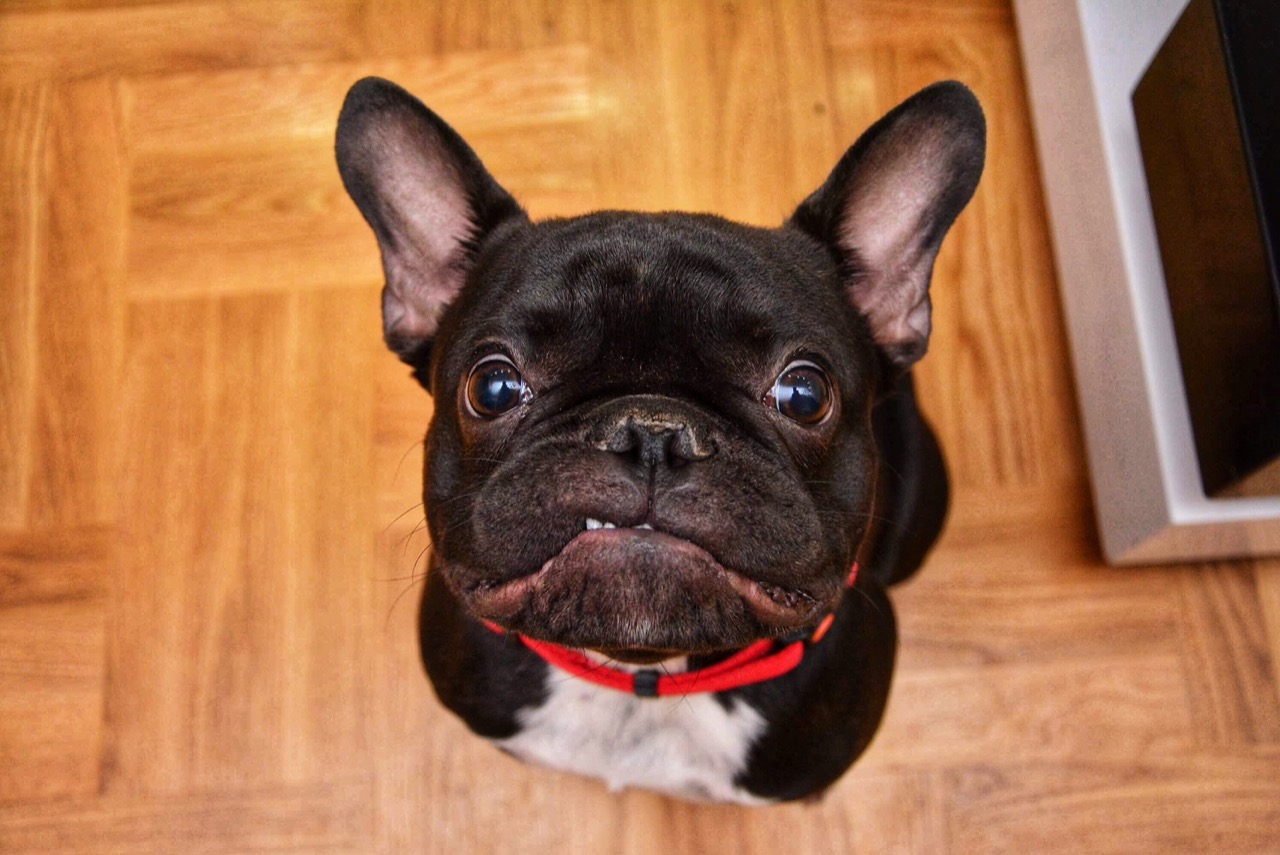
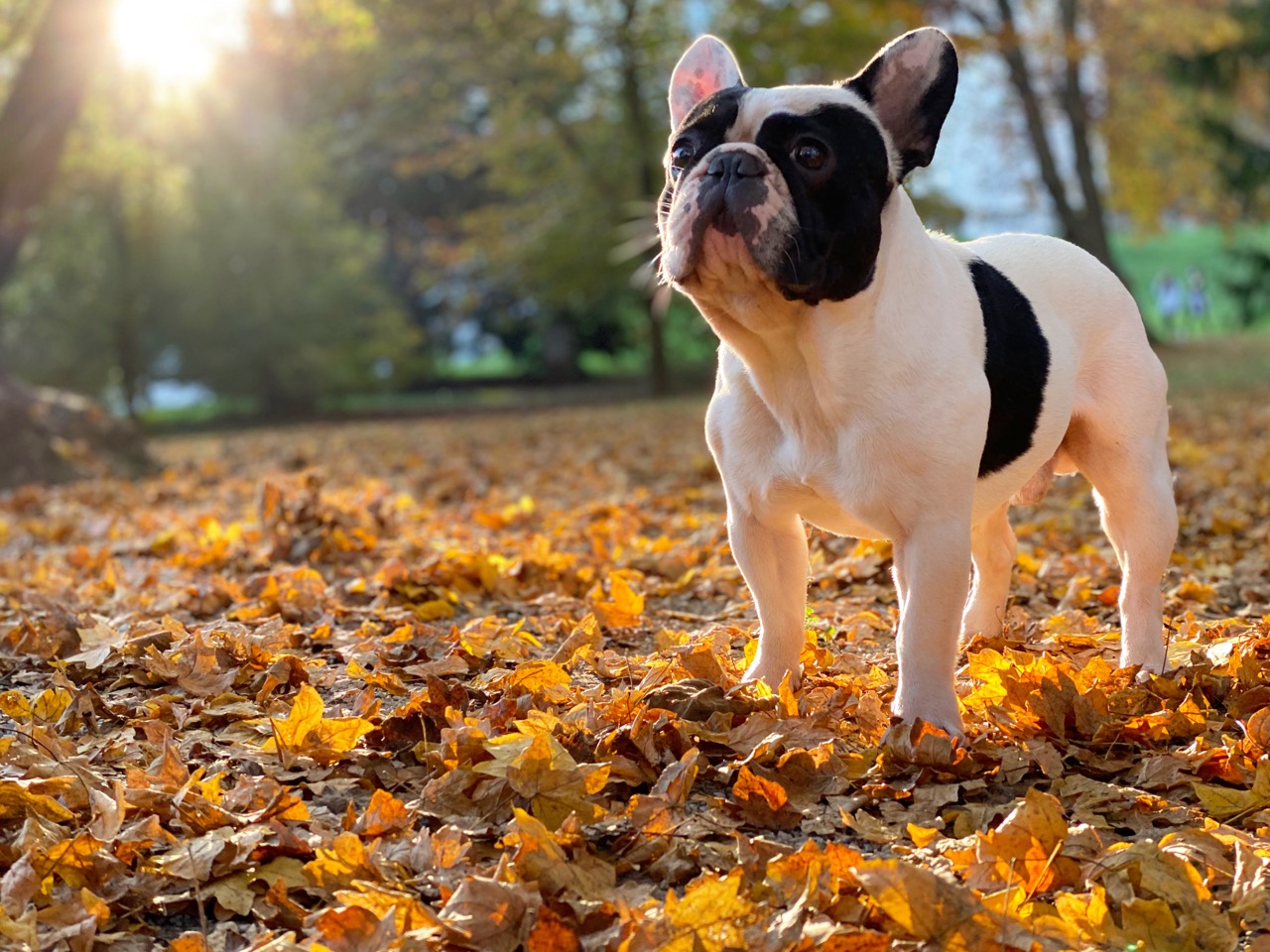
The French Bulldog, often called the Frenchie, is more than a compact dog with upright bat ears and a comically serious expression. Its story is tied to city life, changing social classes, and the rise of modern advertising and celebrity culture. Despite the name, the breed’s roots weave between England and France. In the 1800s, small bulldog-type dogs were popular among English lace workers, especially in Nottingham. When parts of the lace trade moved to northern France, some workers brought their little bulldogs along. In French towns, these dogs were crossed with local companions, and over time the distinctive look we recognize today took shape: a short muzzle, a sturdy body, and those signature ears that helped set the breed apart from its English relatives.
Paris played an outsized role in turning the Frenchie into a cultural symbol. The breed became associated with the everyday rhythm of city neighborhoods, where a small, confident dog fit neatly into apartments, cafes, and bustling sidewalks. French Bulldogs were adopted by a wide range of owners, from working people who valued their companionship to fashionable Parisians drawn to their unusual profile. That mix of accessibility and style helped the Frenchie become a dog that could signal both warmth and urban sophistication.
The breed’s image spread through art and popular media during a time when posters, postcards, and illustrated advertisements were booming. French Bulldogs appeared in prints that celebrated modern city pleasures: nightlife, theater, and the casual glamour of strolling streets. Their instantly recognizable silhouette made them a natural choice for artists and advertisers who wanted a visual hook. A Frenchie could suggest chic modernity, loyalty, and a slightly mischievous personality all at once. Even when depicted as a companion in the background, the dog often communicated something about the owner: a person who was current, social, and at home in the city.
As the breed’s popularity grew, it also became part of a broader story about taste and status. In the late 19th and early 20th centuries, French Bulldogs were embraced by well-off travelers and socialites who encountered them in France and brought them home. That international exchange helped cement the Frenchie as a dog with continental flair. Breed clubs and dog shows further shaped the public’s idea of what a French Bulldog should look like, emphasizing features such as a compact frame, a smooth coat, and a bold, alert stance. Those traits were not just physical; they became part of the Frenchie’s character in the public imagination, suggesting confidence and friendliness in a small package.
In modern times, the French Bulldog has become a familiar figure in celebrity culture, social media, and lifestyle branding. Part of the appeal is practical: Frenchies tend to be people-oriented and adapt well to indoor living, which suits busy urban schedules. But there is also a strong visual component. The breed photographs well, with expressive eyes and a face that seems to react like a tiny person. That makes Frenchies effective ambassadors for everything from streetwear to luxury goods, and they often appear in campaigns meant to feel trendy, playful, and city-smart.
The Frenchie’s cultural footprint also shows up in everyday customs. They are common sights in dog-friendly cafes and boutique pet shops, and their popularity has influenced everything from pet accessories to apartment design choices. At the same time, their fame has sparked important conversations about responsible breeding and health, since the breed’s short muzzle can be linked to breathing difficulties. Understanding the French Bulldog’s cultural rise means appreciating both sides: the charm that made them icons of companionship and style, and the responsibility that comes with loving a dog whose look has been shaped by human preferences.
From the workshops of lace makers to the sidewalks of Paris and the feeds of modern pop culture, the French Bulldog has traveled a long way. Its story is a reminder that dog breeds are not just animals we live with; they are also mirrors of human history, fashion, and the way cities teach us to share space with our closest companions.