Ollie’s Mini Aussie Oddities Quiz
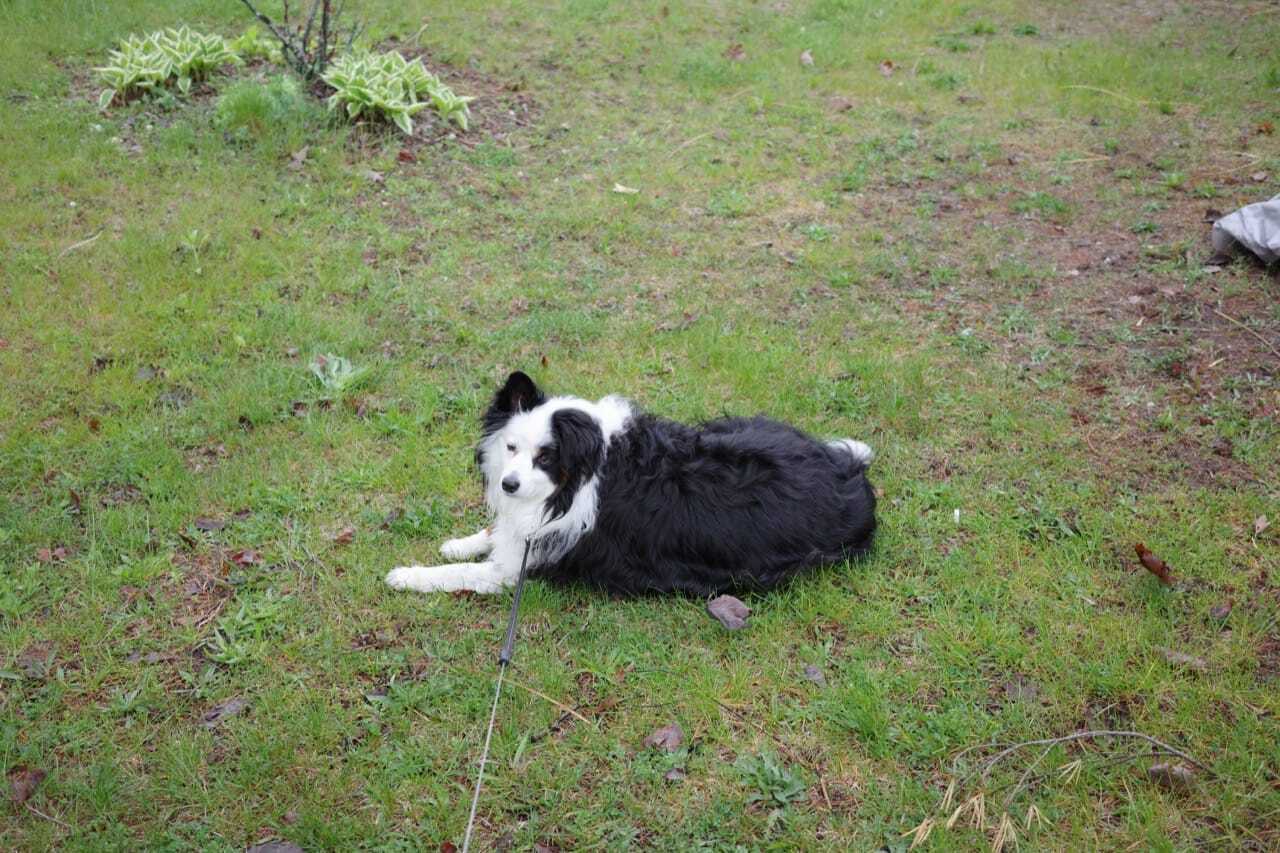
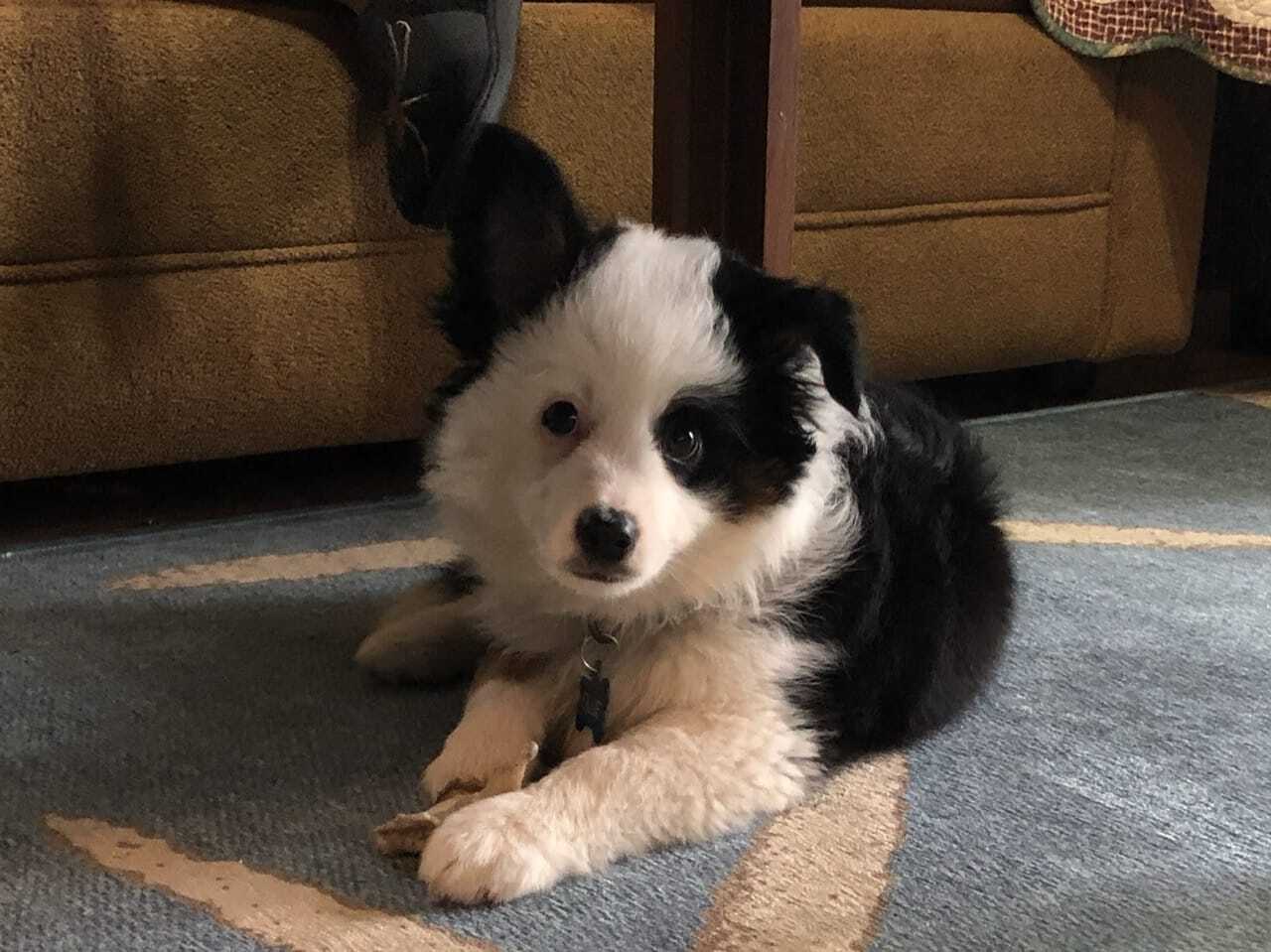
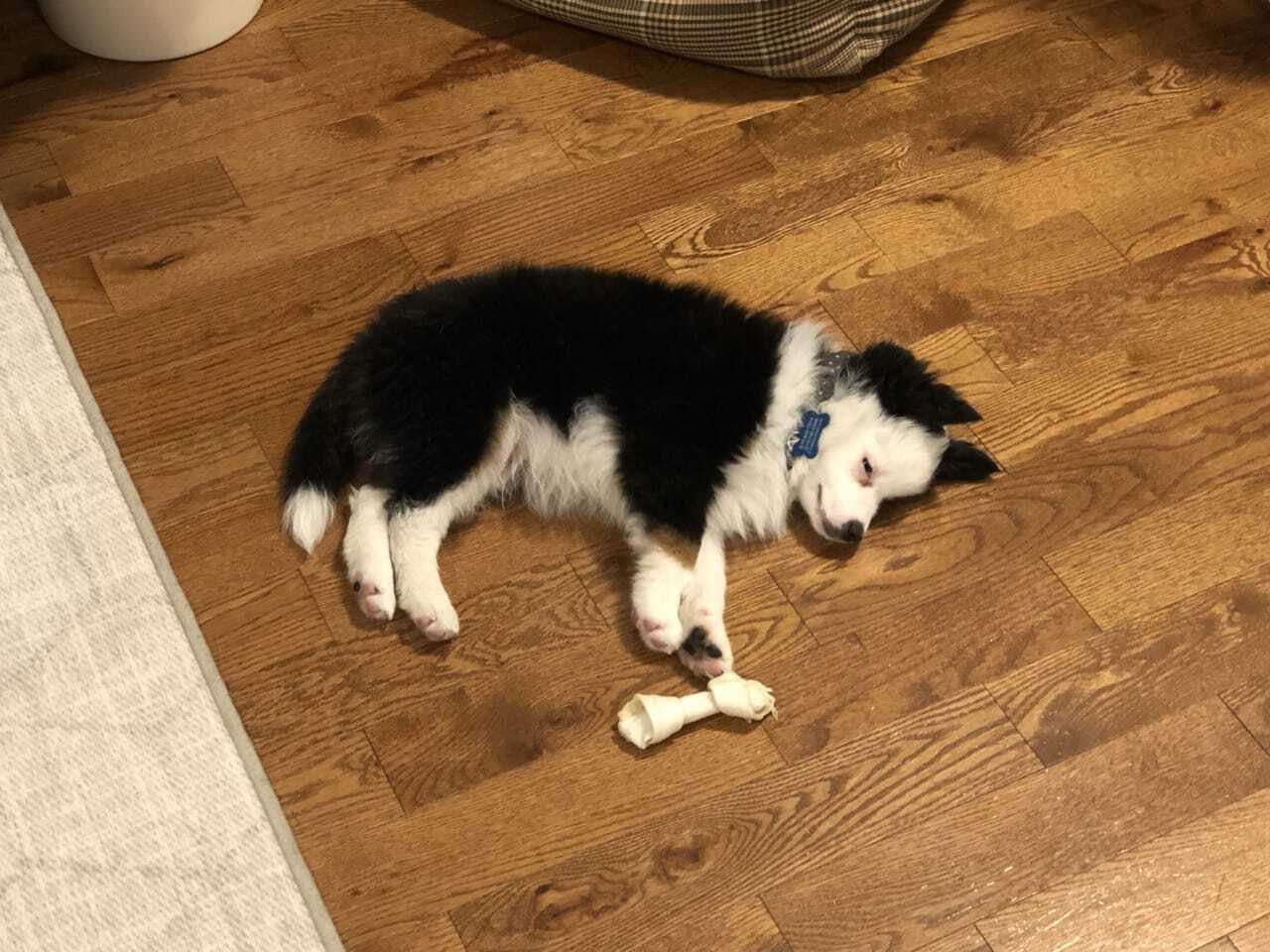
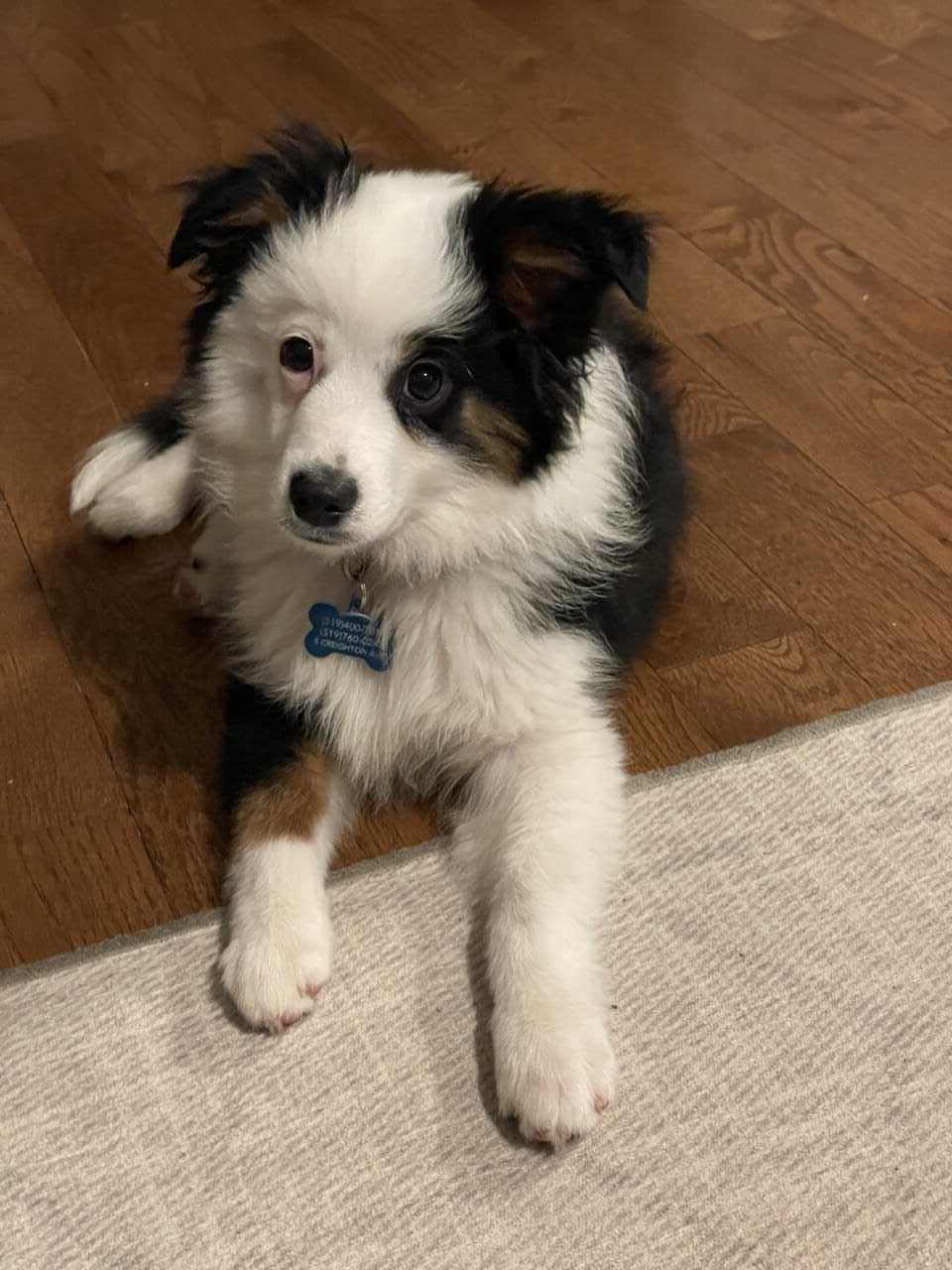
Quiz Complete!
Mini Aussie Oddities: The True Story of the Miniature American Shepherd
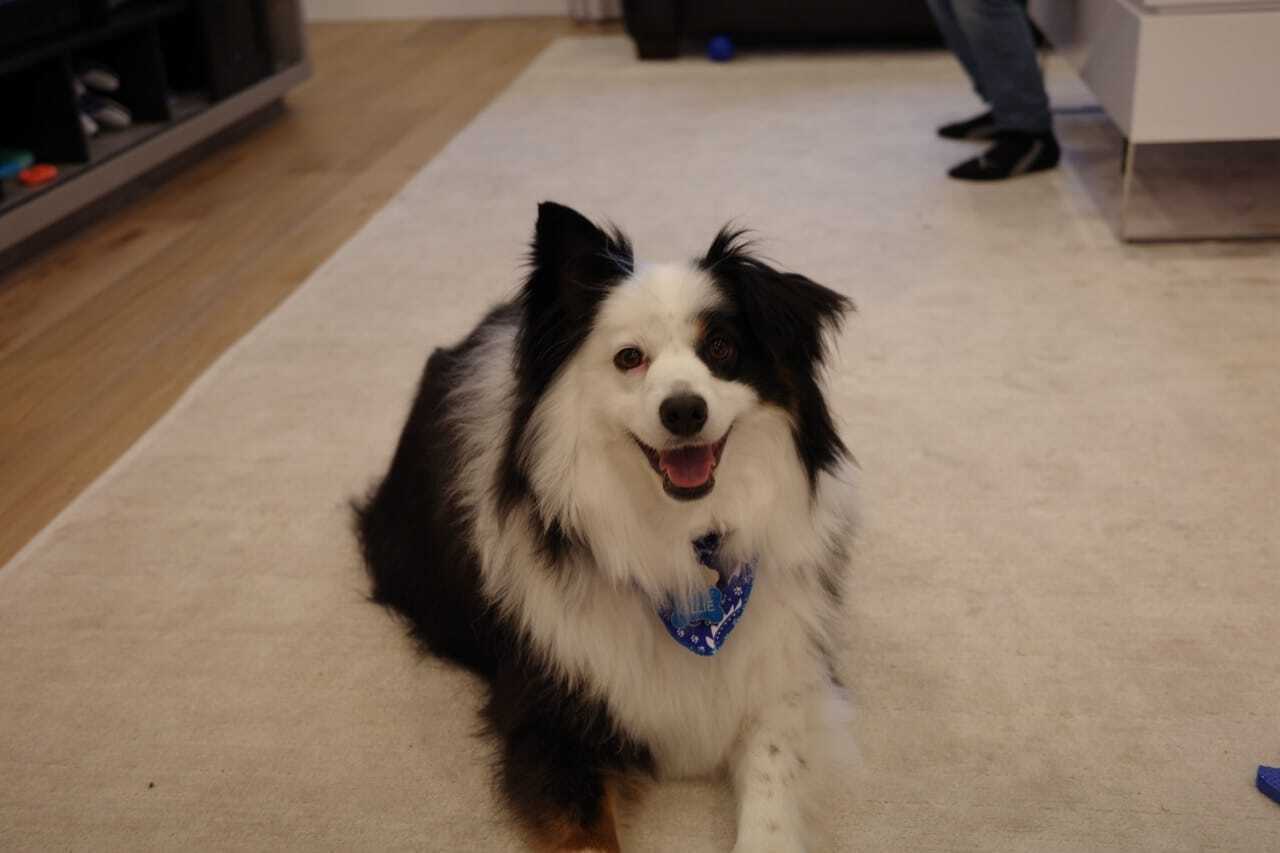
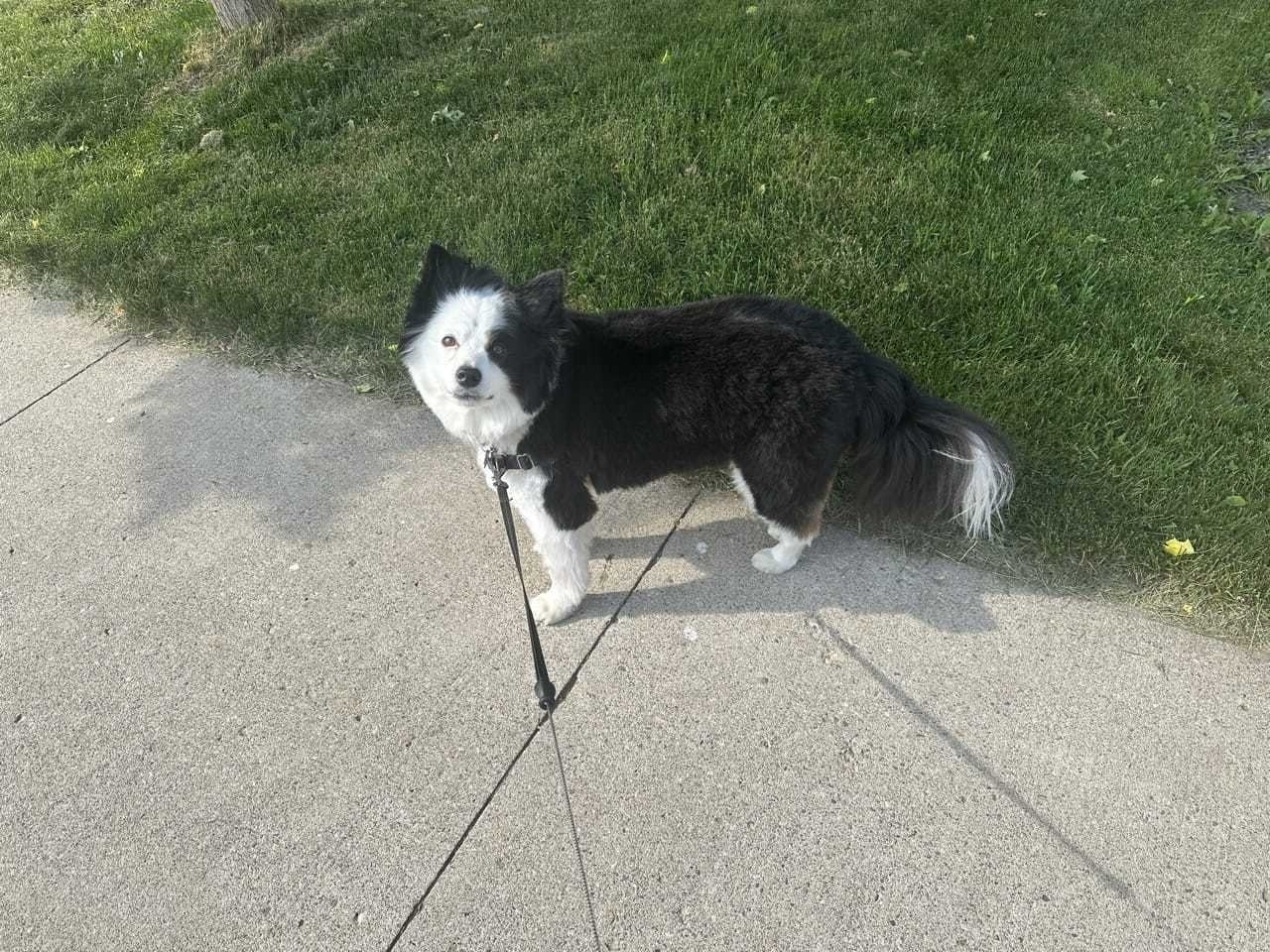
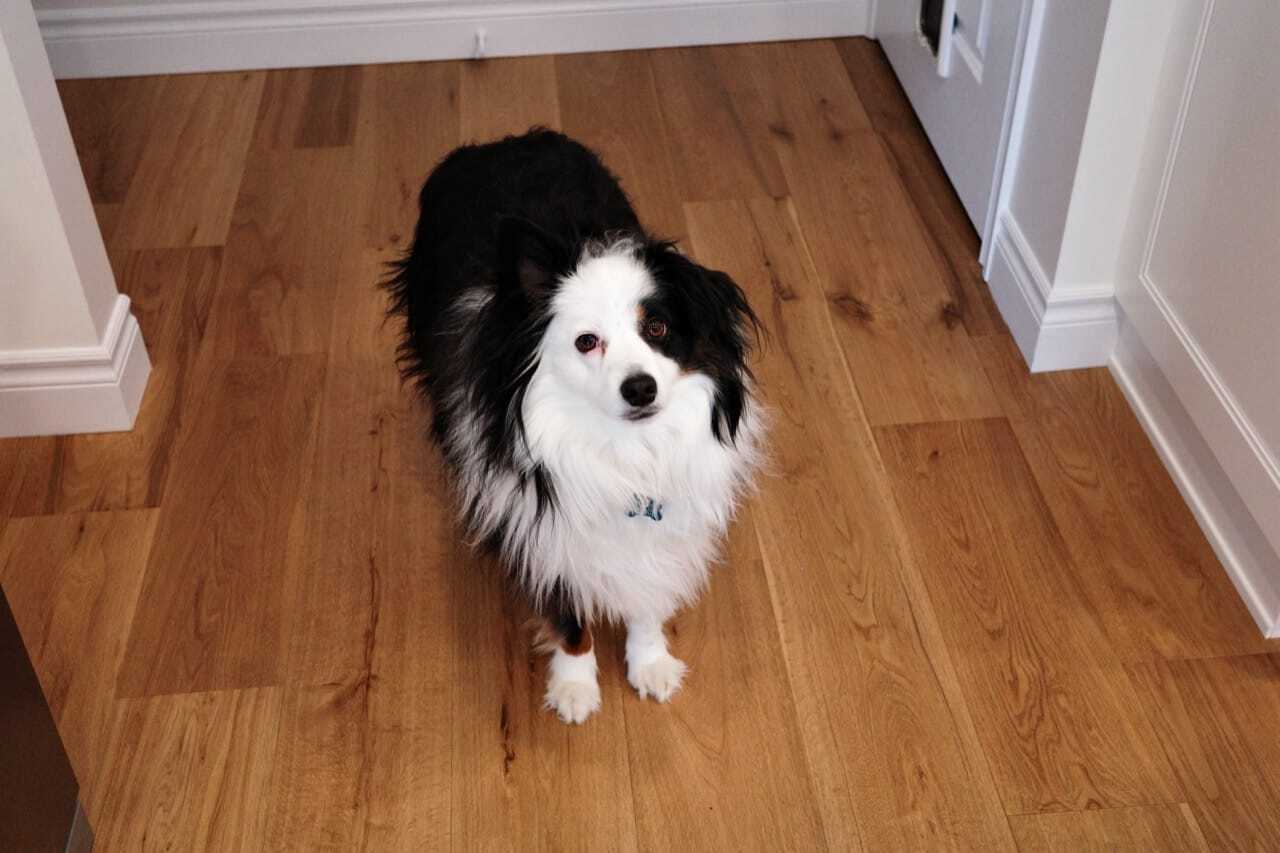
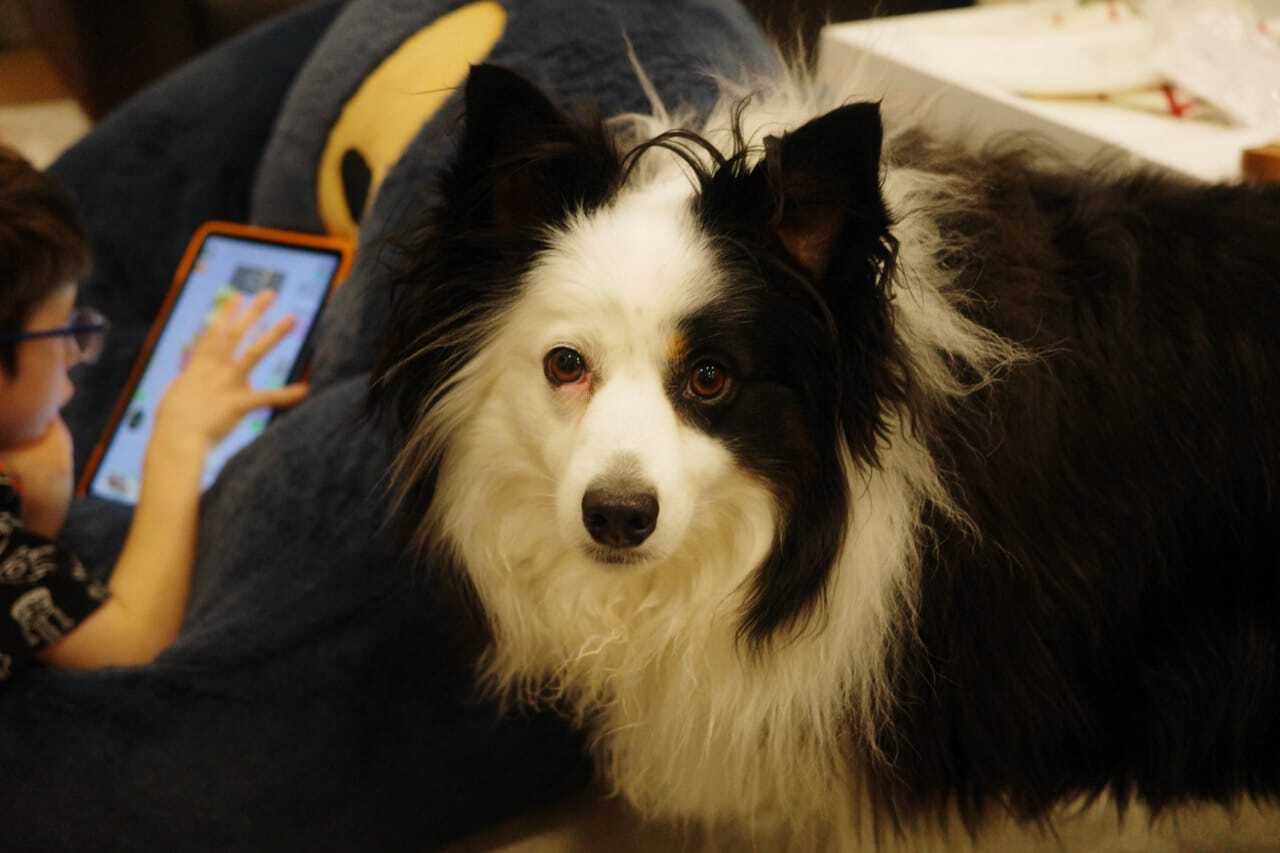
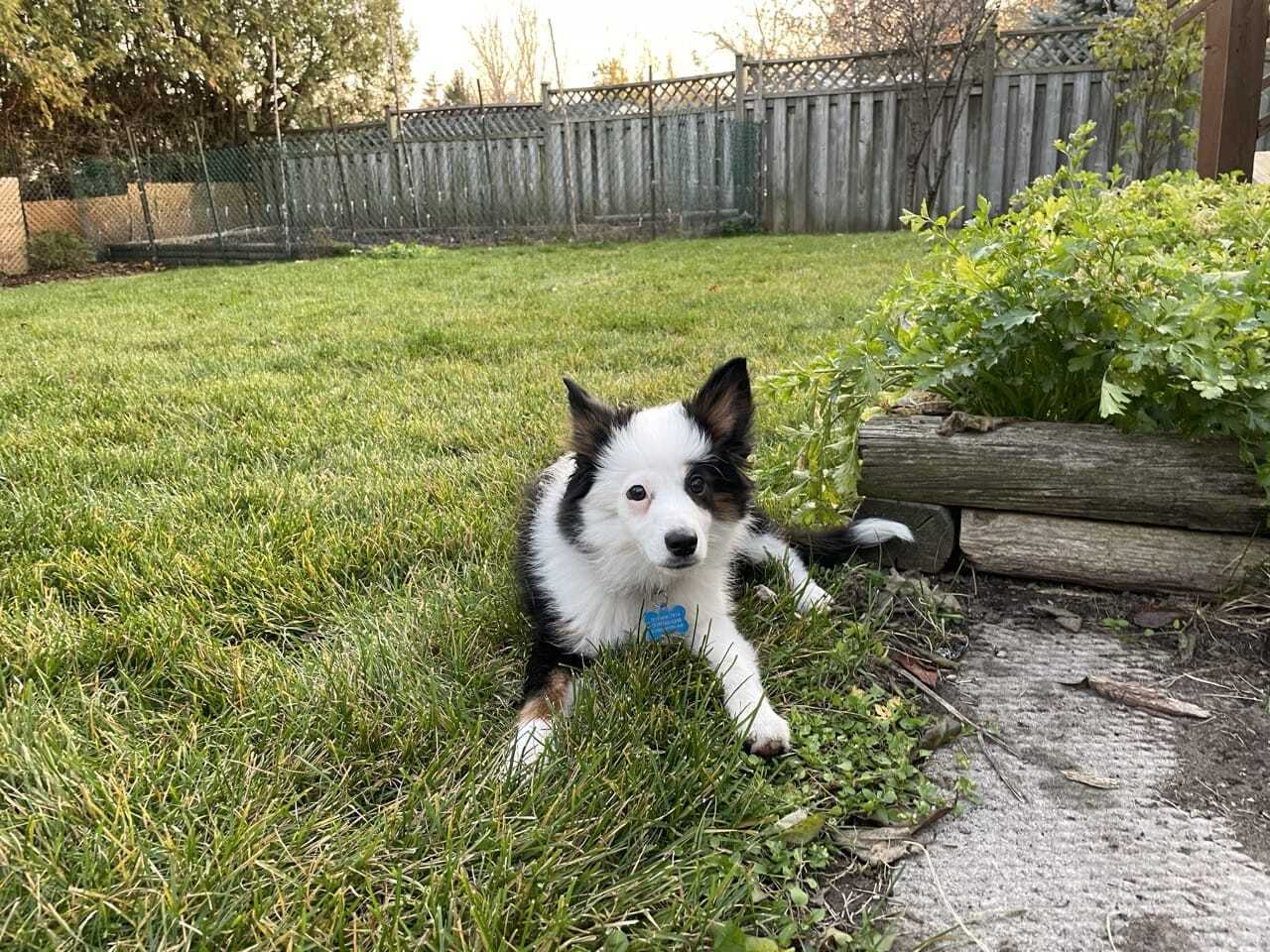
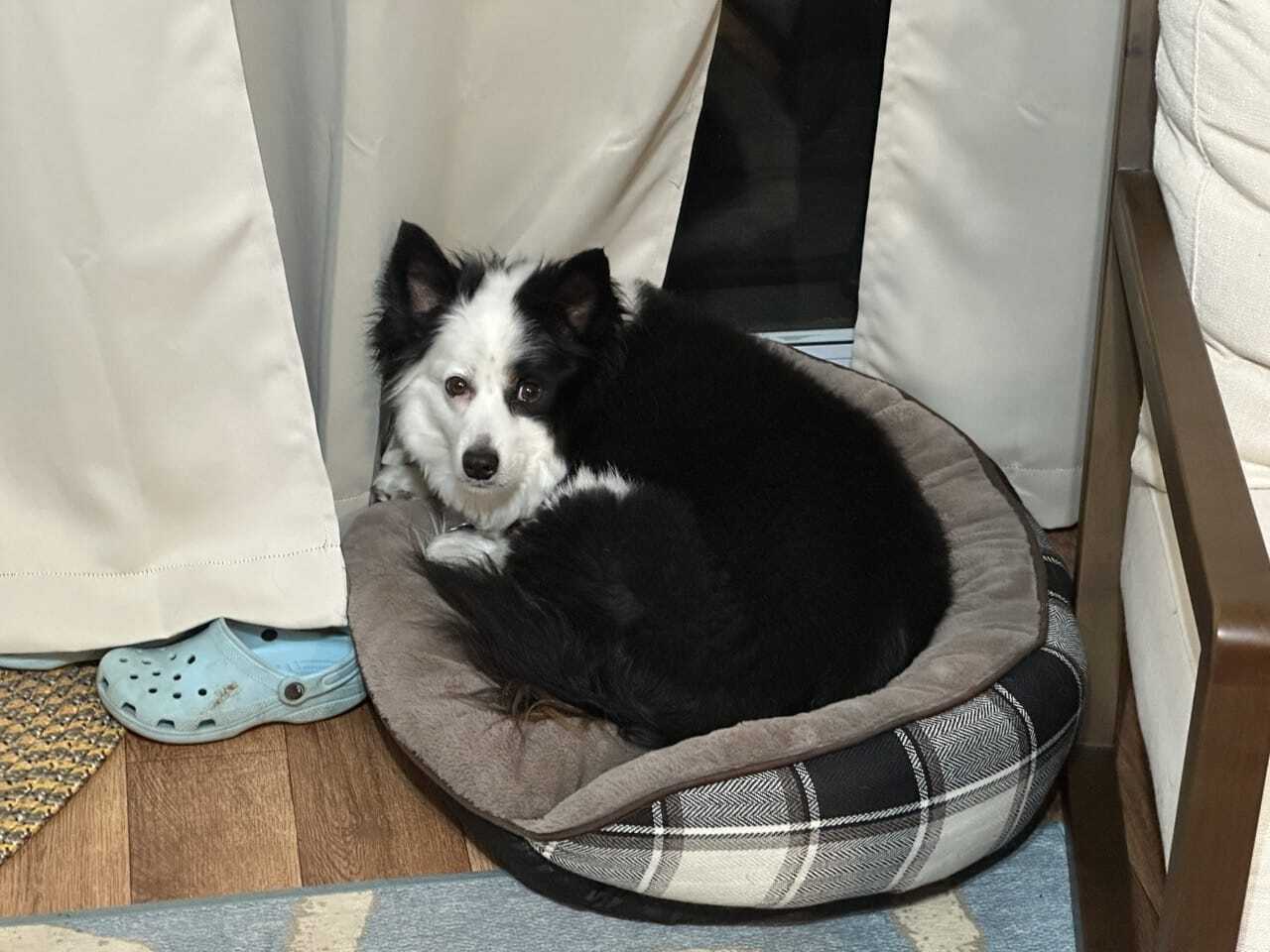
People often call the Miniature American Shepherd a “mini Aussie,” and the nickname makes sense at a glance: it has the same alert expression, the same herding-dog intensity, and the same talent for being everywhere you are. But the breed’s real story is more specific than a simple downsizing. The Miniature American Shepherd, or MAS, was developed in the United States, with much of its early popularity tied to the western horse world. Breeders aimed for a smaller, handy herding dog that could travel easily, work livestock, and still keep the classic look and working attitude people admired.
One of the biggest oddities is the name itself. Many people are surprised to learn that the American Kennel Club does not call the breed a Miniature Australian Shepherd. The official AKC name is Miniature American Shepherd. That choice reflects the breed’s development history and helps distinguish it from the Australian Shepherd, which is its own established breed. In everyday conversation you will still hear “mini Aussie,” but if you are reading show rules, breed standards, or registration paperwork, “Miniature American Shepherd” is the term that matters.
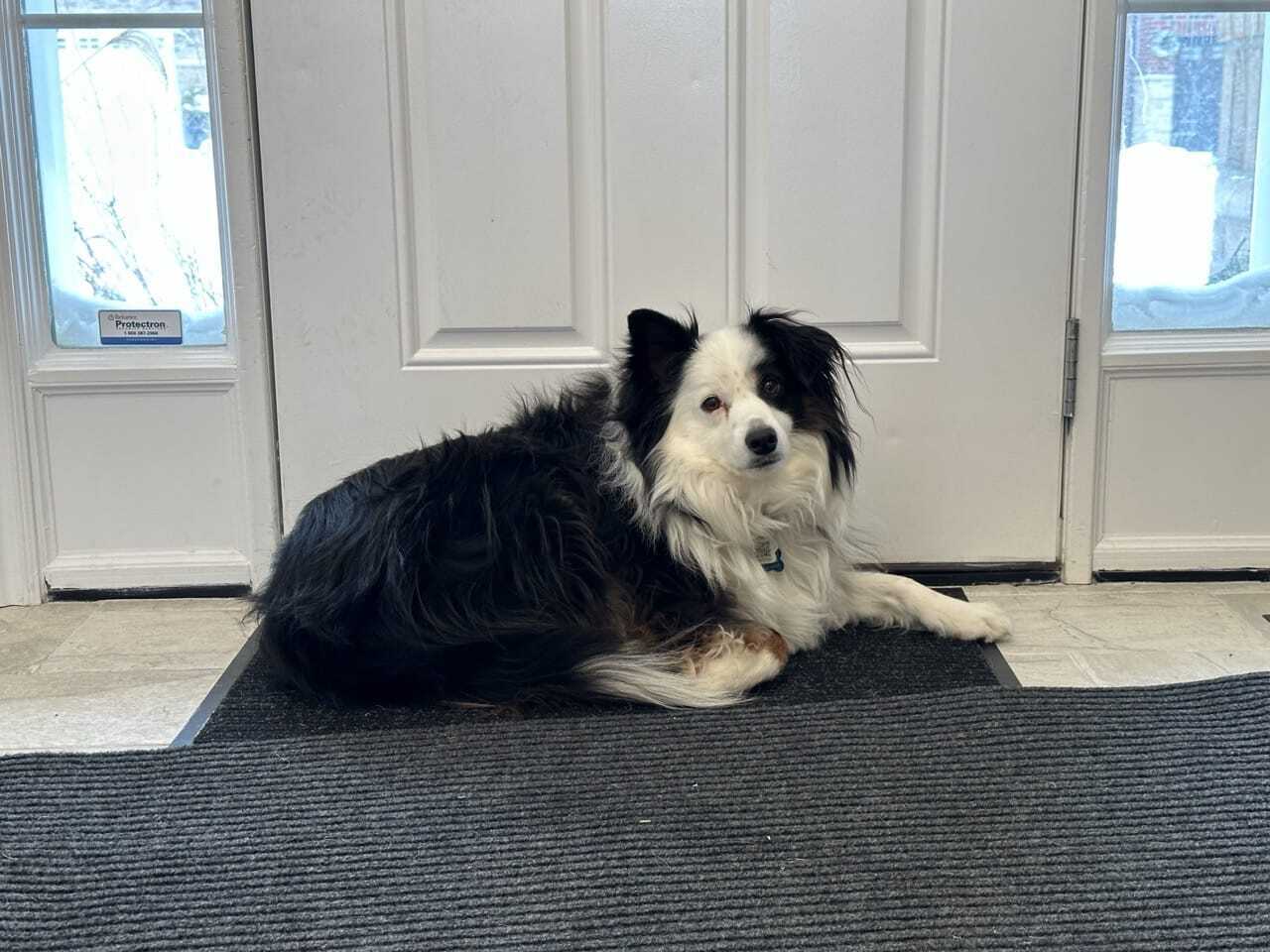
Breed standards can feel like a world of tiny details, and the MAS has several that quiz writers love. Ears are a classic example: you are looking for a high-set ear that can be folded over, giving the dog an attentive, ready-to-work look. Tails are another frequent point of confusion. Some Miniature American Shepherds are born with naturally short tails, while others have longer tails, and tail length can vary by country and by what is allowed or customary. The important takeaway is that you will see variation, and it is not automatically a sign of mixed breeding.
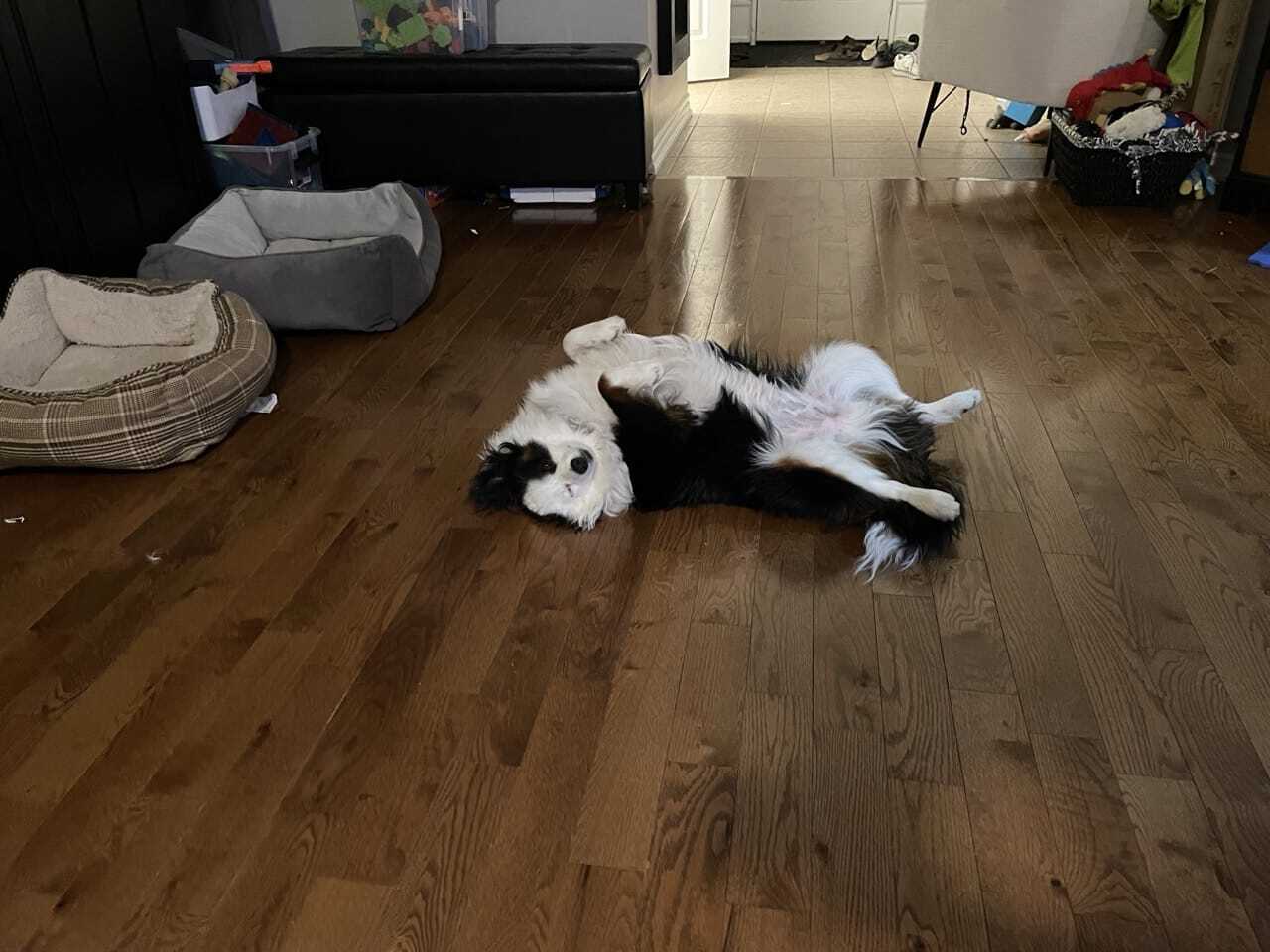
Coat color and pattern are where this breed turns heads. The MAS can come in striking combinations, including merle patterns that create marbled patches of color. You may see blue merle or red merle, often paired with white and tan points. Those dramatic coats come with a responsibility: merle genetics require informed breeding practices, because certain pairings can increase the risk of serious vision and hearing problems. For owners, the everyday reality is simpler but still real: that gorgeous coat sheds, can mat if ignored, and benefits from regular brushing, especially around the ruff, behind the ears, and along the feathering.
Temperament is the heart of why people fall for this dog and also why it can be a handful. The Miniature American Shepherd is typically bright, people-oriented, and intensely aware of movement. That makes training feel like you are working with a quick study, but it also means the dog notices everything. Without enough physical exercise and mental work, that clever brain will invent its own job, such as herding children, shadowing the vacuum cleaner, or turning doorbells into a full-time hobby. Herding instincts can show up as heel nipping, circling, or a laser-focused stare. Good training channels those instincts into appropriate games and skills, like agility, rally, scent work, trick training, or structured herding lessons.
What makes the MAS so appealing is its ability to switch modes. It can be a serious athlete outdoors and a devoted couch companion afterward, as long as its daily needs are met. Many owners describe a dog that bonds closely and prefers to be in the same room, sometimes close enough to qualify as a furry assistant. The “oddity” is that this compact dog can carry itself like a much larger working breed, with the stamina and determination to match.
If you want to do well on a quiz about the Miniature American Shepherd, remember the key points: it is an American-developed breed with an official AKC name that is not “mini Aussie,” its breed-standard details like ears and tail can be surprisingly nuanced, its coat patterns are iconic and genetically important, and its brain and herding drive are both its superpower and its challenge. The rest is just keeping up with a small herder who thinks life is a team sport.