Noble Giants, Strange Names Great Dane Origins Quiz
Quiz Complete!
Noble Giants and Strange Names: The Surprising Origins of the Great Dane
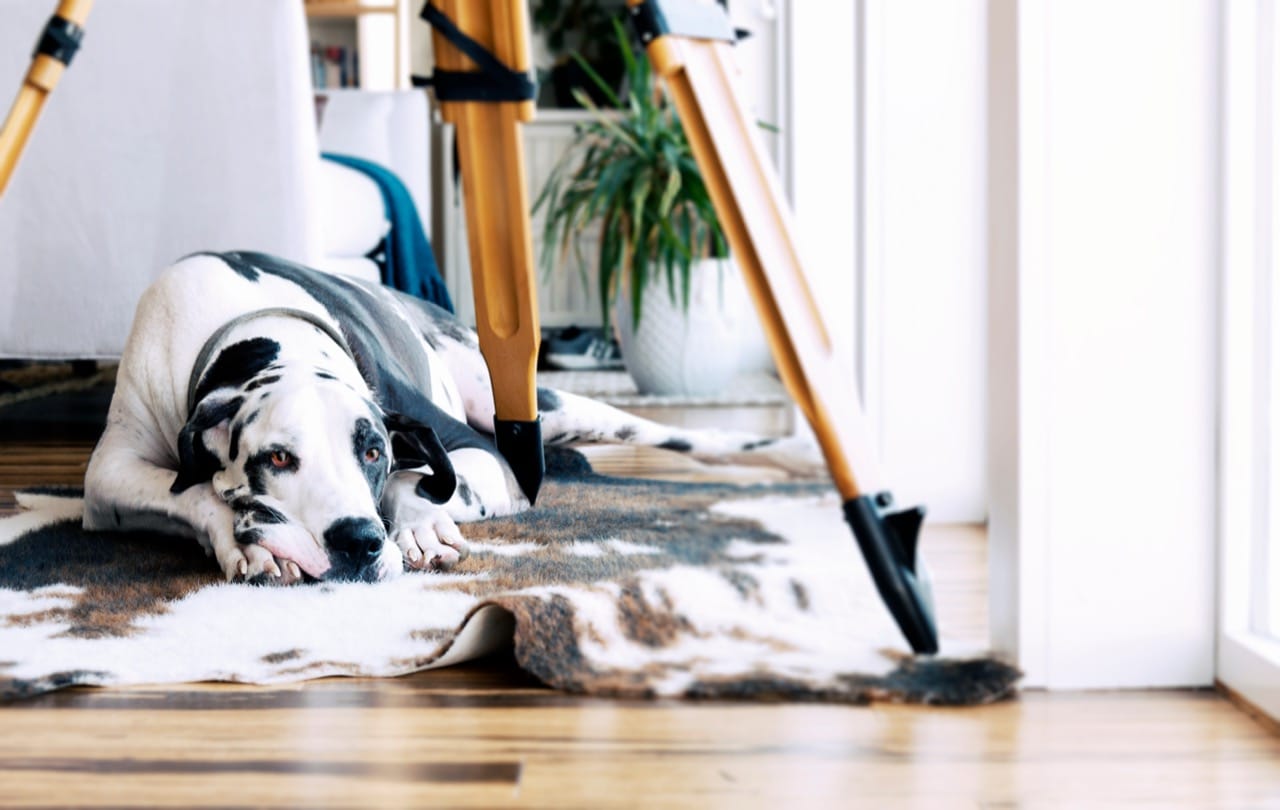
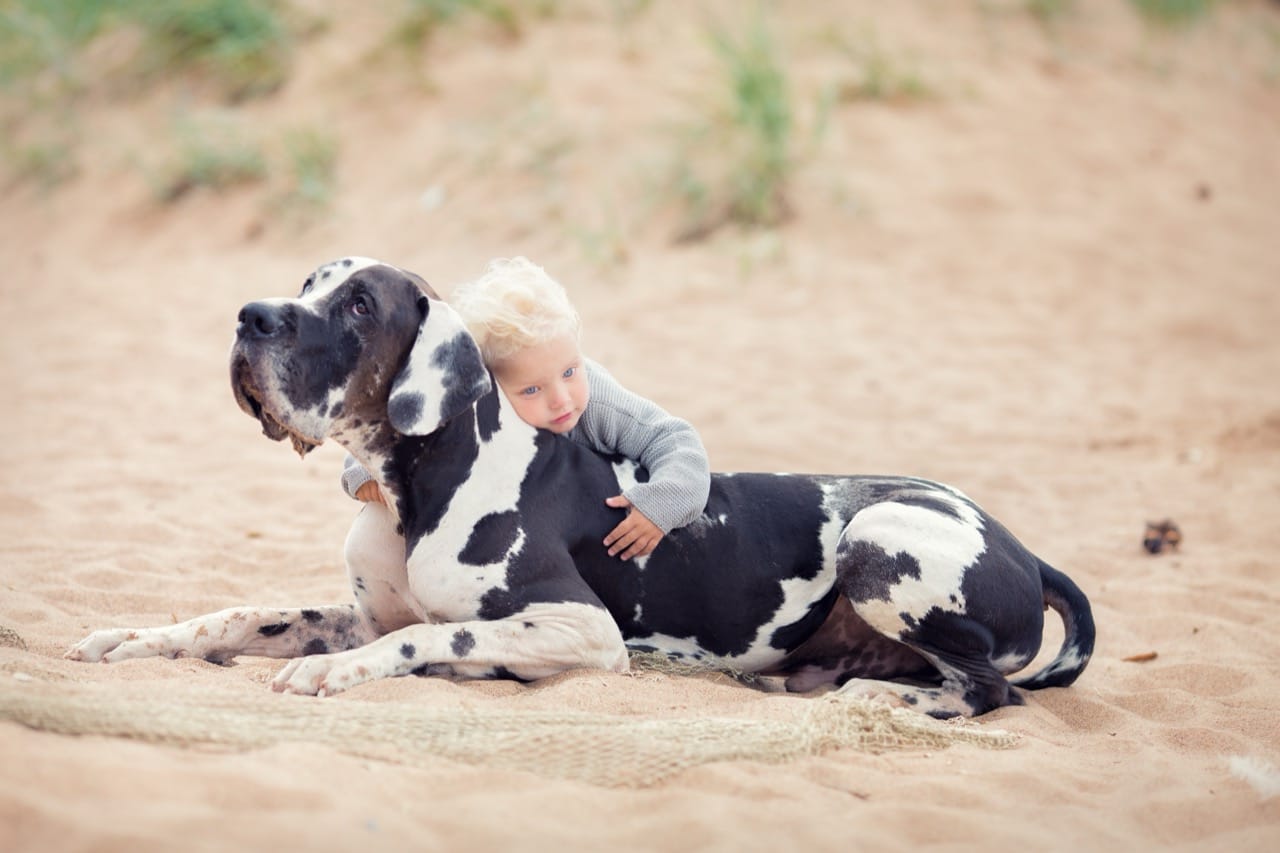
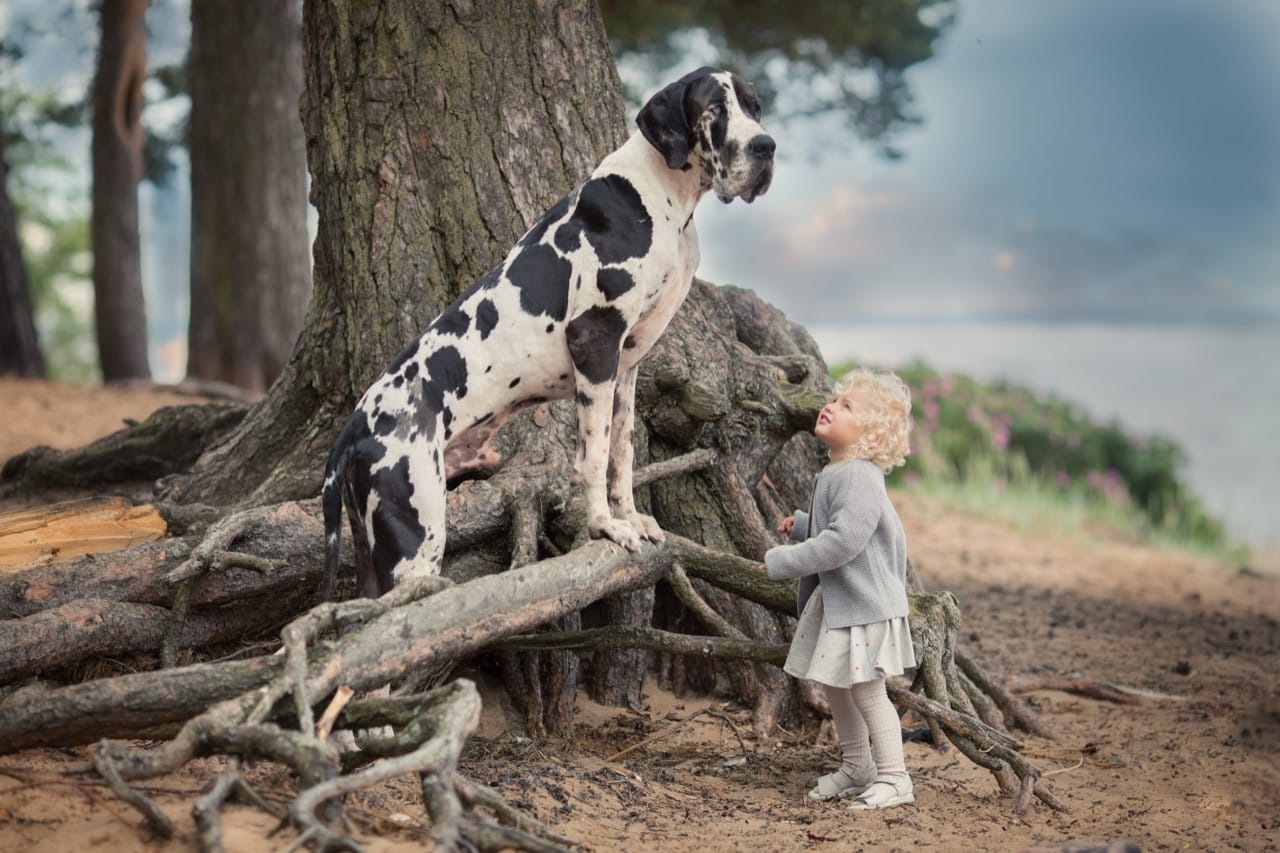
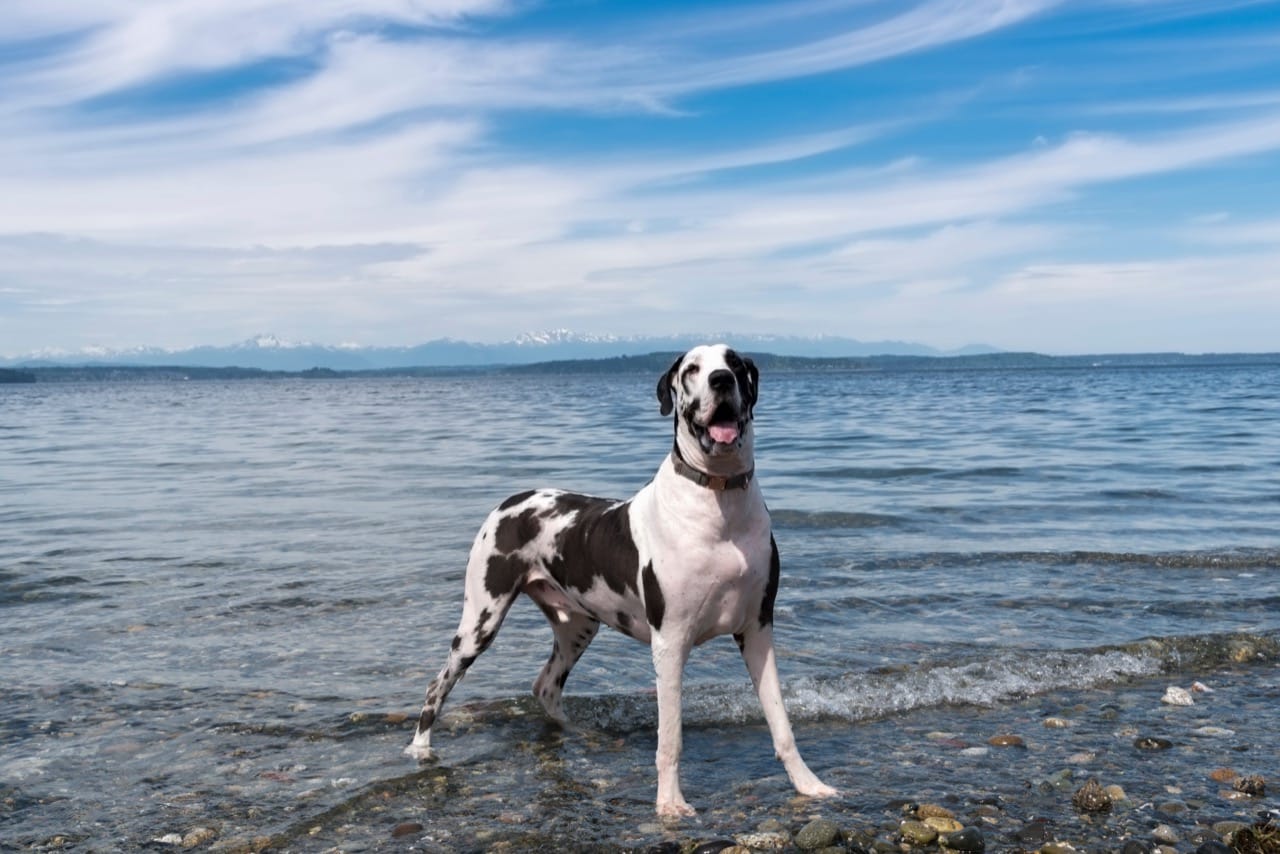
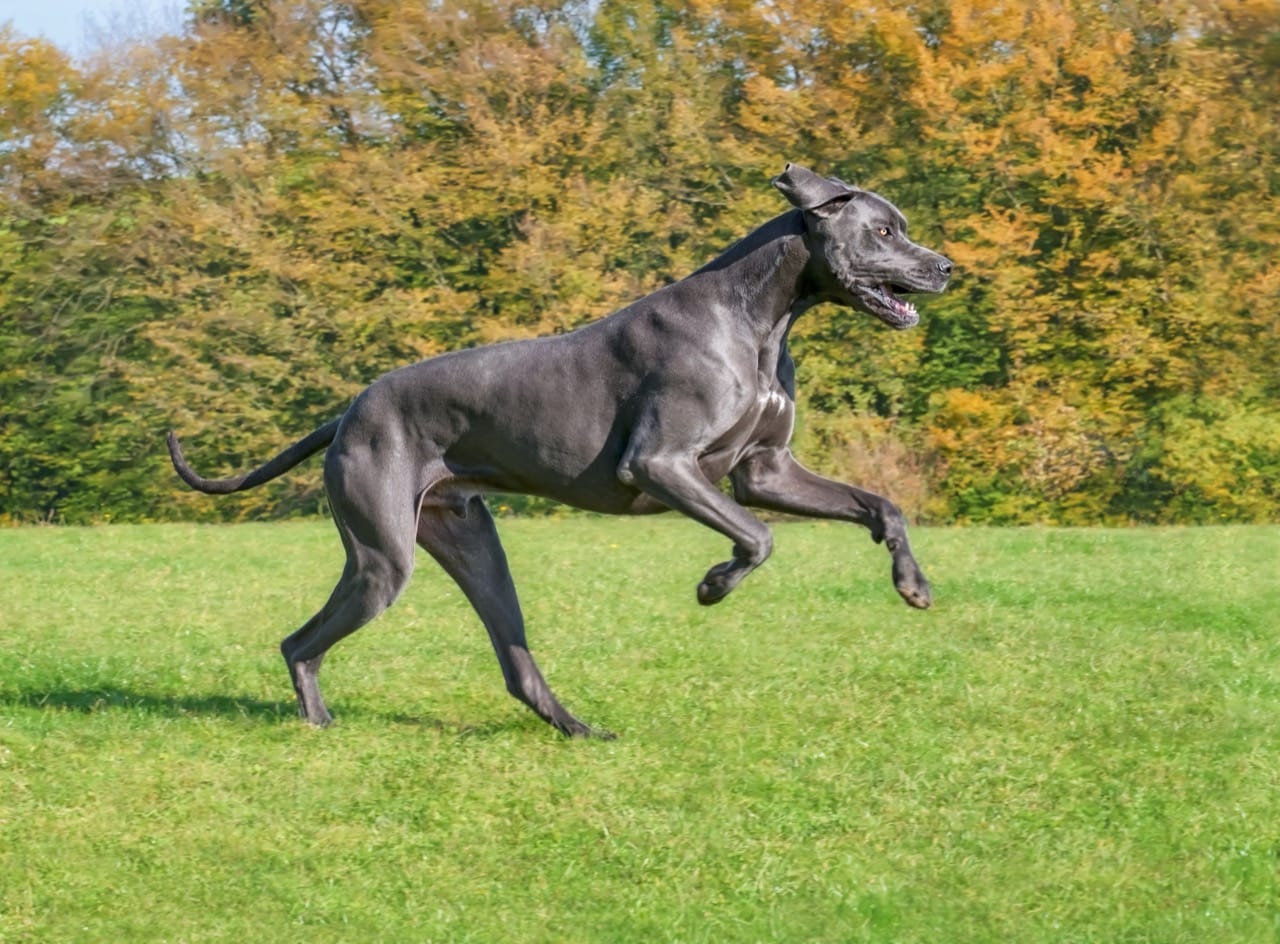
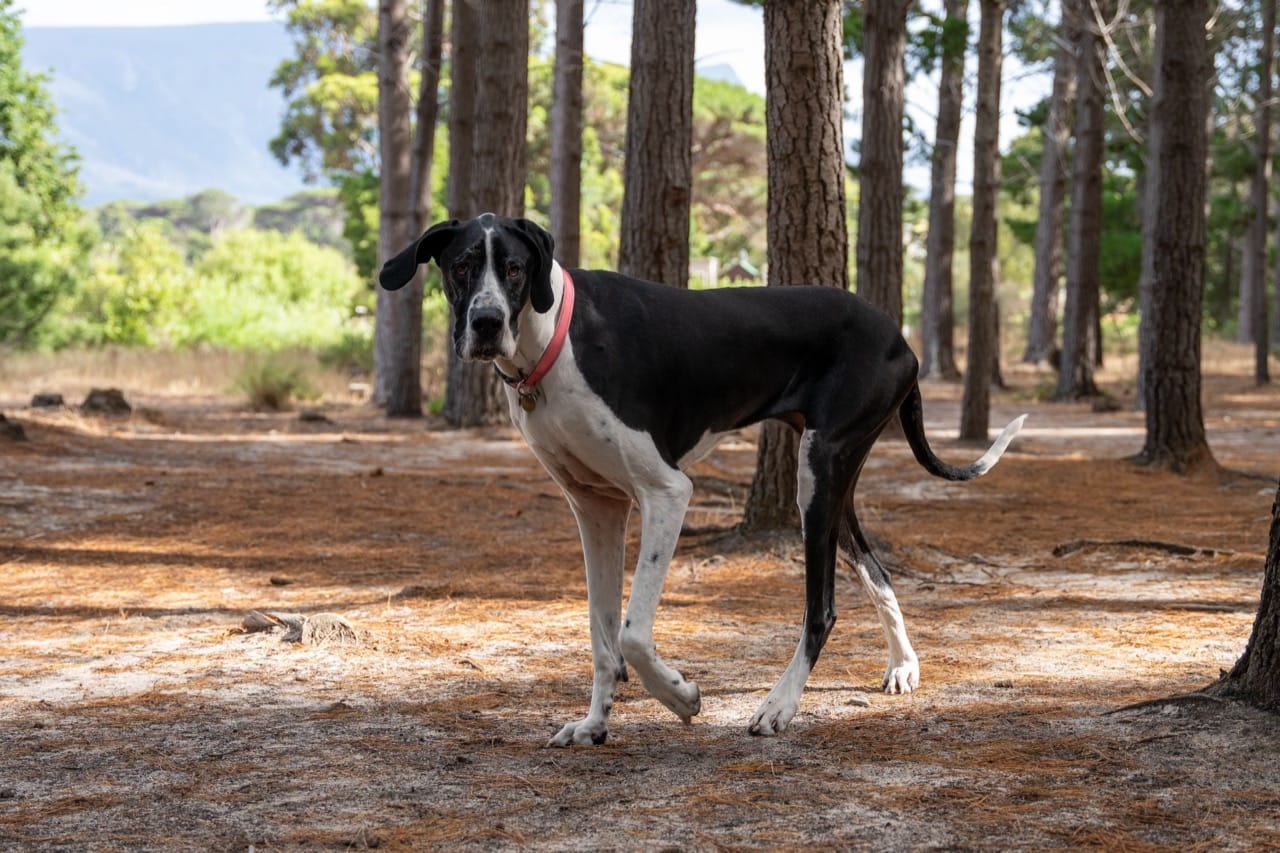
The Great Dane is often described as a gentle giant, the kind of dog that looks like it belongs on a palace staircase but acts like it would rather be on the couch. That calm, affectionate personality can make it hard to imagine the breed’s earlier job description: tackling dangerous game. Long before the Great Dane became a family companion, its ancestors were valued for strength, speed, and courage, especially in the brutal world of boar hunting.
In early modern Europe, wild boar were not just pests but serious threats, capable of injuring horses, people, and dogs. Hunters needed large, athletic dogs that could hold a boar at bay until a human could finish the hunt. These dogs were often mastiff type or sighthound crossed with mastiff type, combining power with longer legs and agility. Over time, German nobles refined these dogs into specialized boar hounds, selecting for size, stamina, and a bold temperament. In German-speaking regions, one common name for such dogs was Saurude, literally boar dog, and another was Hatzrude, meaning a dog used for pursuit. You may also encounter the term Englische Dogge, or English dog, which reflected the habit of labeling impressive mastiff-like dogs by association with England’s famous mastiffs rather than by strict origin.
As aristocratic kennels gained influence, the dogs began to split into types based on purpose and fashion. Some lines stayed closer to working hunting dogs, while others were shaped into impressive estate guardians and status symbols. Large dogs were kept in noble households not only for protection but as living expressions of wealth and power. In some courts, favored dogs even wore ornate collars. This shift toward prestige helped encourage a more stable temperament, because a dog living indoors among servants and guests needed to be controllable as well as imposing.
The breed’s national identity is one of its most interesting puzzles. Despite the English-sounding labels that sometimes appeared in old writings, the modern Great Dane is strongly tied to Germany, where breeders worked to standardize the type. In the late 1800s, German dog fanciers pushed for consistent naming and a unified breed standard, promoting the term Deutsche Dogge, German dog. Yet outside Germany, a different name had already taken hold: Great Dane.
Why call a German dog a Great Dane? One popular explanation traces it to an 18th century French naturalist who described a large dog seen in Denmark and used a term that translates roughly to Danish dog. Whether the dog was truly Danish, merely observed there, or simply associated with the region in a traveler’s mind is still debated. What is clear is that the label spread, especially in English-speaking countries, and it stuck. Over time, Great Dane became the familiar international name, even as German organizations continued to emphasize the breed’s German development.
As boar hunting declined and urban life expanded, the Great Dane’s role changed again. Breeders favored a more reliable, friendly temperament and a cleaner, more elegant outline. The modern dog kept its towering height and noble presence, but the day-to-day purpose shifted from confronting wild animals to living closely with people. That history explains some of the breed’s contradictions: a dog built like an athlete, yet often happiest as a calm companion; a breed refined in German kennels, yet known worldwide by a name that points elsewhere.
Knowing where the Great Dane came from adds depth to the way we see it today. Behind the relaxed expression and long legs is a story of dangerous hunts, aristocratic fashion, and a curious naming twist that still sparks debate. The gentle giant is real, but it was shaped by centuries of work, status, and the surprising journey from boar woods to living rooms.