Monuments, Murals, and Pit Bulls in History
Quiz Complete!
Monuments, Murals, and Pit Bulls in History
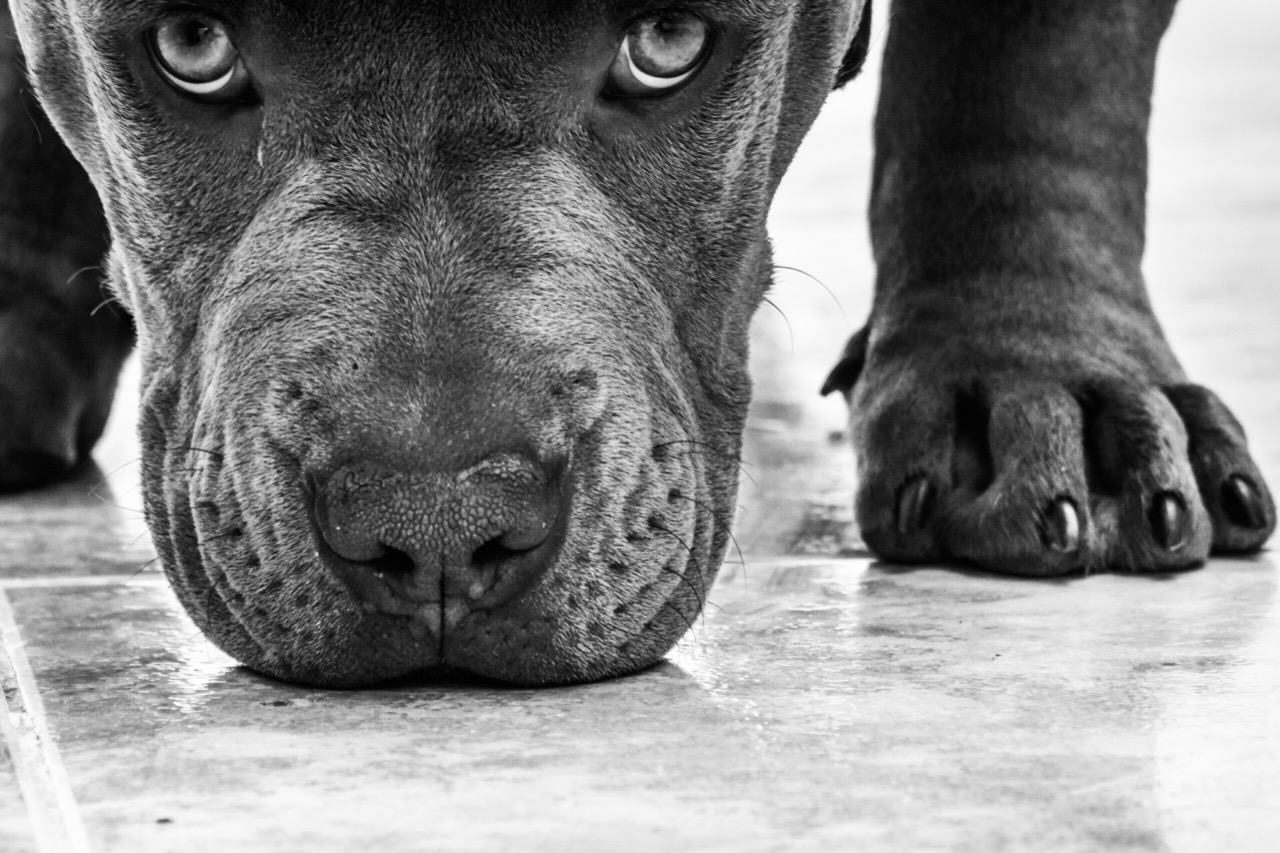
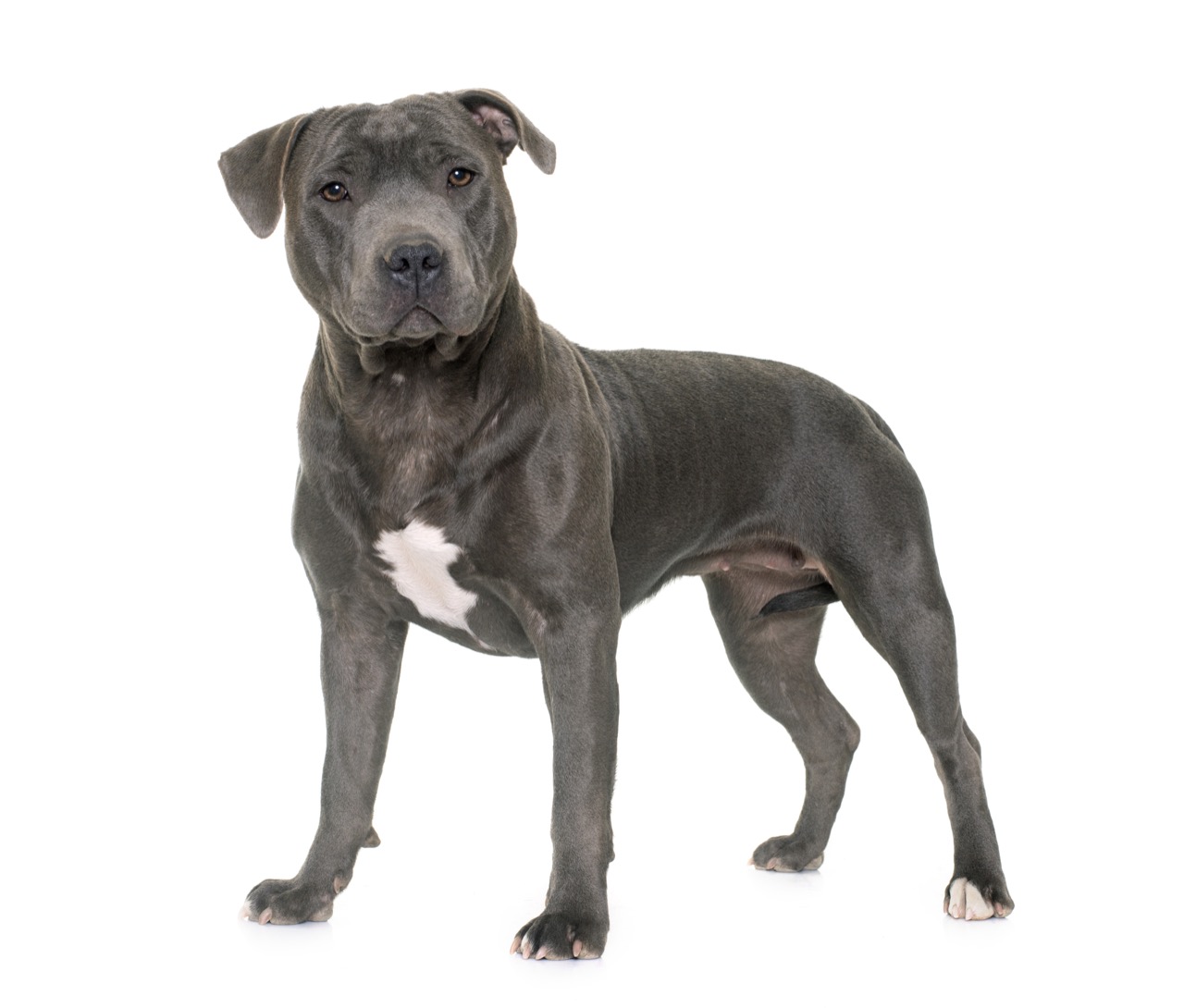
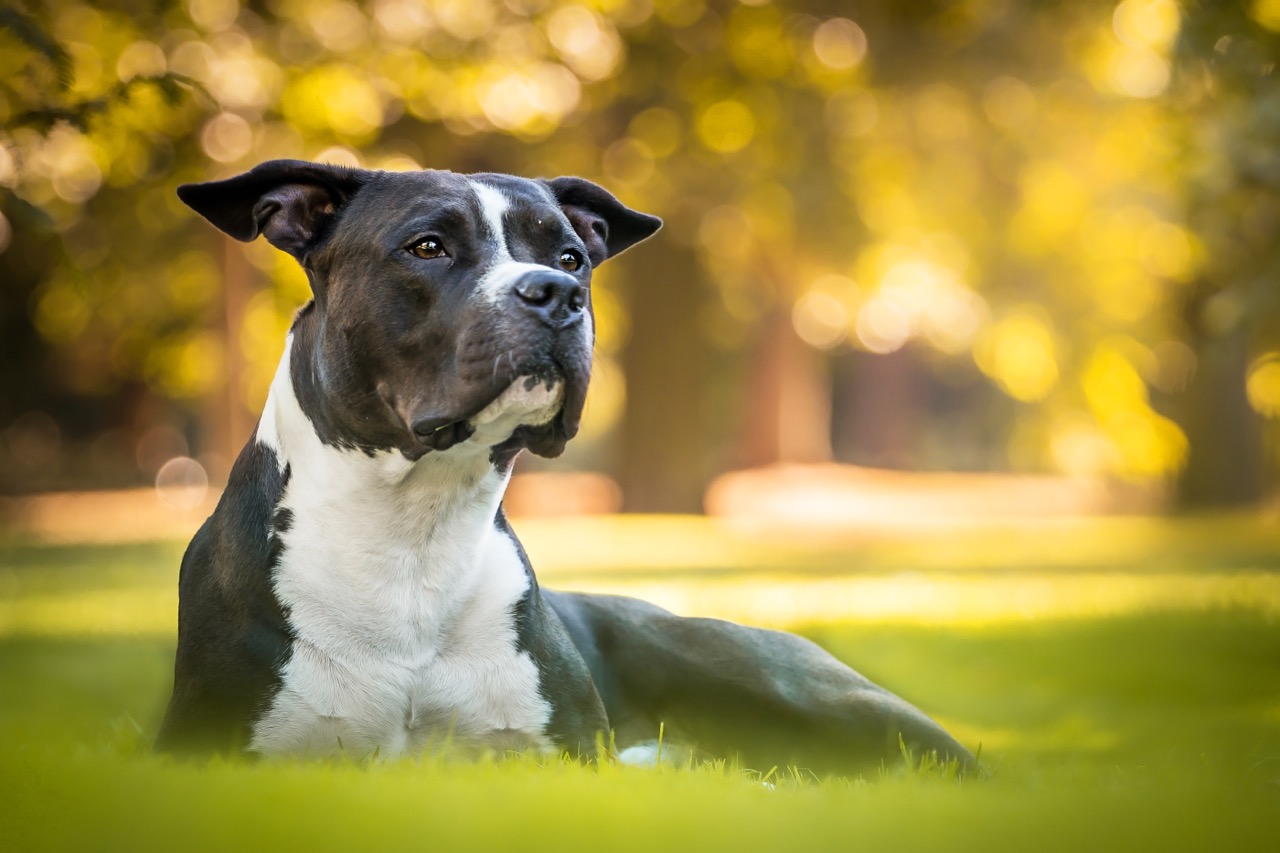
Pit bull type dogs have been woven into public memory in ways that go far beyond pet portraits and family albums. If you pay attention while traveling, you can spot their stories in bronze, stone, paint, and even in the names and collections of cultural institutions. These landmarks are not just quirky trivia. They reflect changing attitudes toward dogs, the rise of mass media, and the way communities choose to honor loyalty, courage, and companionship.
One of the most famous public tributes to a pit bull type dog is the World War I era image of the stout, determined American dog used in posters and fundraising campaigns. That dog was often shown as a pit bull standing for the United States, a reminder that early twentieth century Americans frequently associated the breed type with grit and dependability. In some places, that symbolism made its way into memorial art, where dogs appear alongside soldiers to represent steadfastness under pressure. When you encounter a war monument that includes a dog figure, it is worth reading the plaque closely. Sometimes it commemorates messenger dogs, mascots, or the everyday comfort animals brought to troops, and the details can be surprisingly specific.
Entertainment history adds another layer. In the early days of film and television, pit bull type dogs became recognizable stars, and their working lives were tied to real studios and performance venues. The best known example for many people is the dog who played Petey in the Our Gang comedies, remembered for the ring around one eye. That character helped shape the public idea of the friendly, clownish pit bull, and the legacy lives on through museum exhibits, archival collections, and local history displays in places connected to the series production. When a city celebrates its film past with plaques or walking tours, a canine actor can end up as part of the story, not as a side note but as a draw for visitors.
Public art and preservation provide some of the most unexpected sightings. Murals, community mosaics, and neighborhood sculptures sometimes include pit bulls because they reflect the real dogs of the area. In cities where murals are protected or restored, a painted dog can become a preservation issue, treated as part of the cultural record. That means a pit bull in a wall painting may be documented, repaired, and defended the same way a historic sign or a notable portrait would be. The dog becomes a landmark detail, and locals may point it out with the same pride they reserve for famous architecture.
Advocacy also leaves physical traces. Well known pit bull advocates, whether they were trainers, rescuers, writers, or public figures, are sometimes honored through plaques, named spaces, or installations tied to shelters and community centers. These recognitions can be modest, like a dedication stone in a garden, or more formal, like a commissioned statue. What matters is that they connect a person, a cause, and a place, turning an ordinary visit into a small history lesson about how communities respond to fear, misunderstanding, and the push for humane treatment.
When you visit a landmark connected to a real dog, the most interesting facts are often in the fine print. Look for the dog’s actual name, dates, and role. Was the animal a mascot, a performer, a companion to someone famous, or a local legend remembered for a single dramatic event? Many sites also reveal how memory works. A statue may simplify a complex story into a symbol, while a museum label might correct myths that grew over time.
Taken together, these monuments and murals show that pit bull type dogs have been seen as national symbols, working actors, beloved neighbors, and catalysts for social change. The next time you travel, consider adding a dog themed detour. A small plaque on a theater wall or a painted pit bull on a street corner can open a window into the history of a place and the people who cared enough to keep a canine story alive.