Meet the Havanese Lookalikes and Lines

Quiz Complete!
Meet the Havanese Lookalikes and Lines
The Havanese has a way of looking both familiar and hard to pin down. With a silky coat, bright expression, and a springy little gait, this small companion dog often gets described in a dozen different ways depending on who is talking. Some of those descriptions are grounded in breed standards and genetics, while others are informal labels that grew out of regional preferences, grooming choices, or simple mix-ups with other toy breeds.
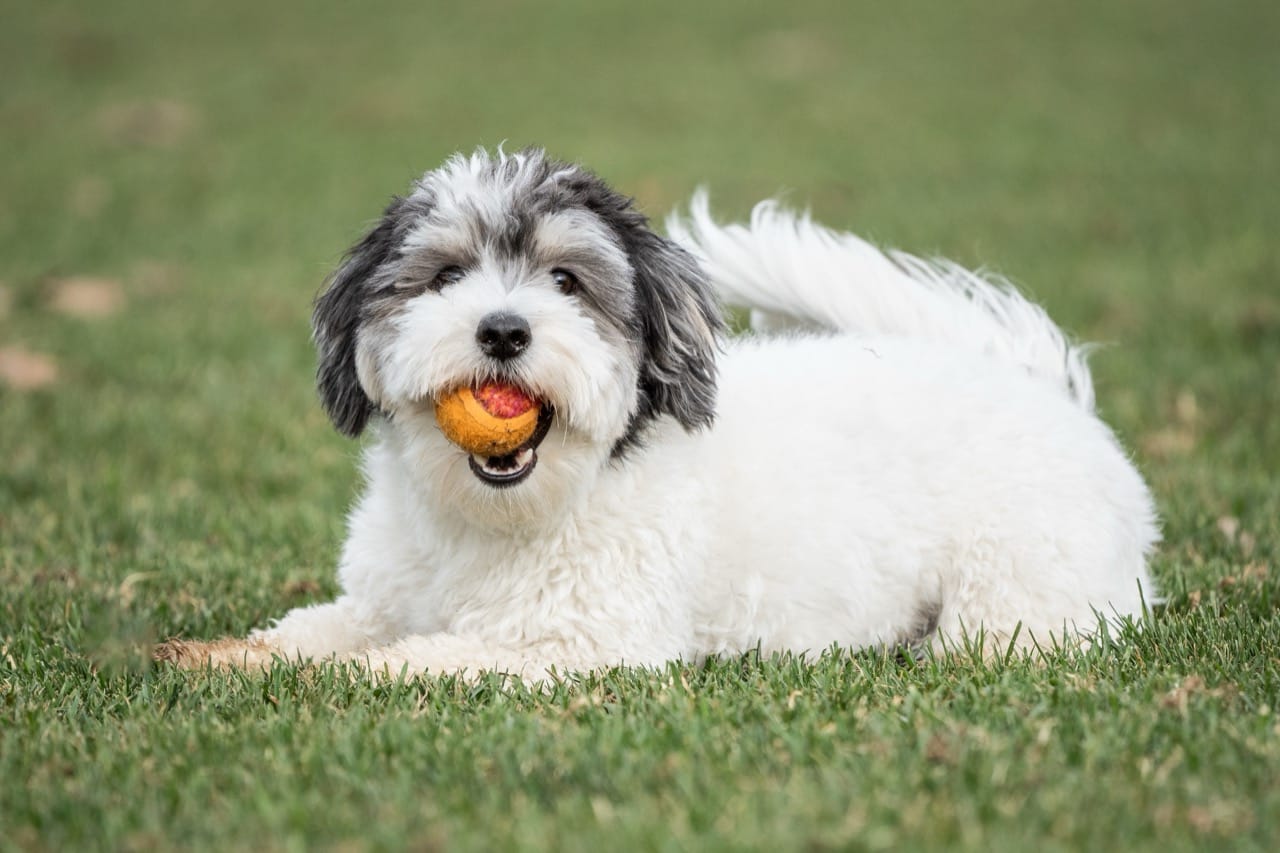
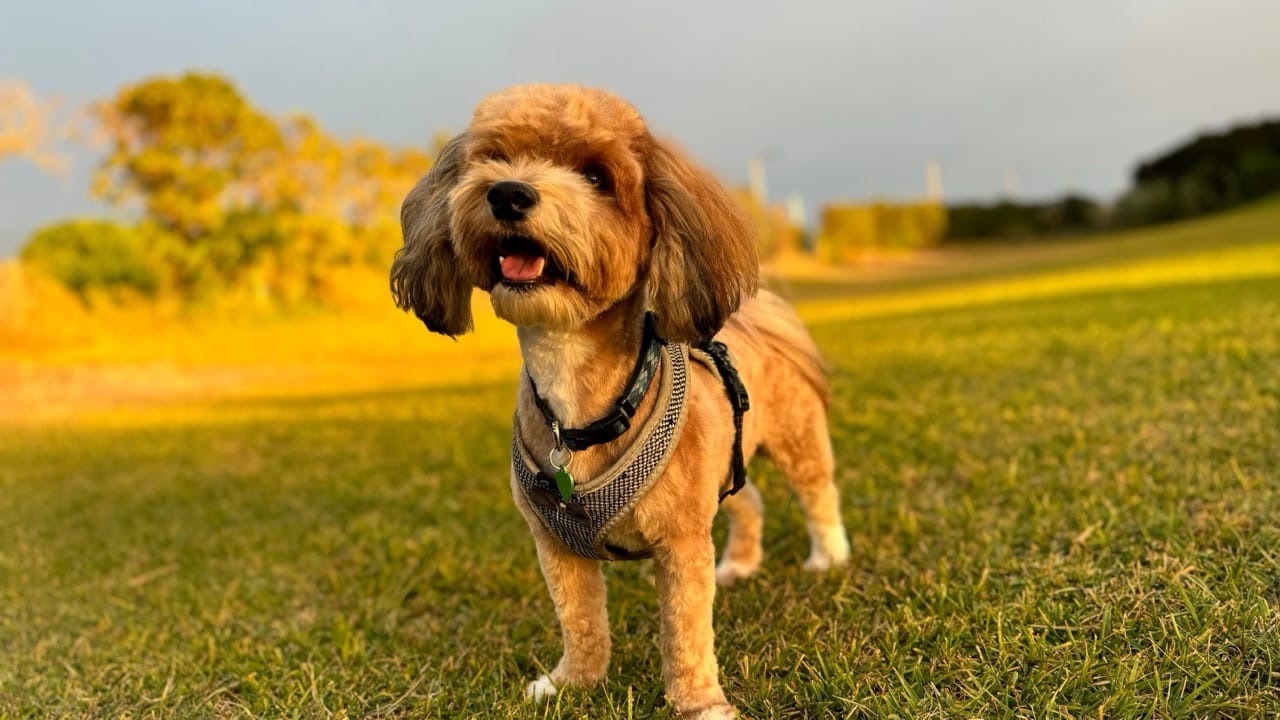
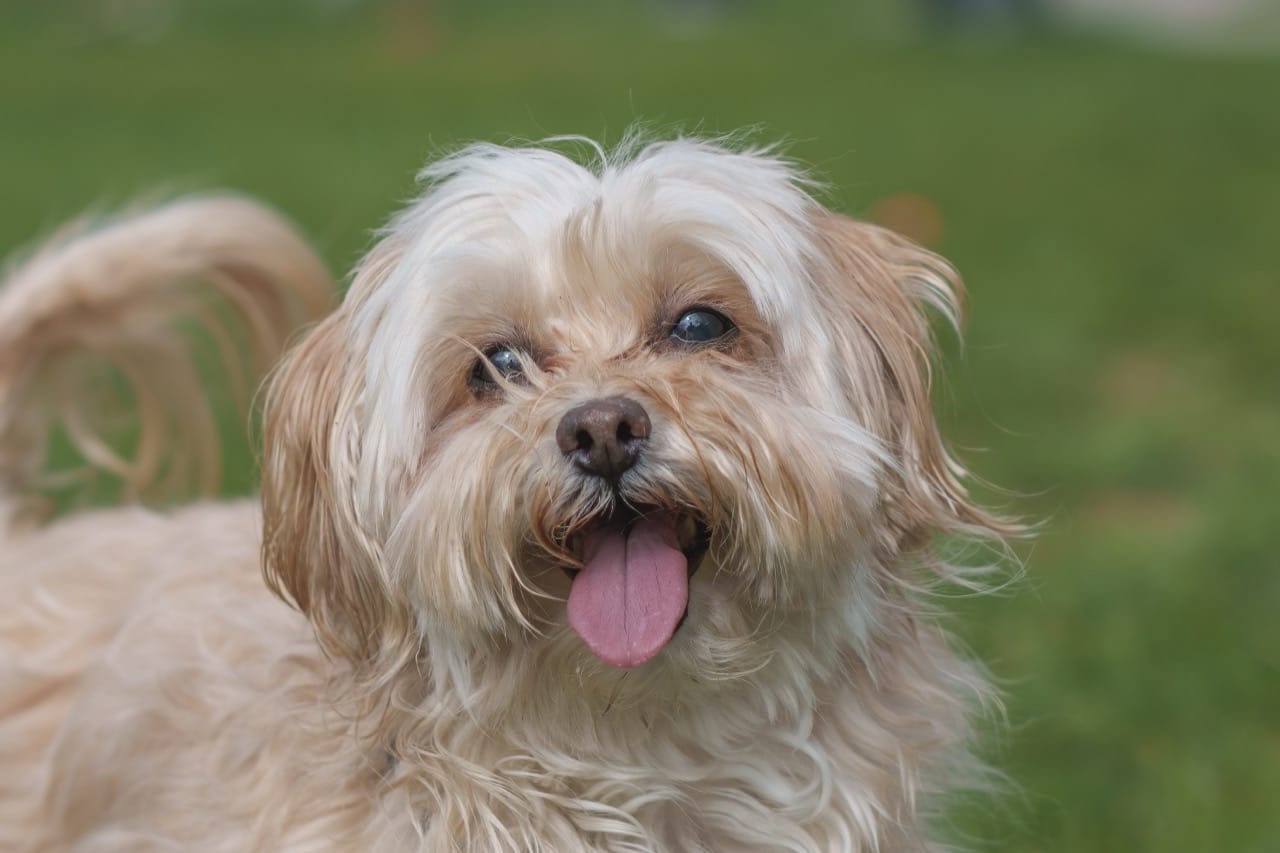
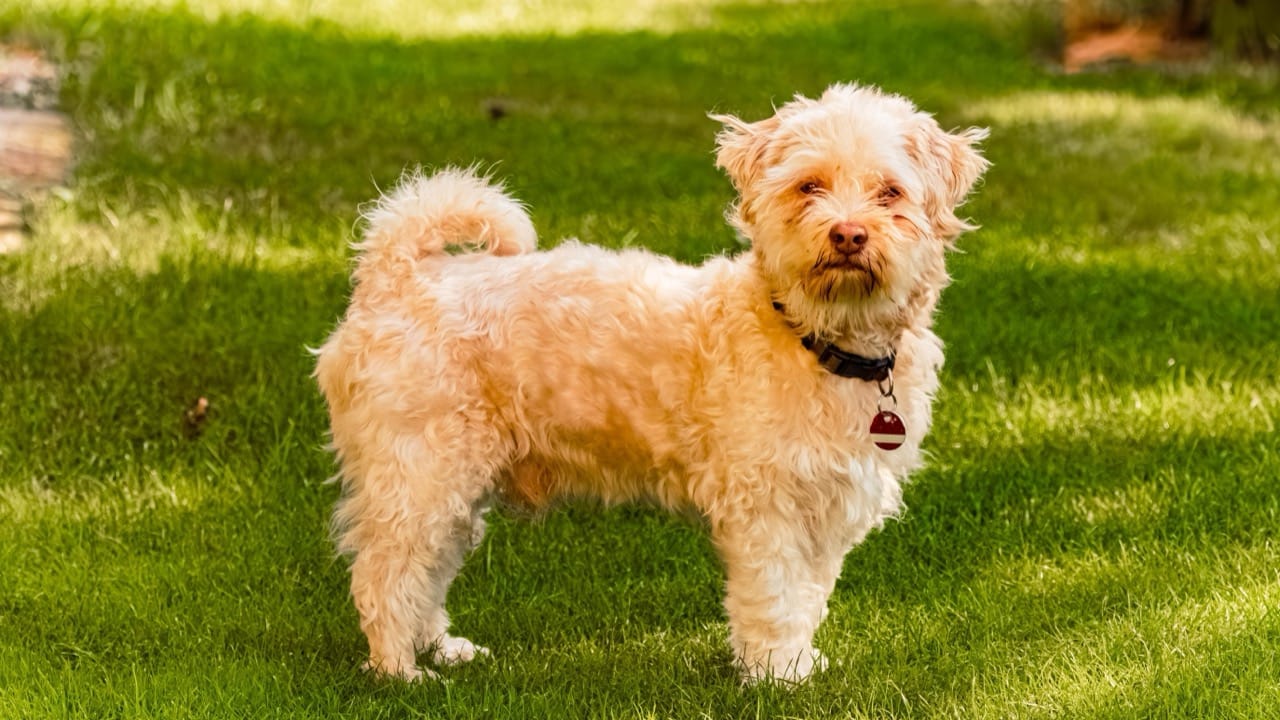
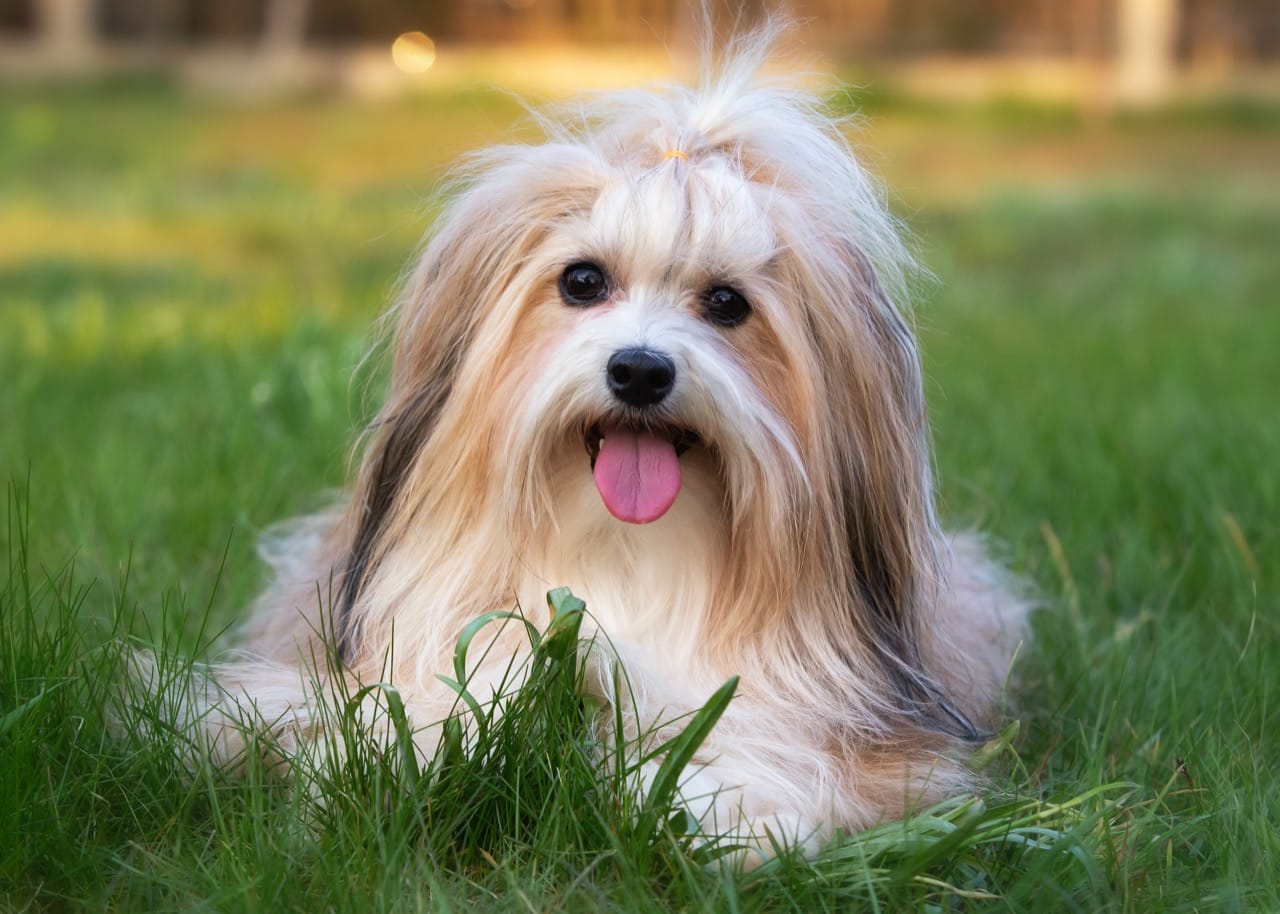
One reason people think there are different kinds of Havanese is the coat itself. The breed is known for a long, soft, lightweight coat that can be straight or wavy and is meant to move with the dog rather than hang like a heavy curtain. In everyday life, though, many pet Havanese wear a shorter trim because it is easier to maintain. That practical puppy cut can change the whole outline of the dog, making the legs look longer, the body look sportier, and the head look rounder or more terrier-like depending on the styling. In the show ring, the coat is typically left long and brushed out, which highlights a different silhouette and can make the dog appear more compact.
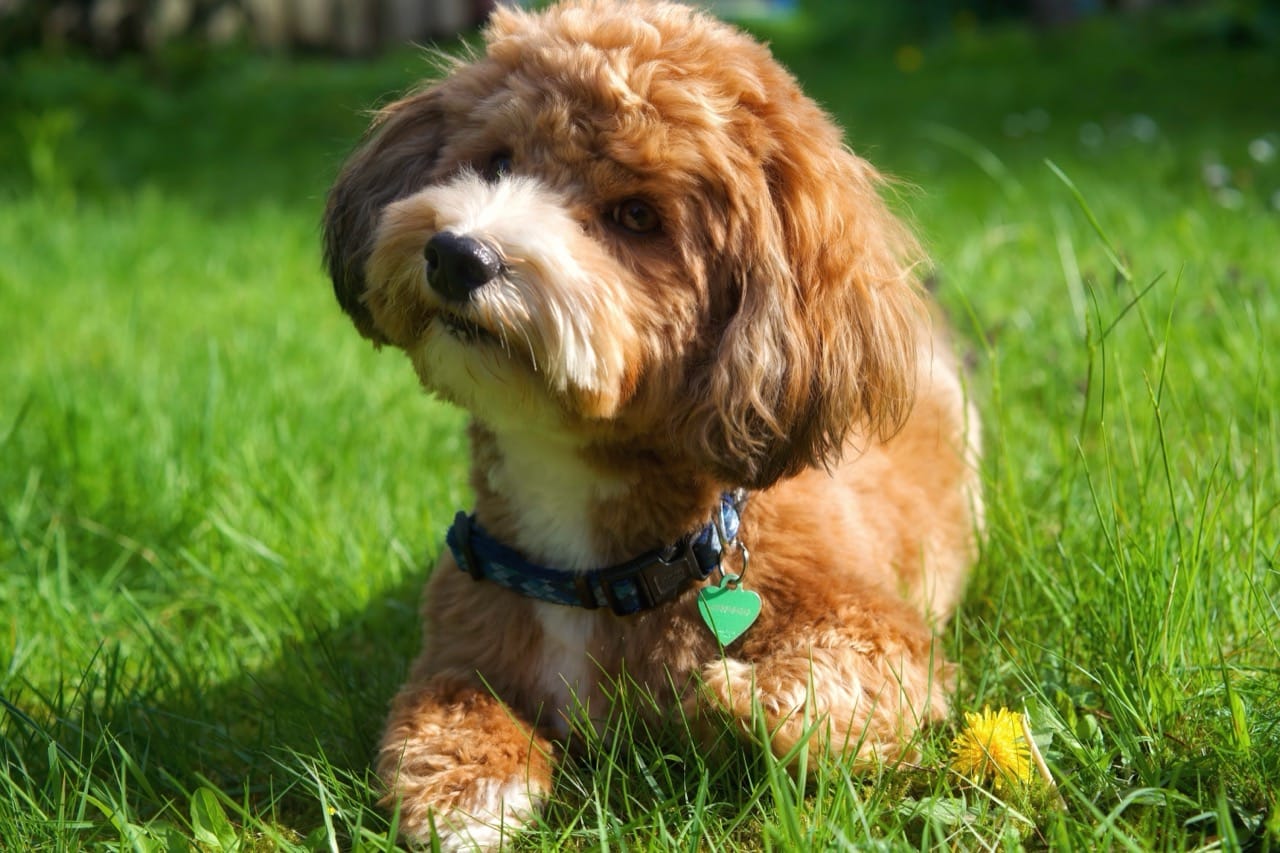
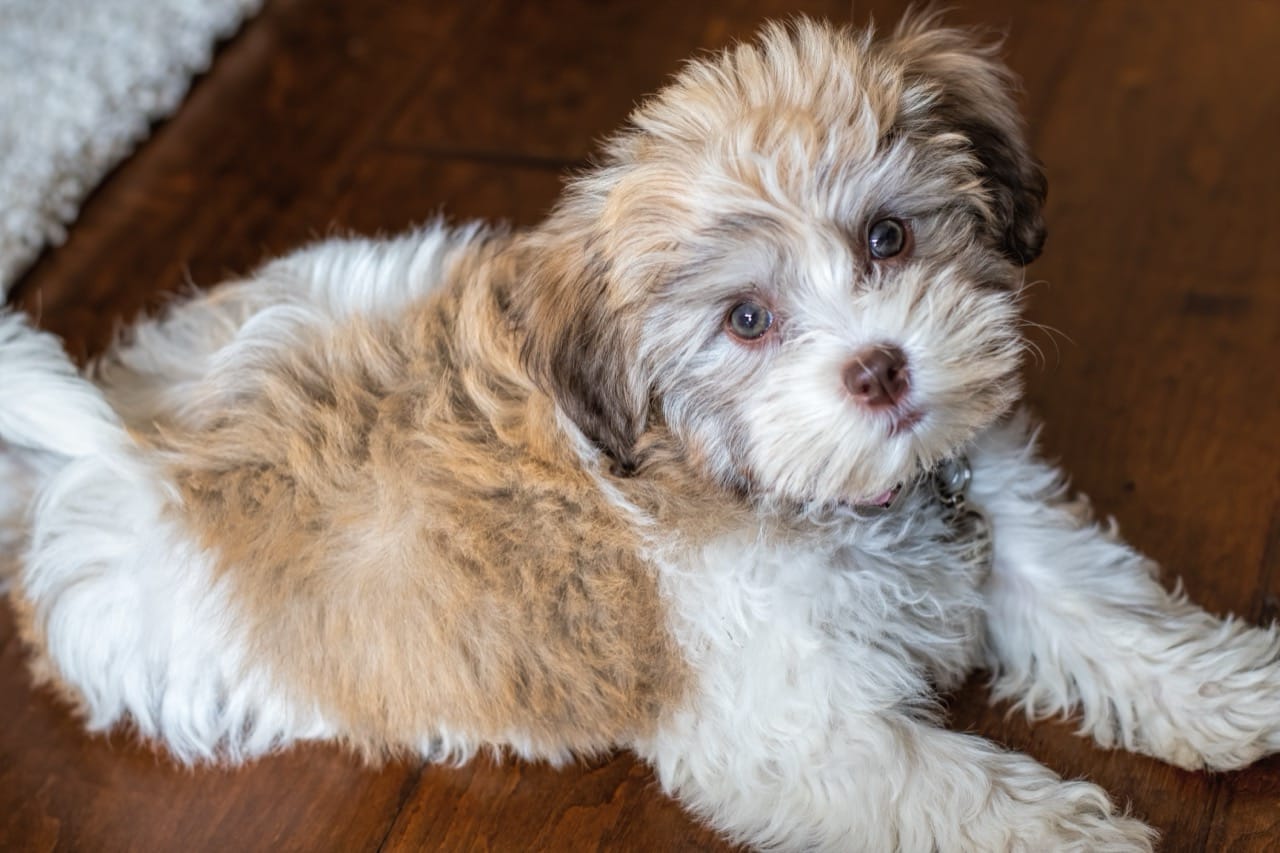
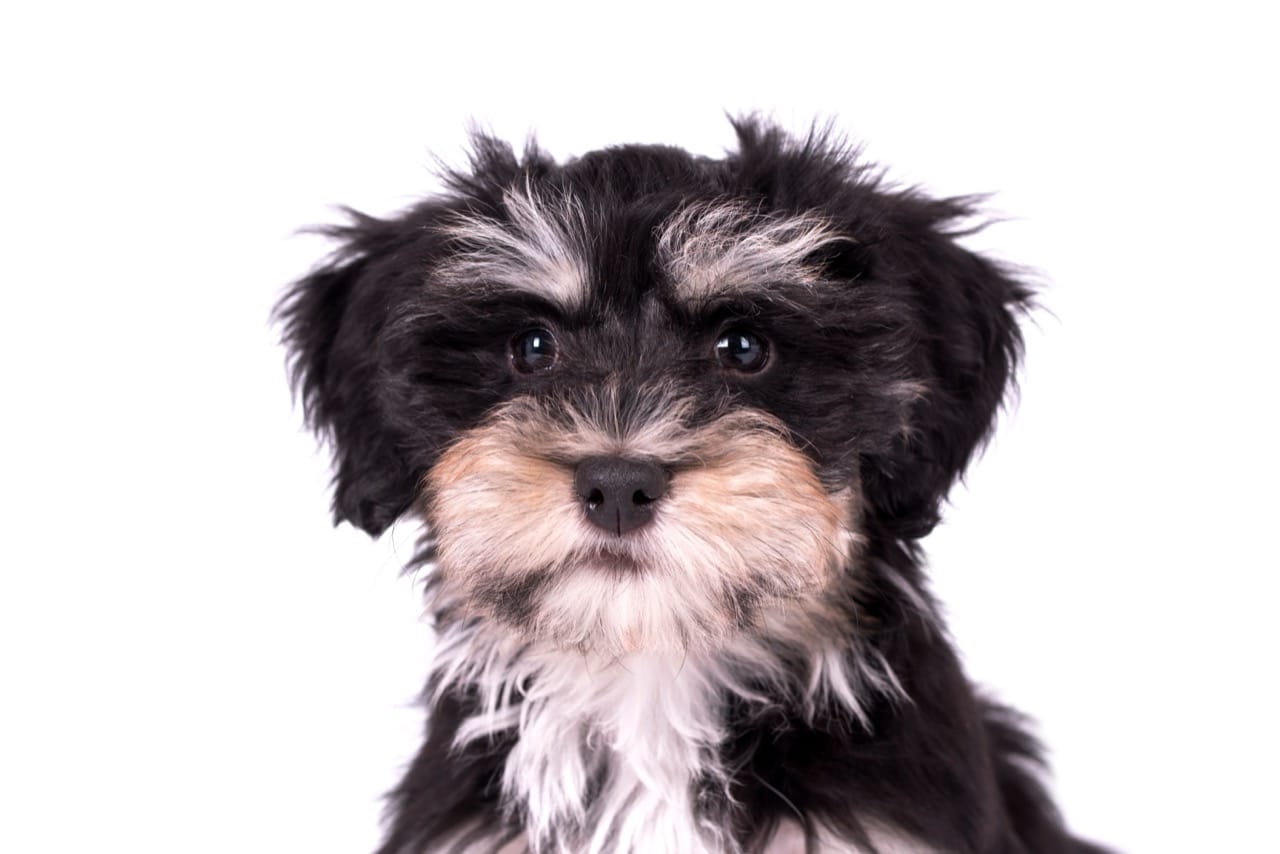
Color terminology adds another layer. Havanese can come in a wide range of colors and combinations, including white, cream, fawn, gold, red, chocolate, black, silver, and various mixes. Many dogs also have shading, tipping, or gradual lightening as they mature. It is common for a puppy to look quite different as an adult, especially when darker coats develop silvering or when a rich color fades to a lighter tone. People sometimes treat these changes as separate types, but they are normal coat development. Pattern words can also be confusing. You may hear terms like parti, which generally means a coat with significant white plus another color, or sable, where the hairs are lighter at the base with darker tips. Brindle striping can occur too, though it is less common. These are descriptions, not separate varieties.
Then there are informal body-type labels. Some Havanese are described as cobby, meaning shorter-backed and more compact, while others are leggier with a bit more reach in the legs. These differences can show up within the same breed because bloodlines emphasize slightly different traits, and because grooming can exaggerate proportions. A long coat parted down the back can make the dog look lower and longer, while a shorter trim can make the same dog look taller and more athletic.
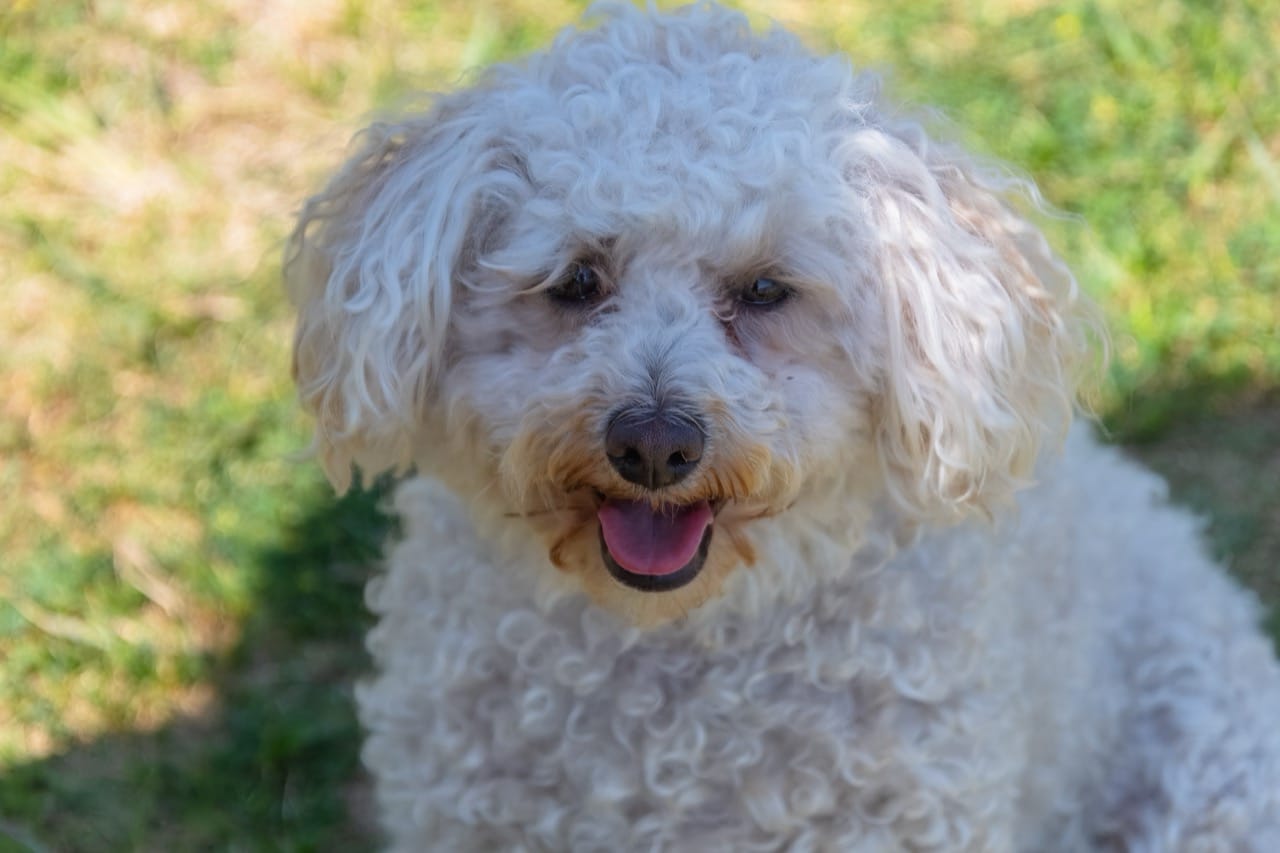
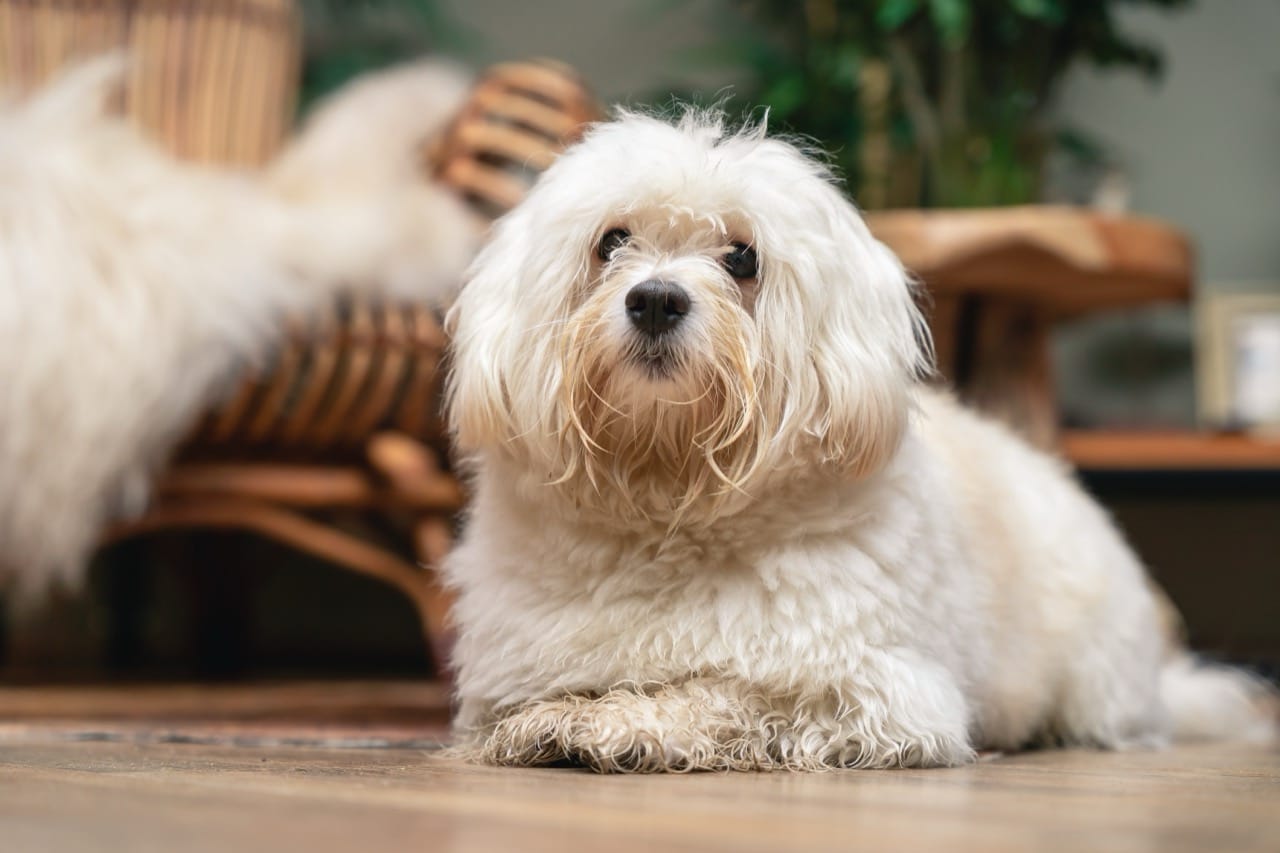
Lookalikes are a constant source of confusion. The Havanese is part of the broader family of Bichon-type companion dogs, so it shares a general size and friendly demeanor with breeds such as the Maltese, Bichon Frise, Coton de Tulear, and even the Lhasa Apso or Shih Tzu in casual comparisons. The Maltese is typically all white with a straighter, heavier-looking fall of hair. The Bichon Frise is famous for a dense, curly coat often styled into a rounded puff. The Coton de Tulear tends to have a cottony texture rather than the Havanese silky feel. Lhasa Apsos and Shih Tzus often have a more pronounced, shorter muzzle and a different head shape. When any of these breeds are clipped short, the visual clues get even harder to read.
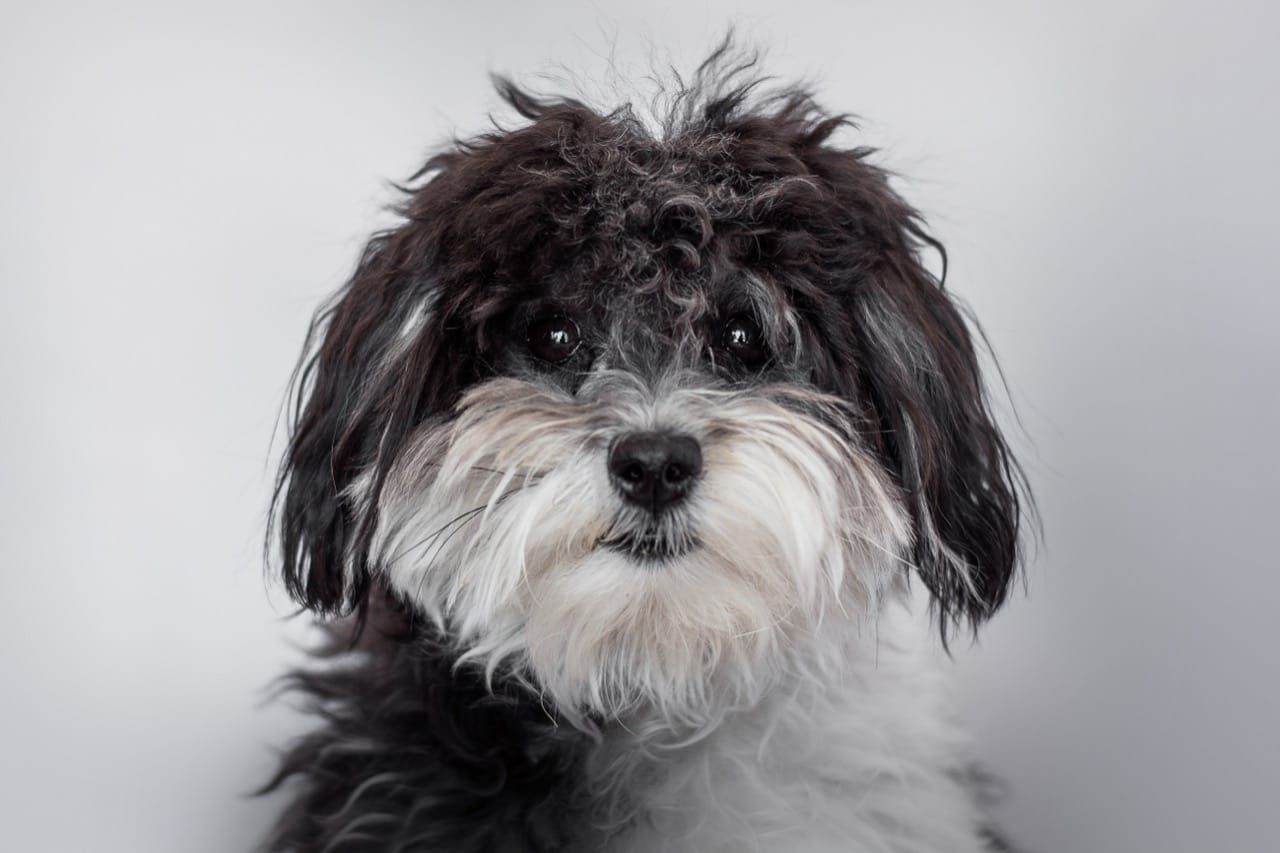
Mixes can blur the picture further. A Havanese crossed with a Poodle may have tighter curls and a more variable coat. A cross with a Maltese may look whiter and finer-coated. These dogs can be wonderful companions, but they are not separate Havanese types, and their grooming needs and shedding patterns can differ.
The most reliable way to think about Havanese variety is simple: the breed allows many colors, the coat can be straight or wavy, and everyday grooming choices strongly influence what you think you are seeing. Once you know which traits are official descriptions and which are casual labels, it becomes much easier to enjoy the fun of spotting a true Havanese, and to appreciate how much personality can fit into such a small, bouncing package.