Masterclass Challenge on the Great Dane
Quiz Complete!
Beyond Giant: The Great Dane in History, Genetics, and Real-World Care
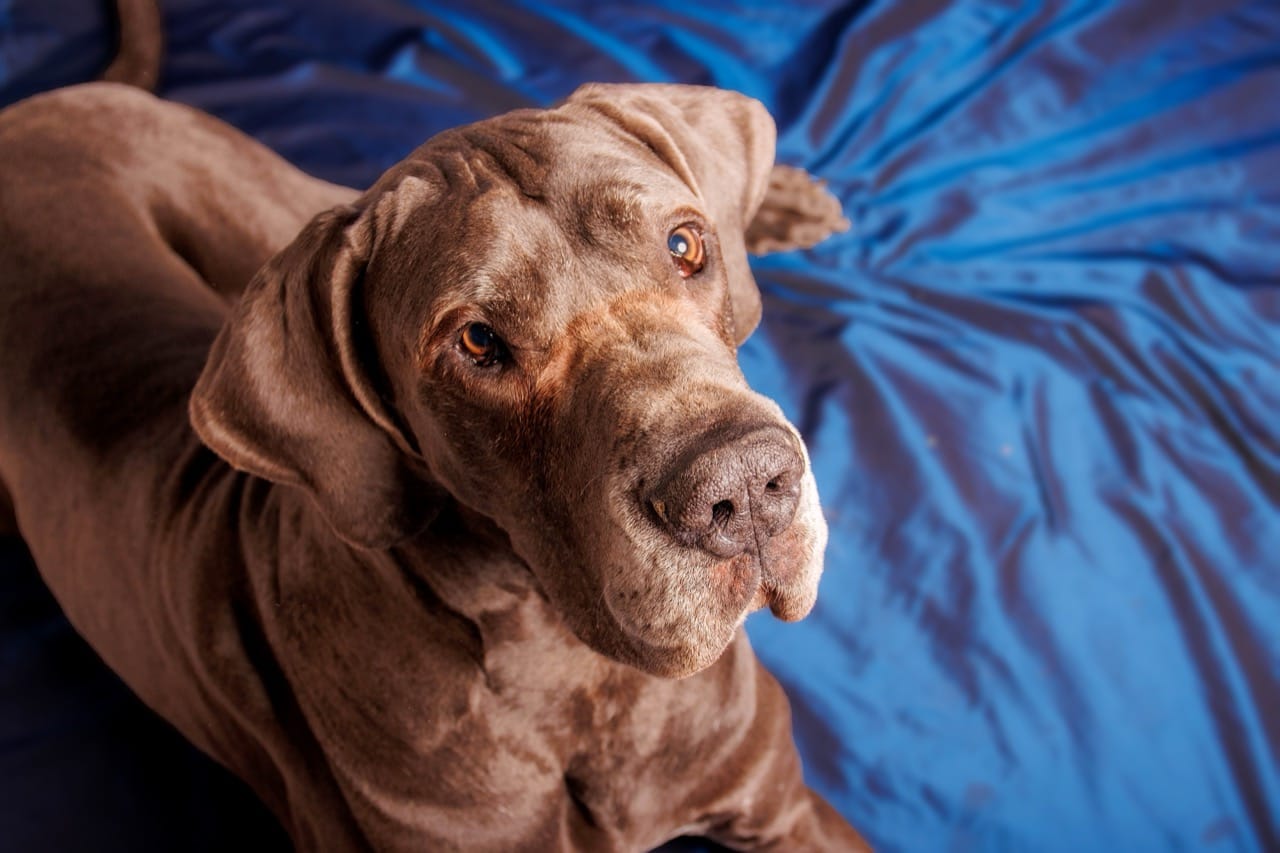
The Great Dane is famous for height, but the breed’s story is full of surprises, starting with its name. Despite sounding distinctly Scandinavian, the Great Dane is not a Danish invention. The breed developed primarily in German-speaking regions, where powerful “dogges” were used for hunting boar and guarding estates. The phrase “German Mastiff” was once common, and modern breed clubs still emphasize the dog’s German origin. The “Dane” label likely stuck through historical travel writing and fashion, a geographic misdirection that became permanent branding.
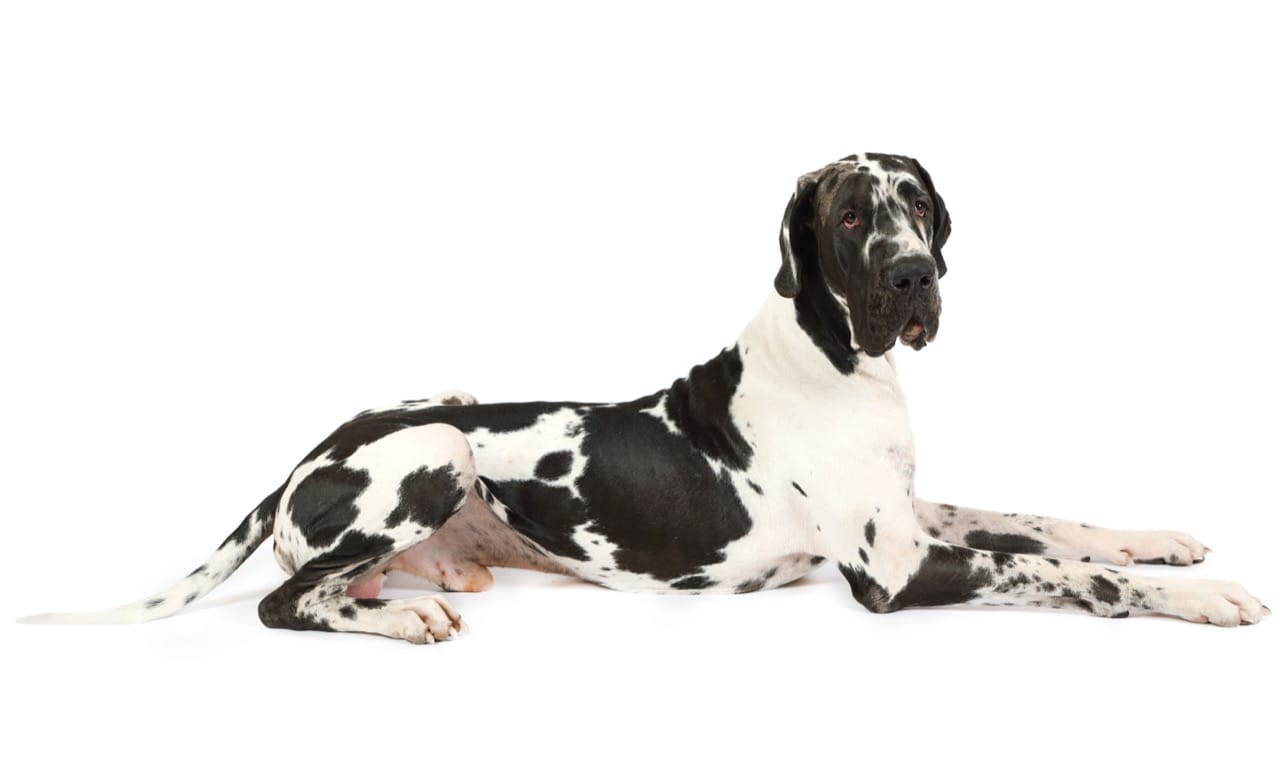
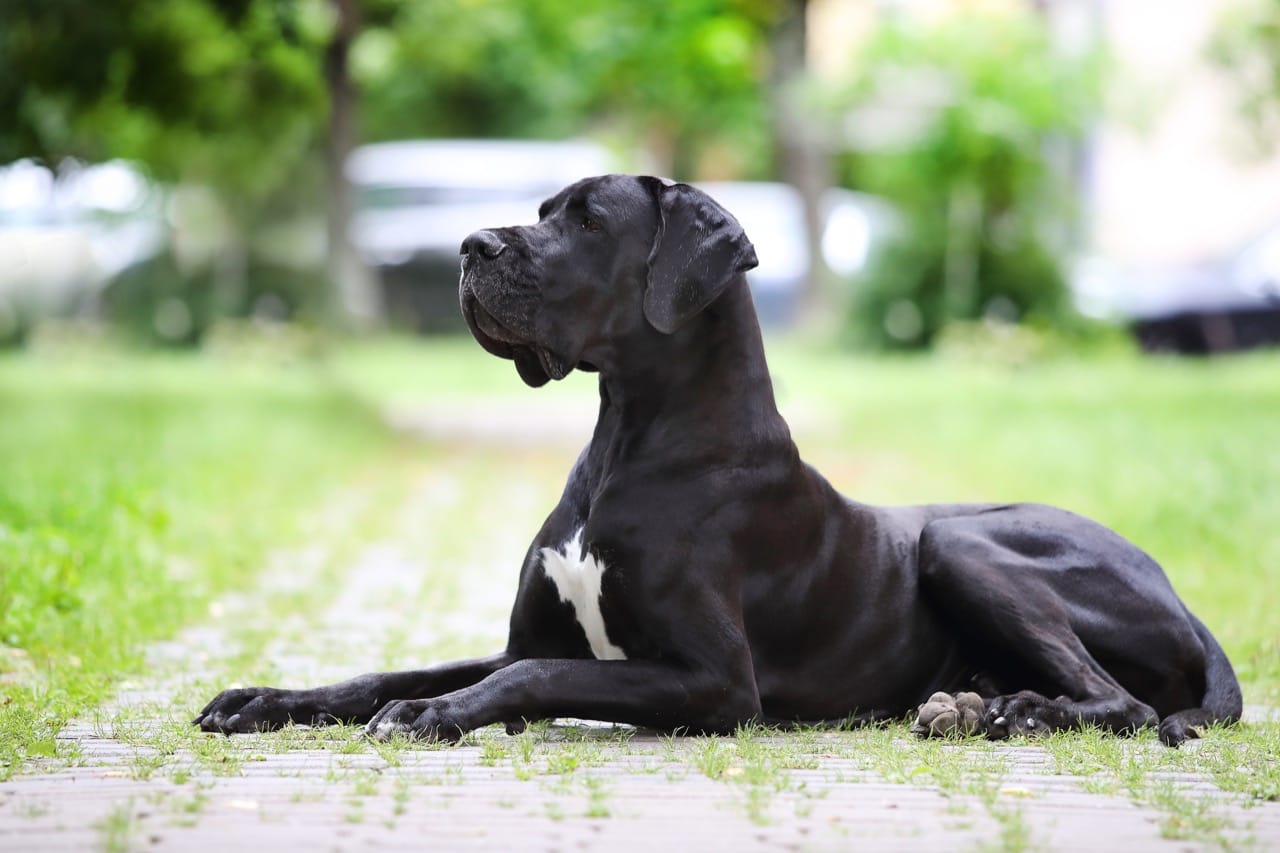
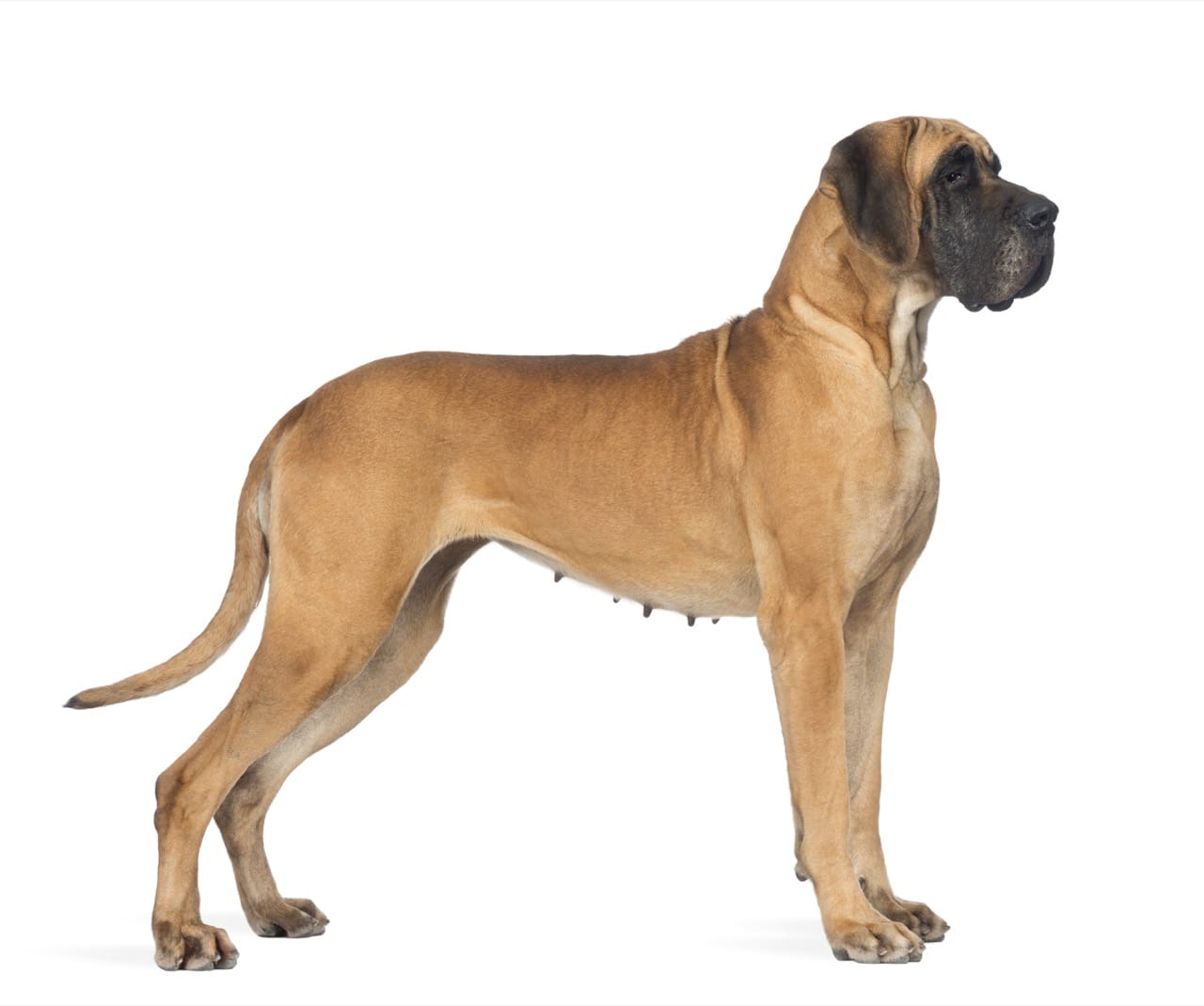
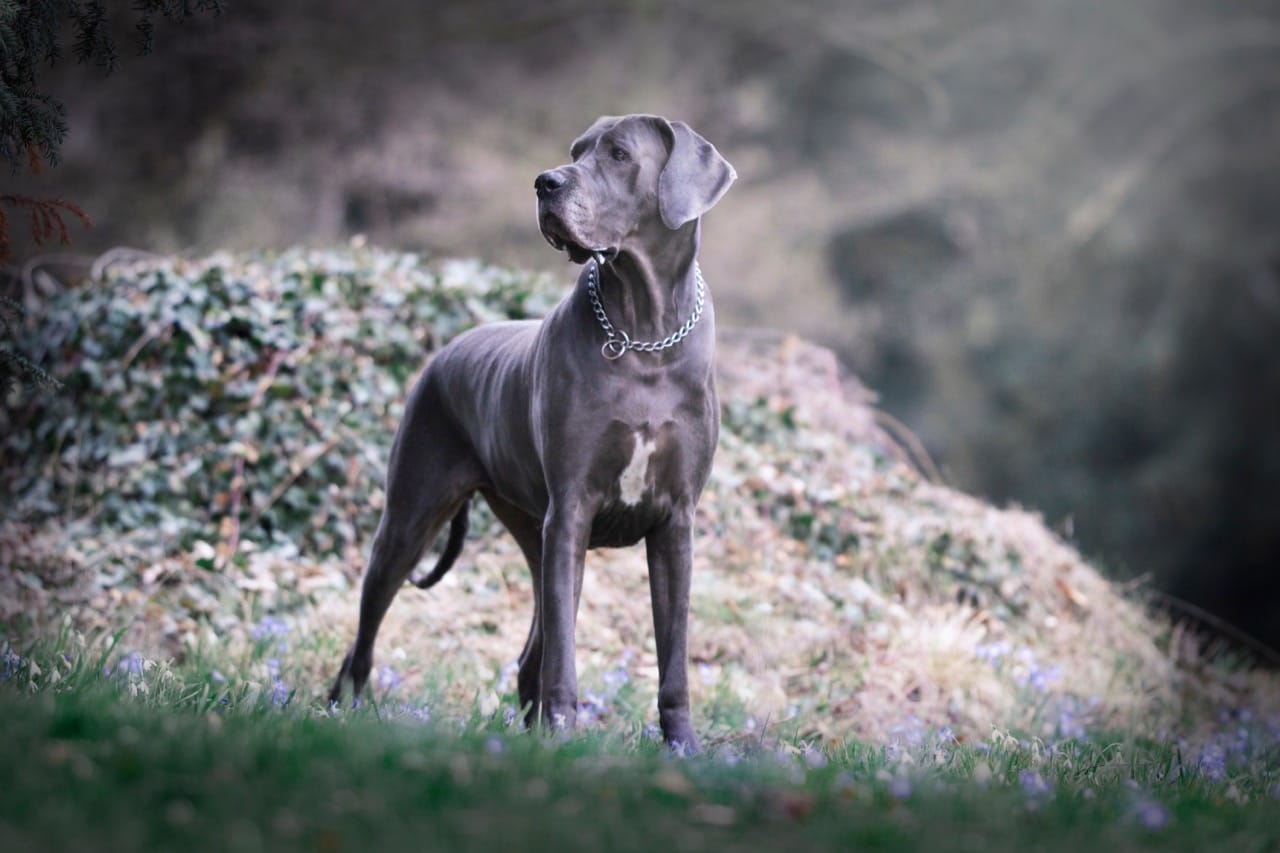
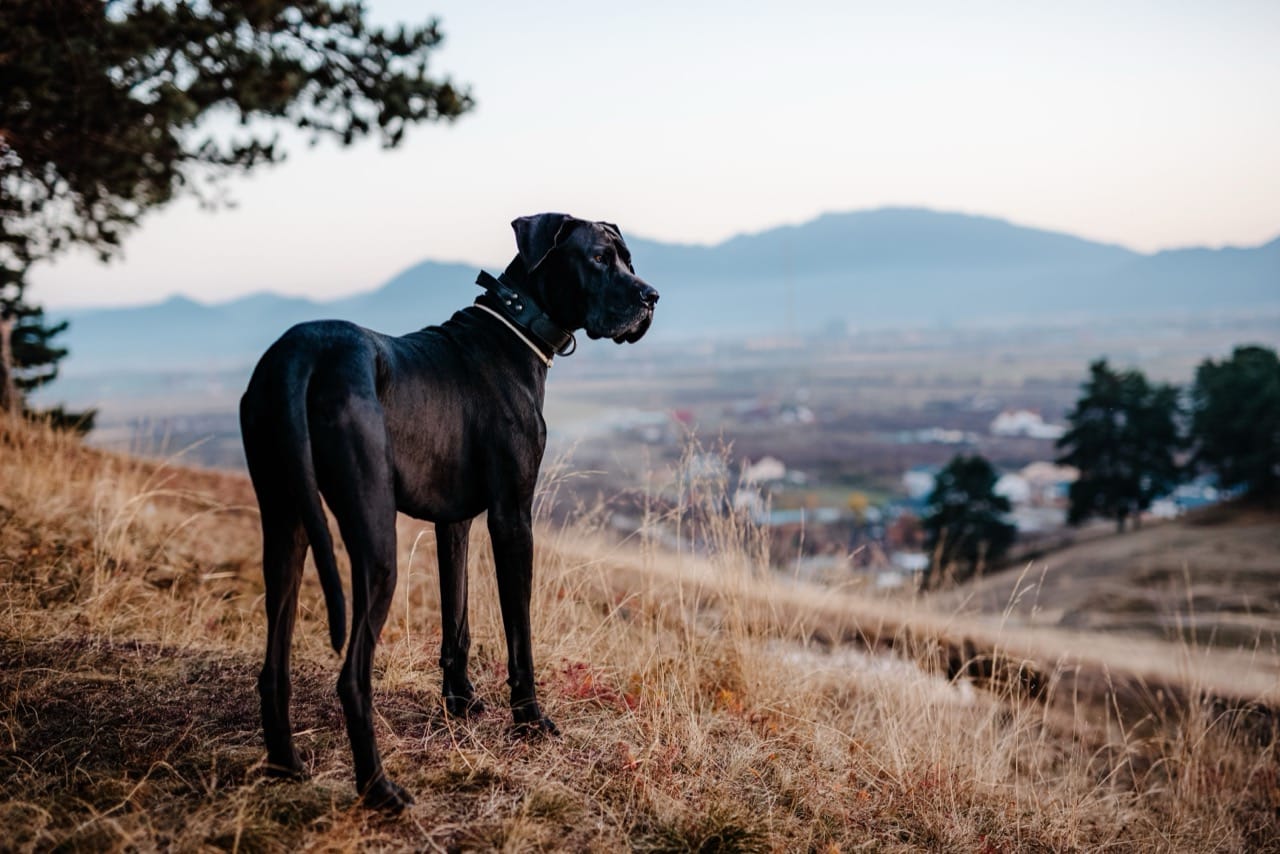
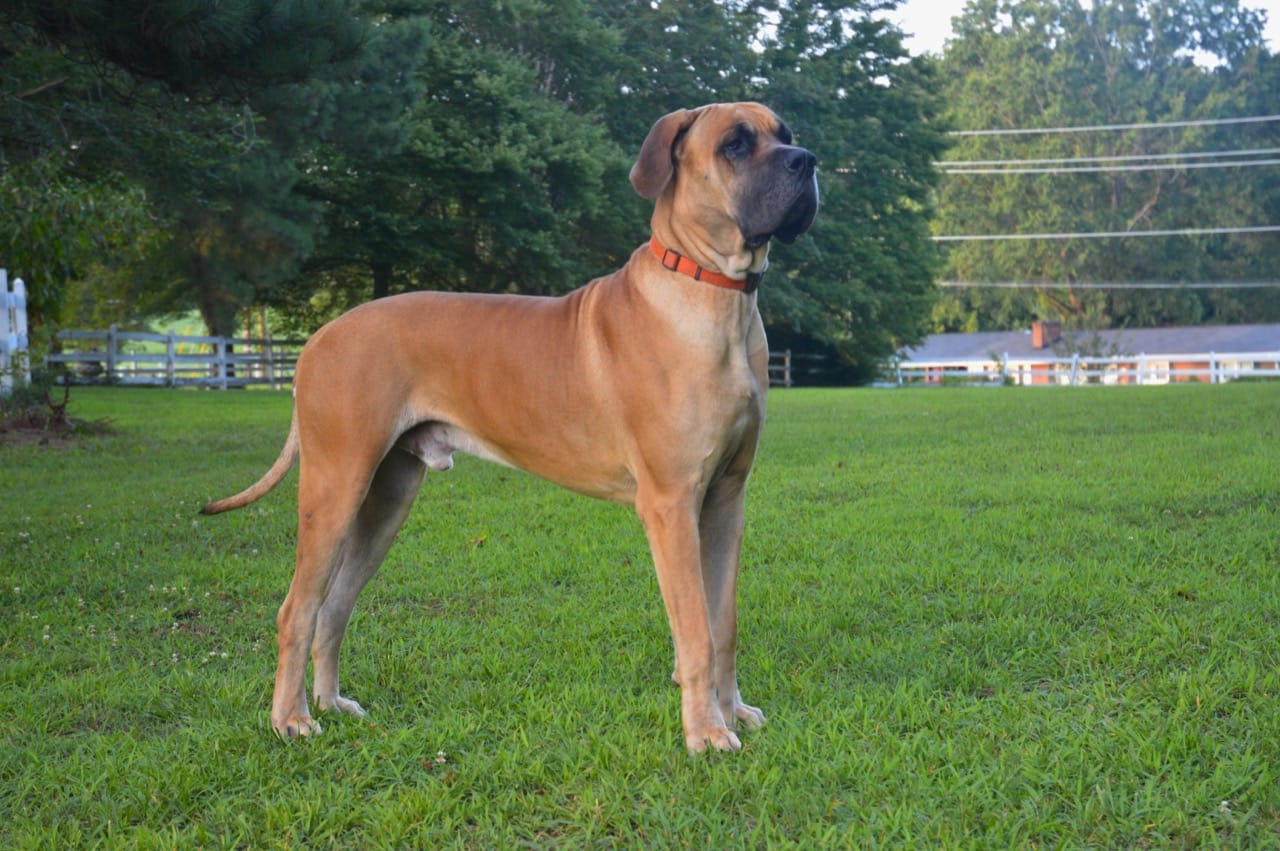
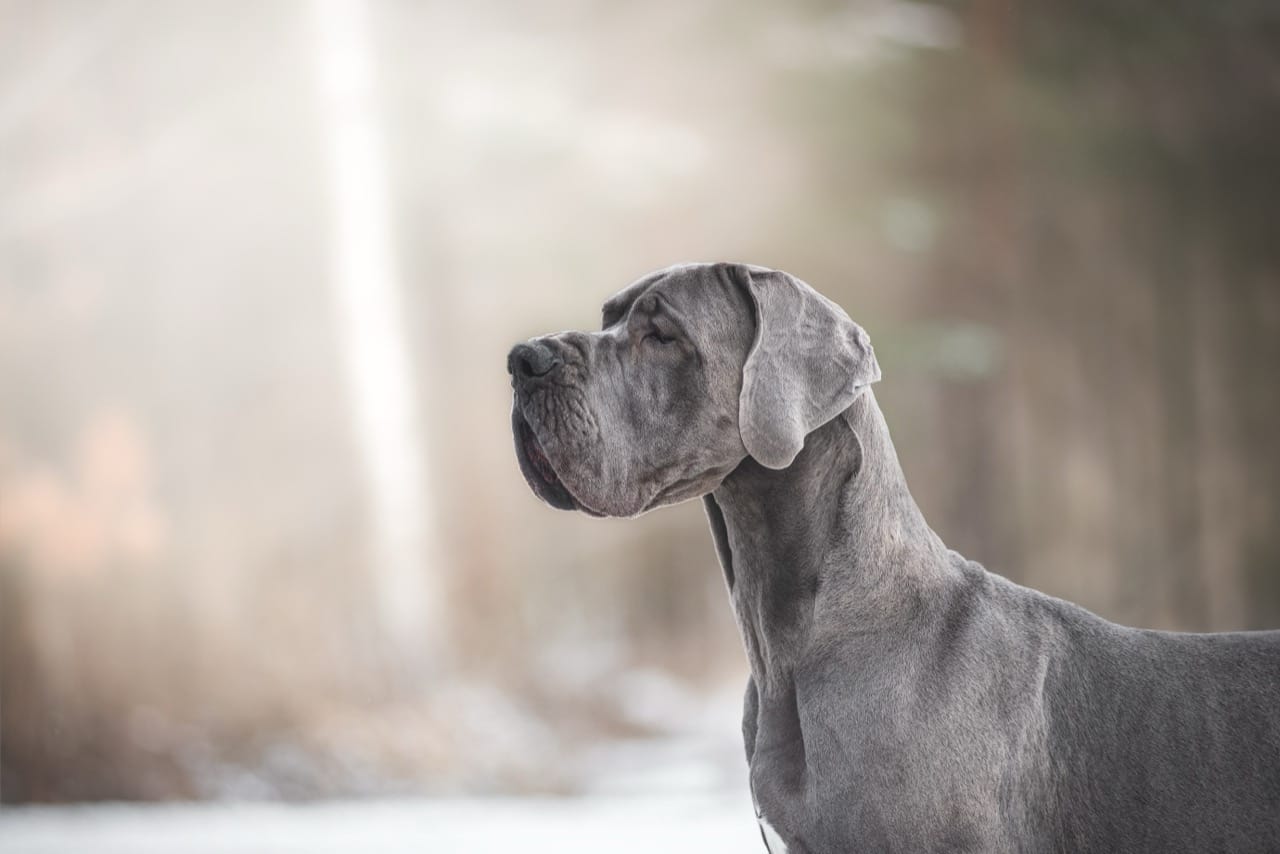
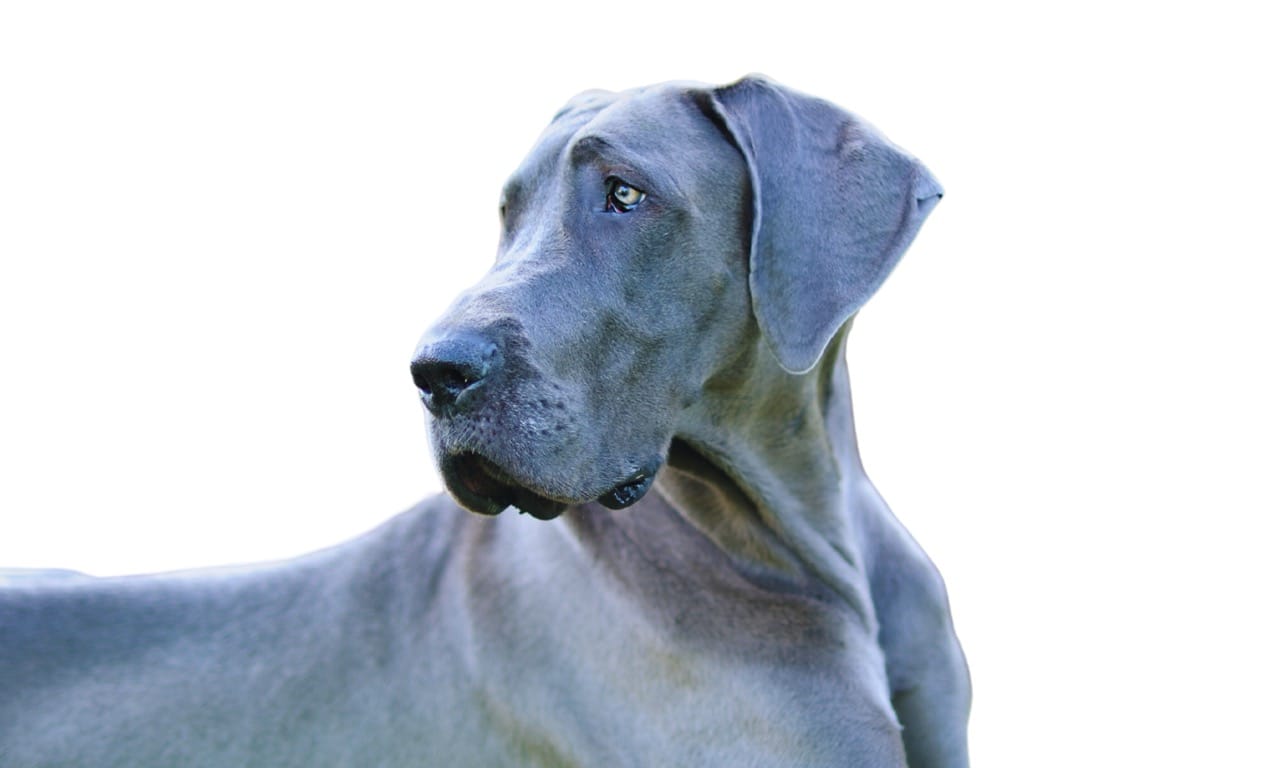
That iconic silhouette is not just about being large. Breed standards describe a dog that is tall, rectangular, and elegant rather than heavy. The outline should show a long neck, a deep chest with good forechest, and a strong topline that stays firm in motion. A Great Dane should look like it could cover ground efficiently, not merely loom. Even details like the feet matter: tight, well-arched toes help support a large body, while weak pasterns and splayed feet can foreshadow orthopedic trouble.
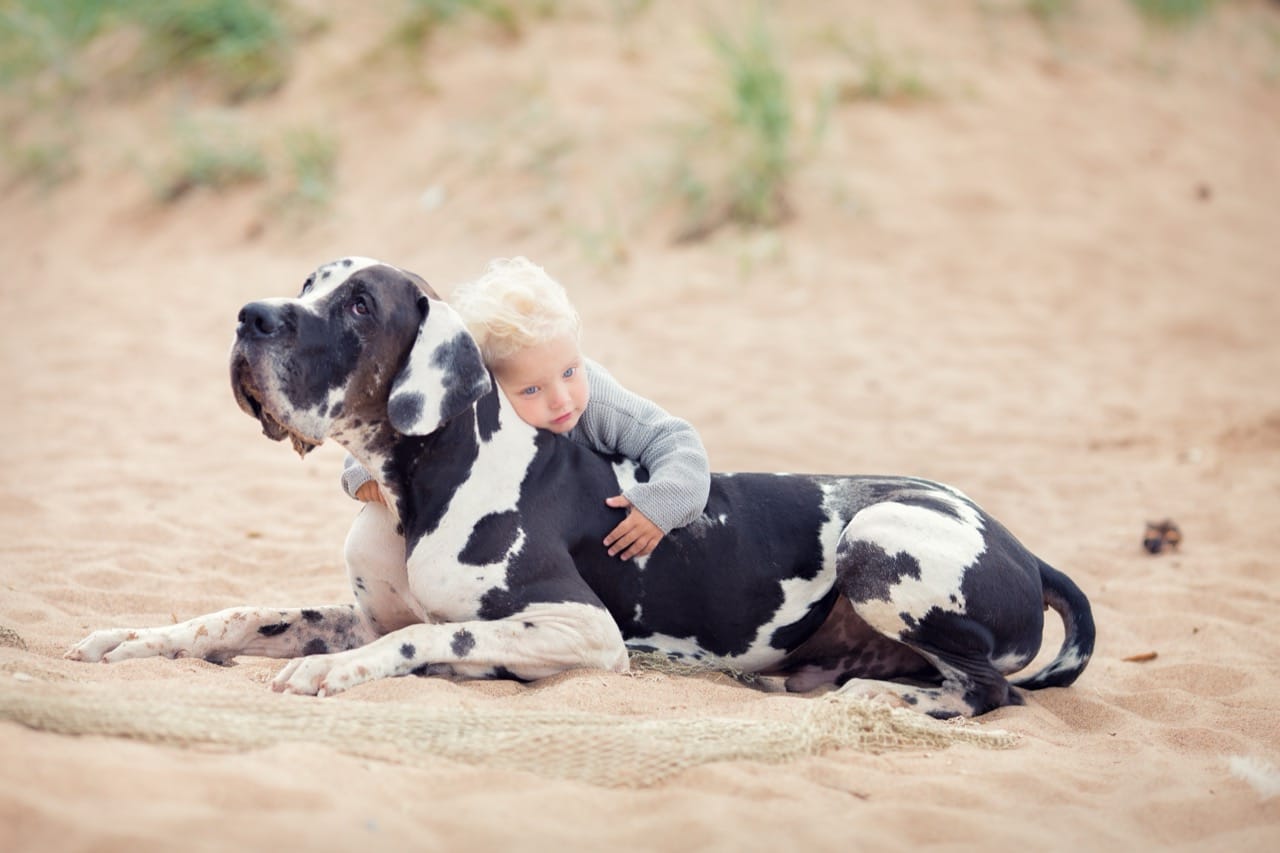
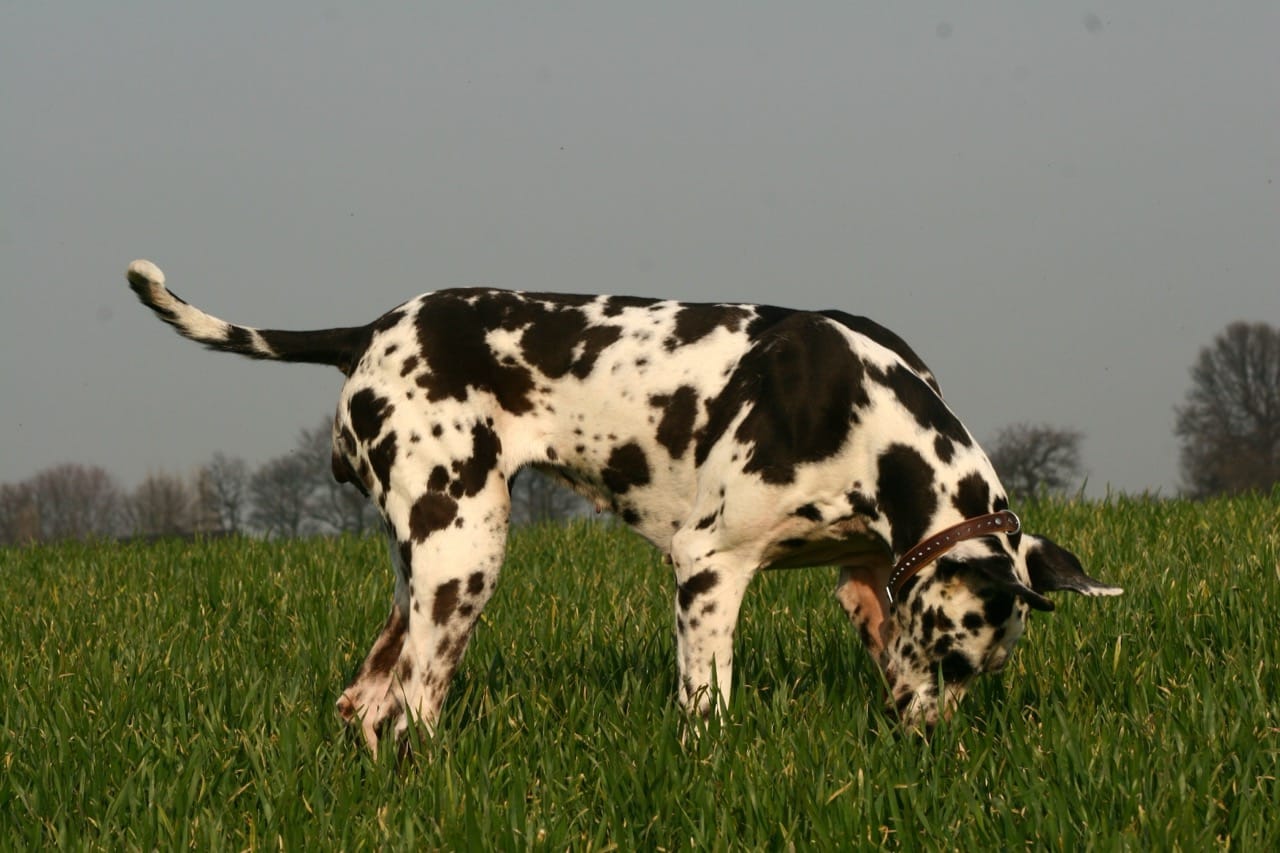
Color genetics add another layer of “big details.” The harlequin pattern, for instance, is not simply a paint job. It depends on a specific genetic interaction: the merle gene creates mottling, while a separate harlequin modifier alters that merle background into the sharp black patches on a white coat that people recognize. This is why harlequin breeding requires care and knowledge. Certain combinations can increase the risk of auditory and ocular problems, and doubling up on merle-related genetics can produce mostly white puppies with a higher chance of deafness. Ethical breeding aims to preserve the pattern while minimizing preventable health issues.
Health risks are where the Great Dane’s glamour meets hard reality. Veterinarians stay on high alert for gastric dilatation-volvulus, commonly called bloat, where the stomach fills with gas and may twist. It can become fatal within hours. Risk is influenced by factors such as deep chest conformation, age, meal patterns, and stress. Practical prevention focuses on management rather than superstition: feeding multiple smaller meals, avoiding intense exercise right around mealtime, reducing competition in multi-dog homes, and discussing prophylactic gastropexy with a veterinarian, especially for dogs already undergoing another abdominal procedure.
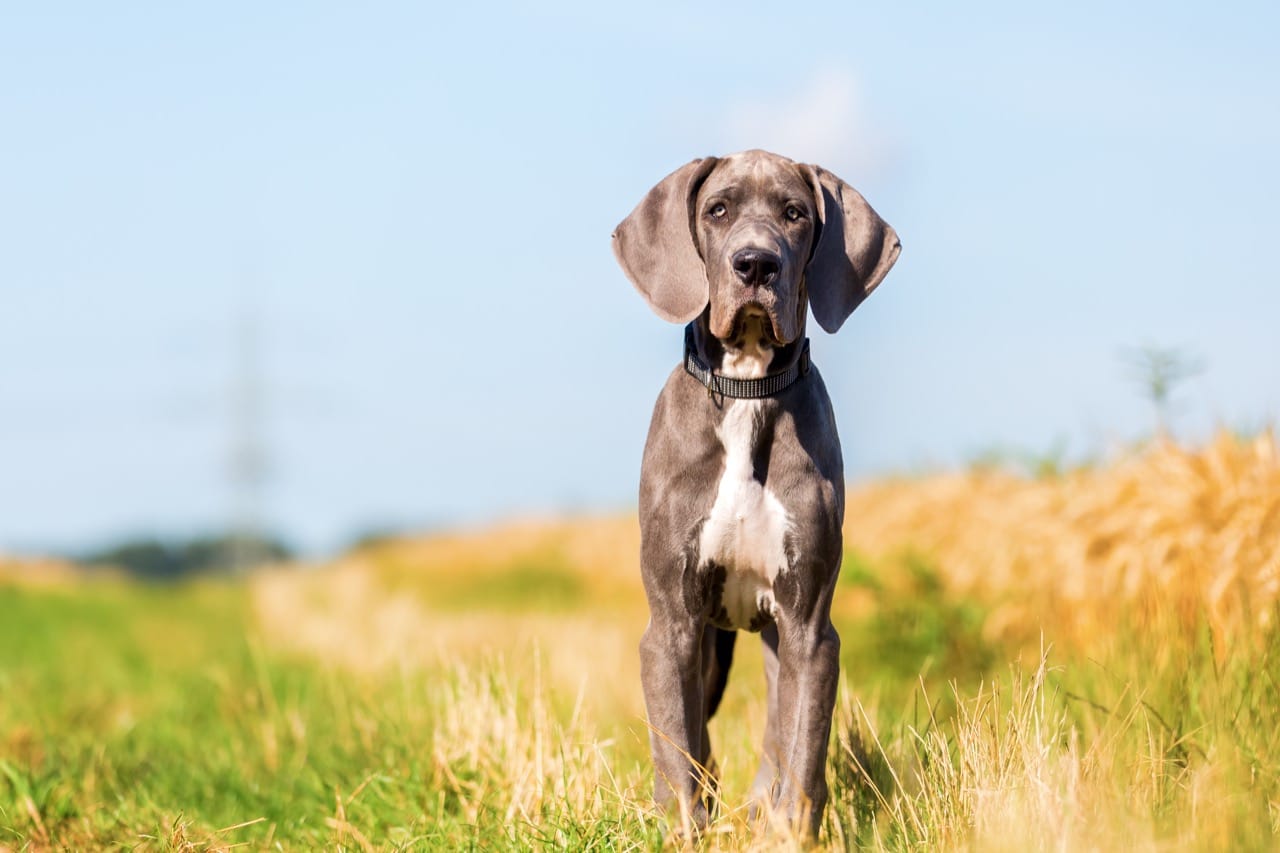
Orthopedic concerns are another major theme. Because Danes grow rapidly, nutrition and growth management matter. Overfeeding calories or using inappropriate calcium and phosphorus levels can contribute to developmental problems. Owners often assume a “giant breed puppy” needs extra protein or supplements, but the real goal is controlled, steady growth with a diet formulated for large or giant breed puppies. Common issues include hip dysplasia and osteochondritis dissecans, and many Danes also face cervical spondylomyelopathy, often called wobbler syndrome, which can affect gait and coordination. These conditions are not guaranteed, but they are common enough that informed owners watch movement, posture, and comfort closely.
In the show ring, terminology can sound like a foreign language, yet it maps to function. Words like angulation, reach and drive, and substance are shorthand for how a dog is built and how it moves. A balanced Dane should stride with ease, carrying its size without rolling, pounding, or crabbing. Temperament is equally critical: the breed is meant to be confident and friendly, a calm companion with presence, not a nervous giant.
Living well with a Great Dane is about respecting both physics and biology. Their size makes training and manners non-negotiable, but their sensitivity makes harsh handling counterproductive. With thoughtful breeding, careful growth management, and smart daily routines, the Great Dane can be more than a big dog. It can be a surprisingly athletic, affectionate, and historically rich breed whose details reward anyone willing to look past the height chart.